
Commercial Spray Foam Roofing in Murrieta, CA
Evaluate spray polyurethane foam roofing in Murrieta, CA, including substrate moisture, thickness, protective coating, drainage, repairs and access planning.
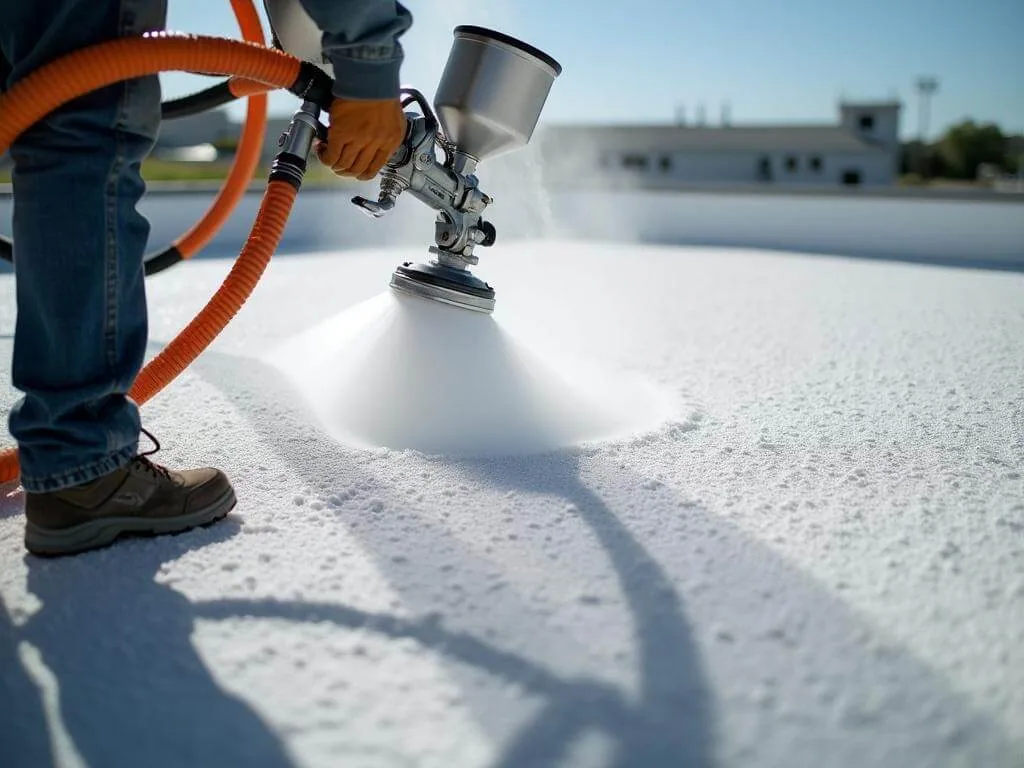
A foam roof can change slope and insulation in one application, but its performance depends on the surface beneath it and the coating above it. In Murrieta, we inspect the existing assembly, moisture conditions and drainage before discussing spray polyurethane foam, or SPF. Murrieta’s 2050 scenarios range from 26 to 36 extreme-heat days annually, compared with a historical average of five from 1950 to 2005. The planning range comes from a defined temperature threshold and emissions scenarios, not a forecast for a particular roof. It is useful context for reviewing UV exposure, coating condition and service timing. A roof inspection establishes the substrate condition first.
Substrate: Confirm That Foam Can Bond
SPF is applied as a liquid that expands into a closed-cell foam layer. The substrate must be sound, clean and within the product’s moisture and temperature limits. We check for wet insulation, loose membrane, corrosion, dirt and previous coating that could prevent adhesion. A test area can show whether surface preparation and primer create an acceptable bond. If the old roof is blistered or saturated, foam should not conceal that condition. The design also needs to address wind attachment, edge restraint, penetrations and transitions to dissimilar materials. We document the roof plane and mark areas that need removal or repair before application. A recover assessment can compare retaining the existing assembly with a tear-off, and cover board may provide a suitable substrate where the roof design calls for it. Product instructions govern preparation and application limits.
Foam Profile: Design Thickness and Drainage Together
SPF can be shaped to add slope, but the final profile must be designed around drains, scuppers and overflow routes. We identify ponding, high points and curb elevations, then confirm the intended thickness across the roof. Foam should not create a ridge that traps water or cover a drain bowl. Penetrations need a controlled transition, and equipment curbs may need height changes where insulation increases. The city organizes its development framework across ten adopted specific plans. Downtown Perris and Perris Valley Commerce Center are two named planning areas. Those plans describe land-use areas, not roof conditions; the roofing survey still needs to measure the actual roof and outlet positions. A drainage review can document the water path, while curb inspection can verify clearance around equipment. The SPF proposal should state average and taper thickness, surface preparation, protective coating and how each drain and edge will finish.
Coating: Protect the Foam From Sun and Service Traffic
Foam requires a protective coating to shield it from ultraviolet exposure and weathering. The coating type and thickness are selected for the product system and the roof’s service conditions. We inspect for thin areas, cracking, blisters, punctures and places where a later repair left exposed foam. Coating should extend through transitions without blocking drain paths or equipment access. Temecula’s Old Town district spans about one mile from north to south. That local commercial setting does not tell us how a particular roof is used, but the property contact can identify service traffic and exhaust that may affect coating wear. We note those routes and consider walk pads where maintenance concentrates. Owners may compare silicone coatings and acrylic coatings by compatibility, exposure, drainage and maintenance needs. The foam and coating together form the roof assembly, so the specification should name both.
The finished surface should be reviewed for consistent coverage, missed areas, pinholes and thin coating around equipment bases and vertical transitions. We compare the installed thickness with the product specification and look for places where spray patterns changed at edges or around obstacles. If a repair requires new foam, its perimeter should taper into sound material so the protective layer can bridge the change without leaving a sharp ridge. Rooftop units and pipes can make it difficult to see the surface directly beneath a support; we identify those blind areas and coordinate access with the mechanical team. The inspection record notes coating product, color, application date, repair areas and any section that needs follow-up. That lets the building team distinguish normal surface aging from a cut, impact or incomplete transition. It also gives the next roofing crew useful information before a different trade moves equipment or adds a new penetration.
Application Window: Control Overspray and Building Access
SPF application requires controlled conditions and careful protection of adjacent surfaces. We identify air intakes, vehicles, rooftop equipment, walkways and neighboring operations that need protection from overspray. Wind, temperature and moisture affect application, so the crew follows the product limits and pauses when conditions do not support the specified result. Material staging, hose routes and access to drains need to be planned before work begins. Where a building remains occupied, we coordinate notice and protect areas under active application. A phased roof sequence can divide the surface into sections, while a replacement evaluation can compare SPF with a different assembly if substrate or access makes spraying unsuitable. We record the day’s completed area, coating status and any location that needs a return visit before reopening roof access.
Maintenance: Track the Foam and Its Protective Surface
Routine inspections look at coating continuity, foam exposure, punctures, drains, flashings and transition details. A small damaged area can often be cut back to sound foam and rebuilt with compatible materials, followed by the specified protective coating. If water has reached the foam or substrate, the repair boundary may need to extend beyond the visible opening. We document thickness, coating product, patch location and any test area so future work can use compatible components. Project cost depends on preparation, foam thickness, coating, access, overspray protection and the amount of substrate repair. A coating restoration review can evaluate a weathered surface, and a photo condition report can preserve the starting point. A Perris roof assessment should also map its own drainage and application constraints. We set follow-up timing from observed coating condition and the building’s service schedule. After a repair, we check that the coating is continuous at the foam edge and that adjacent drains remain open. If a leak returns, we compare the repair location with water movement and any later equipment work before extending the patch. We note whether the correction is isolated or part of a broader coating renewal in the roof map for the next visit.
Commercial Roofing Questions
Can spray foam correct ponding on a commercial roof?
It can be designed to add slope, but the system needs measured elevations, drain capacity, overflow paths and curb height. We verify the profile before application so foam does not redirect water into another low area.
Does SPF need a coating after it is sprayed?
Yes, the foam requires a protective coating as part of the roofing system. We specify the compatible coating and inspect its continuity, thickness and transitions after application.
Can SPF go over an existing roof?
The existing surface must be stable, dry enough and compatible with the selected system. We inspect and test adhesion where needed, then identify removal or preparation work before a spray crew begins.
What can damage a foam roof after installation?
Punctures, service traffic, coating wear, poor drainage and later trade work can expose the foam or interrupt protection. We map access routes and inspect those areas during maintenance visits.
How do we repair a puncture in SPF?
We remove damaged material to sound foam, rebuild the area with compatible product and restore the protective coating. The repair record should show the location and coating system for later inspection.
Related Roofing Work
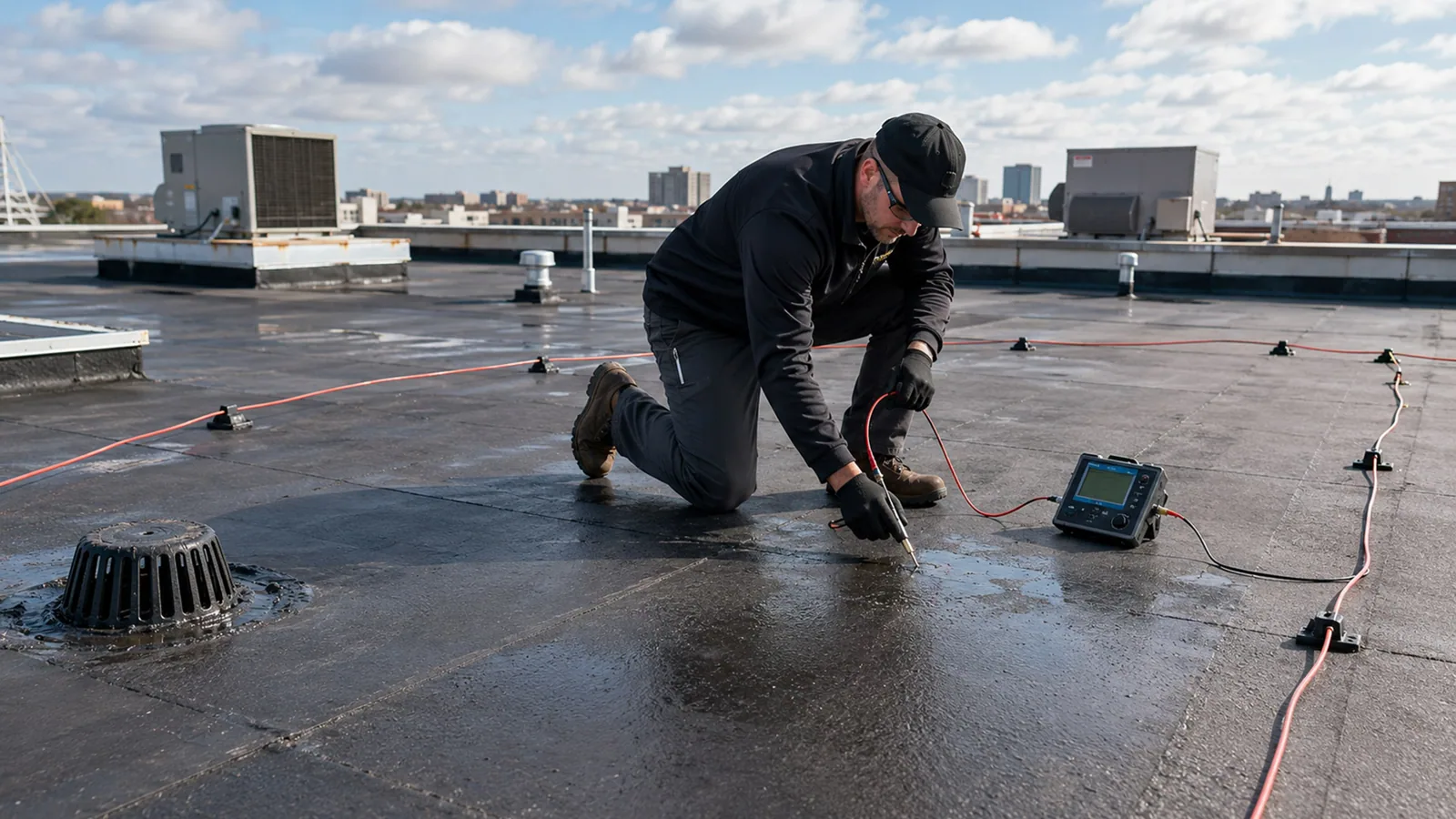
Commercial Roof Inspection in Murrieta, CA
See how this work fits the roof, the building and the schedule.
Learn More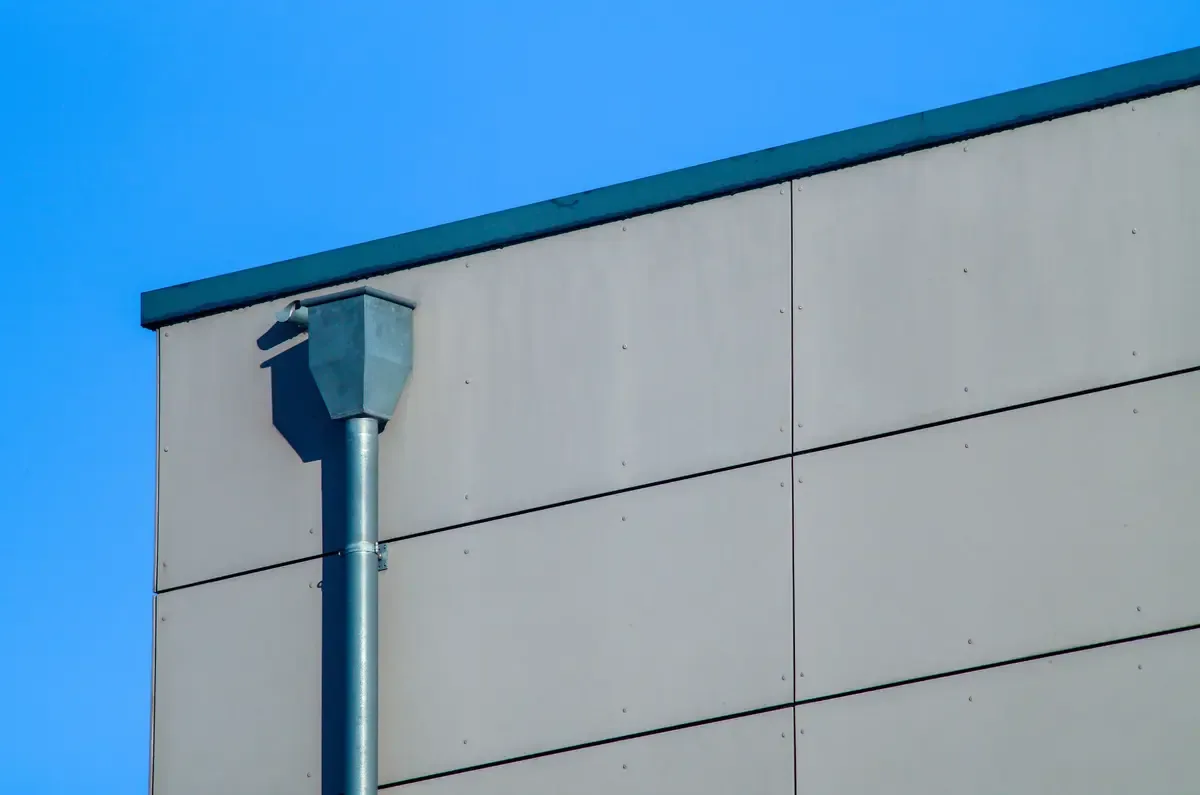
Commercial Roof Drains and Scuppers in Murrieta, CA
Related scope, access notes and questions to ask before work starts.
Learn More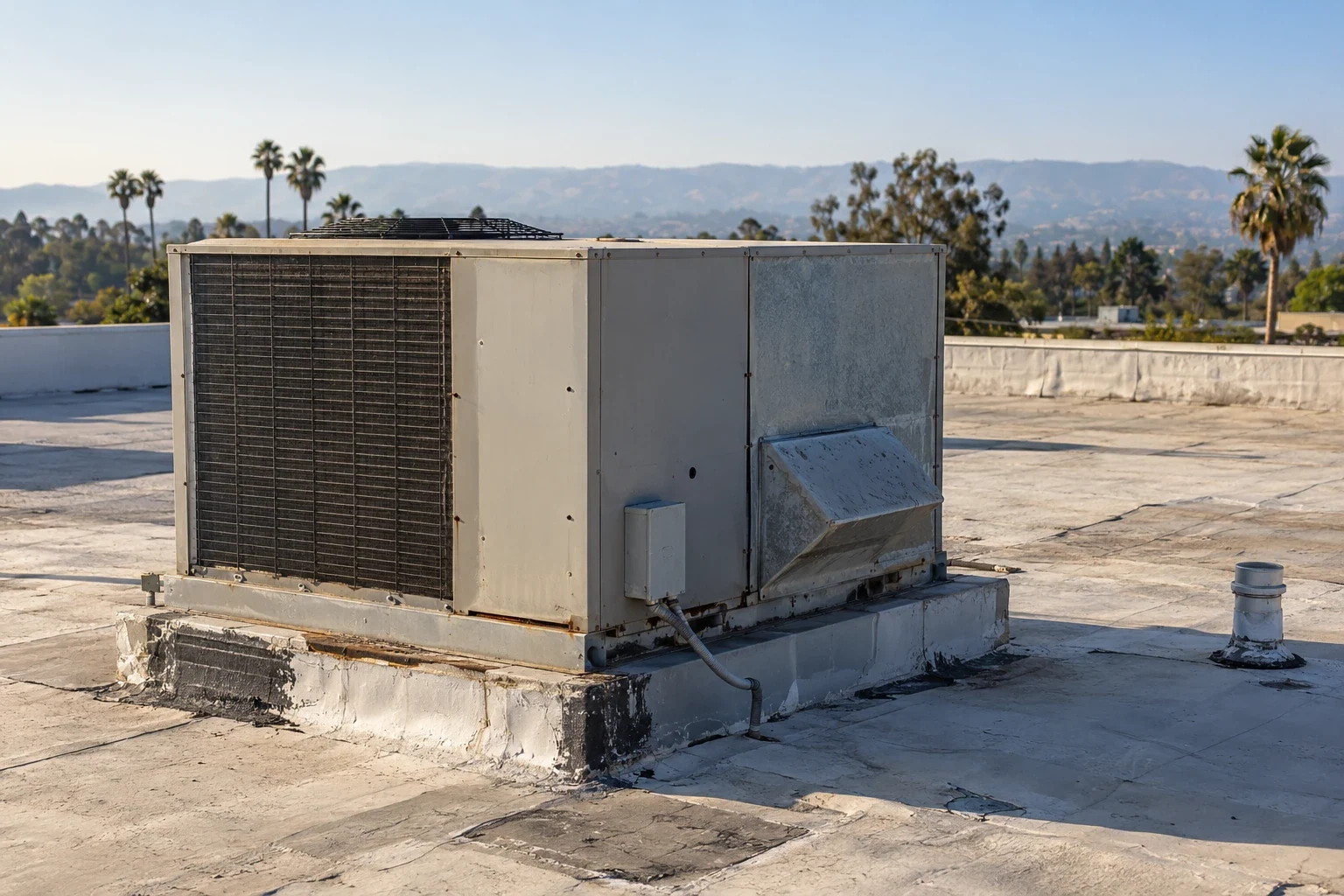
Rooftop Equipment Curbs and Supports in Murrieta, CA
Read the full description and the questions owners ask about it.
Learn More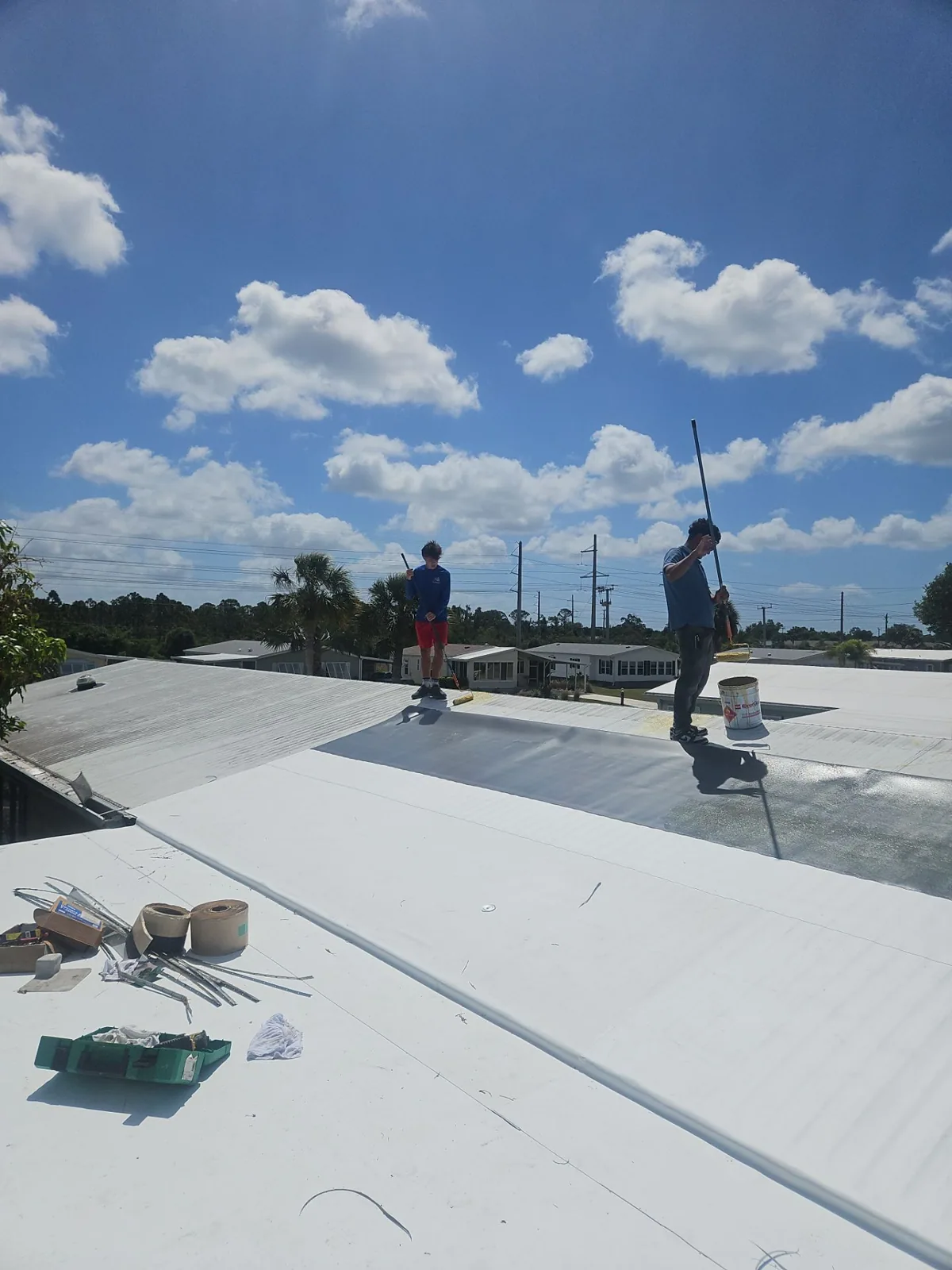
Commercial Silicone Roof Coatings in Murrieta, CA
See how this work fits the roof, the building and the schedule.
Learn More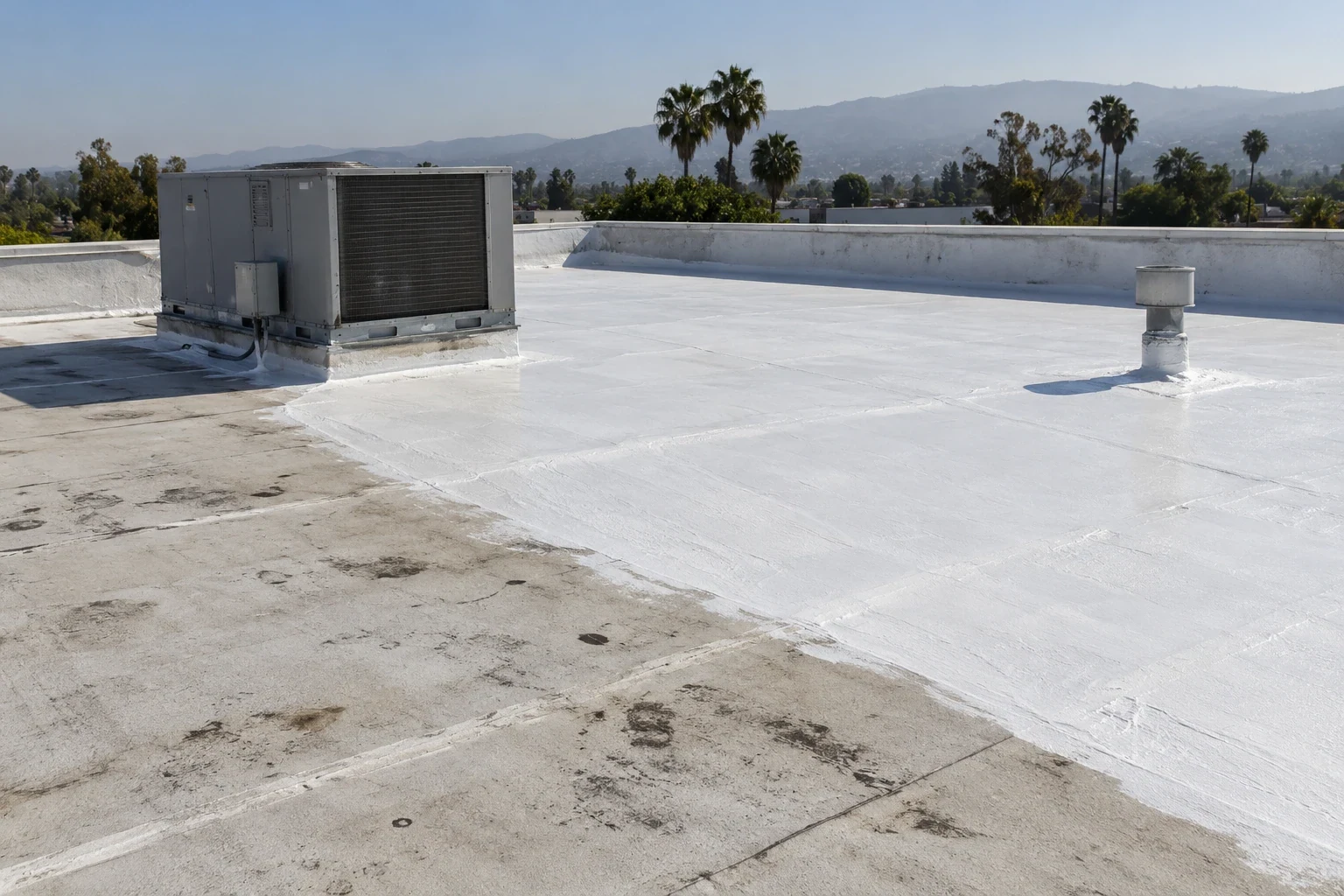
Commercial Acrylic Roof Coatings in Murrieta, CA
Related scope, access notes and questions to ask before work starts.
Learn More
Occupied-Building Commercial Reroofing in Murrieta, CA
Read the full description and the questions owners ask about it.
Learn MoreInspect Spray Foam Roofing in Murrieta
Arrange a roof assessment to review substrate, drainage and coating condition before considering an SPF system.