Commercial Roof Recover in Murrieta, CA
Compare a commercial roof recover with tear-off in Murrieta. We inspect moisture, attachment, code limits, drainage and details before recommending an overlay.
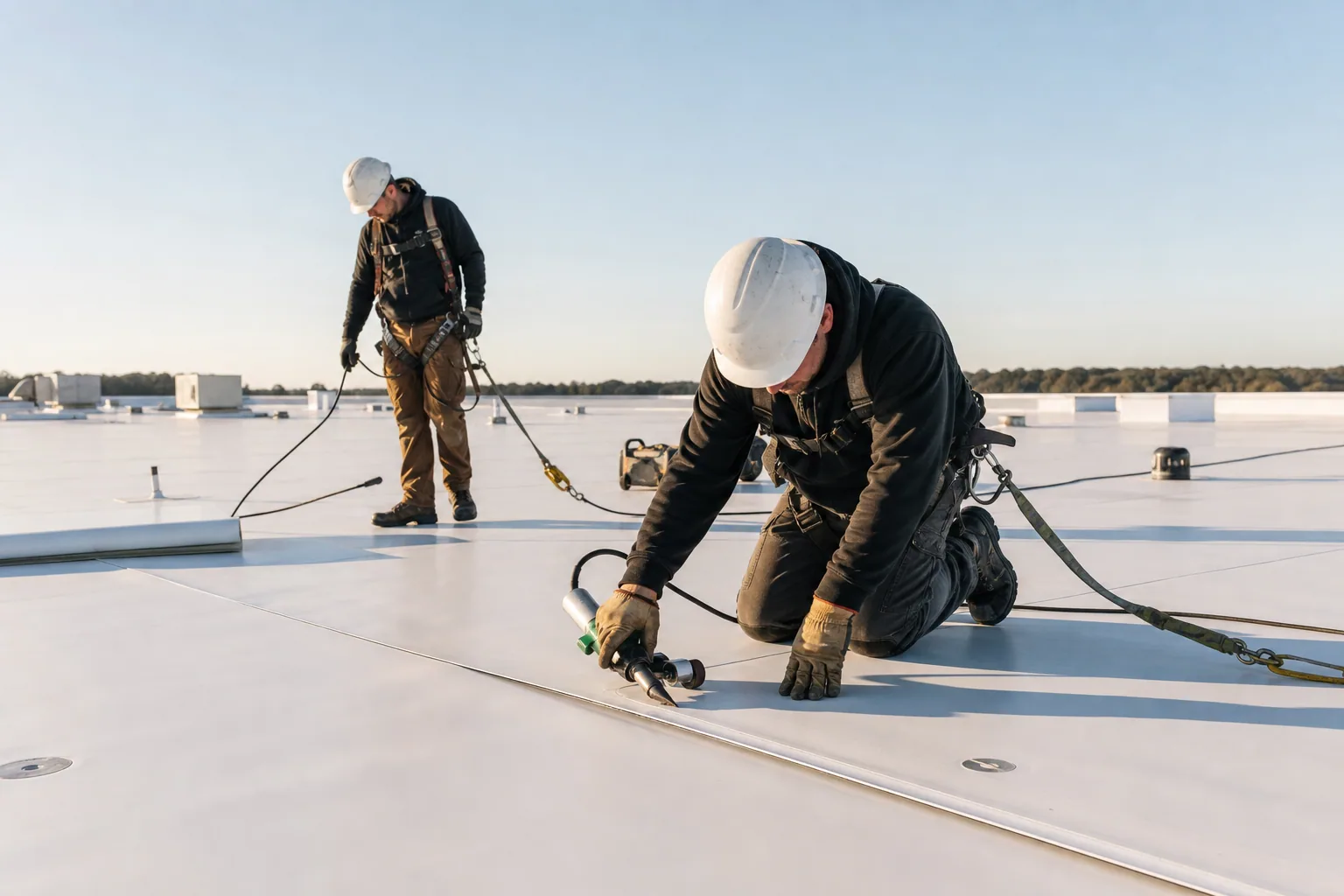
A second roof layer can shorten demolition, but only when the first one is fit to remain. A commercial roof recover in Murrieta, CA, starts with that question, not with a coating or membrane selection. We inspect the existing assembly for moisture, loose attachment, trapped debris, failed flashing and conditions at drains and curbs. If the old roof is holding water below its surface, covering it can hide damage while adding weight and making later repairs harder to trace. If the assembly is dry, stable and compatible with the proposed system, a recover may be a practical alternative to full removal. The scope needs to define the existing layers, preparation, attachment method, transitions and code review. A roof inspection with test cuts where needed gives us a basis to compare an overlay with a complete replacement for the building in front of us.
Moisture Map: Find What the Surface Cannot Show
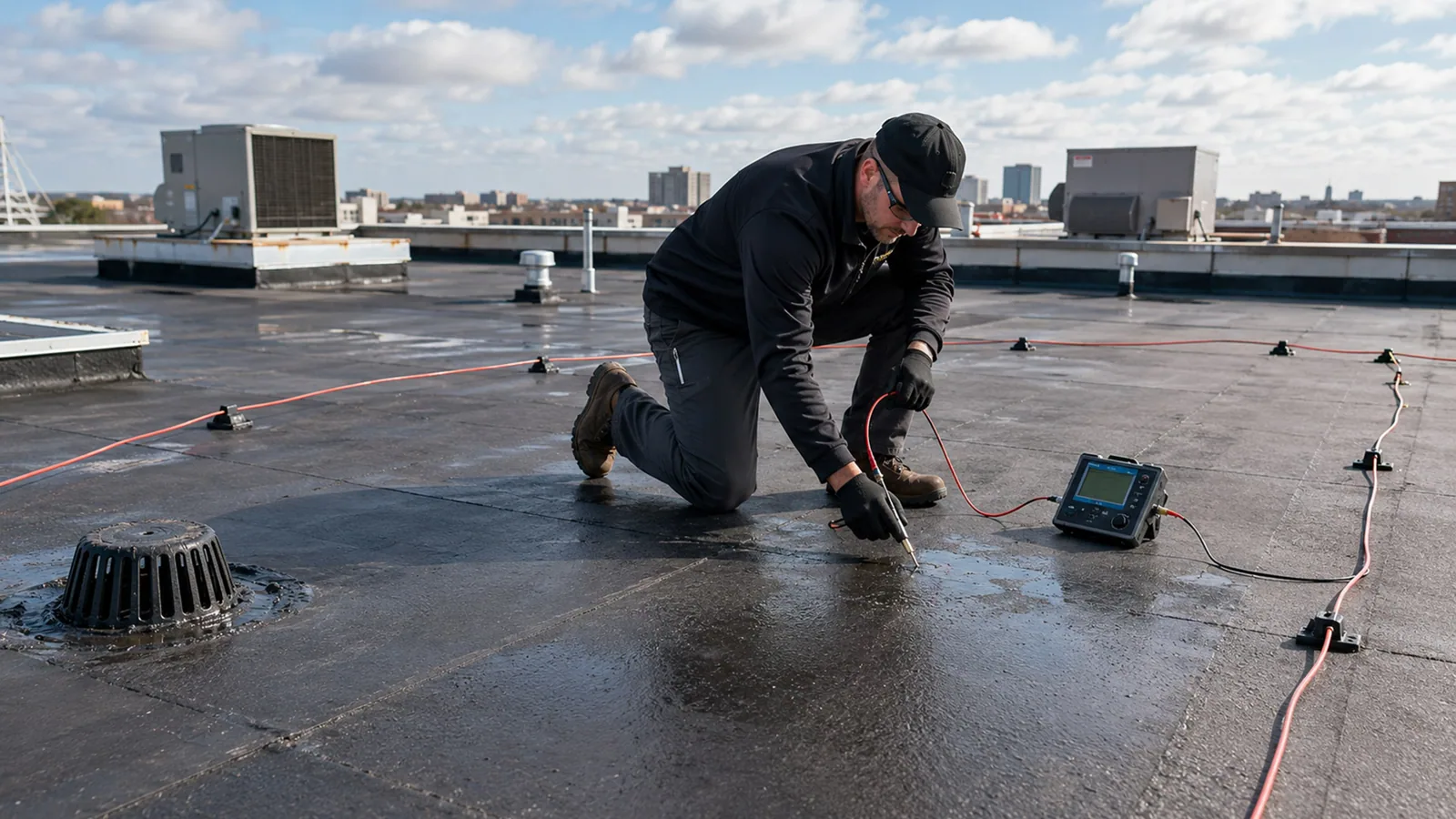
Water can travel between roofing layers before it appears inside, so a dry ceiling does not settle the question. We look for soft spots, blisters, displaced seams, rusted fasteners, staining and areas where water stands after the rest of the roof drains. Infrared imaging can help identify temperature patterns that warrant closer inspection, but it is not a substitute for opening the assembly where conditions remain uncertain. Test cuts reveal the layers and insulation directly; their locations and results should be recorded so the owner can see how far any wet area extends. A small isolated repair may be possible, while widespread saturation usually changes the recover decision. Murrieta’s business-park inventory exceeds two million square feet, and a recover evaluation there should still be specific to each roof section. The Jefferson-Madison area includes planned business-park zoning, not completed roof inventory. These are planning contexts, not reasons to skip a moisture survey or a repair assessment when findings call for one.
Existing Layers: Check Attachment and Compatibility
An overlay needs a base that can carry the added system and keep it in place. We check the membrane and insulation attachment, the condition of the deck where accessible, and whether previous patches or coatings affect the proposed materials. Loose layers can shift beneath a new roof. Some surfaces need cleaning or preparation before new adhesive, fasteners or cover board can perform as intended. The existing assembly also has to meet applicable code limits on roof layers and fire performance. Murrieta adopted the 2025 California Building Standards Code effective January 1, 2026, and new permit submittals from that date are subject to those codes. The proposed assembly and permit review determine what applies to a particular project. A recover is not approved simply because one layer appears sound. Owners comparing a TPO membrane or silicone restoration system need a compatible substrate and a detail plan for the roof that remains below.
Water and Edges: Keep the Existing Geometry Honest
Adding thickness changes the elevation at parapets, doors, equipment curbs and roof-to-wall transitions. We document those points before the scope is set. The new system must terminate securely without blocking overflow paths or leaving flashing too short. Drains may need extensions or replacement, and a recover can make a shallow area hold water longer if slope is already marginal. The owner should know whether tapered insulation or localized correction is included, and how the finished system directs water toward drains and scuppers. At perimeter edges, compatible metal and secure attachment are part of the assembly, not trim to decide after the membrane is installed. A recover proposal should state how these details will be handled, including drain and scupper adjustments and edge-metal transitions. If access to buried components will be limited later, a photo condition record can preserve what the inspection found before it was covered.
Project Timing: Less Removal Still Needs a Work Plan
A recover often reduces demolition, but it still brings material deliveries, rooftop work, odors or noise, and temporary limits on roof access. We map staging, crew routes and daily work boundaries with the building contact. If tenants or service vendors need roof access, coordinate those visits before the installation reaches their equipment or walkway. A project may need separate phases when operations cannot release the entire roof at once. Extra mobilizations and transitions can affect time and cost, so the sequence belongs in the proposal. Menifee’s nonresidential uses concentrate near I-215 and along several local roads; that land-use context does not tell us how a particular property operates. In nearby Temecula, advanced manufacturing is among the business-attraction priorities. Whether the property is a service shop, office, or production space, its own hours and equipment schedule should set the access plan. For active buildings, see occupied-building reroof coordination before dates are fixed.
Recommendation: Put the Boundary in Writing
The useful comparison is not simply overlay versus tear-off. It is the condition being retained, the work needed to make it suitable, and the risks that remain after installation. Our report should show test locations, moisture findings, attachment concerns, deck observations and excluded areas. The proposal should identify preparation, fastener or adhesive approach, insulation and cover board, edge transitions, drain work, temporary protection and concealed-condition pricing. When an overlay is not appropriate, the reason should be clear, such as wet insulation, unstable attachment or an unsuitable substrate. If it is viable, the owner should understand how later repairs will be located and what inspections will help preserve the assembly. A maintenance program can track seams, drains and flashing after the project. Keep the report with the building record, including the new roof-system information and photographs, so a later repair decision can distinguish the old layer from the recover system rather than starting with guesswork.
Commercial Roofing Questions
How much moisture is too much for a recover?
There is no single surface reading that answers that question. We map visible conditions, use thermal imaging when appropriate and open test areas to see the insulation and deck. The extent and location of wet material, plus whether it can be removed and repaired within the planned scope, determine whether an overlay remains practical. Widespread moisture generally points toward more removal.
Can a new roof go over an older membrane and coating?
The existing layers need inspection for attachment, compatibility, thickness, condition and code limits. Coatings, repairs and prior overlays can change how a new assembly bonds or fastens. We document what is present before specifying the next layer, then confirm transitions and permit requirements. A surface that looks uniform is not enough evidence on its own.
Will a recover fix ponding near a drain?
An overlay alone will not correct poor drainage. We check slope, low spots, drain height and overflow provisions, then state whether tapered insulation, drain adjustments or other work is included. Added layers can raise surrounding elevations, so the final drain and scupper details need to be designed with the recover assembly rather than improvised during installation.
What should our proposal say about hidden damage?
It should set the inspection assumptions, unit or allowance method, photo documentation and approval step for concealed deck or insulation conditions. We show the affected area and describe the repair before covering it. That gives the owner a chance to approve a defined change and keeps the finished record aligned with the work that was actually completed.
Is a recover a good choice for a building that cannot close?
It may reduce removal-related disruption, but work still affects roof access, deliveries, noise and possibly odors. We review operating hours, equipment service windows, staging and areas that must remain protected. A phased plan can keep work away from critical operations, although additional phases may add mobilization time. The building schedule should be part of the decision, not an afterthought.
Related Roofing Work
Commercial Roof Inspection in Murrieta, CA
See how this work fits the roof, the building and the schedule.
Learn More
Commercial Roof Replacement in Murrieta, CA
Related scope, access notes and questions to ask before work starts.
Learn More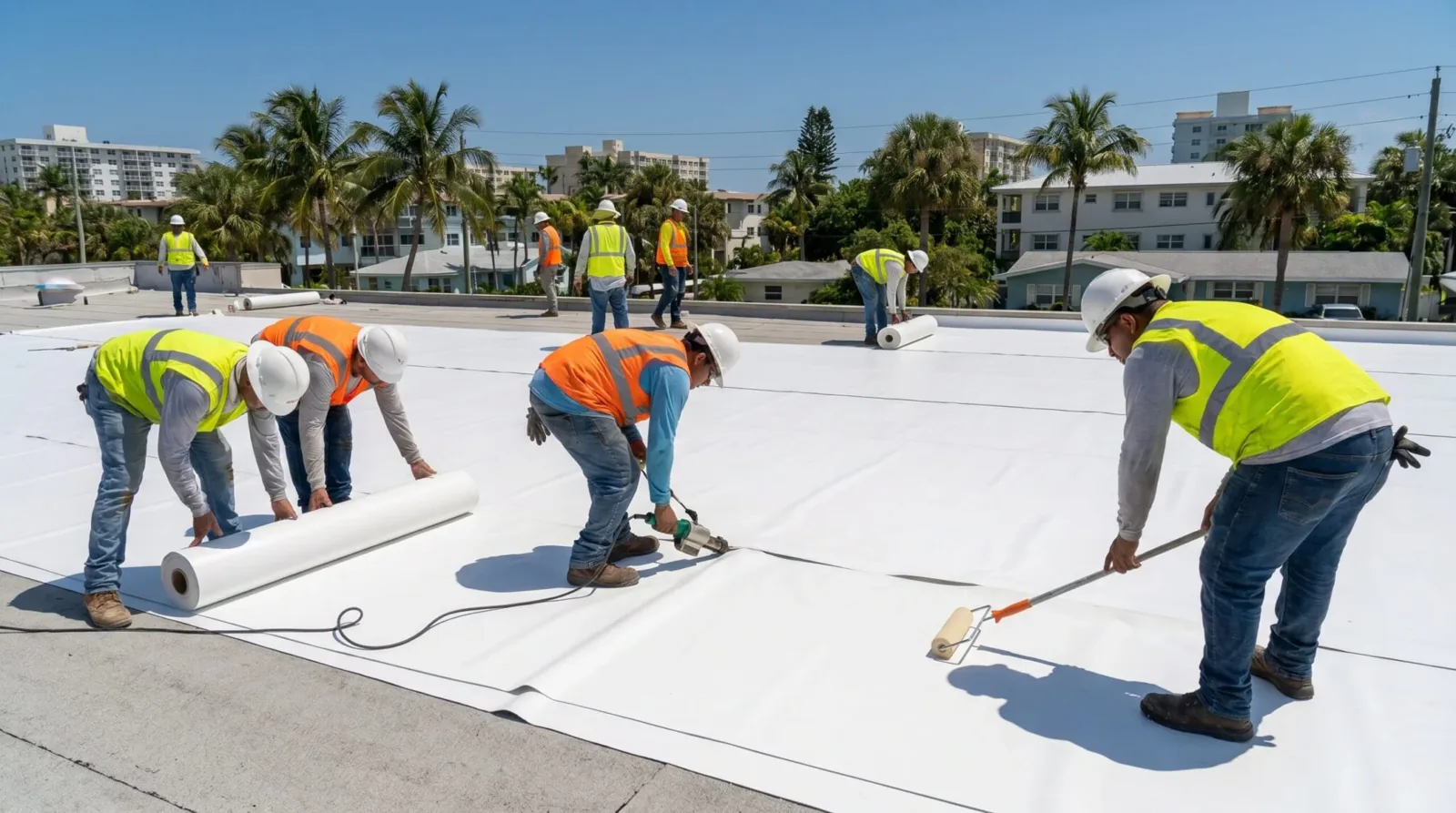
Commercial TPO Roofing in Murrieta, CA
Read the full description and the questions owners ask about it.
Learn More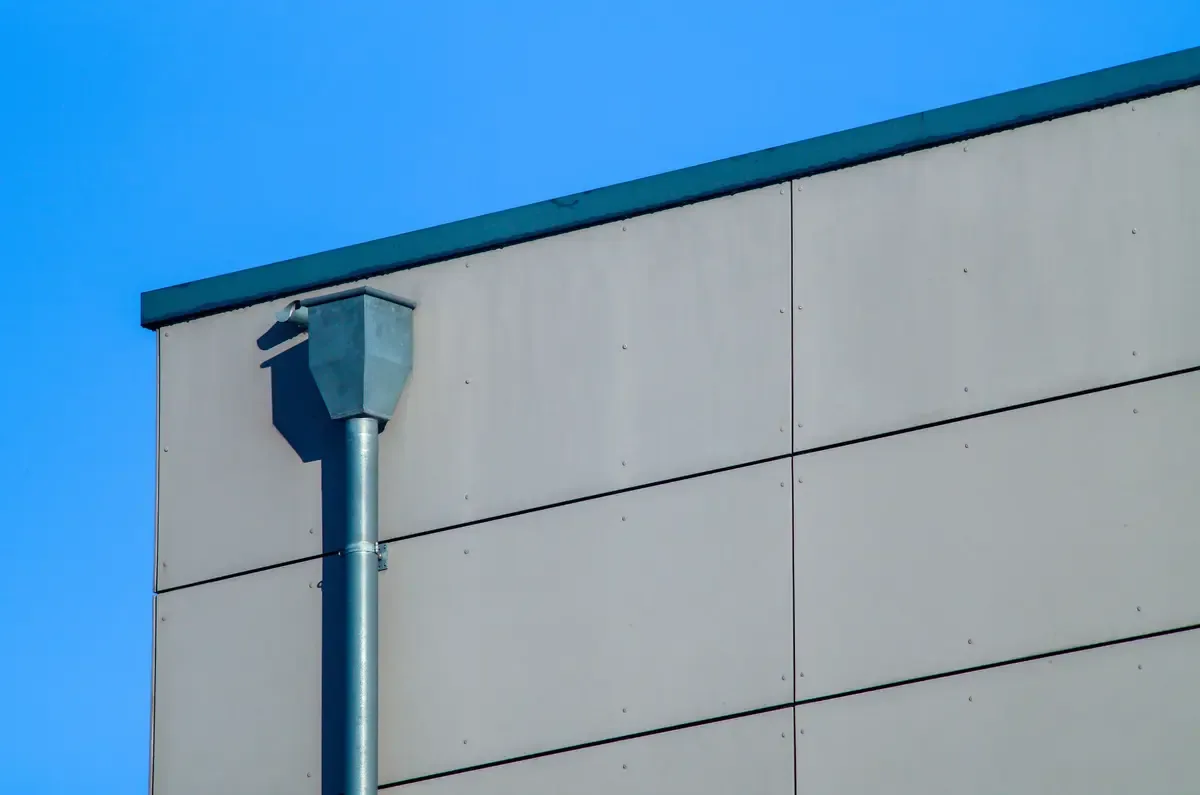
Commercial Roof Drains and Scuppers in Murrieta, CA
See how this work fits the roof, the building and the schedule.
Learn More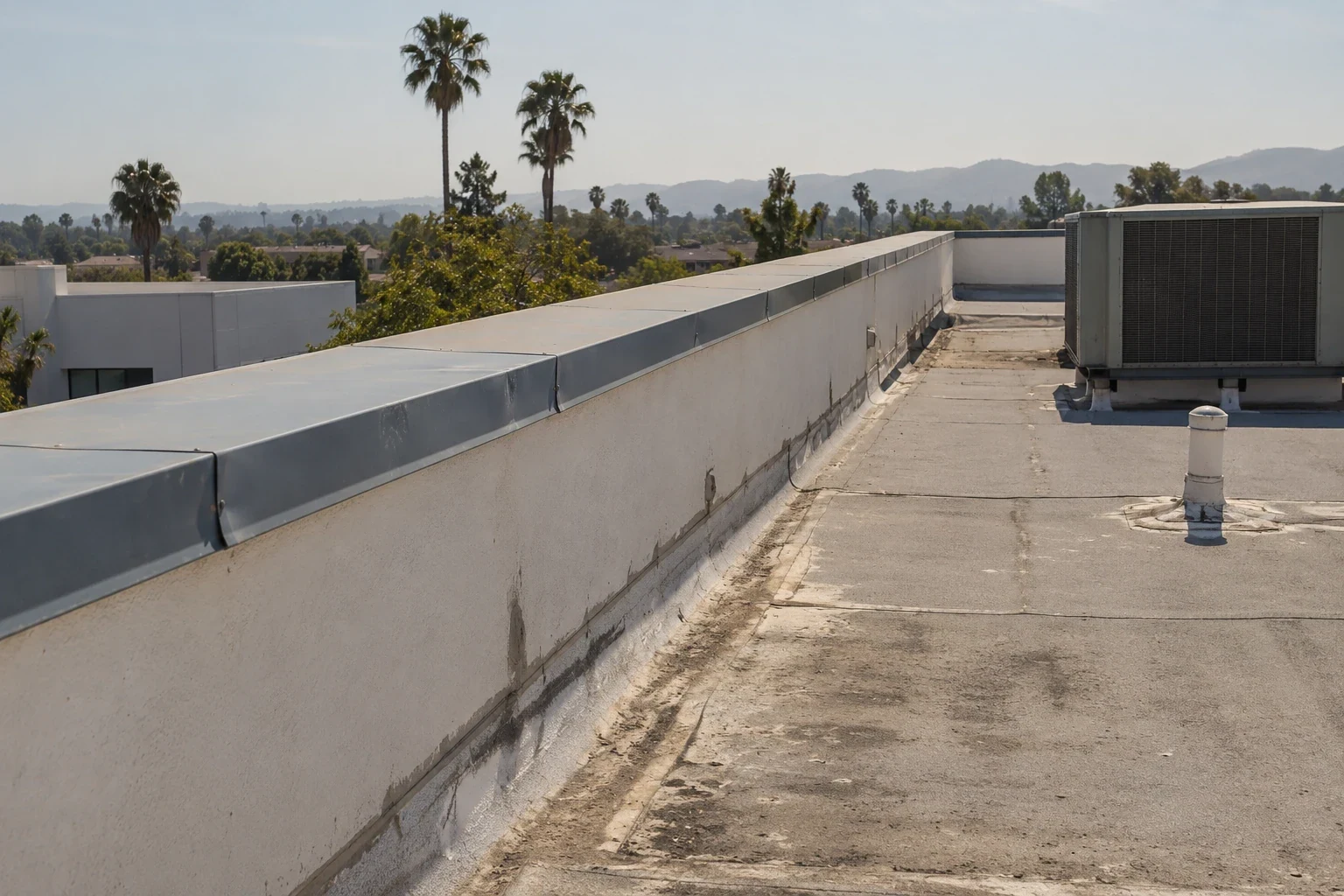
Commercial Roof Edge Metal, Coping and Gutters in Murrieta, CA
Related scope, access notes and questions to ask before work starts.
Learn More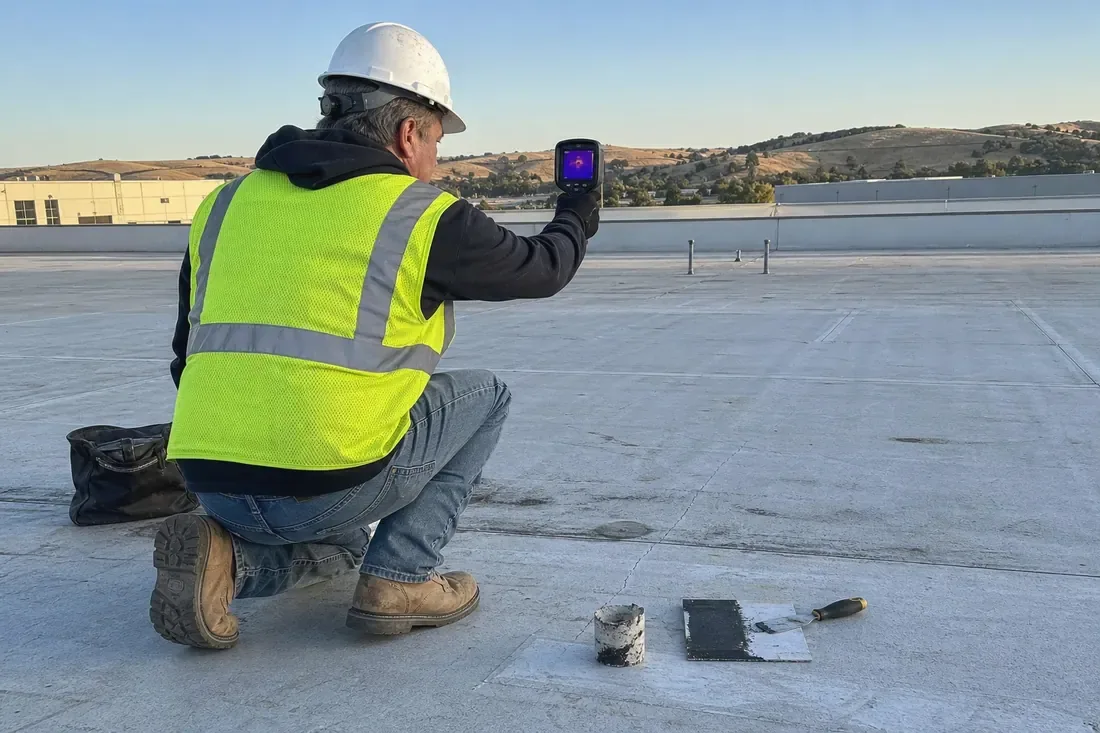
Commercial Roof Condition Reports in Murrieta, CA
Read the full description and the questions owners ask about it.
Learn MoreCompare Recover and Tear-Off Options
Request a Murrieta roof inspection to document moisture, attachment, drainage and code considerations before choosing the next assembly.