Drone Roof Inspection in Murrieta, CA
Use drone roof imaging in Murrieta to map visible conditions and plan safe follow-up, with hands-on checks for seams, moisture and concealed details.
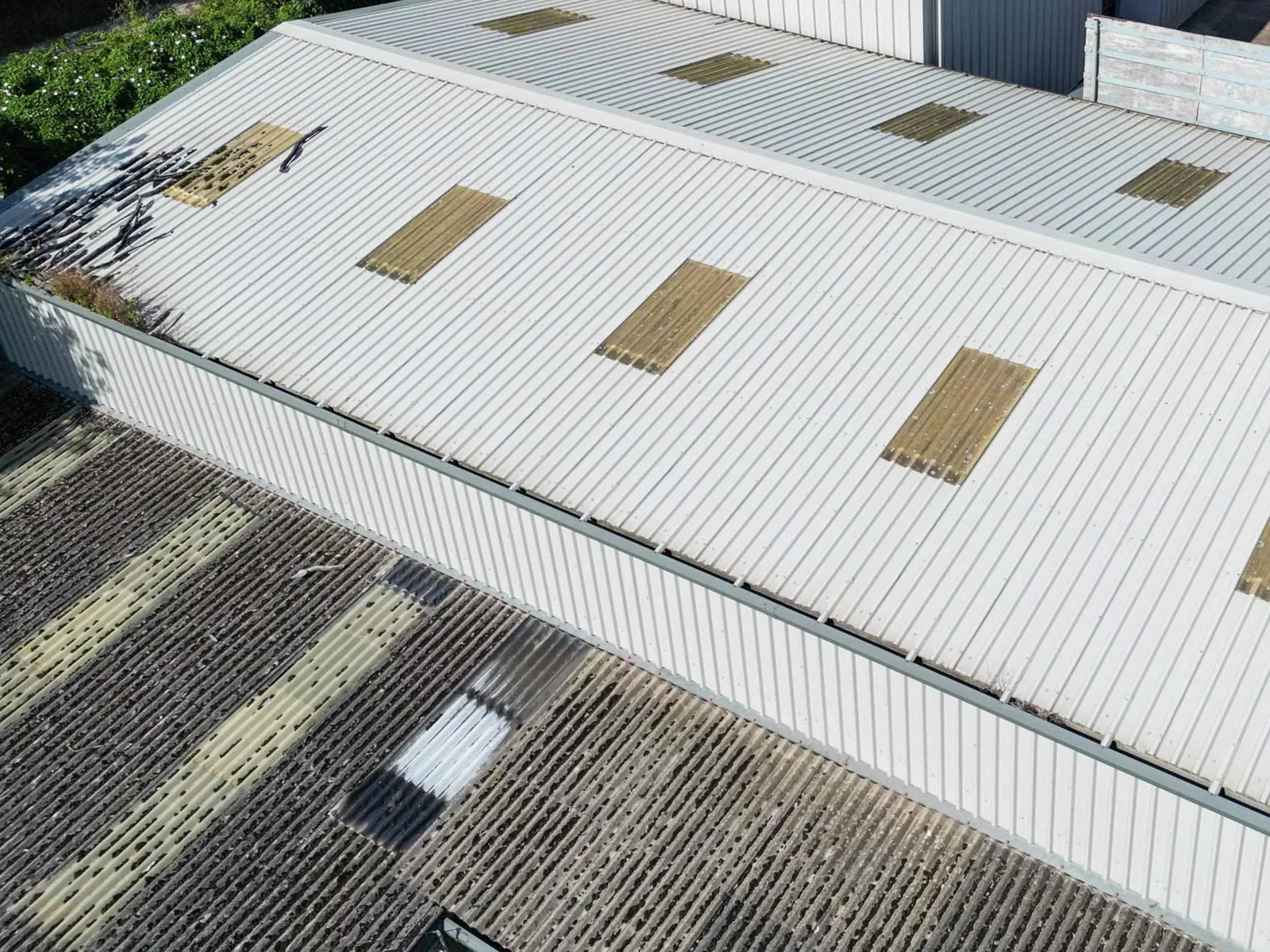
Wide roof sections are easier to understand when an owner can see how drains, equipment and visible defects relate across the surface. Drone imaging gives us an aerial view of those conditions without treating the camera as a substitute for a roof walk. In Murrieta, CA, the Jefferson-Madison planning area covers roughly 220 acres with future business-park and innovation zoning. That land-use plan is not a count of completed roofs. On an existing multi-section property, a labeled image set can help the facility team discuss access, staging and the next inspection area. We capture visible surfaces and details from safe flight positions, then sort the images by roof section and observation. A drone cannot confirm seam adhesion, deck condition or moisture beneath a membrane. Those questions may need hands-on inspection, test cuts or thermal analysis. The full roof inspection remains the basis for repair decisions; aerial images can make that work easier to plan and review.
Image Plan: Decide What the Flight Needs to Show
Before the drone is launched, we identify the building sections and the question the images should help answer. That may be a visual inventory of drains and rooftop equipment, a review of visible surface damage, or a map of areas that need safe hands-on access. We consider flight access, nearby operations, overhead obstructions and weather conditions. A useful set includes enough overlap to understand where each image belongs, plus closer views of visible details when the flight can capture them safely. The images are then organized by roof area rather than delivered as an unmarked collection. For owners managing several work zones, the map can help prioritize a roof walk and show which areas were visible from the air. It cannot determine whether a surface mark is a leak, whether insulation is wet or whether a seam will hold. A condition report can pair aerial views with annotated observations and a list of follow-up checks.
Visible Conditions: Separate Image Evidence From Diagnosis
From above, we may see debris accumulation, ponding patterns, membrane discoloration, damaged metal, displaced material or equipment crowding a drain path. The view helps locate those observations in relation to roof edges, units and access routes. Shadow, glare, standing water and camera angle can obscure a defect, so each image has limits. A dark area is not automatically moisture, and a bright patch does not confirm that a coating is failing. We flag the area for closer review rather than turning an image into a diagnosis it cannot support. Temecula’s Old Town is about a mile long from north to south, a different scale and building context from a broad business-park roof. Office and retail activity in Wildomar clusters around I-15, where the aerial view can help a facility team map roof access and equipment zones before a hands-on walk. Those city contexts can inform access planning, but neither determines the roof assembly at an individual property. A drone plan is useful when the roof itself has broad or obstructed surfaces; the target use and roof construction still determine which details require a hands-on check. If a visible opening appears, the next step may be a leak investigation or repair review.
Flight Conditions: Keep People and Operations Clear
A safe flight depends on weather, airspace, access and activity around the building. We confirm where people are moving below the route, whether deliveries or lifts will cross the area, and how the facility contact wants the inspection coordinated. Wind, rain or poor visibility can make a flight unsuitable; if conditions change, the capture can be rescheduled or limited to the areas that can be documented safely. The drone operator maintains a clear launch and landing area and avoids interfering with rooftop maintenance or tenant use. We also protect the building's normal work schedule by agreeing on a time and contact before arrival. Advanced manufacturing is among Temecula’s business-attraction priorities. Production equipment and work shifts can affect a site's access plan, although that sector description does not reveal any individual roof layout. A facility coordination plan can help schedule aerial and hands-on work around active operations. Images are used to explain roof conditions to the owner and guide follow-up, not to infer hidden construction details.
Follow-Up: Put Boots on the Areas That Need Them
Drone findings become useful when each observation leads to a practical next step. A drain surrounded by visible debris may need a closer look at its inlet and overflow path. A suspicious seam may need a surface check and a bond test. A stain or blister may call for infrared imaging and a test cut. We identify those locations on the image set so a hands-on visit can focus on them rather than repeat the full visual survey without direction. Aerial review also can show how roof sections connect, which helps a crew plan access and material movement. A visible TPO field can be mapped from above, but the weld still needs a hands-on check with the right test method. It does not replace safe roof access where a detail needs touch, measurement or repair. For suspected wet insulation, a moisture survey may narrow where to open the assembly. For visible damage, a storm-damage assessment can document the affected section and distinguish surface observations from confirmed material failure.
Deliverables: Keep the Map Useful After the Visit
We identify any areas blocked by equipment, shadow, access limits or flight conditions. A simple location key lets facility staff compare the aerial view with roof plans, service records and future inspection photos. If no urgent defect is visible, the image set can still support routine maintenance by showing drains, traffic routes and surface areas that deserve periodic attention. We preserve the distinction between visual evidence and hands-on findings so the roof record remains reliable. A future inspection can then compare the same section from a similar viewpoint while checking seams, edges and penetrations directly. The maintenance schedule can incorporate those follow-up observations when the owner decides that a recurring check is useful.
Commercial Roofing Questions
Can a drone tell us where the roof is leaking?
It can help locate visible damage or show how a roof section relates to nearby details, but it cannot trace water beneath the membrane or confirm the indoor entry path. We use aerial views to guide a hands-on inspection. If moisture may be hidden, thermal analysis or test cuts may be needed before a repair is chosen.
What does the drone capture that a roof walk might miss?
An aerial view can show the relationship between roof sections, equipment, drains and visible surface conditions at once. It may help map areas that are difficult to view from a safe walking route. It cannot inspect a seam bond, feel soft insulation or verify a flashing termination, so the two methods answer different questions.
What happens if weather prevents the planned flight?
We will assess conditions before launch and pause or reschedule when visibility, wind or precipitation makes the work unsuitable. The building contact can decide whether a partial view is useful or whether the full capture should wait. Any section not imaged will be identified so it is not mistaken for an inspected area.
Can the images support a roof replacement proposal?
They can help show visible layout, access constraints and areas for closer inspection. A replacement proposal also needs system identification, moisture findings, attachment details and roof measurements that aerial imagery alone may not establish. We use images as part of the inspection record and identify additional tests needed to price the assembly accurately.
Who should be present during the flight?
A building contact should confirm access, sensitive work zones and any activity below the flight path. The operator needs a clear launch and landing area and a way to coordinate if operations change. A roof technician may also be needed when images are paired with hands-on checks during the same visit.
Related Roofing Work
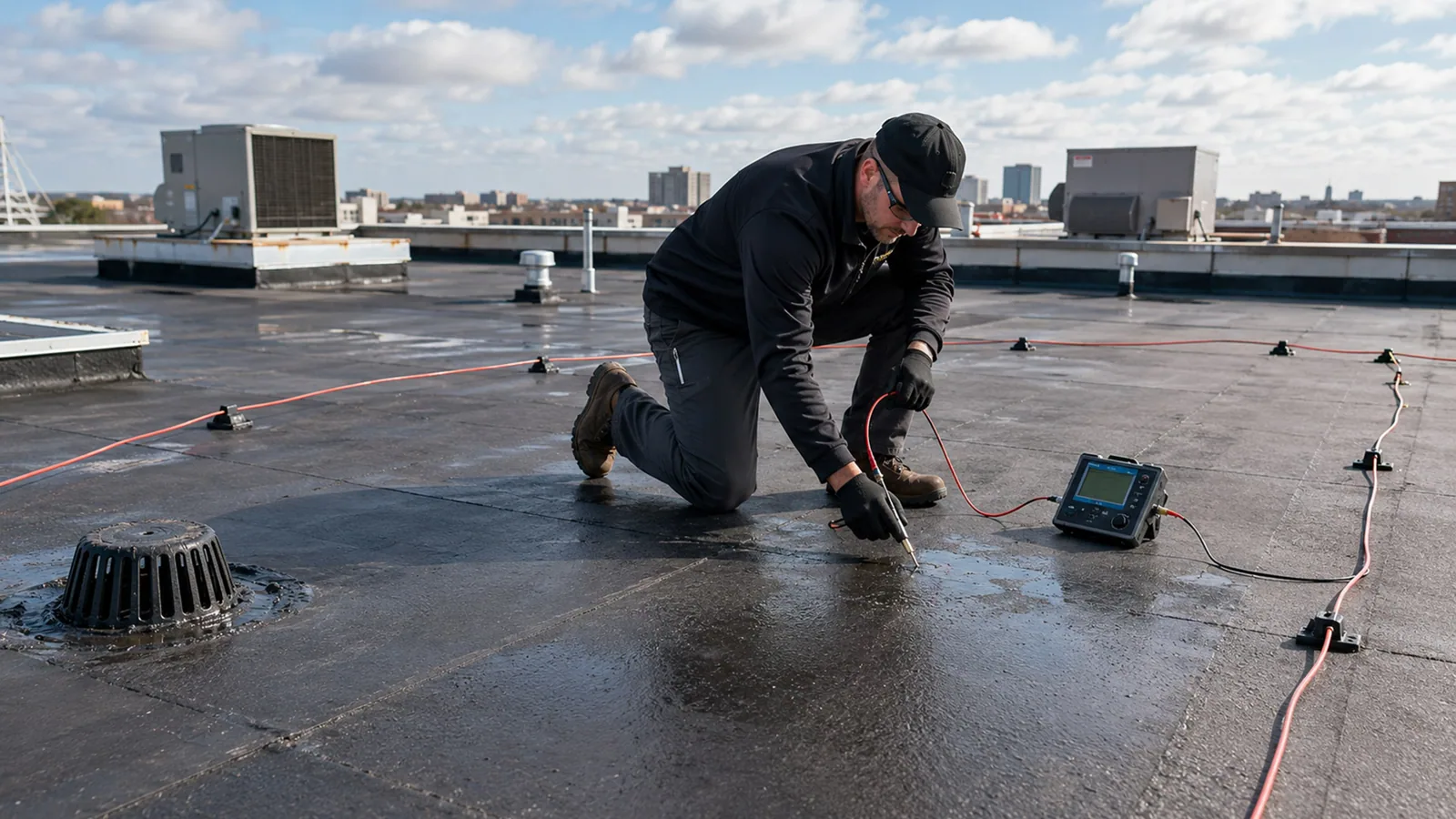
Commercial Roof Inspection in Murrieta, CA
See how this work fits the roof, the building and the schedule.
Learn More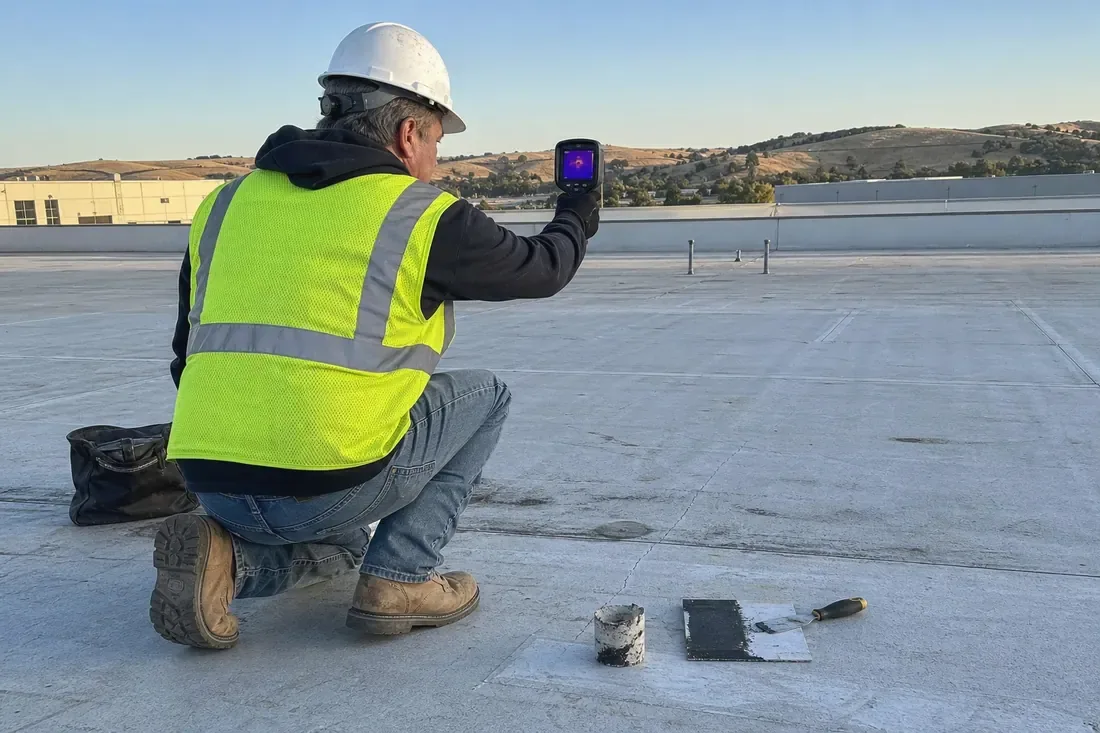
Commercial Roof Condition Reports in Murrieta, CA
Related scope, access notes and questions to ask before work starts.
Learn More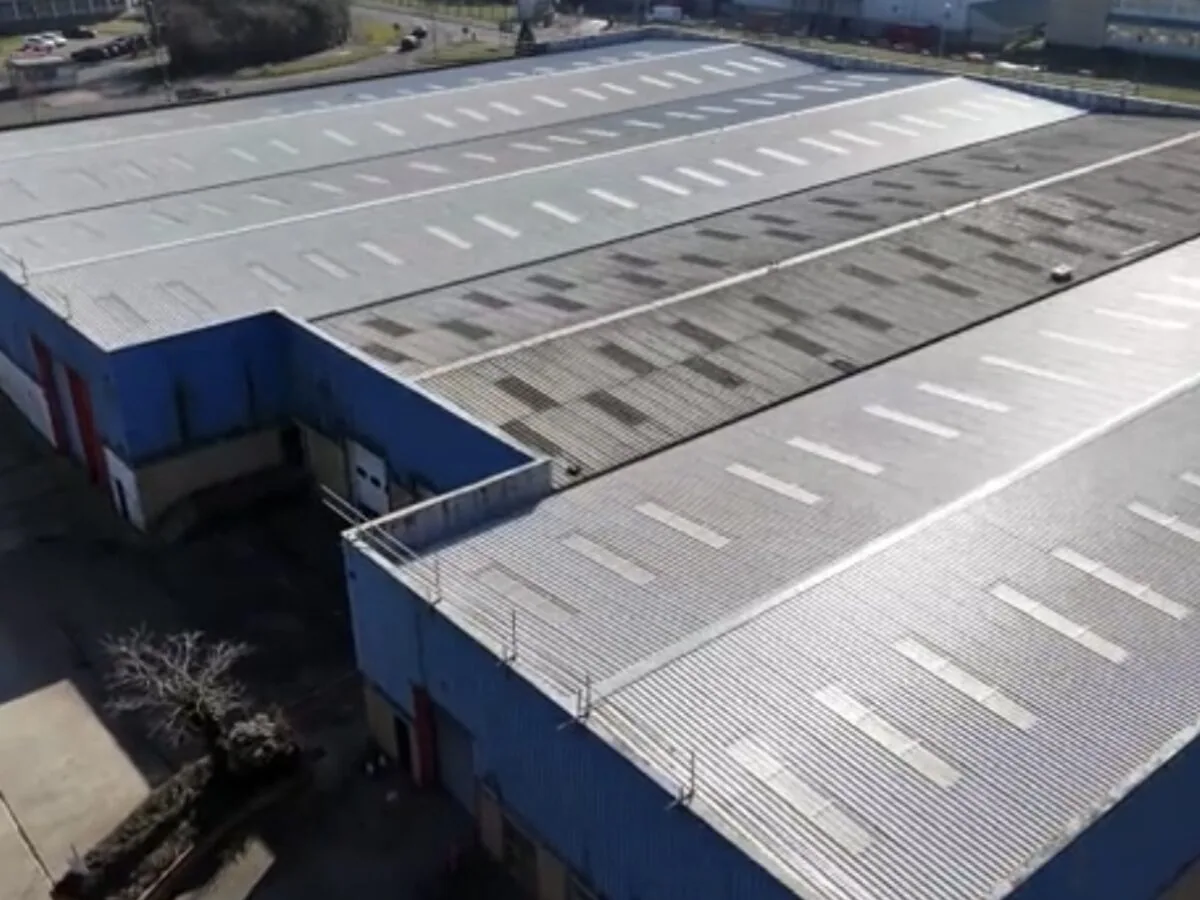
Commercial Roof Leak Repair in Murrieta, CA
Read the full description and the questions owners ask about it.
Learn More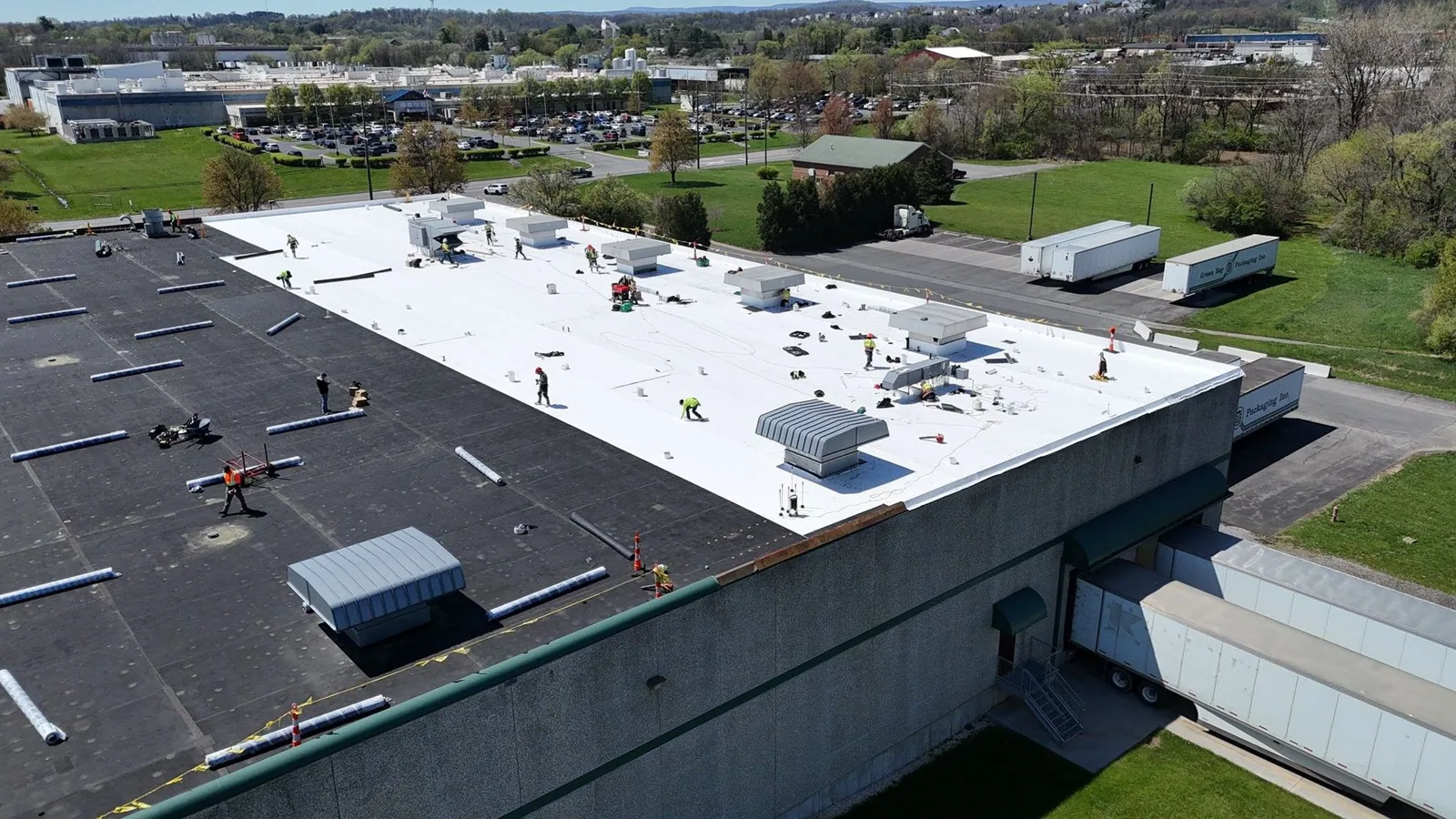
Commercial Roof Repair in Murrieta, CA
See how this work fits the roof, the building and the schedule.
Learn More
Occupied-Building Commercial Reroofing in Murrieta, CA
Related scope, access notes and questions to ask before work starts.
Learn More
Infrared Roof Moisture Survey in Murrieta, CA
Read the full description and the questions owners ask about it.
Learn MoreMap Visible Roof Conditions
Arrange drone roof imaging in Murrieta to organize visible observations and identify where hands-on inspection or moisture testing should follow.