
Commercial Roofing in Canyon Lake, CA
Plan commercial roofing in Canyon Lake with the roof condition, access, and approval path in view. We map the repair boundary before work begins.
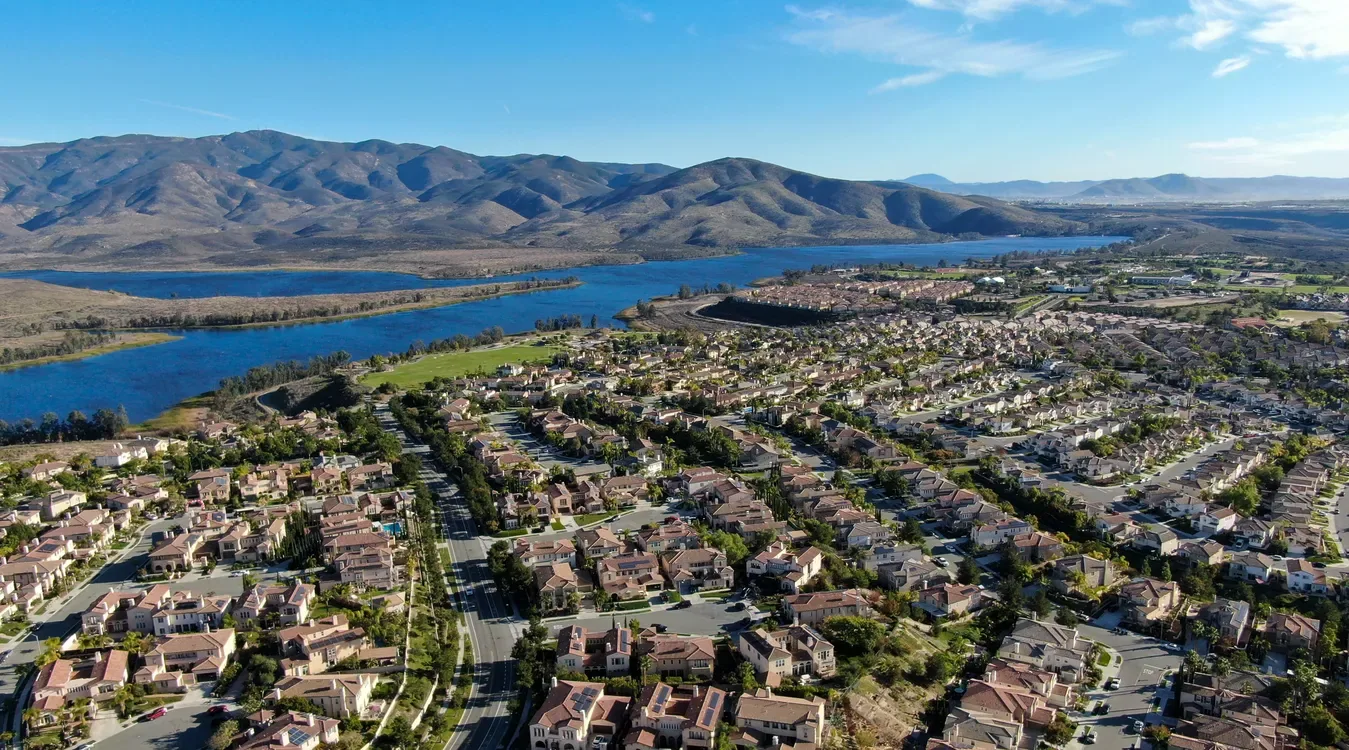
A commercial roof repair in Canyon Lake can involve two separate decisions: what the assembly needs and what approvals the property requires. We begin by inspecting the membrane, seams, drains, curbs, and edge details, then map the area that can be opened and dried in safely. Canyon Lake Towne Center on Railroad Canyon Road is the city's largest shopping center. That context describes one part of the municipality; it does not establish another property's use, occupancy, or roof type.
Property-owner-association approval is required before applications for listed exterior improvements, including re-roofing, are accepted. Applicability should be confirmed for the specific property before a schedule is set. We can document roof condition while the owner checks that path. A Lake Elsinore roof assessment or Temecula inspection receives its own approvals and access notes rather than relying on Canyon Lake assumptions.
Approval path: confirm who can authorize the next step
Canyon Lake contracts for planning services that review development site plans and conditional-use permits, update planning documents, regulate signs, and receive business-license applications. That describes municipal responsibilities, not approval of a roofing contractor or a specific project. Before mobilization, we ask the owner which application, property association, or building contact must review the work. A roof map can support that discussion by showing removal limits, drain changes, curb details, and the final repair boundary.
At a commercial building, access may be controlled by the property manager, tenant, or association. We identify roof entry, staging, delivery clearances, and any area that has to stay open. The city-level Towne Center reference is not a service target; our scope remains for the owner's building. A Menifee roof review may share a portfolio manager, but the condition record and approval sequence stay specific to each city and property.
Roof survey: follow the path from outlet to interior report
We compare a leak report with the roof section above it, then inspect seams, penetrations, wall transitions, curbs, and prior patches. Water can move through insulation or along the deck before it appears inside, so the visible mark does not set the repair boundary. The inspection notes what is exposed, what remains concealed, and whether a test cut would change the decision. A commercial roof inspection ties the finding to a zone, photographs, and a proposed next action.
Drainage needs its own look. We check the bowl or scupper, overflow path, flashing around the outlet, and low areas that hold water after flow resumes. A blocked opening, a loose seam, and wet insulation do not take the same repair. We separate cleaning from membrane work and show which detail the roofer will restore. This keeps the owner's approval focused on a defined roof area instead of a broad statement about water damage.
Assembly check: protect edges, penetrations, and water flow
A roof assembly has to manage water at seams, drains, curbs, and the perimeter. We check the transition from membrane to flashing, the height of the termination, and the attachment where wind or movement can stress the edge. If the existing system has multiple layers, we record them before pricing a recover. A built-up roof review includes surfacing, plies, flashing, and drainage condition, not a label taken from an old invoice.
If a curb or support is due for replacement, the scope assigns the opening and restoration to the appropriate trade. We photograph the substrate, set the flashing limit, and confirm who closes the work area at shift end. For a drain and scupper correction, the detail should leave a clear route to the outlet without covering an unresolved low spot. The owner can then compare the repair against a larger renewal based on visible roof conditions.
Work window: put the dry-in and approval dates together
Roof access and approval timing both affect mobilization. We confirm the property contact, entry route, material staging, and hours when work can occur, while the owner verifies whether association or municipal review applies. We divide the roof into sections and mark the point each crew must restore weather protection. If review changes a detail or product, the open-area plan should be updated before removal rather than revised after the membrane is exposed.
Duration and cost move with removal depth, insulation condition, deck repairs, edge metal, drain work, equipment moves, and the size of the area that can be opened at once. The estimate distinguishes measured removal and detail work from quantities a test opening has yet to confirm, then states who approves any adjustment. The estimate can show temporary protection as its own work item, not as a substitute for permanent repair. A roof documentation package may help keep photos and approvals together when a project includes review by more than one party.
Repair decision: match the work to the condition
A recover adds a layer, so we inspect moisture, deck capacity, attachment, drain height, and roof-edge detail first. Replacement belongs in the comparison when deterioration repeats across zones or the existing assembly cannot receive another layer. We state which field observation supports each option and identify any area that remains untested.
Canyon Lake requires electronic permit applications and plan review; association approval may also be needed for exterior improvements that include re-roofing. Owners should confirm that process applies to their property. We can provide a marked roof plan and detail set for review, then schedule once the responsible parties have cleared the scope. A capital plan review can keep the immediate repair separate from a later replacement decision.
Scope record: keep condition, approval, and quantities aligned
We list removal limits, material quantities, staging, dry-in, and work another trade owns. If a concealed layer could change price, the estimate describes the test or discovery that triggers review. A photo condition report gives the association, property contact, and project team the same dated record.
Keep the approval path with the roof record. The City's planning review responsibilities do not mean a roof proposal has been approved, and association requirements may vary by property. We identify what the owner needs to confirm rather than promising a permit date. The file can include marked drawings, product information, field photos, accepted changes, and any unresolved question before material is ordered.
Closeout: leave an inspectable roof and a usable record
At completion, we photograph seams, curbs, drains, and terminations, then mark the finished work on the roof-zone map. The closeout file carries product data, approved details, dated photos, exclusions, and anything left for later testing. The owner can see which area was restored and what still needs attention.
Canyon Lake Towne Center is city-level commercial context, not a claim that every nearby property has the same use. A portfolio comparison with Murrieta's Jefferson-Madison Corridor should likewise use each building's inspection and approval record. We finish with the next step: monitor, maintain, test, or budget for replacement. Share the reported leak, roof history, and available access window to arrange an inspection.
Commercial Roofing Questions
Does Canyon Lake require association approval for every roof repair?
The City page says approval is required before applications for listed exterior improvements, including re-roofing, are accepted. Confirm applicability to the property and scope before scheduling.
What does the Towne Center fact tell a roofer?
The named center is identified by the City as Canyon Lake's largest shopping center. That is municipal commercial context, not evidence about another building's occupancy, roof, or service needs.
Can you price a repair before opening the roof?
We can price visible work and identify concealed conditions separately. A test opening may be needed if the insulation, deck, or attachment changes the repair boundary.
Who confirms the permit and review sequence?
The owner verifies the current city and property-association requirements. We provide the marked scope and roof details needed for that review.
What should the owner receive at closeout?
Place the association-approved scope, annotated roof plan, drain and curb photographs, and any deferred test in the building approval file.
Related Roofing Work
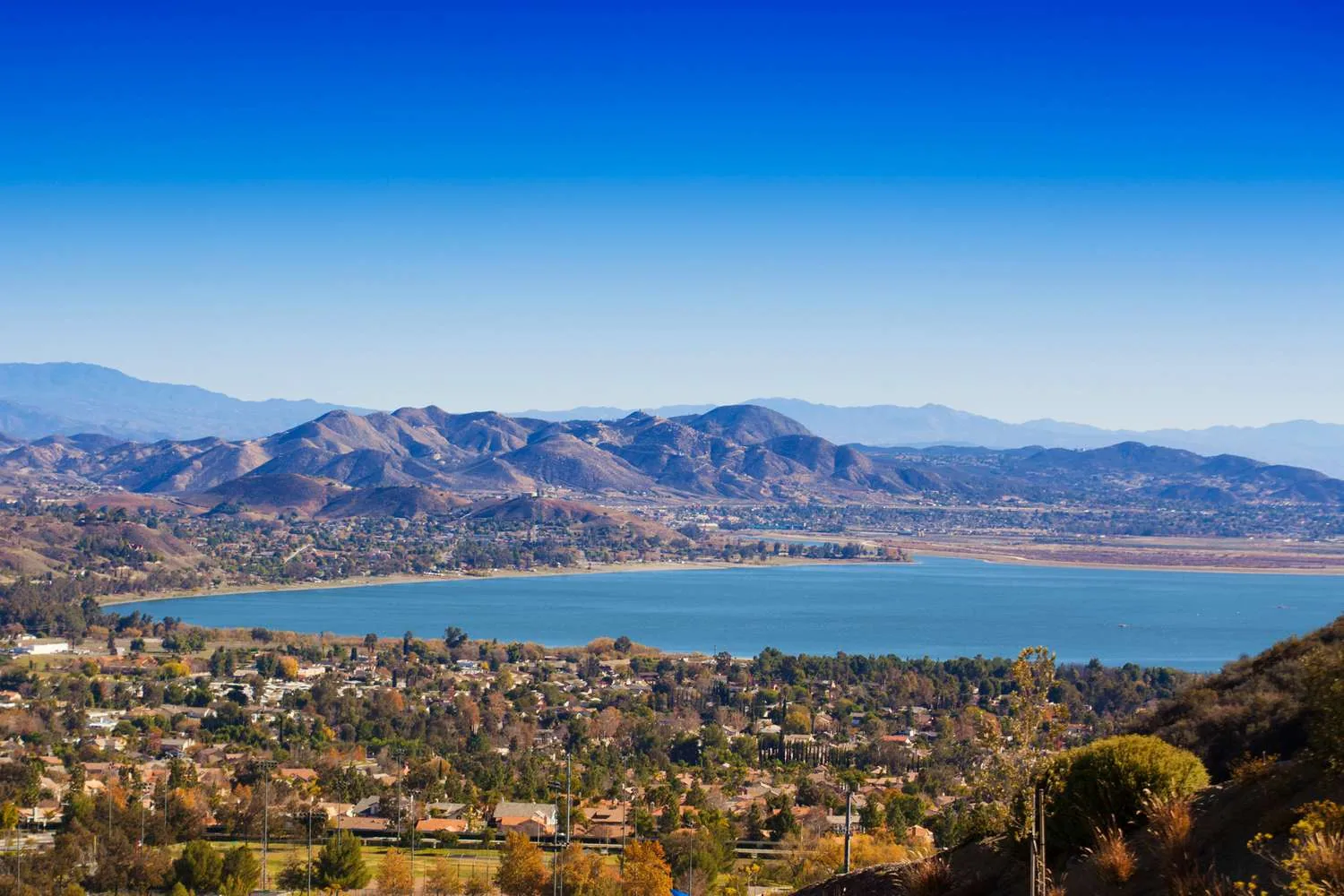
Commercial Roofing in Lake Elsinore, CA
See how this work fits the roof, the building and the schedule.
Learn More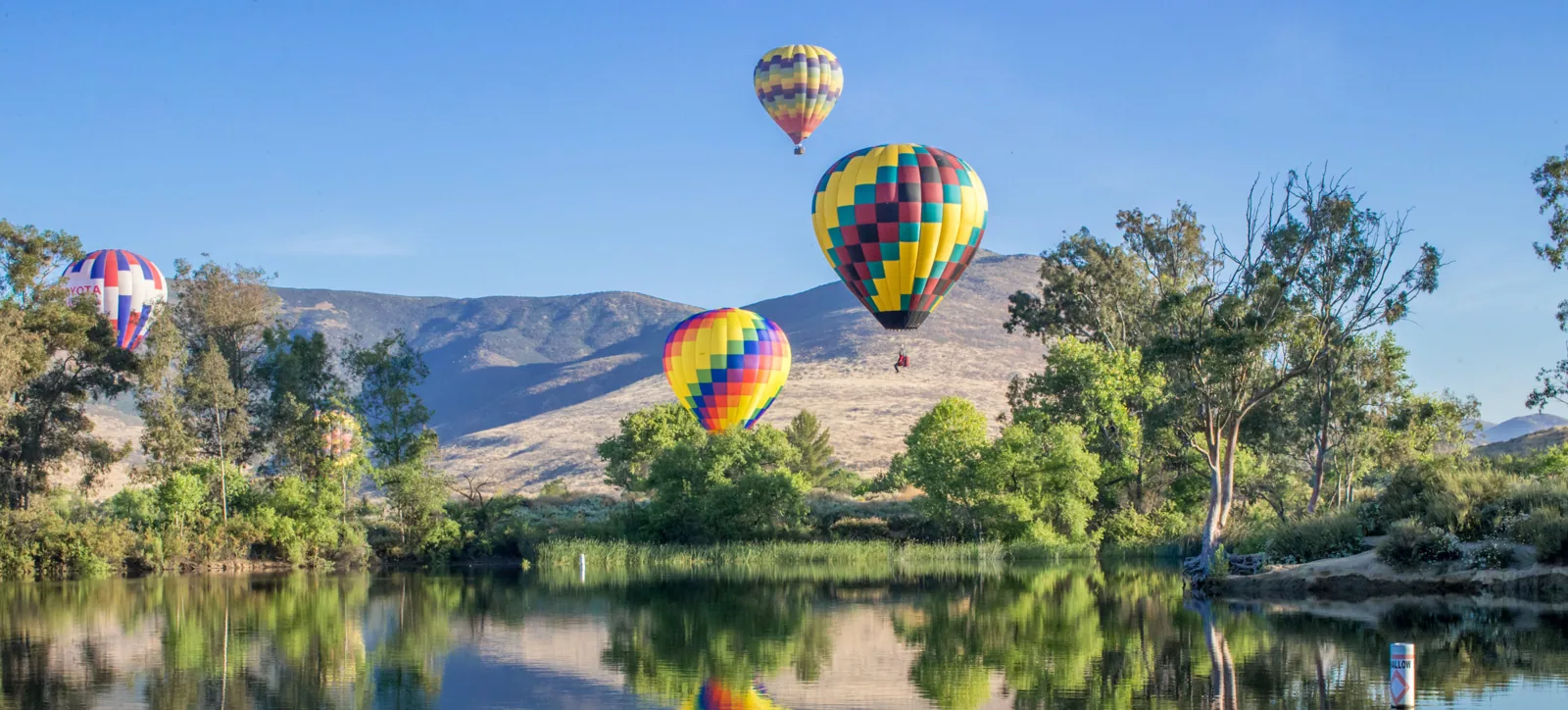
Commercial Roofing in Temecula, CA
Related scope, access notes and questions to ask before work starts.
Learn More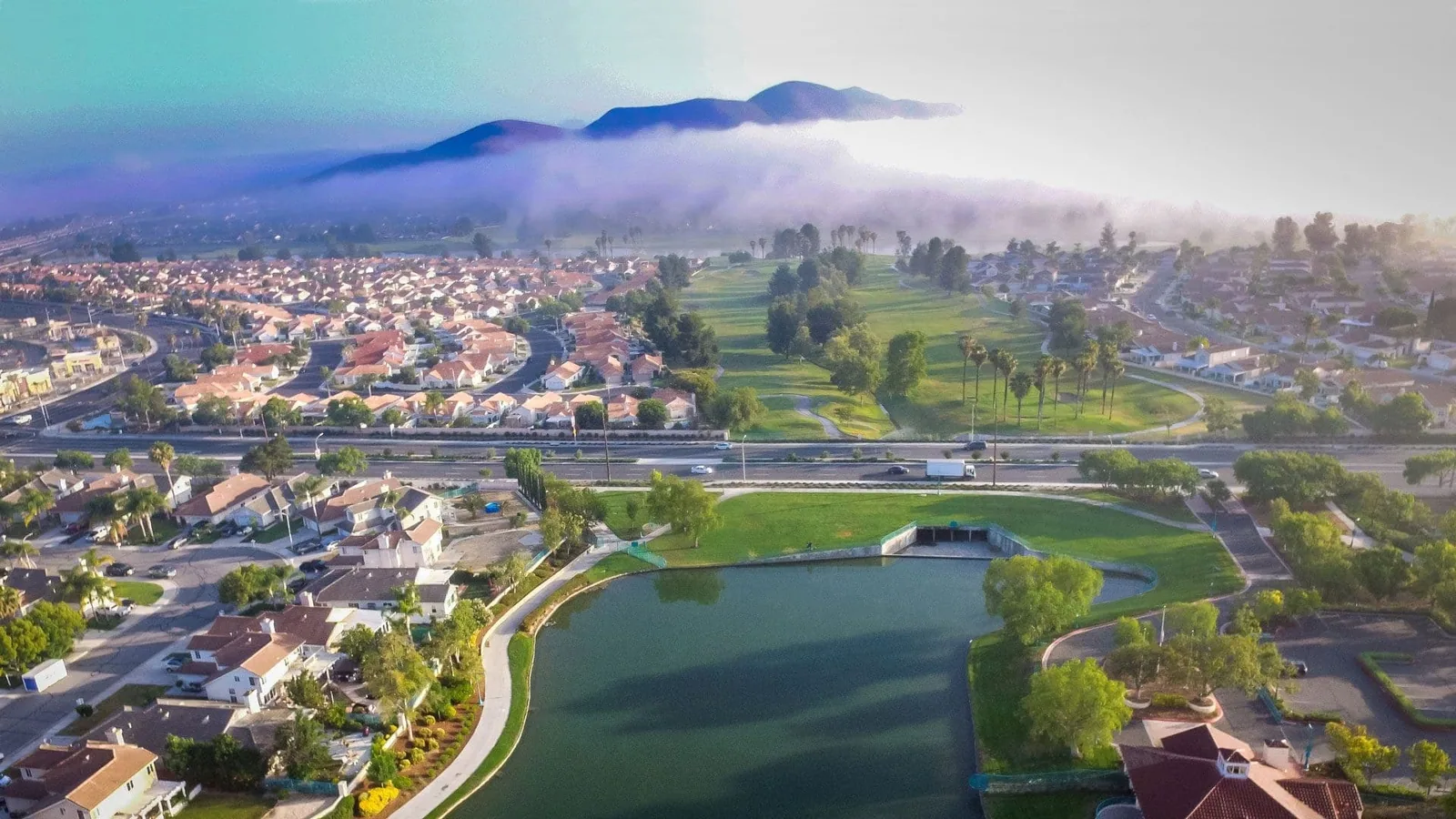
Commercial Roofing in Menifee, CA
Read the full description and the questions owners ask about it.
Learn More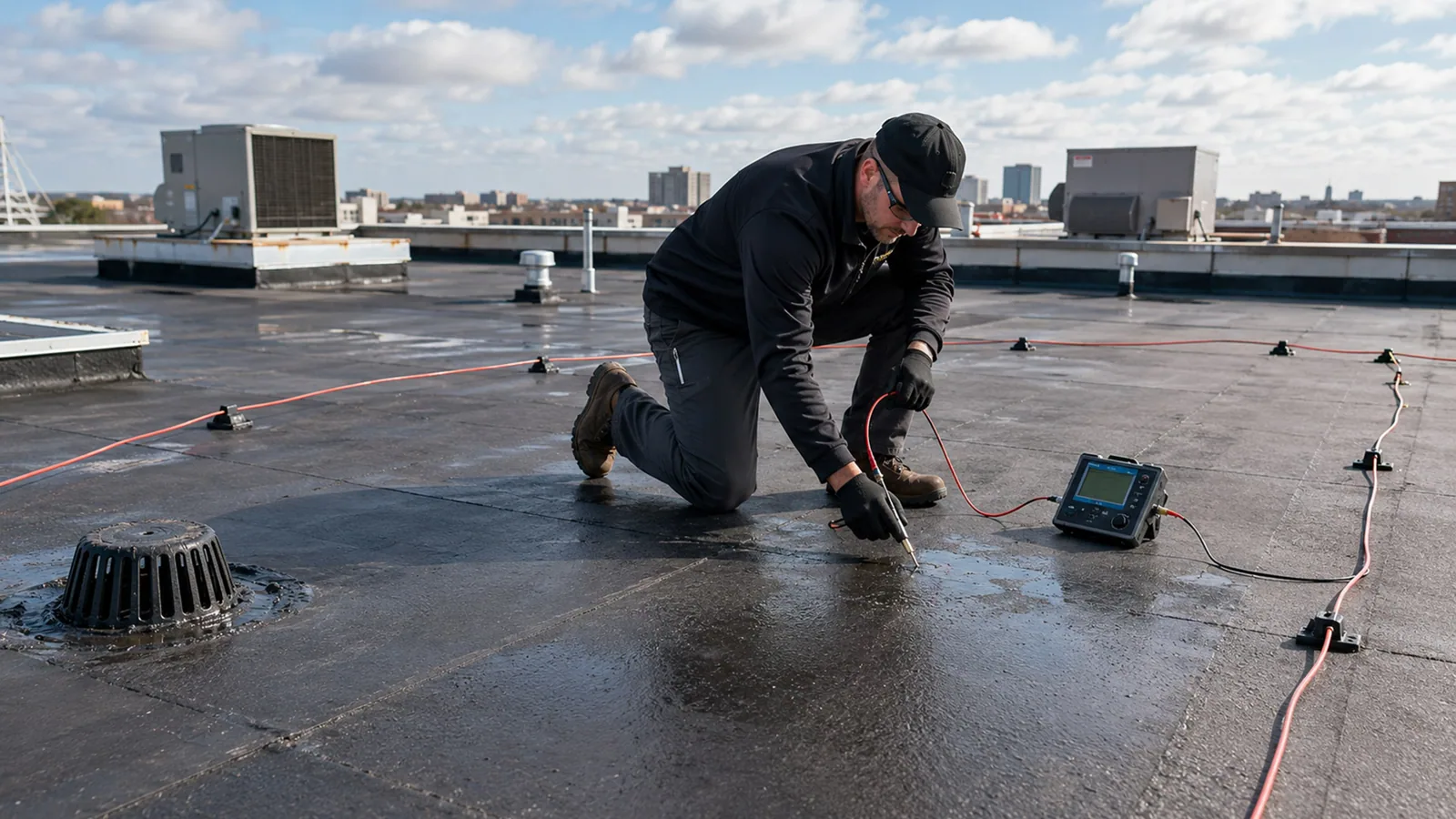
Commercial Roof Inspection in Murrieta, CA
See how this work fits the roof, the building and the schedule.
Learn More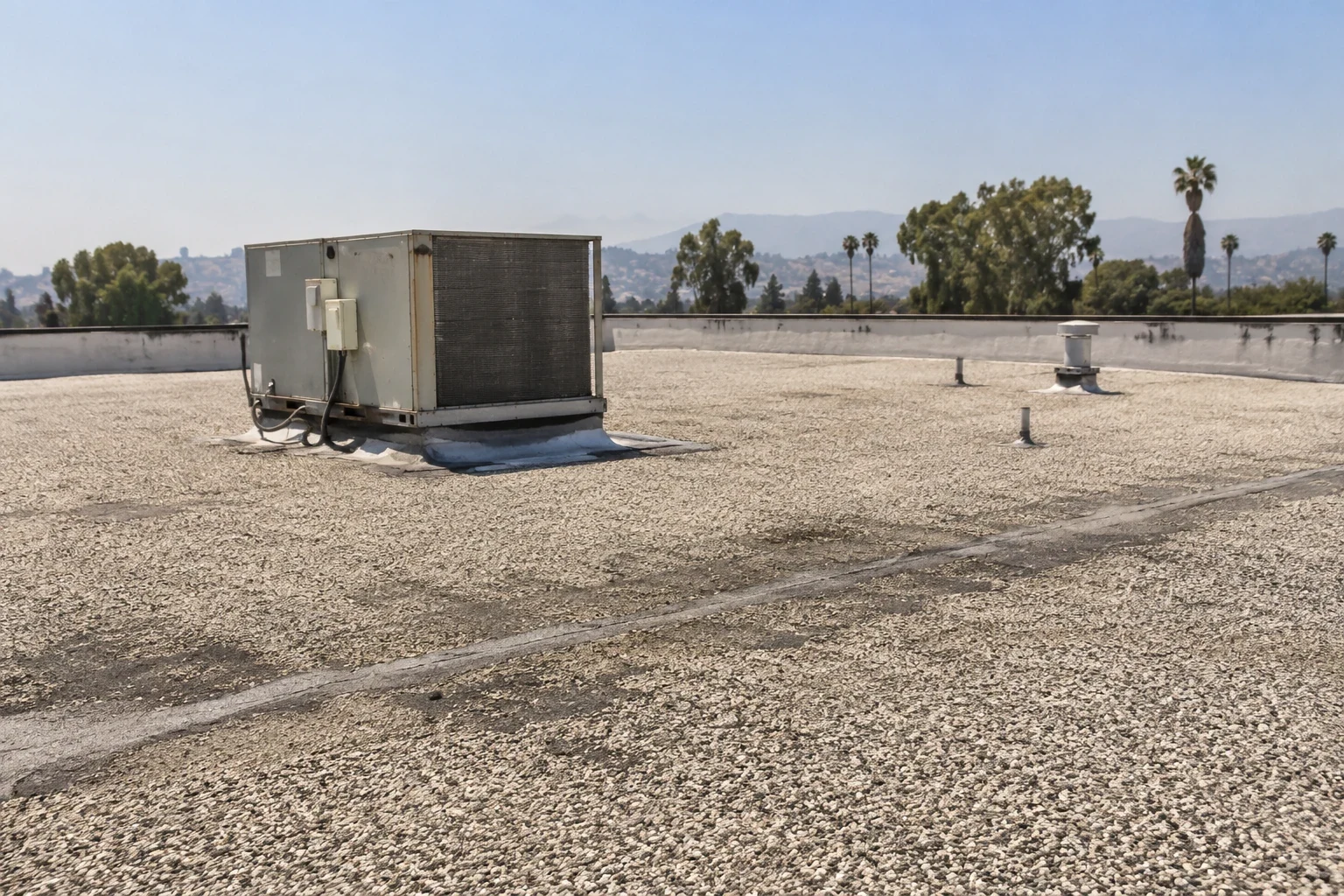
Commercial Built-Up Roofing in Murrieta, CA
Related scope, access notes and questions to ask before work starts.
Learn More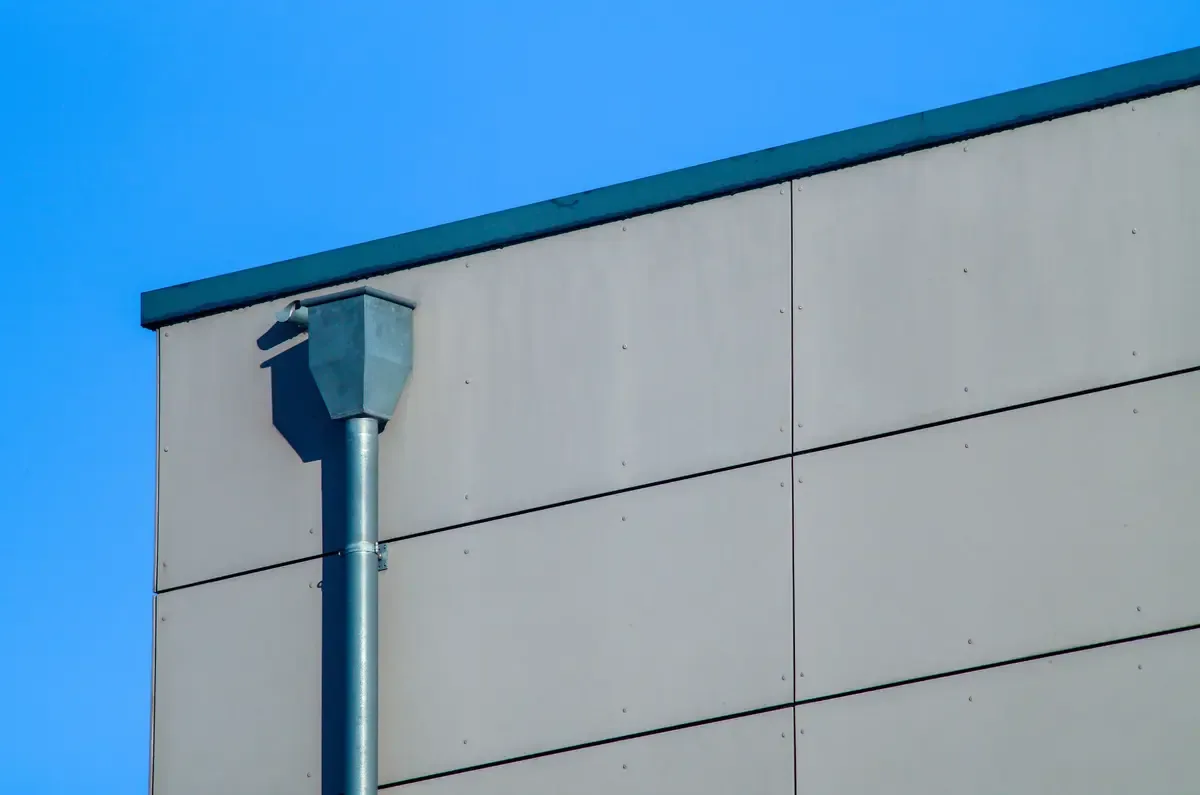
Commercial Roof Drains and Scuppers in Murrieta, CA
Read the full description and the questions owners ask about it.
Learn MoreArrange a Canyon Lake commercial roof inspection
Share the property use, roof history, concern, and any known approval requirements. We will map the affected roof section and prepare a documented scope for review.