
Rooftop Equipment Curbs and Supports in Murrieta, CA
Repair or rebuild commercial rooftop equipment curbs in Murrieta with a review of attachment, flashing, vibration, access and membrane transitions.
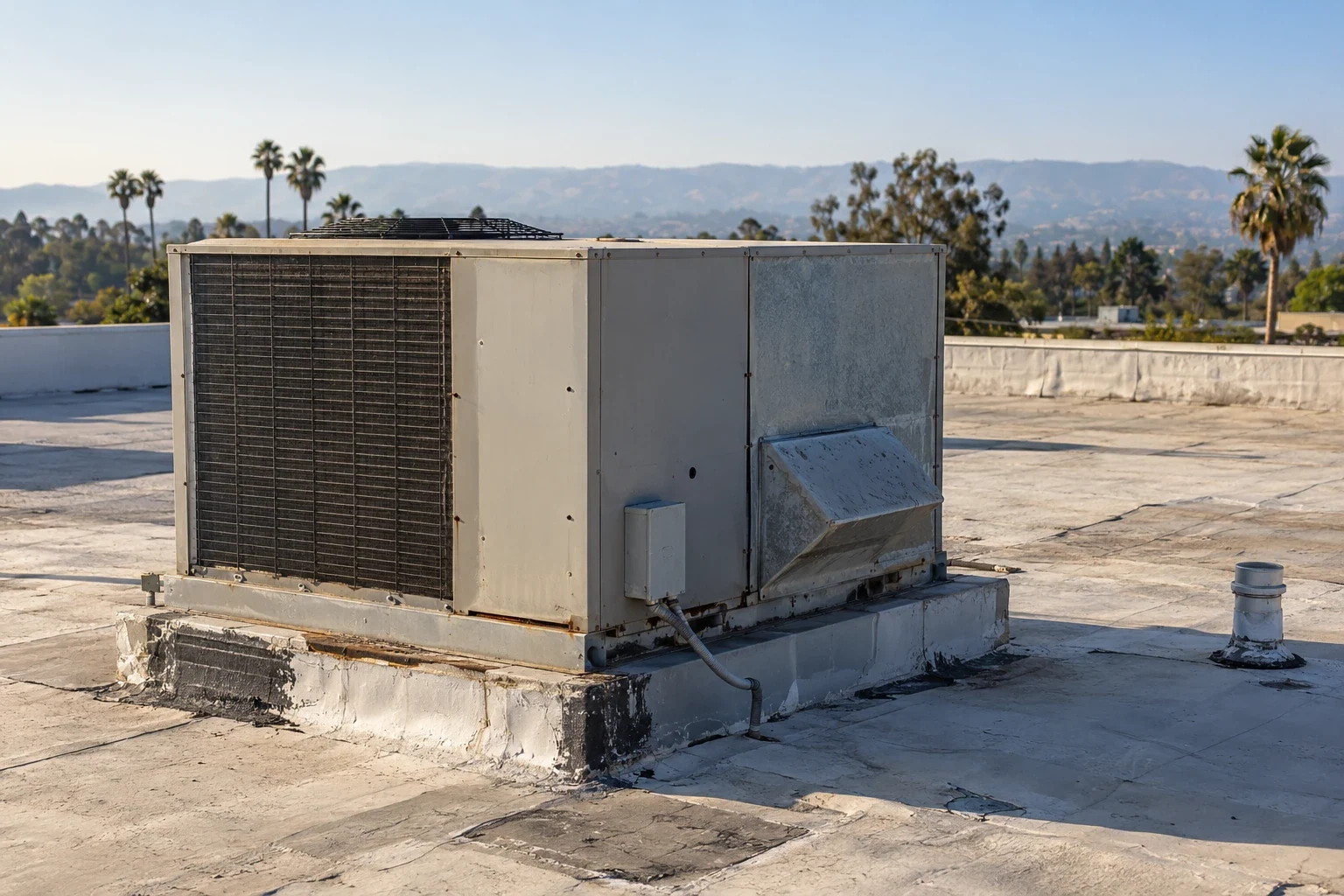
A rooftop unit can keep working while water slips past the curb that supports it. The leak may begin at a corner, a loose fastener, a cracked weld or the membrane where it turns up the base. Murrieta has direct access to both Interstate 15 and Interstate 215. For a roof service call, the delivery route and staging area still need to be checked at the property, especially when the equipment sits above an active loading or customer area. We inspect the unit support and surrounding roof together, then document whether the repair is a flashing detail, a curb rebuild or a larger assembly issue. The owner needs a stable support, a watertight transition and a service path that remains usable. A commercial roof inspection records the roof condition before equipment work changes the area.
Support Check: Look at the Base, Not Only the Unit
We examine the curb height, corners, seams, fasteners and contact with the roof deck. Loose metal, corrosion, cracked welds or movement can leave a path under the flashing. We also check whether the unit vibrates, whether a support leg has shifted, and whether the curb bears evenly. A unit that appears level may still transfer movement into a membrane corner. Nearby service lines, conduit and condensate routing can complicate access or direct water toward a seam. We photograph each side and mark the locations of prior repairs. If insulation is wet or the deck feels soft, the report identifies that condition before a new curb detail covers it. A leak investigation can trace water that has traveled from the curb to another ceiling bay. The repair boundary follows what the roof shows, not the location of the HVAC cabinet alone.
Flashing Tie-In: Match the Curb to the Membrane
Single-ply roofs need a compatible flashing method and a sound upstand. We confirm the membrane type, curb surface and existing attachment before selecting detail materials. A metal roof or built-up assembly needs a different connection, so generic sealant is not a substitute for a system-specific transition. At corners, wrinkles and sharp changes in plane deserve close attention. If the curb is too low for the surrounding roof or has deteriorated beyond repair, rebuilding it may be needed before membrane flashing can be installed. The proposal should name the curb work, insulation and cover board adjustments, flashing, fasteners and any roofing material to be removed. Owners can compare TPO roof details with insulation and cover-board work after the existing assembly is identified. The goal is a complete tie-in with room for the equipment to be serviced later.
Operating Equipment: Keep the Service Route Clear
Before work begins, we confirm whether the unit can be shut down, who controls the mechanical schedule and which route a technician uses to reach it. A crane or lift may be needed if the equipment must be moved; rigging and disconnection should be coordinated with the responsible mechanical trade. We plan roofing work around the unit’s position so the curb can be flashed without blocking service panels or creating a trip path across the roof. Temecula identifies medical-device manufacturing and injection molding among its advanced-manufacturing interests. That local sector context makes planned access windows a practical coordination question for an occupied industrial property, without implying a particular facility or roof type. Jefferson-Madison's business-park and innovation uses remain planned capacity rather than a count of completed buildings. A roof work plan still begins with the equipment, curb and access route at the property being inspected.
Repair or Rebuild: Decide What Can Hold the Detail
A localized flashing repair can be appropriate when the curb is secure, its surface accepts the detail and adjacent membrane remains sound. If the base is corroded, loose or too low, a broader rebuild may be needed. A failed support can also require coordination beyond roofing, since the load and attachment have to be corrected before flashing can close the joint. We document which trade owns each part of the work and how the roof will stay protected during the sequence. The scope should state whether unit removal is included, whether a crane is required and how temporary dry-in will be maintained if the mechanical work pauses. If the roof field has broader damage, a curb repair alone will not resolve it; the owner may compare replacement options after inspection. Photos and measurements support that decision.
Closeout: Record the Detail for the Next Service Visit
After repair, we check that flashing is secure, corners are complete and the membrane is not stretched across a moving edge. The work record should identify the unit or support by roof section, show the before-and-after condition and note any adjacent item left for monitoring. This helps the mechanical technician find the service path without stepping across a fresh detail. If a building has several units, a marked roof plan can show which curbs were inspected and which were repaired. A photo condition report can capture that record; a maintenance visit can return to check seams, drains and curb corners. Where access must be phased around occupants, occupied-building sequencing can keep the roof work and unit schedule coordinated. Temecula’s Old Town district is described by its city as about one mile from north to south, another reminder that local business settings vary; the building’s actual roof and service plan determine the repair. The service record should also identify which side of the curb remains available for mechanical access, where condensate leaves the unit and whether a temporary hose or cable could cross the repair area. That detail helps the next technician reach the equipment without loading a fresh flashing edge. We also leave a note for the next service visit if a support, pipe stand or adjacent seam needs a repeat look after normal operation resumes.
Commercial Roofing Questions
What causes a leak around a rooftop unit curb?
The opening can develop at the flashing corner, curb seam, fastener, weld or membrane transition. Vibration and thermal movement can widen a small weakness. We inspect the curb and the surrounding roof, then trace any water path before deciding whether a detail repair or a curb rebuild fits the condition.
Does the HVAC unit need to be removed for curb repair?
The curb condition and repair method determine whether the unit can remain. If its base is stable and accessible, flashing may be rebuilt in place. A damaged or low curb can require mechanical disconnection and lifting, which we coordinate with the responsible trade before work starts. The proposal should identify who handles each part.
Can you flash a curb with the same material used on the roof field?
The flashing material needs to be compatible with the installed roof and the curb surface. A field membrane may be used in a specified detail, while metal or other systems need different components. We identify the assembly first, then set the transition and corner method in the repair scope.
How do you keep equipment service available during roofing work?
We confirm unit shutdown windows, technician access and any lift or rigging plan before mobilization. The repair sequence should preserve a route to service panels and avoid walking across incomplete flashing. If a unit cannot be moved, we phase the work around its base and define the dry-in point before the crew opens the detail.
What should be included in the curb repair record?
Record the roof section, curb condition, work performed, material tie-in and photos from before and after. Note whether the unit was moved and which trade handled connections. A marked plan helps future service teams locate the detail and lets the owner see which nearby items still need inspection.
Related Roofing Work
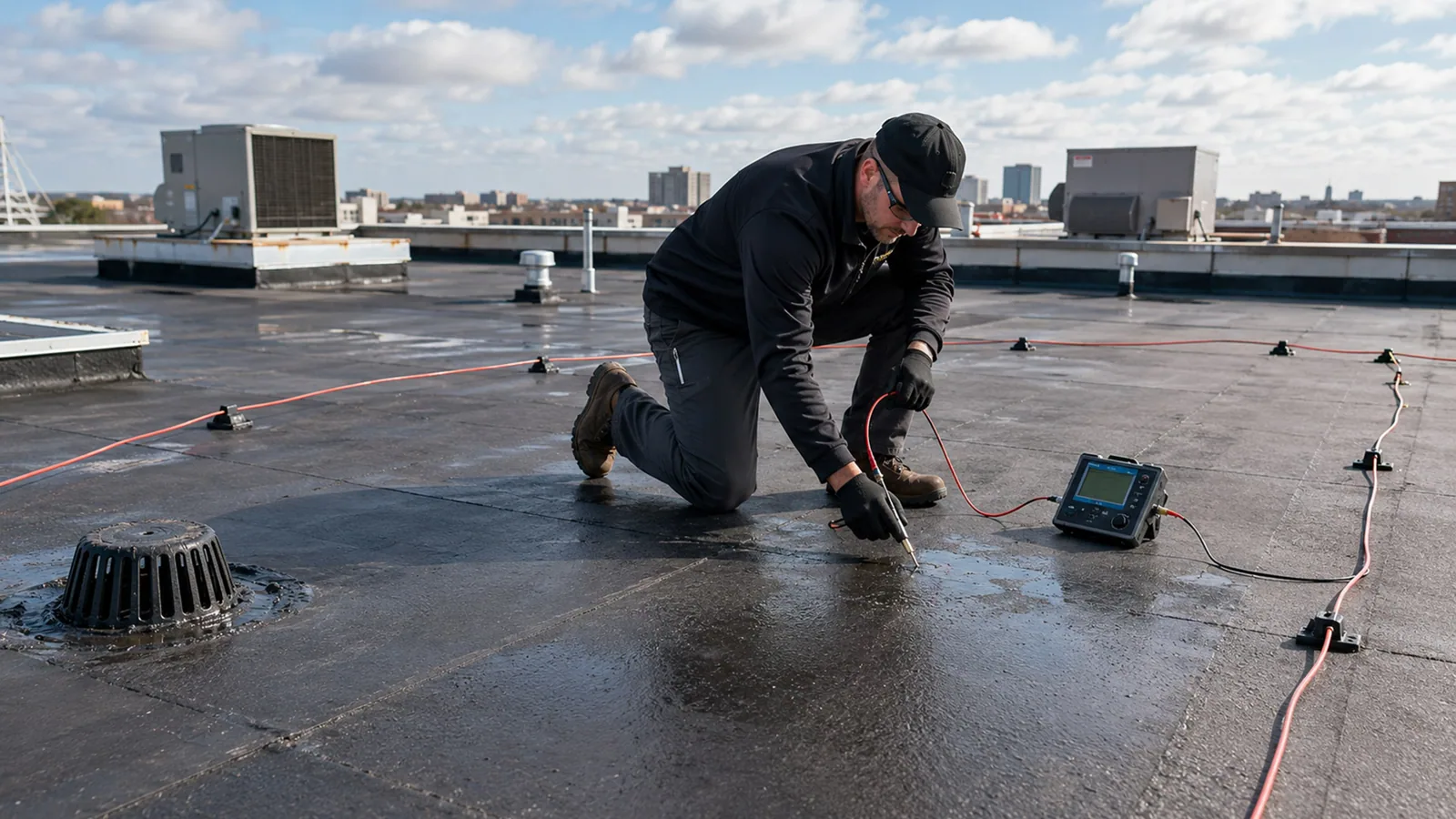
Commercial Roof Inspection in Murrieta, CA
See how this work fits the roof, the building and the schedule.
Learn More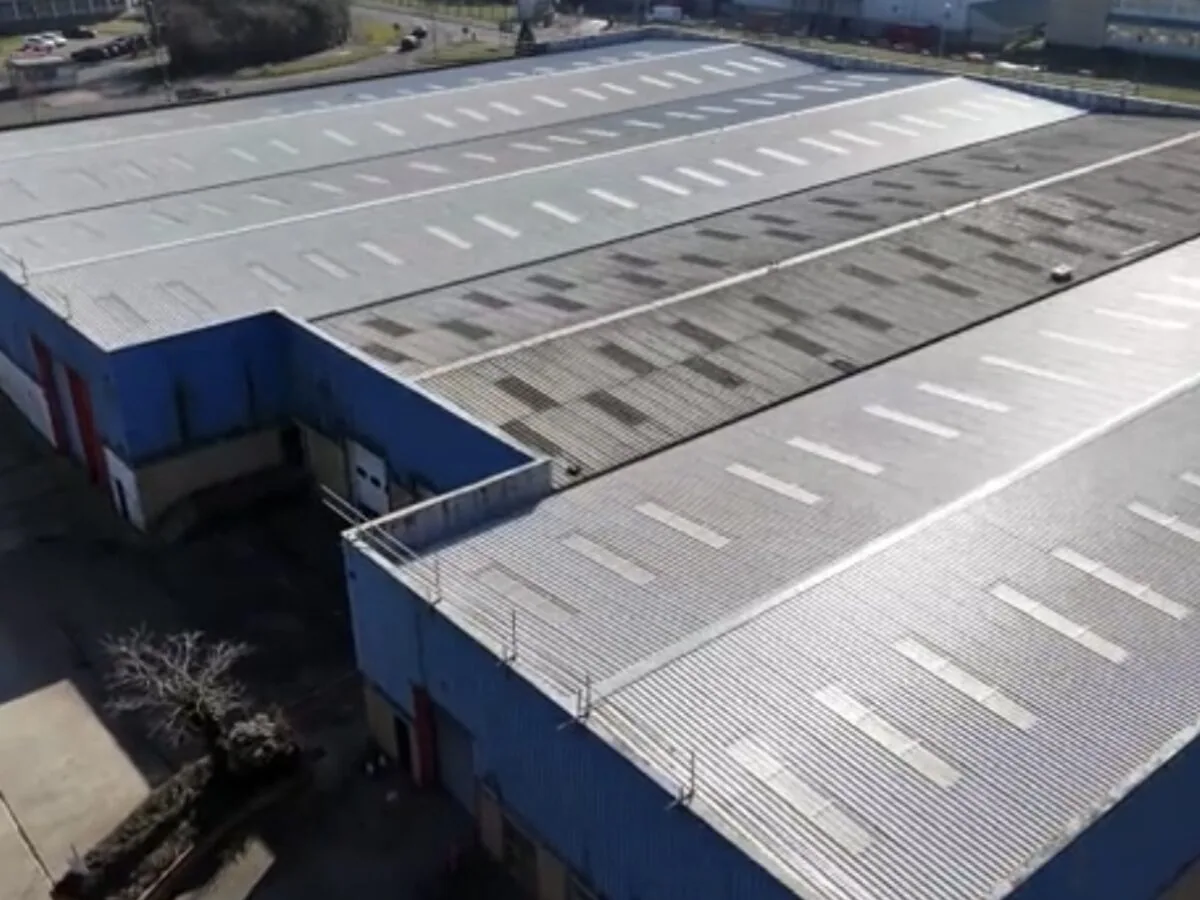
Commercial Roof Leak Repair in Murrieta, CA
Related scope, access notes and questions to ask before work starts.
Learn More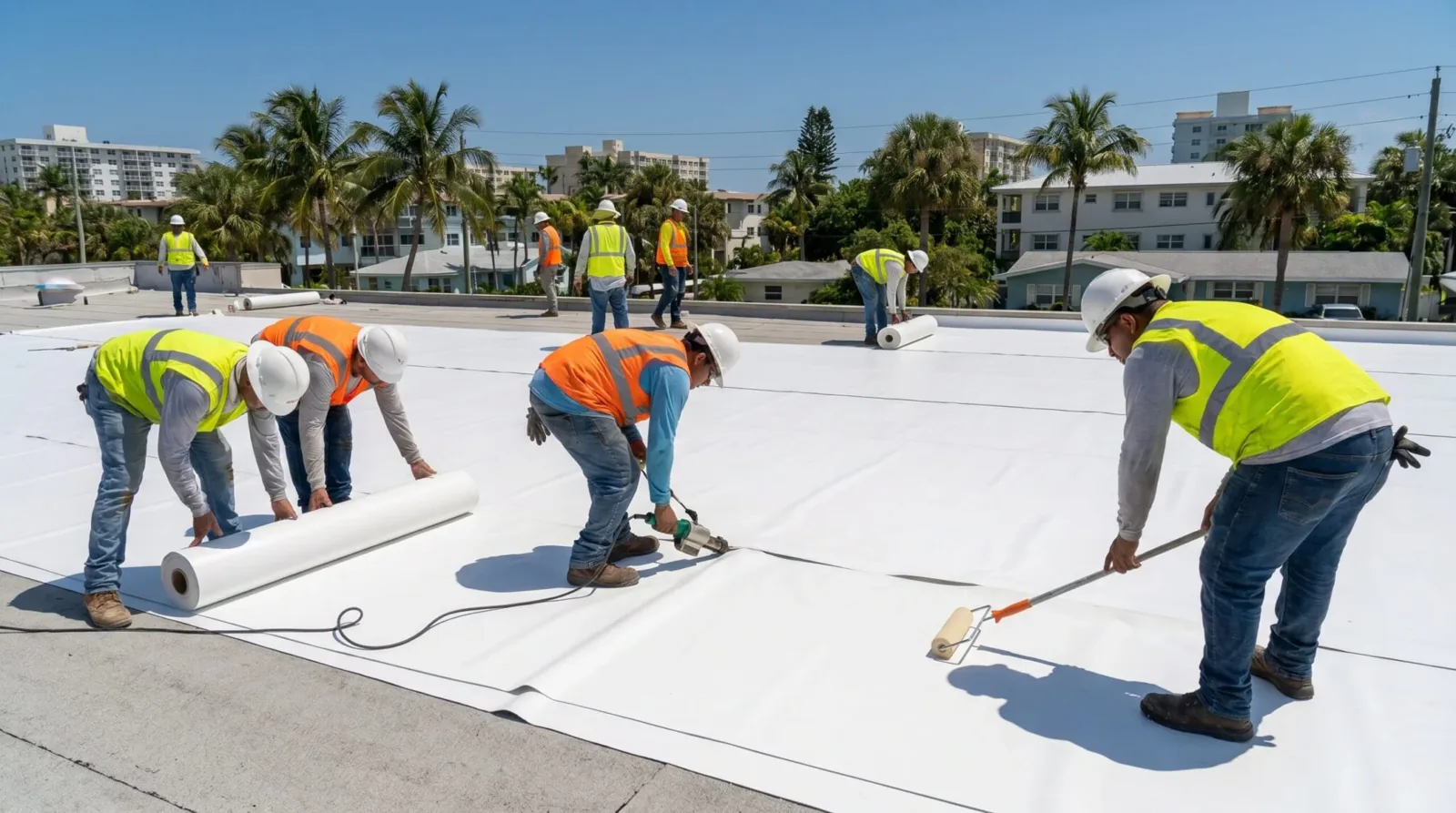
Commercial TPO Roofing in Murrieta, CA
Read the full description and the questions owners ask about it.
Learn More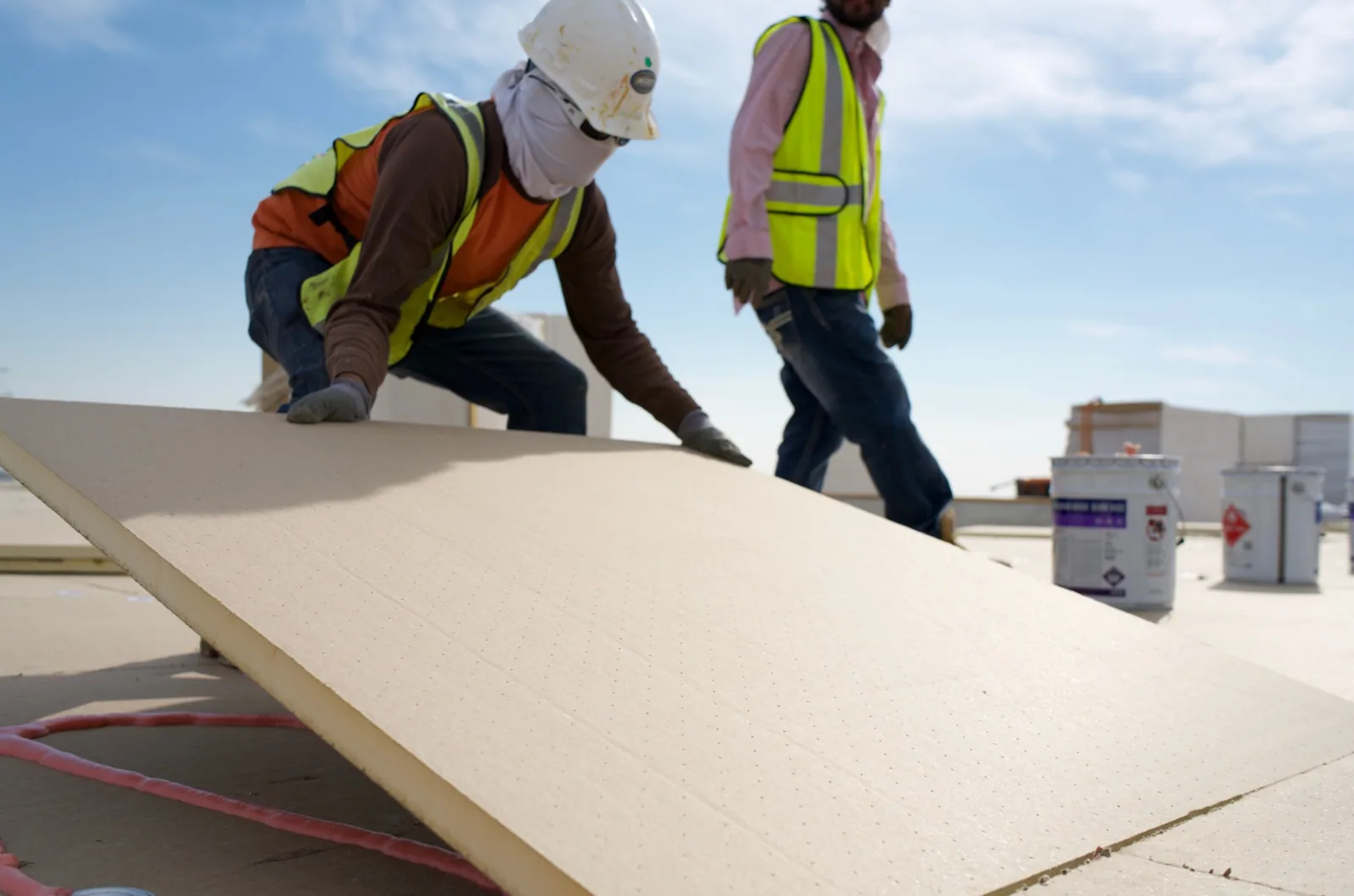
Commercial Roof Insulation and Cover Board in Murrieta, CA
See how this work fits the roof, the building and the schedule.
Learn More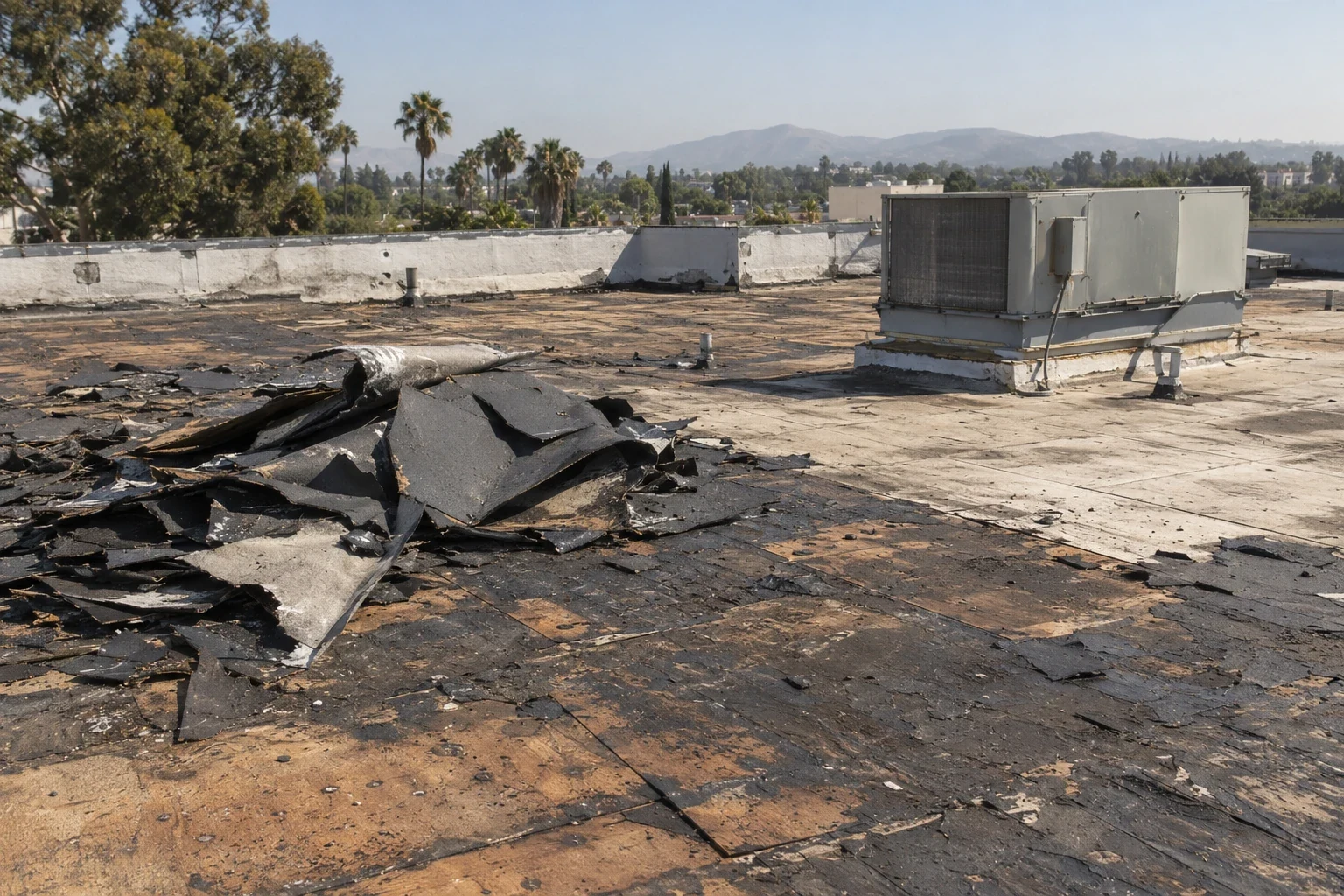
Commercial Roof Replacement in Murrieta, CA
Related scope, access notes and questions to ask before work starts.
Learn More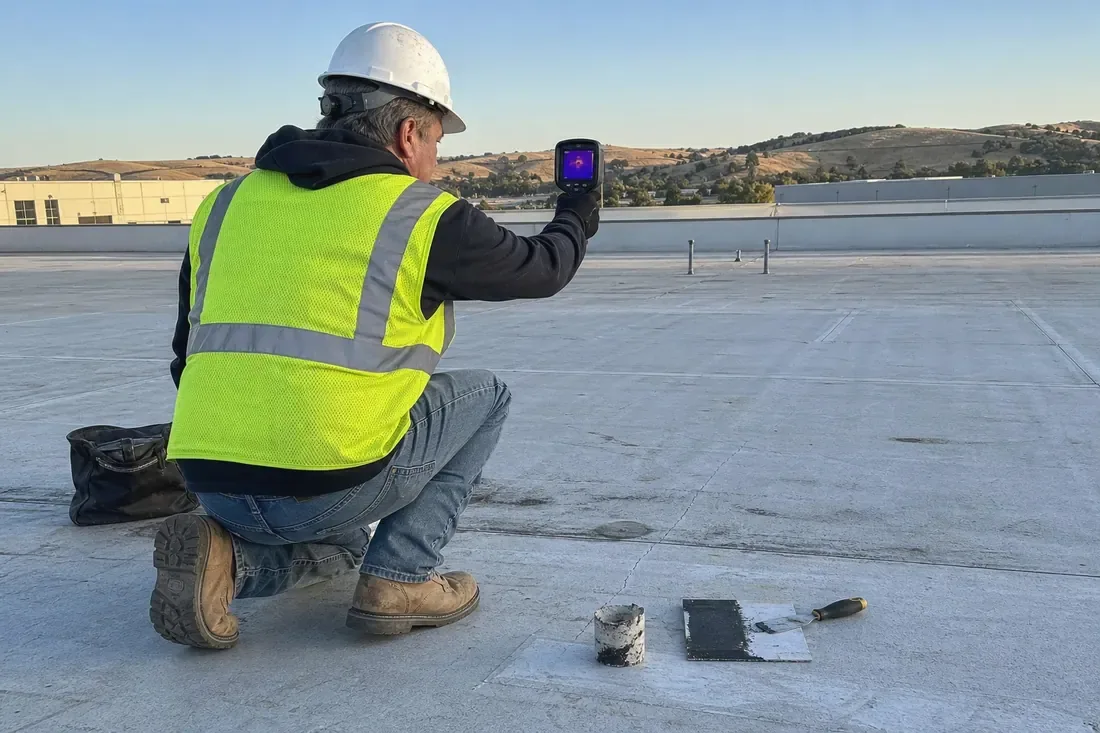
Commercial Roof Condition Reports in Murrieta, CA
Read the full description and the questions owners ask about it.
Learn MoreRepair a Commercial Rooftop Curb
Arrange an inspection in Murrieta to document curb movement, trace the leak path and coordinate a roof repair around the equipment schedule.