
Commercial Roofing for Property Managers in Murrieta, CA
Manage roof repairs, inspections, and capital plans across Murrieta properties with clear findings, work boundaries, access notes, and closeout records.
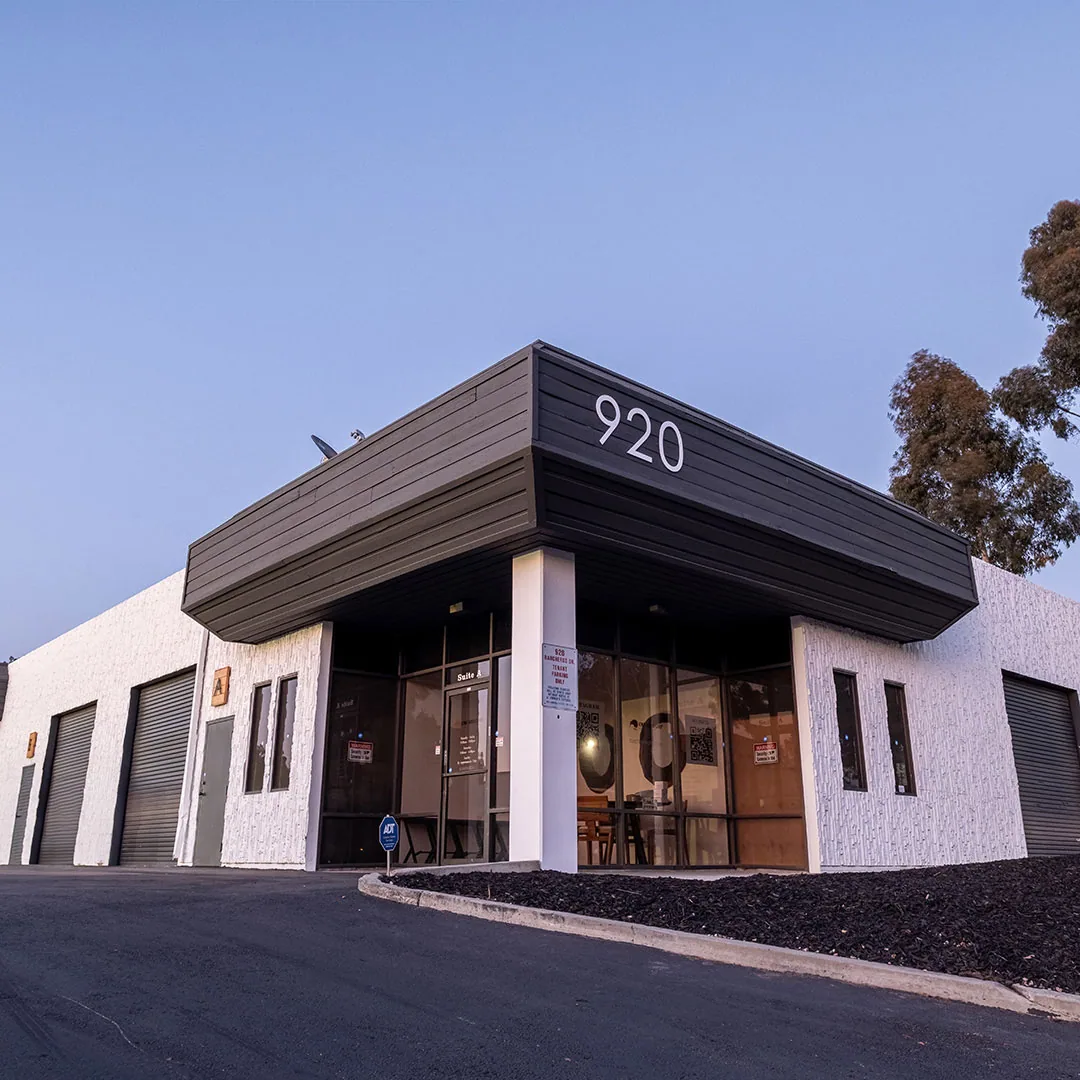
A service request from one tenant can point to a roof issue that affects several suites. In Murrieta, property managers may be responsible for existing business-park space while new employment land remains planned near Jefferson and Madison. Those are different conditions, but both require a roof record tied to the building that is actually present. We map the leak, inspection finding, or maintenance item to a roof section, then state which action belongs in the current work order and which belongs in the capital plan. A commercial roof inspection gives the manager a condition record to share with ownership.
Portfolio View: Separate Buildings and Roof Sections
A portfolio list is useful only when each entry points to a specific assembly and condition. We identify membrane or metal type, roof sections, drainage paths, penetrations, edges, visible repairs, and access limits. The notes distinguish an open seam from an interior stain, a blocked drain from a low area, and a surface defect from a suspected wet layer. That makes the report usable by a manager who was not on the roof. A photo condition report can connect each observation to its location and recommended next step.
Murrieta’s business-park inventory includes existing space, while the roughly 220-acre Madison Corridor planning area is designated for future innovation and business-park development. We do not carry one property’s roof assumptions into another building or treat planned acreage as completed stock. The manager can group buildings for review, but each roof still needs its own assembly, water path, prior-work history, and interior use recorded. For an operating portfolio, ownership reporting should preserve that building-level distinction.
Work Order: Define the Repair Boundary
A tenant report usually starts with a room, ceiling tile, or recurring drip. We compare that location with the roof above it, then trace seams, curbs, wall transitions, and drains that could carry water toward the interior. The visit records what was confirmed and what still needs an opening or moisture test. A repair order should list the roof section, compatible material, preparation, flashing detail, and limits of the work. The manager can then explain why a small patch addresses one defect without representing the entire roof as renewed.
When several requests arrive at once, we sort them by active water entry, protection needs, and access. A ponding-water repair review can separate a blocked outlet from a slope or insulation concern. If the source is not yet visible, an infrared moisture survey can identify areas for targeted confirmation, not replace a test opening. The work order states which action proceeds now and which finding would change the boundary.
Occupancy: Keep the Tenant Plan Specific
Roof access can affect office entries, loading areas, customer parking, mechanical service, and tenant hours in different ways. We ask the manager which doors and routes must remain available, who can approve access, and when a lift or material delivery can occupy a work area. The scope marks the active roof section and the daily dry-in line. For a multi-tenant building, a phased reroofing plan can keep the sequence clear without promising that every space will operate normally during every task.
Murrieta’s direct access to Interstate 15 and Interstate 215 provides useful regional context for business districts, but site access still depends on the individual property. At a Jefferson Avenue or Madison Avenue building, the manager’s delivery rules, roof hatch, loading zone, and tenant notices matter more than a freeway map. We record those limits before setting mobilization and material staging. If a manager covers neighboring Temecula properties, their building contacts and operating windows remain separate records.
Capital Review: Compare the Same Assumptions
Ownership can compare repair, recover, and replacement only when the scope uses the same roof areas and assumptions. We identify tear-off, insulation, deck repairs, edge metal, drains, penetrations, access, and concealed-condition handling. A recover may preserve sound layers, but moisture, attachment, added height, and drain transitions can rule it out. If a test is needed, the proposal names the location and what result changes the recommendation. A roof capital plan can keep near-term repairs apart from work that may be scheduled later.
Murrieta’s 2025 economic update reported vacancy figures for industrial, business-park, and office space at the time of publication. Those dated indicators are not current measurements of a manager’s buildings. They do reinforce the practical value of a clean service record: a roof condition should be traceable whether a space is occupied, being marketed, or changing hands. We store the inspection date, photographs, repair map, approvals, product information, and open items with the property file.
For a portfolio review, we can mark a condition as monitor, test, repair, or price for replacement, then attach the finding that supports that next step. This helps a manager explain why one building needs immediate water control while another can wait for a planned work window. A same-format record also makes follow-up inspections easier to schedule. If a roof section remains outside the current scope, the file states that boundary so ownership does not confuse an inspection finding with completed repair.
Closeout: Leave a Record the Next Manager Can Use
At completion, the manager needs more than a note that work is finished. We provide the agreed repair areas, completed details, photographs, materials, approvals, and any remaining observation in a form that can be filed with the building. If access was restricted or a tenant area needed protection, the closeout records the work boundary and any follow-up. That history helps a later inspection return to the same seam, drain, or curb instead of rebuilding the file from scattered emails.
Arrange a review when several leaks repeat, a roof section has a growing repair list, or a purchase or renewal requires a condition baseline. We can map the condition, identify a repair boundary, and give ownership a scope it can compare across properties. The recommendation stays tied to the assembly and evidence at each building. A logistics property may need a different access window from an office suite, even when the roofs share a system.
Commercial Roofing Questions
Can one inspection cover several buildings?
We can schedule buildings under one visit plan, but each roof receives its own condition record. The report identifies assembly, drains, seams, penetrations, access limits, and urgent repairs by property. Shared scheduling does not turn separate roofs into one condition.
How should tenant leaks become work orders?
Start with the room, time, and operating area affected. We compare that report with the roof section above it, trace likely water paths, and document what is confirmed. The work order then states the repair material, boundary, access plan, and any test that remains.
What should ownership see when comparing repair and replacement?
The proposals should cover the same roof areas and disclose tear-off, insulation, edge, drain, deck, access, and concealed-condition assumptions. We separate immediate water control from permanent work, then identify the finding that would change the scope. That allows a direct comparison instead of a headline number without boundaries.
Can roof work proceed while tenants remain in a building?
The access route, work section, noise, material staging, and required dry-in determine the sequence. We coordinate the affected space and state any short restriction before work starts. A schedule should identify the daily boundary and who receives notice when that boundary changes.
Which records belong in the property file?
Keep the roof map, dated photographs, materials, repair locations, approvals, and remaining observations together. We can identify what was completed and what still needs review. That file gives the next manager or inspector a usable starting point.
Related Roofing Work
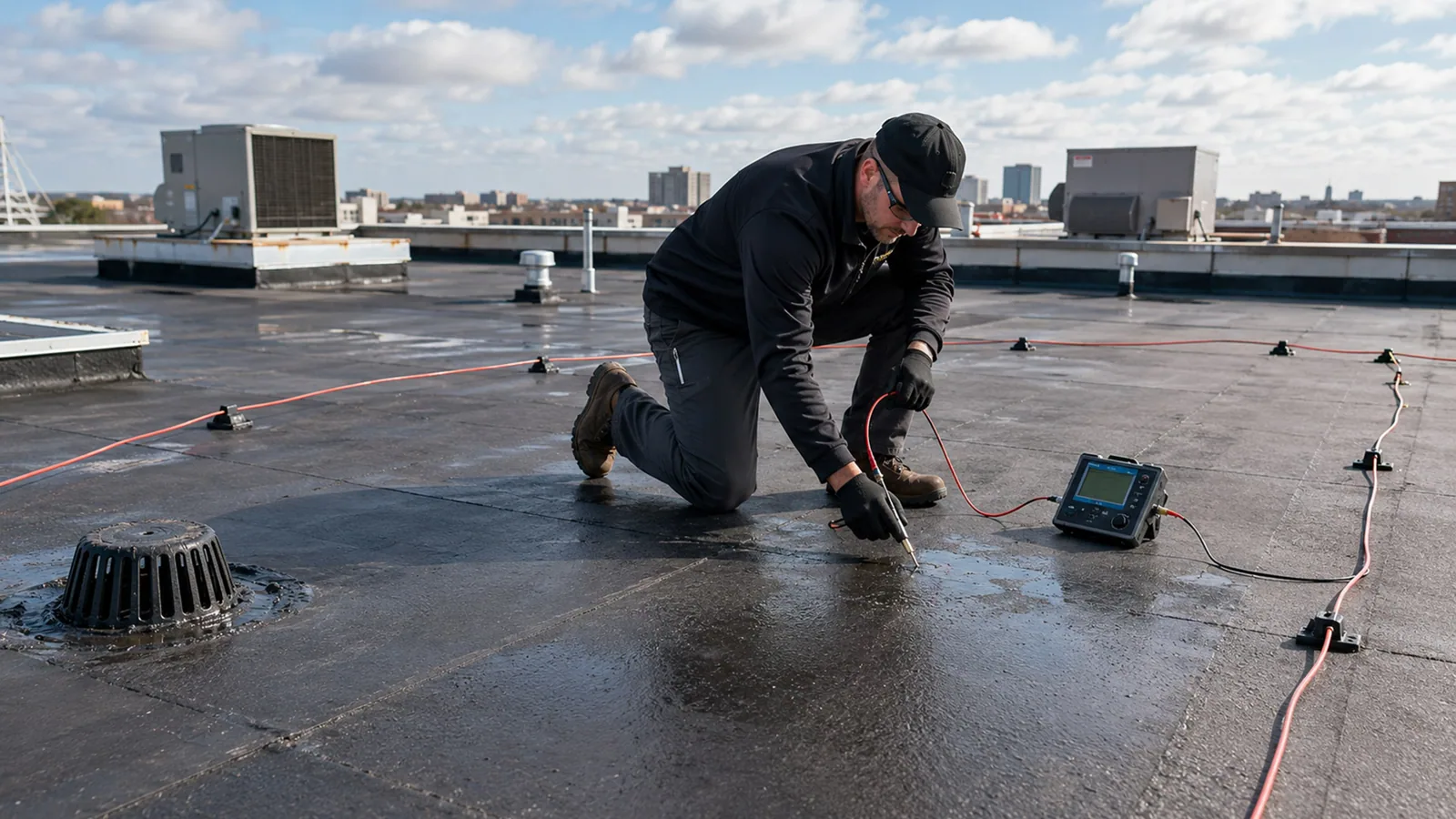
Commercial Roof Inspection in Murrieta, CA
See how this work fits the roof, the building and the schedule.
Learn More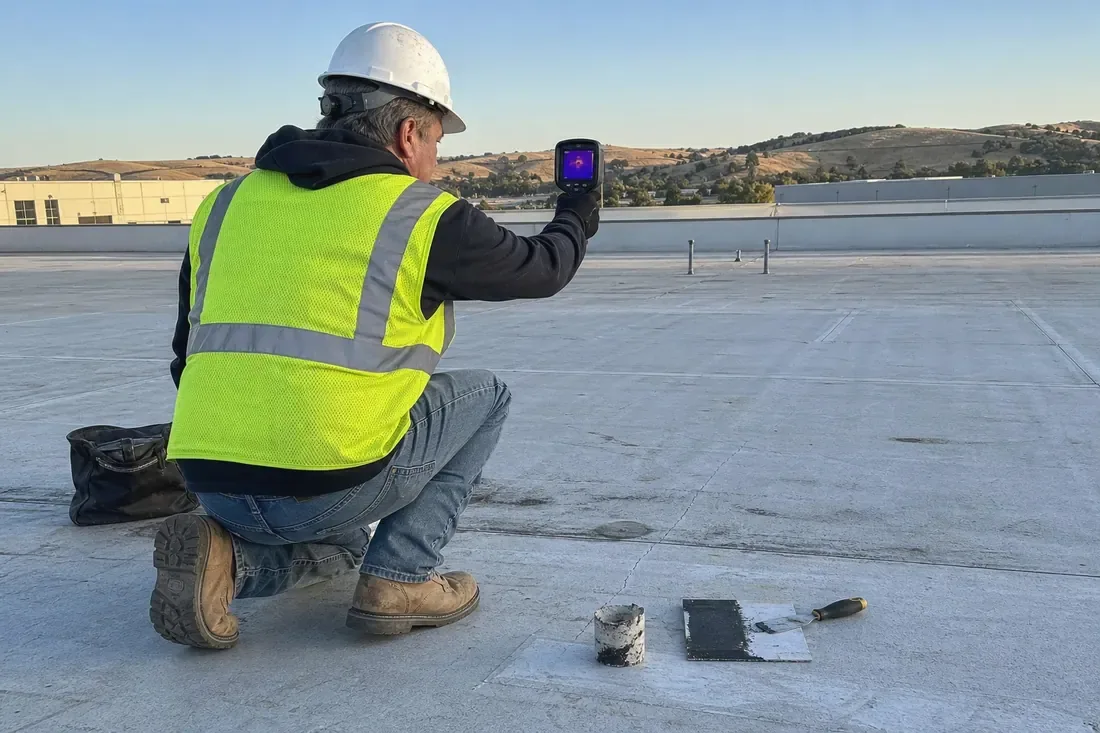
Commercial Roof Condition Reports in Murrieta, CA
Related scope, access notes and questions to ask before work starts.
Learn More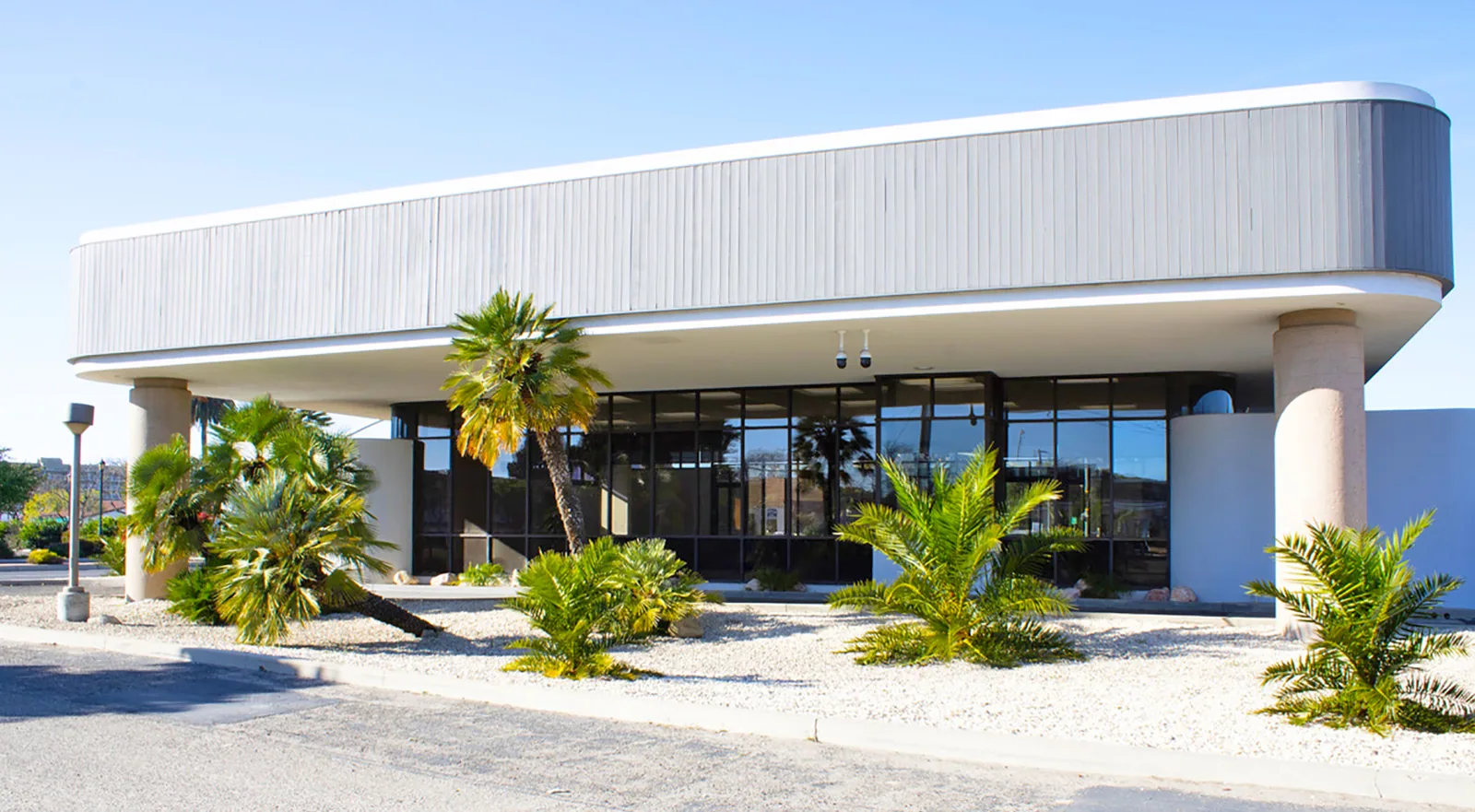
Roofing for Real Estate Investors in Murrieta, CA
Read the full description and the questions owners ask about it.
Learn More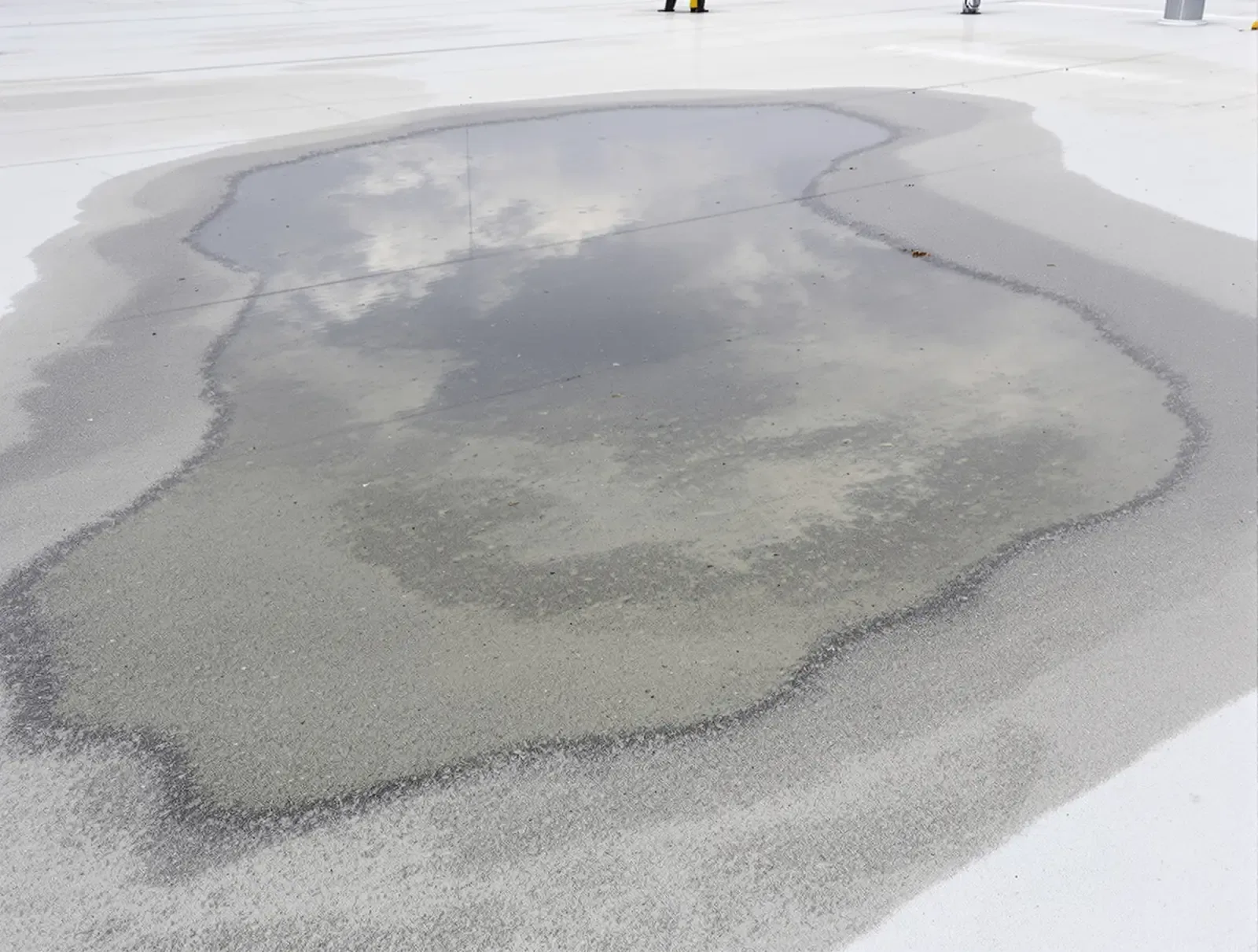
Commercial Ponding Water Roof Repair in Murrieta, CA
See how this work fits the roof, the building and the schedule.
Learn More
Infrared Roof Moisture Survey in Murrieta, CA
Related scope, access notes and questions to ask before work starts.
Learn More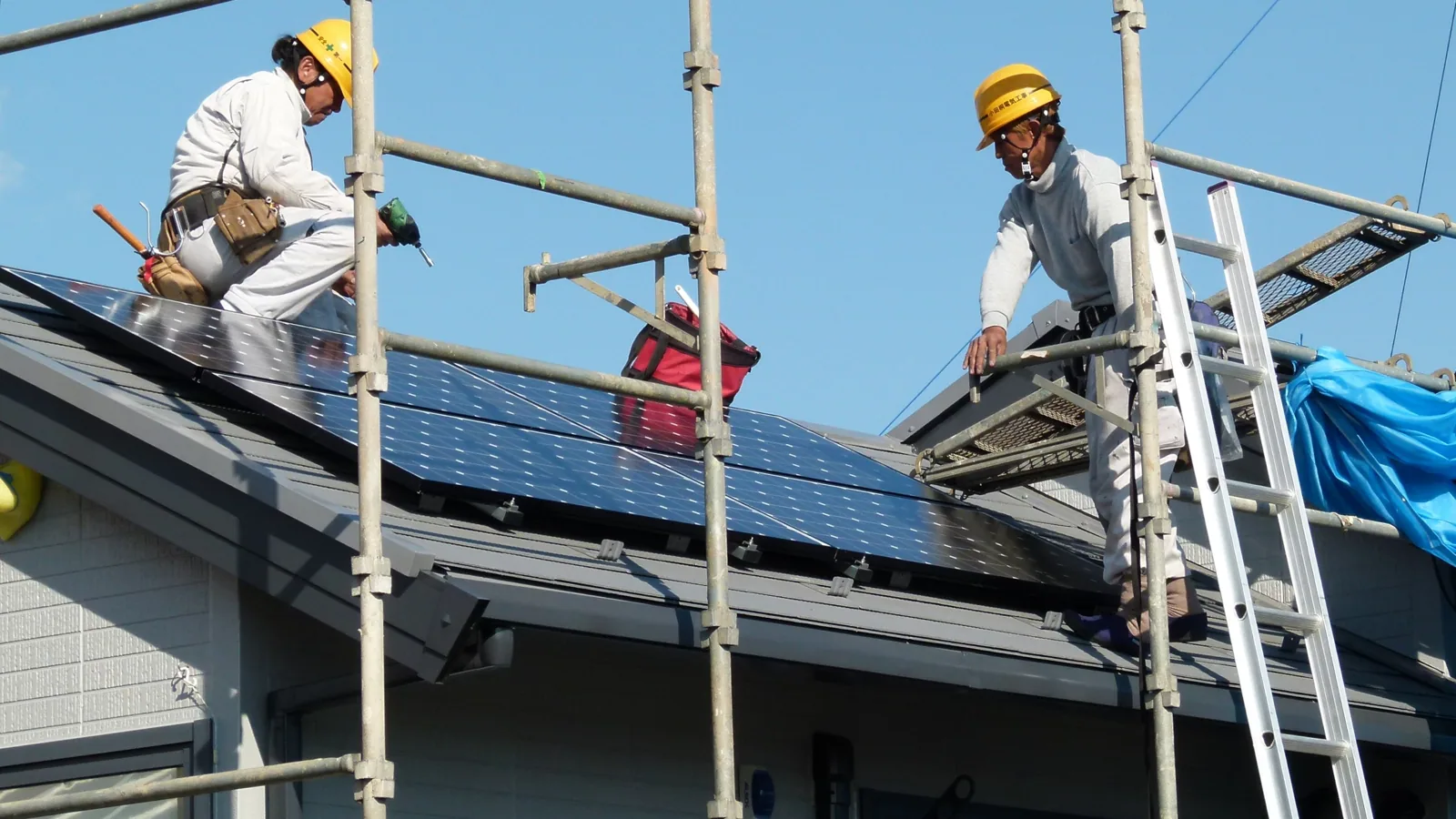
Occupied-Building Commercial Reroofing in Murrieta, CA
Read the full description and the questions owners ask about it.
Learn MoreReview a Property Portfolio Roof Plan
Arrange an inspection to map active conditions by building, set repair boundaries, and give ownership a scope it can compare.