Commercial Roof Drains and Scuppers in Murrieta, CA
Correct roof drainage problems in Murrieta with a review of drain paths, scuppers, ponding and tapered insulation for commercial buildings.
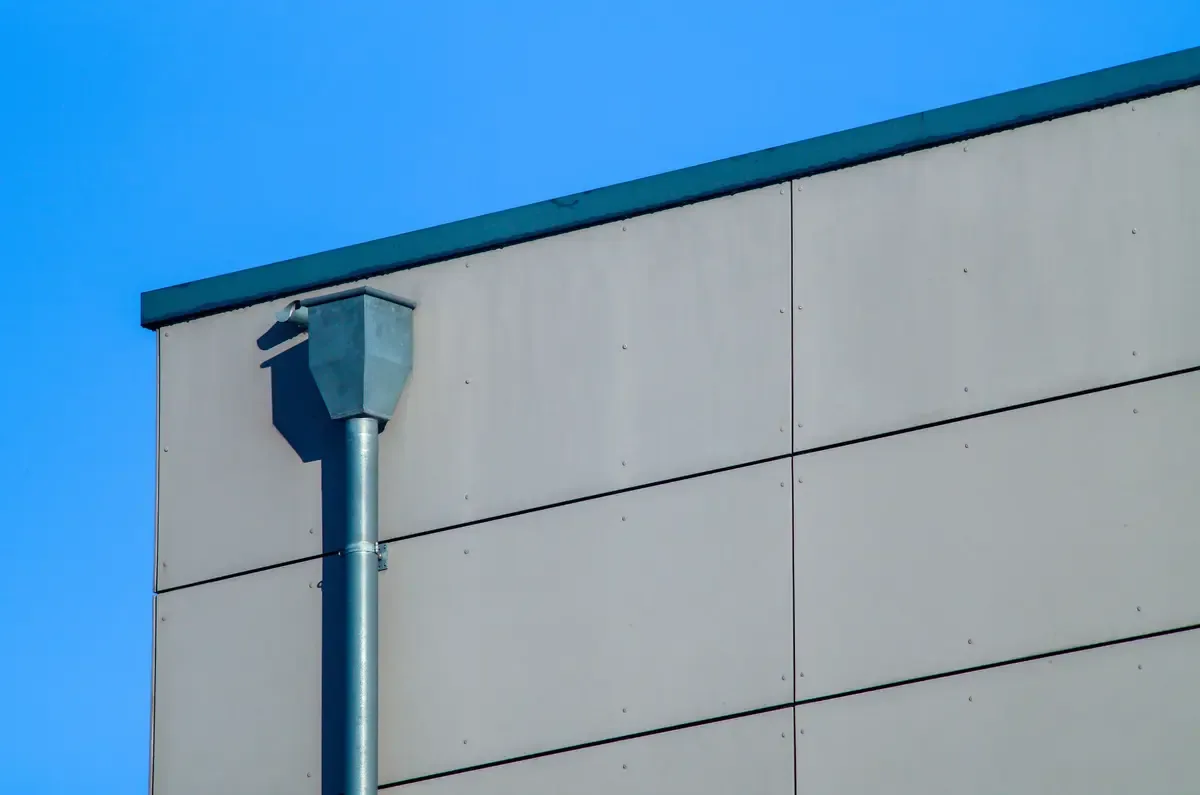
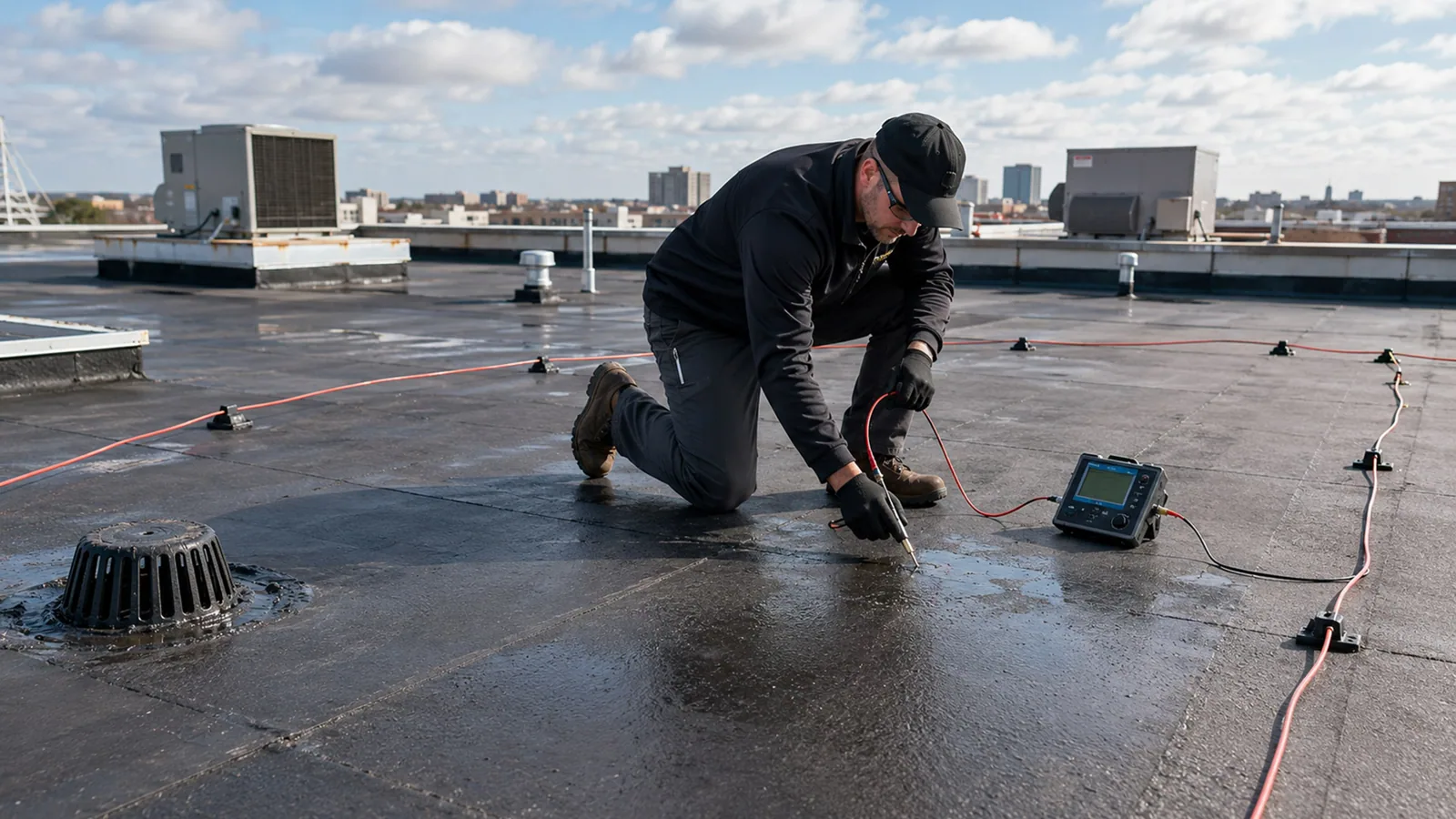
A drain that clears slowly can leave water sitting across a roof section long after rain has stopped. On commercial buildings in Murrieta, drainage needs to be checked as a connected path from high point to outlet, not as a single clogged fitting. Murrieta averaged 15 inches of annual precipitation from 1950 to 2005, with scenarios extending through 2099. Those figures are planning context, not a forecast for a particular roof. We inspect drains, scuppers, overflow paths, crickets and membrane transitions, then identify whether the issue is debris, slope, a damaged outlet or a roof section that has settled. A roof inspection records the condition before a drain is cleared or a repair begins.
Water Path: Follow the Low Point Backward
We look for the route water takes across the field and where it slows. A depression can leave a broad shallow pond; a blocked drain may create a smaller pool near the outlet; a missing cricket can send water toward a wall or curb. We note the depth and outline of standing water after a reasonable dry interval, along with debris, membrane wrinkles and soft areas around the drain bowl. A camera view of the pipe can help when the outlet below the roof appears restricted, but the roof surface still needs a visual check. We also note roof traffic, nearby mechanical work and any recent construction that may have sent loose material toward the outlet. Those observations help explain whether a blockage is isolated or likely to return. Before clearing debris, we photograph the fitting and surrounding membrane so the owner can see whether the drain was only obstructed or also damaged. Where the roof has several low areas, we mark each one separately rather than assume that a nearby drain serves the entire field. If water has lifted a drain flange or damaged the membrane, opening and rebuilding the detail may be needed. The report should distinguish maintenance clearing from a drainage correction. That difference affects what the crew needs to bring, how long the outlet remains out of service and whether water testing should follow. Ponding-related roof repairs are scoped to the area that holds water and the conditions feeding it.
Drain and Scupper Details: Restore the Whole Connection
A roof drain only works as well as the membrane transition around it. We check the bowl, clamping ring, strainer, flashing and surrounding field sheet for separation or movement. Scuppers need an open outlet, secure metal and a clear path through the parapet; overflow provisions should remain unobstructed. A cricket behind a curb or wall can redirect water toward a drain, but its shape must fit the surrounding roof geometry. Replacing a drain without addressing a low point may leave water in the same place. We can evaluate tapered insulation and cover board when changing slope is practical, and scupper and edge metal work when the outlet transition is the problem. Every repair needs compatible materials and a clean tie-in to the existing membrane.
Building Activity: Keep Drain Work Clear of Service Routes
Drainage work may involve a roof hatch, lift access, plumbing access below the deck or coordination with mechanical service. We identify which units and roof paths must stay available, where debris can be contained, and whether water testing could affect spaces below. Murrieta’s existing business-park inventory exceeds two million square feet. That is total building space, not roof area; a multi-tenant property still needs a repair record tied to its own drainage runs and roof sections. Menifee's nonresidential frontage follows four roads: McCall, Scott, Ethanac, and Newport. Those land-use corridors do not tell us any roof’s drainage design. At each property, we coordinate the drain work around active access and the system found during inspection. A phased access plan can help when a larger correction crosses active work areas.
Correction Choices: Clear, Rebuild or Regrade
Debris removal can solve a maintenance blockage, while a damaged drain assembly may need a new bowl or membrane tie-in. If water remains because the roof falls away from the outlet, localized tapered insulation or a broader slope adjustment may be considered after deck and elevation checks. The chosen correction should leave a functional overflow route and avoid raising the field in a way that traps water at another curb. We describe the expected depth and direction of water after the work, then identify any limits where structure or existing geometry restricts a complete correction. The proposal can distinguish cleaning, drain replacement, scupper repair and slope work so the owner sees what each item changes. For a roof with recurring wet areas, a roof condition report can map locations and scheduled maintenance can keep outlets clear between larger repairs.
After the Repair: Verify Flow and Keep the Record
Once the detail is rebuilt, we check the membrane transition and confirm that water can reach the outlet without crossing an unintended barrier. A controlled flow test may be appropriate when the assembly and interior conditions allow it. The owner should know which drains were cleared, which were repaired and whether any low area remains for observation. In Perris, the Downtown plan gives the 4th Street Corridor a planned commercial-frontage role; in Menifee, non-residential uses appear along several named roads. These are broad planning contexts, not assumptions about individual buildings. For either setting, the closeout can name the roof section, outlet location and any access restriction that affected the test. A future inspection can compare the same area after seasonal debris or construction activity. If water returns, those notes help identify whether the outlet, slope or a new obstruction changed.
Commercial Roofing Questions
How much ponding is a problem on a commercial roof?
The water depth, duration, roof design and condition of the assembly all matter. We record where water remains after drainage should have occurred and look for soft insulation, membrane stress or interior signs. A shallow area can still deserve attention when it repeatedly exposes a seam or blocks an overflow path. The inspection should identify the condition and what correction is practical.
Can you fix ponding by adding a drain?
A new outlet may help when the water path and structure support it, but it is not the only option. We check slope, existing drains, scuppers, deck elevation and safe discharge location before recommending a change. Tapered insulation or a cricket may be more appropriate for a local low point. The scope should explain where water will go after the correction.
Why does a repaired drain keep leaking?
The leak may come from the membrane transition, loose clamping ring, cracked bowl, blocked pipe or movement in surrounding materials. We inspect the whole drain assembly and nearby field rather than seal only the visible seam. A photo record of the rebuilt transition helps the owner distinguish a new failure from a recurring blockage.
Should we test the scupper after repair?
A controlled water check can confirm the outlet path when conditions permit and interior areas are protected. We first verify that the scupper is open, metal is secure and the membrane connection is complete. The test should not send water into an unknown wall cavity or exceed what the drainage route can handle.
What maintenance keeps roof drains working?
Keep strainers and bowls free of leaves, packaging, construction debris and sediment, and check scuppers for blockage after roof work or wind. We inspect the membrane and flashing around each outlet because debris clearing alone will not repair a split or loose transition. A service record can show which drains need repeat attention.
Related Roofing Work
Commercial Roof Inspection in Murrieta, CA
See how this work fits the roof, the building and the schedule.
Learn More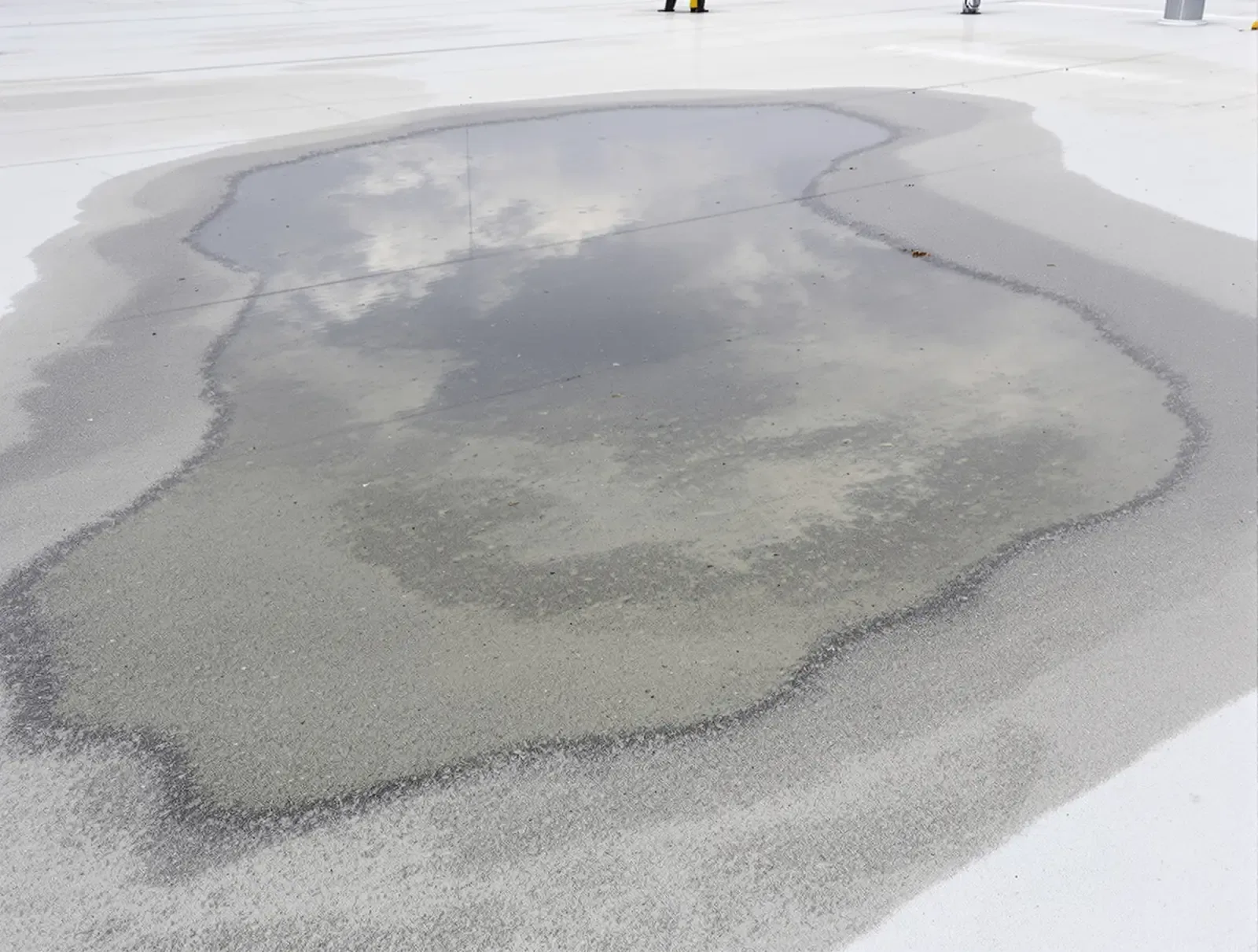
Commercial Ponding Water Roof Repair in Murrieta, CA
Related scope, access notes and questions to ask before work starts.
Learn More
Commercial Roof Insulation and Cover Board in Murrieta, CA
Read the full description and the questions owners ask about it.
Learn More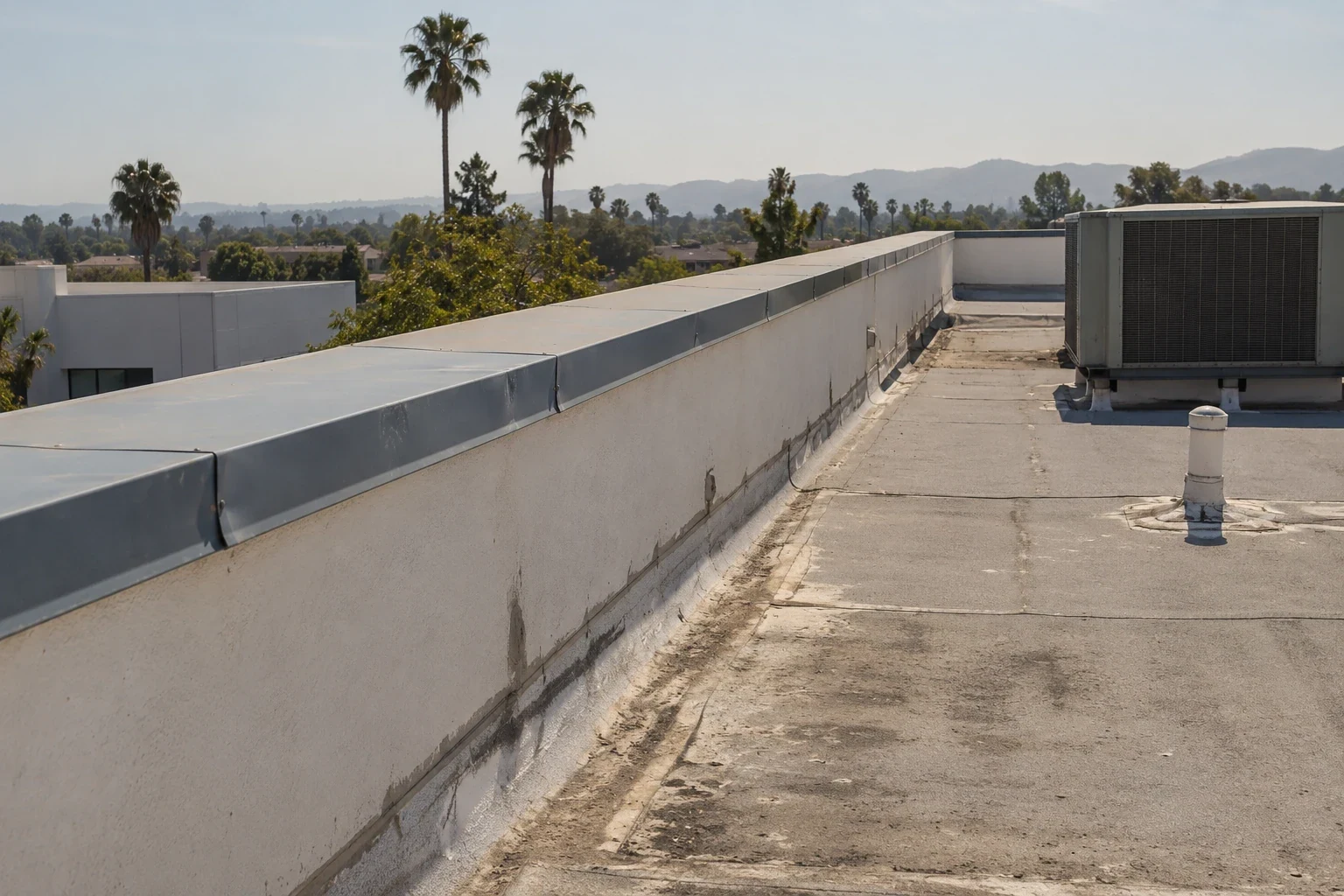
Commercial Roof Edge Metal, Coping and Gutters in Murrieta, CA
See how this work fits the roof, the building and the schedule.
Learn More
Occupied-Building Commercial Reroofing in Murrieta, CA
Related scope, access notes and questions to ask before work starts.
Learn More
Commercial Roof Condition Reports in Murrieta, CA
Read the full description and the questions owners ask about it.
Learn MoreCorrect a Commercial Roof Drainage Problem
Arrange a Murrieta roof inspection to map ponding, check drain and scupper details, and compare cleaning with repair or slope correction.