
About Commercial Roofing Murrieta
How we inspect, scope and plan commercial roof work for owners and property teams in Murrieta and southwest Riverside County.
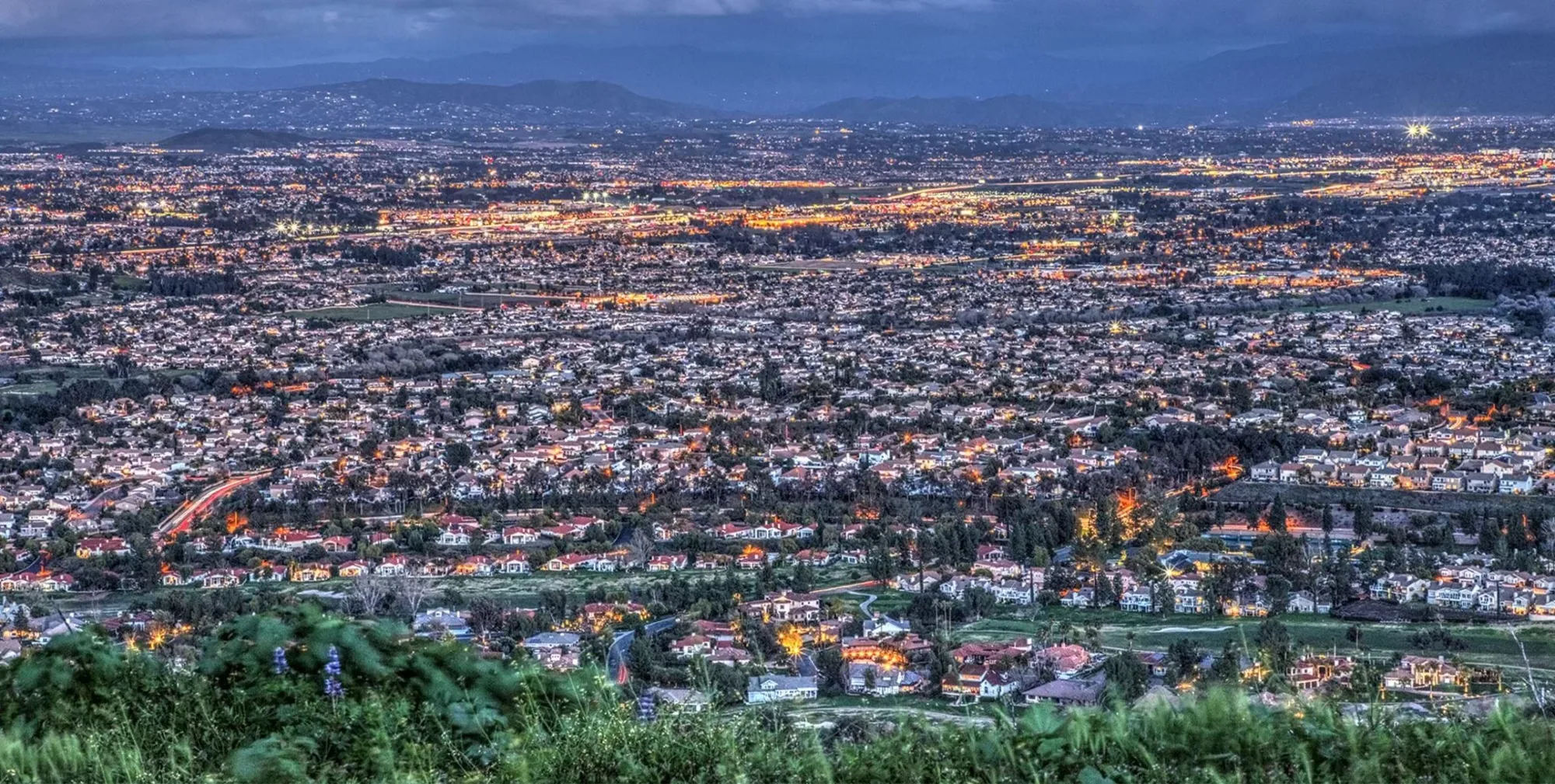
A commercial roof decision usually starts with something concrete: a ceiling mark, an open seam, water standing near a drain, a repair that did not hold or a budget request that needs better documentation. Commercial Roofing Murrieta helps owners and property teams turn that observation into a scoped next step. We inspect accessible roof sections, record the assembly and visible details, and explain what the evidence supports. The work is grounded in the building and its operating needs, not a generic promise about a particular roof in the city.
Owner decision: Roof work begins with a useful field record
An inspection looks at the membrane or panels, seams, flashing, penetrations, curbs, drains, scuppers and edge conditions. We connect the reported interior symptom with the roof above it where evidence allows, while noting that water can travel before it appears indoors. Photos should show both the detail and enough surrounding context for staff to find it again. We identify areas that could not be reached and distinguish confirmed conditions from questions that need testing. That record can support a repair scope, preventive maintenance visit, coating review or replacement discussion. When the issue is an active leak, a focused commercial roof leak repair scope starts with location, access and water path rather than the assumption that the ceiling stain marks the opening.
Owner decision: Different buildings create different work constraints
A warehouse roof may have long drain runs, rooftop equipment and loading operations to keep moving. An office building may require tenant notice and quiet work periods. A medical or research environment can introduce more coordination around access and building systems; the site's contact explains the actual requirements. Retail and food-service properties may need work staged around deliveries, exhaust equipment or customer routes. We do not assume those conditions based only on a property label. The warehouse roofing, office-building roofing and medical-office roofing pages describe planning questions, while an inspection verifies the conditions at the address.
System detail: Use local facts carefully
The City’s 2025 business update puts existing Murrieta business-park space above the two-million-square-foot mark. This is a citywide measure of space, not a roof inventory, a list of membrane systems or a report on maintenance needs. The Madison planning procurement outlines an approximately 220-acre area between Jefferson Avenue, Newton Azrak Street, Interstate 215 and Elm Street for Business Park and Innovation zoning. That is a planning boundary, not proof of completed buildings. Murrieta defines an extreme-heat day as 105.1 degrees or higher from April through October, with historical and projected annual counts. These dated projections are context for discussing inspection timing and material movement, not a forecast for a particular day. We use facts only where they help explain a decision and keep the property's own observations in charge.
Timing and access: Set scope, access and work windows before mobilizing
For occupied work, we coordinate with the owner or manager on access, notices, rooftop equipment contacts, deliveries and the route to each work area. A repair boundary should follow evidence: if water entered at a wall transition, the plan should address that transition and adjacent materials, not only the visible indoor mark. If additional testing is needed, explain what question the test will answer. For larger reroofing, section-by-section dry-in and daily closeout points can help teams coordinate. A final record notes completed work, remaining observations and recommended follow-up.
Inspection finding: Compare options without skipping condition checks
Repair, restoration and replacement answer different roof conditions. A repair can address a local failure when surrounding material remains suitable. A coating may be considered only after substrate condition, moisture, preparation and detail compatibility are checked. Replacement deserves review when deterioration, repeated leaks or wet materials make isolated repairs unreliable. We can compare those paths using the same roof map and the owner's timing needs. Product selection should rely on current technical documents and project-specific evaluation, not a brand name alone. Permit and code questions also deserve current confirmation: Ordinance 625-25 brought Murrieta’s 2025 California Building Standards Code into effect on January 1, 2026. Building and Safety directs new applications received beginning that day to the updated standards. Confirm which provisions apply to a particular scope with local officials and the project professionals. Confirm applicability for a particular scope with the appropriate project professionals and the City.
Owner decision: Make the next decision easy to share
Facilities staff, ownership and contractors need a common description of the roof. We keep observations tied to section labels, photographs and next actions. A roof condition report can help a reviewer compare areas and see what remains open. For multiple properties, a roof asset record or multi-site program can organize history without pretending that every building has the same assembly or priority. We invite owners to bring the roof plan, past repair notes and access details to a conversation. That gives us a practical starting point and keeps the recommendation tied to evidence.
The first conversation does not need to settle the whole project. It should establish the reported symptom, the property contact and whether water is active. The inspection can then identify the next question: Is there a visible opening? Does the drain path clear? Has the repair material separated? Is the assembly dry enough for a restoration review? If the answer is not visible from the surface, the report can identify the test or record needed rather than imply certainty. A useful recommendation also names its boundary. A small repair may fit where surrounding material remains sound; broader deterioration may call for a separate replacement evaluation. The owner should be able to see what evidence supports each option. Local context still needs property confirmation. Interstate 15 and Interstate 215 connect regional business areas; scheduling still depends on the address, site access, and work conditions. The Jefferson-Madison planning area covers a defined part of Murrieta, while neighboring Temecula and Wildomar have distinct municipal contexts. Before scheduling, we confirm the address and site rules. A property can control sign-in, escort requirements, rooftop keys, equipment shutdown notifications and permitted staging areas. Those details belong in the work plan. If an owner manages several sites, each roof receives its own inspection record, even when the same reviewer receives the reports. After work, a closeout record can state the repaired location, material installed, completed boundary and any remaining observation. A dated photo helps maintenance staff compare that spot with a later inspection. The record should also note temporary measures that need follow-up and any warranty or product documents provided for the work. A roof does not become maintenance-free after repair; drain checks, service traffic and changed equipment can alter the surface over time. Set follow-up based on the condition found and the manufacturer's directions. For a larger portfolio, keep the format familiar but do not carry one building's assumptions into another. When you call, identify the city and property, where water appeared, whether the leak is active and who can arrange access. If a roof plan or old repair invoice is available, it may help orient the inspection, but the field condition still needs to be checked. We can discuss whether the immediate need is a leak response, scheduled condition review, maintenance documentation or capital comparison. That gives an owner a better planning basis than a broad recommendation made before anyone has seen the roof.
Commercial Roofing Questions
What should I send before discussing a roof issue?
Share the address, roof plan if available, leak location, recent repair notes and the best contact for roof access and building operations.
Do you recommend replacement before inspection?
A recommendation should follow the assembly and condition review. Localized repair, further testing, restoration and replacement answer different findings.
Can you plan around occupied spaces?
We can include occupied areas, access routes, work periods and daily handoffs in the scope discussion. The site contact confirms actual operating constraints.
Does a local market figure identify a roof’s condition?
No. Citywide business-park or planning figures do not establish a specific building’s use, assembly, roof area or maintenance needs.
Talk Through Your Roof
Send the address and what you are seeing. We will set up a time to walk the roof and explain the options.