
Commercial Roofing in Lake Elsinore, CA
Define a Lake Elsinore commercial roof repair around drainage, access, and the actual roof assembly. We map the defect before comparing repair options.
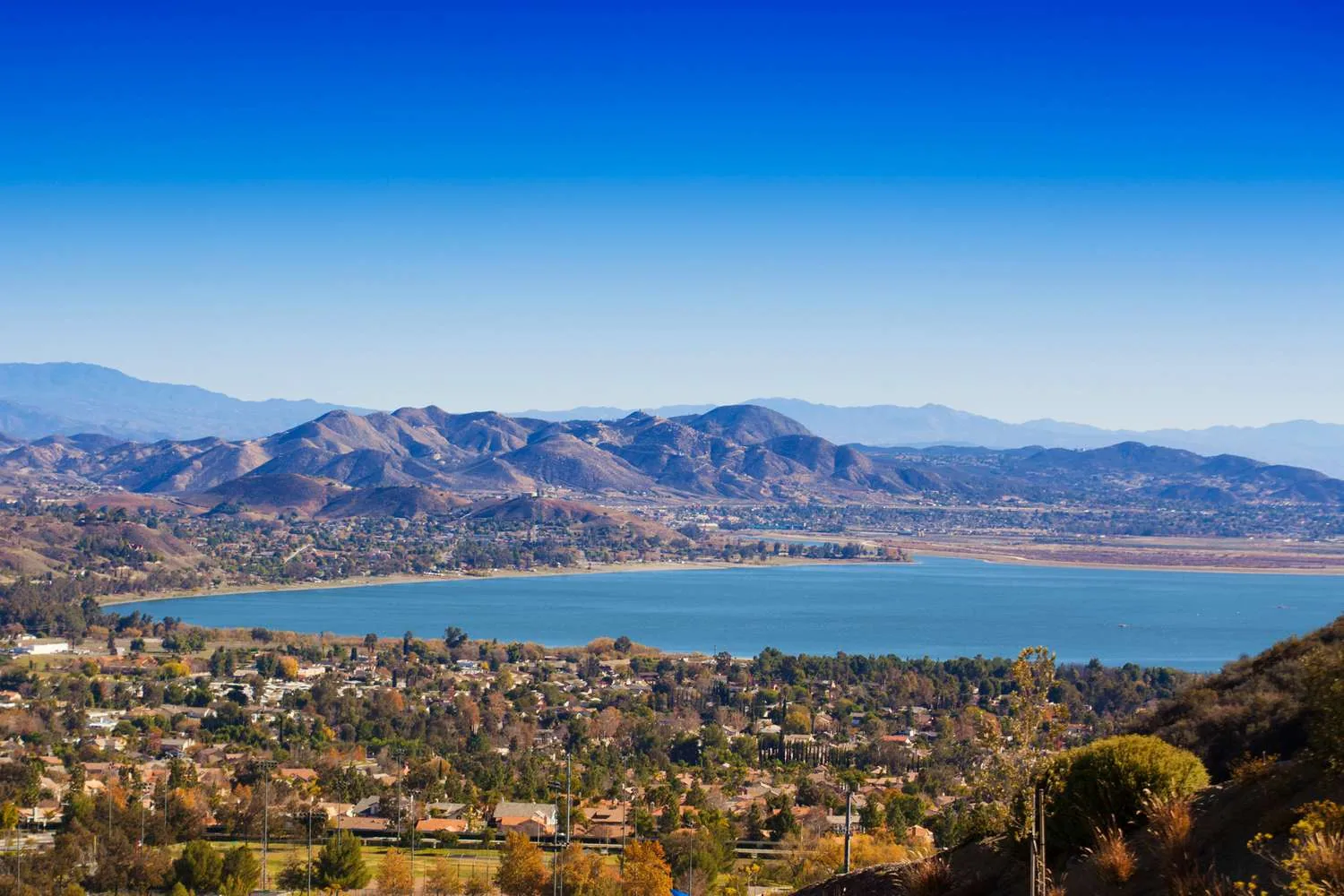
On a low-slope roof in Lake Elsinore, drain elevation and the outlet path can decide whether a repair has a sound boundary. We inspect the membrane, seams, penetrations, edge transitions, and prior work, then mark where a crew can open and dry in the roof. Lake Elsinore extends on both sides of Interstate 15 and State Route 74. Those corridors orient the municipality; the building inspection identifies the roof assembly and access conditions.
The adopted General Plan divides Lake Elsinore into 16 geographic district plans. Separately, the Planning Division handles consistency review for commercial site plans and zoning applications. Neither role establishes a property's roof layers or approves a contractor's scope, so we verify current project requirements with the owner. We confirm what applies to the property with its owner. A Canyon Lake roof inspection or Menifee project review has a separate map and approval record.
District plan: keep the municipal map separate from the roof
A city plan can establish how Lake Elsinore organizes its land-use review, but it does not describe the layers above an occupied building. We request available roof drawings, prior repairs, and equipment plans, then compare them with the field condition. If a proposed tenant improvement adds a curb or changes a service route, the sequence should assign the opening and restoration before the roofer cuts the membrane. The owner confirms current operations and who can approve access.
Interstate 15 and State Route 74 cross the City's geographic context, but they do not determine a delivery entrance, travel time, or staging permission. At the property, we map the route for people and material, locate a lift, and identify the roof area that can be protected each shift. A phased occupied-building plan ties that access record to the repair boundary so tenants and trades know where the work changes hands.
Condition map: follow water across the roof section
A ceiling stain can be several feet from the point where water enters the assembly. We compare the reported location with seams, curbs, skylights, wall transitions, drains, and earlier patches. Water may travel along a deck or within insulation before appearing indoors. The Diligence Notes separate visible defects from areas that need moisture testing. A commercial roof repair scope should show the finding that supports the work, the zone included, and any concealed condition that could change the price.
At drains and scuppers, we check the bowl, overflow, clamping area, surrounding flashing, and low points after flow clears. A blocked outlet calls for different work than a split seam or failed transition. We mark which path water should take and whether the roof has a second route if the primary outlet slows. An outlet correction is priced separately from unrelated membrane work, so the owner can compare each condition.
Roof assembly: restore the tie-in, not just the visible surface
A membrane patch needs clean, stable material at its edges and a detail that suits the roof system. We check attachment, seam condition, flashing, and how the repair meets a drain, curb, or parapet. If the existing roof has several layers, we record their condition before comparing a recover with removal. An EPDM assembly review looks at seams, flashing, insulation, edges, and water paths rather than the sheet field alone.
Replacement planning also has to carry the assembly through transitions. We identify insulation and deck work, perimeter metal, penetrations, and any opening owned by another trade. If moisture is suspected, a test area can determine the removal limit before material is ordered. We map a temporary dry-in for each shift and photograph the substrate before it is covered. Those details help an owner see whether the proposed work addresses the observed defect or assumes more than the inspection found.
Work window: set the open area before mobilization
Roof work needs a defined start and end for each exposed section. We confirm the access contact, staging position, material route, and hours when lifts or rooftop activity can occur. If a service door, parking route, or tenant area must remain available, the plan names that boundary. The crew knows which section can be removed and who accepts temporary protection before leaving. This is especially useful when another trade has equipment work scheduled at the same curb or penetration.
Cost and duration vary with removal depth, wet insulation, deck repair, edge metal, drain modifications, equipment moves, and how much roof can be opened at once. We separate known quantities from allowances and state what test or discovery would trigger a change. The Planning Division's review of commercial site plans does not set roofing schedule or permit timing; the project contact confirms current requirements. A photo condition report can keep the inspection observations with the work plan.
Option comparison: weigh patch, recover, and replacement
A recover adds weight and height, so we inspect deck capacity, attachment, moisture, drain depth, and edge conditions. Replacement may fit better if failures recur in multiple roof zones or concealed wet material extends beyond a practical patch. We show the evidence for each option and identify what still needs opening before the scope is final.
For a larger capital decision, the owner may compare immediate repair with a phased replacement across separate buildings. Each site still needs its own roof map, repair history, and access plan. A Temecula inspection cannot establish Lake Elsinore conditions, and the City's 16 plan districts do not count roof assemblies. We keep the estimate tied to observed quantities, installation requirements, and the building's operating window.
Approval record: connect quantities to the field finding
We list removal limits, material quantities, testing, access, staging, and any trade handoff. If hidden deck damage or wet insulation could alter price, the estimate describes how it will be confirmed and who reviews the change. A capital planning review can compare the repair with a later replacement without obscuring the immediate decision.
Lake Elsinore's planning review and the adopted district-plan framework do not tell us the roof's construction or condition. The property owner supplies project requirements and confirms which municipal steps apply. The field team and owner should use the same dated drawing before the roof is opened.
Closeout record: preserve what the next walk should compare
During turnover, we walk the repair limits with the building contact, point out restored drains and penetrations, and record anything that still needs seasonal attention. The file pairs the drawing with dated field images and the accepted scope. A Wildomar service-area inspection remains a different property record even when the portfolio contact is the same.
Interstate 15 and State Route 74 are part of Lake Elsinore's city geography; the inspected roof is the basis for its repair plan. We leave the owner with a practical next choice: monitor a detail, schedule maintenance, open a test area, or budget for replacement. Share the leak report, roof history, and access window to arrange an inspection. A clear boundary makes the next handoff easier to verify.
Commercial Roofing Questions
Do the City's district plans describe commercial roofs?
No. The General Plan's geographic framework is planning context. We inspect the actual property and record its roof layers, details, access, and reported condition.
What should a drain inspection include?
We check the outlet, overflow route, surrounding flashing, and nearby low points. The report shows whether the issue is blockage, a failed detail, or a broader drainage condition.
Can the crew replace one roof area at a time?
Yes, when the assembly and access permit phased work. We mark each open section, daily dry-in, and trade handoff before scheduling removal.
What makes a recover unsuitable?
Broad moisture, weak attachment, limited deck capacity, added roof height, or drain conflicts can rule it out. We document the finding before recommending another layer.
Which records help with a later inspection?
Leave the next inspector the approved roof drawing, dated field images, and a list of deferred testing. Add the responsible contact for any item still open.
Related Roofing Work
Commercial Roofing in Canyon Lake, CA
See how this work fits the roof, the building and the schedule.
Learn More
Commercial Roofing in Temecula, CA
Related scope, access notes and questions to ask before work starts.
Learn More
Occupied-Building Commercial Reroofing in Murrieta, CA
Read the full description and the questions owners ask about it.
Learn More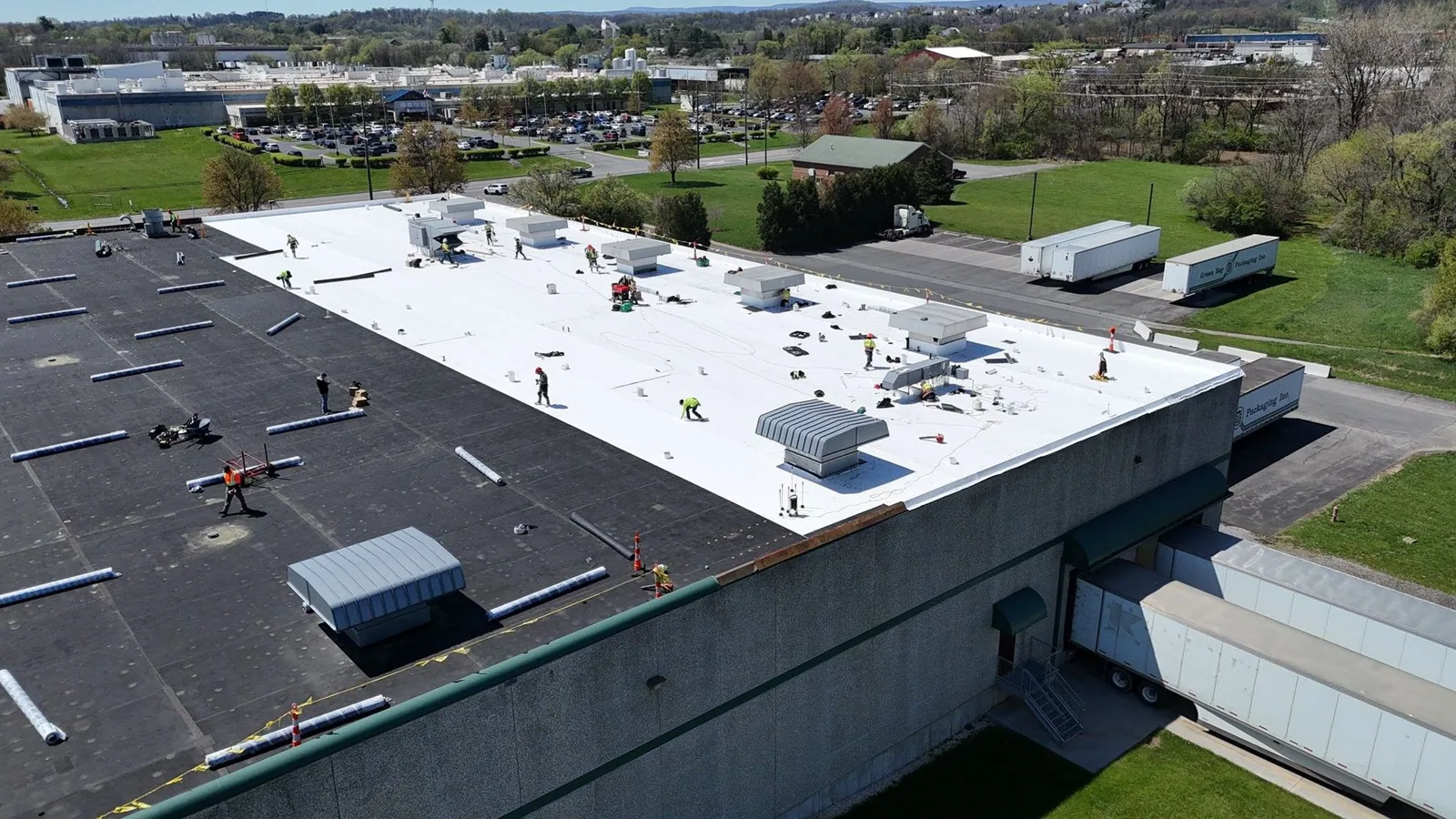
Commercial Roof Repair in Murrieta, CA
See how this work fits the roof, the building and the schedule.
Learn More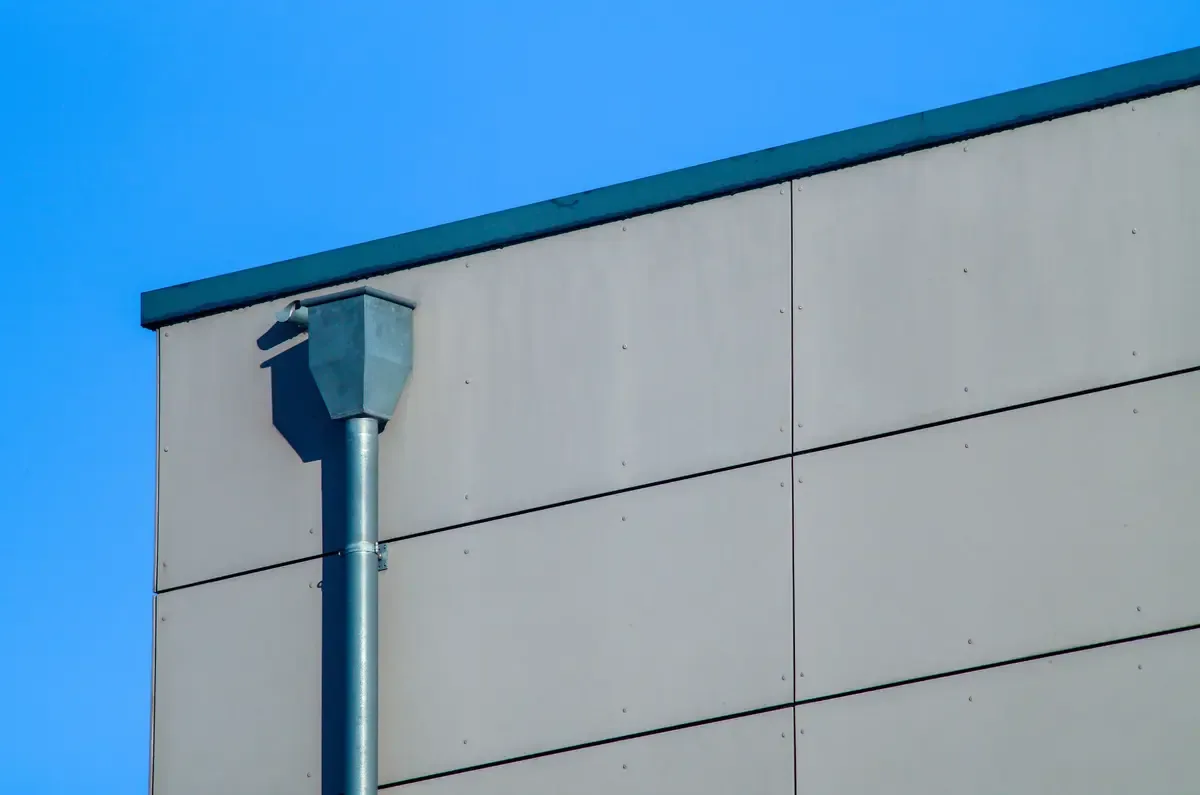
Commercial Roof Drains and Scuppers in Murrieta, CA
Related scope, access notes and questions to ask before work starts.
Learn More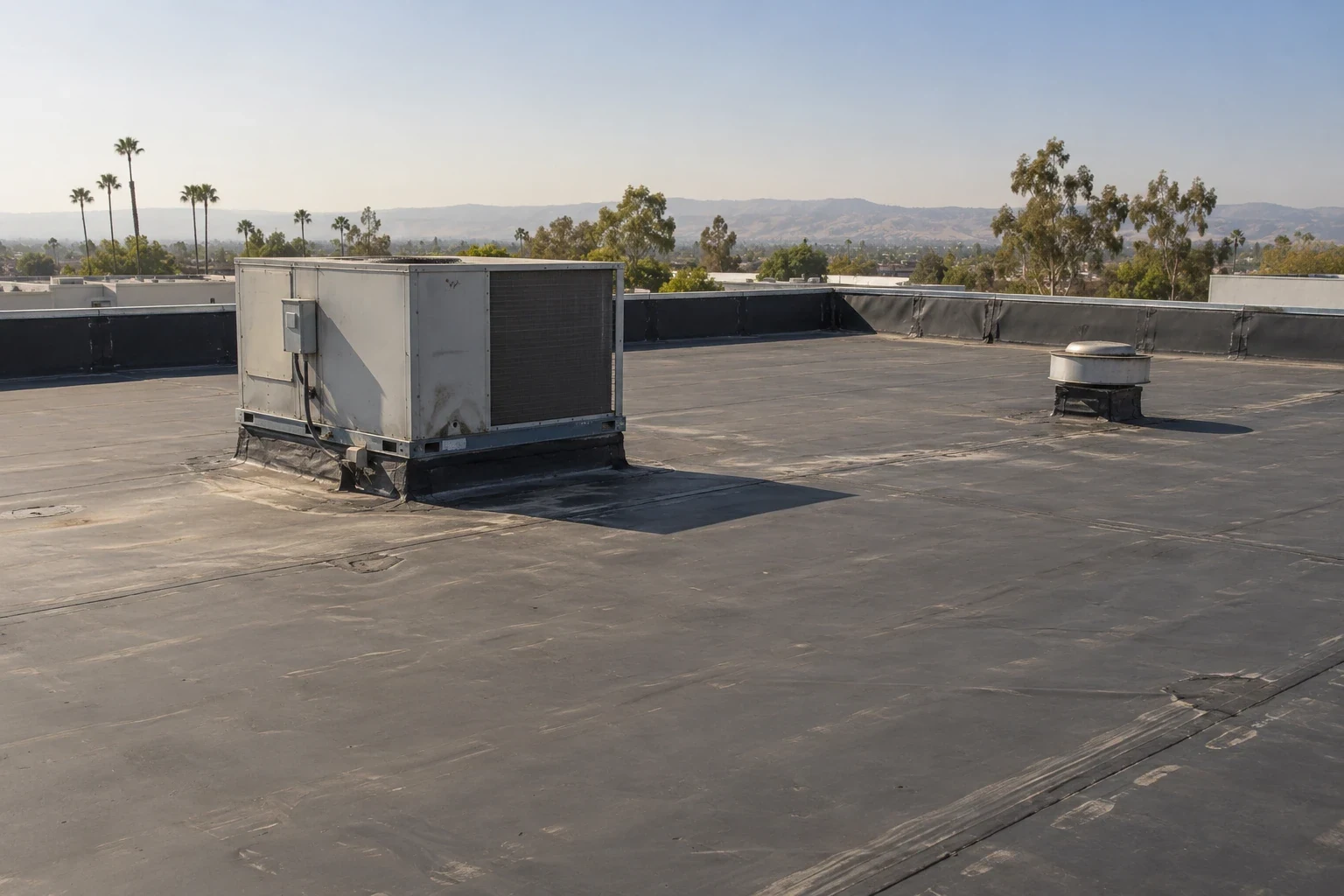
Commercial EPDM Roofing in Murrieta, CA
Read the full description and the questions owners ask about it.
Learn MoreArrange a commercial roof inspection in Lake Elsinore
Share the property use, roof history, reported condition, and available access window. We will map the roof section and provide a documented scope for review.