Commercial Roof Inspection in Murrieta, CA
Schedule a commercial roof inspection in Murrieta with photos, mapped findings and practical repair or capital recommendations for your building.
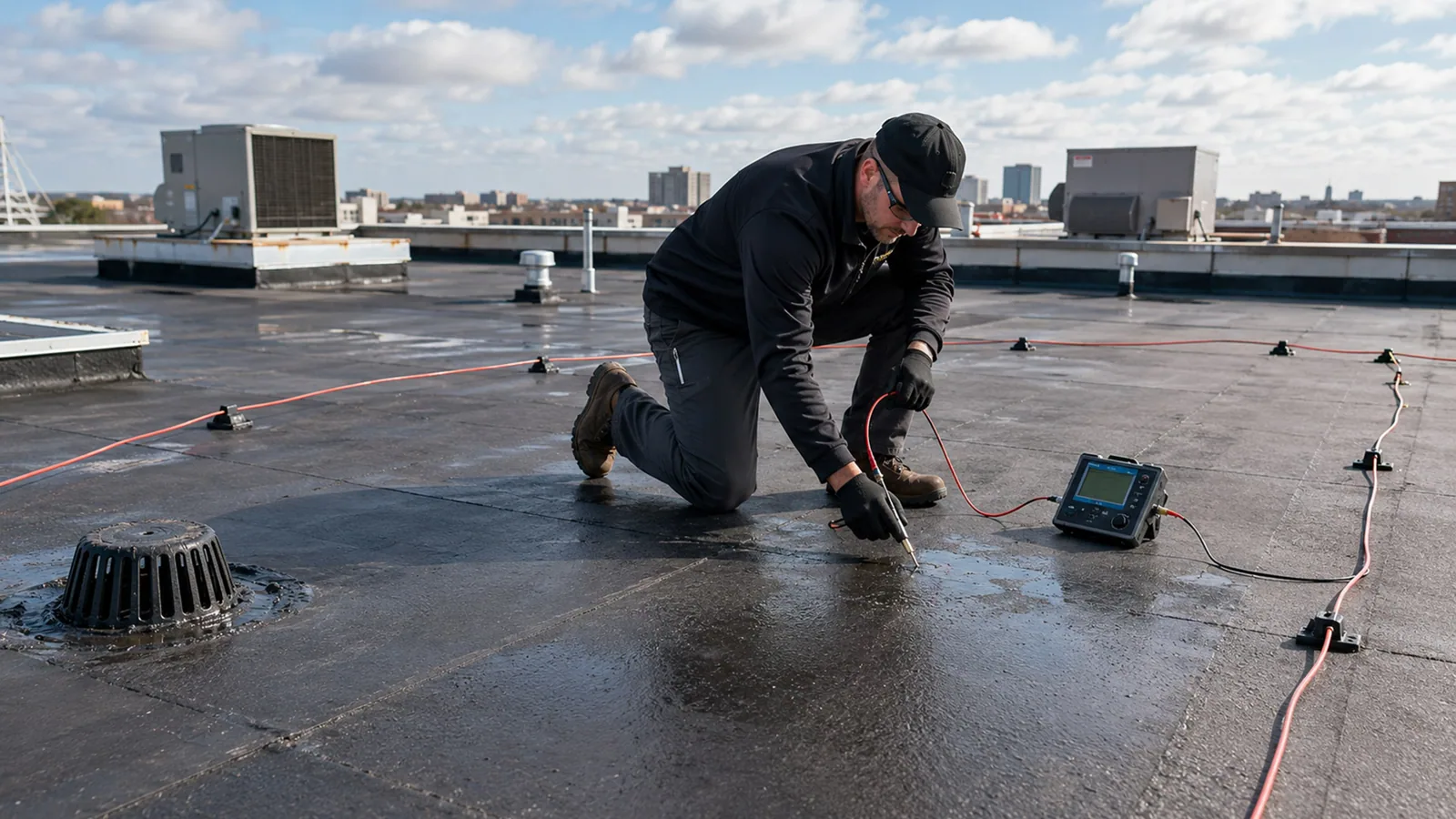
A useful inspection answers a building question: where is water getting in, which details need attention, or can the next budget cycle wait? We walk the roof, review accessible records and document conditions that affect that decision. In Murrieta, CA, business parks already include more than two million square feet of reported space, but that figure does not identify roof types or conditions. An inspection has to establish those facts at the property. We photograph seams, flashing, drains, curbs, edges and visible membrane wear, then separate active concerns from items to monitor. The written findings connect each observation with a suggested next step, such as a repair, further moisture testing or replacement review. A condition report with marked photographs lets the owner share the same findings with facility staff and budget reviewers. For a leak complaint, we can also focus the inspection around the reported water path.
Roof Walk: Record the Details That Change the Decision
We check the field membrane and the transitions where roof sections meet. That includes seams, perimeter edges, wall flashings, penetrations, skylights, drains, scuppers and equipment supports. We note loose or cracked material, open laps, rust, punctures, ponding, debris and earlier repairs that may be hiding a different issue. A roof inspection should not turn every age mark into an immediate project. It should identify whether a condition is active, stable, worsening or difficult to assess without opening the assembly. Photos should point to a location that a crew can find again, with context showing the feature and a closer view of the defect. We also identify areas that could not be reached and explain why. On a large or obstructed roof, drone imaging can help map visible conditions, while hands-on access remains necessary to test material adhesion or inspect a buried detail.
System Identification: Understand What Is Already Installed
Repair recommendations depend on the assembly beneath the surface. We look for membrane type, seams, fasteners, cover board, insulation, metal panels and prior overlay evidence. When records are incomplete, the visible field may not reveal every layer, so test cuts can be recommended before a recover or replacement is priced. The report should distinguish confirmed observations from assumptions. This matters when a maintenance vendor, equipment contractor or tenant has altered a roof detail since the last inspection. For thermoplastic membranes, seam condition and flashing compatibility need attention; a metal roof inspection looks at panel movement, exposed fasteners, clips and penetration details. A coating can hide prior repairs and may require closer review at edges and drains. After system identification, the owner can compare TPO assemblies with standing-seam metal details only where a replacement decision is actually on the table. The inspection report should not assume a system from a building's use or appearance alone.
Priority: Separate Immediate Work From Future Planning
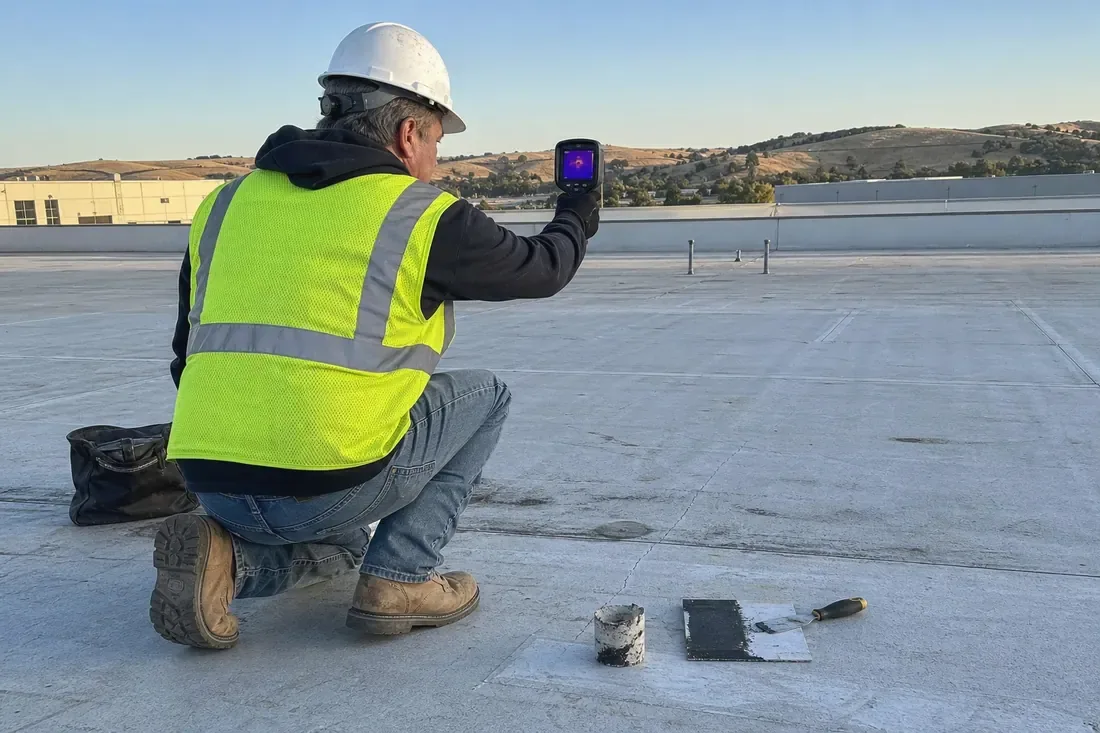
Each finding should have a reason for its priority. Active water entry, a loose edge, a blocked drain and a small surface blemish do not carry the same immediate consequence. We note whether an issue needs prompt repair, a closer investigation, routine maintenance or observation at a later visit. If moisture may extend below the membrane, thermal readings can identify areas for test cuts but do not by themselves prove the insulation is wet. The owner can authorize only the next useful inspection step rather than a full project before scope is clear. In Wildomar, retail and office activity clusters near I-15, with a commercial and light-industrial node near Clinton Keith Road. Menifee concentrates nonresidential uses along Ethanac, Newport, McCall and Scott Roads. Those local planning details help explain the variety of building uses in nearby cities, while inspection priorities remain tied to the roof assembly and the operations below. A moisture survey or targeted repair visit can follow when the findings support it.
Site Access: Make the Visit Useful for the Facility Team
Before the inspection, we confirm the roof access point, escort requirements, equipment areas and any operating rules that affect a safe walk. A building contact can identify recurring leak locations, past repairs, interior staining and equipment changes that are not apparent from the roof. We ask for available plans or prior reports when they can clarify the existing assembly. That information is helpful, but the inspection records what is visible on the visit date and does not substitute for destructive testing where hidden conditions matter. If the roof is wet, under active construction or unsafe to enter, the visit may need to change scope or timing. We identify those limits clearly, along with any uninspected section. For a facility that stays occupied, coordinating roof access with mechanical service and tenant activity keeps the work orderly. The resulting report can support a capital planning review or a recurring maintenance schedule, depending on what the building needs next.
Report Review: Turn Findings Into a Work List
We review the condition summary with the owner or property contact and explain which observations have an immediate next step. The report can group repairs by location, note materials where they are identifiable and include photographs that show the relationship between a defect and nearby roof features. If the report recommends replacement or recover analysis, it should explain why maintenance alone may not address the observed condition. If the roof remains serviceable, it can list drains, seams or flashings to revisit during planned maintenance. A useful inspection record also notes the date, weather conditions, access limits and sections not observed. It is a snapshot, not a warranty or prediction of future performance. When a portfolio has more than one property, the same condition categories can help compare work priorities without pretending all roofs have the same age or assembly. The owner should leave with a practical list: what to repair, what to investigate and what to monitor. That is more useful than a long inventory with no distinction between condition and action.
Commercial Roofing Questions
What will the inspection report include?
The report records accessible roof conditions, locations, photographs and recommended next steps. It may note system components where they can be identified, repairs that need attention, areas for further testing and access limits. If an assembly layer is hidden, the report should say so rather than imply it was confirmed. The result gives the owner a usable work list tied to observed conditions.
Can you tell whether insulation is wet without opening the roof?
A surface inspection or infrared scan can point to areas that need closer review, but hidden moisture may require test cuts. We describe what the available methods show and where confirmation is still needed. The owner can then decide whether to authorize targeted openings before selecting a repair, recover or replacement scope.
Do you inspect a roof after a leak even if it has stopped?
Yes. A leak that stopped may still have a loose seam, blocked drain or damaged flashing. We inspect the reported area and likely water path, then record what remains active or unresolved. If the roof is dry at the visit, the report will distinguish visible evidence from conditions that require monitoring after weather returns.
How should we prepare for the roof walk?
Provide safe access, identify a building contact and share known leak locations, prior repairs or roof records if available. Let us know about restricted areas, rooftop equipment and operating requirements. We can then plan the visit around access and safety needs. Staff should not climb onto the roof or move equipment unless that is part of their authorized role.
When is a drone inspection useful?
Drone images can help map visible surfaces when a roof is large, obstructed or difficult to view from safe walking routes. They cannot confirm a seam bond, deck condition or moisture hidden under the membrane. We use aerial views as one part of an inspection and identify any hands-on checks needed to answer the building question.
Related Roofing Work
Commercial Roof Condition Reports in Murrieta, CA
See how this work fits the roof, the building and the schedule.
Learn More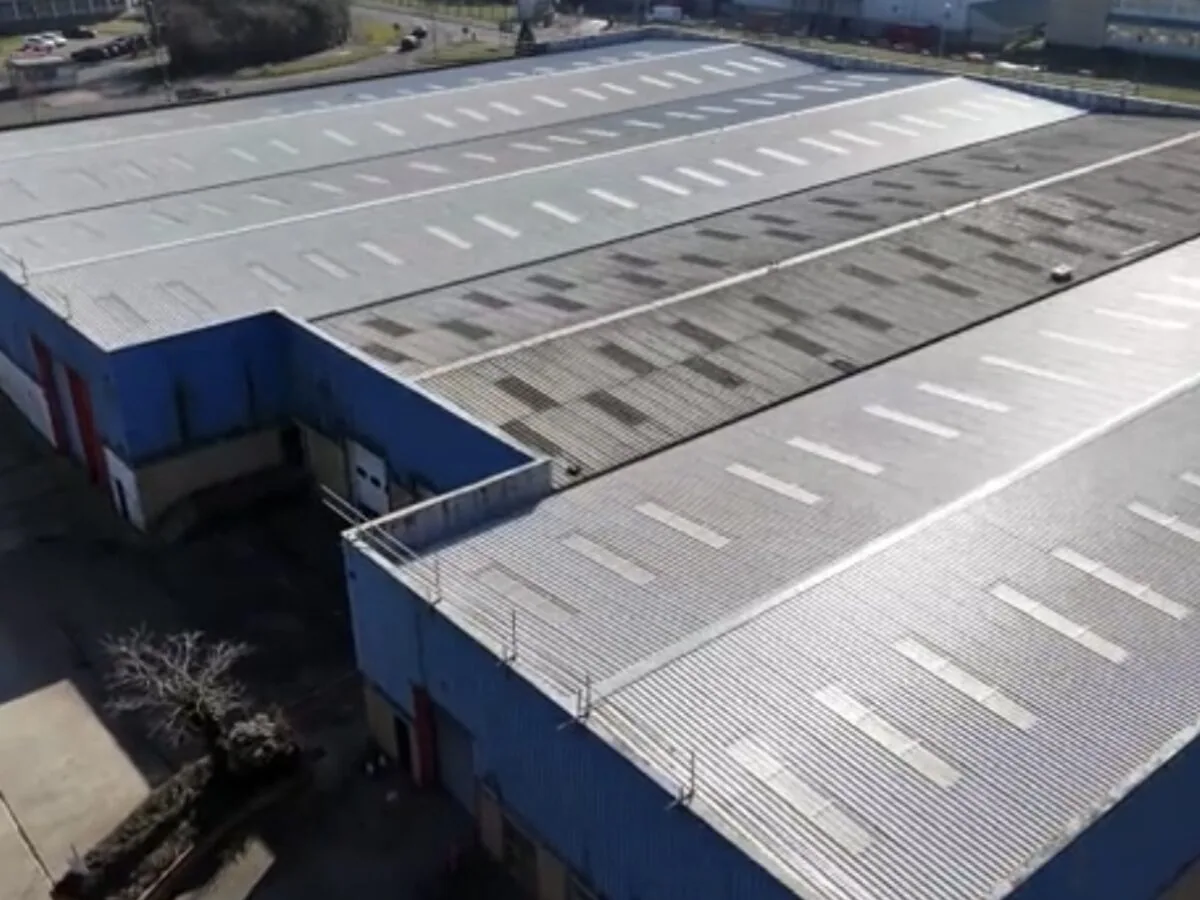
Commercial Roof Leak Repair in Murrieta, CA
Related scope, access notes and questions to ask before work starts.
Learn More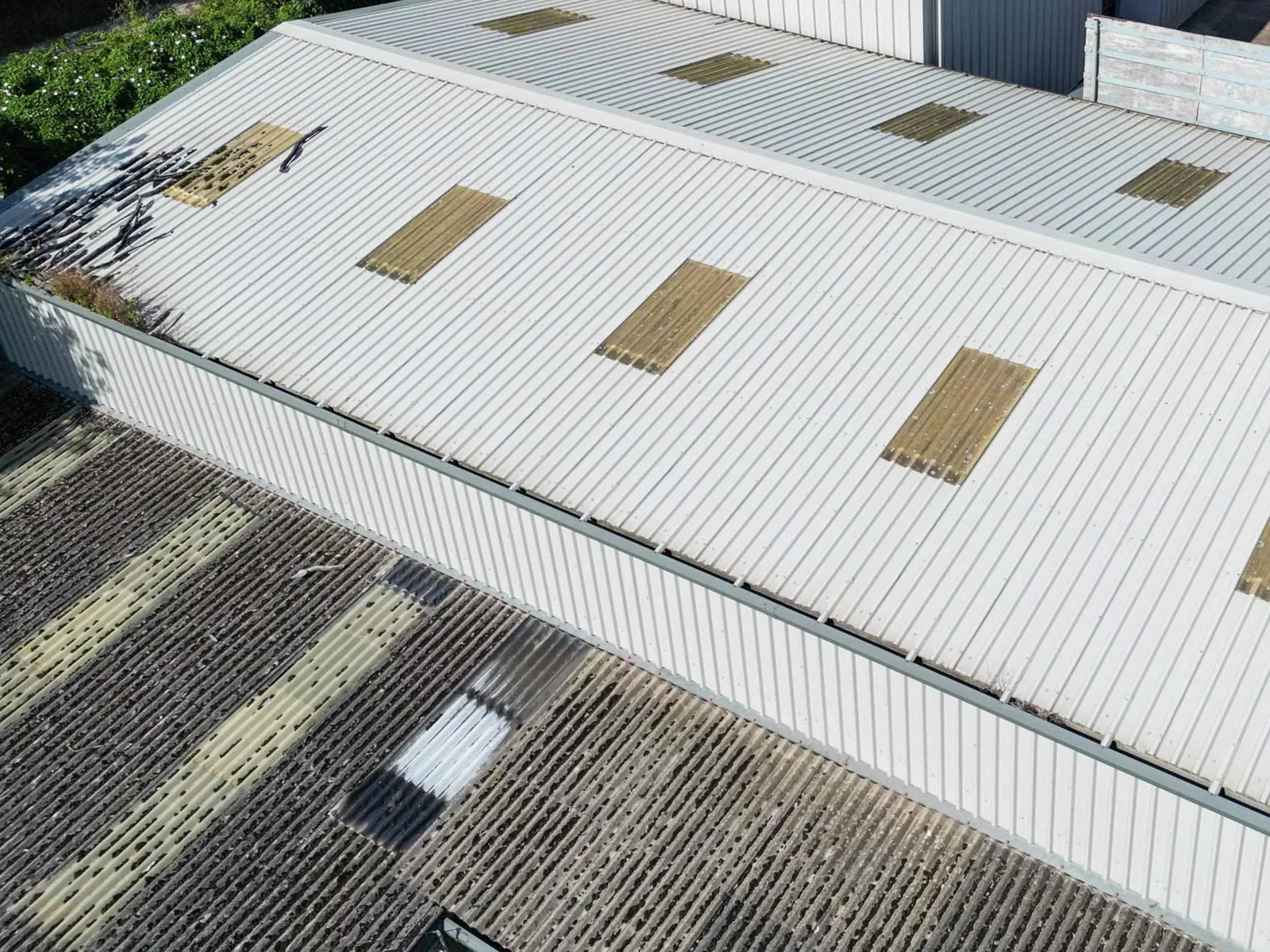
Drone Roof Inspection in Murrieta, CA
Read the full description and the questions owners ask about it.
Learn More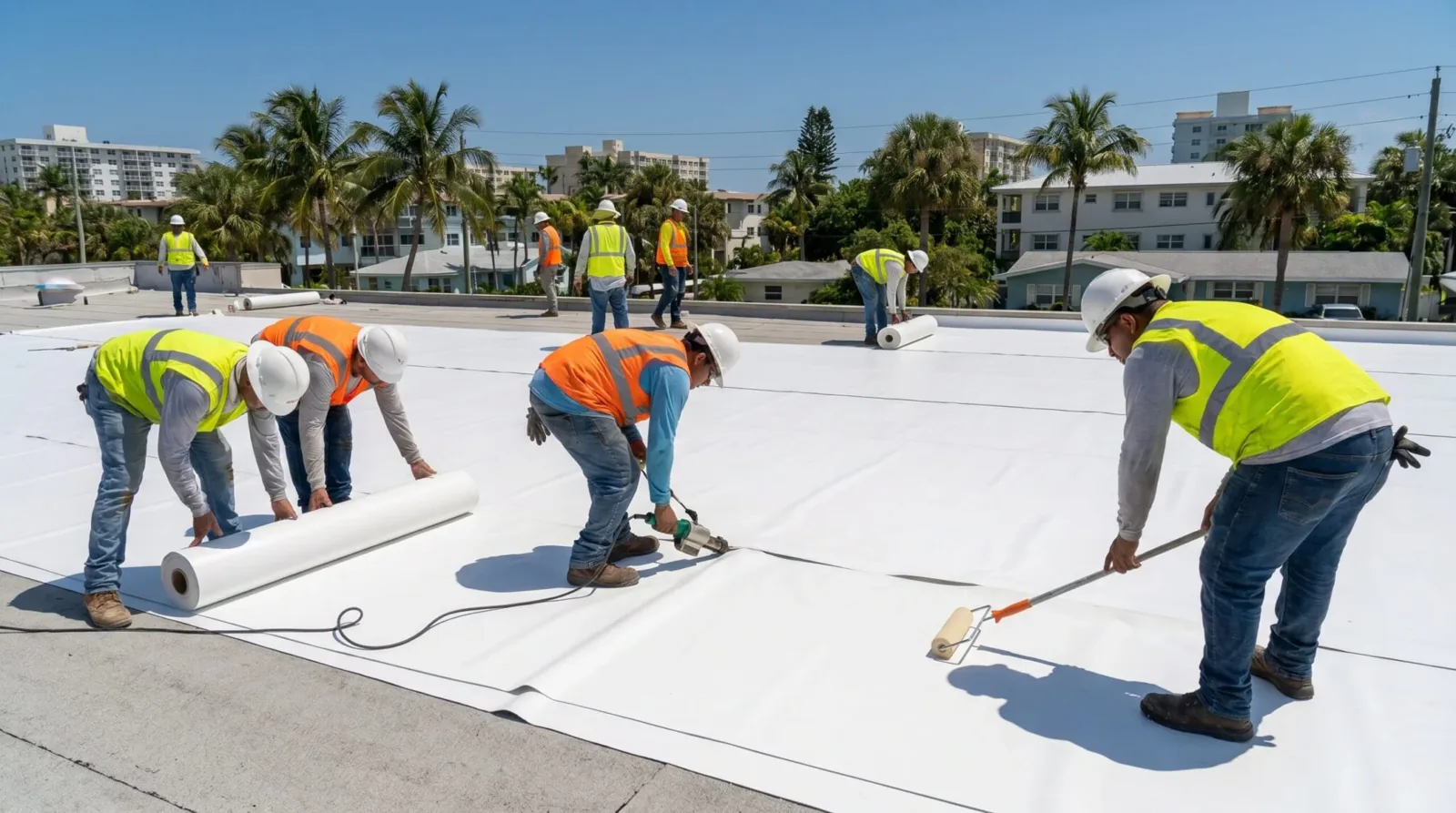
Commercial TPO Roofing in Murrieta, CA
See how this work fits the roof, the building and the schedule.
Learn More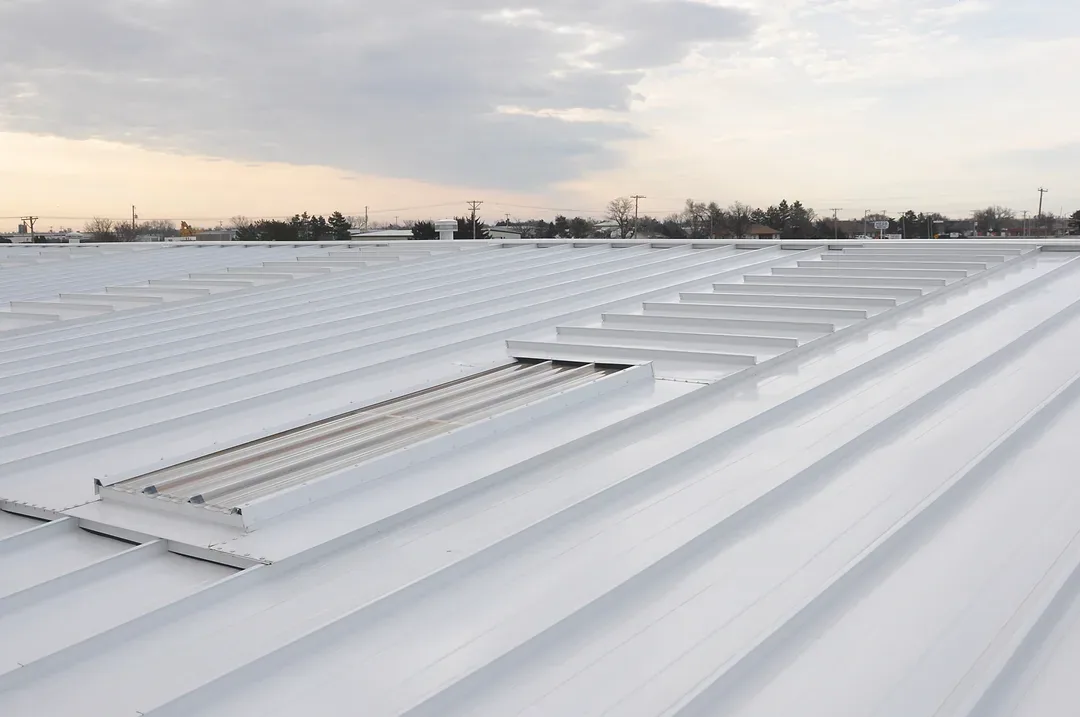
Commercial Standing Seam Metal Roofing in Murrieta, CA
Related scope, access notes and questions to ask before work starts.
Learn More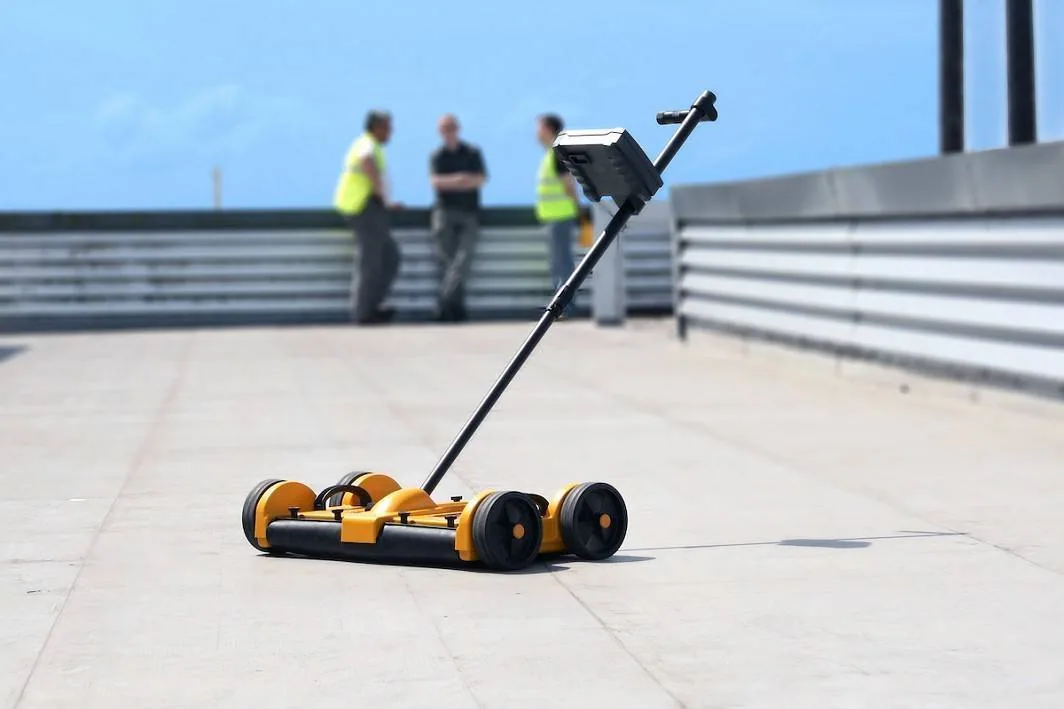
Infrared Roof Moisture Survey in Murrieta, CA
Read the full description and the questions owners ask about it.
Learn MoreArrange a Murrieta Roof Inspection
Schedule a documented roof walk to identify active repairs, areas for further testing and conditions to include in a capital plan.