
Cold Storage Roofing in Murrieta, CA
Assess cold storage roofing in Murrieta, CA, with attention to insulation, vapor control, penetrations, drainage and uninterrupted temperature control.
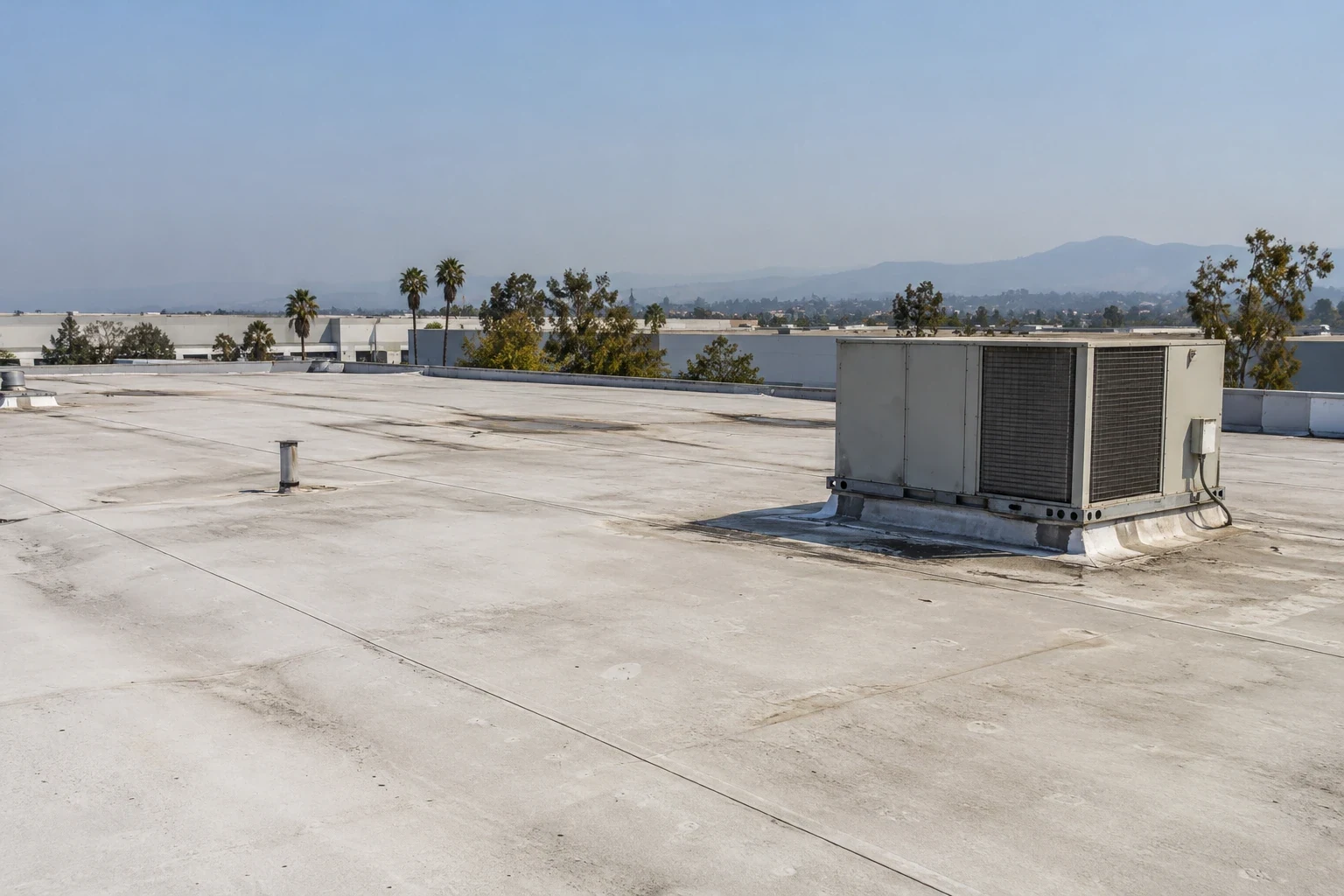
A freezer building can lose temperature control through a roof detail long before water reaches the floor. Cold storage roofing in Murrieta needs a close look at insulation, air movement, vapor control and the places where the roof meets refrigeration equipment. We begin by identifying the existing assembly and the building’s operating requirements, then map leaks, wet insulation and access constraints before recommending a scope. Murrieta’s climate assessment reports a historical extreme-heat baseline and a higher future projection range. That planning context makes roof exposure relevant, while the actual temperature difference, system design and observed condition guide the work. A commercial roof inspection can separate the roof issue from refrigeration or interior condensation concerns.
Temperature Boundary: Check the Full Roof Assembly
Warm outdoor air and conditioned interior space meet at a boundary that includes the membrane, insulation, vapor retarder, deck and interior ceiling. A roof opening at a pipe, curb or seam can admit water, while a discontinuity in the air or vapor control layers can contribute to condensation. We inspect the roof side and review the interior symptom with facility staff before assigning a cause. Test openings can show whether insulation is dry and secure. The report should identify where the assembly changes, not just where a stain appears. A roof insulation and cover-board scope can address the thermal layer when repair or replacement requires more than surface membrane work.
Refrigeration lines, exhaust equipment, relief vents and roof hatches may require special access or clearance. We record their curb condition and the available service path, then coordinate with the mechanical team before moving or covering any component. Penetration flashing needs a compatible tie-in and enough room for future service. Drains should remain accessible, especially where ice, debris or a raised roof layer could change how water reaches the outlet. Our curb and equipment-support review looks at the base and surrounding membrane together.
Cold Rooms: Plan Protection by Area
Temperature-sensitive goods make interior protection a central part of the roof plan. We identify which rooms, staging areas and electrical spaces sit below the proposed work. A leak above a vestibule may have a different consequence from a leak above a freezer, so the sequence should name each active section and the protection required below it. If the roof must be opened, the crew needs a reliable dry-in plan and a decision path for wet insulation or damaged deck. The facility team should know when access changes and which person can approve a concealed repair. An occupied-building reroof plan can set those daily boundaries while keeping other trades aware of the roof openings.
Murrieta reports existing business-park space without specifying its uses. Menifee’s zoning includes office, business park and heavy industry, but that classification does not describe a particular cold-storage building. We confirm whether refrigeration must remain active and how deliveries and roof access are coordinated. If storage cannot pause, the proposal states the section sequence and what could change it.
Moisture and Vapor: Find the Point of Failure
Cold-storage roof leaks can involve membrane failure, wet insulation, a failed vapor retarder or condensation from a separate air path. We inspect seams, flashings, fasteners, drains and penetrations, then compare those findings with indoor humidity, refrigeration controls and visible condensation. The roof investigation should not assume every interior drip came through the membrane. Thermal imaging may help locate temperature patterns, but openings and assembly review confirm what is wet. We record test locations and inspection limits. Confirmed damage may require removal, replacement insulation, vapor-control continuity and compatible membrane details. Where receiving and retail operations share a roof, distribution-center planning and grocery roof work address those access patterns.
A patch may work when a seam or penetration is isolated and surrounding layers remain sound. If moisture is widespread, adding a new layer can conceal the condition and leave insulation performance uncertain. A recover also changes roof height at curbs, perimeter edges and drains. We define the test locations, expected repair boundary and concealed-condition approval process before installation. Material selection must fit the existing system and service temperature. The proposal also identifies how the work will protect exposed areas until permanent closure.
Murrieta Heat: Use the Planning Record as Context
For local climate planning, an extreme-heat day is defined as 105.1 degrees or more from April through October. It reports five such days per year on average in the 1950 to 2005 baseline and projects 26 to 36 annually by 2050 depending on scenario. The figures support review of exposed membrane, sealants and equipment transitions where heat and moisture meet. We inspect for brittleness, movement, open seams and trapped water. Work timing still depends on the roof’s condition, the product installation limits and the facility’s refrigeration schedule.
Drainage must move water off the roof without directing it toward a vulnerable wall or equipment opening. We check low spots, outlets, overflow routes and whether added insulation would alter the slope. A drain and scupper repair should address flashing as well as a blocked or damaged outlet. Menifee’s General Plan locates nonresidential activity along several named roads, including Ethanac and Newport; those places are regional context rather than roof measurements. We flag details that need confirmation by a mechanical or refrigeration specialist.
Project Record: Protect Product and Roof History
A cold-storage reroof proposal should state how temperature-sensitive spaces remain protected during each phase. Price depends on insulation depth, vapor-control work, tear-off, deck repair, penetrations, edges and sequencing. Separate temporary water protection from full assembly correction.
Closeout records should include the roof map, tested locations, photographs, insulation and membrane data, approved changes and any remaining observations. A later inspection can compare conditions without relying on memory or a broad statement that the roof is new. Murrieta corridor planning and Temecula’s advanced-manufacturing focus describe regional priorities, not one cold-storage operation. We fit the work to the building in front of us. Request an inspection to review moisture, flashing and insulation before choosing repair, recover or replacement.
Commercial Roofing Questions
How do you tell a roof leak from condensation?
We compare the indoor pattern with roof penetrations, seams, wet insulation and the building’s operating conditions. Condensation can form when warm air reaches a cold surface, while a membrane leak follows a different path. Thermal screening may help identify areas for opening, but the inspection record should state what was confirmed and what still needs mechanical review.
Can a cold-storage roof be replaced without stopping refrigeration?
A phased sequence may reduce disruption, but the building’s temperature controls and roof layout determine what is possible. We plan temporary protection, daily dry-in and access with the facility contact. Any equipment shutdown or change to a refrigeration system must be coordinated with the responsible trade before roofing begins.
Why does vapor control matter in a reroof?
A roof assembly needs continuity at seams and penetrations so warm, moist air does not reach a colder layer and condense. We inspect the existing layers and detail transitions before specifying replacement. If the design or interior conditions are unclear, the scope should identify what needs confirmation rather than presume a surface patch solves it.
Can a new membrane cover wet insulation?
Not without understanding the extent and assembly. We locate suspect areas, open test sections where appropriate, and document what is wet or unstable. Localized removal may support a recover in other areas; widespread moisture can make removal the safer comparison. The proposal should explain the test method and concealed-condition process.
What affects the cost of cold-storage roof work?
Insulation and vapor-control requirements, penetration details, access, tear-off, deck condition and the need to maintain protected interior zones all affect scope. The number of phases and temporary dry-in details can add time. We document those assumptions so the owner can compare the roof work and operating protections together.
Related Roofing Work
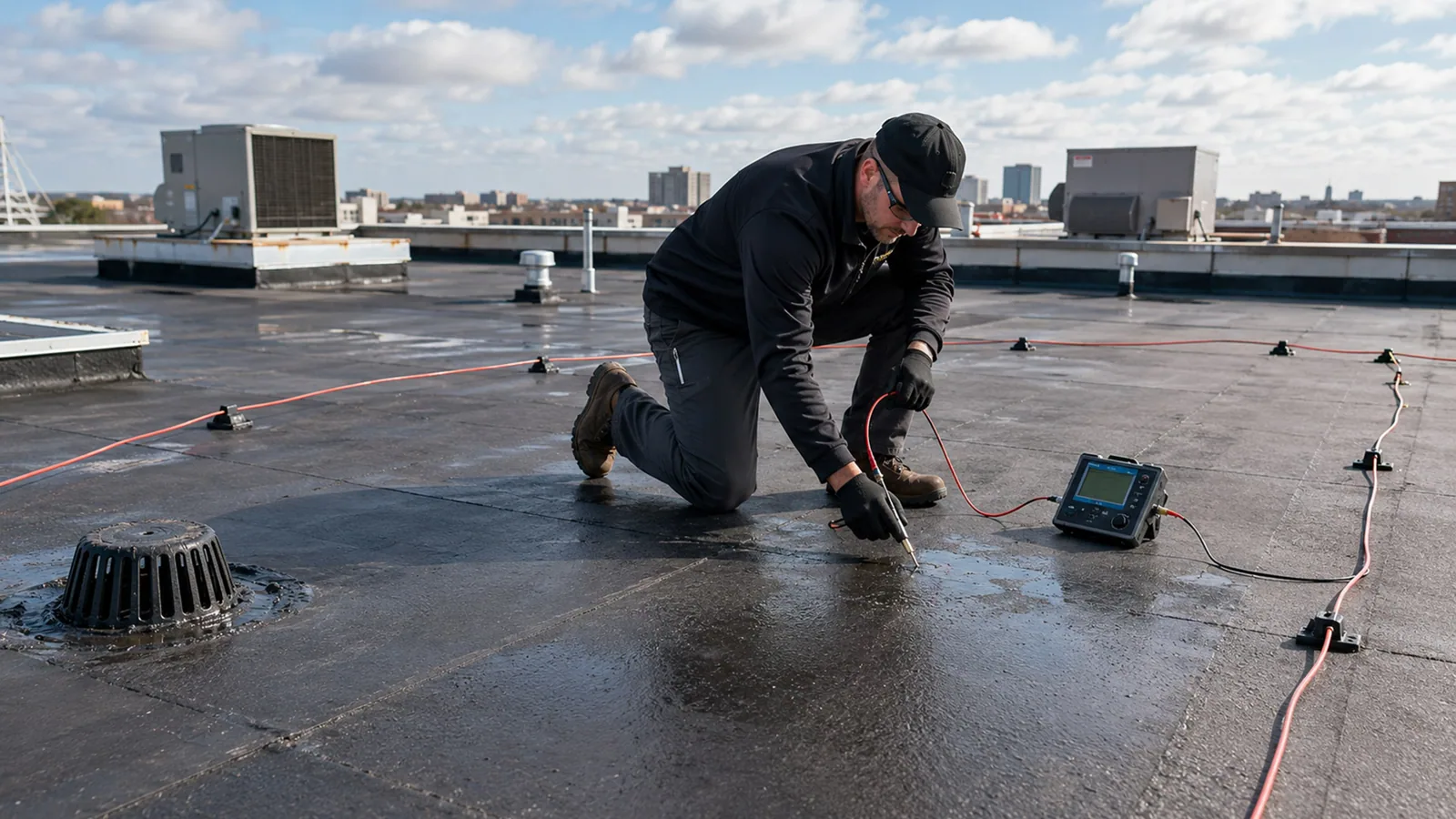
Commercial Roof Inspection in Murrieta, CA
See how this work fits the roof, the building and the schedule.
Learn More
Commercial Roof Insulation and Cover Board in Murrieta, CA
Related scope, access notes and questions to ask before work starts.
Learn More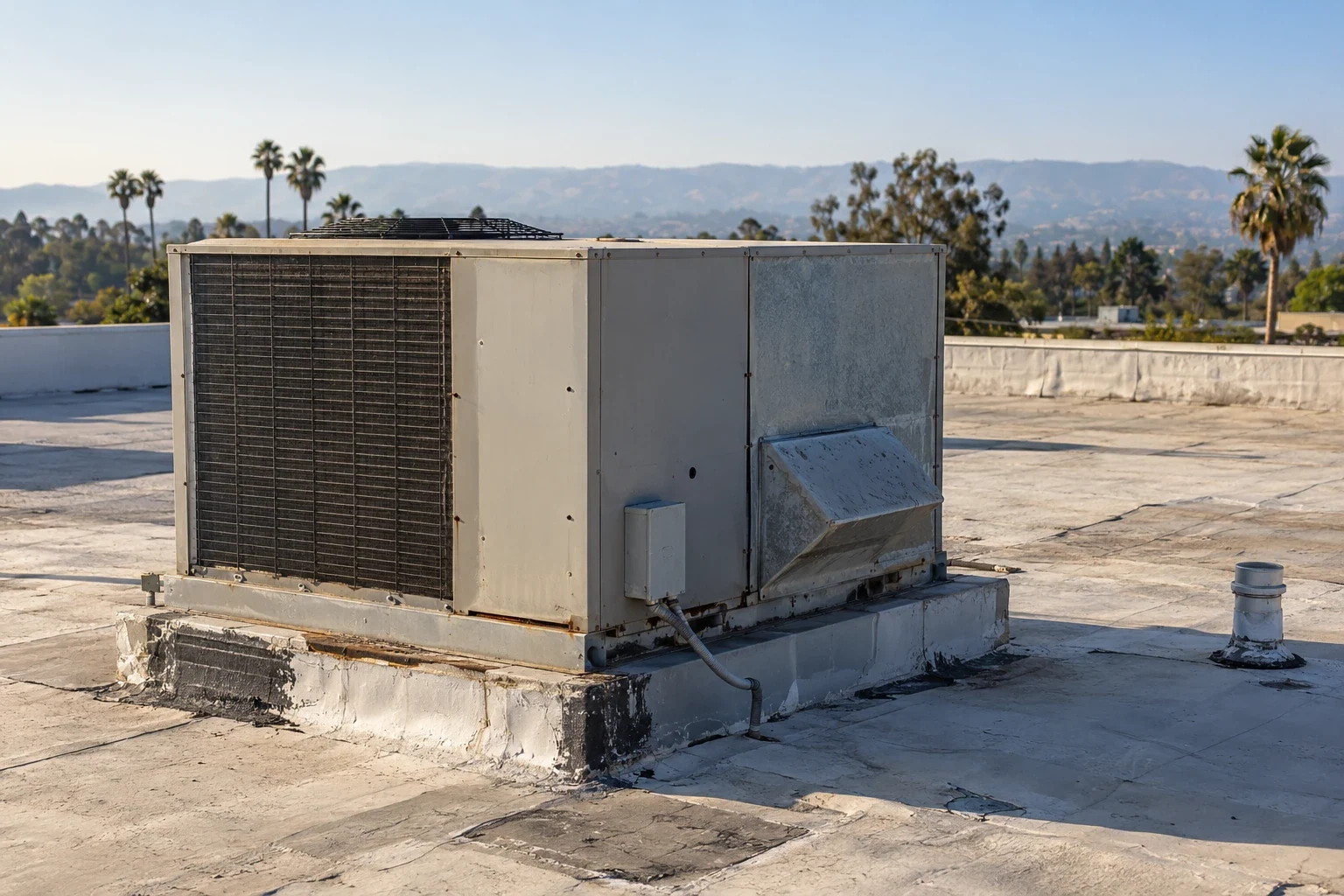
Rooftop Equipment Curbs and Supports in Murrieta, CA
Read the full description and the questions owners ask about it.
Learn More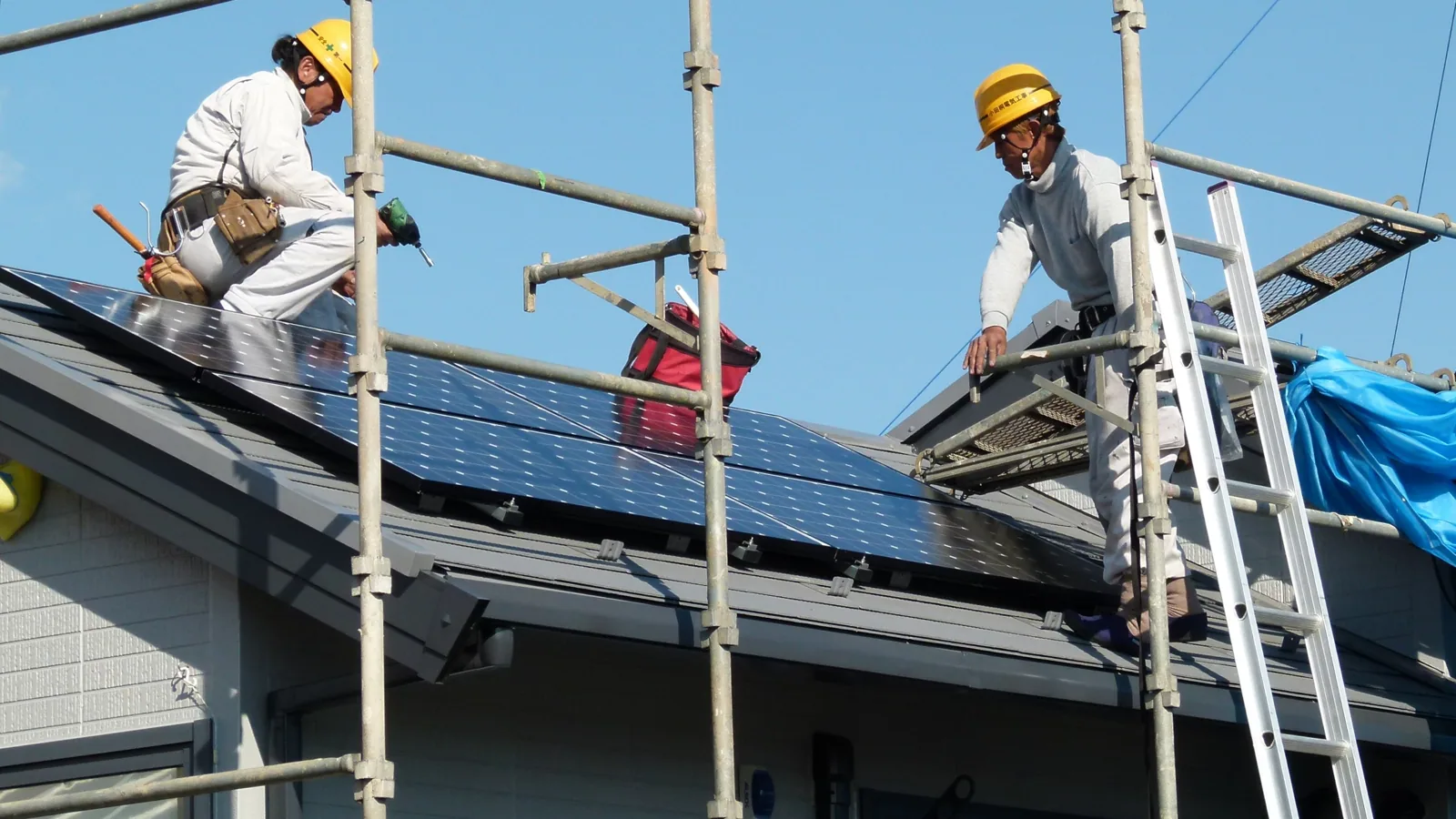
Occupied-Building Commercial Reroofing in Murrieta, CA
See how this work fits the roof, the building and the schedule.
Learn More
Distribution Center Roofing in Murrieta, CA
Related scope, access notes and questions to ask before work starts.
Learn More
Grocery Store Roofing in Murrieta, CA
Read the full description and the questions owners ask about it.
Learn MoreReview a Cold-Storage Roof
Arrange an inspection to trace moisture, check insulation and coordinate a roof scope with the building’s temperature-control needs.