
Occupied-Building Commercial Reroofing in Murrieta, CA
Plan a commercial reroof in Murrieta around active tenants, deliveries and equipment with phased work areas, daily dry-in and clear access coordination.
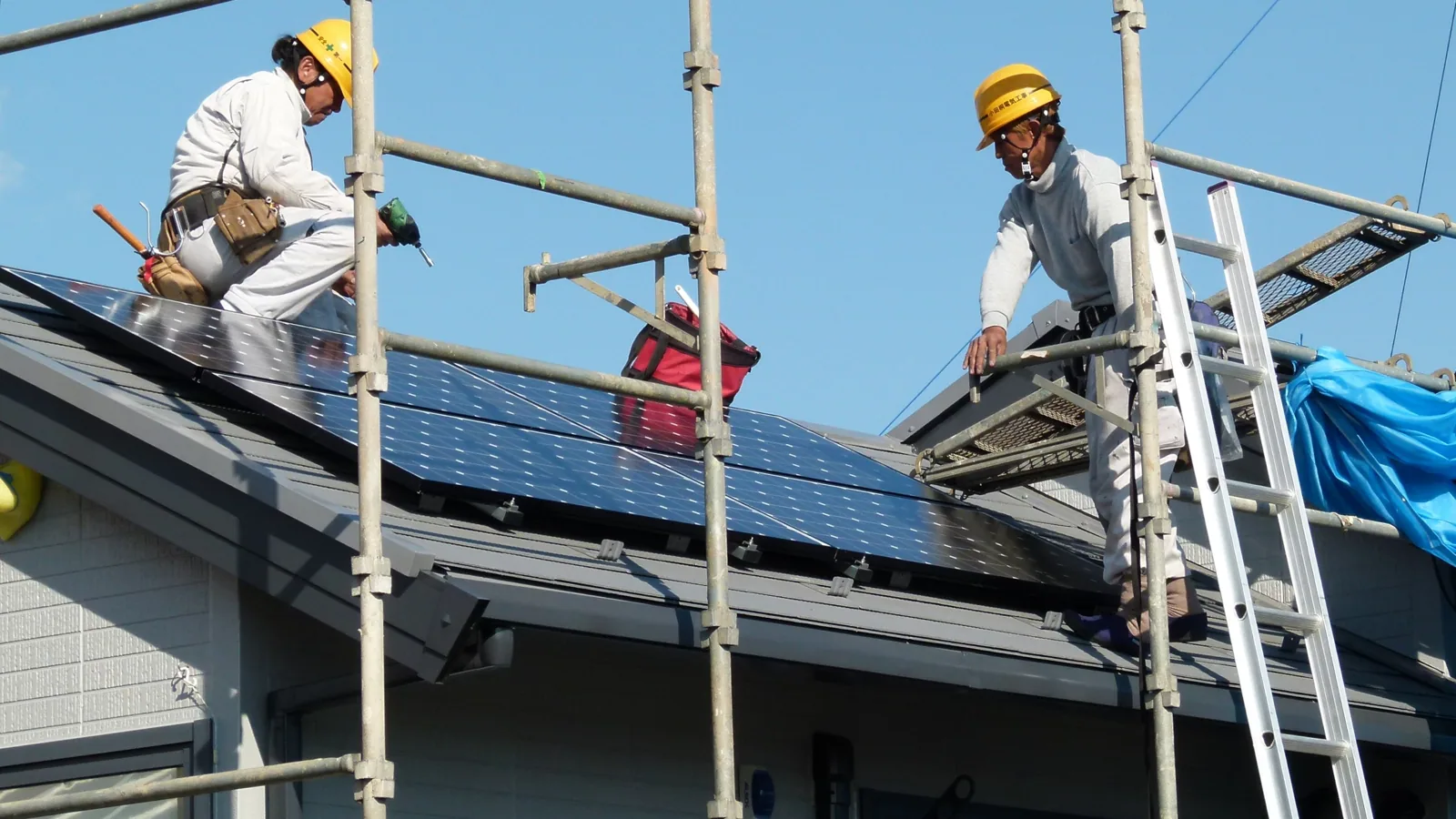
A loading dock rarely clears just because reroofing starts. For an occupied commercial property in Murrieta, the work plan has to connect roof access with deliveries, customer routes, interior protection and the daily dry-in point. We inspect the assembly, map the work sections and identify which routes or spaces need notice before material arrives. Then we sequence removal and installation so each opened area can be closed safely within the planned shift. The owner should know what will be affected each day and who to contact if operations change. A roof inspection provides the condition record that shapes those decisions.
Daily Sequence: Define the Area That Can Be Opened and Closed
We divide the roof into work areas based on assembly condition, safe access, material handling and the amount of roof that can be dried in that day. The sequence identifies tear-off limits, disposal routes, delivery points and temporary protection if a concealed condition pauses the work. We agree on the crew arrival time, the first area to open and the point when a building contact will review progress. If a lift crosses an active parking or loading area, its setup and removal should be coordinated with the site schedule. Material deliveries can be staged in smaller loads when a full drop would block circulation. Those choices affect labor and duration, but they also help keep one work area clear while another is being closed. Weather exposure and deck repairs can alter production, so the plan includes a decision path for areas that cannot close as expected. We coordinate roof entry with the facility contact and confirm which doors, loading lanes or parking spaces may be affected. If the property has several sections, a marked plan keeps the crew, building staff and mechanical service team aligned on where work is active. A replacement scope should state how each section is closed and what changes the daily boundary.
Occupied Space: Protect People, Inventory and Equipment
Noise, vibration, odor and falling debris can affect different parts of the building at different times. We identify sensitive rooms, stock areas, entrances, air intakes and rooftop equipment before choosing a staging position. If work crosses an occupied interior, the owner can help schedule notices or move activities away from a temporary protection area. We do not assume the same phasing works for every tenant. Murrieta has direct access to Interstate 15 and Interstate 215, which connect regional business districts. That fact does not set a delivery route for a particular job, but it makes material timing and site circulation worth reviewing with the property team. For an operating property that depends on scheduled access, roofing and equipment work should be coordinated before a section is opened. We identify which system needs to stay available and which route the mechanical team uses, then set the roof boundary around those constraints.
Work Boundaries: Keep Discovery Separate From Base Scope
Before removal, we document the assumed deck and insulation condition, included flashing details, drains, perimeter metal and temporary protection. If tear-off exposes wet insulation or deteriorated deck, photographs and a marked location let the owner review the change before it is covered. The proposal should explain how that approval happens and how the roof remains protected while a decision is pending. Separating base scope from concealed-condition work keeps an active building from receiving an undefined repair in the middle of a shift. We also identify which mechanical or electrical trades need to disconnect or move equipment. A photo report can preserve the sequence by roof section. If a leak requires attention before the larger project begins, emergency protection can be addressed as a separate stage, with permanent work included in the reroof plan where appropriate.
Roof Details: Close Every Section Before Work Moves On
Phasing does not change the need for complete seams, flashing and edge transitions. We identify where a temporary tie-in will sit at the end of a shift and how that tie-in will be removed when work resumes. Drains, scuppers and overflow paths need to stay open as materials move across the roof. Curbs and penetrations may require separate access windows so the membrane can be finished without leaving exposed corners. The installation record should show transitions between sections and any temporary work removed. A drainage check can confirm that the completed roof still sends water to the intended outlets. The selected system also affects seam and flashing methods; owners can review TPO roof assemblies after the existing roof and project requirements are understood. Each day's closeout should leave a defined safe boundary for the next crew and the building team.
Facility Coordination: Keep One Useful Project Record
The facility contact needs a current schedule, the affected access points, a way to report interior issues and a record of daily completion. We can share which roof sections were opened, dried in and finished, while noting any approved concealed repair. That helps the property team answer tenant questions with the same sequence the crew is following. Temecula’s Old Town district is about one mile from north to south, while Murrieta’s business-park space spans a different mix of operations. Those local facts do not predict an individual building schedule; actual access, staffing and roof conditions govern the plan. If one owner manages several properties, consistent project records can make open items easier to track without treating every roof as identical. A Temecula project still needs its own work map and contact plan. At closeout, the owner should receive photos, system information and maintenance items for future inspections. The record can include the day-by-day section map, the location of any deck repair and the contact who accepted each completed area. That makes it easier to trace a later leak report to the roof section worked on, rather than relying on a broad project date.
Commercial Roofing Questions
Can tenants remain in the building during reroofing?
A building may remain active when the work can be separated from occupied areas and safe access is maintained. We map entrances, loading paths, air intakes and sensitive rooms, then set a daily work boundary. Some activities may need a short restriction or alternate route, which the owner can communicate before the crew reaches that section.
How do you keep rain out overnight?
The daily sequence includes a dry-in point before tear-off begins. We remove material in sections that can be closed within the planned work window and keep temporary protection available if hidden repairs or weather delay the installation. The closeout records which area is secure and where work resumes next.
What should the facility manager coordinate before mobilization?
Share operating hours, deliveries, roof access rules, emergency contacts, equipment service windows and any rooms that need protection. We confirm staging and material routes, then identify access changes for the day. If tenants need notice or a temporary path, the property team can communicate that before the affected work starts.
What happens if tear-off reveals wet insulation or damaged deck?
We stop at a protected boundary, photograph and locate the condition, and describe the repair needed for owner review. The proposal should explain how concealed work is approved and priced. Once the scope is settled, the affected section can be rebuilt and dried in before removal proceeds to another area.
Does phasing change the project cost or duration?
Smaller sections can require more mobilization, temporary tie-ins and coordination, which can affect schedule and cost. The building layout, roof condition, equipment access and daily work window also matter. We compare the proposed sequence with the operational limits so the owner can see what each phasing choice changes.
Related Roofing Work
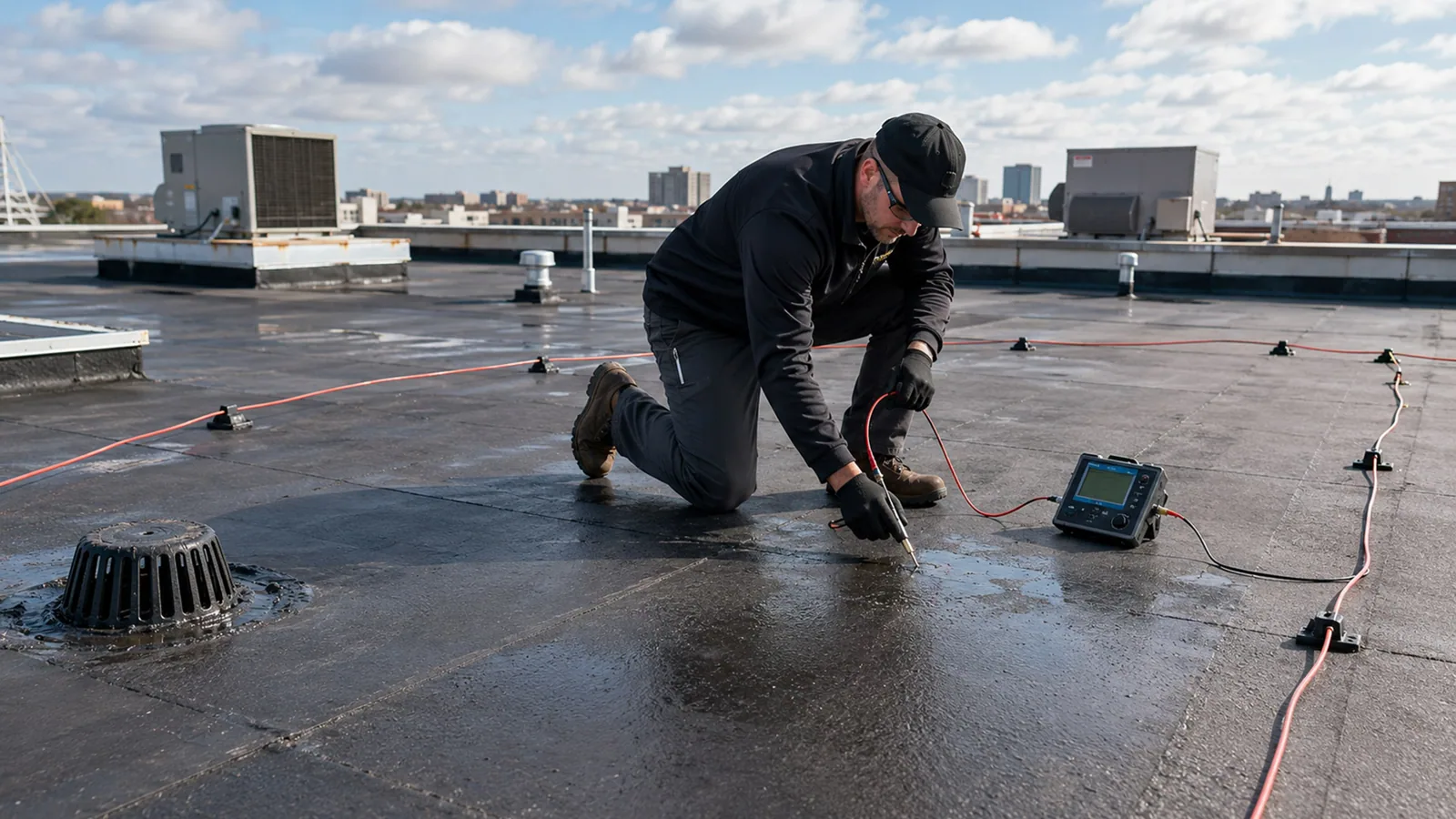
Commercial Roof Inspection in Murrieta, CA
See how this work fits the roof, the building and the schedule.
Learn More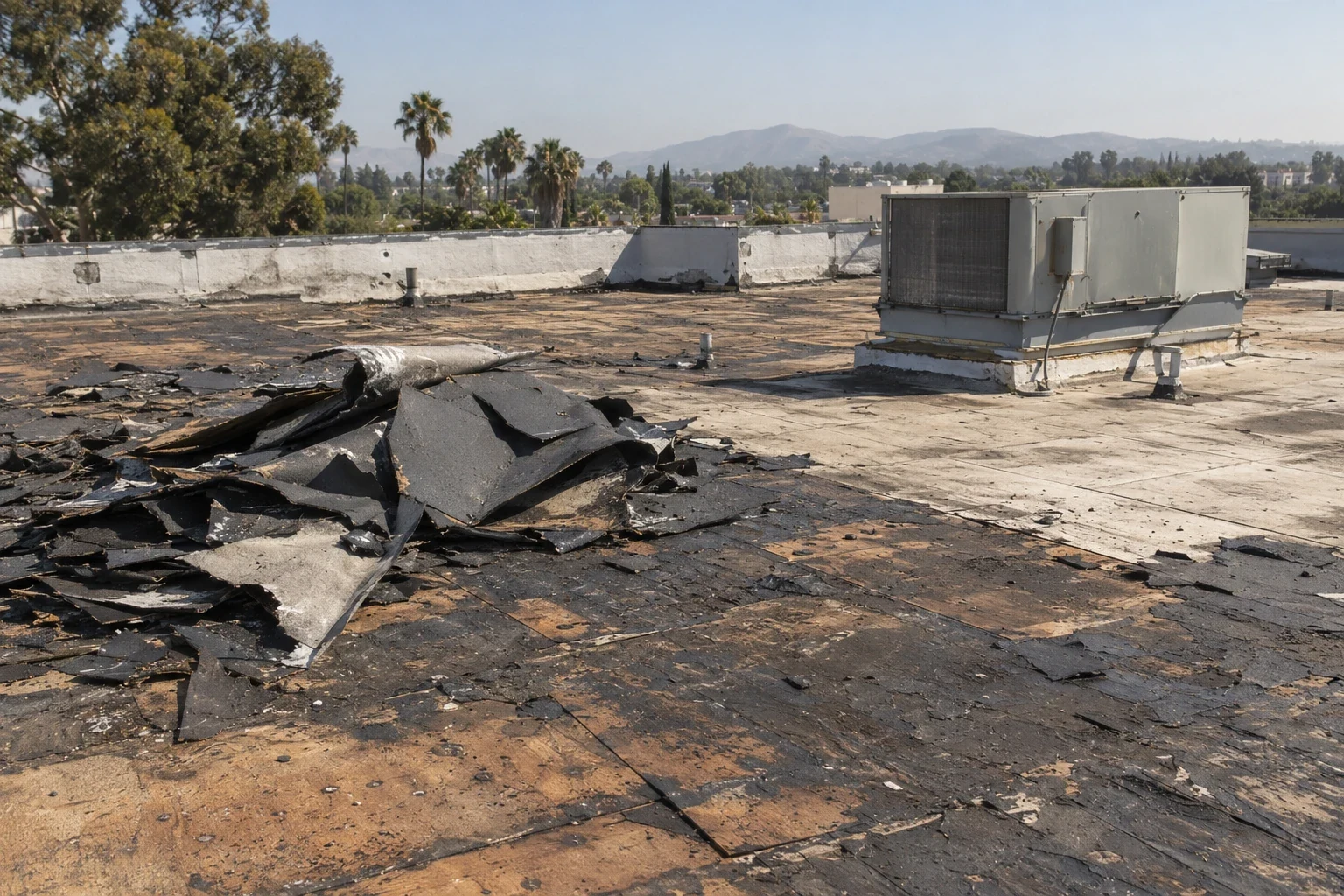
Commercial Roof Replacement in Murrieta, CA
Related scope, access notes and questions to ask before work starts.
Learn More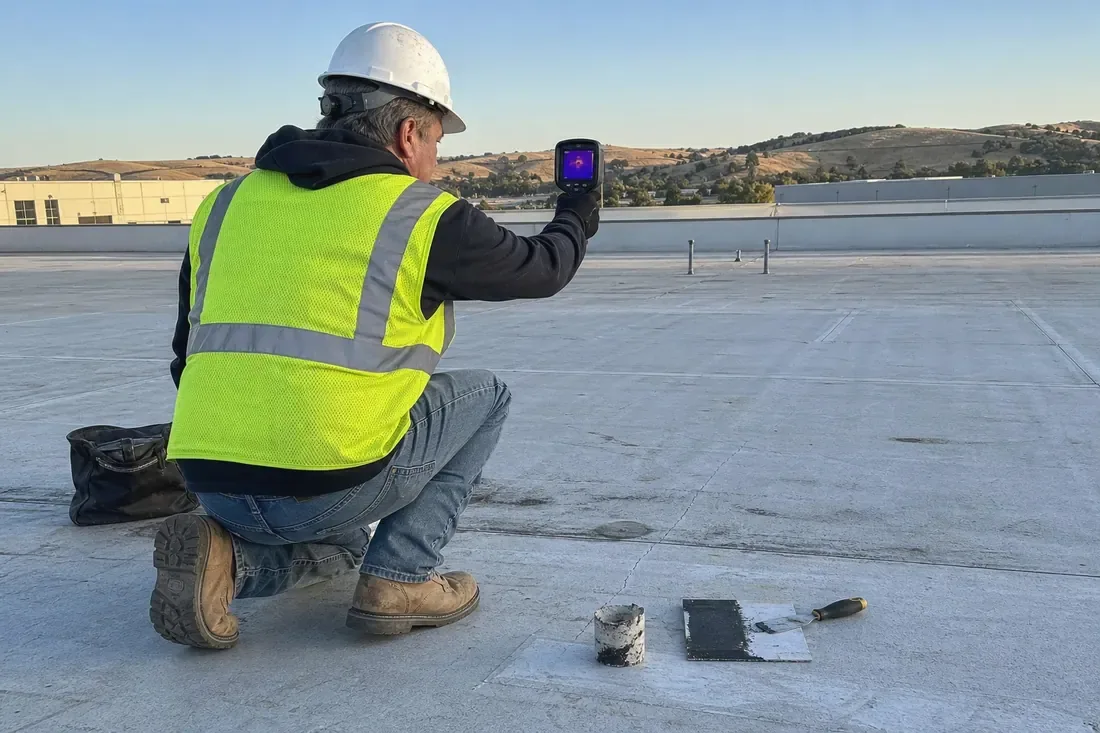
Commercial Roof Condition Reports in Murrieta, CA
Read the full description and the questions owners ask about it.
Learn More
Emergency Commercial Roof Repair in Murrieta, CA
See how this work fits the roof, the building and the schedule.
Learn More
Commercial Roof Drains and Scuppers in Murrieta, CA
Related scope, access notes and questions to ask before work starts.
Learn More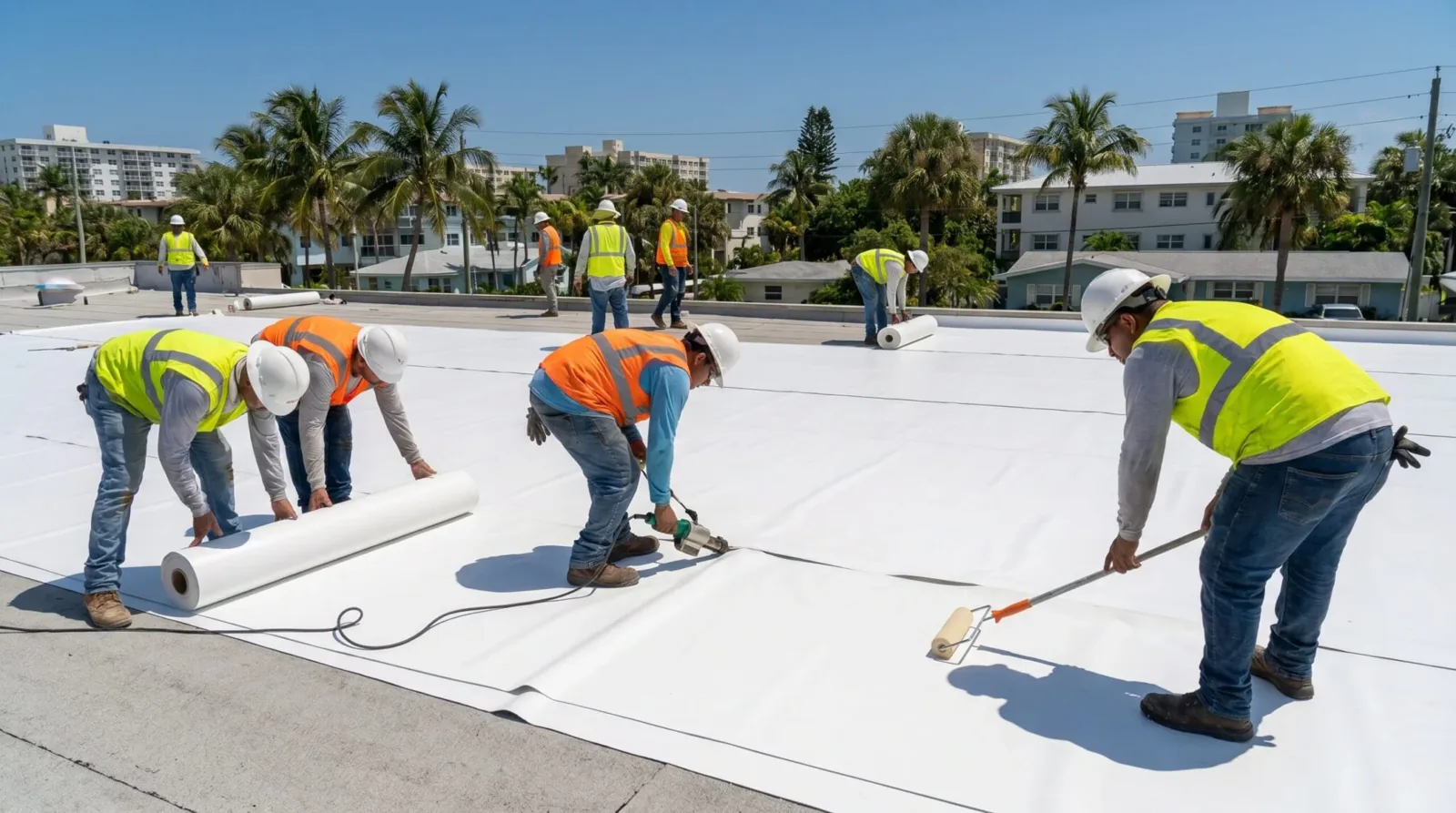
Commercial TPO Roofing in Murrieta, CA
Read the full description and the questions owners ask about it.
Learn MorePlan a Reroof Around Active Operations
Arrange a Murrieta inspection to map roof sections, access needs and dry-in points before setting a commercial reroof schedule.