
Commercial Roof Repair in Murrieta, CA
Repair commercial roof seams, flashing and membrane damage in Murrieta with a documented scope that follows the leak, roof assembly and building use.
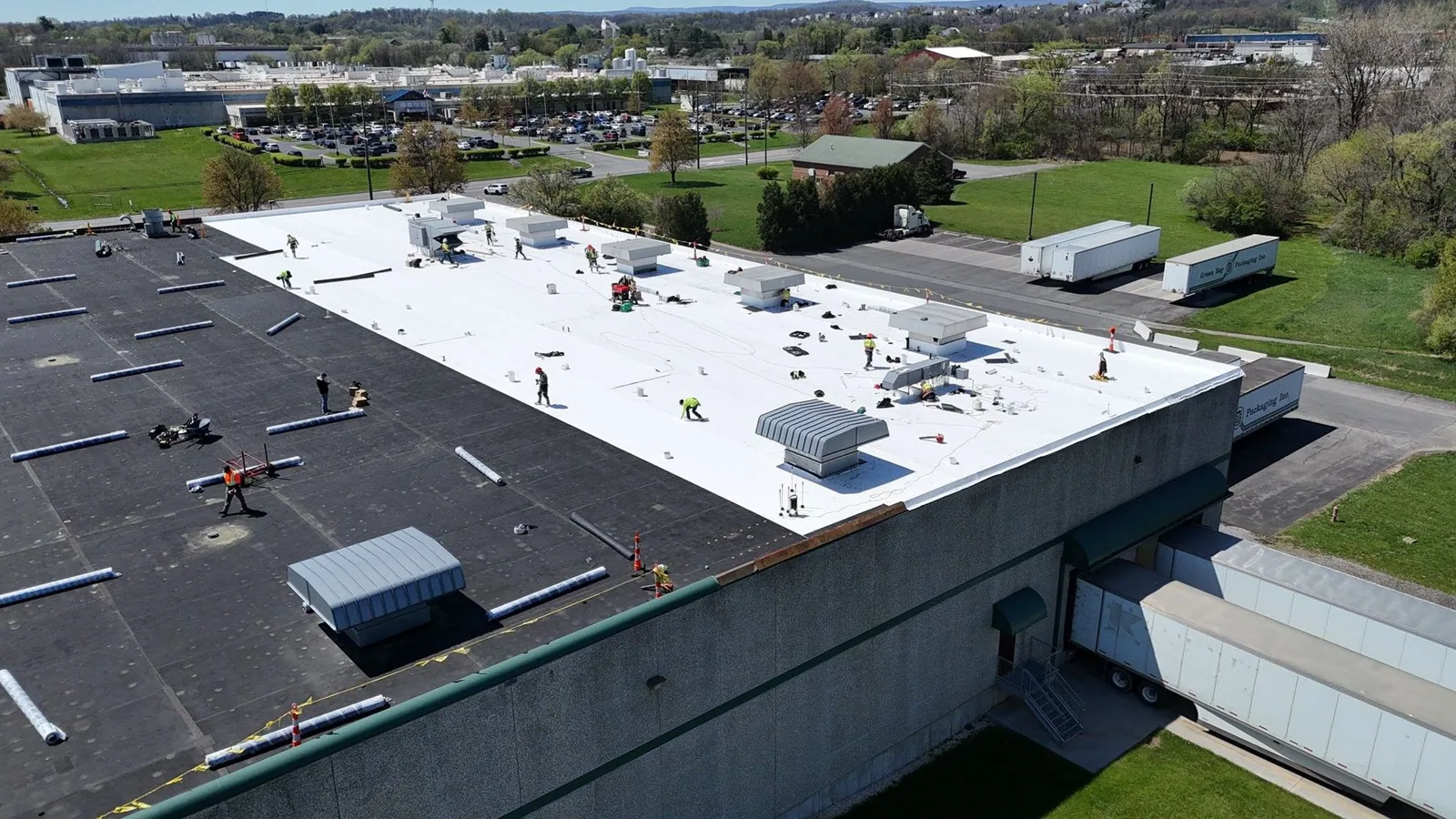
A repair that only covers a split can leave the failed transition beside it untouched. We inspect the membrane, seam, flashing, edge and drainage conditions around the reported area, then mark what needs correction and what can stay. In Murrieta, CA, the documented extreme-heat threshold is at least 105.1 degrees from April through October. That planning threshold is useful context for repeated thermal exposure, but it does not tell us what caused a particular tear or open lap. The roof itself sets the repair. We photograph the affected section, trace the likely water path, and explain whether the work is a localized patch, a detail repair or a broader corrective scope. For leaks that are active now, the leak-tracing process can establish a temporary response and the next inspection step. Planned work begins with a hands-on condition review.
Repair Boundary: Follow the Failure Beyond the Stain
Water may enter uphill from the ceiling mark, travel along a deck flute or follow insulation joints before appearing inside. We check the roof above the affected space and trace likely paths through seams, penetrations, curbs, walls and drains. Loose membrane, open laps, punctures, failed sealant and displaced counterflashing each call for a different repair. We also inspect nearby patches to see if they are bonded, compatible and holding water at their edges. A useful scope identifies the section to be repaired, the preparation method and how the transition back to sound material will be finished. Where moisture has spread below the surface, test cuts or a targeted moisture survey can show whether a surface repair would leave damaged insulation in place. The point is to restore the roof detail that failed, not to enlarge the work without evidence. A photo condition record helps the building manager track the finding after the crew is off the roof.
Seams and Flashing: Match the Repair to the Material
Thermoplastic seams need compatible welding and a sound lap; EPDM repairs depend on clean, properly prepared rubber and the right flashing materials; modified bitumen repairs need a sound transition between plies. Metal roofs bring fasteners, panel laps, clips and penetrations into the inspection. A generic coating across all four conditions can conceal movement or fail to bond. We identify the roof system where it can be verified, check whether the surrounding membrane is secure, and specify the repair materials and preparation. The detail should account for movement at corners, walls and equipment curbs, because water often finds a path where different surfaces meet. In Temecula, advanced manufacturing is among the business-attraction priorities. That sector-level context does not identify any building’s roof, but it makes clear why a repair plan for a production property should account for rooftop equipment and access windows. Compare TPO seam repair with EPDM membrane details only after the existing assembly is established.
Repair or Replace: Set a Useful Limit
A repair is most useful when the surrounding roof can support it. If failures repeat across separate sections, insulation is wet over a broad area, or the membrane no longer holds a reliable bond, piecemeal patches may not solve the underlying condition. We separate immediate water control from permanent correction and note any area that needs further opening or monitoring. The owner can then weigh a repair against a recover or replacement using the same condition evidence. Lake Elsinore spans both sides of Interstate 15 and State Route 74, with 16 geographically defined district plans. That varied local framework is a reminder to evaluate the specific building and its roof conditions rather than assume one repair scope fits every property. When a leak is contained but the assembly has wider deterioration, the recover option and replacement scope can be compared. The recommendation should say which parts of the roof become more reliable after the repair and which known issues remain outside its boundary.
Work Window: Protect the Building While Repairs Proceed
Repair access is not only a roof question. We coordinate ladder or hatch access, material staging, rooftop equipment shutdowns, interior protection and any area where people or vehicles pass below. A repair near an air intake may require a different work window from one over a storage bay. If the building remains open, the plan should tell the contact which area is affected, when noise or odor is expected and how temporary protection will be maintained if the repair takes more than one visit. A temporary cover can limit immediate exposure, but it is not a substitute for the specified permanent repair. We note weather and surface conditions that affect adhesion or welding, then confirm the roof can be left watertight at the end of each shift. The occupied-building work plan is useful when repairs touch active entrances or tenant operations, while a maintenance visit can address nearby drains and details before they create another leak.
Repair Record: Make the Next Inspection Easier
After the repair, the building record should show where the work occurred, what material was installed and whether the crew found conditions beyond the original report. Photos before and after the work make the boundary easier to recognize. We note adjacent seams, flashing or drainage items that merit follow-up, separating them from the completed scope. This distinction is valuable when the roof receives another service call or a capital review. It prevents a later patch from being mistaken for a full correction, and it helps the manager see whether a leak returned at the same detail or began elsewhere. A roof capital plan can group repairs by urgency and condition when several buildings need attention. For a single building, the next step may simply be a scheduled check of the repaired area after service exposure. The aim is a sound detail and a clear record, with no promise that one repair makes unrelated roof sections immune to future wear.
Commercial Roofing Questions
Why does the ceiling stain sit away from the roof opening?
Water can travel along a deck, insulation joint, seam or structural member before it reaches the interior finish. We inspect above and around the stain, then look for plausible paths through roof details. If the route remains uncertain, additional testing may be more useful than sealing the nearest visible seam. The repair scope should identify the evidence and the area that will be opened or corrected.
Can a recurring patch be replaced with a coating?
A coating is appropriate only when the existing roof is sound, clean, compatible and detailed for the selected material. It will not stabilize loose membrane, replace wet insulation or resolve a failed curb transition by itself. We inspect the substrate and explain whether coating restoration, a localized repair or broader replacement is supported by the roof condition.
What will the crew document during a planned repair?
We record the damaged detail, preparation, repair materials and finished transition, with photographs tied to the roof location. If removal reveals wet insulation, deck deterioration or a larger seam failure, we show the condition and seek approval for the additional work before covering it. The closeout notes any adjacent item that remains outside the approved scope.
How do you choose between patching one section and repairing a larger area?
The boundary depends on the material condition beyond the visible defect. We check whether the membrane remains attached, whether neighboring seams hold, and whether water or moisture has spread below. A defined local repair is appropriate when sound material gives the new work a secure edge. Repeated failures or widespread deterioration may call for a separate recover or replacement analysis.
Can roof repairs happen while the building is operating?
Often the work can be sequenced around normal activity, but access, noise, odor, rooftop equipment and the space below the repair affect the plan. We coordinate the work window with the building contact and identify any necessary shutdown or protection. A repair over an intake or active entrance deserves a different sequence than one above a closed service area.
Related Roofing Work
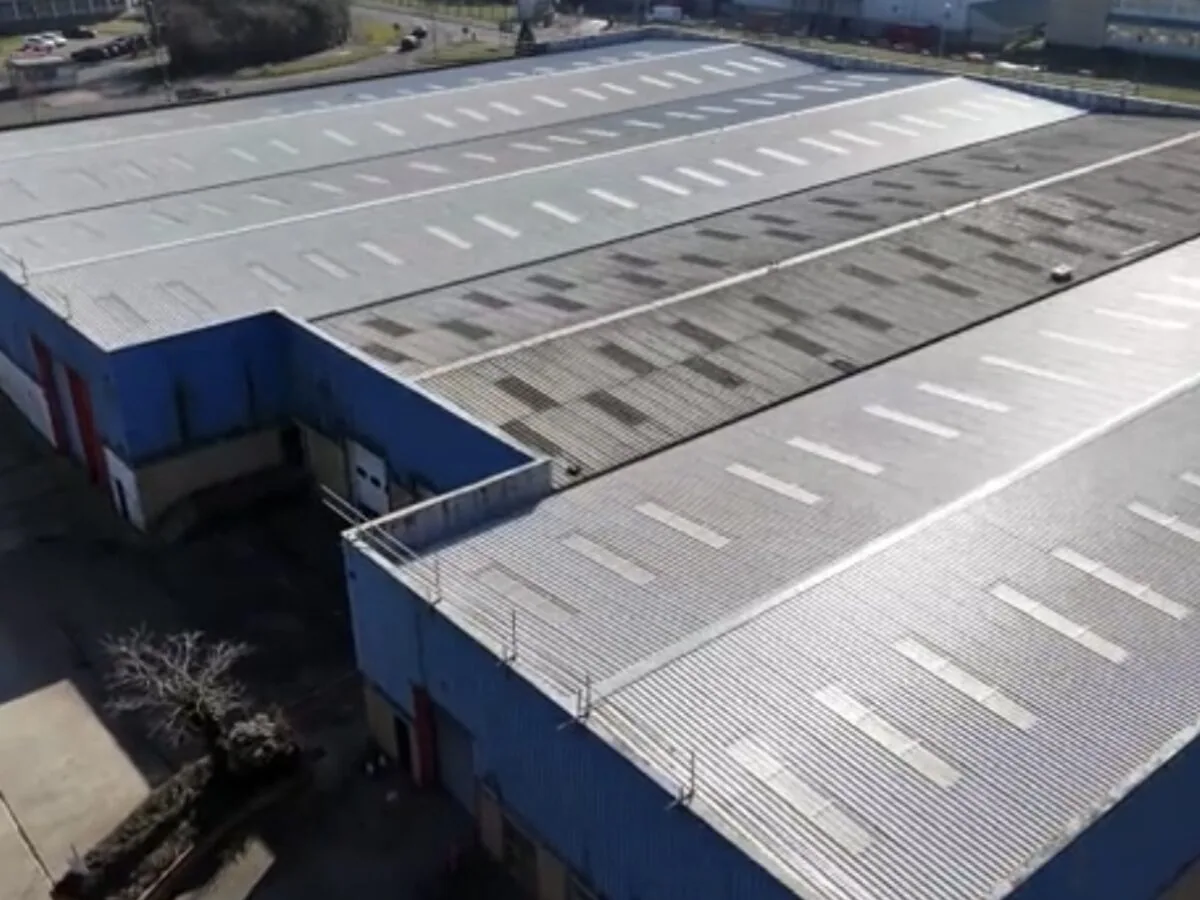
Commercial Roof Leak Repair in Murrieta, CA
See how this work fits the roof, the building and the schedule.
Learn More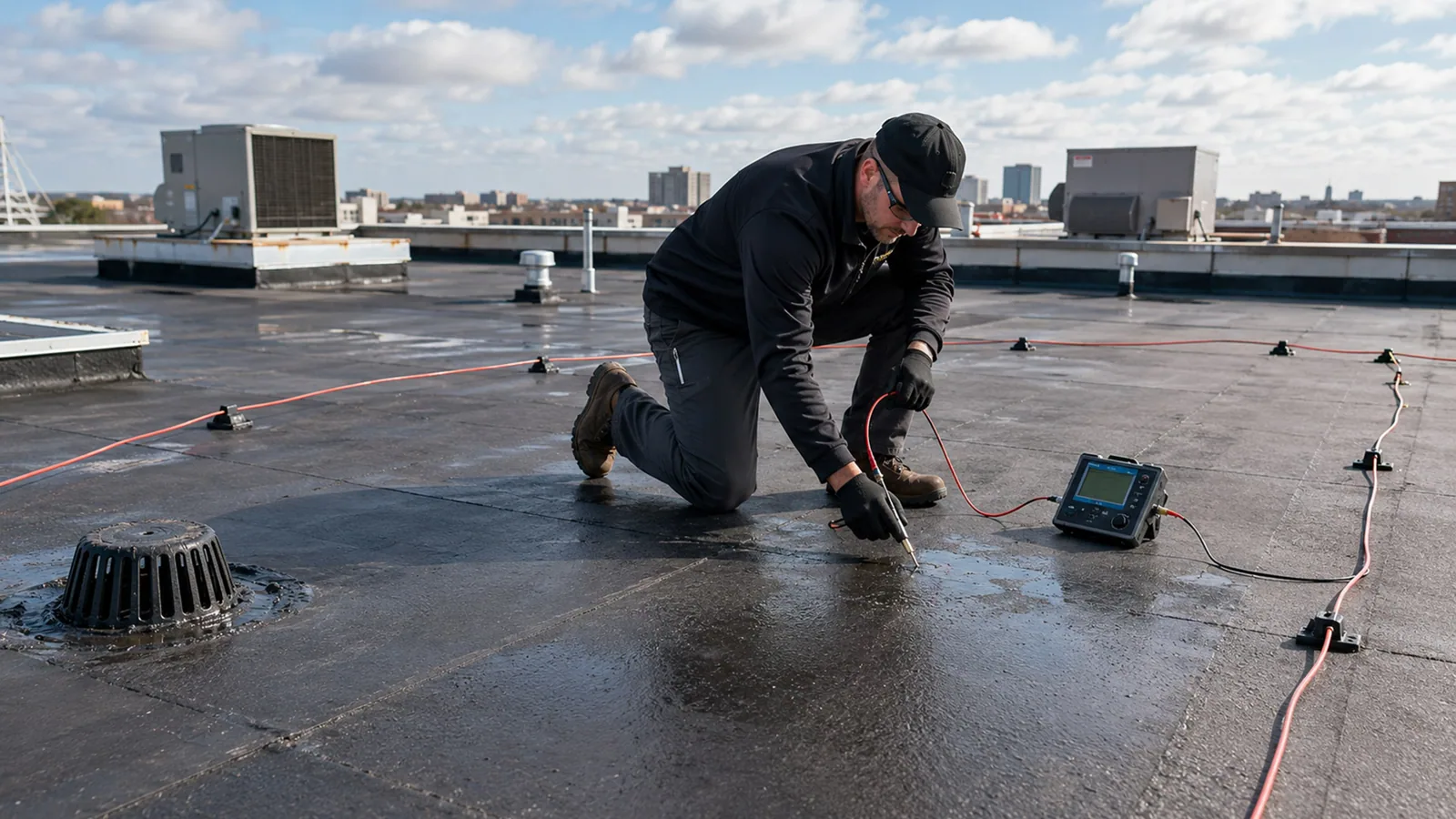
Commercial Roof Inspection in Murrieta, CA
Related scope, access notes and questions to ask before work starts.
Learn More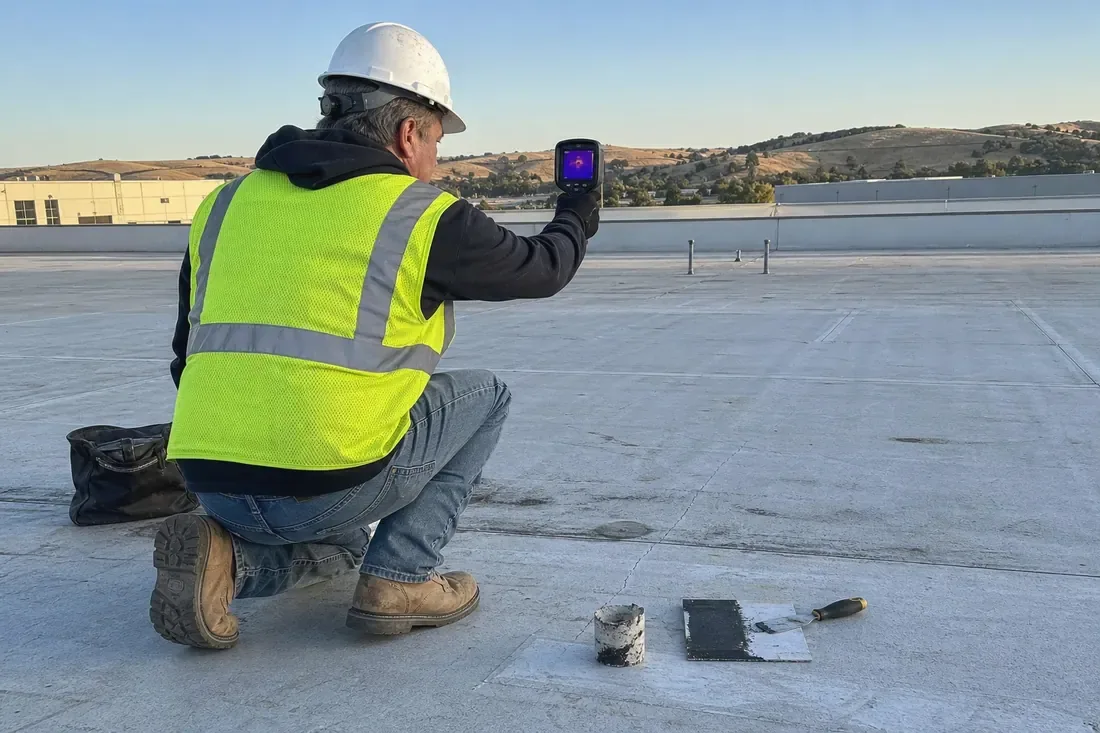
Commercial Roof Condition Reports in Murrieta, CA
Read the full description and the questions owners ask about it.
Learn More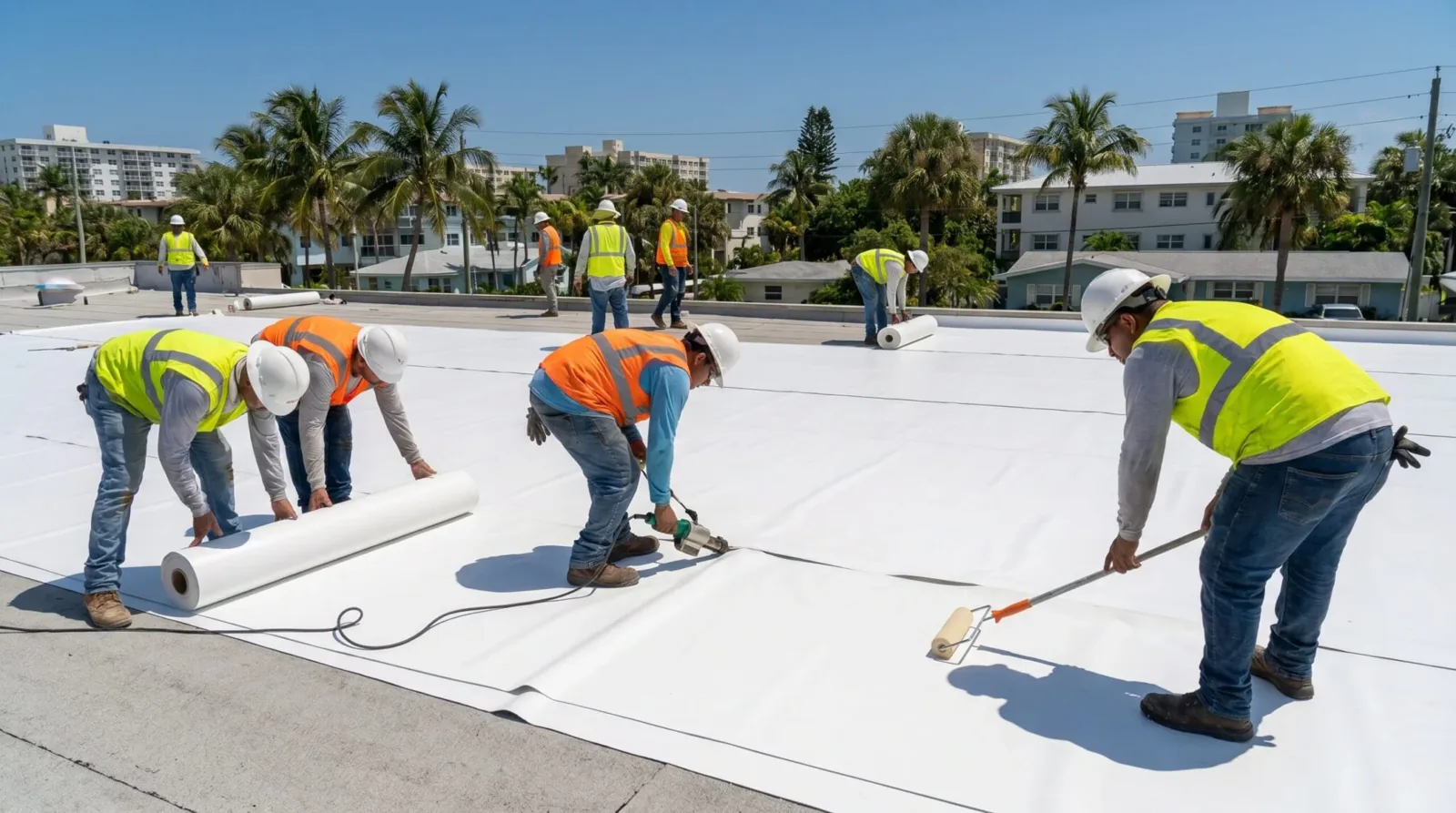
Commercial TPO Roofing in Murrieta, CA
See how this work fits the roof, the building and the schedule.
Learn More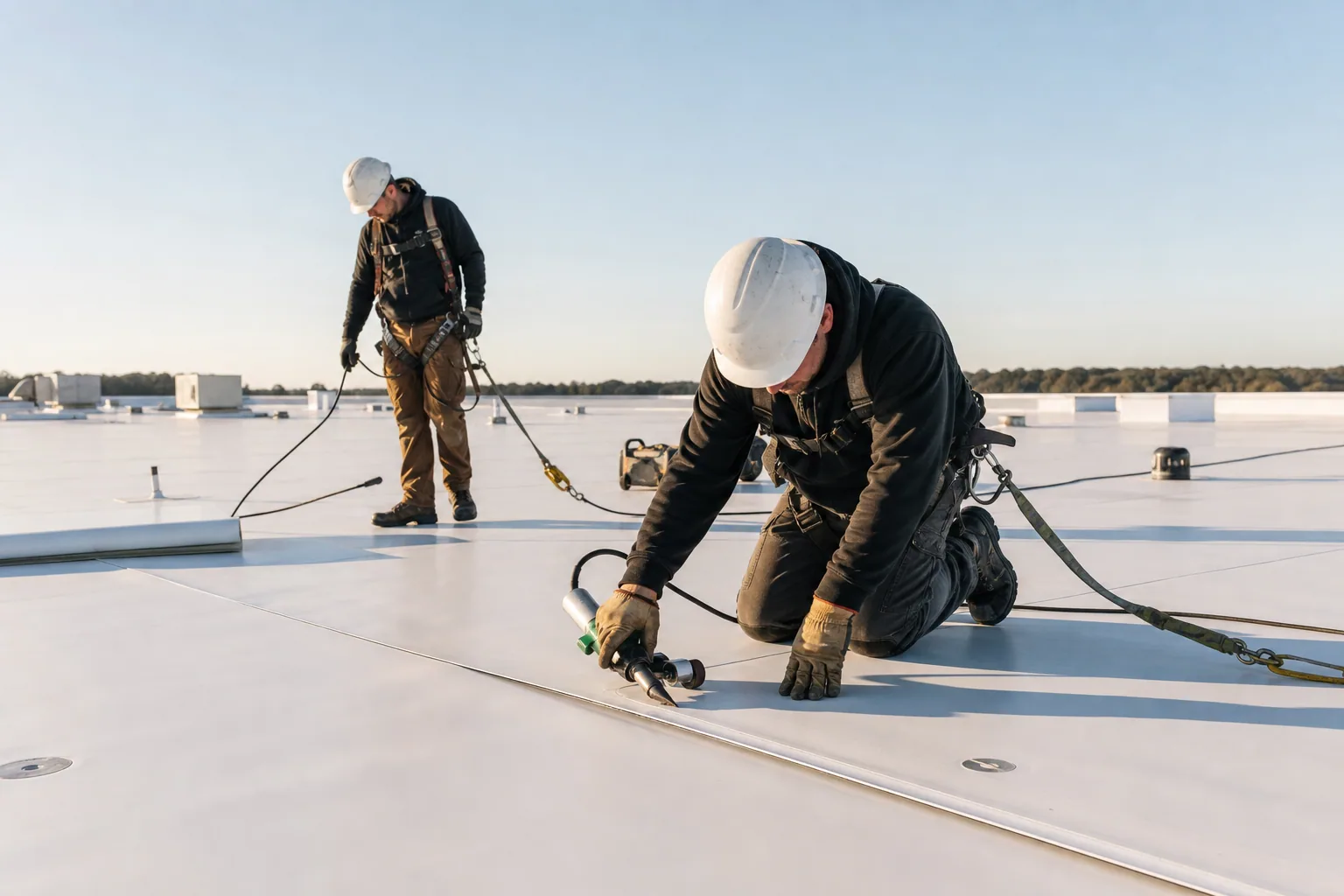
Commercial Roof Recover in Murrieta, CA
Related scope, access notes and questions to ask before work starts.
Learn More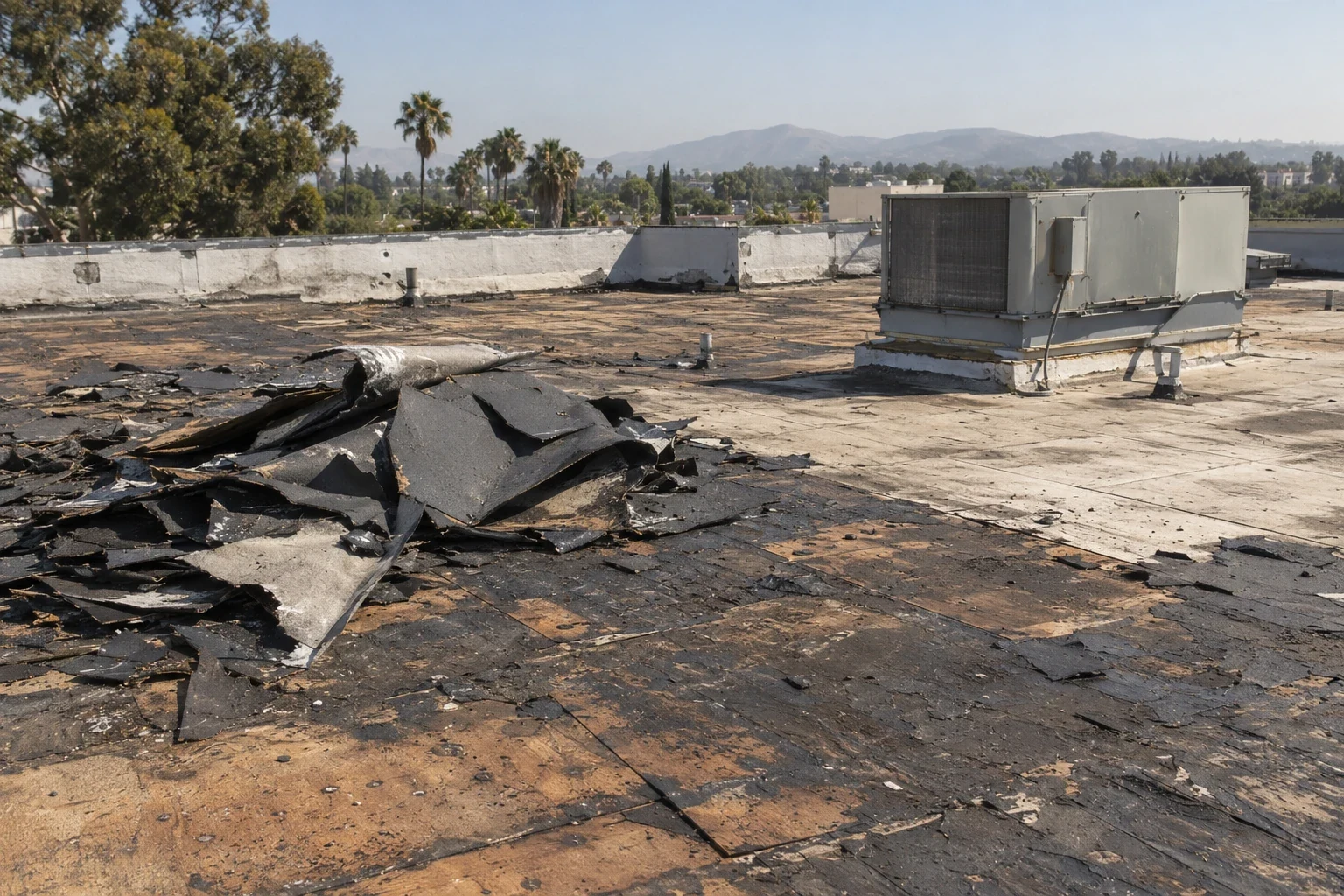
Commercial Roof Replacement in Murrieta, CA
Read the full description and the questions owners ask about it.
Learn MoreSchedule a Commercial Roof Repair Review
Tell us where water or visible damage appeared in Murrieta. We will inspect the surrounding roof details and define a repair scope with a clear boundary.