
Roof Systems
Compare commercial roof systems in Murrieta by assembly, drainage, repair access and existing conditions before selecting a project path.
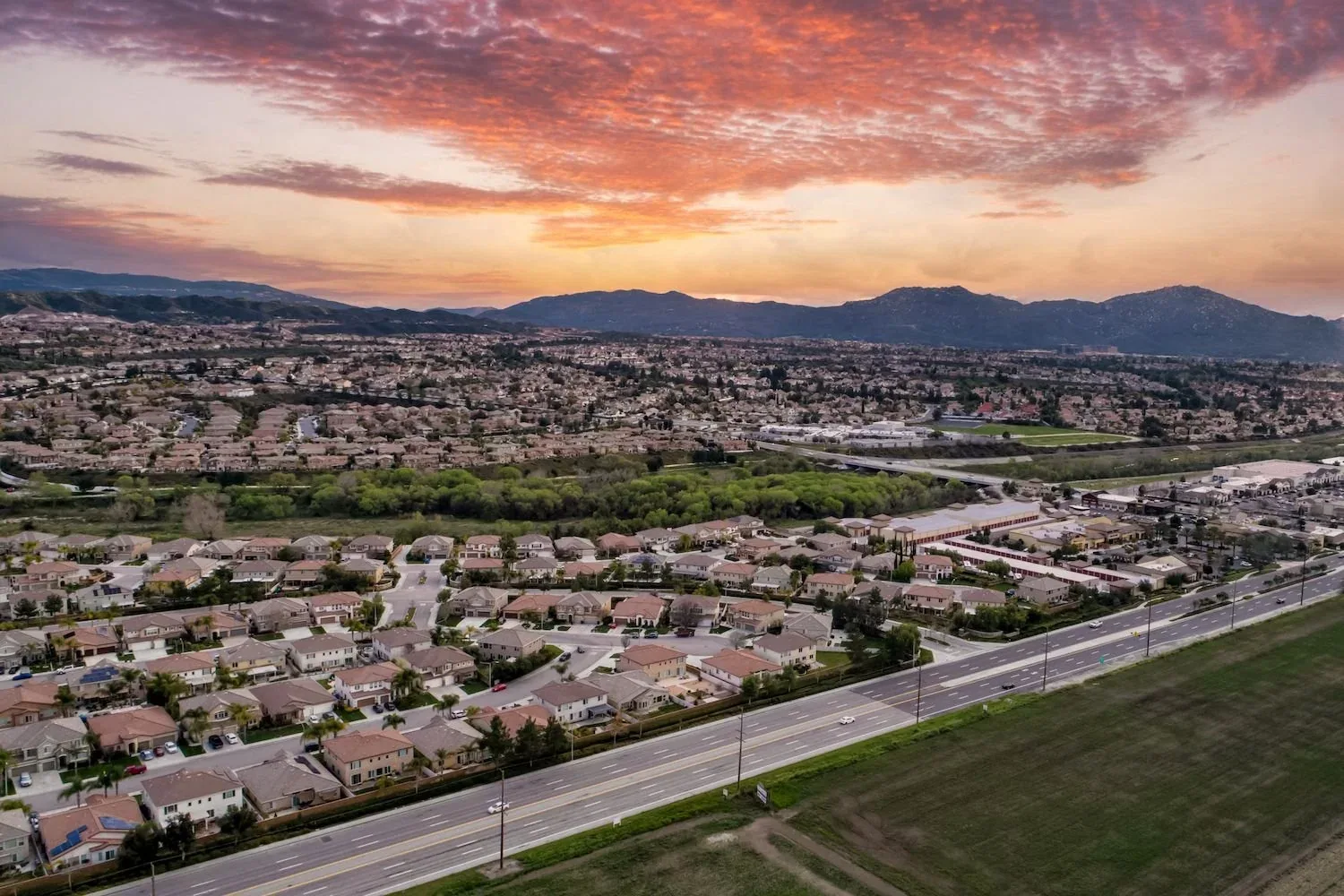
A roof system is more than the exposed surface. A membrane, metal panel or coating works with its seams, attachment, insulation, cover board, perimeter and drainage. Commercial Roofing Murrieta identifies what is installed before comparing repair or replacement paths. Murrieta's climate planning assessment defines extreme heat days as a specific April-through-October condition and reports historical and projected ranges; those dated planning figures do not predict a roof's performance on a particular day. They do make it sensible to inspect movement, seams, flashings and work timing alongside the material itself. Jefferson Avenue and the broader Jefferson-Madison planning area help place local business use, but no district label substitutes for a roof walk.
Roof Systems in Murrieta
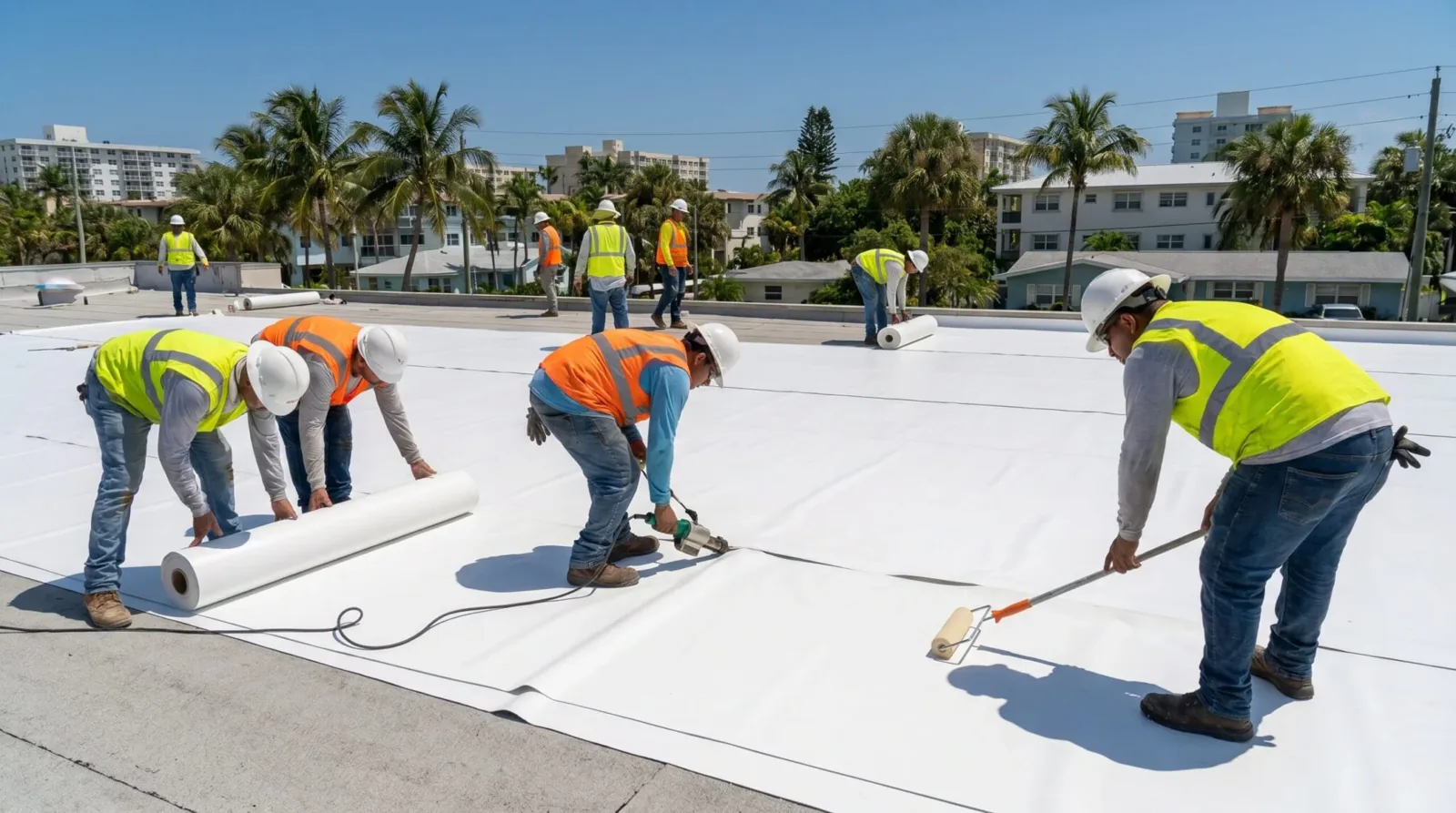
Commercial TPO Roofing in Murrieta, CA
Review TPO roofing for commercial buildings in Murrieta, CA, from substrate and seam checks to drainage, rooftop details, installation phasing and upkeep.
Learn More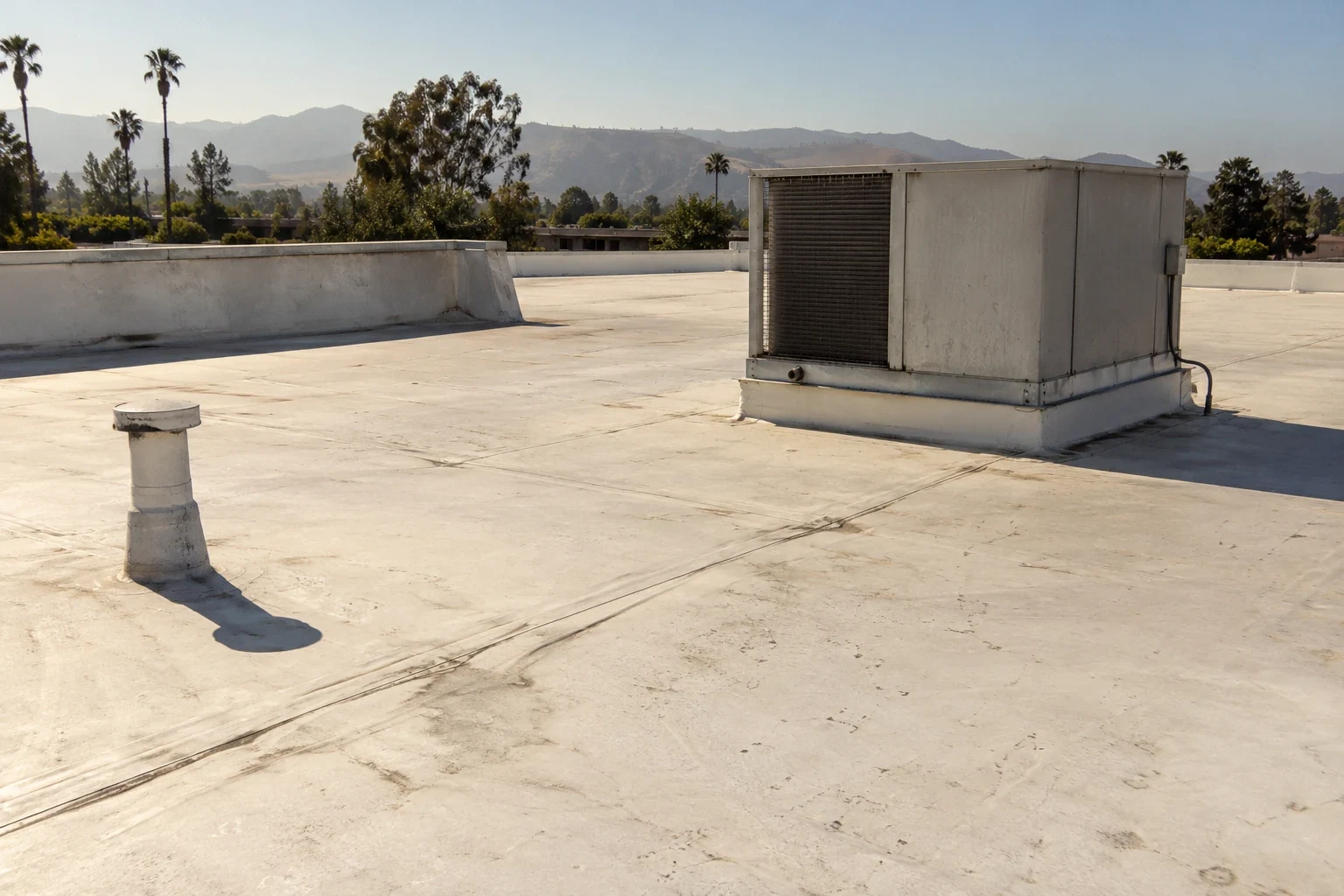
Commercial PVC Roofing in Murrieta, CA
Compare commercial PVC roofing in Murrieta, CA, with attention to chemical exposure, welded seams, insulation, drainage, rooftop details and maintenance.
Learn More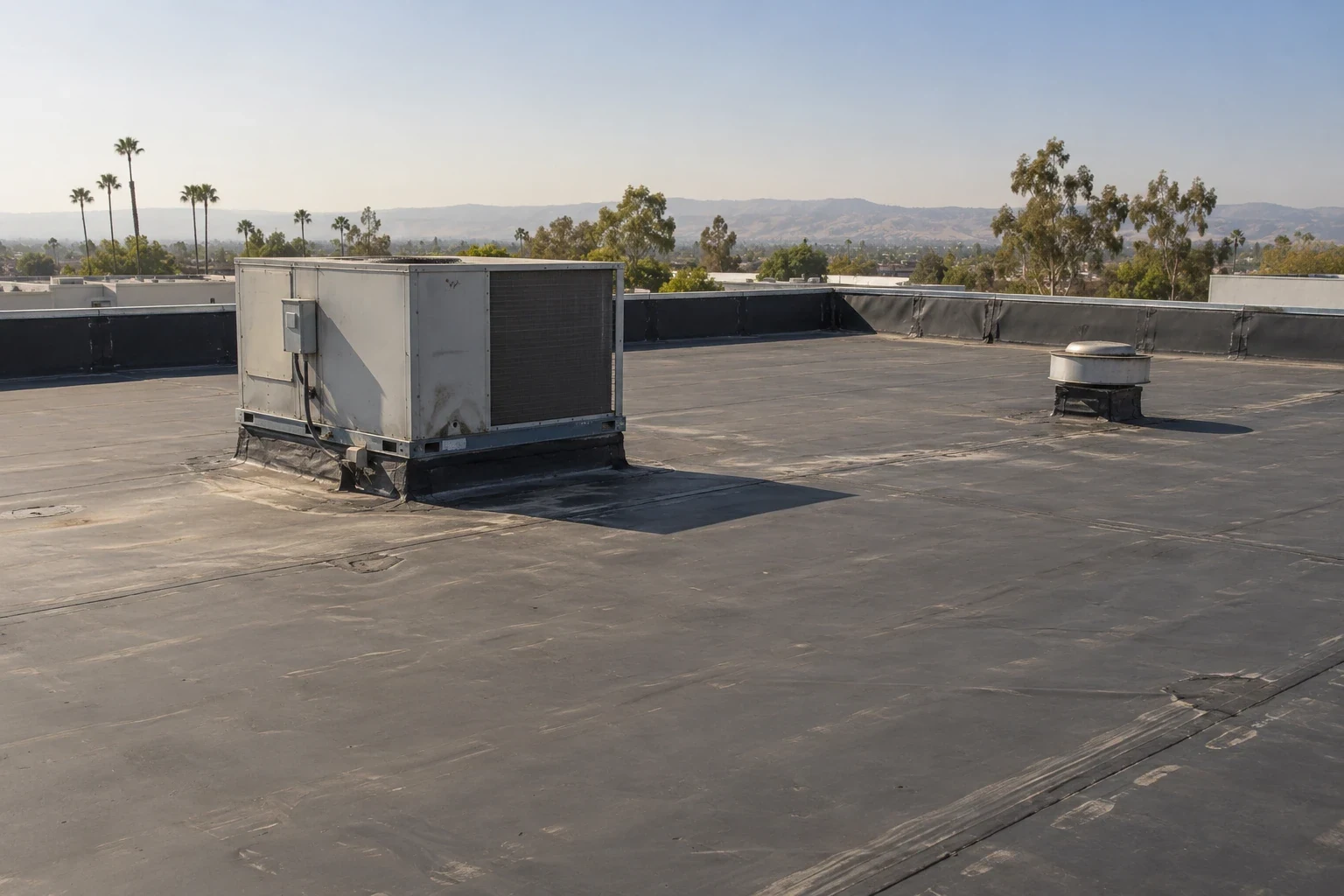
Commercial EPDM Roofing in Murrieta, CA
Evaluate EPDM roofing for Murrieta commercial properties, including seams, attachment, flashing, drainage, repair choices, installation access and upkeep.
Learn More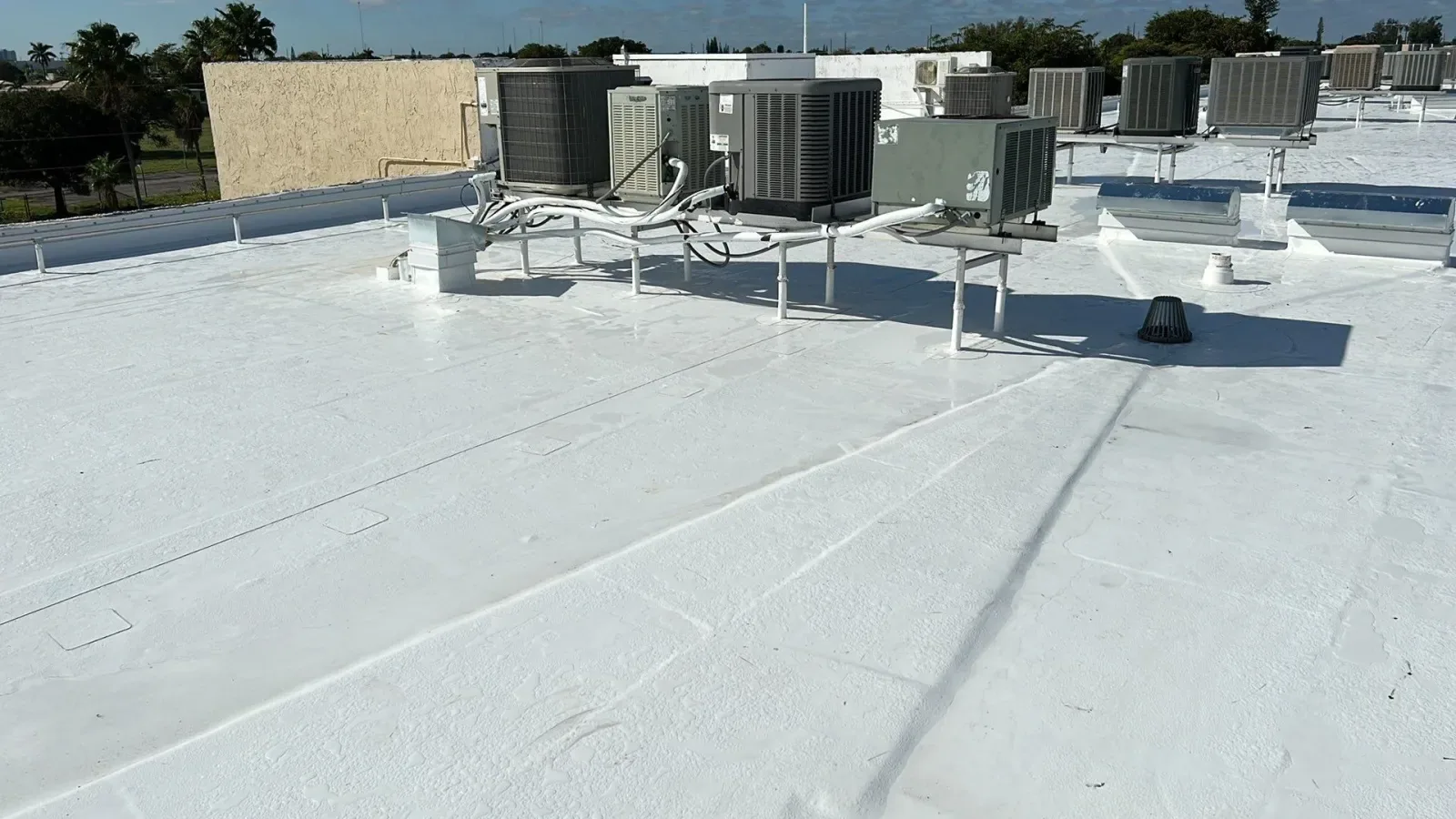
Commercial KEE Roofing in Murrieta, CA
Assess KEE roofing in Murrieta, CA, with a review of membrane chemistry, seams, substrate, rooftop details, repair compatibility and maintenance planning.
Learn More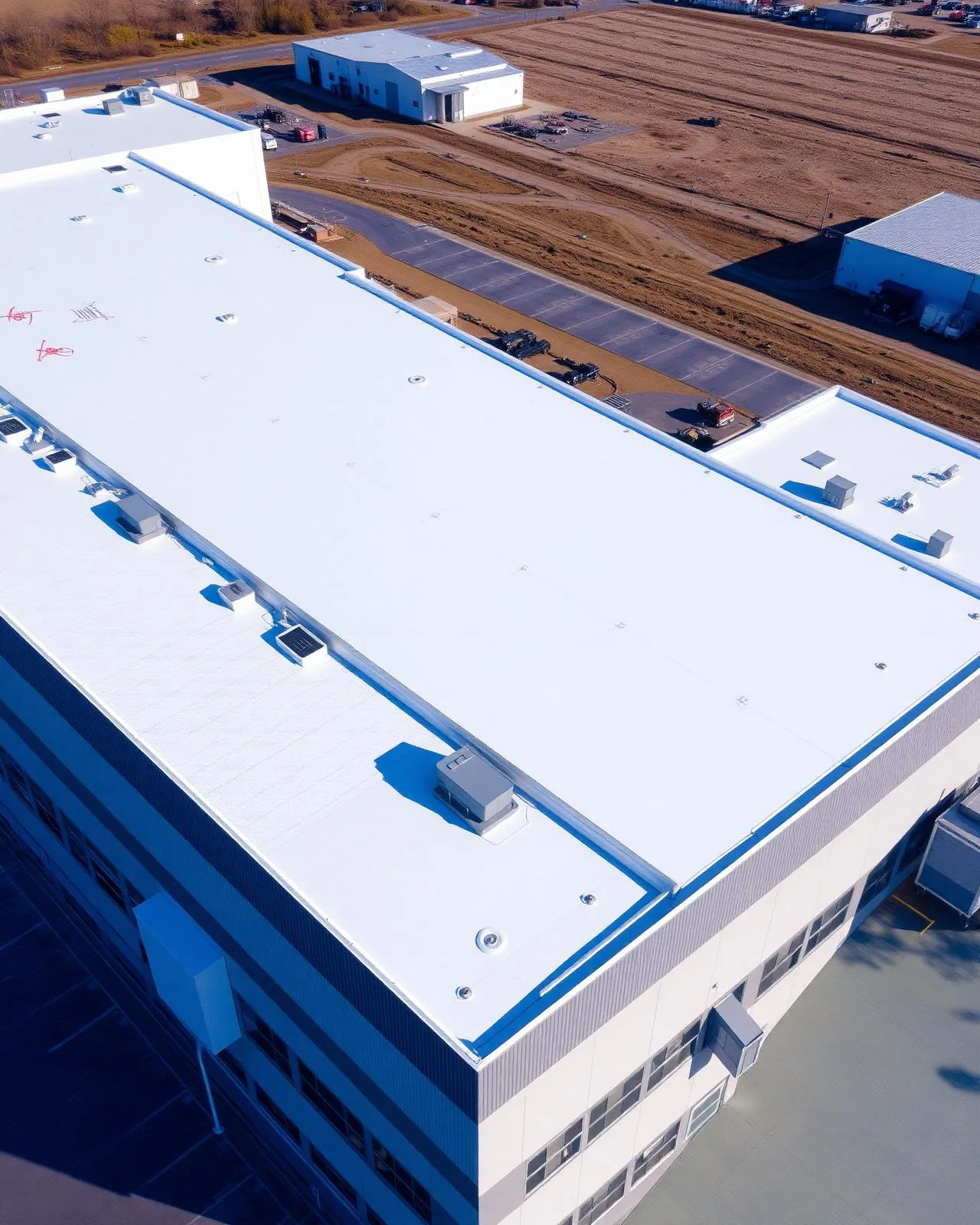
Commercial Modified Bitumen Roofing in Murrieta, CA
Review SBS and APP modified bitumen roofing in Murrieta, CA, including layer condition, attachment, flashing, hot-work planning, drainage and repairs.
Learn More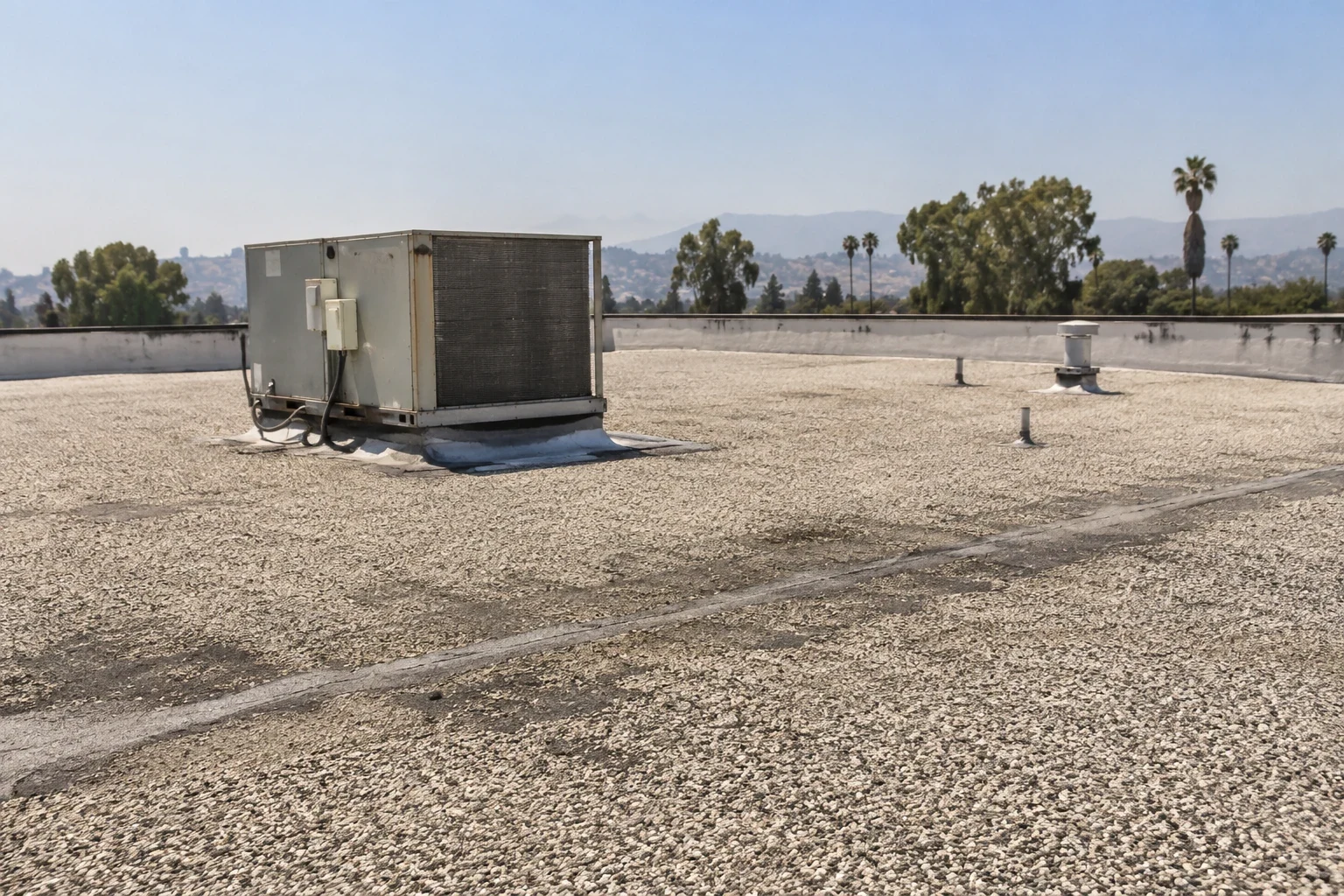
Commercial Built-Up Roofing in Murrieta, CA
Assess built-up roofing in Murrieta, CA, with attention to ply condition, surfacing, drainage, deck capacity, repair limits, hot-work sequence and upkeep.
Learn More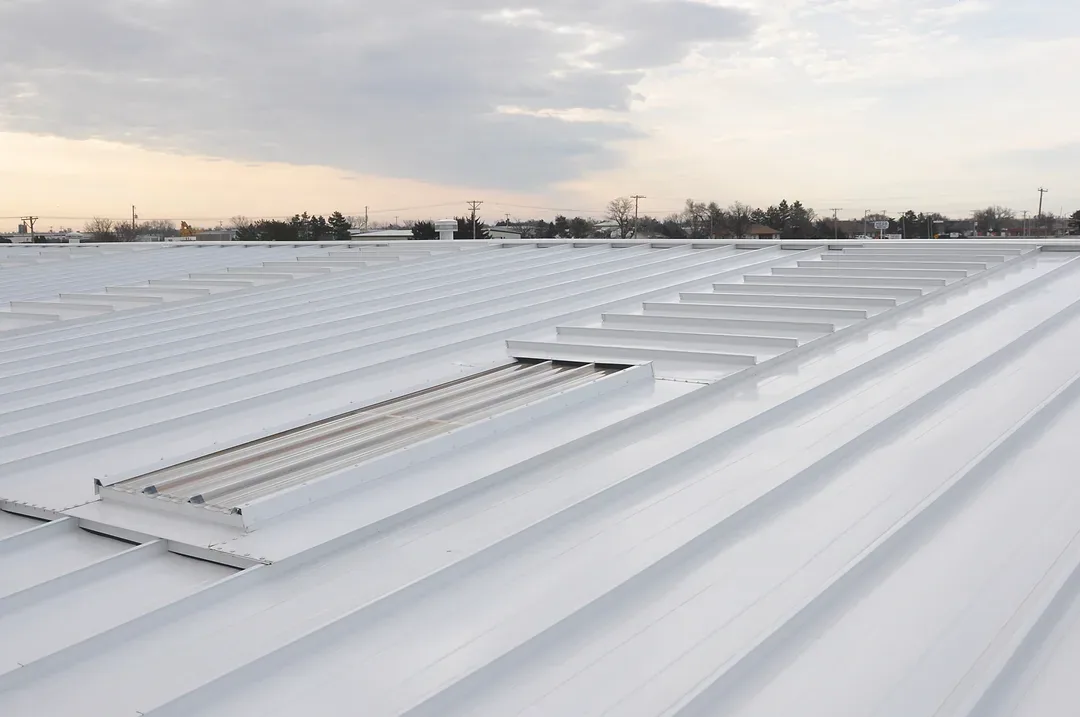
Commercial Standing Seam Metal Roofing in Murrieta, CA
Review standing seam metal roofing in Murrieta, CA, from panel type and clips to slope, movement, penetrations, drainage and repair planning.
Learn More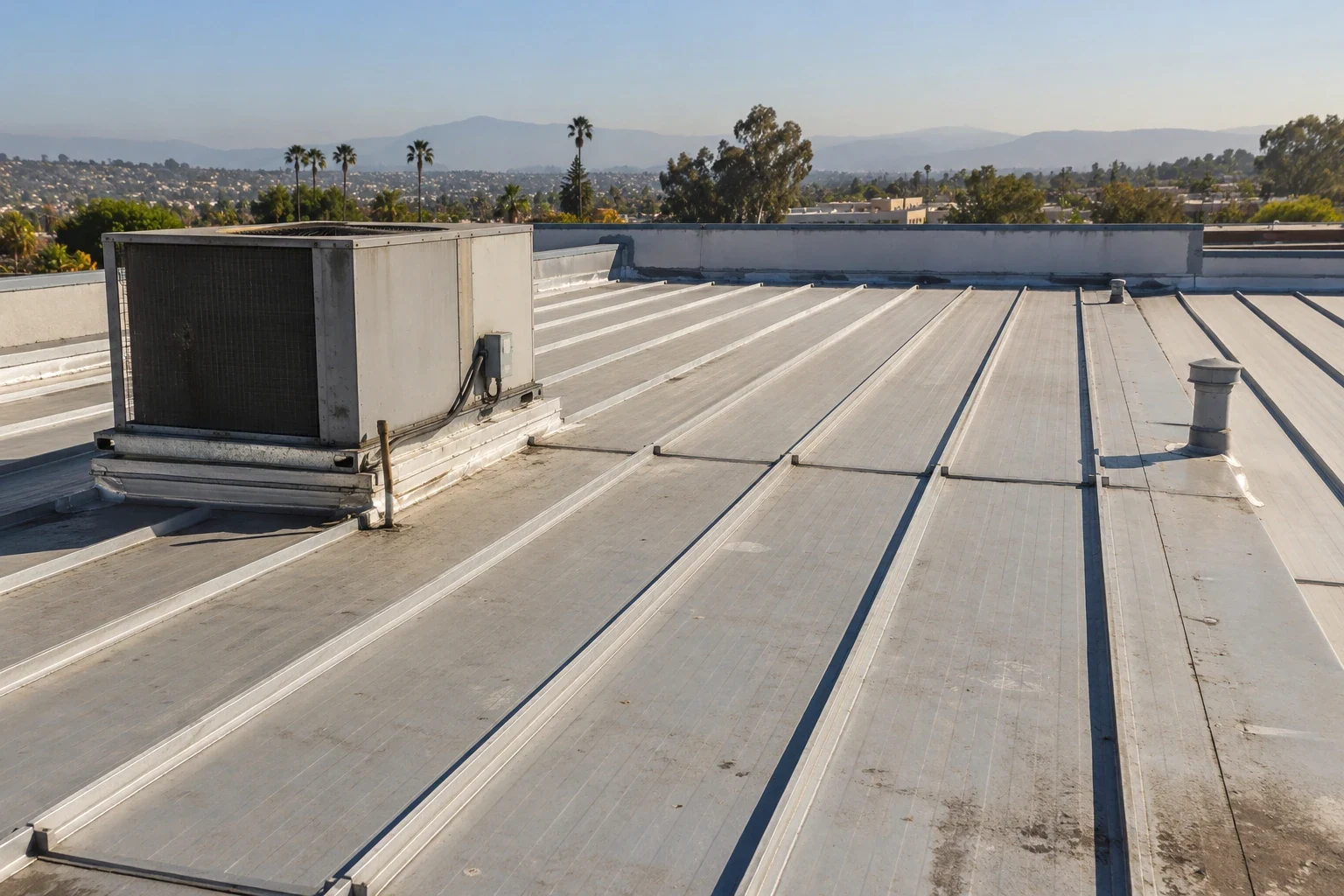
Commercial Metal Roof Retrofit in Murrieta, CA
Assess metal roof retrofit options in Murrieta, CA, from fasteners and corrosion to framing, drainage, insulation, access and system compatibility.
Learn More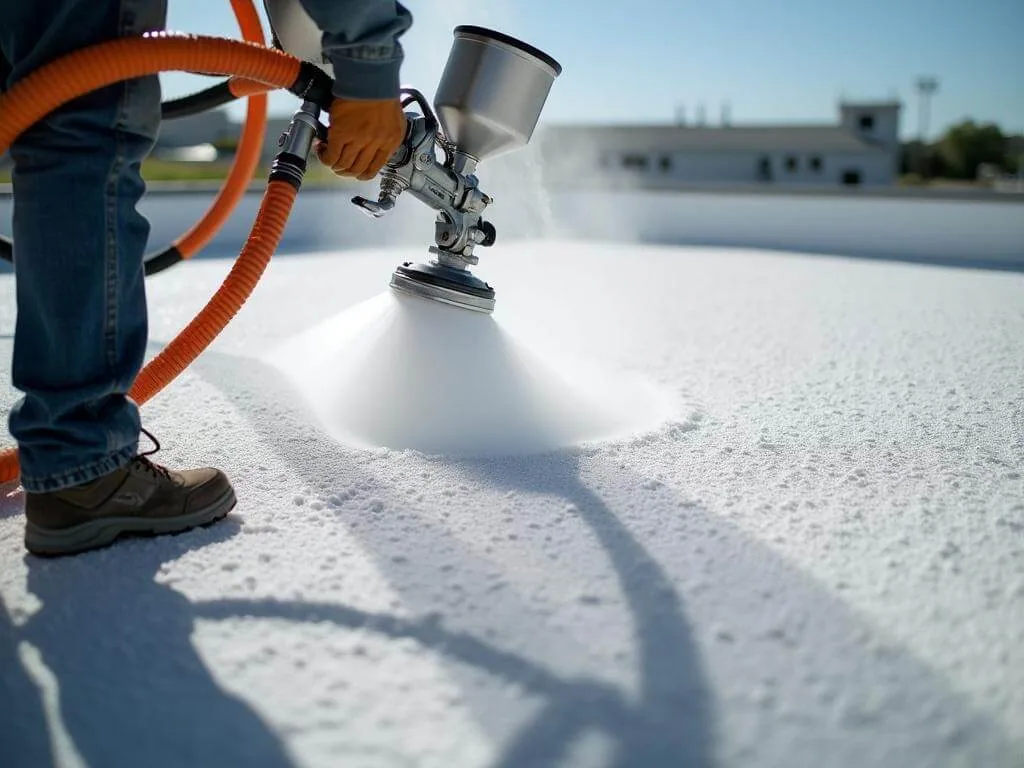
Commercial Spray Foam Roofing in Murrieta, CA
Evaluate spray polyurethane foam roofing in Murrieta, CA, including substrate moisture, thickness, protective coating, drainage, repairs and access planning.
Learn More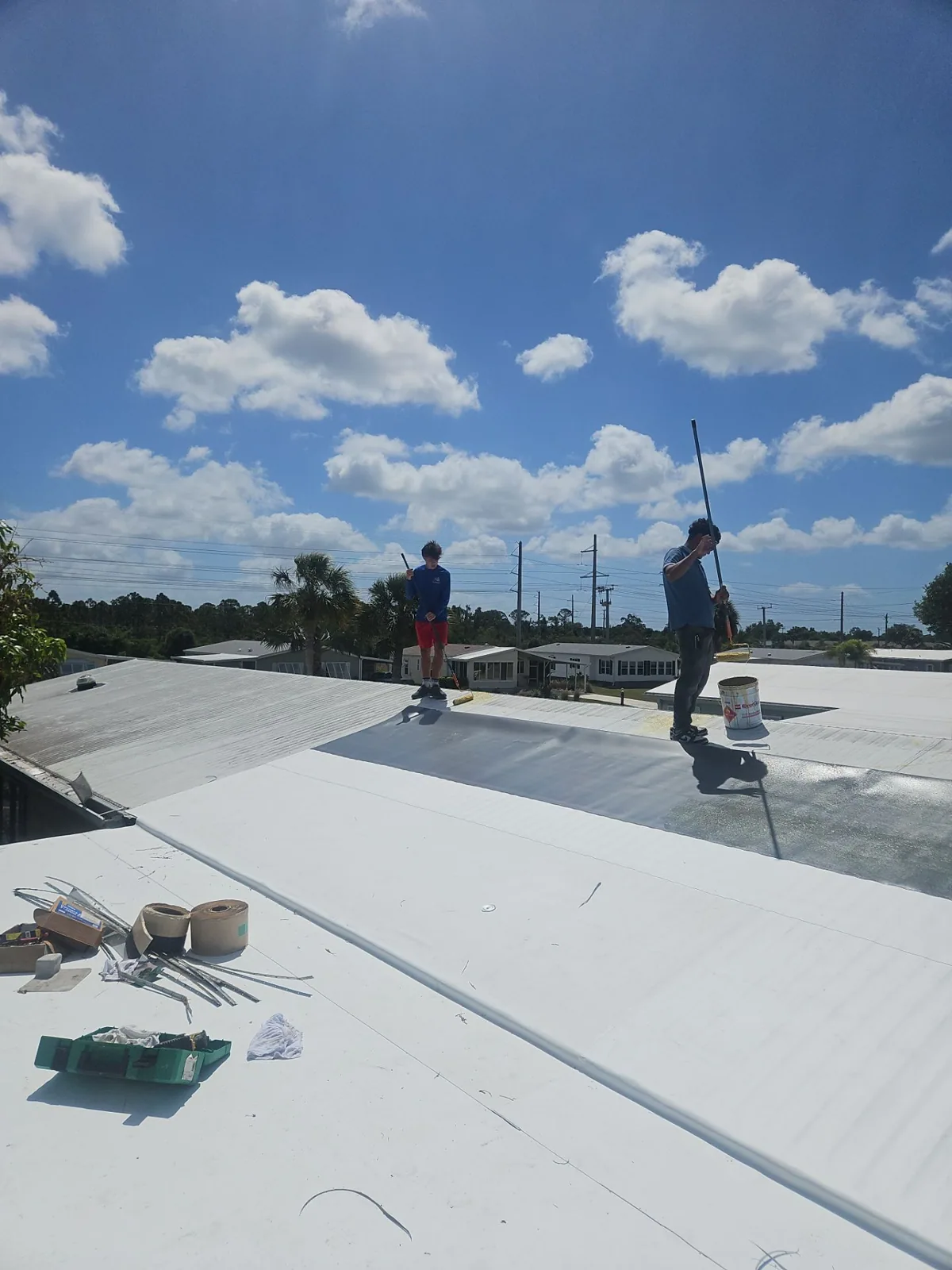
Commercial Silicone Roof Coatings in Murrieta, CA
Evaluate silicone roof coatings in Murrieta, CA, including substrate condition, ponding, adhesion, drains, application limits, repairs and maintenance.
Learn More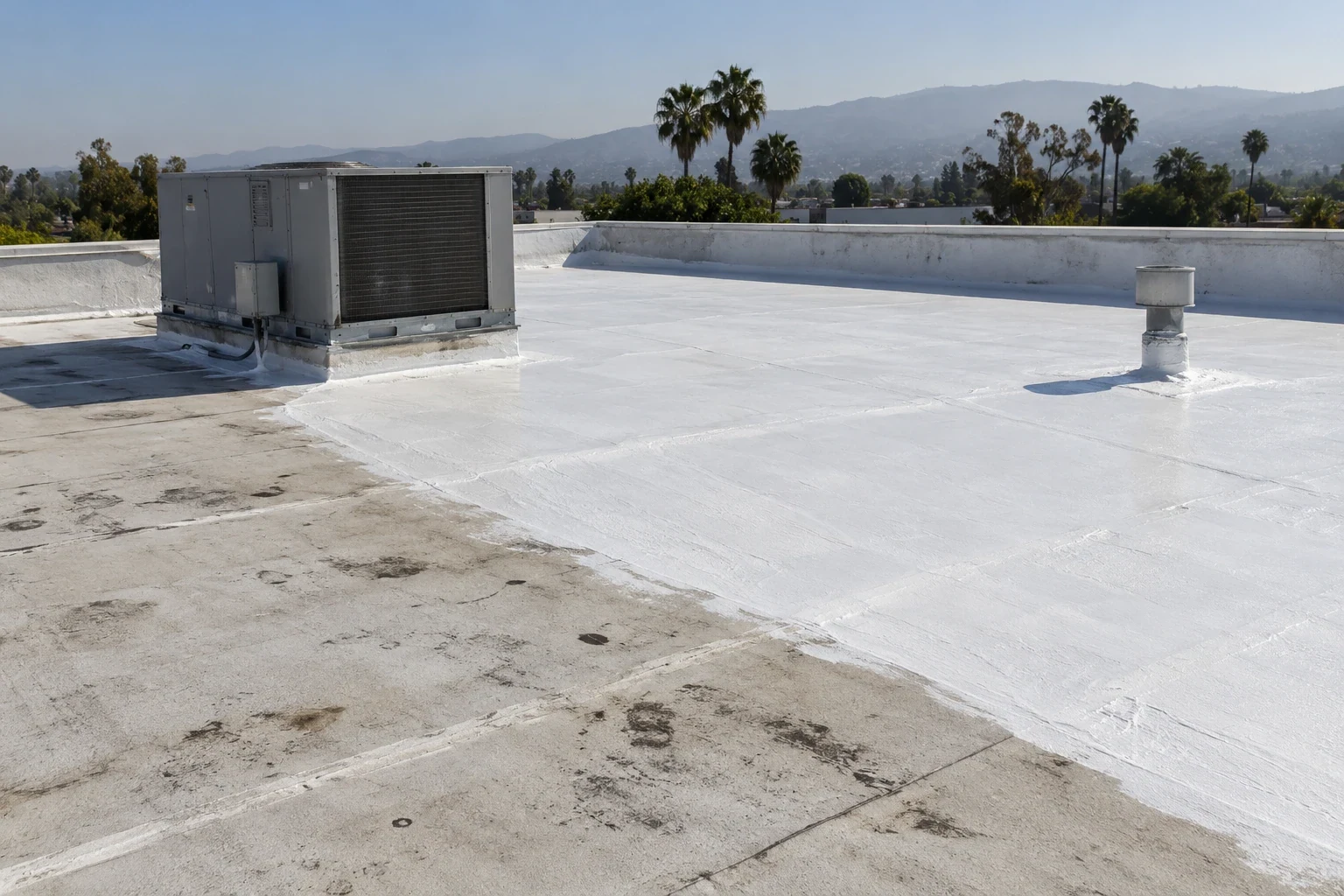
Commercial Acrylic Roof Coatings in Murrieta, CA
Review acrylic roof coatings in Murrieta, CA, including surface preparation, slope, drainage, application weather, repair details and maintenance needs.
Learn MoreSystem detail: Read the assembly as a connected set of details
On a single-ply roof, membrane choice matters, but so do seam condition, attachment, substrate and how the field turns up at walls and curbs. A TPO roofing review and a PVC roofing review should compare project conditions and manufacturer requirements rather than assume one sheet fits every building. For another thermoplastic option, see KEE roofing. If an existing surface is aged, the inspection should identify whether damage is limited to details or continues through the field.
Owner decision: Include legacy and retrofit assemblies
Some roofs use EPDM, modified bitumen or a multi-ply built-up system. Metal roofs introduce panel laps, fasteners, oxidation and movement at transitions. A metal roof retrofit may be considered only after the deck, attachment and proposed support conditions are checked. A new surface does not correct a weak deck or a drainage layout that leaves water behind.
System detail: Connect material behavior to roof observations
Murrieta's planning document reports a historical precipitation baseline for 1950-2005 and a broad late-century scenario range, while warning that changing patterns could increase both flood and drought periods. These are projections, not recent measured rainfall. On the roof, we look at actual evidence: ponding marks, drains and scuppers, open laps, blisters, sealant splits and interior reports. A coating system such as silicone roof coatings or acrylic roof coatings needs a compatible, dry and properly prepared substrate. Inspection findings decide whether restoration belongs in the comparison.
Owner decision: Make the comparison specific to the building
A useful side-by-side review records existing assembly, known moisture, repair history, curb details, drainage and access constraints. The owner can then compare service life assumptions, disruption, maintenance and replacement boundaries without treating an unverified roof as a standard example. A commercial roof inspection creates the field record; a condition report keeps mapped observations together for the next decision.
Commercial Roofing Questions
How do you identify an existing roof system?
We record visible membrane or panels, seams, attachment clues, edge details and available project records. Hidden layers may require additional investigation.
Does a reflective surface solve ponding?
No. Drainage and low areas need attention on their own. A surface treatment should not be used to conceal a water-management problem.
Can two membrane brands be compared directly?
Compare current technical requirements against the deck, substrate, attachment, details and project conditions. Names alone do not establish equivalent performance.
What should a system review include?
Include roof sections, seams, transitions, drains, rooftop equipment and repair history. Note anything inaccessible or unverified before comparing options.
Compare roof system options
Arrange a roof review with the existing assembly, leak history and project timing. We will note what must be verified before repair, restoration or replacement is priced.