
Commercial Roof Replacement in Murrieta, CA
Plan a commercial roof replacement in Murrieta with a clear tear-off, drainage, insulation and work-sequencing scope for an occupied building.
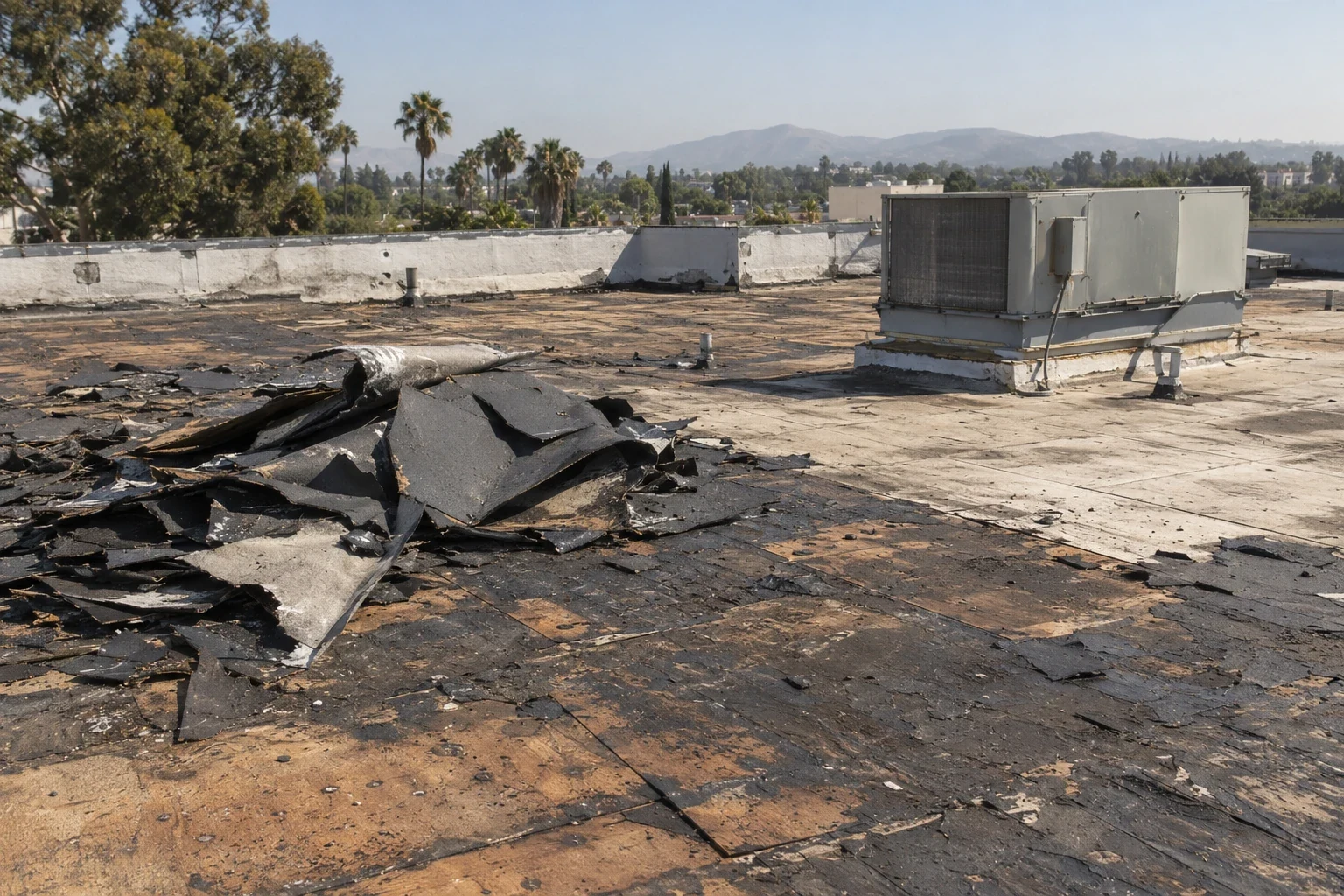
A reroof becomes a different job once water has reached insulation, seams have opened in several sections, or repairs keep moving from one detail to the next. In Murrieta, CA, more than two million square feet of space exists in business parks, so replacement planning can involve offices, service operations, loading areas and rooftop equipment sharing one work surface. We begin by inspecting the assembly that is there, not by assuming the visible membrane tells the whole story. The scope should identify what comes off, what remains, where wet materials are found, how the new roof drains and how access will work while the building stays active. A replacement may be the right choice when repairs cannot restore a dependable assembly. A recover can still be considered when the existing roof qualifies. A hands-on roof inspection gives the owner a usable basis for that decision.
Existing Assembly: Start With What the Roof Shows
Blisters, split seams, loose edge metal, soft insulation and recurring interior stains point to different problems. A replacement inspection maps these conditions across the roof instead of treating one leak as a complete diagnosis. We check membrane attachment, laps, penetrations, perimeter transitions, drains, scuppers and equipment curbs. Where the surface hides moisture, probes or test cuts can help establish how far the damage extends. The report should distinguish material that needs removal from areas that can remain, and it should show the reason for each boundary. That detail matters when an owner compares a complete tear-off with a roof recover over an existing system. We also look at repairs already made, because a patch that covers a movement joint or traps water can affect the new design. Photos and marked roof sections help the project team price a defined scope rather than a vague allowance for unknown conditions.
Tear-Off or Recover: Keep the Choice Evidence-Based
A tear-off removes the existing roof layers so the deck and insulation can be examined directly. That opens the way to replace wet or deteriorated material, correct substrate issues and build the new assembly from a known starting point. It also creates more removal, disposal and exposure risk, so weather protection and sequencing need to be planned. A recover can avoid some demolition when the existing system is dry, stable, compatible and within applicable code limits. It is not a shortcut around a failed deck, saturated insulation or trapped moisture. We compare the findings with the proposed roof system and explain where a recover is suitable or where removal is the sounder scope. Murrieta’s Jefferson-Madison area has planned business-park and innovation zoning; those plans do not count completed roofs. For existing buildings there, as elsewhere, the assembly inspection determines the work. Owners weighing membrane options can compare TPO roofing with modified bitumen systems after the deck, drainage and use are understood.
Drainage and Details: Design the Whole Water Path
A new membrane does not correct a roof that sends water toward the wrong low point. We check slope, drain locations, scuppers, overflow provisions and places where equipment or additions interrupt the water path. Tapered insulation can improve drainage when the structure and detail conditions support it, while drains may need repair or reset as part of the project. These are common change points between roof sections, and they need compatible flashing details rather than a generic field-sheet specification. For a building with many penetrations, the edge and perimeter details and equipment-curb work should be priced as part of the assembly. A written plan for deck repairs, insulation thickness, cover board, attachment and membrane helps avoid treating these components as afterthoughts once tear-off exposes them.
Occupied Operations: Divide the Work Into Manageable Sections
Replacement work can affect deliveries, customer entrances, parking, rooftop service calls and indoor activity. Before mobilization, we map staging and material routes, identify roof areas that can be opened safely, and coordinate the daily dry-in point with the building schedule. A phased approach can keep separate areas protected while crews progress, although additional mobilizations may change cost and duration. Loading docks and tenant access need particular attention when tear-off or crane work is near active circulation. Murrieta’s business parks account for more than two million square feet of existing space; Temecula’s Old Town district runs about a mile from end to end. Those different settings call for a replacement scope tied to each building, not a copied detail set. Perris’s Downtown Perris plan gives the 4th Street Corridor a planned commercial-frontage role with retail, office and mixed-use opportunities. A phased scope still needs to match the actual building’s access and occupied hours, not assume that every property follows the same sequence. For a busy facility, occupied-building sequencing can be discussed before the work dates are fixed.
Closeout: Make the New Roof Easier to Manage
Before construction, settle how hidden conditions will be documented and priced. The proposal should state the assumed deck condition, included insulation and cover board, perimeter and penetration details, removal limits, temporary protection and the process for approving concealed repairs. It should also identify access restrictions and the work areas expected each day. During installation, progress photos and inspection notes can show what was removed, what was replaced and how the details were completed. At closeout, the owner should receive the final roof-system information, maintenance recommendations and a record of completed work. A condition report and preventive maintenance plan can help the facility team track drains, seams, flashings and follow-up items after the crew leaves. These records do not replace periodic inspection. They give the next decision-maker a clear starting point when a leak, tenant change or capital review brings attention back to the roof.
Commercial Roofing Questions
What findings make a full replacement preferable to another repair?
Repeated failures across separate roof areas, widespread wet insulation, an unstable deck or details that cannot be restored without opening several layers can support replacement. We map the damaged zones and explain which conditions remain repairable. If the failed areas are isolated and the surrounding assembly is sound, a targeted repair may still be reasonable. The written inspection should show the evidence behind the recommendation and describe the consequences of leaving affected material in place.
Can an existing commercial roof stay in place under a new membrane?
That depends on moisture, attachment, surface condition, compatibility and applicable code requirements. A recover is considered only after the existing assembly is inspected and the added system has a suitable substrate. Wet insulation, loose layers, deck concerns or incompatible materials can rule it out. We explain whether test cuts or additional investigation are needed before the owner commits to a recover or tear-off scope.
How should we handle discoveries after tear-off begins?
The proposal should set an allowance and approval method for concealed deck or insulation damage. We photograph the condition, mark its location and give the owner a defined repair choice before the crew covers it. That keeps the changed work tied to an observable condition. The daily dry-in plan also matters, since open sections need protection if the project pauses for an approval or material decision.
What changes the schedule for a business-park reroof?
Roof area, removal depth, deck repairs, system attachment, material delivery, weather exposure and access all affect sequence. A property with active loading or rooftop service needs may require smaller work zones and careful coordination. We review those conditions before setting a start plan, then identify what must be ready from the building side, including access, staging permission and communication with affected occupants.
Which replacement system should we compare first?
Use the deck, slope, drainage, existing assembly, rooftop traffic and project requirements to narrow the choices. A single-ply membrane, modified bitumen or metal assembly has different seams and detail methods. We can compare those differences after the inspection establishes what the roof needs. Product selection should follow the building conditions, not begin with a material name and force the rest of the scope to fit.
Related Roofing Work
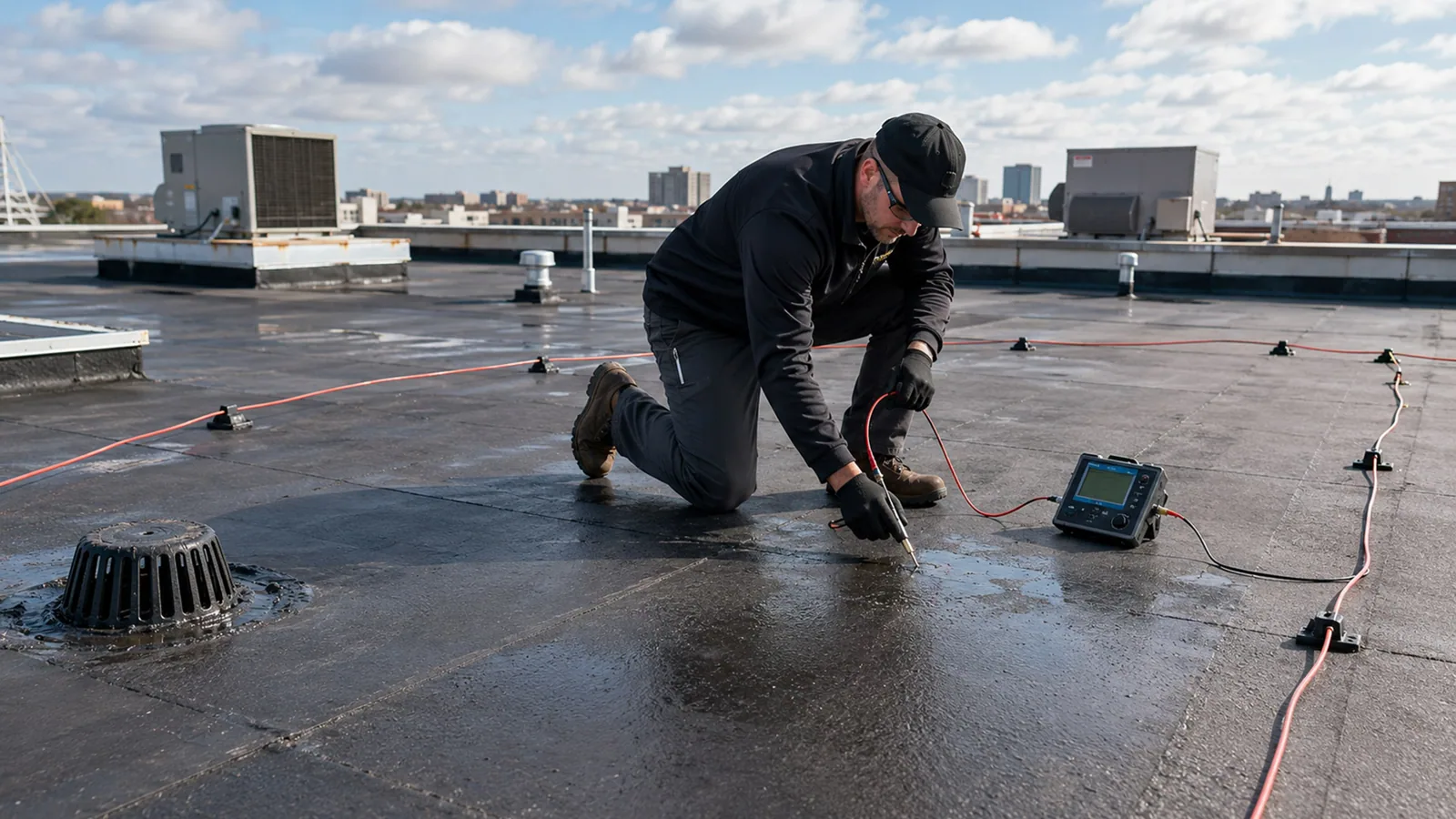
Commercial Roof Inspection in Murrieta, CA
See how this work fits the roof, the building and the schedule.
Learn More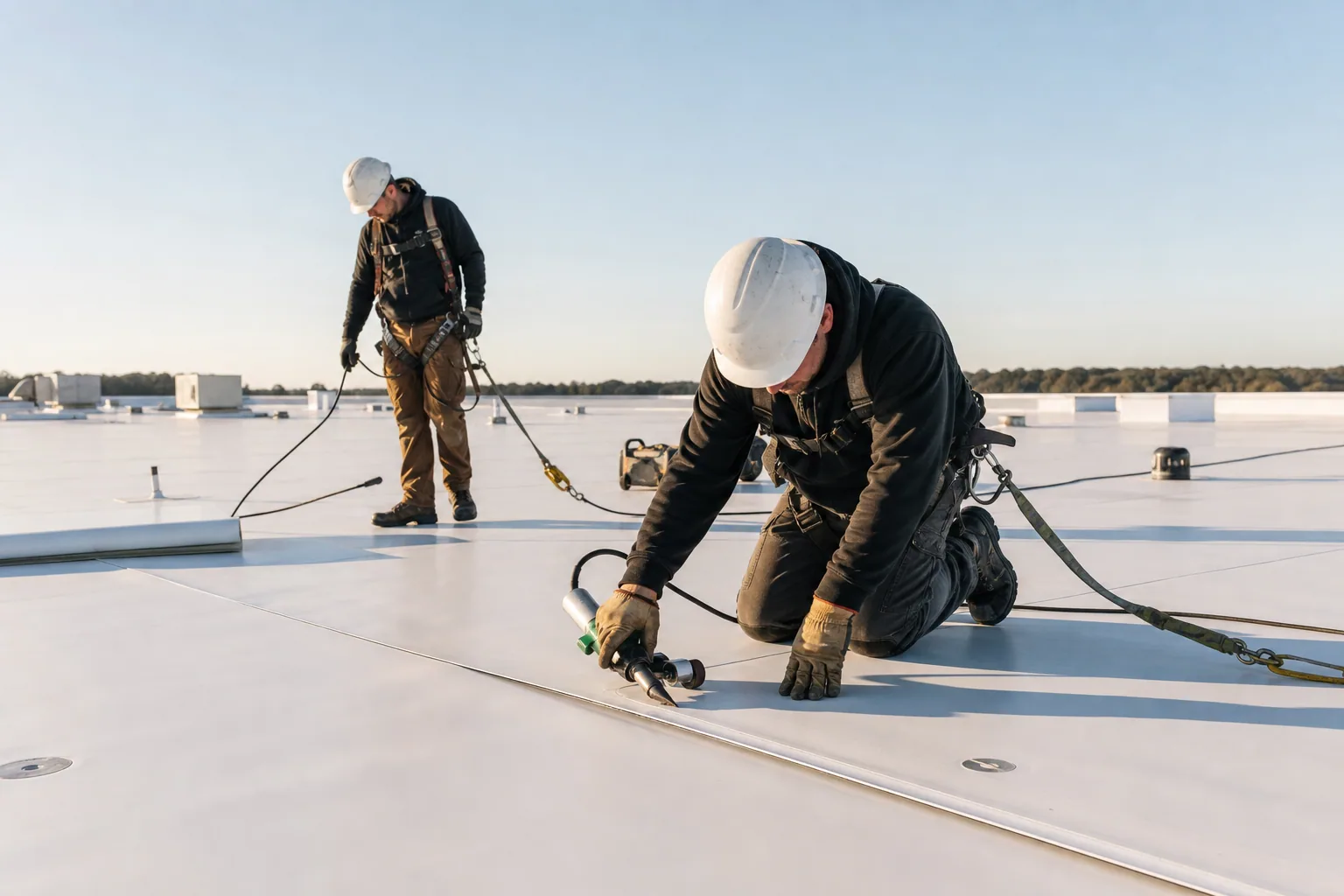
Commercial Roof Recover in Murrieta, CA
Related scope, access notes and questions to ask before work starts.
Learn More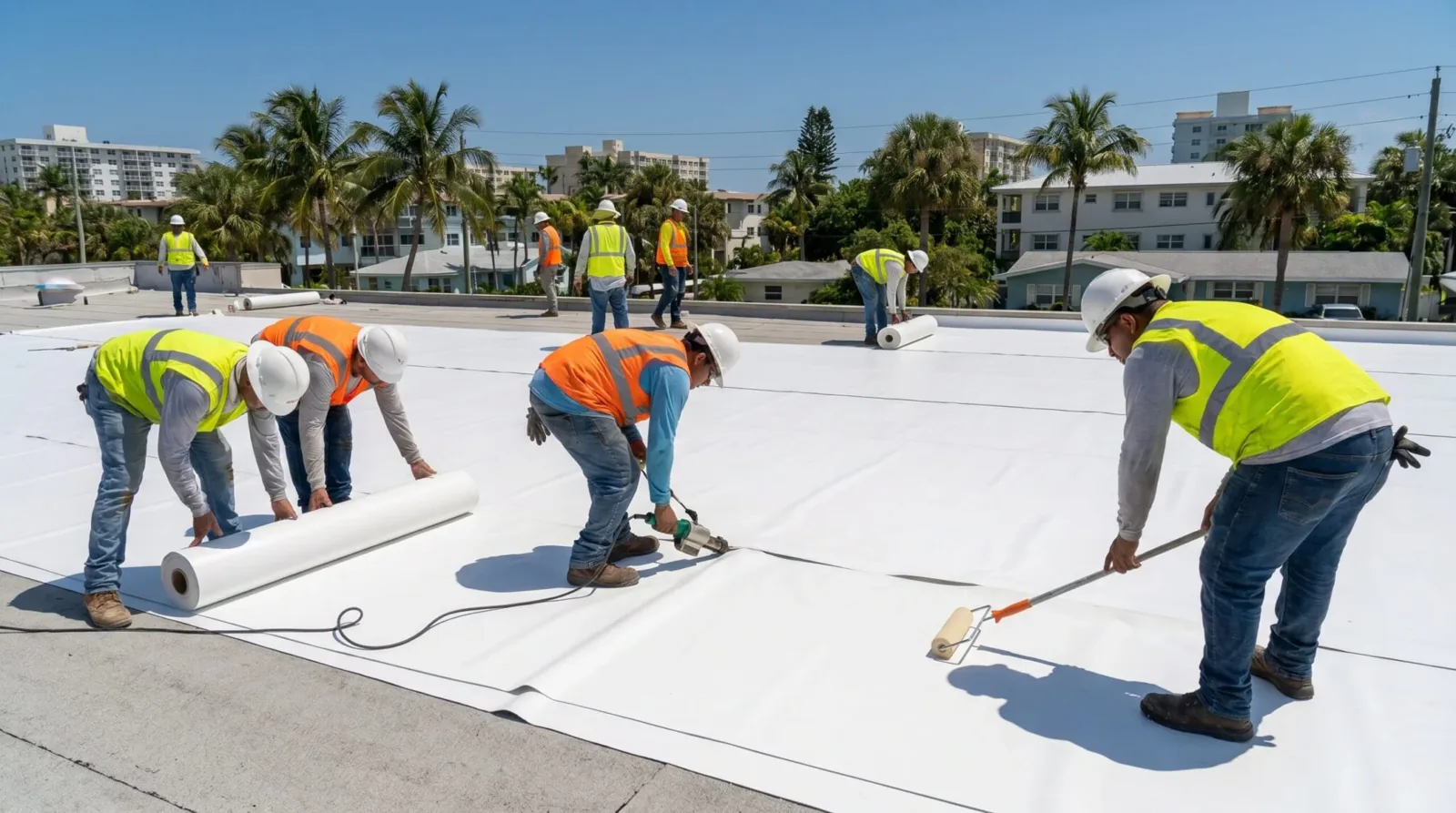
Commercial TPO Roofing in Murrieta, CA
Read the full description and the questions owners ask about it.
Learn More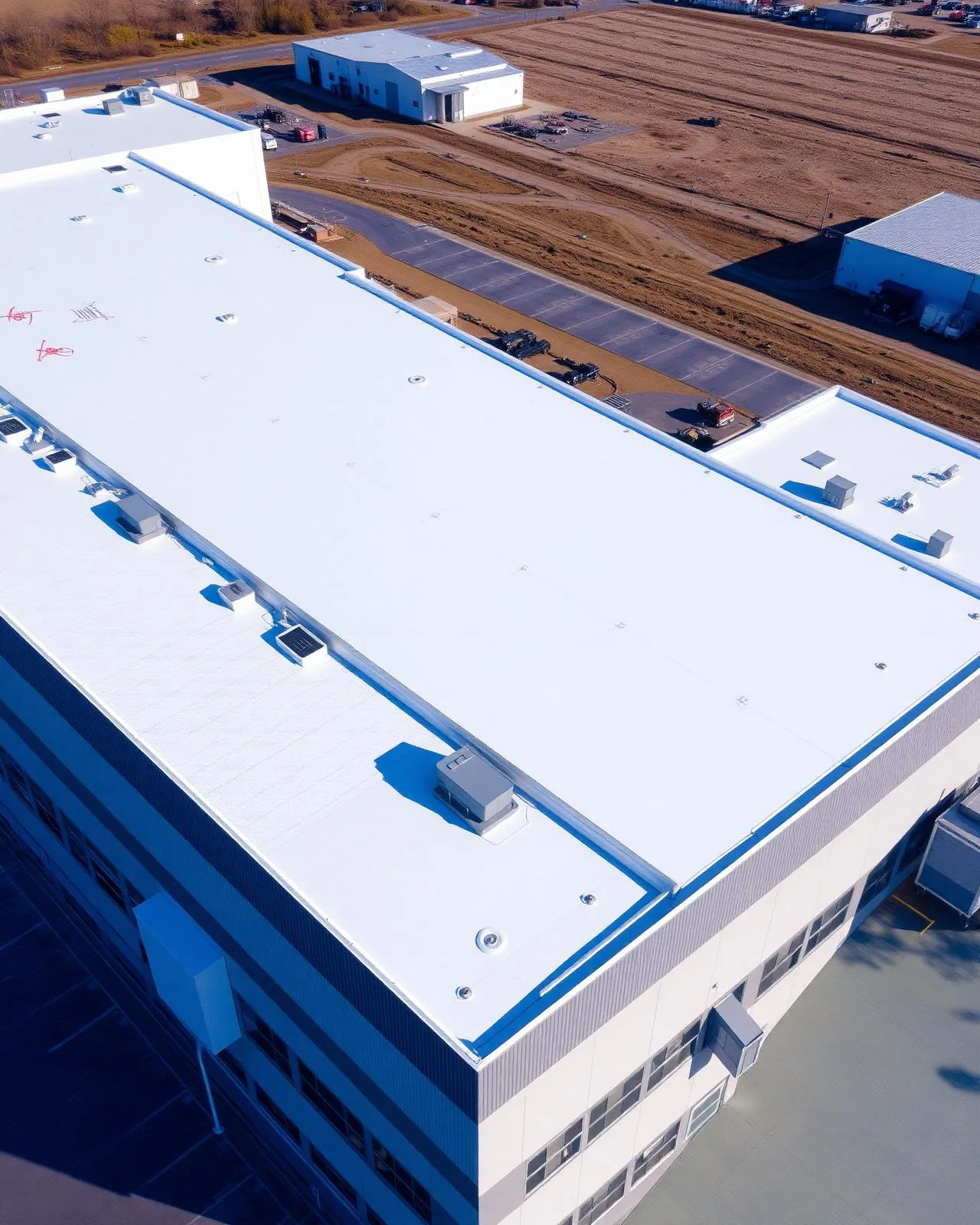
Commercial Modified Bitumen Roofing in Murrieta, CA
See how this work fits the roof, the building and the schedule.
Learn More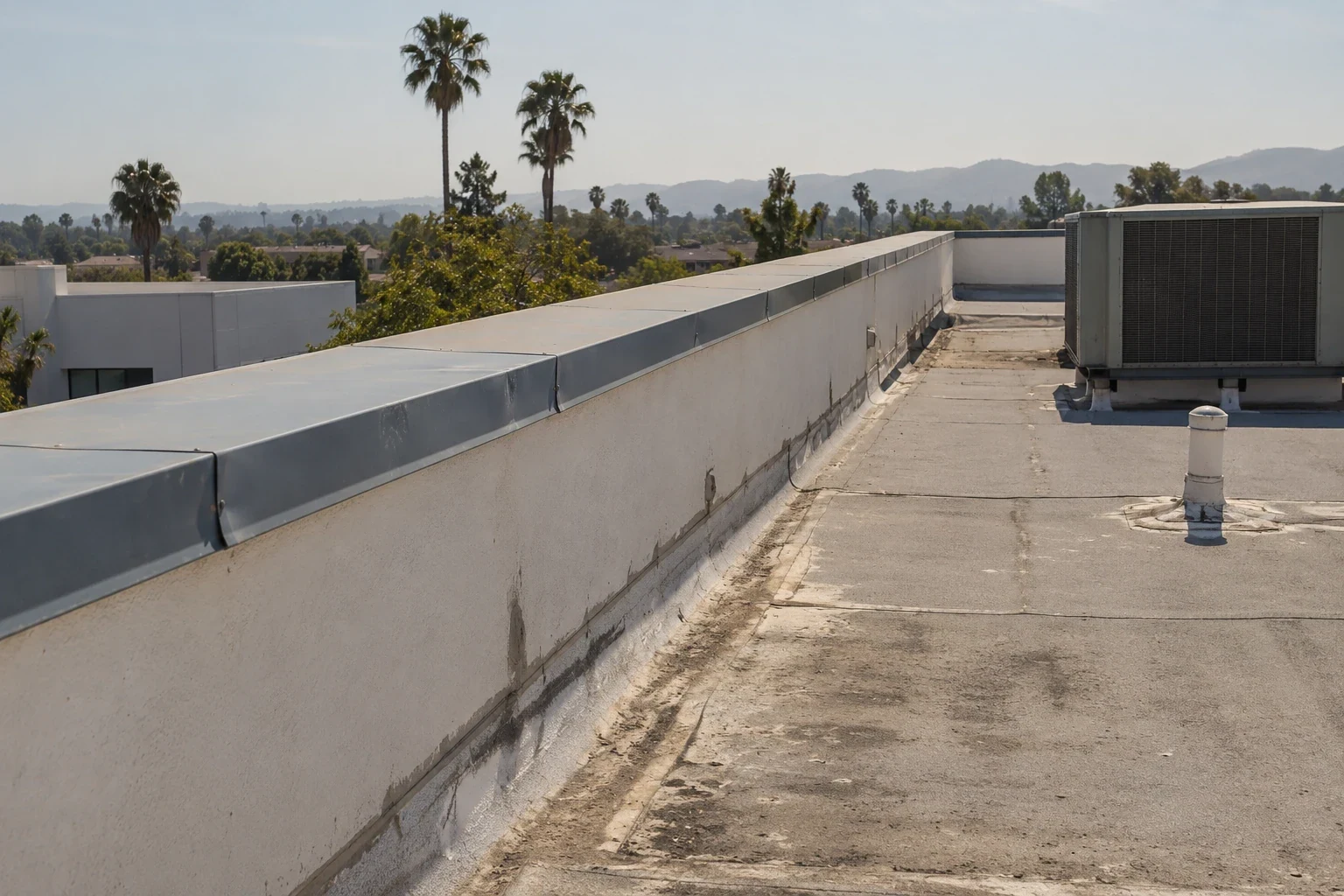
Commercial Roof Edge Metal, Coping and Gutters in Murrieta, CA
Related scope, access notes and questions to ask before work starts.
Learn More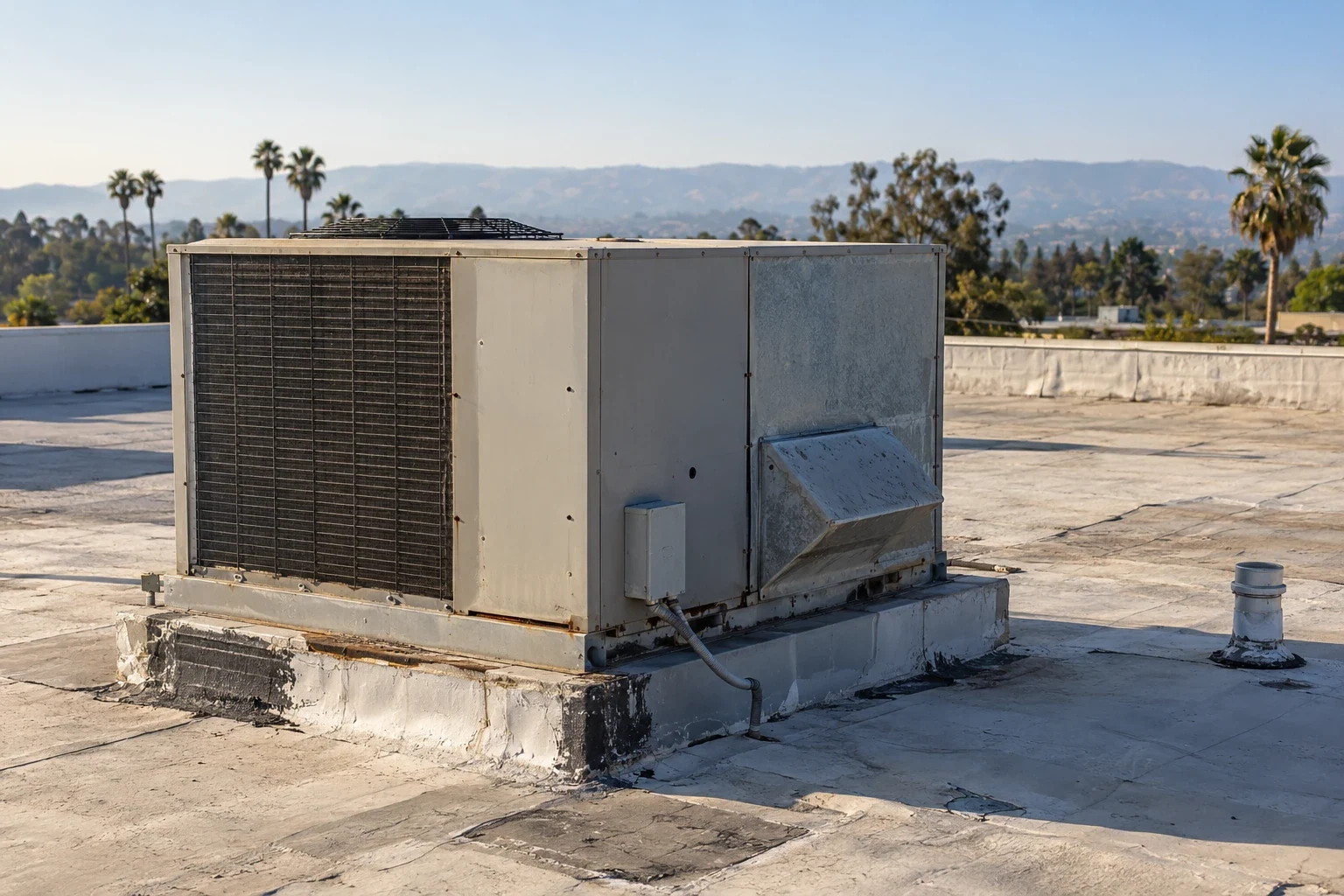
Rooftop Equipment Curbs and Supports in Murrieta, CA
Read the full description and the questions owners ask about it.
Learn MorePlan a Commercial Roof Replacement
Arrange an inspection in Murrieta to document the existing assembly, compare tear-off with recover options, and define the work sequence for your building.