
Data Center Roofing in Murrieta, CA
Plan data center roof inspection, repair or replacement in Murrieta, CA, with attention to penetrations, drainage, uptime and controlled roof access.
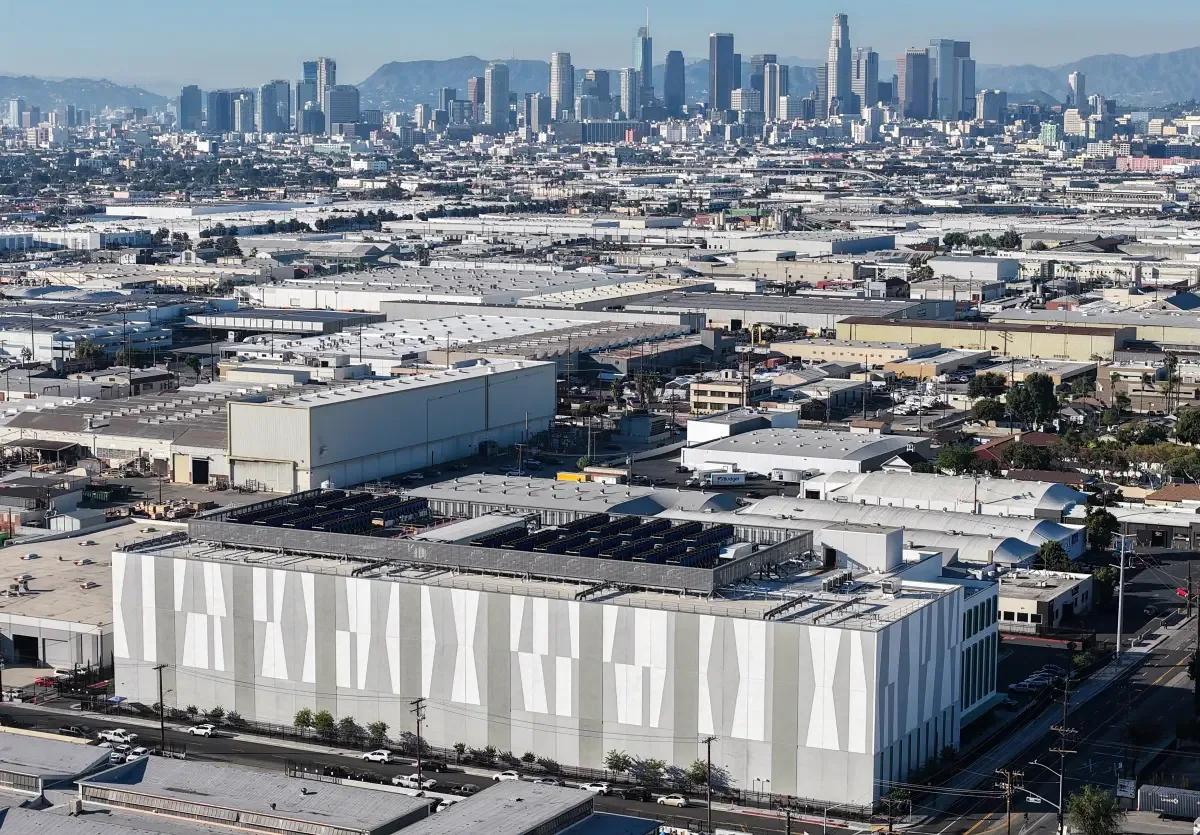
Cooling equipment can need roof access at the same time a membrane needs repair. Data center roofing in Murrieta starts with the service path, penetrations and drainage around the actual facility, then identifies which roof sections can be opened without disrupting critical operations. The City’s Keller Road and I-215 materials describe a future medical and technology corridor, including planned development capacity; those plans do not confirm completed data centers. We make no assumption about a specific facility. Our inspection documents the installed roof, visible conditions and access controls so the owner can weigh repair, recover or replacement with an operating plan. A commercial roof inspection provides the first condition record.
Cooling Equipment: Preserve Each Service Route
Roof-mounted condensers, chillers, piping and controls can create dense groups of curbs and supports. We inspect flashing at each base, the membrane around vibration points, clearances for mechanical technicians and the route between roof access and equipment. A leak at one curb may spread along insulation before reaching an interior ceiling. We compare the roof finding with the affected room and document where the moisture path remains uncertain. If a mechanical component must move, its trade needs to coordinate timing and temporary protection with the roofer. A curb and support review helps identify whether the base, flashing or surrounding membrane needs correction.
Critical equipment should not be isolated by staging pallets, hoses or debris in its service path. We mark access zones, fragile surfaces and areas where work needs a brief release from facilities. If several roof sections connect, the project plan should say how a crew will keep one route open while another section is under repair. Photos and a roof map help the facility team locate each transition afterward. A condition report can record curb numbers, repair locations and any access restriction that remains after closeout. That record is useful when later mechanical work might disturb the membrane or obstruct drainage.
Operations: Define an Uptime-Aware Work Boundary
Roof access at a data center may require notification, escort, badging or a documented maintenance window. We follow the property’s established controls and confirm who can authorize entry and roof opening. The roofing sequence should identify the section worked each shift, temporary dry-in, weather monitoring and the person receiving closeout notice. If a hidden deck issue appears, the owner should know how approval is obtained before a larger area is exposed. An occupied-building reroof plan can connect these access steps with interior protection, deliveries and work above active spaces.
Murrieta’s planning materials describe the Keller Road/I-215 interchange as intended to improve access to current and planned medical, hotel and research operations. That is a future project context, not proof of a completed technology campus. Temecula’s business-attraction list includes makers of medical devices and injection-molded products among its target industries. These nearby facts do not identify a data center, but they underscore that regional facilities can have different access and equipment requirements. We review the actual security process, mechanical windows and emergency contacts with the owner before setting a date. The roof plan should support the facility’s controls rather than introduce an uncoordinated route.
Drainage and Penetrations: Keep the Assembly Legible
Every pipe, conduit rack and curb adds a flashing detail that can age or be disturbed during service. We look for open corners, loose terminations, unsealed fasteners, incompatible patches and movement around supports. A broad coating over a crowded detail can hide a problem without correcting its base. If the roof has multiple layers, test areas can reveal whether insulation remains dry and whether attachment can support a recover. Drain bowls, strainers, scuppers and overflow routes need access after rooftop equipment or new insulation is installed. A drainage correction should restore the water path and leave the equipment service zone clear.
Murrieta’s climate plan defines extreme heat at 105.1 degrees or higher during April through October and documents historical and projected averages for the city. If heat, equipment vibration or service traffic has damaged an area, we show the repair boundary and nearby observations. Compare manufacturing roof planning for process equipment needs and office roof work for access across occupied spaces.
Repair Scope: Separate Protection From Permanent Work
A critical facility may need quick weather protection before a permanent repair can be designed. We document any temporary cover separately, including the roof area, attachment method, inspection interval and next step. A recover is only a sound comparison when the existing roof is stable and dry enough and the new layer fits drains, curbs and perimeter elevations. If openings show wet insulation or a weak deck, the plan should account for removal and the affected section’s dry-in.
Cost and schedule depend on roof area, staging, lift or crane access, the number of penetrations, equipment coordination, test cuts, insulation and edge work. They also depend on how many access windows the owner can release. The proposal should list those assumptions and state how weather delays or concealed conditions change the sequence. We can phase by roof section, but every temporary tie-in needs a closure and inspection plan. A recover evaluation can compare retained layers with removal, while a cover-board scope can address a required assembly change.
Closeout: Record the Roof for the Next Service Call
We identify repaired curbs, seams, drains and service lanes so a technician can find them without walking across an unrelated section. The closeout record should also list restrictions, such as a fragile surface or a temporary access route that needs protection.
Interstate 15 and Interstate 215 connect Murrieta’s business districts to regional routes; highway access does not set a project arrival time. A property’s entry and security process still determines how a crew reaches the roof. In nearby Temecula, the city highlights advanced manufacturing and medical-device work, while Murrieta’s corridor plans include future technology uses. Neither source identifies a particular data center. We base the scope on the facility under review. Arrange an inspection to document penetrations, drainage and work access before selecting the repair or replacement sequence.
Commercial Roofing Questions
Can roof repairs be scheduled without affecting facility uptime?
The work window depends on access approvals, equipment service needs, weather and the roof section involved. We coordinate daily boundaries and dry-in with the facility contact, and identify any point where a mechanical trade must isolate or move equipment. A realistic plan names the decision-maker for changed conditions before the crew opens the roof.
What roof details need special attention around cooling equipment?
We inspect curb flashing, piping supports, penetrations, service paths and the membrane where vibration or foot traffic can cause wear. The base must remain weather-tight while technicians can still reach the unit. The report should identify both the roof repair and any access constraint that continues after closeout.
Can you replace insulation without moving all rooftop equipment?
We map equipment, roof sections and access around each support. The roofing sequence then shows whether insulation can be replaced in place or a unit needs to move. If a unit must be raised or disconnected, its service contractor should plan that work before roofing starts.
What does a roof inspection establish at a data facility?
It records the visible assembly, drainage, penetrations, roof access and confirmed moisture or attachment findings. It does not substitute for an equipment assessment or security approval. We state what was observed, what was tested and what needs follow-up so the owner can set an evidence-based scope.
How should a phased reroof proposal address temporary tie-ins?
Each daily boundary should show how the exposed area is dried in and how the tie-in is inspected before the crew leaves. The proposal should identify weather assumptions, reopen points and the contact who approves schedule changes. The closeout map then records where temporary details were removed or made permanent.
Related Roofing Work
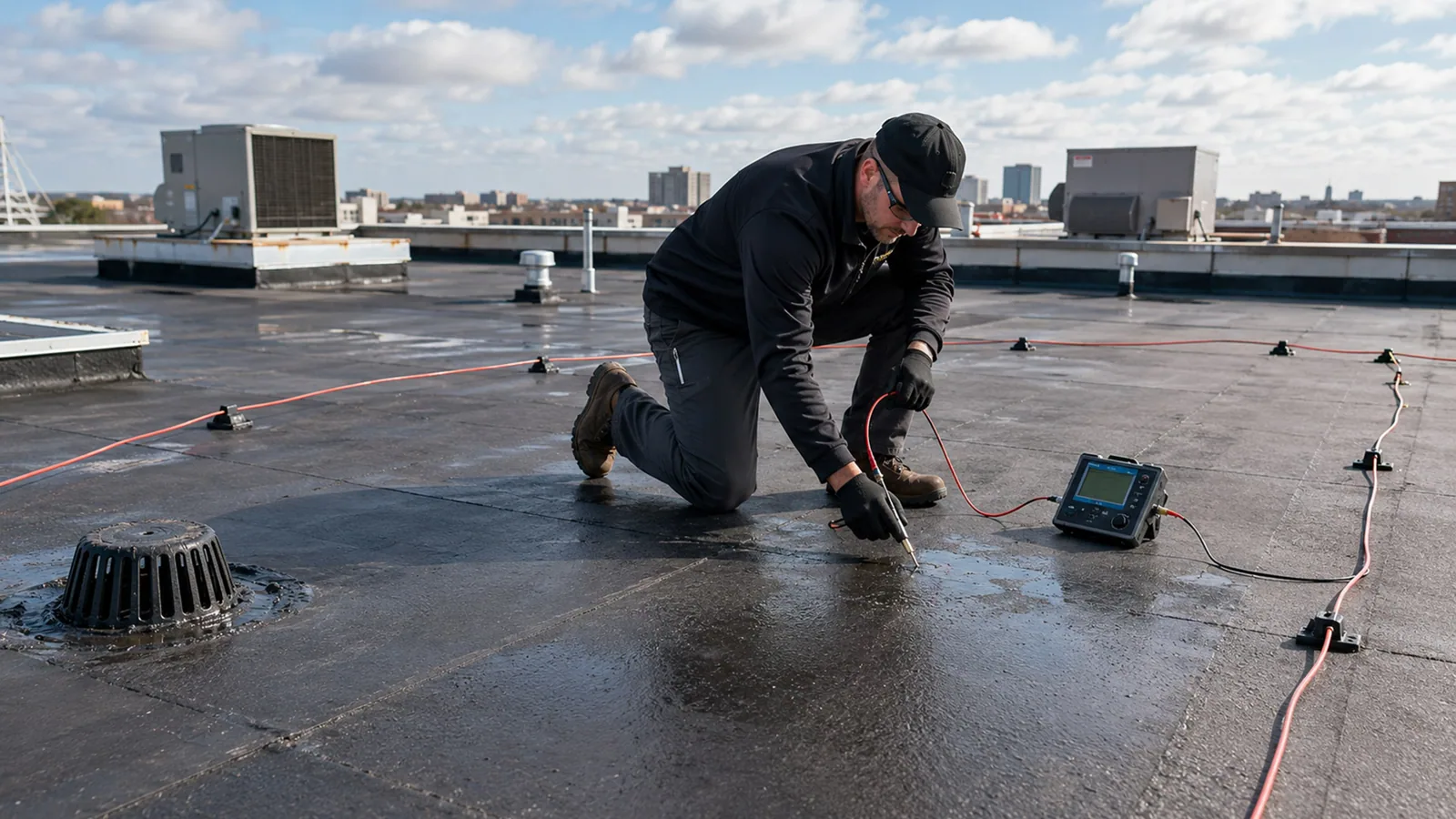
Commercial Roof Inspection in Murrieta, CA
See how this work fits the roof, the building and the schedule.
Learn More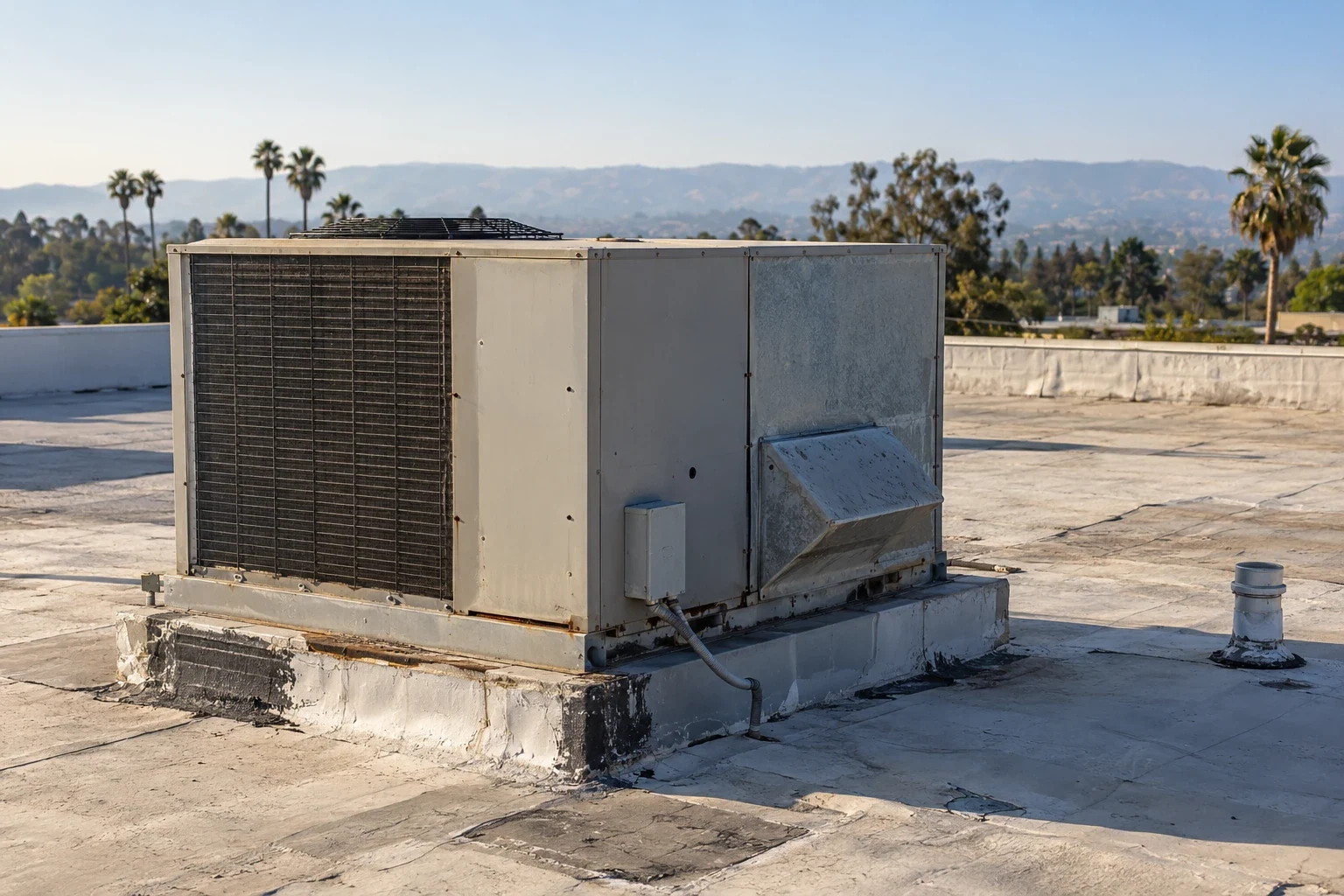
Rooftop Equipment Curbs and Supports in Murrieta, CA
Related scope, access notes and questions to ask before work starts.
Learn More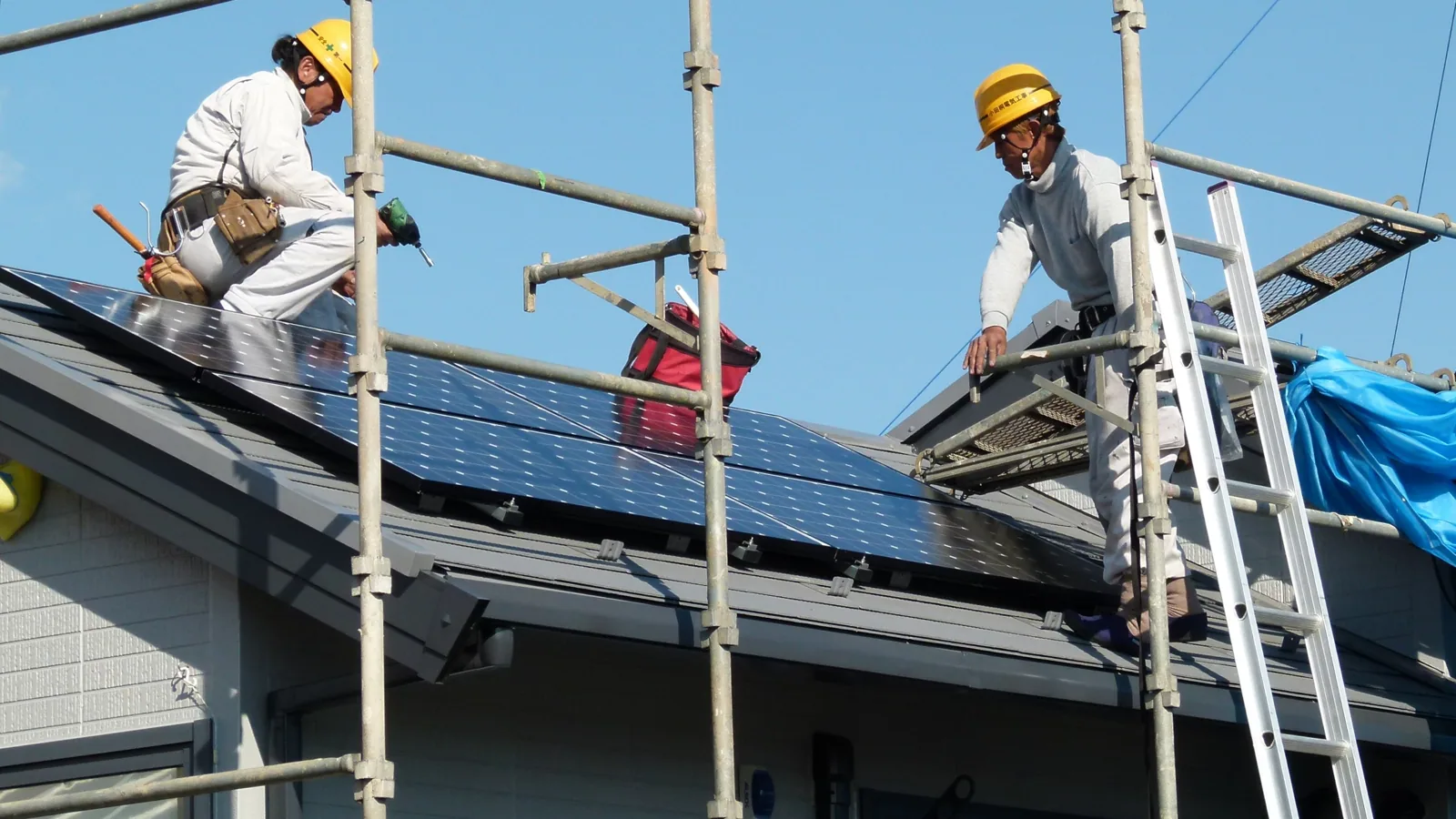
Occupied-Building Commercial Reroofing in Murrieta, CA
Read the full description and the questions owners ask about it.
Learn More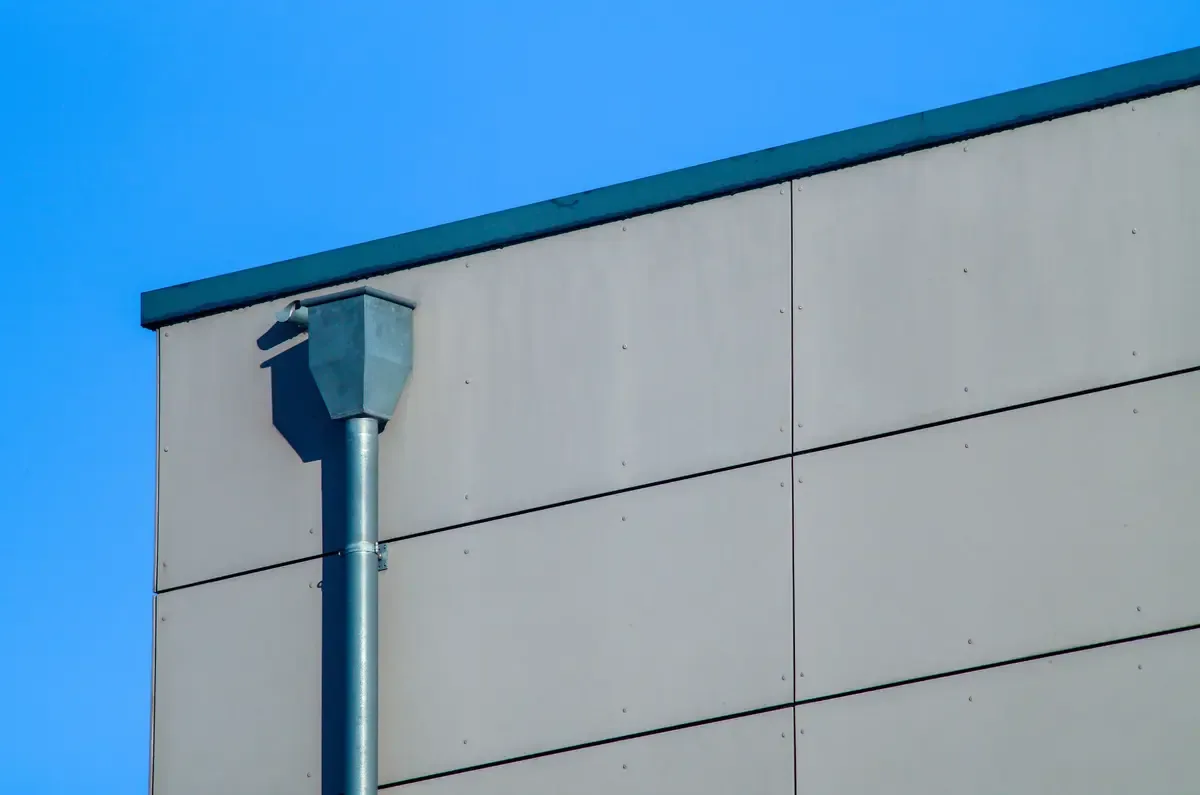
Commercial Roof Drains and Scuppers in Murrieta, CA
See how this work fits the roof, the building and the schedule.
Learn More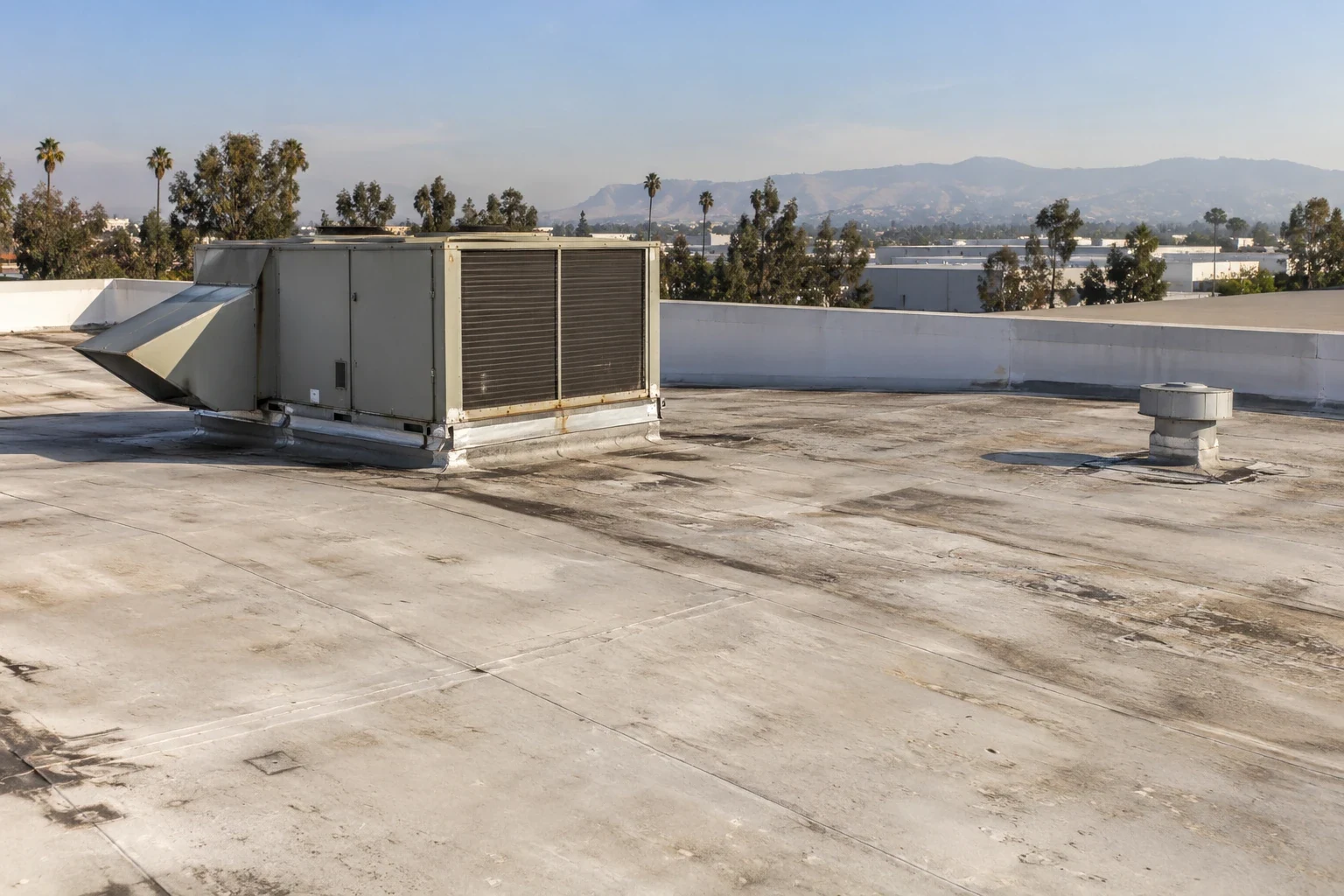
Manufacturing Plant Roofing in Murrieta, CA
Related scope, access notes and questions to ask before work starts.
Learn More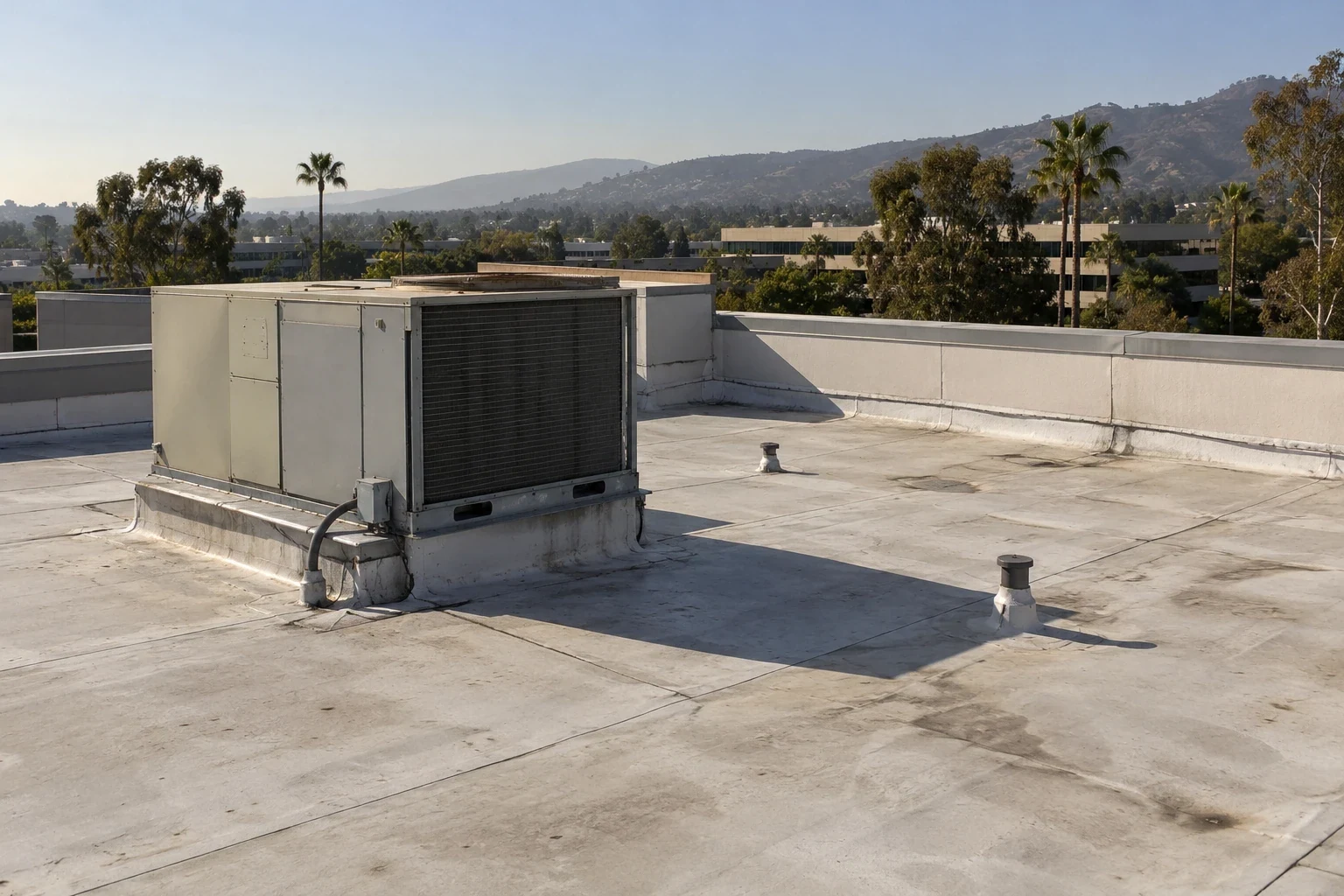
Office Building Roofing in Murrieta, CA
Read the full description and the questions owners ask about it.
Learn MorePlan Data Center Roof Work
Request a Murrieta inspection to review equipment interfaces, drainage and access controls before scheduling roof work.