
Emergency Commercial Roof Repair in Murrieta, CA
Get around-the-clock emergency commercial roof response in Murrieta to limit water entry, protect operations and define the permanent repair that follows.
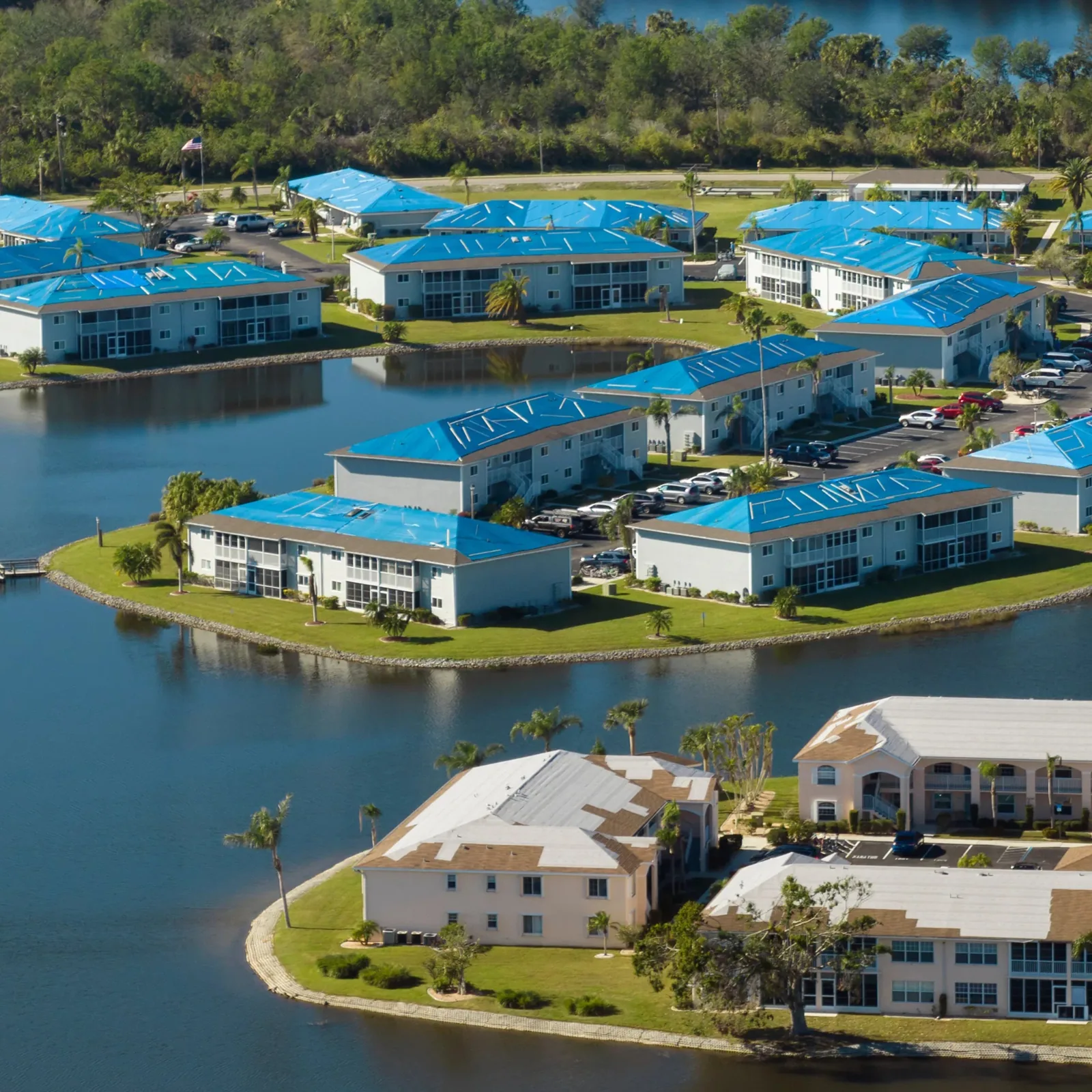
A storm call at night needs a calm first step: identify where water is entering, protect the space below and make the roof safe to access. Before an urgent visit, the team confirms roof access, active water movement, and any equipment or inventory that needs protection. We ask what is affected, whether water is still moving, what roof access is available and whether equipment or inventory needs protection. The first visit may involve temporary covering or controlled water diversion, followed by a permanent repair when the roof and weather allow. We do not promise a particular arrival time before confirming access and conditions. For Murrieta, CA, planning projections place annual extreme-heat days at 26 to 36 by 2050, compared with a historical average of five days per year from 1950 to 2005, depending on the scenario. That exposure matters to roof materials, but an emergency diagnosis still comes from the actual roof. For an active leak, call for commercial leak response; planned corrective work can follow with a permanent roof repair scope.
First Call: Describe the Building and the Water
Useful details help us prepare for the visit. Tell us which rooms or operations are affected, when the water started, whether it is steady or intermittent and whether a ceiling, light or electrical area is involved. Share the roof access method, any known alarm or escort process, and a contact who can meet the crew. If water is near electrical equipment, keep people clear and follow the building’s emergency procedures rather than entering a wet area. Inside the building, protect movable stock only when that can be done safely. Do not climb onto the roof or attempt a temporary repair without safe access and proper fall protection. A clear description of the roof assembly, if known, can help us bring suitable materials, but it does not replace inspection. Temecula’s business-attraction priorities include advanced manufacturing, a reminder that production spaces may have process equipment or shutdown needs to account for during emergency work. We confirm the actual site conditions with the building contact.
Roof Access: Check the Entry Route Before Mobilization
Access can affect what the first crew can safely inspect. A locked hatch, roof ladder, security desk, active loading area or restricted equipment zone needs to be identified before arrival. We confirm who can provide entry and whether a lift, escort or building-specific procedure is involved. If the roof is slick, dark, windy or otherwise unsafe, the inspection may need to wait for safer conditions while interior protection continues. At the roof, we look for openings, displaced flashing, loose membrane, punctures, clogged drains and damage around rooftop units. We also check whether water has moved under the surface, because the indoor drip may not be directly below the opening. A temporary cover should be secured to the building and should not block drainage or create a new hazard. The crew records the area protected and any condition that prevents a permanent correction on the first visit. The follow-up inspection can map the full repair boundary once access and visibility improve.
Temporary Protection: Keep It Stable and Traceable
Temporary work should reduce exposure without hiding the failure or trapping water in another roof section. Depending on the roof and weather, that may mean a secured tarp, a compatible temporary seal or a controlled path that moves water away from sensitive space. The choice depends on the surface, wind exposure, roof access and the remaining water path. We photograph the condition before applying temporary material when it is safe to do so, then note what the measure covers and what remains open. A temporary seal is not a substitute for welding a membrane seam, replacing failed flashing or repairing a curb detail. Wildomar’s zoning framework separates commercial, office, manufacturing and mixed-use categories. For emergency access at an active property, we confirm the building use, entry route and facility contacts before mobilizing. Where a particular membrane is confirmed, repairs use material suited to it, such as a compatible TPO detail repair or a membrane puncture correction.
Interior Coordination: Limit Disruption During the Response
The emergency visit should protect the building without creating avoidable confusion for occupants. We agree on a contact, an entry route and which areas may need temporary closure. If the work is above an intake, kitchen, sensitive production zone or active customer space, the facility team can help decide whether equipment should be paused or a room cleared. A controlled wet-area boundary matters more than moving people under a roof repair in progress. We share what the crew found, which temporary steps were taken and the next decision required. The timing of a permanent repair may depend on dry surfaces, compatible materials, safe roof access and a work window that does not interrupt a critical operation. Temecula and Perris each have distinct land-use and access contexts; neither substitutes for checking the specific building’s contacts, operating hours and roof layout. For an occupied property, the work-sequencing approach helps organize the permanent phase. The owner should know whether the next visit is for repair, moisture testing or a broader scope review.
After the Emergency: Move From Dry-In to Permanent Work
Once immediate water entry is controlled, the owner needs a clear account of what remains. Interior staining or wet insulation may require drying and additional assessment even after the roof stops leaking. If repeated failures or widespread moisture appear, the emergency repair can be a first step in a larger inspection rather than the full solution. A condition report gives the property record a reliable starting point for that decision. The emergency team can also coordinate a drainage check if blocked or damaged drains contributed to the event. We distinguish completed work from temporary protection so a later crew does not mistake the dry-in for a permanent repair. The building contact can then schedule the lasting correction with a defined scope.
Commercial Roofing Questions
What information should I have ready when I call?
Share the affected area, whether water is still entering, the building contact, roof access details and any immediate safety concern. Tell us if water is near electrical equipment or sensitive operations. If the roof system is known, that can help with material preparation. The crew will verify the condition and access before choosing a temporary measure.
How quickly can a crew arrive?
Arrival depends on current conditions, distance, site access and whether the roof can be entered safely. We confirm the response plan when we have the building location and access information. If a roof visit must wait for safe conditions, we can discuss interior protection while the crew prepares for a later inspection.
Will the first visit permanently repair the leak?
Sometimes the opening can be corrected during the first visit, but wet surfaces, damaged insulation, unsafe weather or limited access can require temporary protection first. We identify which work is temporary and what permanent repair remains. The follow-up scope should reflect what the crew observed after the roof is safe and visible.
Should staff move equipment or climb to the roof before you arrive?
Keep people away from wet electrical areas and follow the facility emergency procedure. Do not send staff onto a roof without proper training, fall protection and safe access. Move equipment or stock only when it can be done without entering a hazardous area. Tell the response contact what is at risk so the site plan can account for it.
What happens if the roof is unsafe to enter at night?
The crew will assess access and weather before going onto the roof. If conditions do not permit safe work, the immediate plan can focus on protecting affected interior space and arranging a roof inspection when conditions improve. The record will explain the limitation and what remains exposed, so the building contact can manage the interim period.
Related Roofing Work
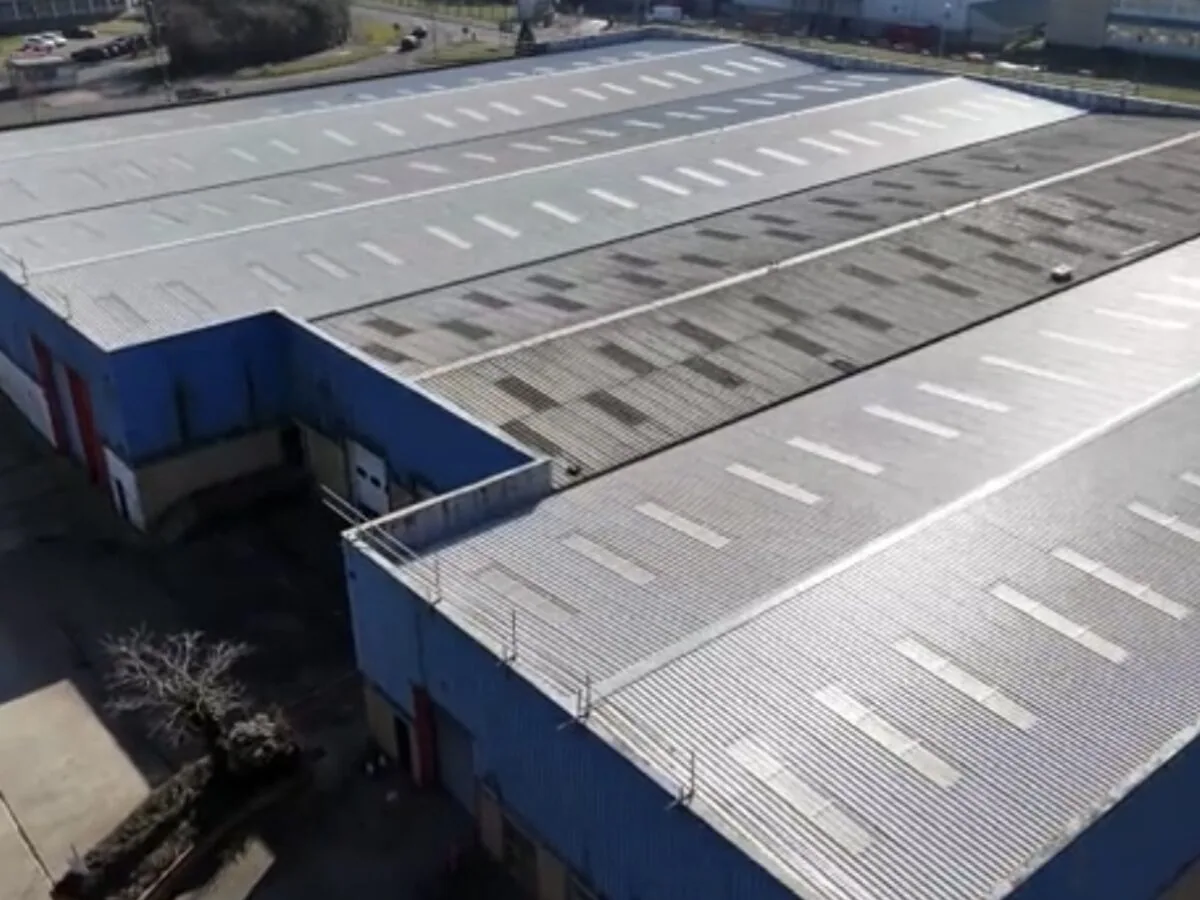
Commercial Roof Leak Repair in Murrieta, CA
See how this work fits the roof, the building and the schedule.
Learn More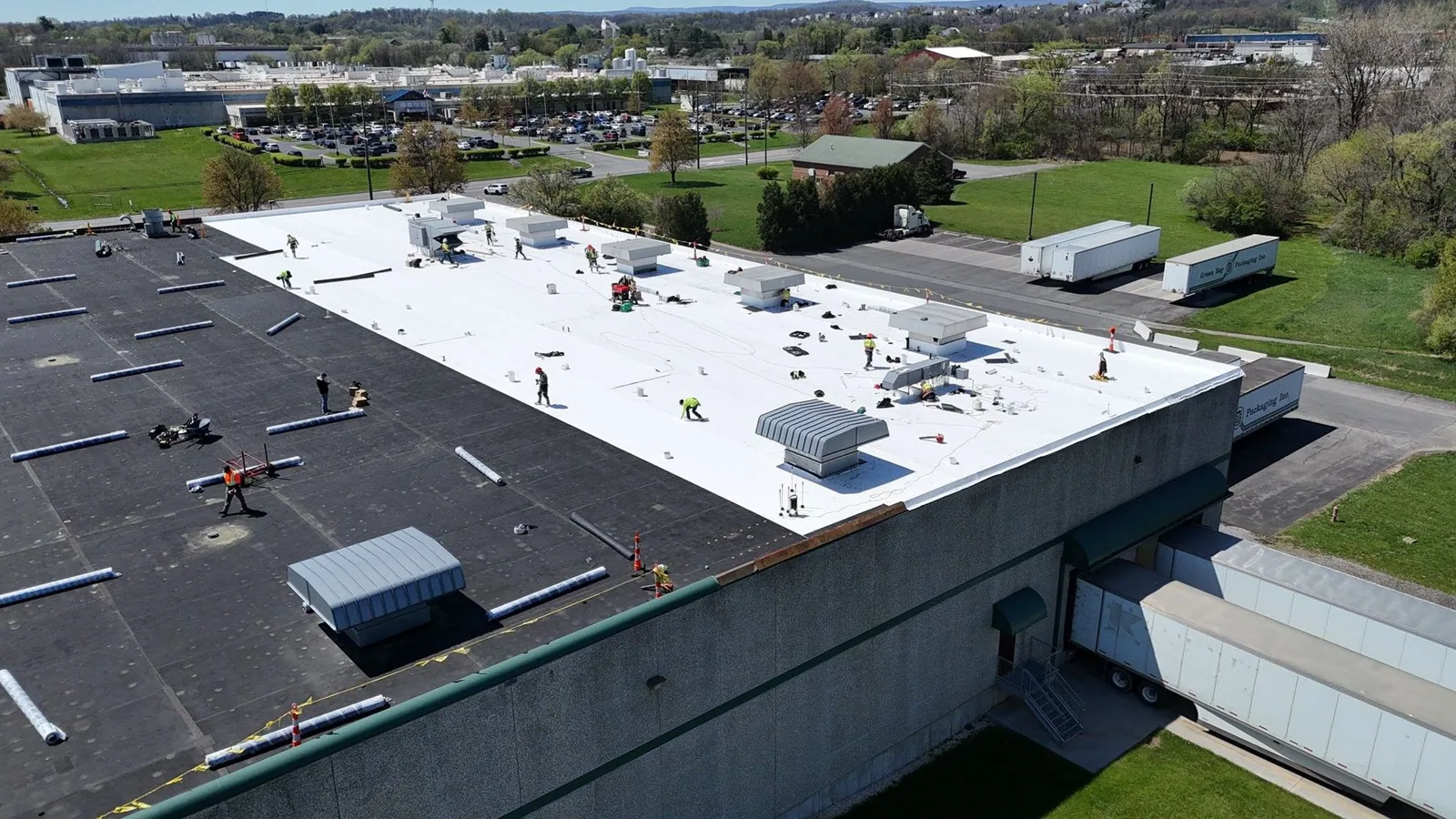
Commercial Roof Repair in Murrieta, CA
Related scope, access notes and questions to ask before work starts.
Learn More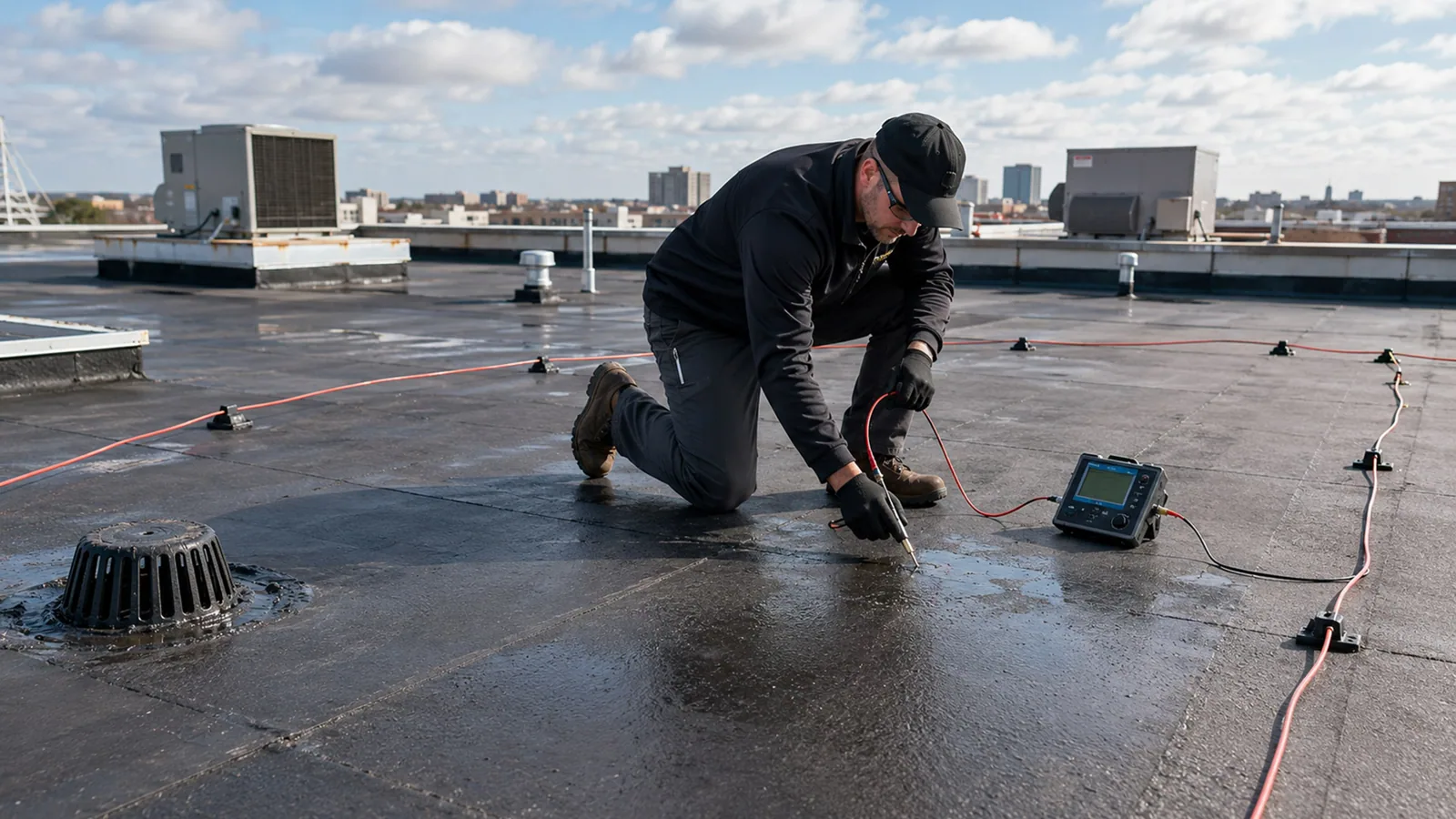
Commercial Roof Inspection in Murrieta, CA
Read the full description and the questions owners ask about it.
Learn More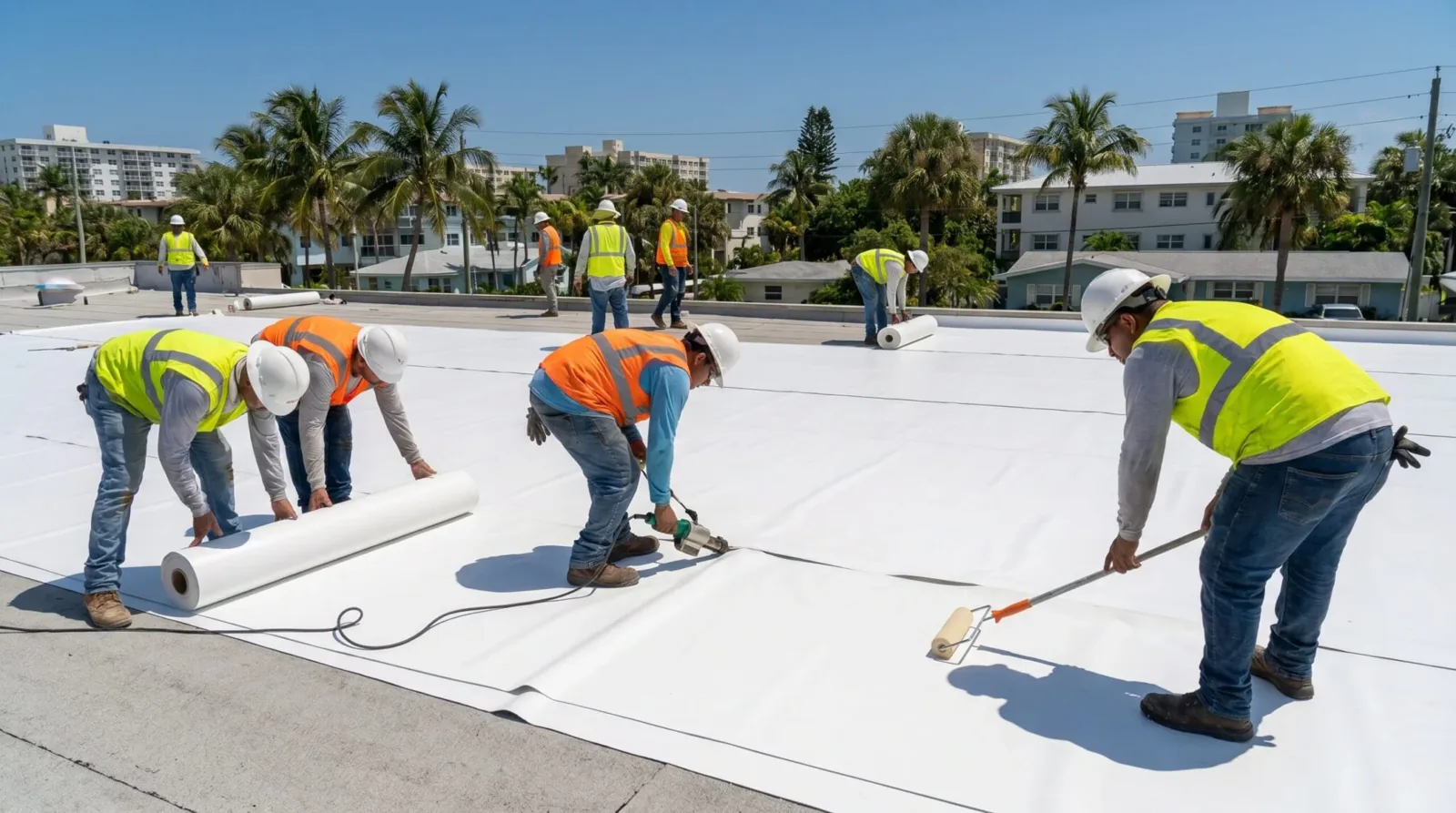
Commercial TPO Roofing in Murrieta, CA
See how this work fits the roof, the building and the schedule.
Learn More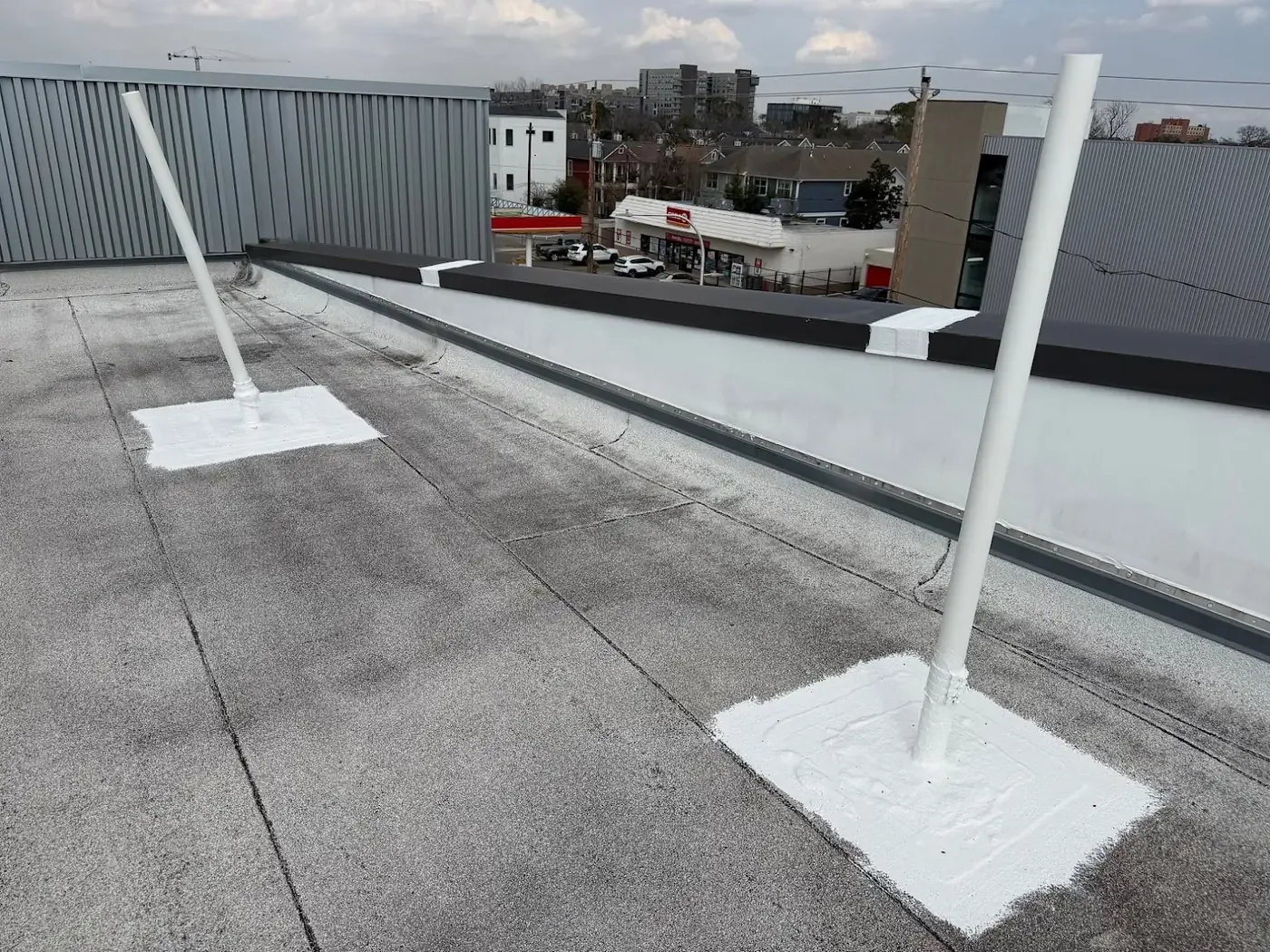
Commercial Roof Membrane Puncture Repair in Murrieta, CA
Related scope, access notes and questions to ask before work starts.
Learn More
Occupied-Building Commercial Reroofing in Murrieta, CA
Read the full description and the questions owners ask about it.
Learn MoreCall for Emergency Commercial Roof Response
Share the leak location, active conditions and roof access details. Our around-the-clock response team will confirm the next safe step for your Murrieta building.