Commercial Modified Bitumen Roofing in Murrieta, CA
Review SBS and APP modified bitumen roofing in Murrieta, CA, including layer condition, attachment, flashing, hot-work planning, drainage and repairs.
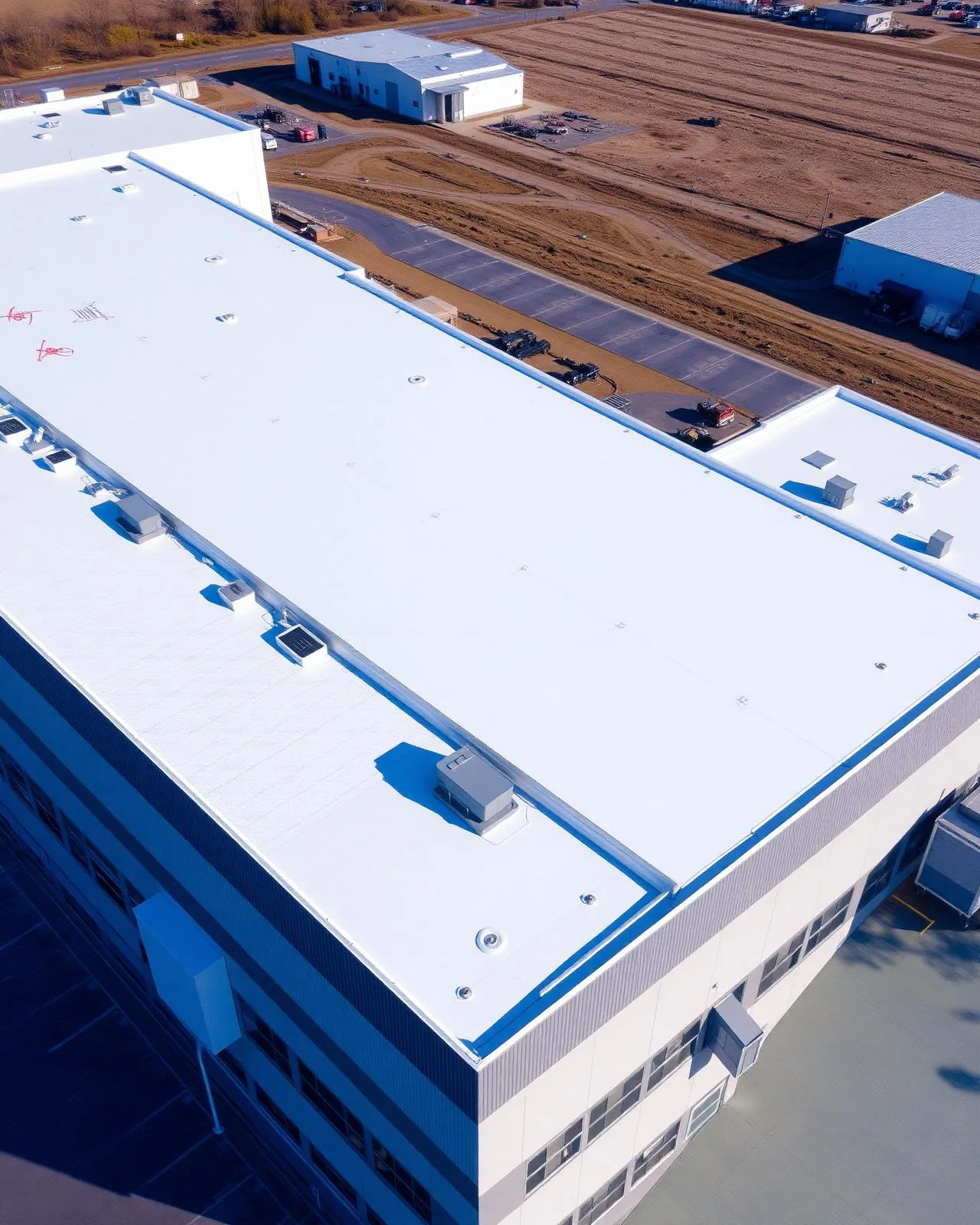
A cap sheet with granules can hide a detail that has been patched several times. Modified bitumen roofs need a closer look at the layers, seams and attachment before another ply is added. Murrieta’s climate assessment records a 15-inch historical annual precipitation average for 1950 to 2005 and projects a 15 to 21.4-inch range by 2099, depending on emissions scenario. Projected rainfall changes may increase both flood events and drought periods. These are long-range projections, not a forecast for a particular roof, so we use the inspection to find current drainage and flashing conditions. A roof inspection helps separate a localized repair from a system-wide issue.
Roof Layers: Find the Sound Surface Before Adding Material
Modified bitumen combines asphalt with polymer modifiers, commonly SBS or APP, in a sheet system that may be installed in multiple plies. The existing roof can include a base sheet, intermediate layers and a surfaced cap sheet, each with its own attachment and condition. We check for blisters, splits, open laps, exposed reinforcement and trapped moisture. A repair over a loose or wet layer may hide the symptom while the bond continues to fail. Test cuts or moisture scanning can clarify what remains below the visible cap sheet. We record which areas are dry and stable, which need removal, and whether the deck is firm. A recover review compares an added assembly with tear-off, while built-up roofing offers a different multi-ply construction. The material name alone does not determine whether another layer is allowed; the system condition, code requirements and edge height all matter.
Sheet Joints: Match the Application Method to the Assembly
Modified bitumen can be torch-applied, hot-mopped, cold-applied or self-adhered, depending on the product and project. Each method has surface preparation and application limits. Torch work requires protection of combustible materials, penetrations and concealed spaces, with a trained crew and fire-watch plan where required. Cold adhesives have their own coverage, cure and temperature requirements. Self-adhered sheets depend on a clean substrate and consistent pressure. We verify which method is specified and how it meets drains, curbs, parapets and terminations. SBS sheets typically use elastomeric modification, while APP products use a different polymer blend; selection should follow the product data and service conditions. Owners can compare EPDM membrane work and TPO single-ply construction when the project calls for another approach. A perimeter detail review can keep cap-sheet edges tied into the roof edge rather than left as an isolated patch.
Lap direction matters because overlapping sheets must shed water in the same direction as the roof plane. At a drain or parapet, the installer needs to connect the field layers to the flashing without leaving a reverse lap that directs runoff beneath the sheet. We identify the base sheet and the cap sheet at repairs, since a patch that bonds only to granules may not have a stable surface. When granulated cap material is present, preparation may include removing or embedding granules according to the selected repair product. Details also change where a roof meets metal, masonry or a roof hatch. A project schedule should allow time for surface preparation, adhesive cure or cooling, inspection of each ply and protection of the work area. We mark the completed boundary so building staff know which sections are ready for service traffic and which still need a final check.
Drainage: Keep Water From Reaching an Open Lap
Water can enter at an open lap, a drain bowl or a transition where the roof meets a vertical surface. We trace the surface toward each outlet, look for ponding, and check whether patches have changed the slope or created a raised edge. Flashing at curbs and pipes needs a compatible base and cap detail, with enough height to terminate above the field. Temecula identifies advanced manufacturing, including medical-device manufacturing and injection molding, among its business-attraction interests. That local industry context does not establish conditions at a particular building, but it makes rooftop exhaust and equipment access sensible questions during inspection. The roof walk documents what is installed before new material is selected. A drain and scupper assessment can identify water-path problems; insulation design can address slope or protection where the assembly allows it. Avoid blocking an overflow route while work is underway.
Work Window: Plan Heat, Fire Protection and Dry-In
Hot application changes the daily plan. We identify combustible construction, rooftop equipment, air intakes and interior spaces below the work area, then coordinate fire protection and access before torches or hot asphalt are used. Materials should be staged away from the active edge, and the crew needs a clear point to close the roof at shift end. Weather affects adhesive cure and surface preparation, so the work method follows product instructions and actual conditions. Perris lists separate specific plans for Downtown Perris and Perris Valley Commerce Center, among others. Those planning areas do not tell us how any one roof was built; they do illustrate why staging and active uses must be checked at the property rather than assumed from a map. A phased work sequence can separate occupied areas and roof sections. We note temporary tie-ins, exposed edges and the person who can approve a concealed deck repair.
Repair Decision: Preserve the Details That Still Work
Modified bitumen repairs can range from a small lap patch to removal of a wet or poorly bonded area and rebuilding its plies. We mark the repair boundary, identify the sheet type where possible and prepare the surface for the selected compatible material. If the roof has widespread splits, repeated patch failures or saturated insulation, continued spot work may not be economical. A replacement proposal should list tear-off, deck allowance, insulation, drains, perimeter metal, curbs and temporary protection. After completion, keep product labels, photographs, repair locations and any fire-watch or hot-work documentation with the roof file. A photo condition record can help the facility team track each section, while a Temecula roof inspection should document its own roof layers and access conditions. Follow-up visits check laps, flashing, penetrations and drainage before a small opening becomes a larger interior repair. We also note nearby metal that needs separate fastening or coating attention in the service record. At each cap-sheet repair, state what must be removed, what remains sound, and where the finished tie-in ends.
Commercial Roofing Questions
What is the difference between SBS and APP modified bitumen?
They use different polymer modifiers and may have different installation and service characteristics. We compare the specified product data, attachment method, surfacing and roof conditions rather than assume one modifier is right for every building.
Can we add a new modified bitumen layer over the old roof?
Only if the existing assembly is stable, dry enough, compatible and within applicable layer limits. We inspect attachment, moisture, edges and transitions, then compare recover with removal if concealed conditions could undermine the new work.
Does modified bitumen always require a torch?
No. Products may use torch, hot asphalt, cold adhesive or self-adhered installation. We confirm the selected product and site conditions, then set the protection and work sequence for that method.
How do you prevent hot-work damage during installation?
We review combustible details, penetrations and concealed spaces, stage extinguishing equipment, protect vulnerable areas and follow applicable fire-watch requirements. The plan also identifies the closeout check at the end of each shift.
What clues show that a modified bitumen roof needs replacement?
Repeated open laps, widespread splits, poor bond, wet insulation or deck deterioration can point beyond a local patch. We map the affected area and compare repair cost drivers with a replacement scope before recommending a direction.
Related Roofing Work
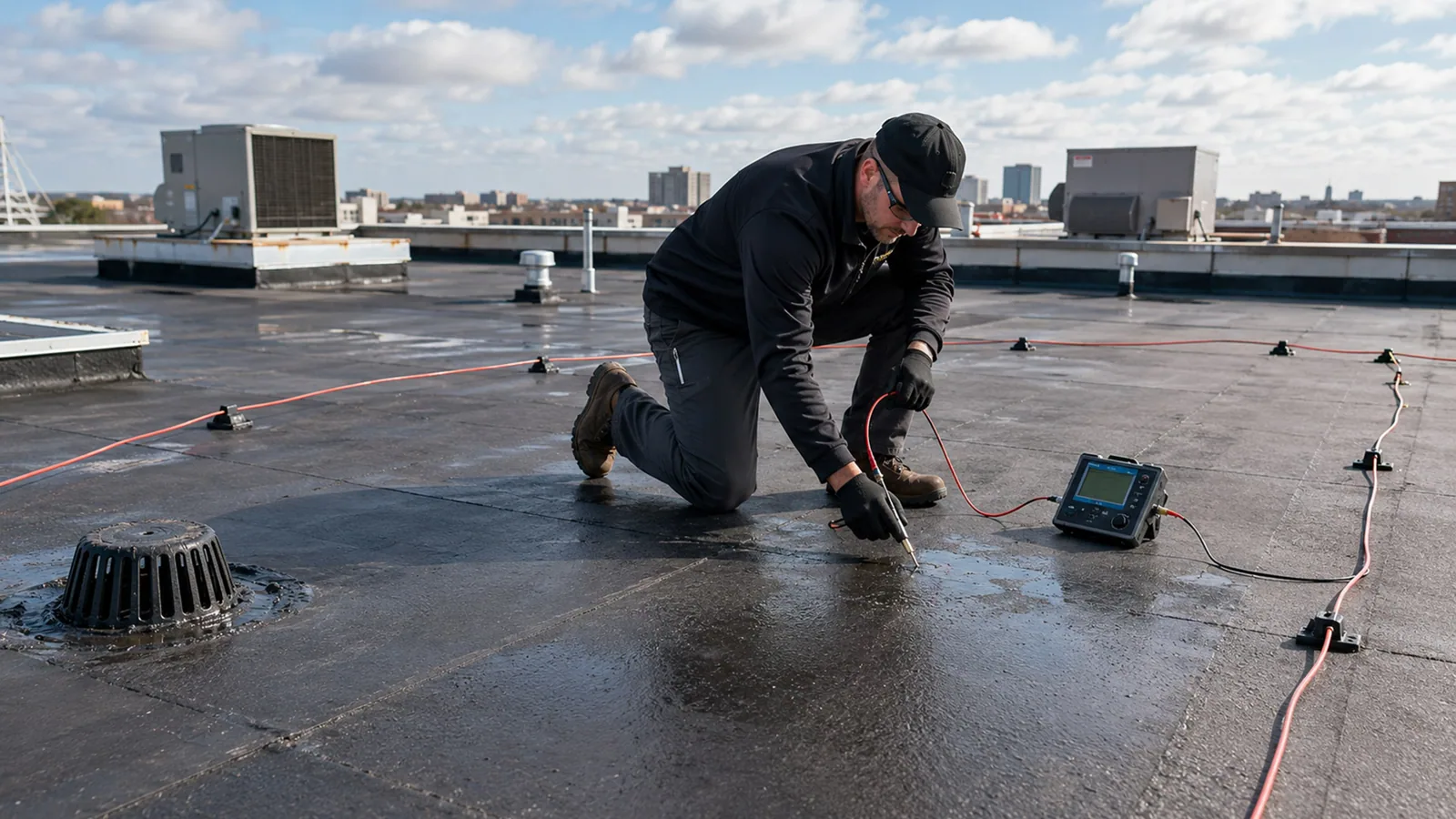
Commercial Roof Inspection in Murrieta, CA
See how this work fits the roof, the building and the schedule.
Learn More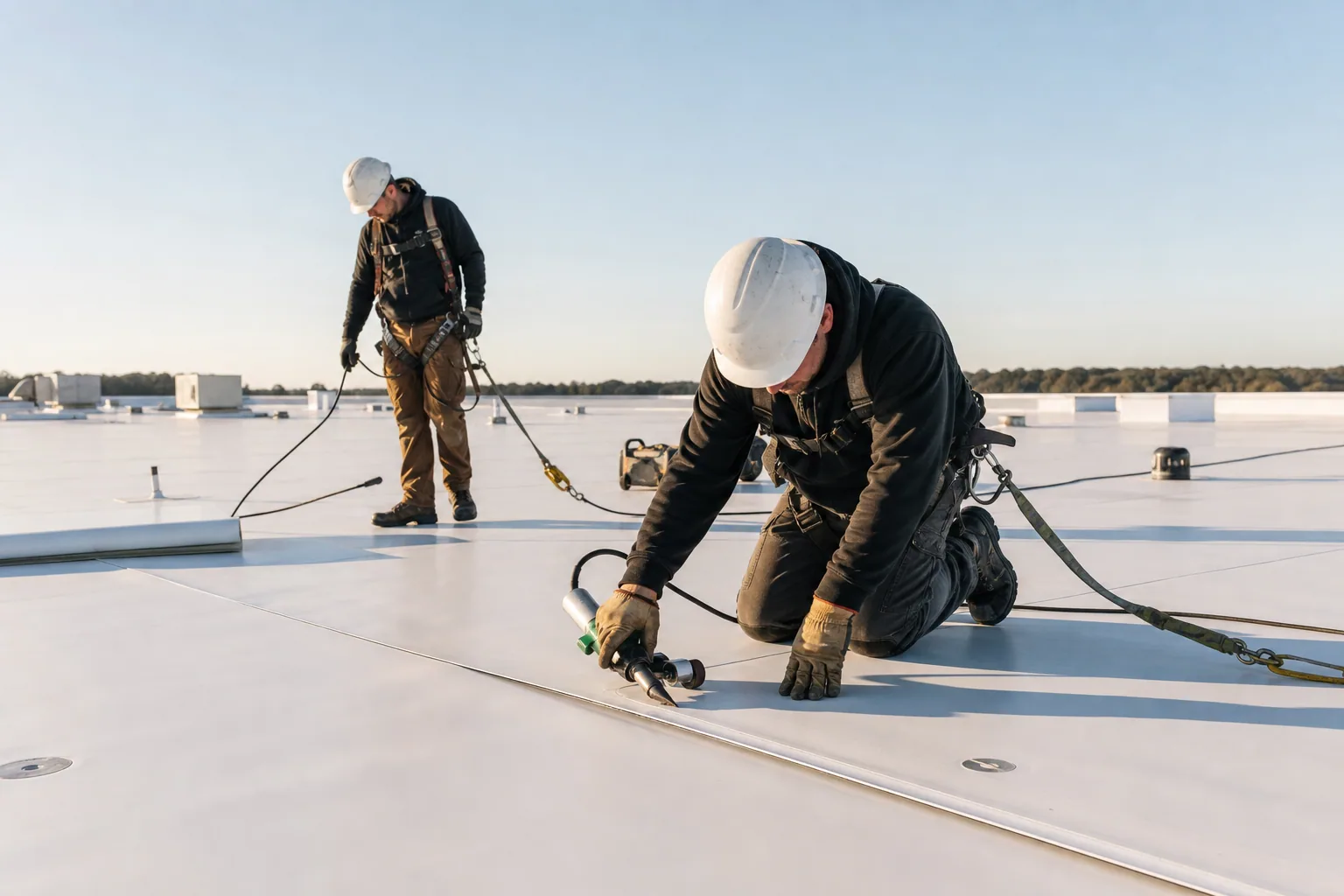
Commercial Roof Recover in Murrieta, CA
Related scope, access notes and questions to ask before work starts.
Learn More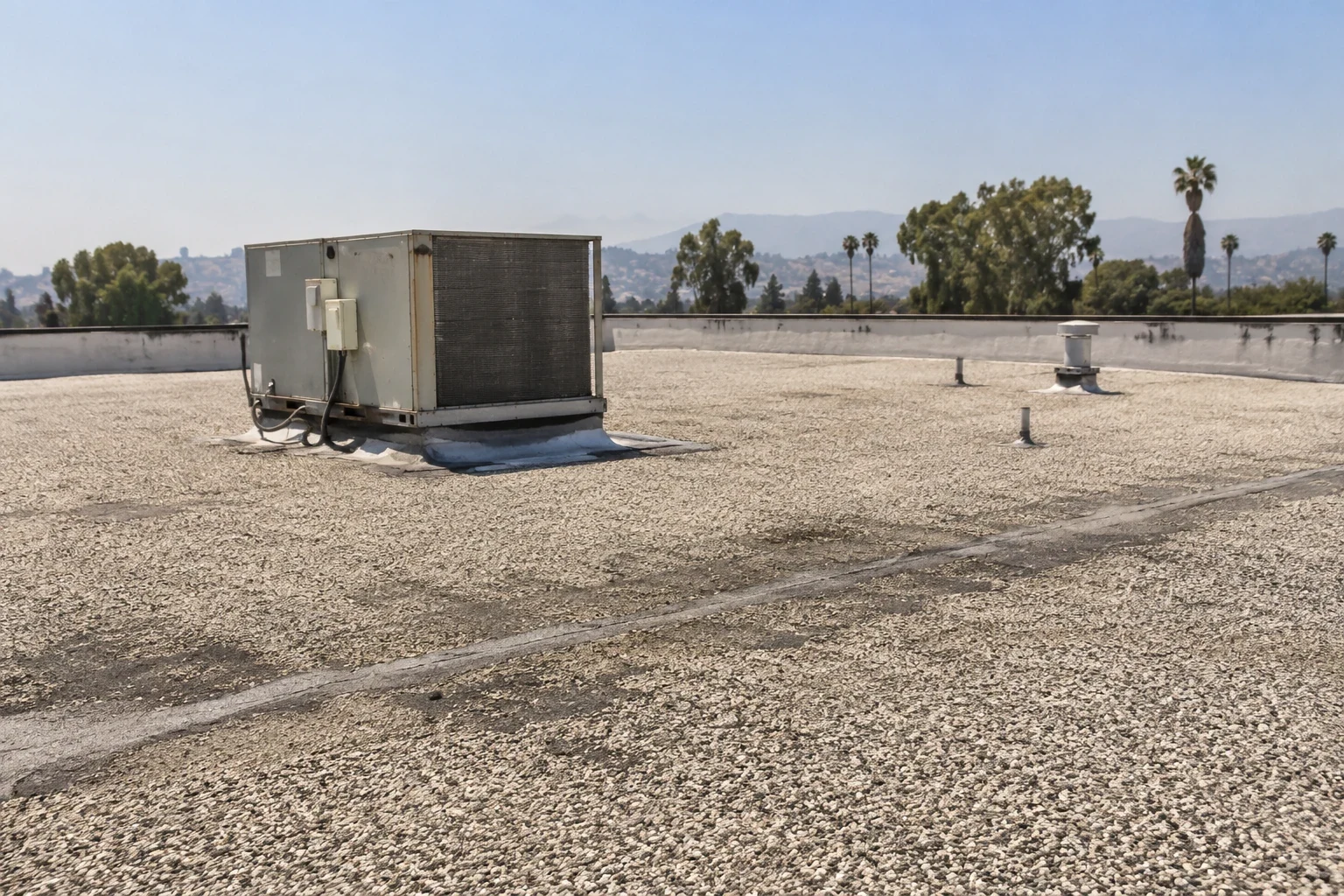
Commercial Built-Up Roofing in Murrieta, CA
Read the full description and the questions owners ask about it.
Learn More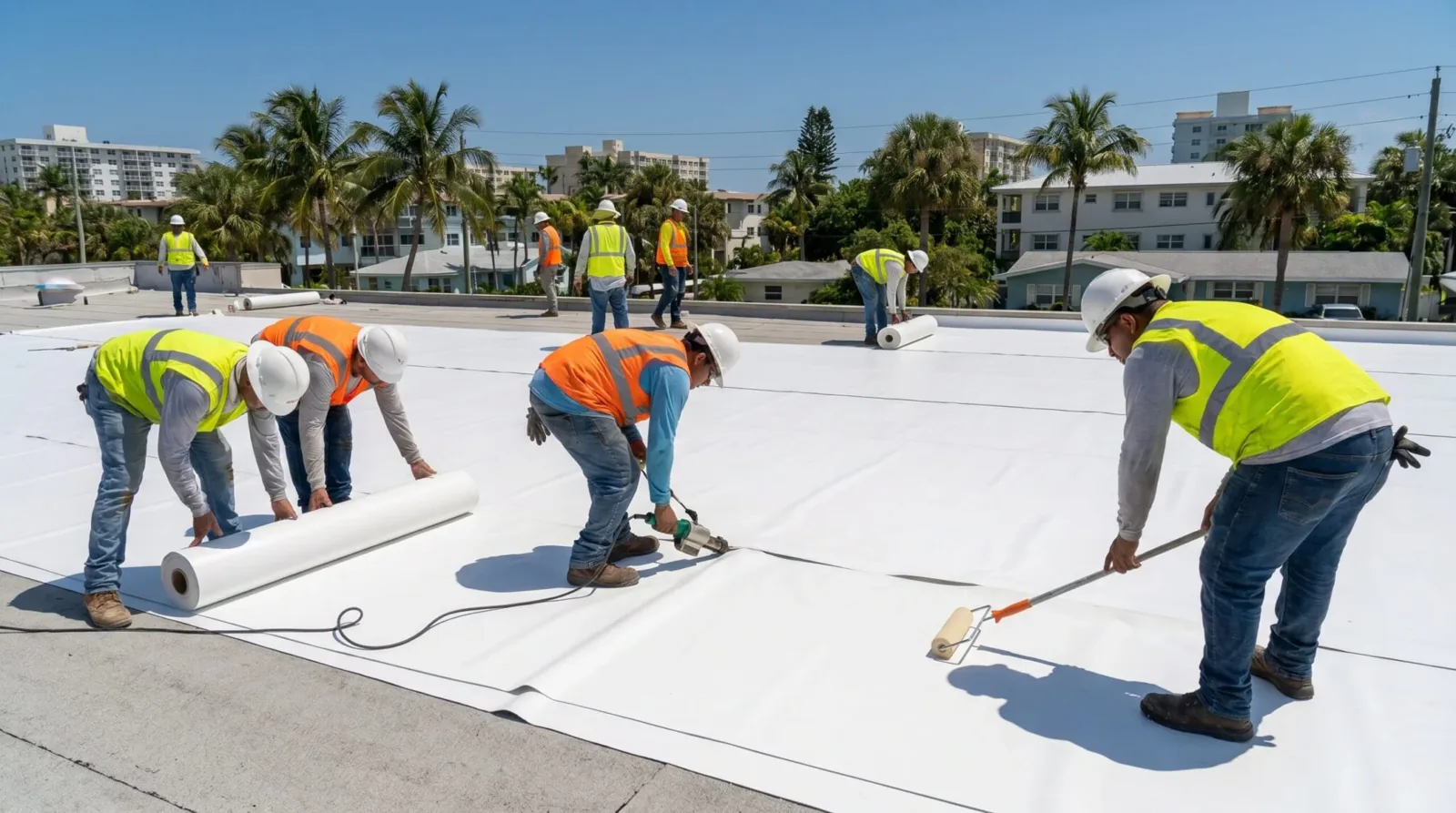
Commercial TPO Roofing in Murrieta, CA
See how this work fits the roof, the building and the schedule.
Learn More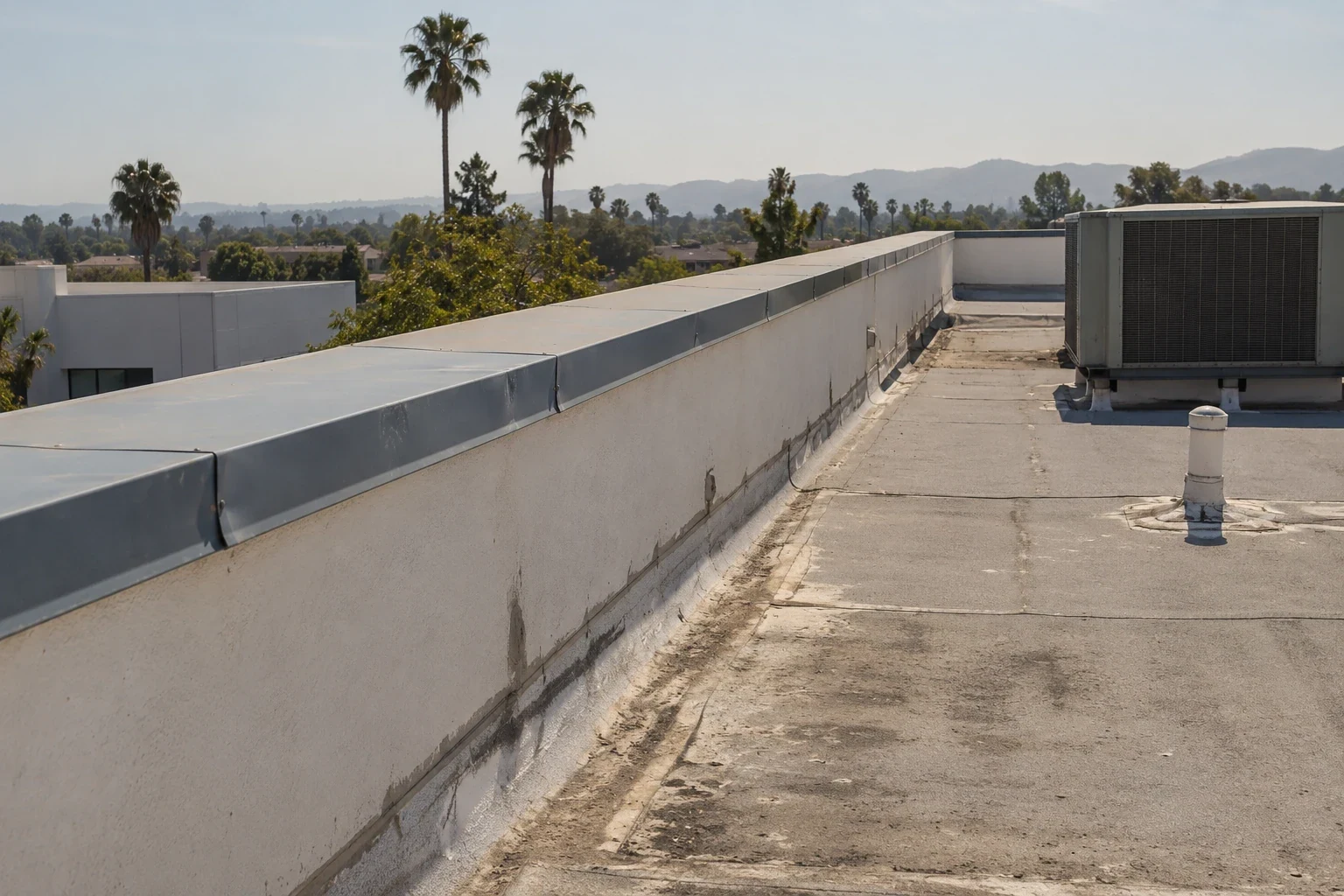
Commercial Roof Edge Metal, Coping and Gutters in Murrieta, CA
Related scope, access notes and questions to ask before work starts.
Learn More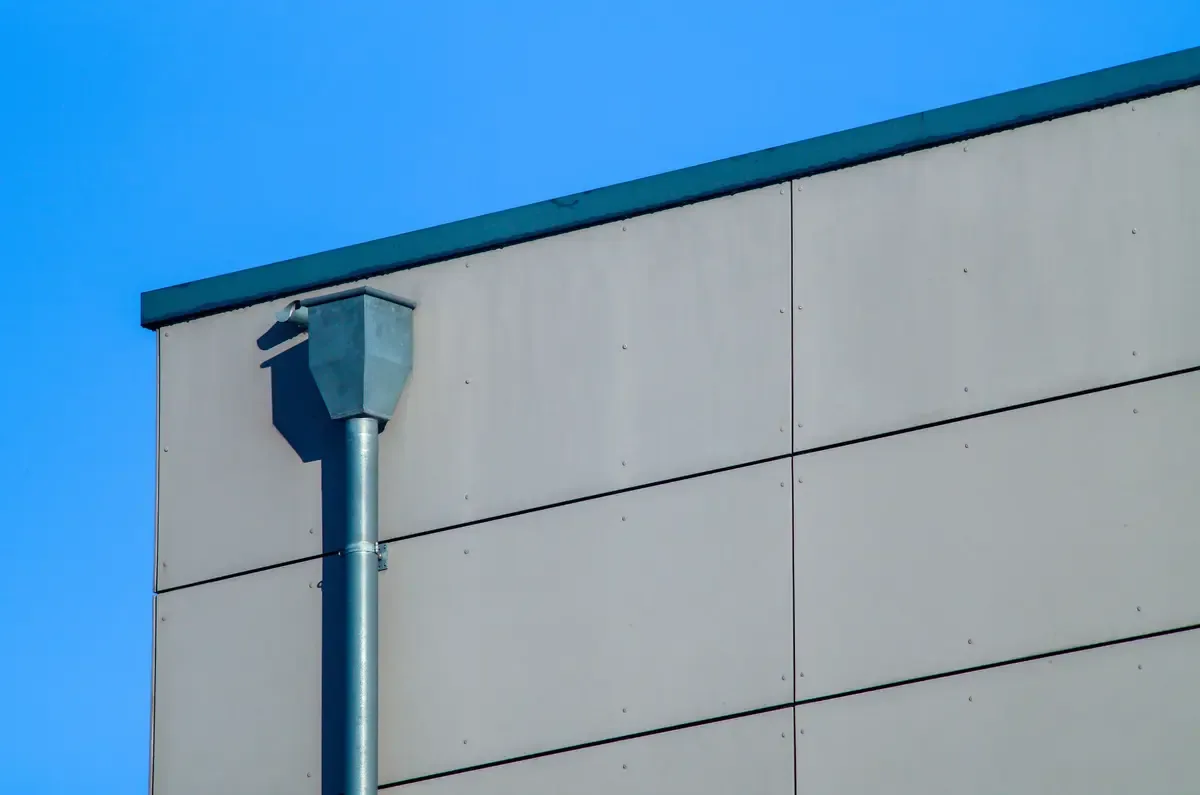
Commercial Roof Drains and Scuppers in Murrieta, CA
Read the full description and the questions owners ask about it.
Learn MoreReview Modified Bitumen Roofing in Murrieta
Arrange an inspection to identify the roof layers, drainage and repair boundary before selecting a modified bitumen system.