Distribution Center Roofing in Murrieta, CA
Review distribution center roofing in Murrieta, CA, with practical planning for dock schedules, drainage, rooftop equipment and phased roof work.
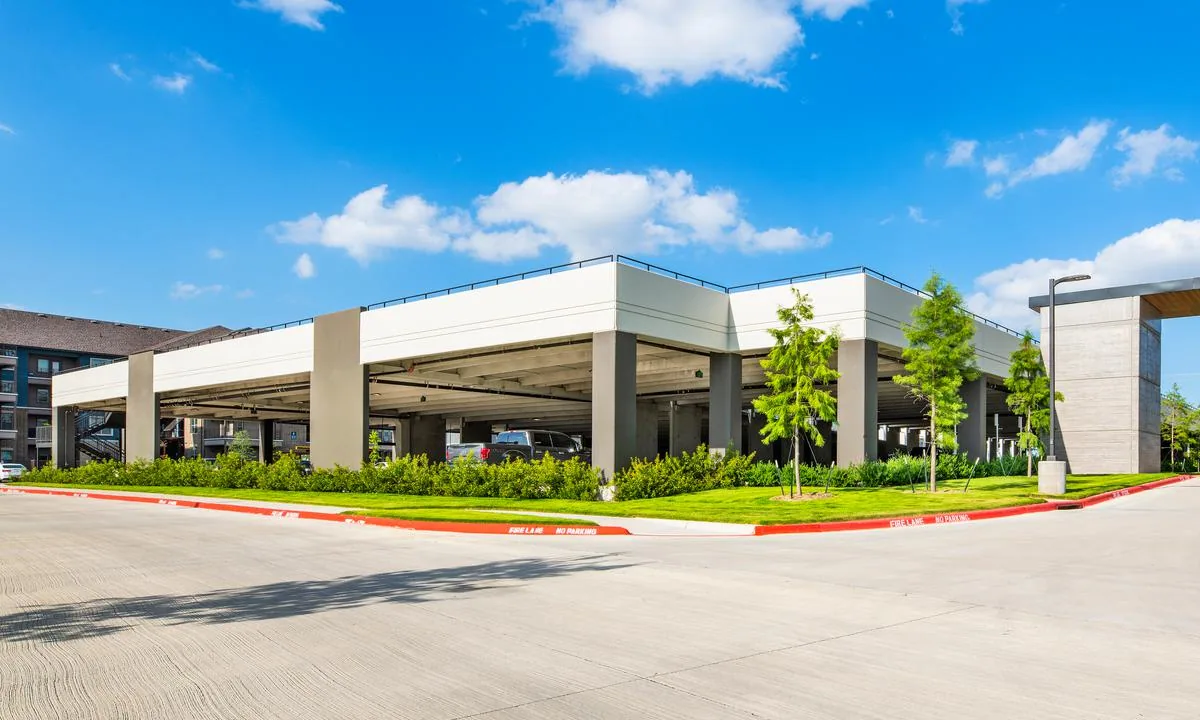
Forklift lanes shape more than the floor plan. A distribution center roof also has to keep dock approaches dry, protect electrical and sorting equipment, and allow maintenance access without cutting across active work areas. In Murrieta, we start by identifying the roof assembly, drainage layout and operating windows before recommending a repair or replacement. Existing Murrieta business parks account for more than 2M sq ft, while Jefferson-Madison is a planned employment area; neither fact measures a particular distribution roof. The property walk therefore matters. We map the real roof and coordinate the sequence around the real operation. A commercial roof inspection creates the condition record used to set that scope.
Dock Lines: Trace Water Across the Roof
Water above a dock door can travel along a deck flute or roof slope before appearing at the interior. We compare the wet area with nearby wall transitions, curbs, seams and outlets, then note whether the roof has a membrane, metal panels or another assembly. The path may cross a service lane or run toward a drain that is partly blocked. We photograph the point of entry and the surrounding details so the repair reaches the source instead of closing only the visible stain. Where the issue involves a slow outlet or low area, drain and scupper correction should account for the roof plane, overflow route and flashing at the connection.
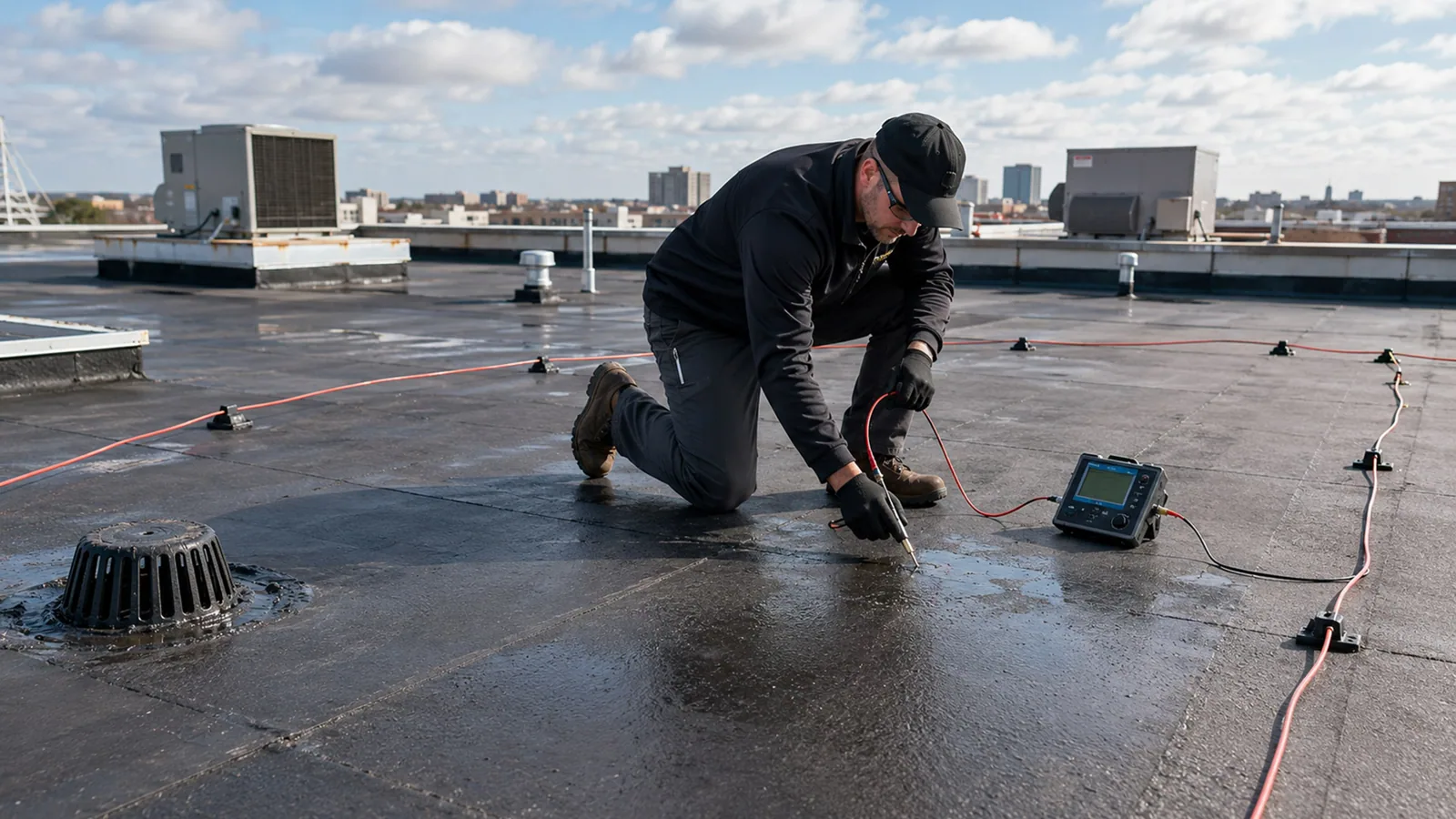
Distribution centers often have multiple roof sections with different penetrations or repair histories. We keep them distinct on the plan and identify the work boundary by grid, bay or visible reference, using a property’s own drawing when available. That helps the facility lead match roof findings to a dock, electrical room or staging zone. If moisture may extend beyond the surface, a targeted infrared moisture survey can help select test areas. The survey screens for areas that need confirmation. A photo condition report records those confirmations so later repairs are tied to the same sections.
Sortation and Dock Activity: Schedule the Work
A roof replacement can affect dock doors, yard access and equipment above sortation areas even when work remains outside. Before dates are fixed, we review truck arrival patterns, yard constraints, roof access, lift placement and the zones that cannot be exposed during a shift. We can divide a project into smaller areas, finish a secure dry-in boundary and move to the next section when the operation allows. The proposal should identify delivery and staging assumptions rather than treating the roof as an empty platform. For work above an occupied facility, our occupied-building sequence includes interior protection and a clear point of contact for discoveries.
Murrieta's business districts have direct access to Interstate 15 and Interstate 215. The actual gate, truck route and receiving hours still control. Several Menifee employment corridors follow Scott, McCall, Newport, and Ethanac Roads. Menifee’s corridors are regional context, not facts about one facility. We confirm where materials can be set without blocking worker or emergency routes.
Roof Assembly: Choose Repair, Recover or Removal
Membrane seams, metal panel fasteners and perimeter transitions fail in different ways. We look for open welds or bonds, loose fasteners, punctures, aged sealant, damaged flashing and insulation that has lost support. If the existing layers are dry and secure, a recover might be considered, but added thickness can change curb height, drain depth and edge details. If water has reached the insulation or deck, localized opening can show whether the condition stops at one section or repeats across the roof. Compare warehouse roof planning where the operation has a different storage profile, and manufacturing roof coordination where process equipment changes access needs.
A proposal should spell out substrate preparation, insulation and cover board, fastening or adhesion, flashing, edge metal, drain work and temporary tie-ins. If the roof contains multiple assemblies, state which material receives each repair and how dissimilar transitions will be closed. The repair should address why the seam opened or panel moved. We also check whether rooftop equipment will need service during the project and who can approve a concealed deck repair. Those decisions affect schedule and cost along with removal, access and perimeter work.
Heat Exposure: Protect Seams and Service Paths
Murrieta’s climate assessment defines extreme heat as at least 105.1 degrees from April through October. Its historical average was five such days each year over 1950 to 2005, and its scenario range reaches 26 to 36 annually by 2050. Those dated planning figures help frame inspection priorities, but they do not predict the temperature during a project. We look at membrane seams, sealants, exposed flashing and equipment supports for movement or deterioration. We also note whether service traffic has worn the surface around units or concentrated damage near a roof hatch.
When a distribution building stays active, roof access can be as important as the repair itself. We identify routes that cross fragile areas, mark places where tools or hoses must not sit, and plan temporary protection above critical operations. If water protection is urgent, temporary stabilization can be documented separately from permanent repairs. A storm-related repair plan separates immediate weatherproofing from the longer-term decision.
Closeout: Keep the Roof Map Useful
Include photographs, product information, change approvals and the method used to address concealed conditions. If the roof was phased, mark the sequence and note where temporary tie-ins were removed. That helps maintenance staff return to the same locations without reopening completed work. A scheduled roof review can compare current conditions with the closeout baseline and flag drains, edges or service paths that need attention.
Temecula’s Old Town district extends about one mile north to south, while Murrieta’s planning materials identify a separate Jefferson-Madison employment area. These places do not tell us what a particular roof contains; each site has its own access pattern. We base the recommendation on the inspected assembly and the operation below it. Arrange an inspection before water interrupts dock use, or contact us when an active leak needs a documented response.
Commercial Roofing Questions
Can roof work continue while a distribution center is shipping orders?
The project may be phased so work stays above a limited area while other zones continue operating. We need the receiving calendar, roof access rules, equipment locations and the areas that cannot be exposed. The plan should set daily work boundaries and identify who can approve a concealed repair before it changes the base scope.
How do you protect dock doors during a roof repair?
We coordinate the roof section with the space below, set temporary protection where needed, and keep staging or lifting clear of the operating route. If a leak reaches a dock vestibule, we trace its roof path before choosing a repair boundary. The owner should know which doors or lanes may need a short work window.
Would a recover reduce disruption at a distribution building?
A recover can reduce tear-off, but only if the old assembly is sufficiently dry, secure and compatible. Added height must still work at drains, curbs and edges. We document those conditions and compare the same preparation assumptions against a removal option so the owner can weigh disruption against retained material risk.
What should be inspected around rooftop equipment?
We check curb flashing, supports, service walk paths, penetrations, conduit and the membrane around each point. Maintenance traffic can damage a surface without creating an obvious opening, so we note wear and loose details as well as active leaks. The work sequence should preserve access for mechanical service while keeping roof sections weather-tight.
What information helps compare distribution center proposals?
Compare the roof areas included, removal assumptions, substrate repairs, insulation, edge and drain details, temporary dry-in, staging and how concealed damage is priced. A clear section map matters when the property has several roof levels or operating zones. We also state what observations remain after the work so the baseline is candid.
Related Roofing Work
Commercial Roof Inspection in Murrieta, CA
See how this work fits the roof, the building and the schedule.
Learn More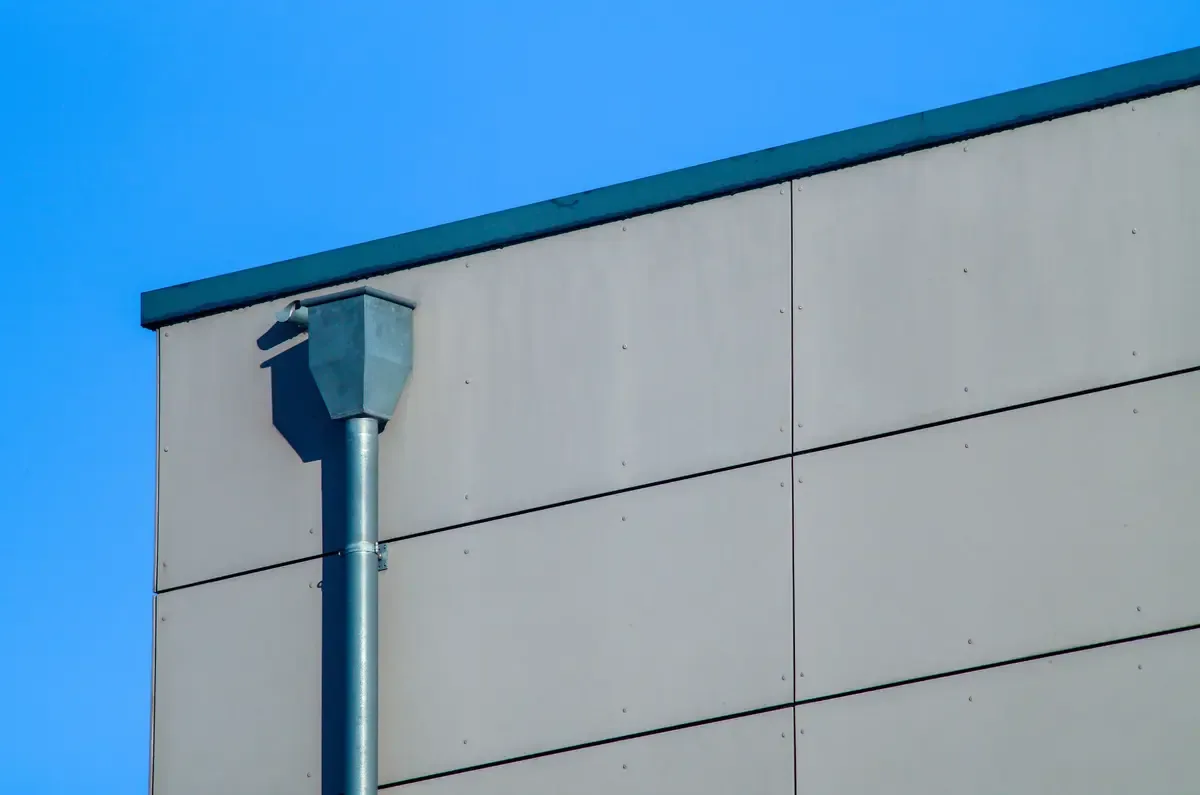
Commercial Roof Drains and Scuppers in Murrieta, CA
Related scope, access notes and questions to ask before work starts.
Learn More
Infrared Roof Moisture Survey in Murrieta, CA
Read the full description and the questions owners ask about it.
Learn More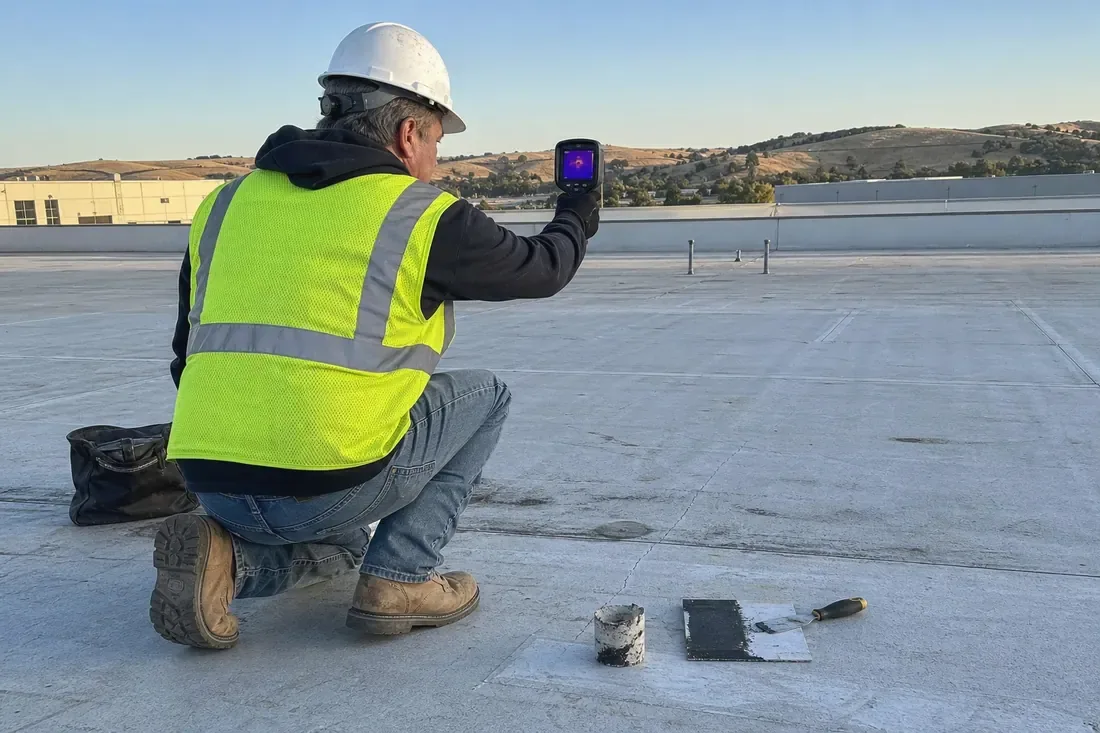
Commercial Roof Condition Reports in Murrieta, CA
See how this work fits the roof, the building and the schedule.
Learn More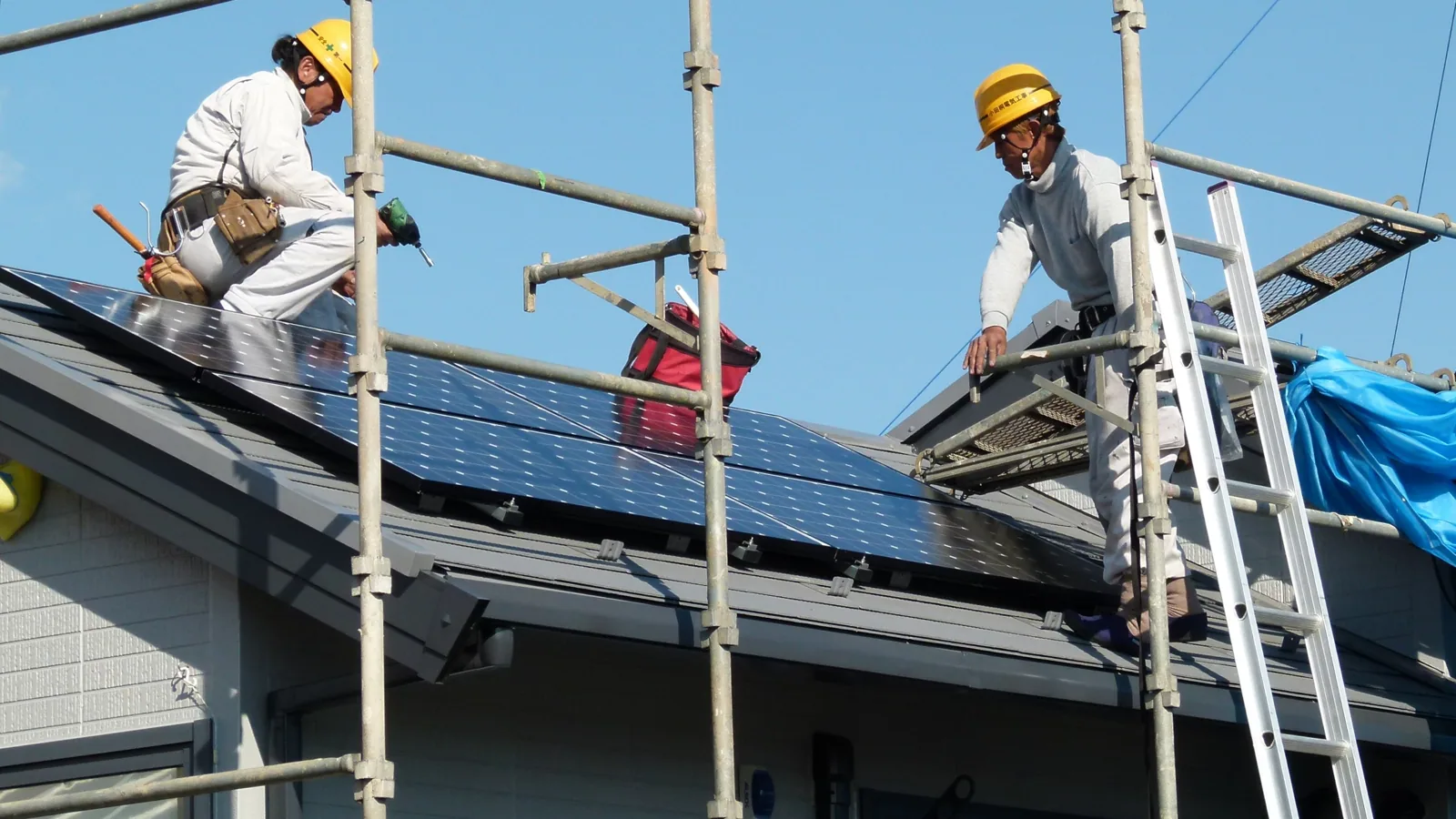
Occupied-Building Commercial Reroofing in Murrieta, CA
Related scope, access notes and questions to ask before work starts.
Learn More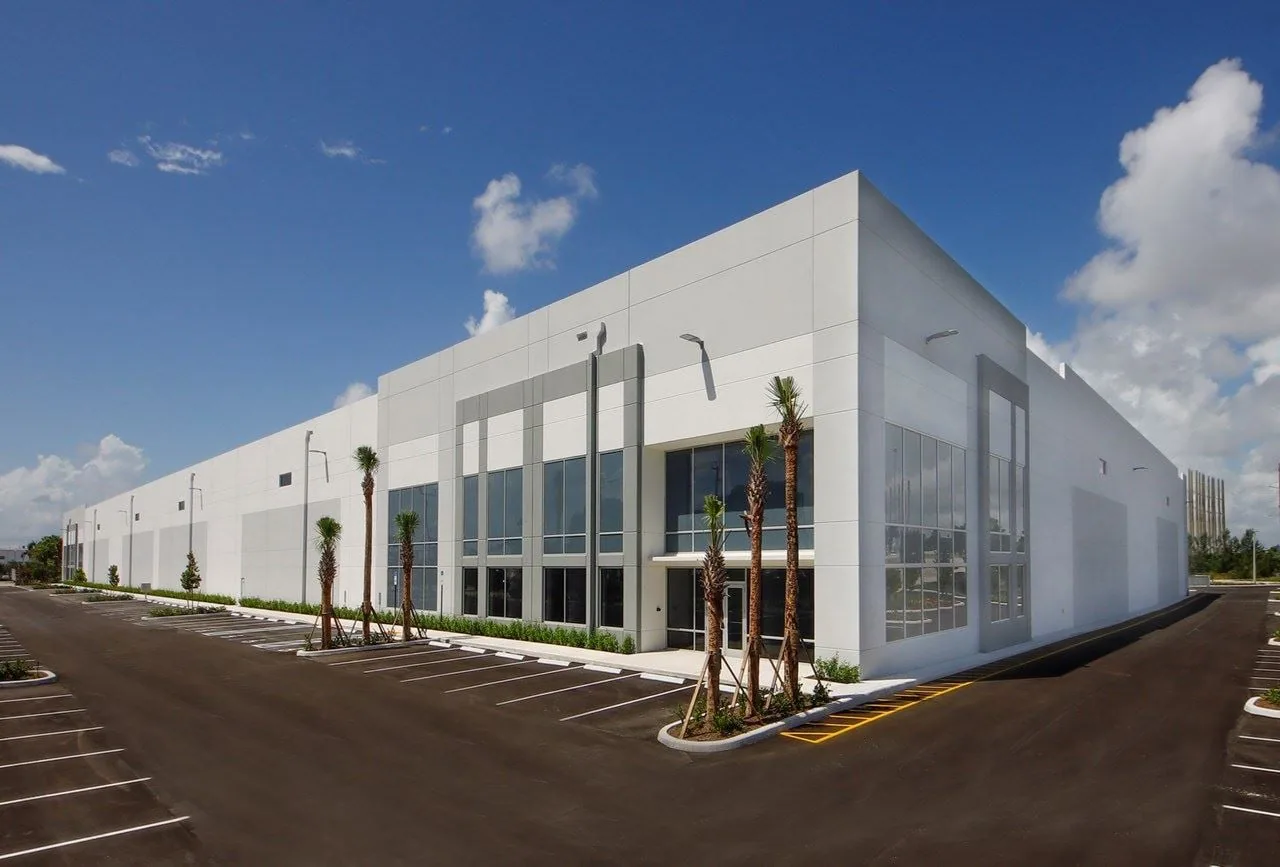
Commercial Warehouse Roofing in Murrieta, CA
Read the full description and the questions owners ask about it.
Learn MorePlan Distribution Center Roof Work
Arrange a Murrieta inspection to map the roof, confirm access constraints and compare repair or replacement scopes before scheduling.