
Commercial Silicone Roof Coatings in Murrieta, CA
Evaluate silicone roof coatings in Murrieta, CA, including substrate condition, ponding, adhesion, drains, application limits, repairs and maintenance.
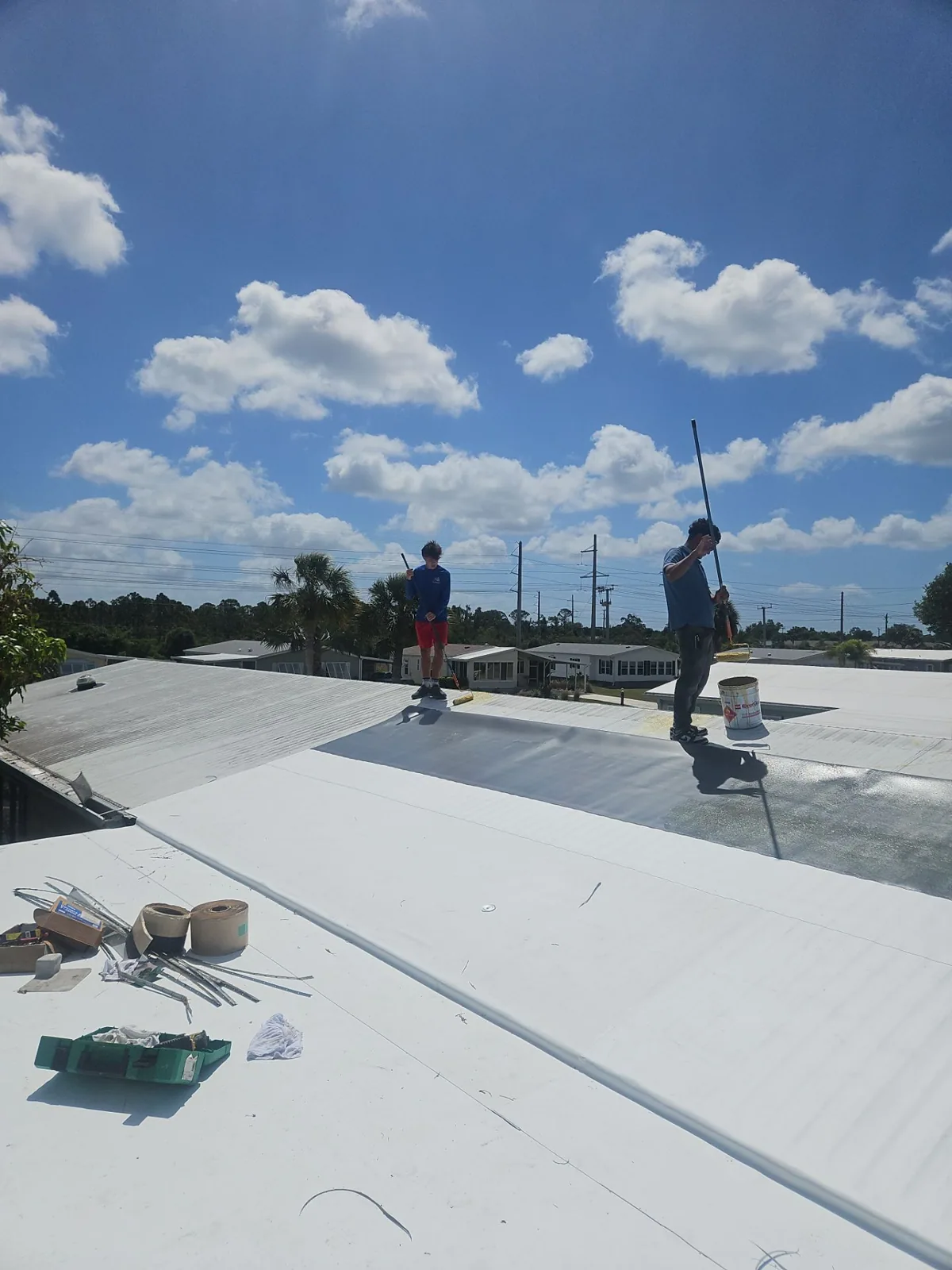
Rain may leave a shallow film on a commercial roof after the drains have cleared, and that condition matters when an owner considers a coating. Silicone is one option for restoring a compatible roof surface, but it cannot correct wet insulation or a moving seam by itself. In the City’s 2018 climate appendix, projections for 2099 place average annual precipitation between 15 and 21.4 inches, while the 1950 to 2005 record averaged 15 inches. The assessment says rainfall shifts could increase flood events as well as drought periods. That long-range context makes water management worth checking, while the actual roof determines the coating scope. A roof inspection records substrate and drainage before a material is chosen.
Existing Surface: Test Before the Coating Is Specified
Coating adhesion depends on the condition and type of the roof surface. We identify the existing membrane or built-up assembly, look for loose material, blisters, trapped moisture, open seams and previous coatings, and determine which preparation is needed. A test patch can help confirm bond and compatibility when the surface history is unclear. Coating over wet insulation or a weak substrate can preserve a concealed problem beneath a fresh finish. We also check the roof edge, curbs, drains and penetrations because each may need separate reinforcement or flashing work. If the roof has broad deterioration, a coating may not be the right restoration. A restoration assessment compares surface preparation and repairs with replacement, and cover board may provide a suitable base where the assembly design allows it. We record the areas that pass testing and those that need repair before application.
Water Exposure: Confirm the Product Fits the Roof
Silicone coatings are used in some roof systems where ultraviolet exposure and standing water are concerns, but performance depends on the selected product, thickness, substrate and details. We check manufacturer information for the specific system rather than assume every silicone coating is qualified for continuous ponding. The roof still needs drains and overflows that work, and an isolated low area may need correction. We mark where water remains and whether it reaches seams, walls or equipment bases. Lake Elsinore spans both sides of I-15 and SR-74, with the lake itself covering about 3,000 acres. That setting cannot predict water retention on any particular building, so we inspect roof outlets and low points before choosing a coating. A drainage inspection can document the route, while SPF roofing may be compared when a designed slope change is part of the proposed work.
Details: Reinforce Seams, Curbs and Terminations
Before coating, we repair open seams, loose flashings, punctures and deteriorated transitions. The system may call for fabric or reinforcing tape at corners, drains or movement joints; those requirements come from the selected product details. Coverage should continue across the prepared field and terminate at a secure edge. At penetrations, we confirm that the coating can reach the entire base without leaving a thin strip behind conduit or equipment. Existing sealant may need removal if it is incompatible or poorly bonded. A new coating should not bridge an active movement joint unless the system is designed for that use. Owners can compare acrylic coatings where dry-time, substrate and exposure requirements differ. A curb inspection can identify a loose support that should be corrected before the surface is restored. The proposal should list cleaning, repairs, primer, reinforcement, application rate and final inspection.
We compare the roof’s measured area with the specified application rate so material quantities and target thickness are clear. A coating applied too thin can leave vulnerable spots, while extra material cannot correct a seam that is moving below it. Reinforcing fabric should be embedded where the system calls for it, with enough coating to cover the fabric without creating a ridge that blocks water. At drains, we keep the bowl and clamping ring clear and finish the transition according to the product detail. At the perimeter, coating should terminate at a secure flashing or edge, not stop at an arbitrary line across the field. We note the ambient conditions and the completed roof sections, then inspect the surface after it cures. That closeout catches missed spots while the crew and material information remain available.
Application Window: Keep the Surface Clean and Dry
Coating needs a prepared surface and conditions within the product’s application limits. We sequence cleaning, repairs, primer and coating so dust or moisture does not compromise adhesion. Dew, wind, heat and the chance of rain can change the available work window, so we use the actual forecast and manufacturer requirements rather than a seasonal assumption. On an occupied property, we protect air intakes, vehicles, walkways and rooftop equipment from overspray. Material staging should not block drains or emergency routes. We set a daily stopping point where the crew can leave the roof protected, then note any area that needs another coat or a return visit. If roof traffic continues during curing, access restrictions should be clear to building staff. Temecula’s development rules call for plan review on new office, industrial and commercial construction as well as tract-residential proposals; when coating is one part of a larger project, we coordinate roof details with its scope without assuming a permit path. A phased work sequence can coordinate active areas, and replacement planning should remain available if preparation exposes a roof that cannot support restoration.
Maintenance: Measure the Coating Against Its Starting Condition
Coating cost depends on cleaning, surface preparation, repairs, reinforcement, primer, application thickness, access and the number of penetrations. We state those steps so the owner can compare restoration with replacement on scope. After application, keep the product name, lot information if provided, installed thickness, photographs and repair locations. Follow-up inspections should check for wear, pinholes, blisters, open transitions, blocked drains and damage from maintenance traffic. If the surface needs another coat later, the substrate must be checked again; the prior coating does not prove the roof beneath it remains dry. A maintenance visit can record the same details over time, while a condition report can preserve the current state. A Lake Elsinore roof review should document its own slope, drainage and access. We base the next service interval on observed condition and product requirements. At each visit, we compare the same roof sections and record changes around drains, curbs and exposed edges.
Commercial Roofing Questions
Can silicone coating be applied over standing water?
Some products have ponding-water qualifications, but that is product-specific and does not remove the need for functional drains. We identify where water remains and confirm the selected system’s written requirements before specifying coating.
Will silicone coating fix a leaking roof?
It may restore a compatible surface after leaks and weak details are repaired. We trace the entry point, test the substrate and include seams, flashings or wet insulation in the scope before coating begins.
Can you coat over an older coating?
The prior layer must be identified, clean, bonded and compatible. We review product history and use a test patch where needed; loose or contaminated coating may require removal before a new system is applied.
How do you decide whether a roof can be restored?
We check moisture, attachment, seams, drainage, edge details and adhesion. A stable assembly may qualify for restoration, while widespread wet insulation or failing deck can make replacement the clearer scope.
What should we inspect after silicone application?
Review coating coverage, thickness, flashings, drains, penetrations and any repairs. Keep the roof map and product records so later visits can compare wear with the completed surface.
Related Roofing Work
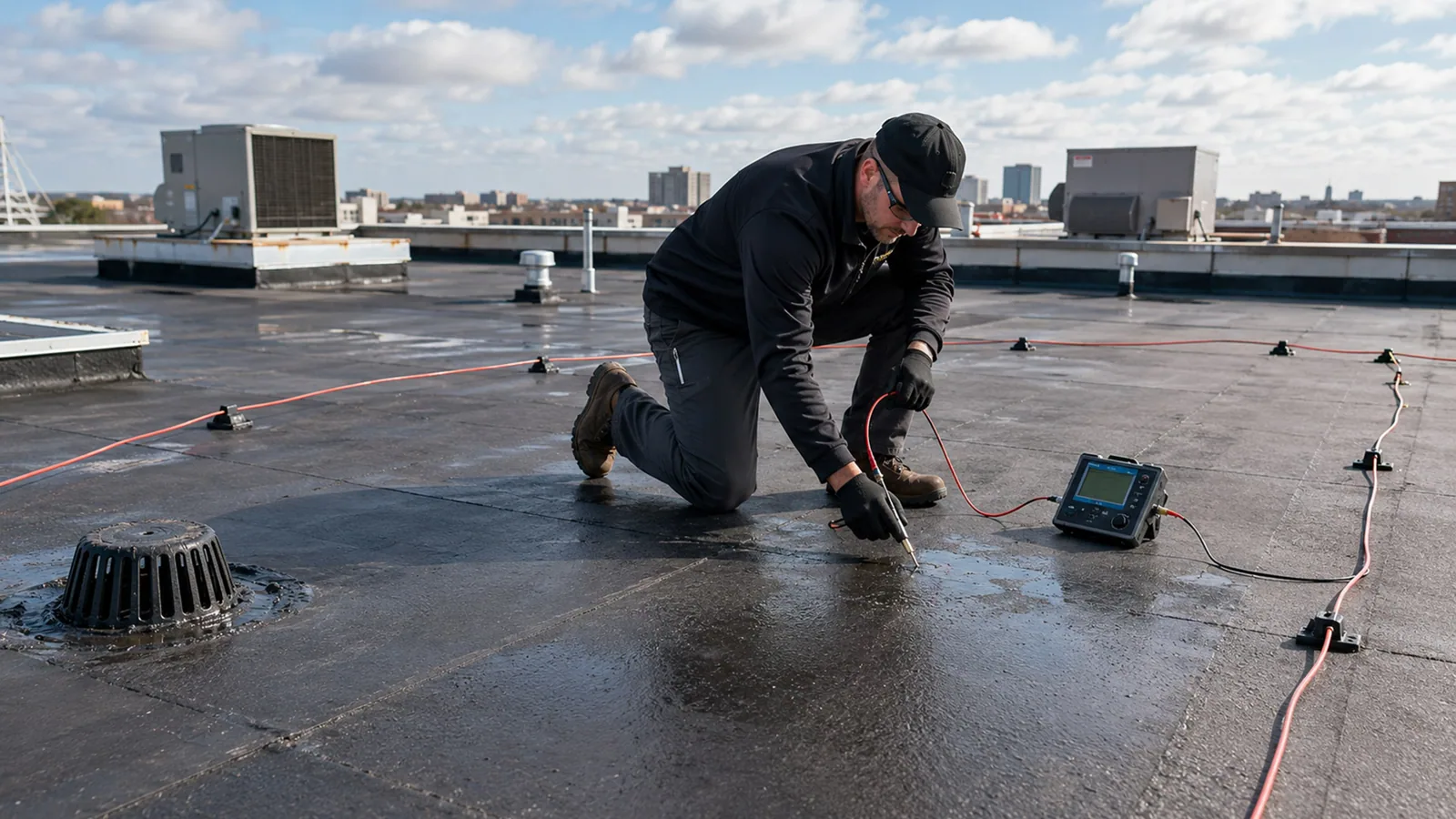
Commercial Roof Inspection in Murrieta, CA
See how this work fits the roof, the building and the schedule.
Learn More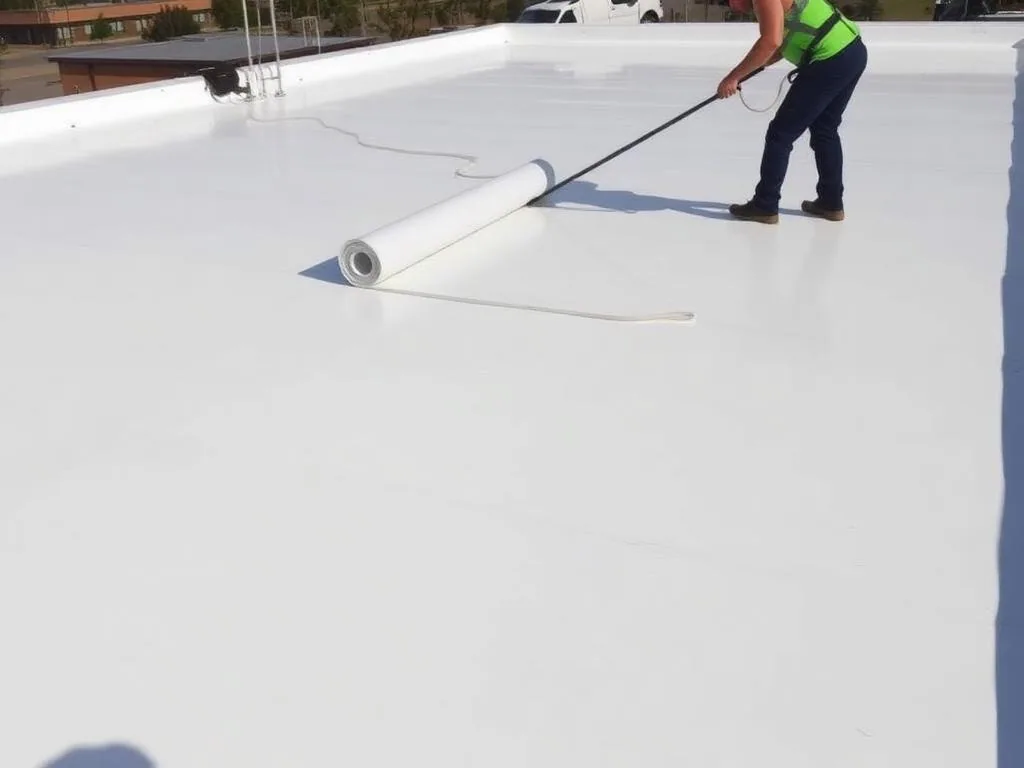
Commercial Roof Coating Restoration in Murrieta, CA
Related scope, access notes and questions to ask before work starts.
Learn More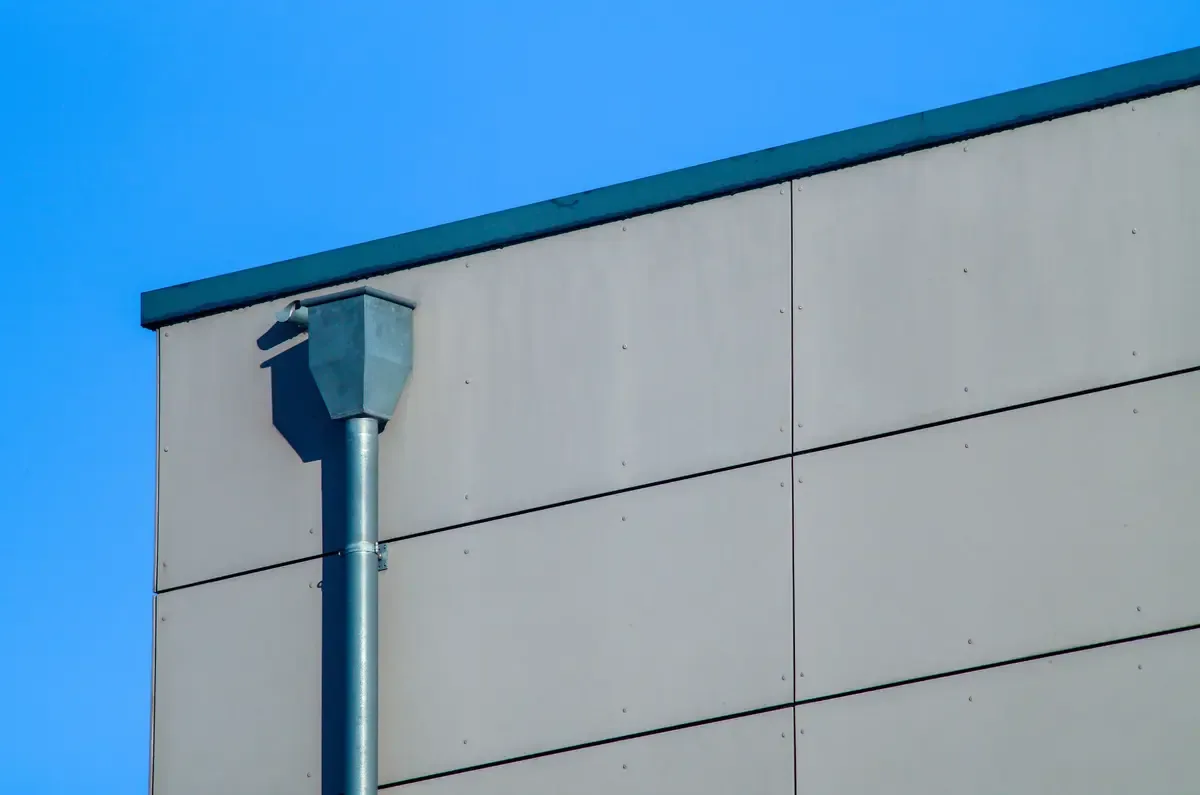
Commercial Roof Drains and Scuppers in Murrieta, CA
Read the full description and the questions owners ask about it.
Learn More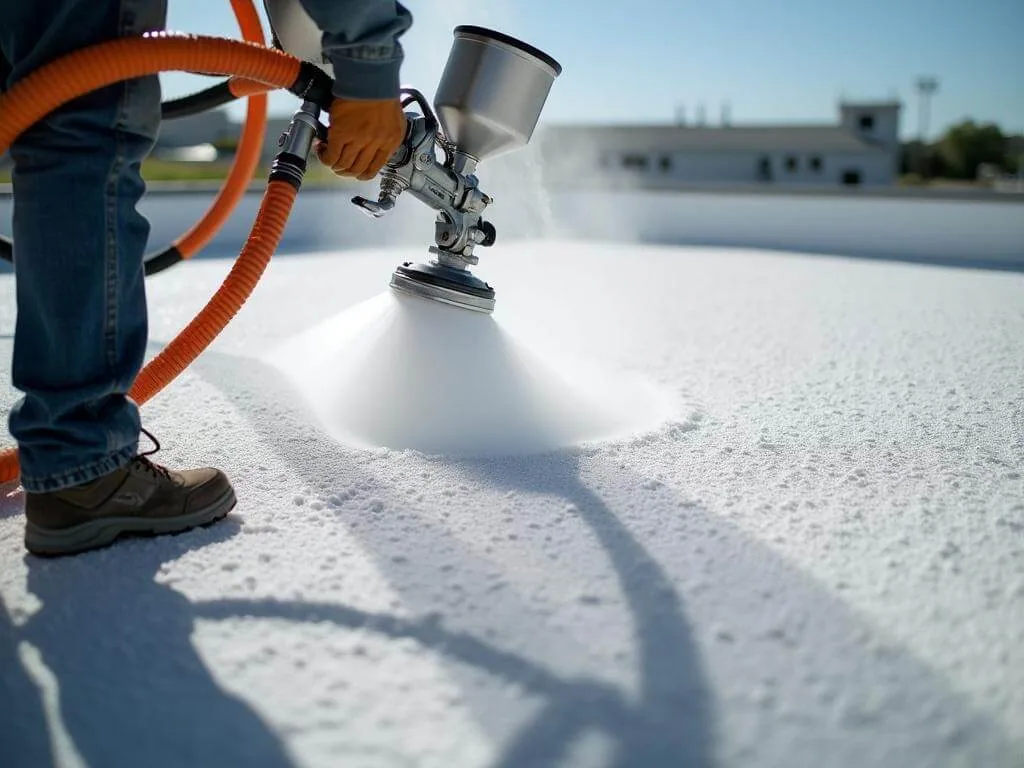
Commercial Spray Foam Roofing in Murrieta, CA
See how this work fits the roof, the building and the schedule.
Learn More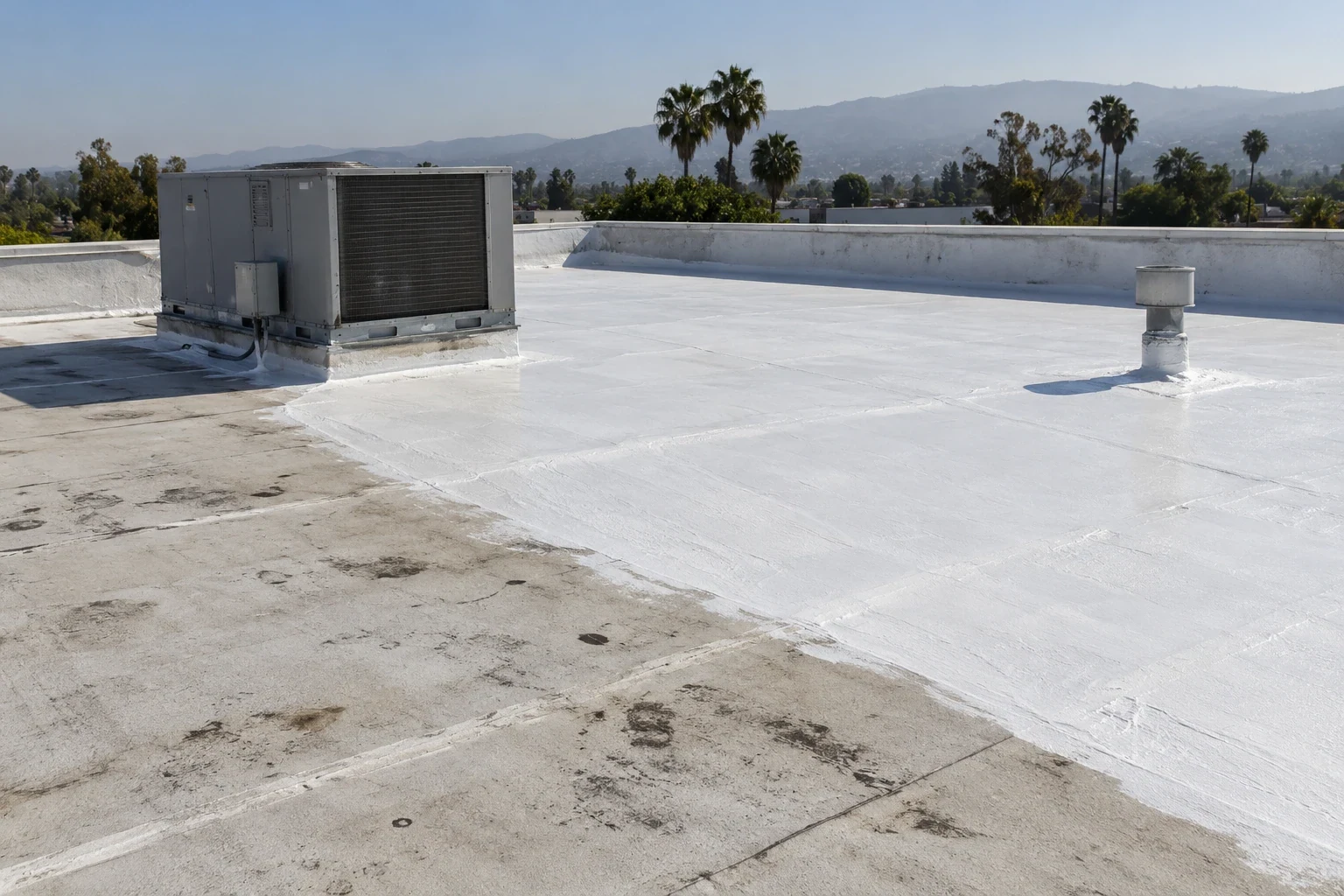
Commercial Acrylic Roof Coatings in Murrieta, CA
Related scope, access notes and questions to ask before work starts.
Learn More
Occupied-Building Commercial Reroofing in Murrieta, CA
Read the full description and the questions owners ask about it.
Learn MoreReview Silicone Coating in Murrieta
Arrange an inspection to test adhesion, map ponding and document roof repairs before comparing a silicone coating system.