
Commercial Roofing in Temecula, CA
Coordinate commercial roof repairs and replacement in Temecula around occupied space, detail work, and access. Get a condition-based scope for review.
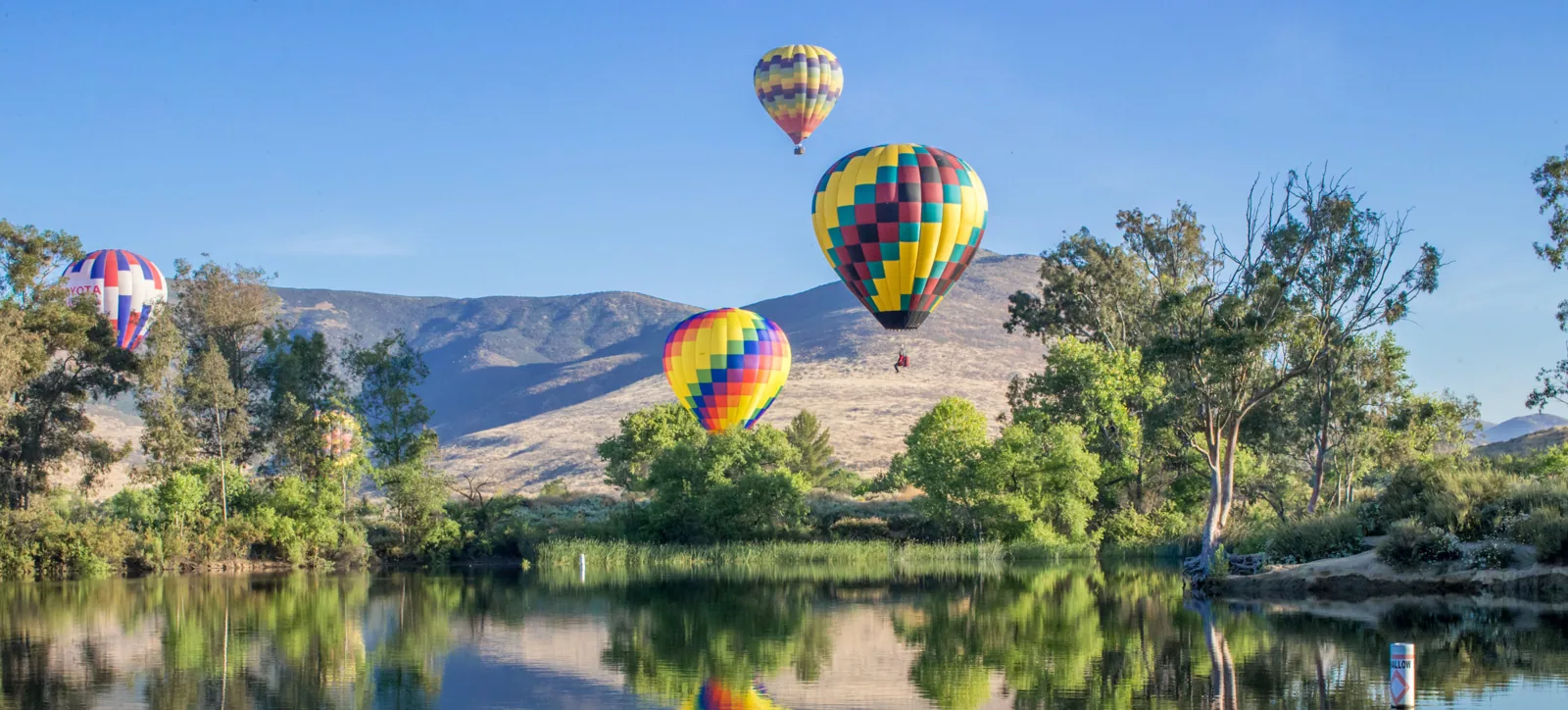
An occupied commercial building in Temecula needs a roof sequence that preserves the routes people use below. We begin with the membrane, seams, equipment curbs, roof edge, and drains, then set a removal limit and show how the exposed area will be protected before the shift ends. The City's business description gives Old Town a north-to-south span of roughly one mile. That district context does not tell us the roof type or operating hours at any property, so the owner confirms access and the inspection sets the scope.
Medical-device production and injection molding appear within Temecula's advanced-manufacturing recruitment priorities. That sector context can make equipment protection and rooftop coordination important questions, but it is not evidence about a named employer's facility. We confirm the actual use with the property team. A portfolio that also includes Murrieta's Jefferson-Madison district keeps that planning record apart from the Temecula roof map.
Property use: connect access rules to the roof plan
A roof walk starts with the building contact, drawings, and any recent repair history. We identify active areas below, delivery paths, equipment access, and hours when a lift or material staging could interrupt operations. A manufacturing space may have a different handoff than an office or retail use, but we verify the building rather than assume a standard layout. New office, industrial, commercial, and tract-housing construction goes through the City's Development Plan process; that land review does not describe an existing roof.
Old Town's north-to-south extent gives a recognizable district context, not an inventory of roof assemblies. We record the actual roof zones and note which entry stays open. If removal crosses a tenant route, the plan marks the daily limit, temporary protection, and person who can approve a change. A Wildomar inspection may share the same regional portfolio, while each Temecula property keeps its own operating contacts and scope.
Inspection map: locate the condition before naming the repair
A leak report points to the interior symptom, not always the opening in the roof. We compare the location with seams, wall transitions, curb flashing, skylights, drains, and prior patches. Water can track along a deck or wet insulation before it shows indoors. The record identifies what is visible, what remains concealed, and whether a test cut or moisture survey could change the recommendation. A commercial roof inspection turns the walk into a zone map, photographs, and a defined next action.
Drainage is checked as a route. We look at the bowl or scupper, overflow path, nearby low areas, and the membrane transition around each outlet. A clogged drain, a failed lap, and a curb with split flashing need different labor and material. We price the observed defect, list any unknown layer, and avoid expanding the repair boundary without evidence. That helps the property team compare a local correction with broader work using one consistent record.
Assembly review: carry the detail through every layer
A membrane replacement is only complete when insulation, attachment, edges, penetrations, and drains work together. We inspect the substrate and existing layers, then compare the proposed detail with the roof geometry and project documents. If moisture is present, the removal plan should show where it stops and how the boundary will be confirmed. A modified-bitumen assembly or another low-slope system is evaluated by its seams, transitions, and compatible tie-in, not by the product name alone.
Where a manufacturer or mechanical trade must approve an interface, the scope names the handoff before installation. We record the curb height, flashing limit, and who restores the membrane after equipment work. For a coating, adhesion and surface preparation matter as much as the final film. A coating restoration estimate lists preparation, reinforcement, drainage, and exclusions so an unresolved wet area is not hidden under new material.
Work sequence: protect the occupied space below
Each shift gets an assigned roof zone, material drop, and weather seal before removal starts. The contact confirms restricted paths and operating hours, then we write those limits into the scope so access is not improvised after mobilization. A phased occupied-building plan shows the handoff between roof zones and the building team.
Price and schedule move with tear-off depth, wet board, deck correction, edge metal, outlet work, equipment handoffs, and the daily dry-in limit. We list measured work beside the concealed quantity still awaiting a test, then state what finding could revise the estimate. The owner can approve a test area before ordering full material. A roof capital review may compare immediate repair with a later replacement, while keeping the Temecula schedule tied to the building's actual operating constraints.
Option review: compare patch, recover, and replacement
A patch makes sense when the opening is clear and the surrounding membrane can accept a reliable tie-in. Before adding another membrane, we verify attachment, moisture, deck strength, the parapet build-up, and outlet height at each roof section. Replacement may be the more complete scope when damage repeats in several roof zones or the assembly cannot support another layer. We show which inspection finding supports each option and list the condition that would change the decision.
Temecula's manufacturing focus does not establish what equipment sits on any particular roof. We inspect curbs, conduit supports, exhaust details, and the surrounding membrane before setting repair quantities. A commercial project in a different city, such as the Menifee service area, still needs its own site record. We can compare budgets across buildings only after the condition map, access plan, and material assumptions are clear for each property.
Approval record: show what is known and what can change
Before approval, the owner should be able to match a line item to the roof zone, observed defect, and proposed repair. We label removal limits, test locations, access allowances, and any work another trade owns. A photo condition report keeps the observations and approval record together for facilities staff and asset managers.
The City development-plan requirement applies to specified new construction; it does not tell us what a roof repair needs or how a permit will be handled. We confirm applicable project requirements with the owner and local authority instead of transferring a planning rule to roof work. Old Town and the Jefferson-Madison Corridor are different planning areas, and neither substitutes for the building's drawings, inspection, or approved scope.
Closeout file: leave the next roof walk a baseline
At completion, we mark repaired areas on the roof map, photograph seams and terminations, and list any excluded or deferred item. Product information, approved details, dated photos, and changes belong with the building record. The owner can also identify which drains or roof sections need a follow-up visit.
A portfolio team comparing Temecula with Murrieta should use building-level records, not a citywide assumption. Temecula's stated manufacturing focus and Old Town district help orient the local conversation, while the roof itself establishes the assembly and repair boundary. We leave the owner with the next useful choice: monitor, test, repair, or budget for replacement. Share the roof history, current concern, and available access window to arrange an inspection.
Commercial Roofing Questions
Does Old Town's district size identify nearby roof types?
No. A district boundary gives context, not a property survey. We confirm roof layers, business hours, and access at the building before setting quantities.
What does a Temecula roof inspection need to settle?
Map the reported condition, trace likely water paths, and record the visible assembly. We identify whether a repair is defined or a test opening would change the scope.
Can a coating solve a wet insulation problem?
Not by itself. We confirm moisture and substrate condition first, then price preparation and any removal separately from coating application.
How do manufacturing operations affect reroof timing?
The site contact identifies restricted access, equipment work, and operating hours. We divide the roof into daily sections and document each dry-in handoff.
What should the owner retain after the work?
Keep the roof-zone map, dated photos, completed details, product data, approved changes, and deferred items in one building file.
Related Roofing Work
Commercial Roofing in Wildomar, CA
See how this work fits the roof, the building and the schedule.
Learn More
Commercial Roofing in Menifee, CA
Related scope, access notes and questions to ask before work starts.
Learn More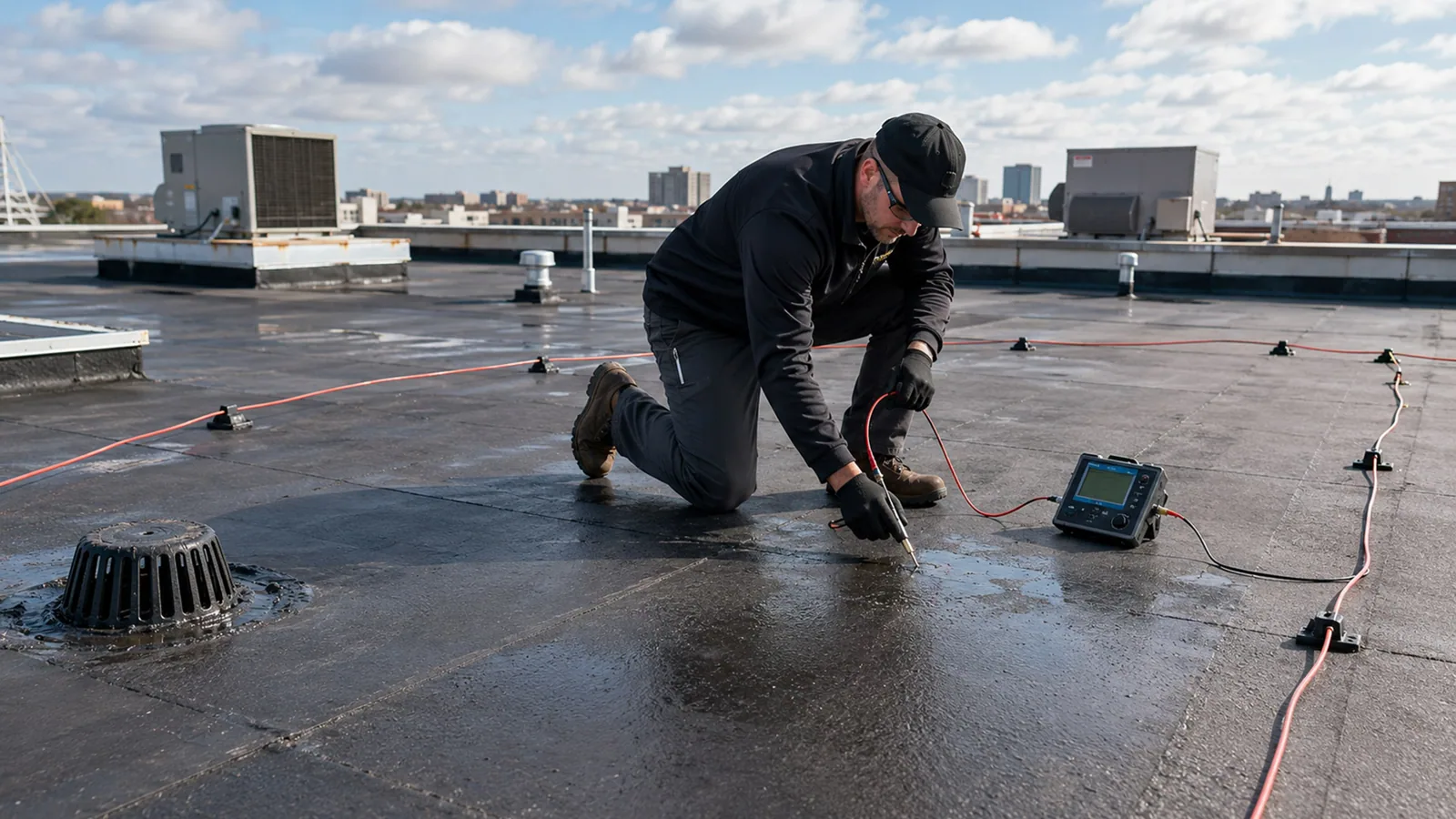
Commercial Roof Inspection in Murrieta, CA
Read the full description and the questions owners ask about it.
Learn More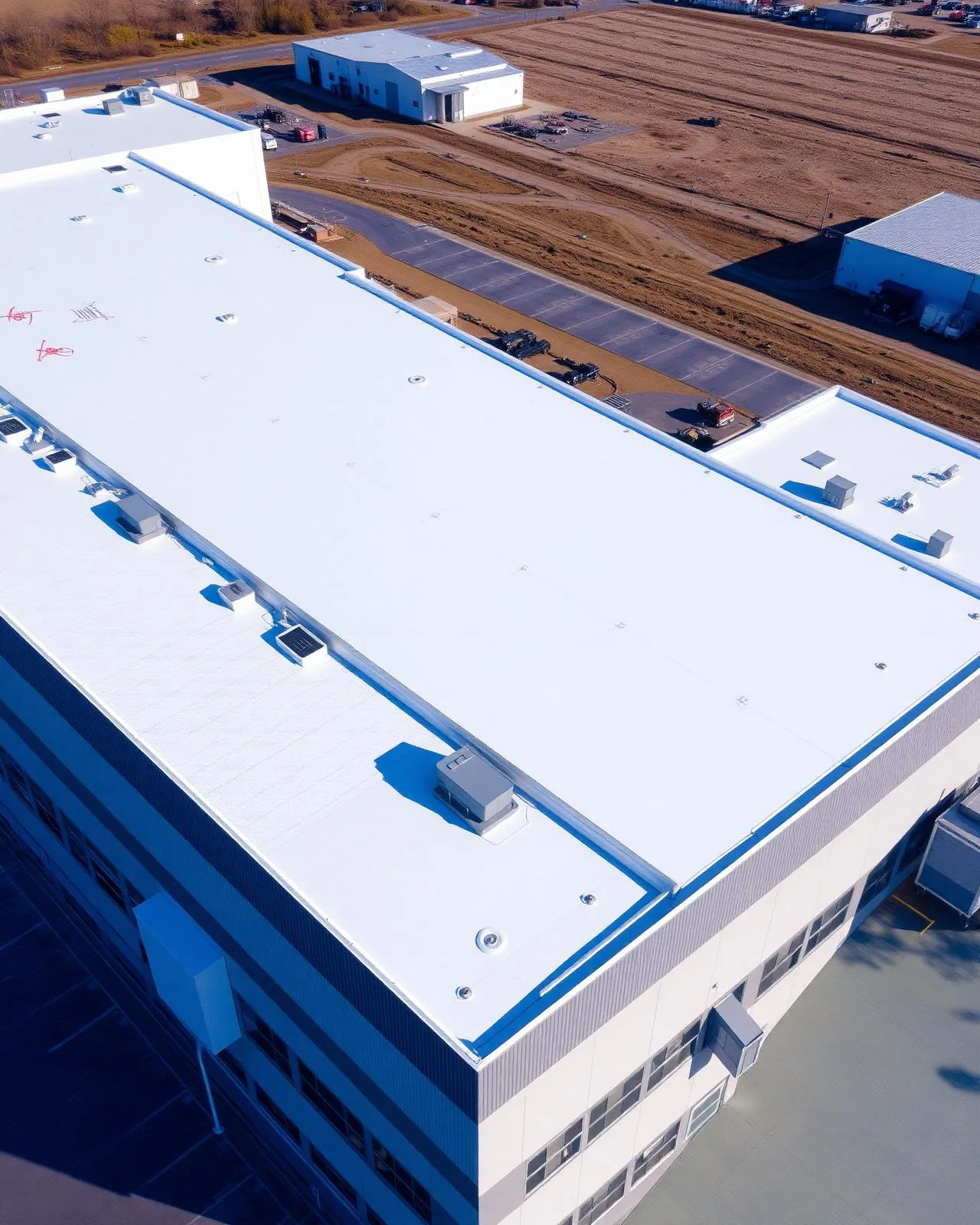
Commercial Modified Bitumen Roofing in Murrieta, CA
See how this work fits the roof, the building and the schedule.
Learn More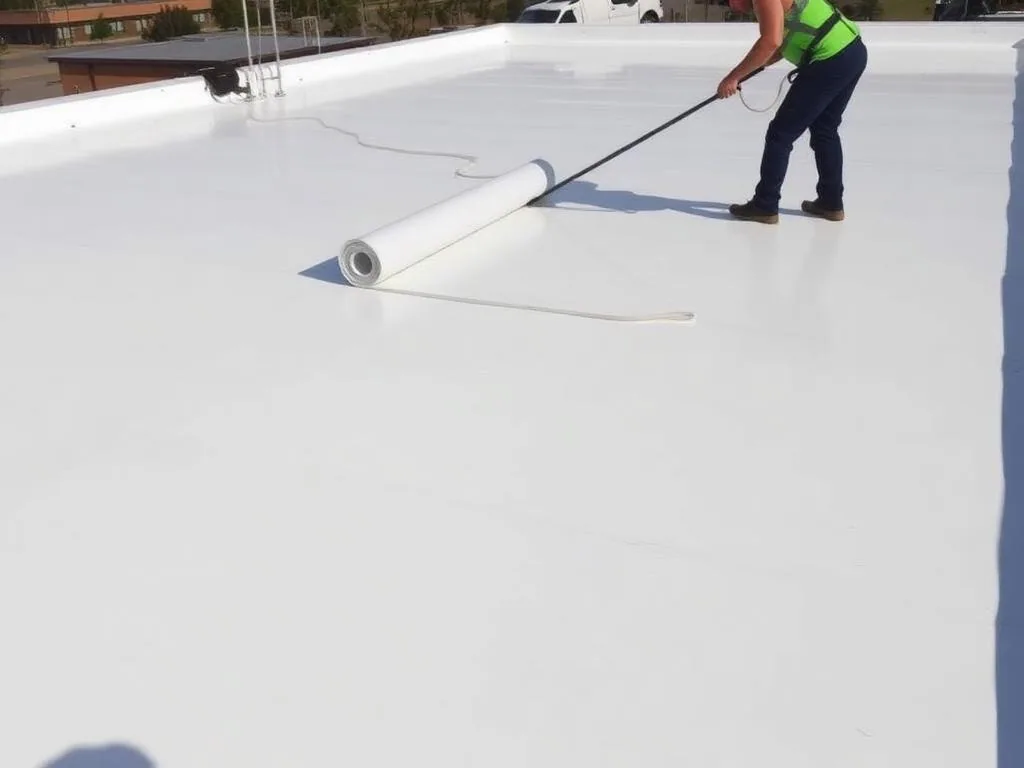
Commercial Roof Coating Restoration in Murrieta, CA
Related scope, access notes and questions to ask before work starts.
Learn More
Occupied-Building Commercial Reroofing in Murrieta, CA
Read the full description and the questions owners ask about it.
Learn MoreArrange a commercial roof inspection in Temecula
Share the building use, roof history, reported condition, and available access window. We will map the affected area and return a documented repair or replacement scope for review.