
School District Roofing in Murrieta, CA
Coordinate school roof inspections and repairs with campus findings, occupied-area controls, clear scopes, and district-ready records.
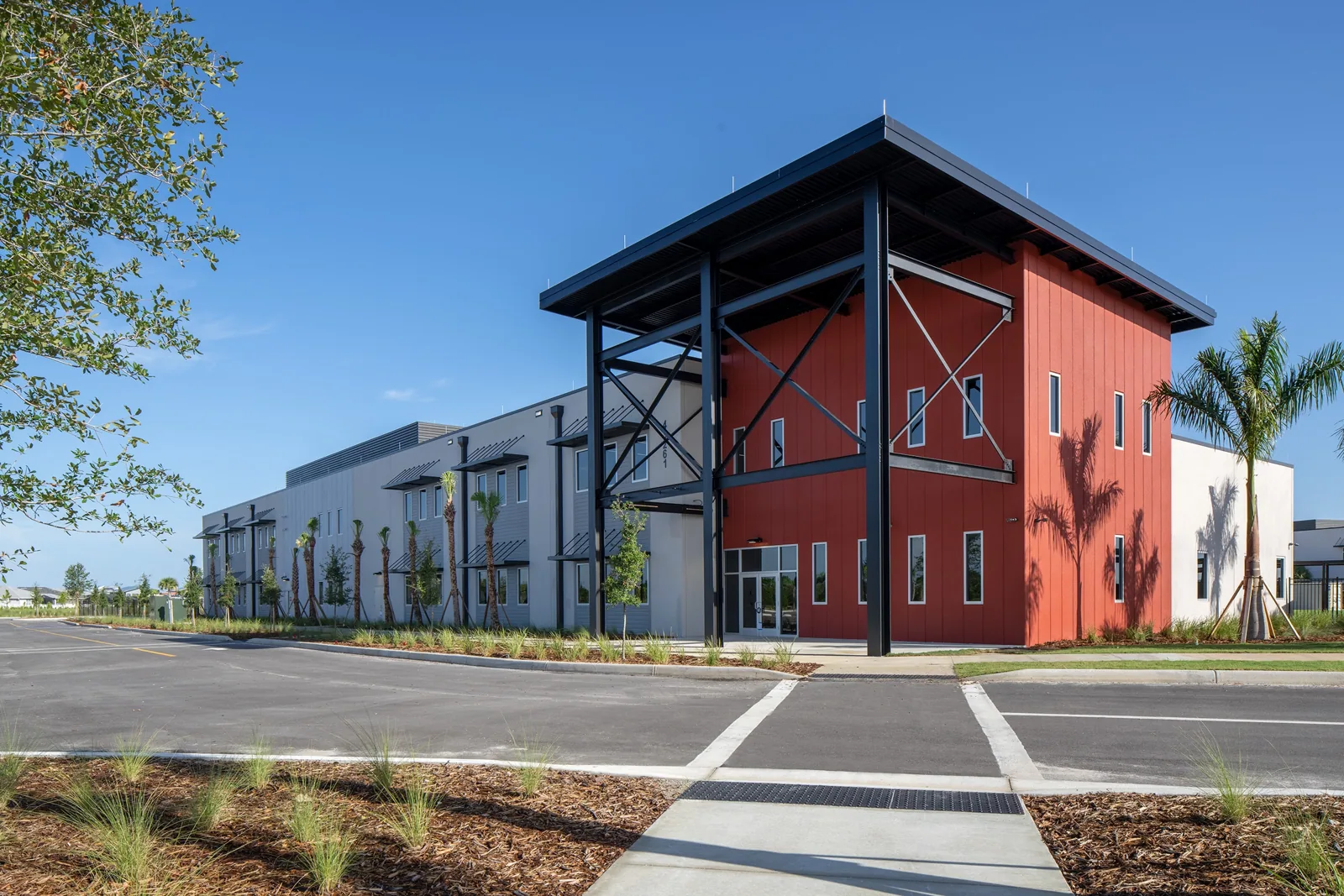
A district roof review must work for the maintenance lead tracking one leak and the finance team comparing buildings. A stain over a classroom, blocked drain, or old gym patch may point to different next steps. We begin with the affected room and roof section, then record what inspection can verify. Murrieta planning materials describe workforce development tied to higher education and local job creation; that context does not identify a school roof or its condition. A commercial roof inspection should leave a usable map, photographs, and a decision tied to the actual assembly.
Campus Register: Separate Each Building
Start the district file with a campus and building identifier, not a broad label such as school roofs. Note the use, reported leak, access point, assembly if known, and person who can approve work. A classroom wing, kitchen, gym, office, and covered walkway may have different users below and details above. Keep each observation with its own roof section, even when one maintenance crew serves several properties.
A district can compare properties with a consistent record format, provided it preserves differences in membrane, deck, drainage, edge metal, equipment, and prior repairs. Murrieta connects to Interstate 15 and Interstate 215, which frame regional travel, but route access is one scheduling input. Confirm gates, roof ladders, student movement, and staging with the school contact. A school-building scope accounts for the use below each work area. For shared portfolio records, see how property managers coordinate multiple buildings. If the same team supports care locations, healthcare system roof planning shows why occupied-use controls must remain property specific.
Water Path: Match the Report to the Roof
When a ceiling mark appears after rain or heat, record the room, report time, affected area, and contents needing protection. On the roof, follow seams, penetrations, curbs, wall transitions, drains, and overflow points above that space. Water can travel before it appears indoors, so the nearest detail is not automatically the entry point. Note what inspection confirmed and what still needs testing or access.
Drainage deserves its own record. Check the bowl and surrounding surface, the path to the outlet, and any overflow route. A ponding-water review should identify the observed area and whether slope, drain detail, or debris needs closer review. The Jefferson and Madison area covers roughly 220 acres planned for future business and innovation uses. This is not proof of a completed campus or school facility; district work must follow its actual property inventory.
Work Boundary: Show What the Repair Includes
A repair is easier to review when its limits are visible. Identify the roof section, suspect detail, preparation, compatible materials, tie-ins, and daily dry-in line. If insulation or deck condition is concealed, state what would trigger opening more area and who approves it. Keep temporary water control separate from the permanent repair.
Across campuses, preserve the same useful fields without copying findings between buildings. The maintenance office can sort active leaks, repeat repairs, drainage concerns, and capital reviews while each note keeps its own evidence. A roof condition report supports comparison with consistent labels and photographs. For a curb or wall connection, a flashing assessment names the detail and repair boundary. Describe only what inspection supports.
Occupied Hours: Agree on the Work Window
Before arrival, the school contact can identify check-in, restricted walkways, event schedules, roof access, and the areas below work. Those details guide lift placement, staging, noise planning, and how much roof opens in a shift. If another trade must handle an exhaust unit or alarm line, agree on the handoff before work begins. Record the daily dry-in point and open route.
Calendar assumptions can disrupt operations. Summer may offer a wider window at one property, while another has classes, community use, or maintenance. The district sets hours and notice; roof sections can be phased around those limits when the assembly and forecast allow. A phased reroof plan states active area and shift-end protection. For work spanning Murrieta, Menifee, or Temecula, confirm delivery routes at each site rather than use one arrival plan. Leave a communication contact for staff questions and identify where signs or a temporary walkway change will be placed; the school approves that notice before the work area changes.
Capital Review: Compare Like Roof Sections
Repair, recover, and replacement are useful choices only when they refer to the same roof area and evidence. Note visible layers, seam and flashing condition, drainage, attachment, edge details, and open moisture or deck questions. A recover may not suit trapped moisture or details that cannot be raised cleanly. Replacement can mean more coordination. Compare options by boundary, assumptions, exclusions, and effect on occupied space.
A portfolio view can put recurring repairs beside sections for closer survey or budget review. The city's economic plan links workforce development with higher education and local job creation; it does not predict district enrollment, budgets, or roof needs. A roof capital plan can group verified needs by timing while keeping every building's assembly and scope separate. Closeout photographs and approvals give the next review a starting point.
Records: Keep the Next Visit Useful
At completion, give the district the repair location, before-and-after photographs, materials, approved changes, and open observations. Mark the drain, curb, seam, or edge addressed. If a later leak appears nearby, staff can compare its path with the earlier work instead of relying on a broad invoice label. State what was completed and what would warrant another inspection.
A clear record lets a contractor return to the same section without staff reconstructing its history. Separate temporary measures, permanent work, and future recommendations. A roof asset record can organize files across campuses, while a multi-site review program keeps a common rhythm with building-level detail. The next action may be targeted inspection, drain correction, repair, or capital comparison. State which decision the evidence supports.
Commercial Roofing Questions
Can roof work happen while students and staff are on site?
It depends on the approved work window, access route, noise, and the roof section involved. We coordinate staging and the area below the work with the school contact, then document the daily dry-in point. The district sets occupancy limits and notices before mobilization. If a walkway must change, identify a safe alternate route before materials arrive and keep it clear through shift end.
How should a district compare roof conditions across campuses?
Use a consistent record for building, roof section, assembly, photographs, reported issue, drainage, and open questions. Keep each finding tied to its property, even when the same repair pattern appears elsewhere. A shared format supports comparison without assuming the roofs are identical. Track when the observation was made and whether the area was wet, dry, or inaccessible so the next review has useful context.
Does a nearby planning corridor tell us which school needs a roof project?
No. Murrieta planning for future land uses does not establish the condition of an existing school roof. The district's own inspection, repair history, access needs, and capital priorities should determine the next step.
What should be included in a school roof repair scope?
Name the affected section, observed failure, preparation, materials, tie-ins, work hours, daily protection, and exclusions. State how concealed wet insulation or deck damage would be reviewed and approved before the work boundary expands. Include roof access and a contact for decisions that could change the scheduled sequence.
When should we consider a portfolio roof review?
A portfolio review helps when repair records are difficult to compare or budgets require a sequence across buildings. It can group verified needs by urgency while preserving each assembly, photograph set, and approval path. Start with the properties where water, drainage, or recurring repairs affect operations.
Related Roofing Work
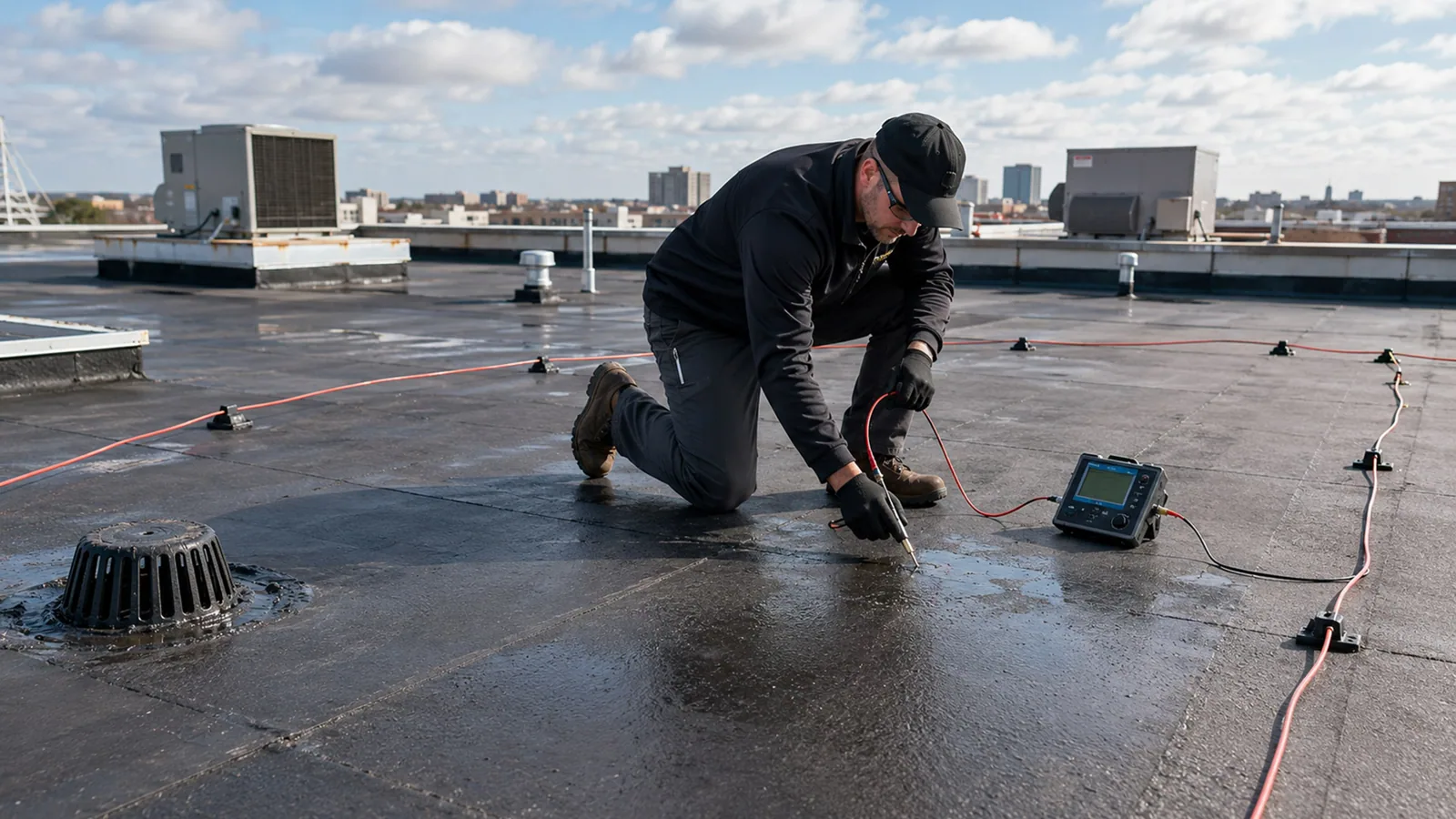
Commercial Roof Inspection in Murrieta, CA
See how this work fits the roof, the building and the schedule.
Learn More
Commercial Roofing for Property Managers in Murrieta, CA
Related scope, access notes and questions to ask before work starts.
Learn More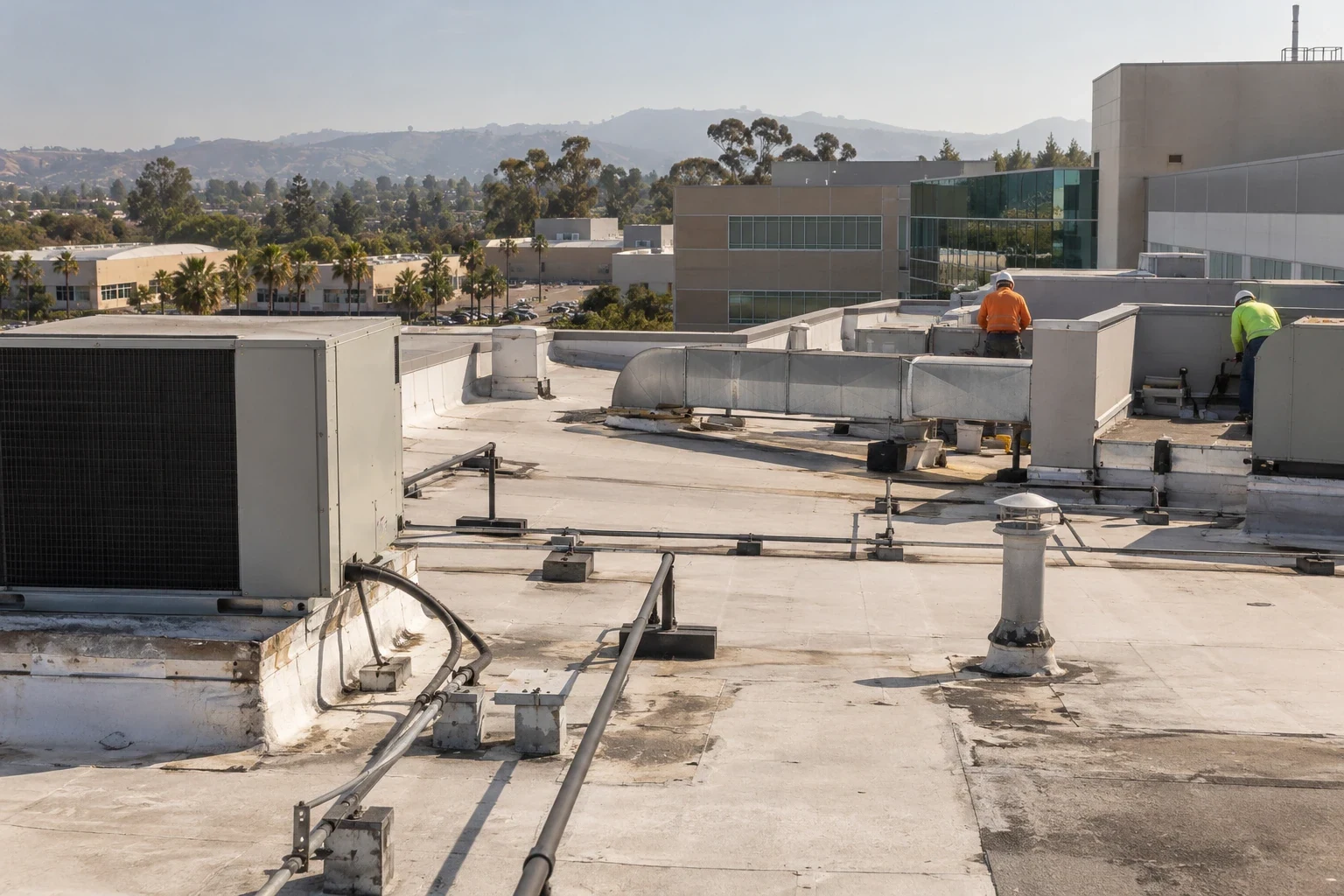
Healthcare System Roofing in Murrieta, CA
Read the full description and the questions owners ask about it.
Learn More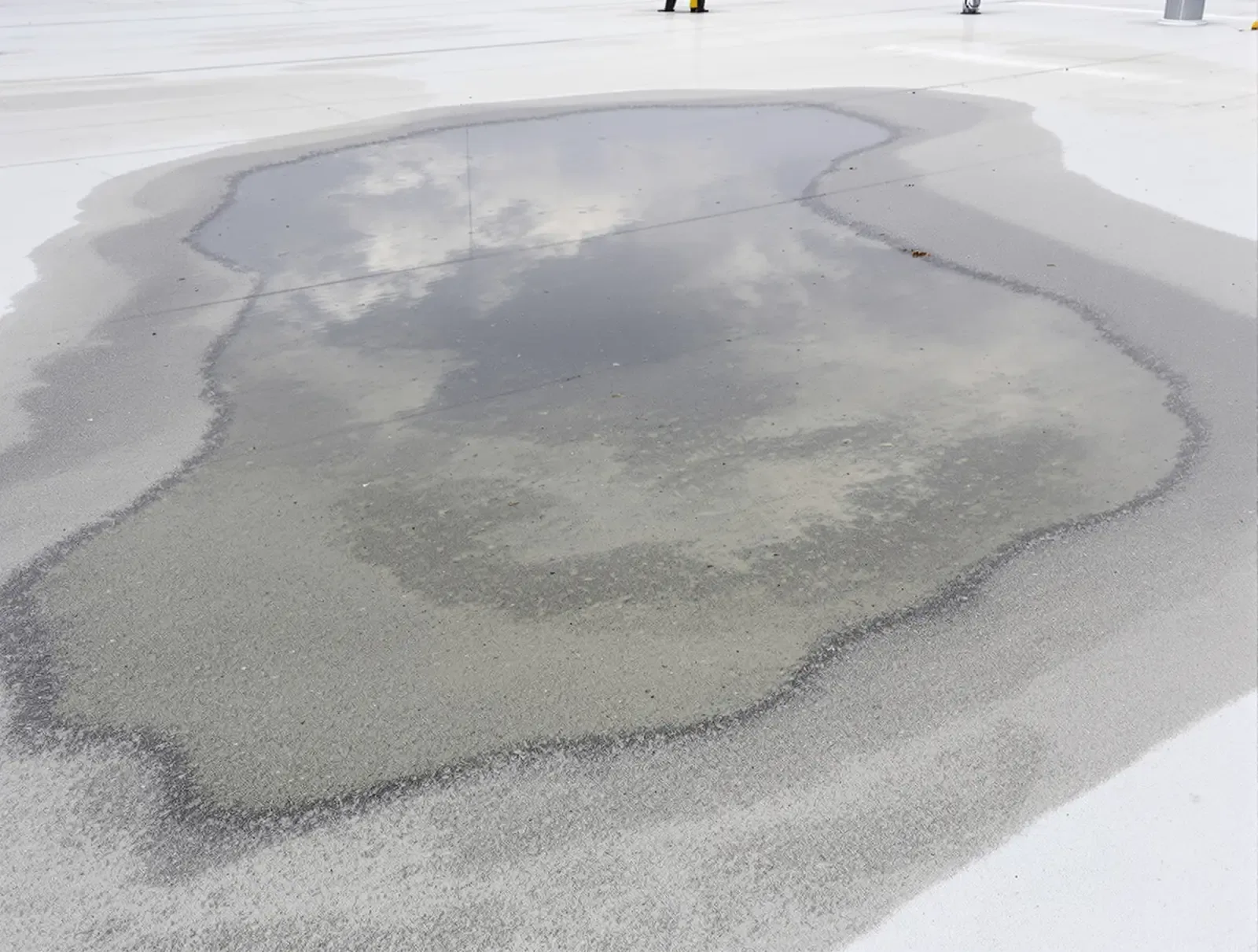
Commercial Ponding Water Roof Repair in Murrieta, CA
See how this work fits the roof, the building and the schedule.
Learn More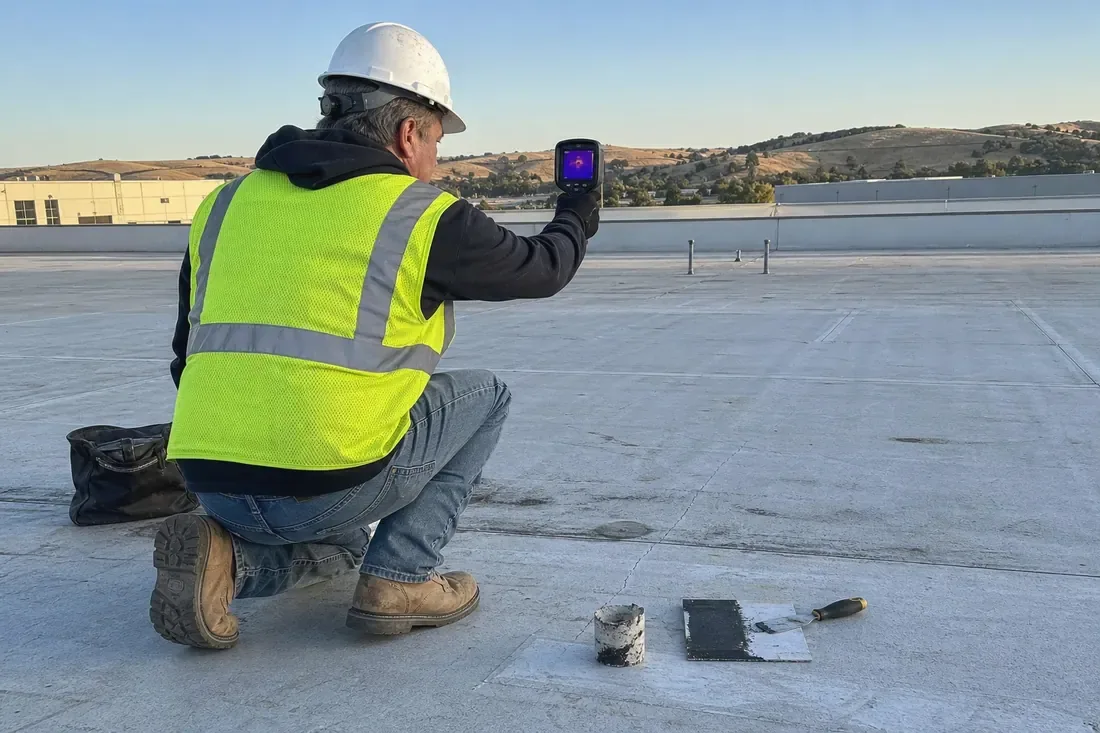
Commercial Roof Condition Reports in Murrieta, CA
Related scope, access notes and questions to ask before work starts.
Learn More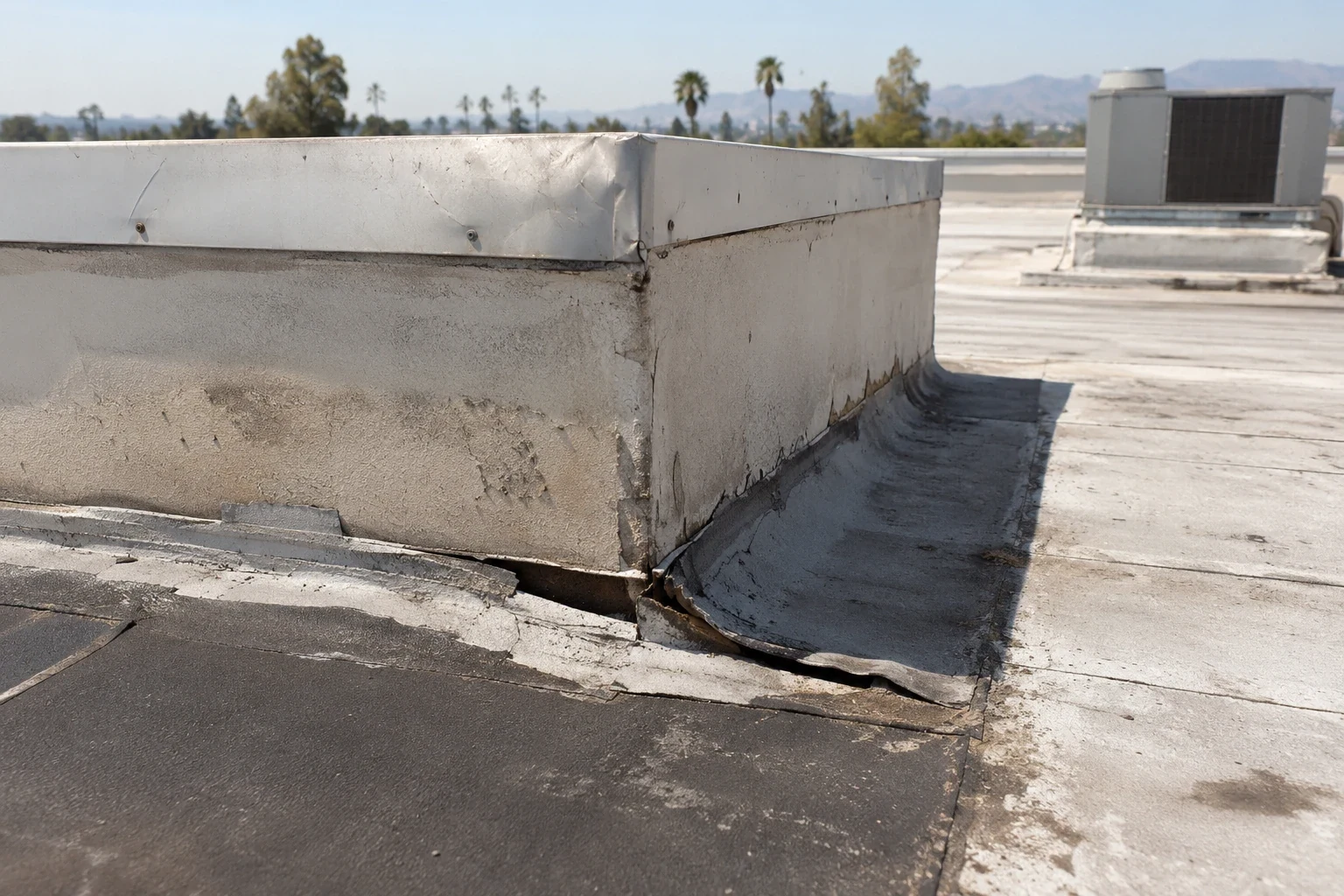
Commercial Flashing Failure Repair in Murrieta, CA
Read the full description and the questions owners ask about it.
Learn MoreBuild a Clear District Roof Record
Arrange an inspection to map the affected section, document what is visible, and set the next decision for your school property.