
Commercial PVC Roofing in Murrieta, CA
Compare commercial PVC roofing in Murrieta, CA, with attention to chemical exposure, welded seams, insulation, drainage, rooftop details and maintenance.
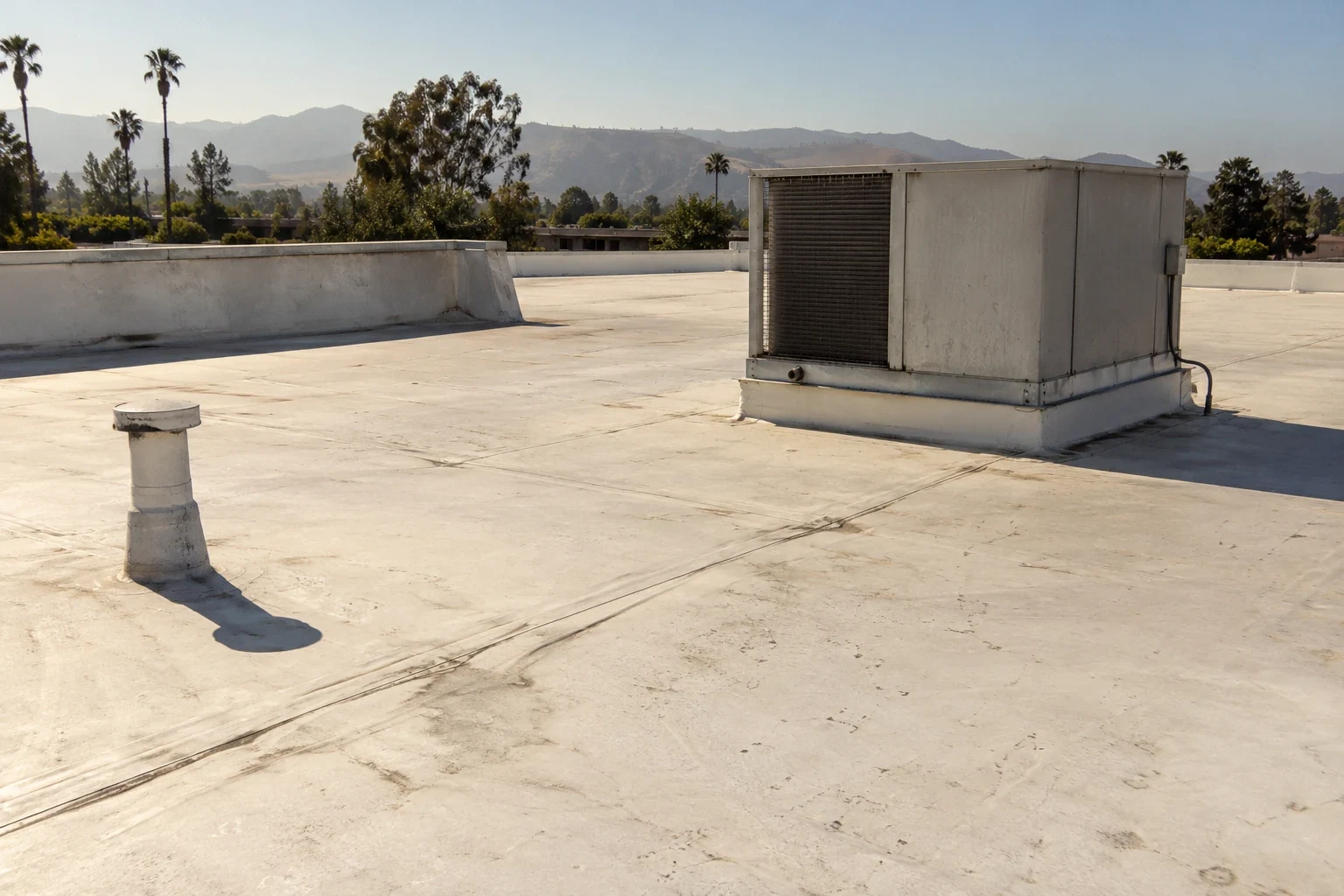
PVC membrane often enters the discussion when a commercial roof has kitchen exhaust, process discharge or another exposure that deserves a closer material review. In Murrieta, we first identify what reaches the roof and whether the existing assembly can support a new system. The City’s 2025 code adoption took effect January 1, 2026 and includes the California Building Code; new permit submittals from that date follow the adopted codes. That makes project documents, attachment design and permit scope part of the early review, alongside roof condition. We compare membrane data with the actual exposure rather than assume one product fits every roof. A roof inspection records substrate, drains and penetrations before the specification is set.
Roof Exposure: Identify What Reaches the Membrane
PVC is a thermoplastic single-ply membrane whose formulation can suit certain grease or chemical exposures, but the exact resistance depends on the product and the substance involved. We ask where exhaust lands, whether oils or cleaning agents are present, how often the surface is washed and whether discharge can be redirected. The manufacturer’s compatibility information should cover the actual exposure and contact conditions. A generic statement that PVC is chemical-resistant is not enough to select a system. We inspect deposits, surface changes, nearby fans and the path of runoff, then note whether a curb, diverter or cleaning practice belongs in the scope. If the exposure is localized, the owner can compare an accessory or detail correction with a full membrane change. For broader replacement, the roof scope should identify the existing layers and any material that must be removed. A TPO assembly may be a viable alternative where chemical exposure is not the controlling requirement.
Weld Quality: Make Each Joint Part of the Inspection
PVC field seams are joined with hot air, so clean surfaces and controlled machine settings matter. The installer adjusts temperature and speed for the membrane, ambient conditions and substrate, then checks the weld as the run progresses. A probe test after cooling can reveal a missed edge, but it does not replace the installation record or inspection of corners and terminations. Patches should extend onto sound material and use compatible membrane, while a repair over a contaminated surface can fail again. We look at seams, lap direction, T-joints, perimeter attachment and changes in plane as one system. A KEE membrane option may be considered where flexibility or chemical exposure changes the specification, but product formulation and warranty conditions still need review. We also compare cover-board and insulation choices because the substrate can affect attachment, impact protection and the height of flashing details.
When a membrane meets an existing PVC field, we check whether the surface can be cleaned and prepared for a reliable weld. Aged material may need a test weld before a permanent patch is approved. At a metal curb or parapet, the termination has to hold the membrane without pinching it or leaving a water path behind the flashing. We photograph the connection before and after work, particularly where several trades share the roof. That record helps distinguish a later mechanical change from the original roofing detail. If a repair uses a different formulation, its compatibility should be confirmed rather than assumed because both products carry a PVC label. The assembly schedule should name the membrane and accessory materials at each unusual transition.
Drainage and Flashing: Keep the Roof Serviceable
A PVC membrane cannot compensate for a blocked drain or a roof section that holds water. We trace the slope to drains and scuppers, check that overflow paths remain open, and measure the relationships among the membrane, curbs, skylights and parapets. A new insulation package can raise edges or change the curb upstand, so those elevations should be part of the drawing review. For new commercial, industrial and office proposals in Temecula, the City uses a Development Plan review. It does not select a roof system, but it can affect coordination when roofing is one part of a broader alteration. In every case, we inspect the roof rather than infer details from the permit. A drainage review can identify flow problems. We also inspect the perimeter transition so the roof assembly closes at its edge. Penetrations need flashing that stays accessible for repair, not a seal hidden behind equipment or conduit.
Work Sequence: Coordinate Exposure, Trades and Access
Before removal, we agree on the daily work boundary, material staging, rooftop access and which mechanical equipment can be shut down. Grease duct work may require a separate cleaning or service window, and the roofing crew needs a dry-in plan if that work pauses. We identify who handles disconnects, who can authorize concealed repairs and how water will be kept out while the old system is open. Menifee’s land-use code separates retail and office activity from business-park and heavy-industrial zones. Those are land-use labels, not proof of the roof or its exhaust load, so the inspection still has to establish the actual building use and exposure. We note loading areas, occupied rooms, air intakes and roof paths that should remain clear. A phased installation plan can separate sections and trade windows. If the roof also has active leakage, we establish the repair boundary before membrane installation begins.
Owner Record: Preserve Product and Repair Information
PVC project cost depends on removal, deck condition, insulation, attachment, flashing quantity, chemical-exposure details, access and the number of equipment interfaces. We show those factors in the proposed scope so the owner can compare bids by assembly rather than membrane name alone. At closeout, retain product data, membrane thickness, attachment layout, seam and penetration photographs, approved repairs and any applicable manufacturer documents. The maintenance plan should track seam condition, surface damage, drains, perimeter metal and exhaust-related deposits. When operations change or rooftop equipment is replaced, that record helps the next reviewer see whether exposure or access conditions have shifted. A photo condition report can preserve the installed state, and a Temecula project record should identify its own local approval and access details. We return to the roof evidence when setting repair priorities; material labels alone do not show whether a section remains sound.
Commercial Roofing Questions
Is PVC the right choice for a roof with kitchen exhaust?
It may be suitable, but the exhaust type, concentration, temperature, cleaning chemicals and discharge location matter. We compare those conditions with the selected manufacturer’s compatibility data and inspect nearby membrane before recommending a material or detail change.
Can PVC seams be repaired without replacing the roof?
Localized seam or flashing repairs are possible when surrounding membrane remains weldable and the substrate is stable. We test the material, clean the repair area and extend the patch onto sound membrane; widespread contamination or deterioration may call for a larger scope.
Does a thicker PVC membrane solve puncture problems?
Thickness is one specification, but cover board, reinforcement, foot traffic and equipment servicing also affect puncture risk. We review those conditions together and identify walk pads or access changes where maintenance traffic concentrates.
What should we verify before ordering PVC?
Confirm the product formulation, chemical compatibility, membrane thickness, attachment, insulation, flashing details and permit requirements. The drawings should also show drains, curbs, edges and temporary tie-ins so ordering matches the roof being installed.
How do we keep PVC roofing in service after installation?
Schedule inspections for seams, punctures, drains, edges and areas below exhaust outlets. Keep photographs and product information with the roof plan, and update the record after mechanical work or any repair that changes a penetration.
Related Roofing Work
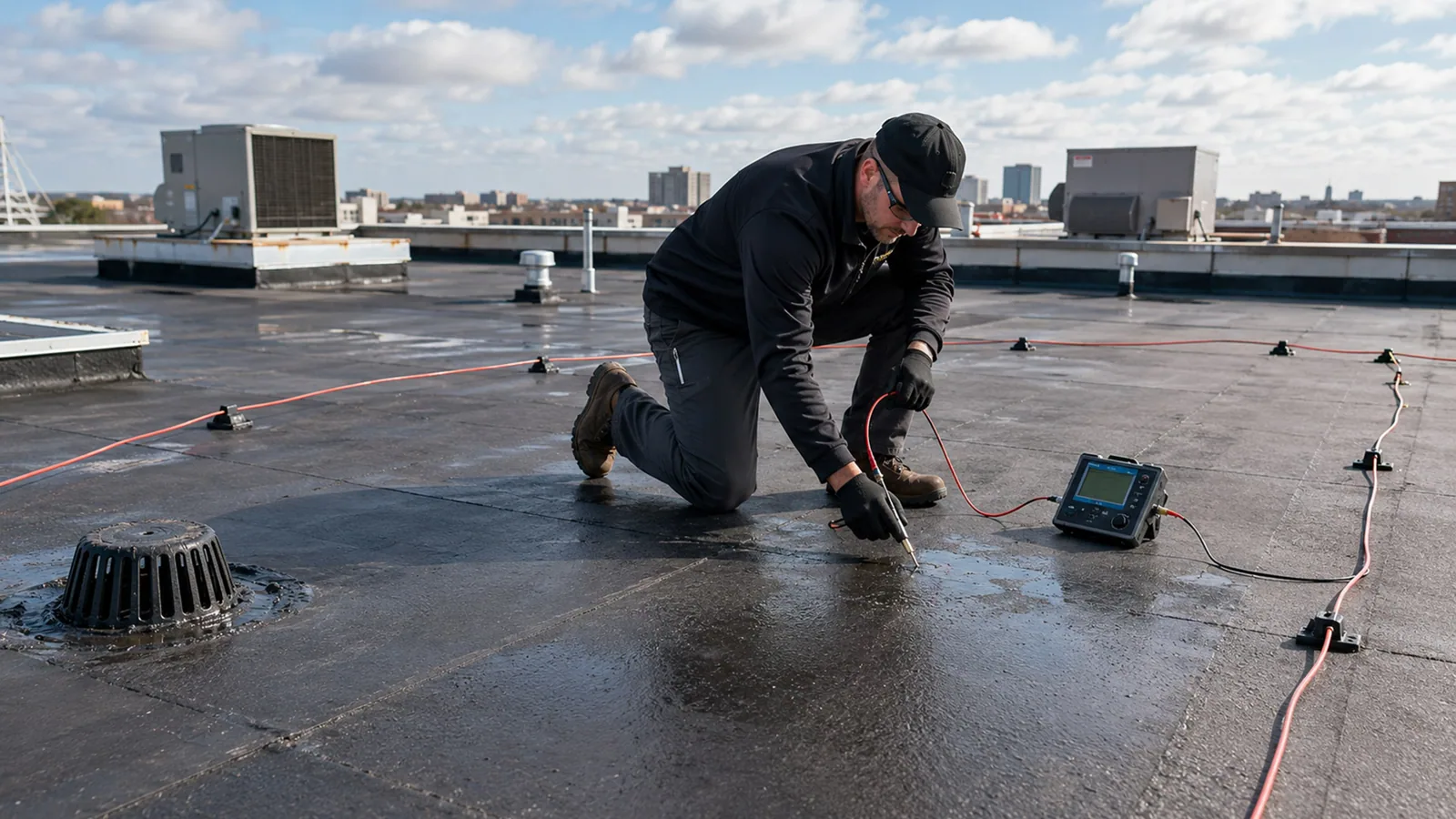
Commercial Roof Inspection in Murrieta, CA
See how this work fits the roof, the building and the schedule.
Learn More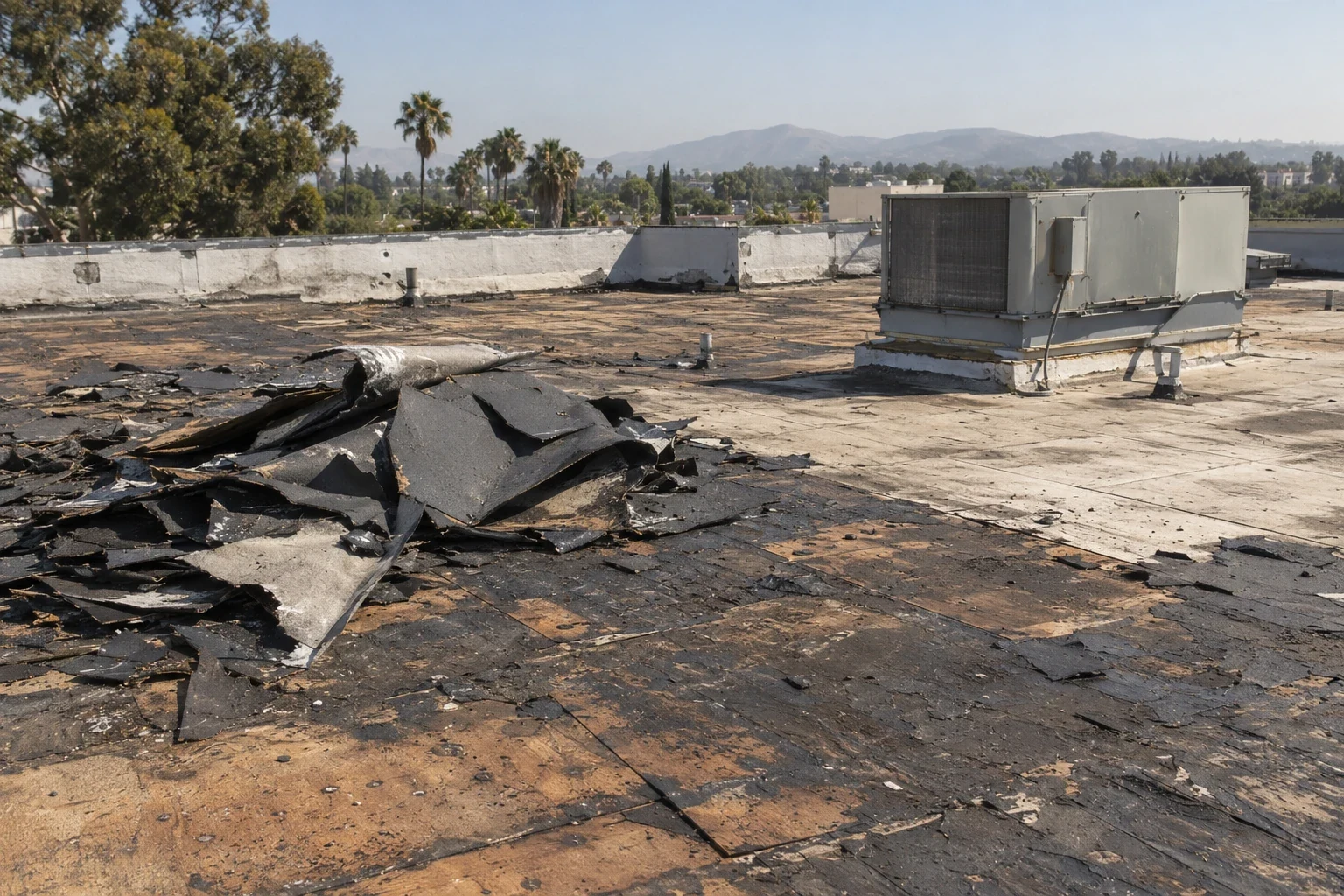
Commercial Roof Replacement in Murrieta, CA
Related scope, access notes and questions to ask before work starts.
Learn More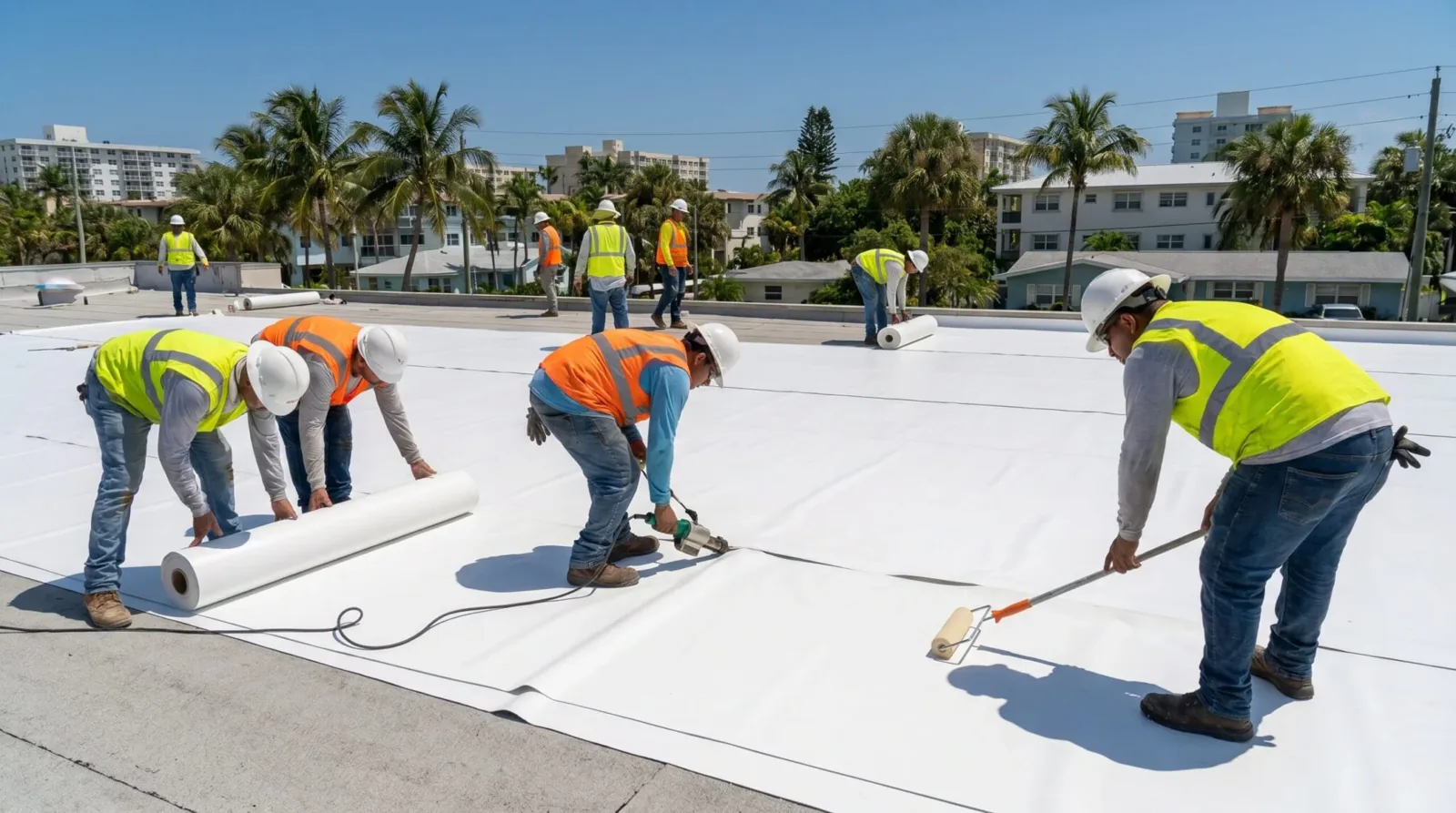
Commercial TPO Roofing in Murrieta, CA
Read the full description and the questions owners ask about it.
Learn More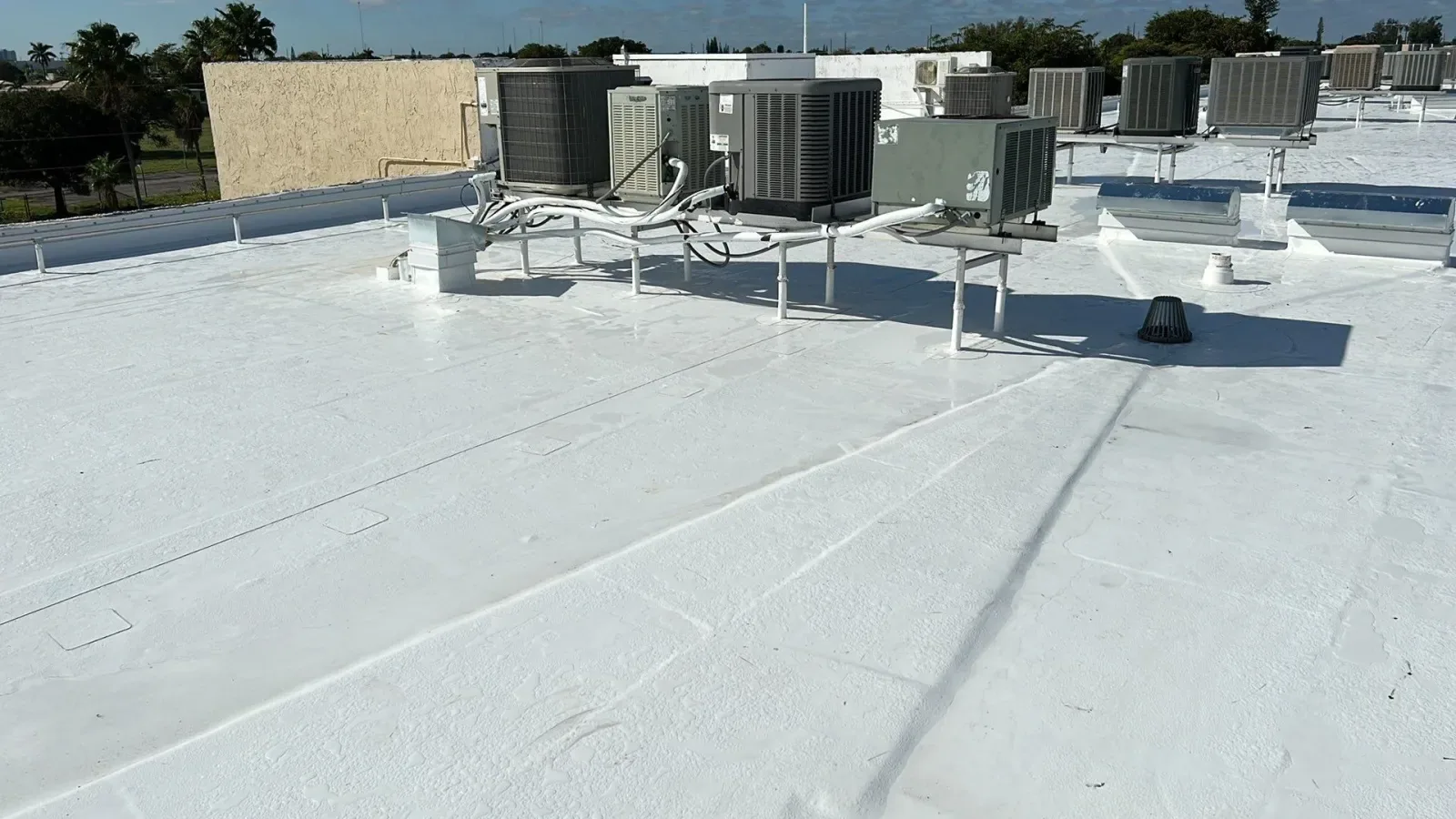
Commercial KEE Roofing in Murrieta, CA
See how this work fits the roof, the building and the schedule.
Learn More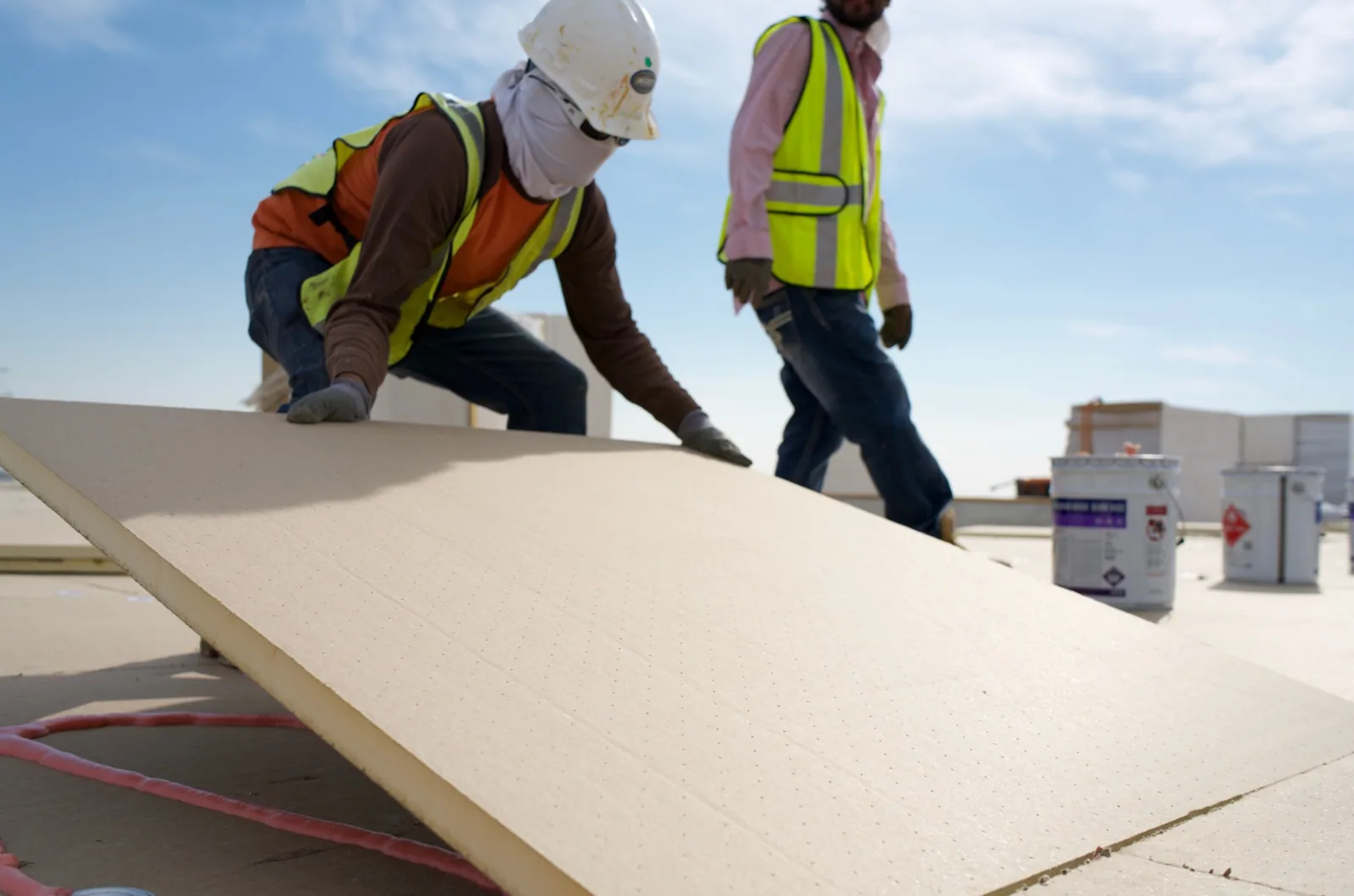
Commercial Roof Insulation and Cover Board in Murrieta, CA
Related scope, access notes and questions to ask before work starts.
Learn More
Commercial Roof Drains and Scuppers in Murrieta, CA
Read the full description and the questions owners ask about it.
Learn MoreReview PVC Roofing in Murrieta
Arrange a roof inspection to document exposure, existing membrane and details before comparing PVC system options.