Commercial Roof Coating Restoration in Murrieta, CA
Compare commercial roof coating and restoration options in Murrieta. We inspect adhesion, moisture, details and drainage before defining a recover scope.
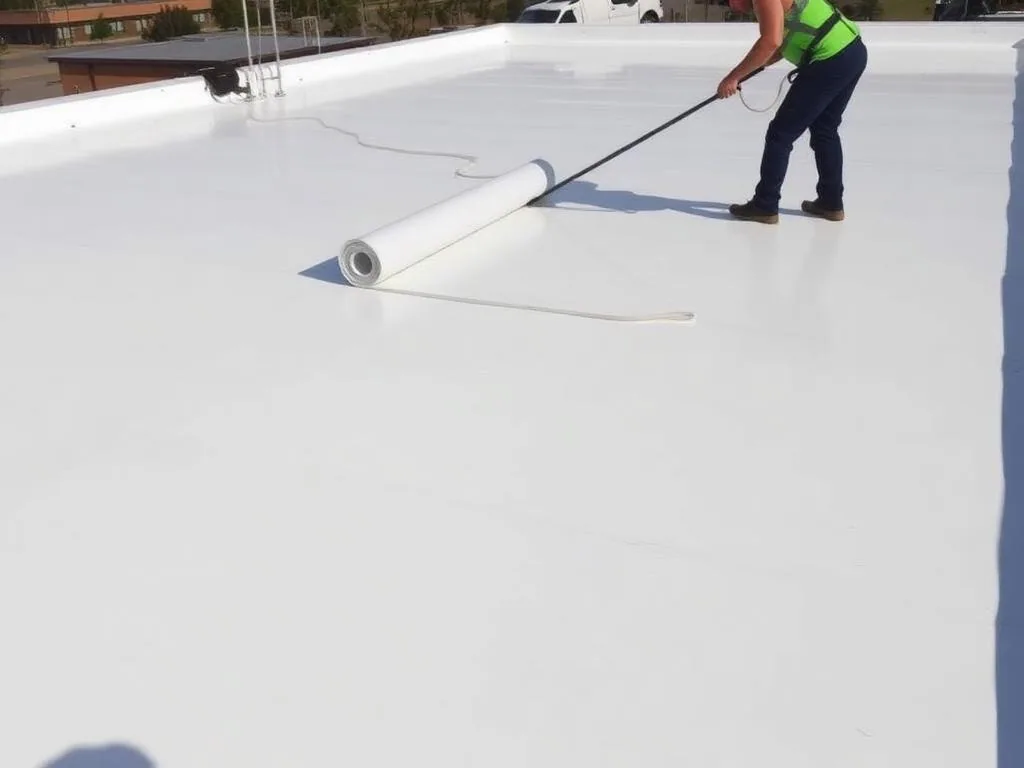
A coating can renew a roof surface only when the assembly below it is sound enough to keep. A commercial space inventory exceeding 2M sq ft across Murrieta's business parks cannot show whether one roof is suitable for coating. We inspect the membrane, seams, prior repairs, penetrations and drainage before recommending a restoration. The useful question is not simply whether a roof can be coated. It is whether cleaning, repairs, primer and a compatible coating can address the actual wear without covering moisture or leaving weak details in place. A commercial roof inspection establishes that starting point.
Surface Condition: Find the Limits Before Applying Material
Chalking, weathered membrane, small splits or surface wear can make coating worth evaluating. Those signs do not establish that the roof is ready. We check for trapped moisture, loose or brittle material, open seams, failing flashings, ponding and repairs that may not bond with a new product. Test areas help confirm cleaning and adhesion requirements when the existing surface is uncertain. We also separate repairable details from broad field conditions. A coating cannot make saturated insulation dry, secure a loose roof assembly or correct a deck problem. If those conditions appear, we mark the affected area and compare localized replacement with a larger tear-off. The inspection record should state what substrate is eligible, which repairs precede coating and what conditions would change the scope after preparation begins.
Compatibility: Match the Coating to the Existing Roof
Different membranes and prior coatings require different preparation and materials. A TPO surface may need cleaning and a specified primer before a coating can adhere; metal requires attention to seams, fasteners, corrosion and movement. Existing silicone, acrylic or other coatings also affect what can be applied next. We identify the roof where possible, review available system records, and use a test patch when product compatibility needs confirmation. The selected material has to reach the required thickness across the field and around curbs, drains, skylights and edge transitions. Reinforcing fabric or liquid flashing may be needed at selected details, while other conditions call for replacement material instead. A coating specification should name preparation, application limits, detail work and inspection points. Owners comparing a membrane recover with a coating can review silicone coating systems and acrylic roof coatings in light of the existing assembly, not as interchangeable finishes.
Business Use: Plan for Equipment and Roof Access
Work around rooftop units, service paths and occupied areas needs a clear sequence. Before coating, we identify equipment that must remain available, areas where foot traffic could damage fresh material, and locations where staging could block deliveries. A business with research, medical or manufacturing activity may have maintenance windows that cannot move freely. Murrieta’s economic-development plan names medical services and scientific research among its existing strengths, so access coordination can matter for the buildings that support those operations. The Madison Corridor plan describes future business-park and innovation zoning; it is planned land use, not proof of a completed building or its roof type. For each actual roof, the work plan follows its access points, drains and active equipment. Where exposed seams need a distinct repair first, we can evaluate coating restoration alongside a recover option after inspection.
Weather Window: Keep Preparation and Cure in the Plan
Coating work depends on a dry, clean substrate and conditions within the product’s application limits. Surface temperature, humidity, dew, wind and the chance of overnight moisture can change when a section is ready. Murrieta’s climate assessment defines an extreme-heat day as at least 105.1 degrees from April through October and projects a higher annual average of such days by 2050 than the historical period. Those are planning values rather than a day-of-work forecast, but they make it sensible to plan around material limits and crew exposure. We schedule a section so preparation, detail repairs and coating do not leave the roof exposed or interfere with curing. Temecula names medical-device production and injection molding among its advanced-manufacturing interests. For an occupied property supporting similar work, the owner can identify access windows before the coating schedule is set. The Temecula area context can help frame coordination, while site conditions still determine the schedule. Menifee’s General Plan concentrates non-residential land uses along Ethanac, Newport, McCall and Scott Roads. That planning context points to a mix of operating schedules and roof access needs, not a uniform roof design. A coating plan for a property near those corridors still begins with adhesion, moisture and drainage checks on the actual assembly. We do not infer membrane type from a nearby land-use designation.
Restoration Scope: Compare It With Replacement
A coating project may reduce demolition and retain a serviceable roof assembly, but it does not reset every roof component. We compare expected preparation and detail work with the condition of insulation, deck, perimeter metal and drainage. If isolated areas are wet or damaged, removing and rebuilding them may be part of the restoration. If failure is widespread or the membrane has lost attachment, a coating may conceal a problem rather than solve it. The estimate should distinguish included repairs, test-area results, excluded conditions and the method for approving hidden work. It should also state how drains and overflow paths will remain open during application. A condition report with photos helps an owner compare the coating scope with full replacement or a capital plan. That record is useful when the next budget review asks what the roof received and which items remain.
Commercial Roofing Questions
How can we tell whether our roof is a coating candidate?
Start with the assembly, not the coating label. We inspect for moisture, secure attachment, compatible surfaces, sound seams and repairable details, then document any test patches needed to confirm adhesion. A roof with isolated defects may qualify after those areas are rebuilt. Widespread saturation, loose layers or deck damage points toward removal or replacement instead.
Will a coating stop ponding on a flat roof?
A coating follows the surface beneath it, so it does not create slope by itself. We check how water reaches drains and scuppers, whether low areas hold water, and whether tapered insulation or drain corrections are feasible. Standing water can affect product selection and service life. The scope should address drainage as a separate condition rather than treat coating as a leveling compound.
What should the proposal say about the coating system?
The written scope should identify the substrate, preparation method, primer if required, field coating, target application, reinforced details and inspection points. We also state how existing repairs or unknown layers will be handled. That gives the owner a way to compare proposals on work performed instead of comparing product names without the preparation that makes them adhere.
Can the building keep using rooftop equipment during the work?
Equipment access is planned by zone. We identify units that need regular service, protect routes across wet material and sequence details around curbs so technicians are not directed onto a fresh surface. If a critical unit cannot pause, its operating schedule belongs in the work plan. That coordination may divide the roof into smaller areas and affect duration.
When is replacement the more practical choice?
Replacement is worth comparing when moisture or attachment problems extend across the assembly, the deck needs broad repair, or repeated detail failures leave little sound surface to coat. We map those conditions and price the defined alternatives. A coating can remain a reasonable option when the substrate qualifies and the owner understands which components it leaves in place.
Related Roofing Work
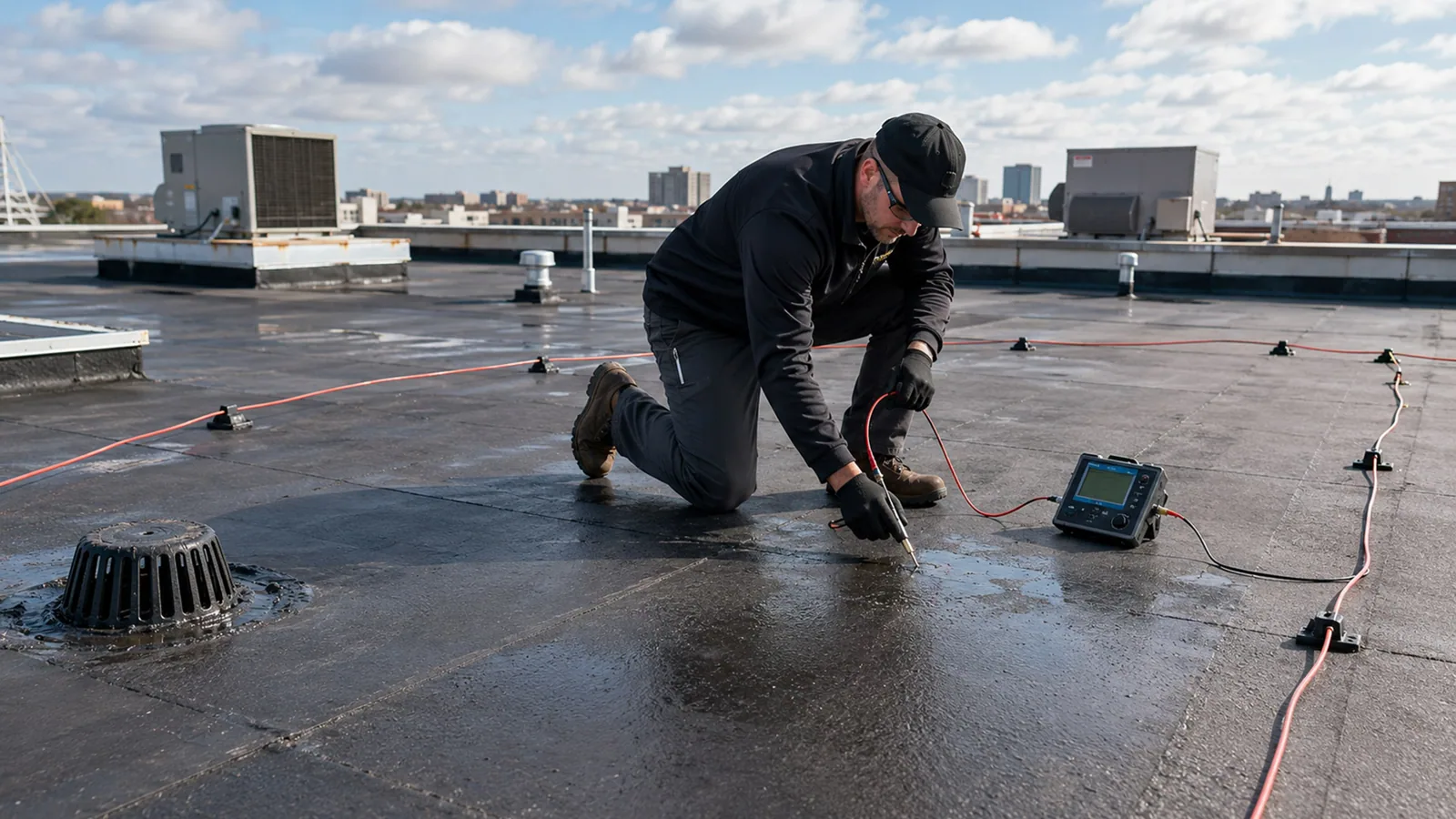
Commercial Roof Inspection in Murrieta, CA
See how this work fits the roof, the building and the schedule.
Learn More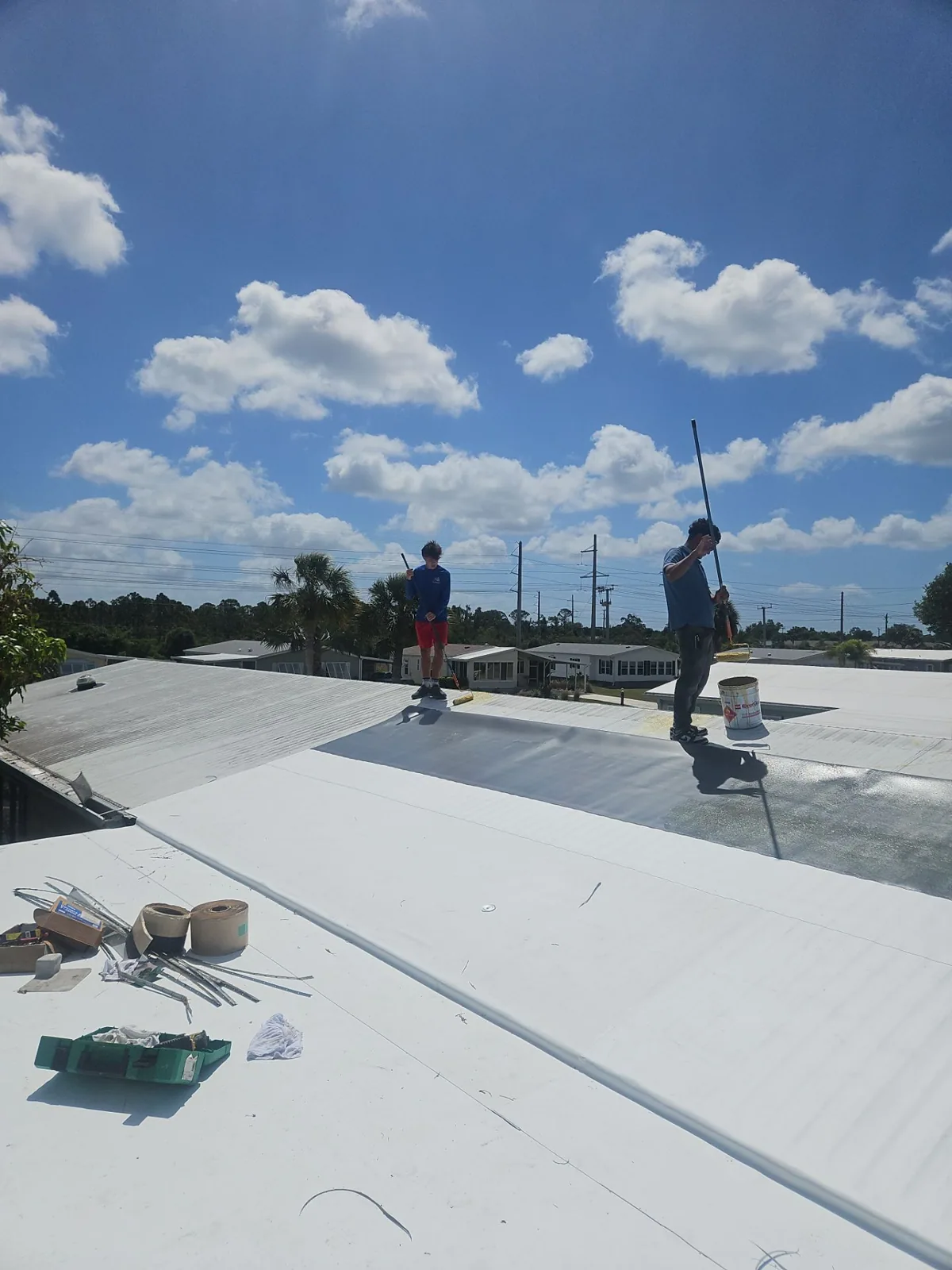
Commercial Silicone Roof Coatings in Murrieta, CA
Related scope, access notes and questions to ask before work starts.
Learn More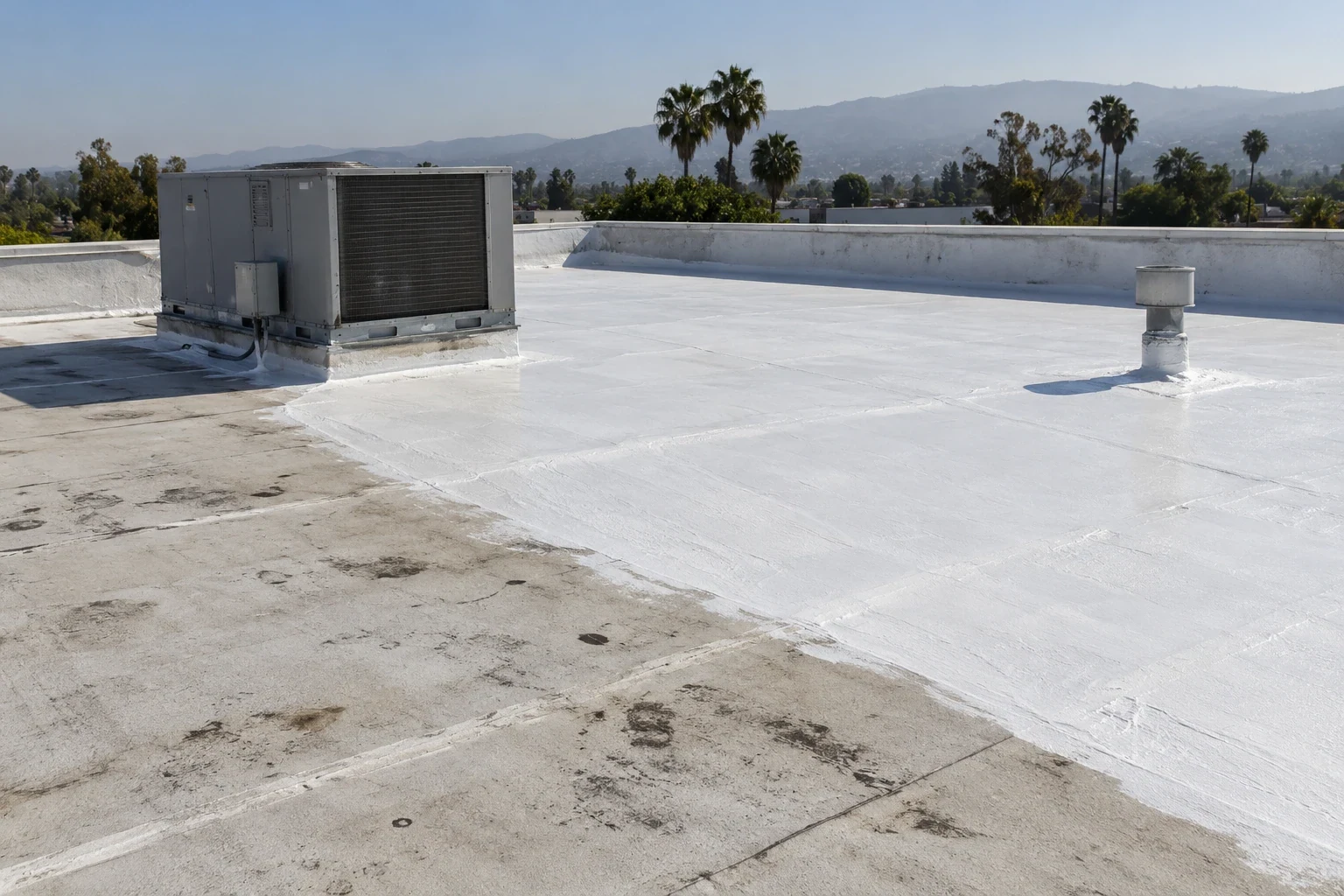
Commercial Acrylic Roof Coatings in Murrieta, CA
Read the full description and the questions owners ask about it.
Learn MoreCommercial Roof Coating Restoration in Murrieta, CA
See how this work fits the roof, the building and the schedule.
Learn More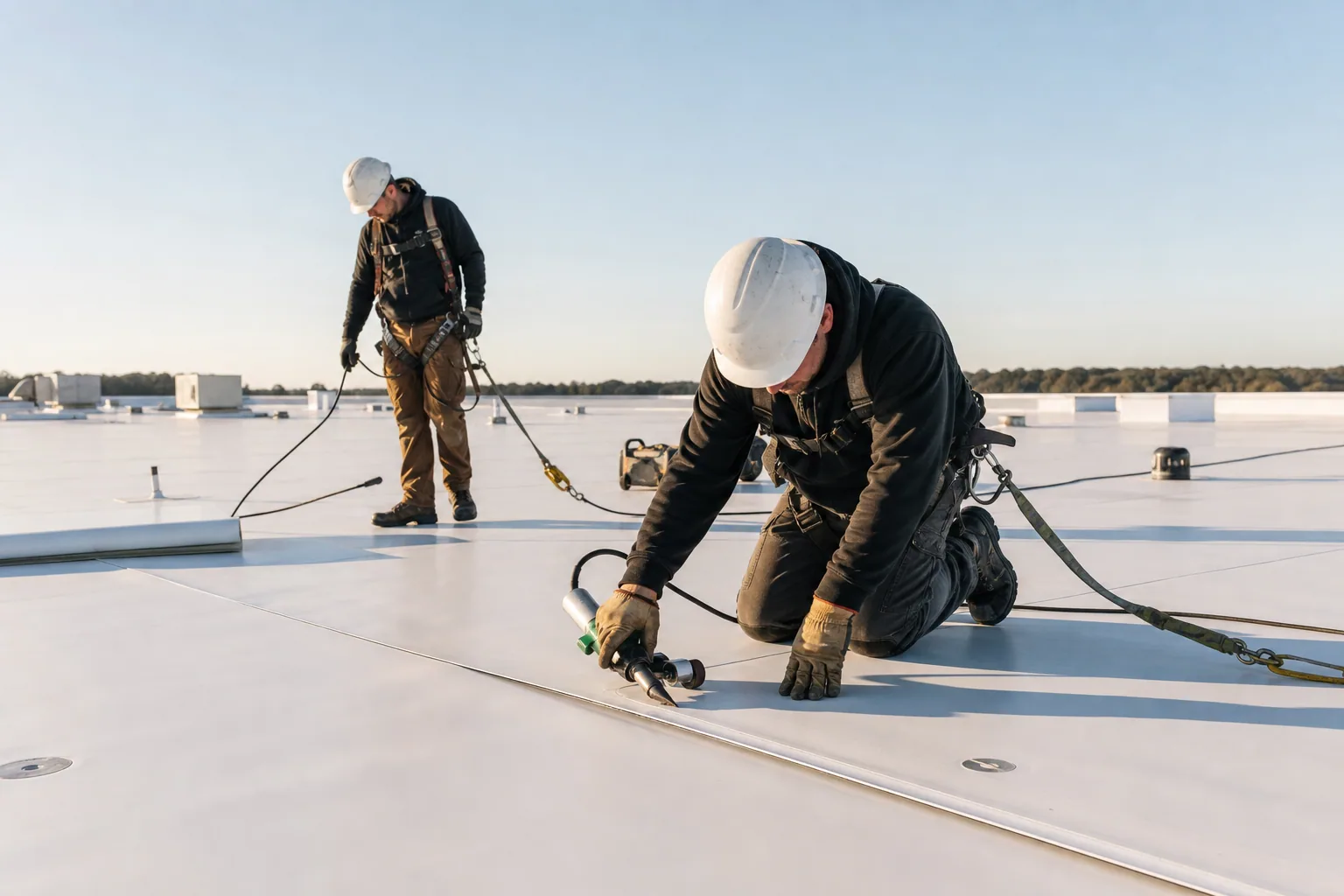
Commercial Roof Recover in Murrieta, CA
Related scope, access notes and questions to ask before work starts.
Learn More
Commercial Roofing in Temecula, CA
Read the full description and the questions owners ask about it.
Learn MoreEvaluate a Commercial Roof Coating
Arrange an inspection in Murrieta to check adhesion, moisture, drainage and repair needs before deciding whether coating restoration fits the roof.