
Logistics and 3PL Facility Roofing in Murrieta, CA
Plan Murrieta warehouse and 3PL roof work around loading access, dispatch hours, drainage, and a clear daily dry-in boundary for busy operations.
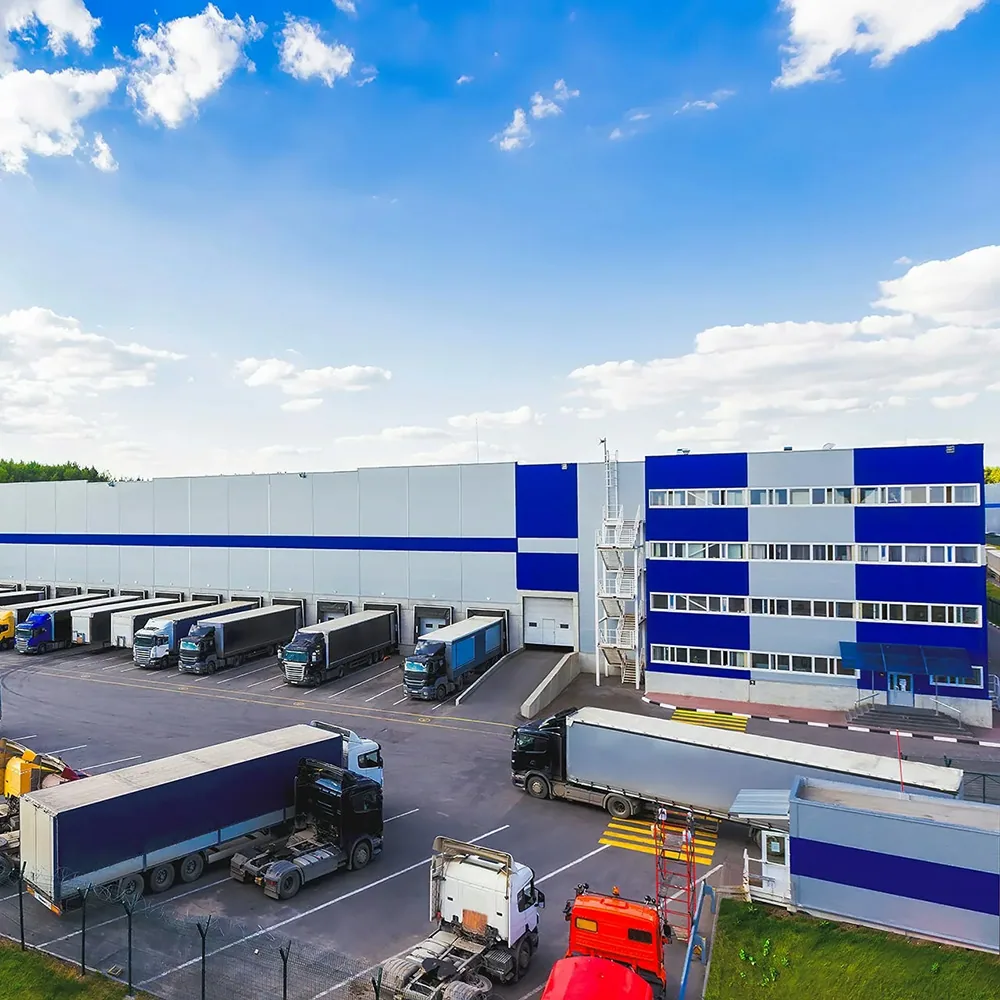
A trailer can be waiting at the dock while water collects at a roof drain on the opposite side of the building. Logistics roofing in Murrieta starts with those operating paths, not a generic warehouse assumption. Murrieta sits between I-15 and I-215, with existing business parks exceeding 2M sq ft. Neither fact identifies a specific property’s roof. We inspect the assembly, map drainage, and ask when receiving, dispatch, and roof access can be coordinated. A commercial roof inspection gives facilities staff a location-specific record to route through operations.
Dock Plan: Keep Doors and Yard Paths Clear
A roof repair can affect loading even when the defect sits far from a dock. Lift placement, material staging, debris movement, fire lanes, and a delivery queue all compete for the same yard space. We ask which doors remain active, where trailers turn, and when inbound loads arrive. The work plan marks the route that stays open and the roof section that can be isolated. If a short restriction is unavoidable, the manager can send a notice tied to a time and place instead of telling drivers that roofing work is underway somewhere above.
Nonresidential land uses are concentrated along Ethanac, Newport, McCall, and Scott Roads in Menifee. That planning context does not confirm current logistics tenants or dispatch conditions. It does show why nearby operations have distinct street and access patterns. A Menifee service-area review should still record the actual building’s loading configuration before work is scheduled.
Drainage Record: Trace Water Away from Inventory
We start with the interior report and note whether water is near pallet storage, electrical gear, charging, sorting, or an office area. On the roof, the inspection checks drain bowls, strainers, overflow routes, slope changes, seams, curbs, and earlier patches. A stain below a dock vestibule can be fed from a wall transition or seam farther upslope. The report connects the interior location to the roof section inspected and identifies where more testing would change the repair. That boundary helps the warehouse team protect inventory without expanding the scope beyond confirmed findings.
Murrieta’s 2025 economic update described industrial vacancy at three percent and business-park vacancy at four percent at the time of publication. Those are dated indicators, not a current count of available buildings or a prediction for a tenant’s operation. For a 3PL manager, the roof file has to stay more concrete: marked leaks, repeated work locations, blocked inlets, and the next drain or seam check. A photo condition report can make that history usable across shifts.
Roof System: Keep Repair Methods with the Material
A membrane puncture, open lap, loose metal fastener, and failed curb flashing are different repairs. We identify whether the roof is TPO, PVC, EPDM, modified bitumen, built-up, or metal before selecting material and preparation. A recover is not a shortcut if moisture or unstable layers remain; added height also changes drain and edge details. The scope lists the assembly, repair boundary, insulation question, fasteners or seams, flashing, and access needed. For mixed roof sections, we avoid pricing the whole facility from the easiest area to reach.
Murrieta’s existing business-park space and the region’s highway connections explain a commercial setting, but they do not establish what the roof was built with. We check actual attachment and substrate. If a manager oversees industrial property beyond the local facility, a manufacturing roof review can account for different process needs while using the same documentation discipline. A metal retrofit assessment also needs a separate panel and support review.
Dispatch Window: Set a Dry-In Limit Each Shift
Before mobilization, we confirm dispatch hours, yard circulation, roof hatch access, lifts, and any equipment route that cannot close. The crew opens only the area that can be protected and dried in before the shift ends. If freight volume changes by day or season, the manager can provide restricted periods before the work sequence is set. The schedule names the daily boundary, who checks the yard below, and how a weather interruption changes the plan. Those details affect timing alongside removal, deck work, flashing, and material delivery.
A phased reroof plan can split the roof into manageable sections when conditions support that approach. If a loading canopy meets a larger roof, the scope should include its joint and drainage transition, not just the open field. We coordinate any mechanical shutdown that affects a fan, curb, or exhaust opening. The operations lead can see which doors, routes, and building areas remain available during each phase.
When dispatch runs around the clock, the roof plan must explain how temporary protection is checked between shifts. We identify who can authorize access after hours, where a crew can stage without blocking a turn, and how a leak call reaches the site contact. If the next work area sits above a different tenant or storage zone, the property team can change the notice and protection plan without losing the roof map. That keeps a shift handoff tied to the right section and current status.
Closeout: Carry the Roof Map into the Next Shift
At closeout, we keep photographs, materials, repair locations, approvals, and open observations with the building record. If a leak was controlled temporarily, the note distinguishes that action from permanent correction. A later shift can compare a repeat report with the same roof section and avoid reopening a completed area without a reason. The property manager can include the file in a multi-building maintenance record while dispatch staff receive only the access details that affect their work.
Arrange an assessment when drain backups recur, water approaches stored goods, or several repair tickets point to the same area. We map the assembly and drainage, identify a repair boundary, and state what needs testing before a larger scope is priced. The recommendation follows the field condition, access limits, and work window. A moisture survey can help target confirmation if concealed insulation condition would change the decision.
Commercial Roofing Questions
Can dock activity continue while roof repairs are underway?
It depends on the route, lift position, and roof section. We mark which doors and lanes stay open and state any short restriction before mobilization. If material staging conflicts with a trailer turn or active dock, the sequence needs a different time or location.
How do you prioritize a warehouse roof leak?
We connect the interior report to the roof area and note what sits below it. Water near inventory, electrical equipment, or a dispatch zone may require immediate protection, while the permanent scope follows the confirmed detail. The report separates temporary control from repair work.
What if water is reaching inventory but the source is unclear?
We protect the affected area and trace seams, curbs, walls, drains, and earlier repairs above it. If insulation may be wet, we identify the test or opening needed. The work order then states what can be repaired now and what result would change the boundary.
Will a roof recover reduce downtime?
A recover can avoid some removal only when the assembly is dry, stable, and compatible with new layers. Drain height, edge details, attachment, and concealed moisture can make that option unsuitable. We compare it with tear-off using the same roof areas and operating limits.
What roof information should dispatch staff receive?
Share the doors, routes, and hours affected, plus the name of the site contact for changes. The technical map and photographs stay with facilities and ownership. We can give operations a concise access plan that matches the active roof section and daily dry-in boundary.
Related Roofing Work
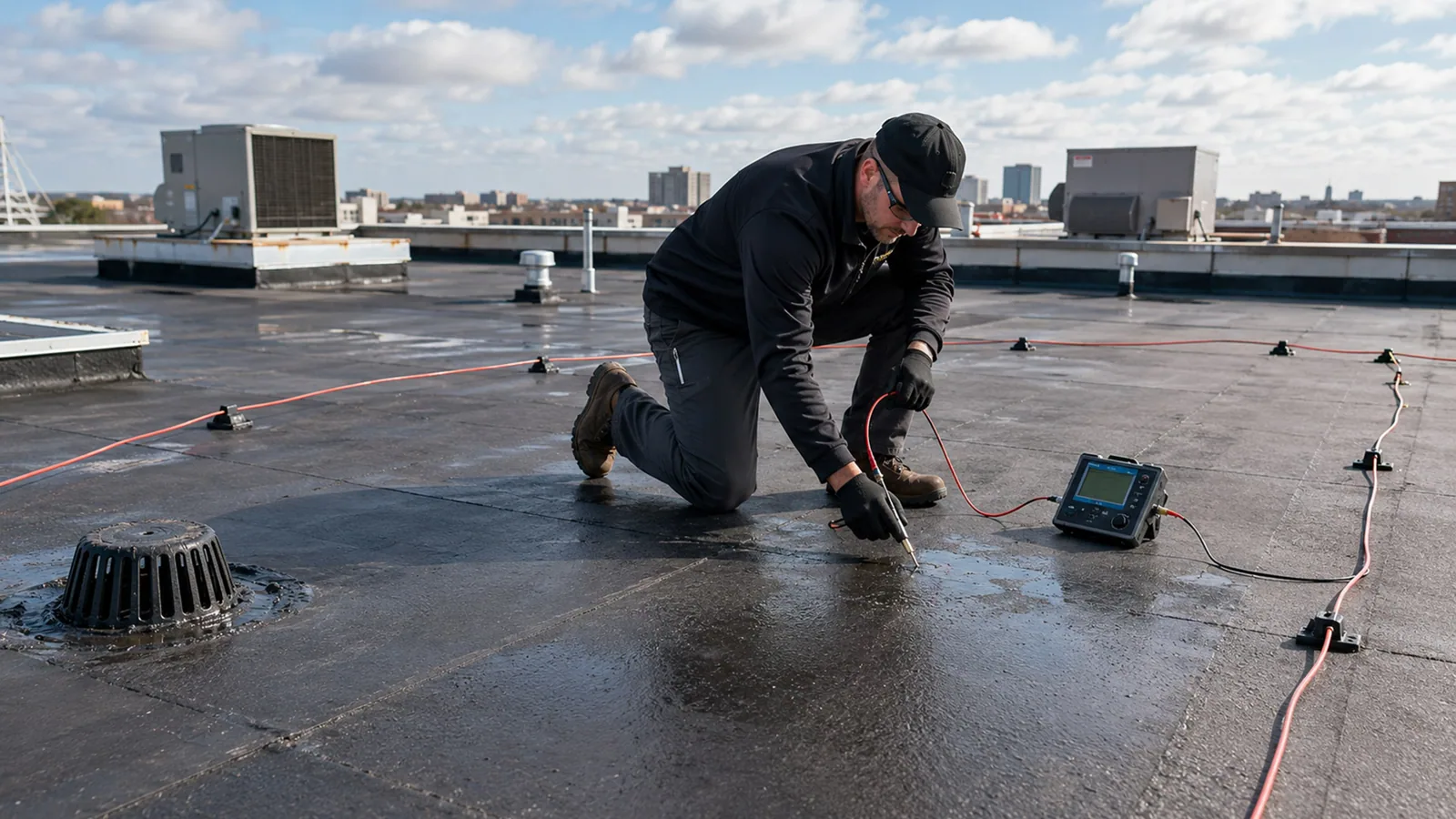
Commercial Roof Inspection in Murrieta, CA
See how this work fits the roof, the building and the schedule.
Learn More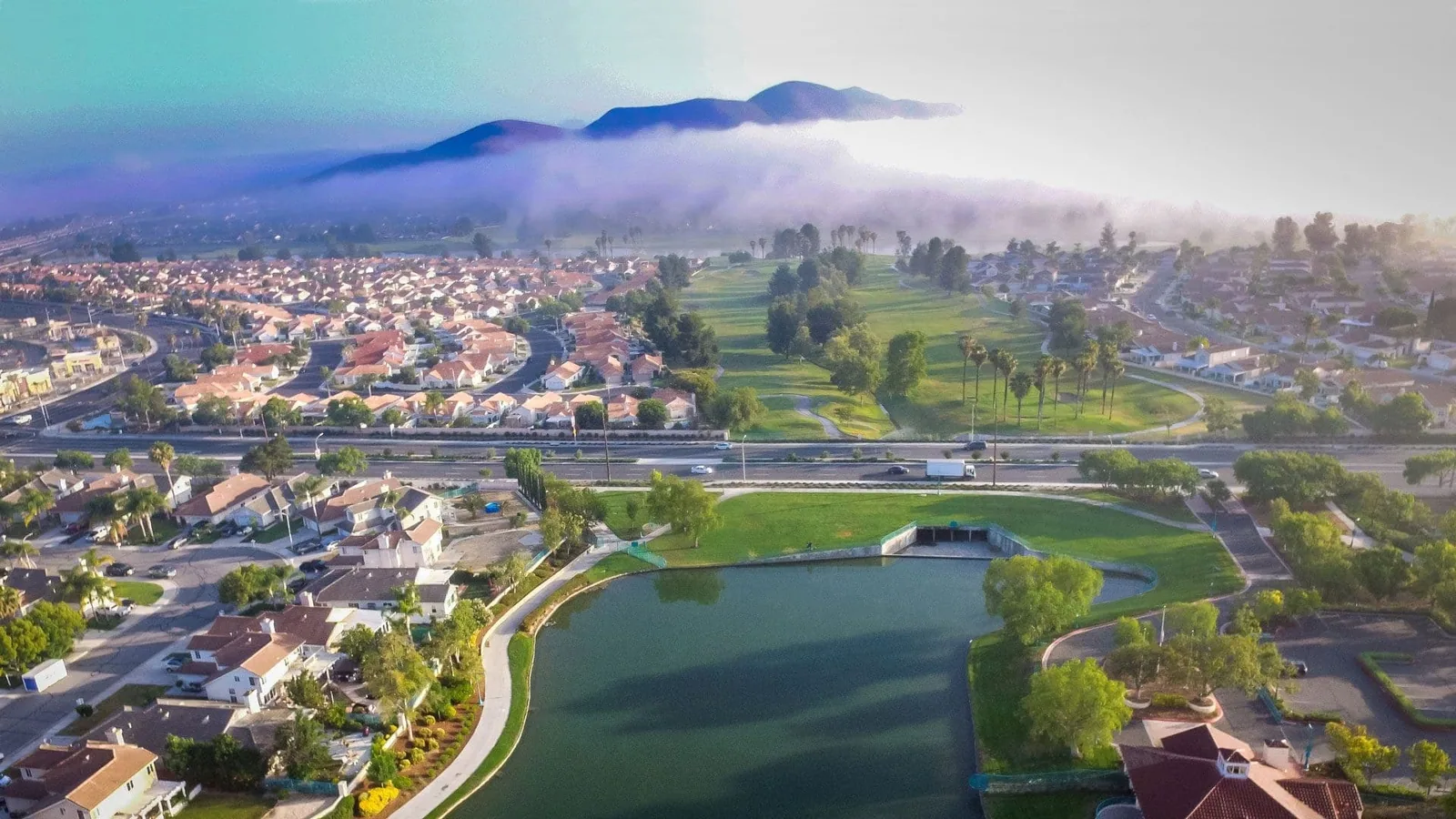
Commercial Roofing in Menifee, CA
Related scope, access notes and questions to ask before work starts.
Learn More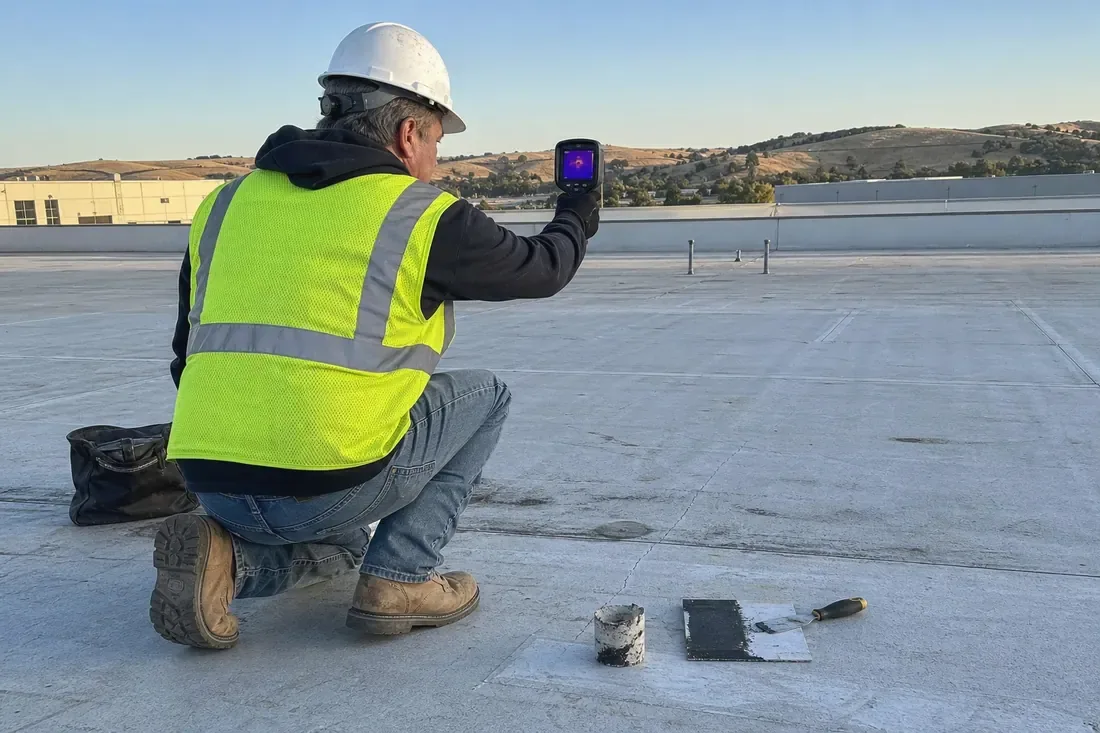
Commercial Roof Condition Reports in Murrieta, CA
Read the full description and the questions owners ask about it.
Learn More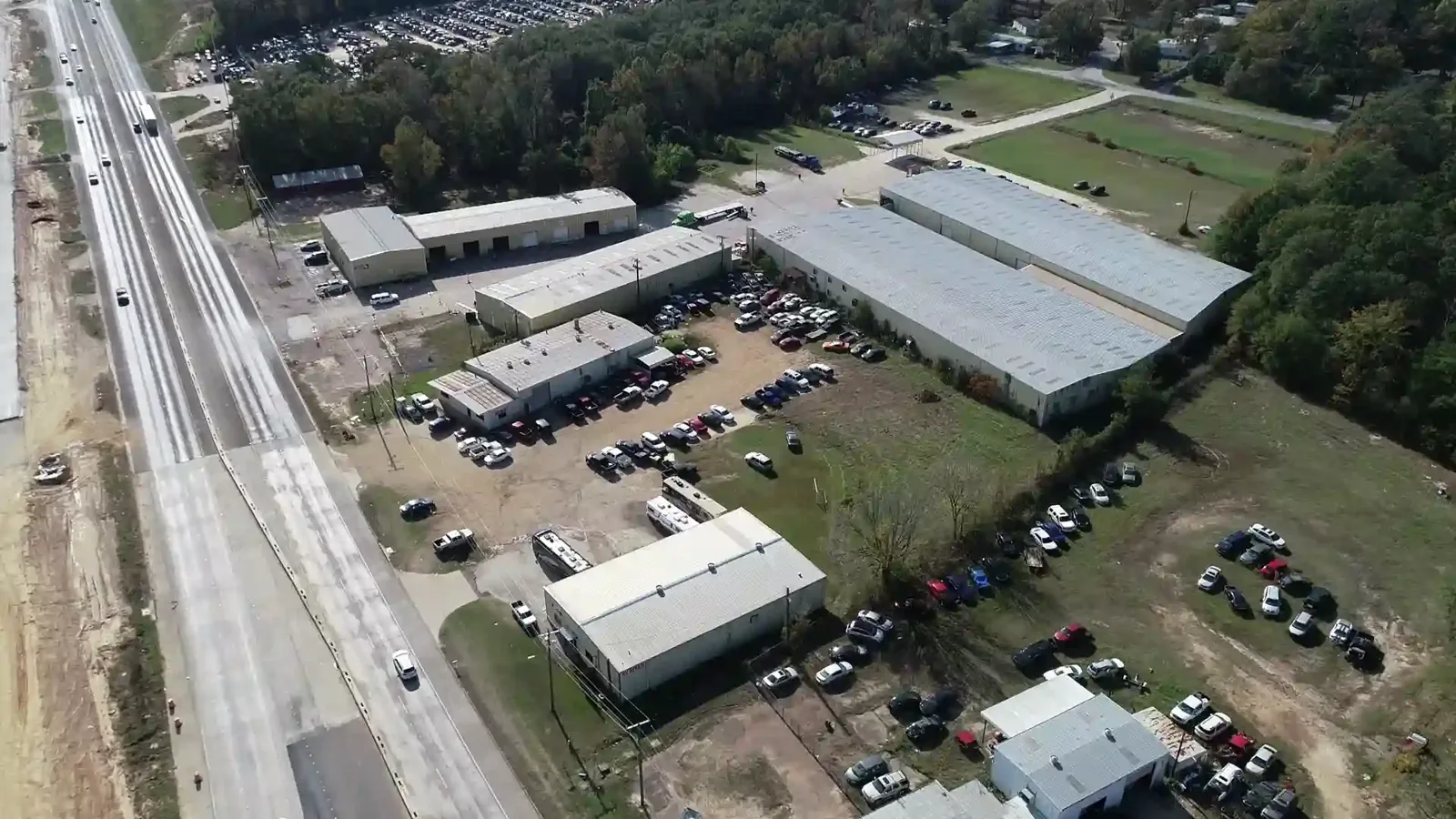
Manufacturing Facility Roofing in Murrieta, CA
See how this work fits the roof, the building and the schedule.
Learn More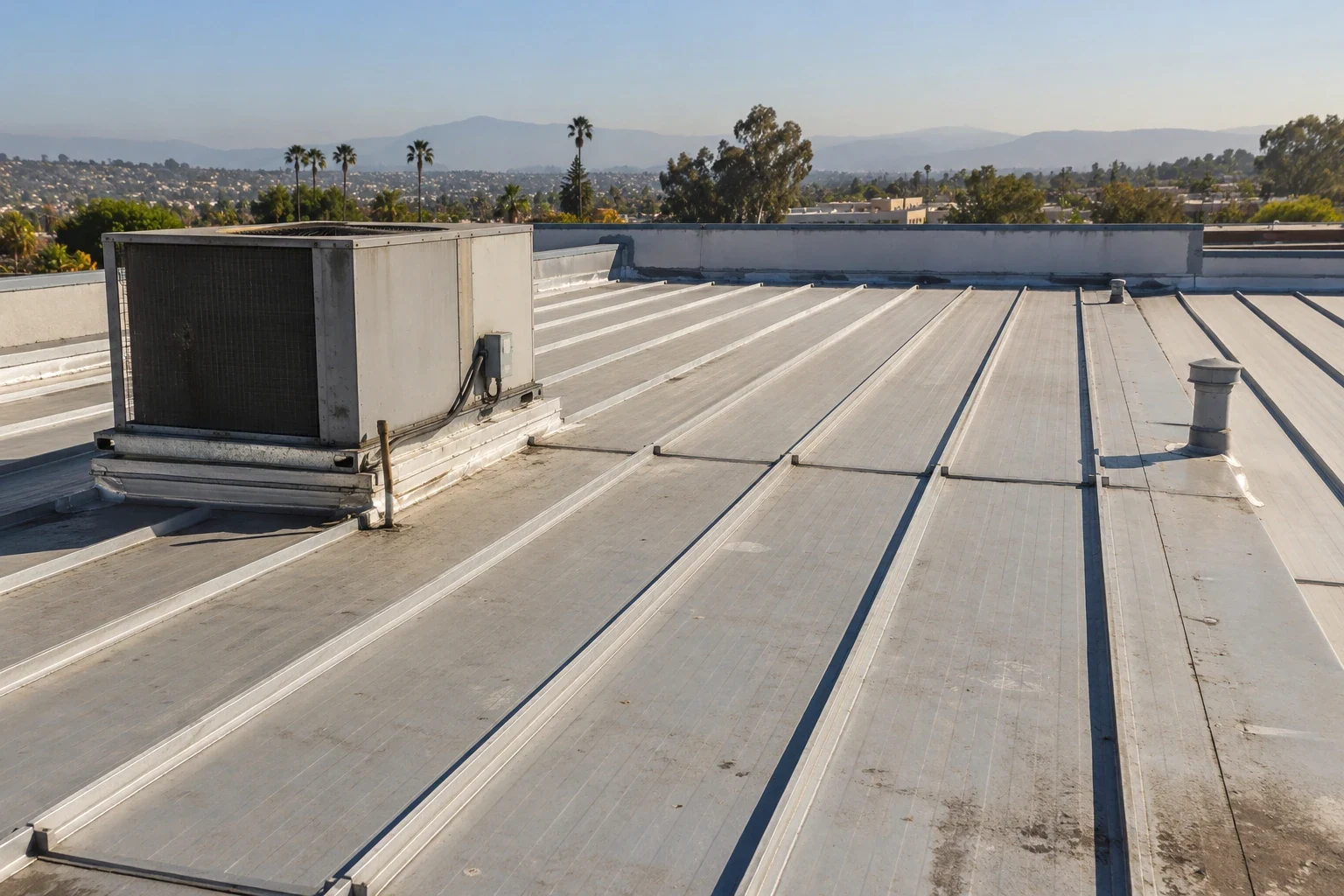
Commercial Metal Roof Retrofit in Murrieta, CA
Related scope, access notes and questions to ask before work starts.
Learn More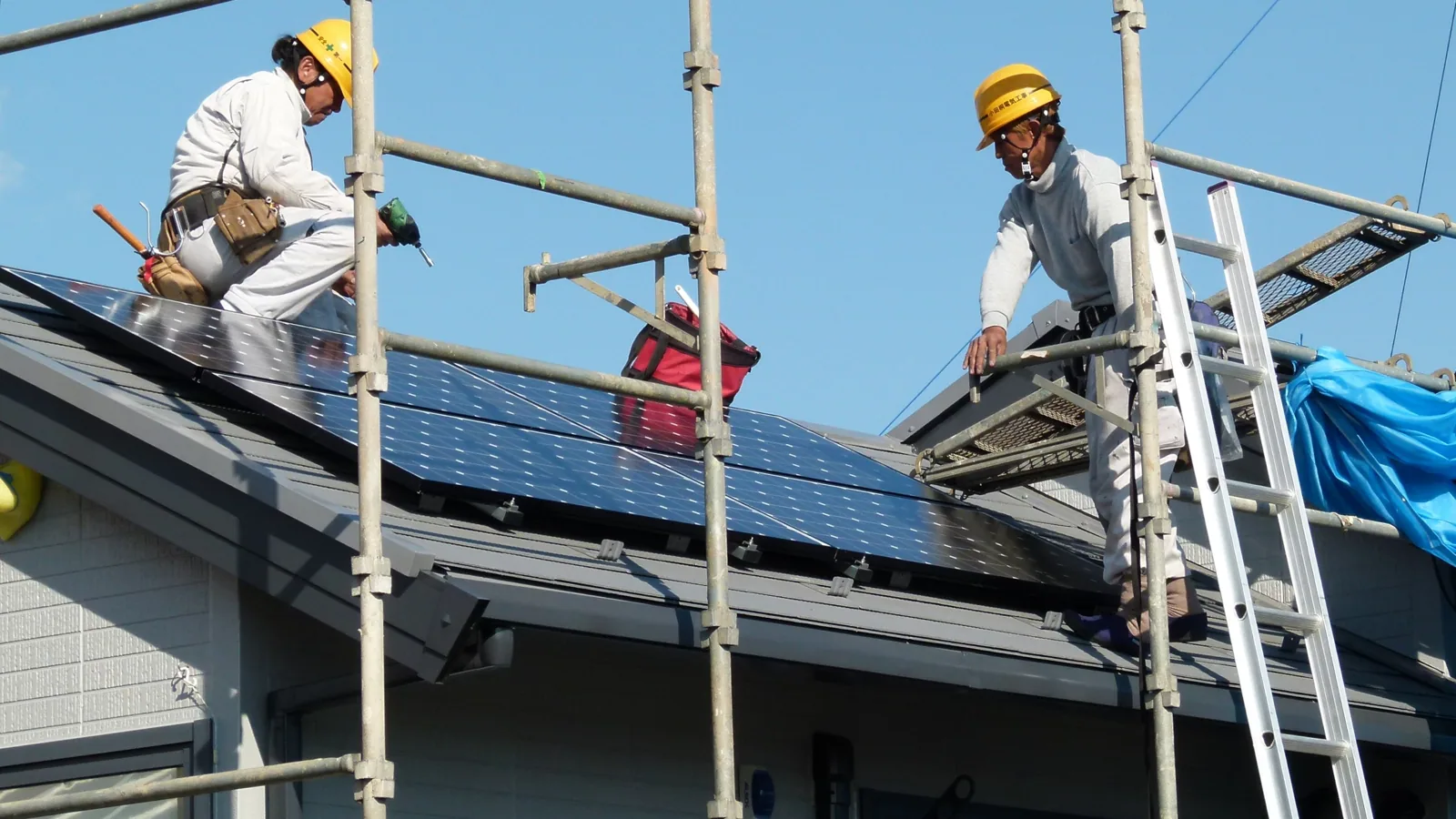
Occupied-Building Commercial Reroofing in Murrieta, CA
Read the full description and the questions owners ask about it.
Learn MoreKeep Freight Moving Below the Roof
Arrange a roof review to map active water paths and set a work boundary around dispatch and loading needs.