
Roofing for Real Estate Investors in Murrieta, CA
Assess Murrieta commercial roofs for acquisition, capital planning, and ownership reporting with documented conditions, repair limits, and next steps.
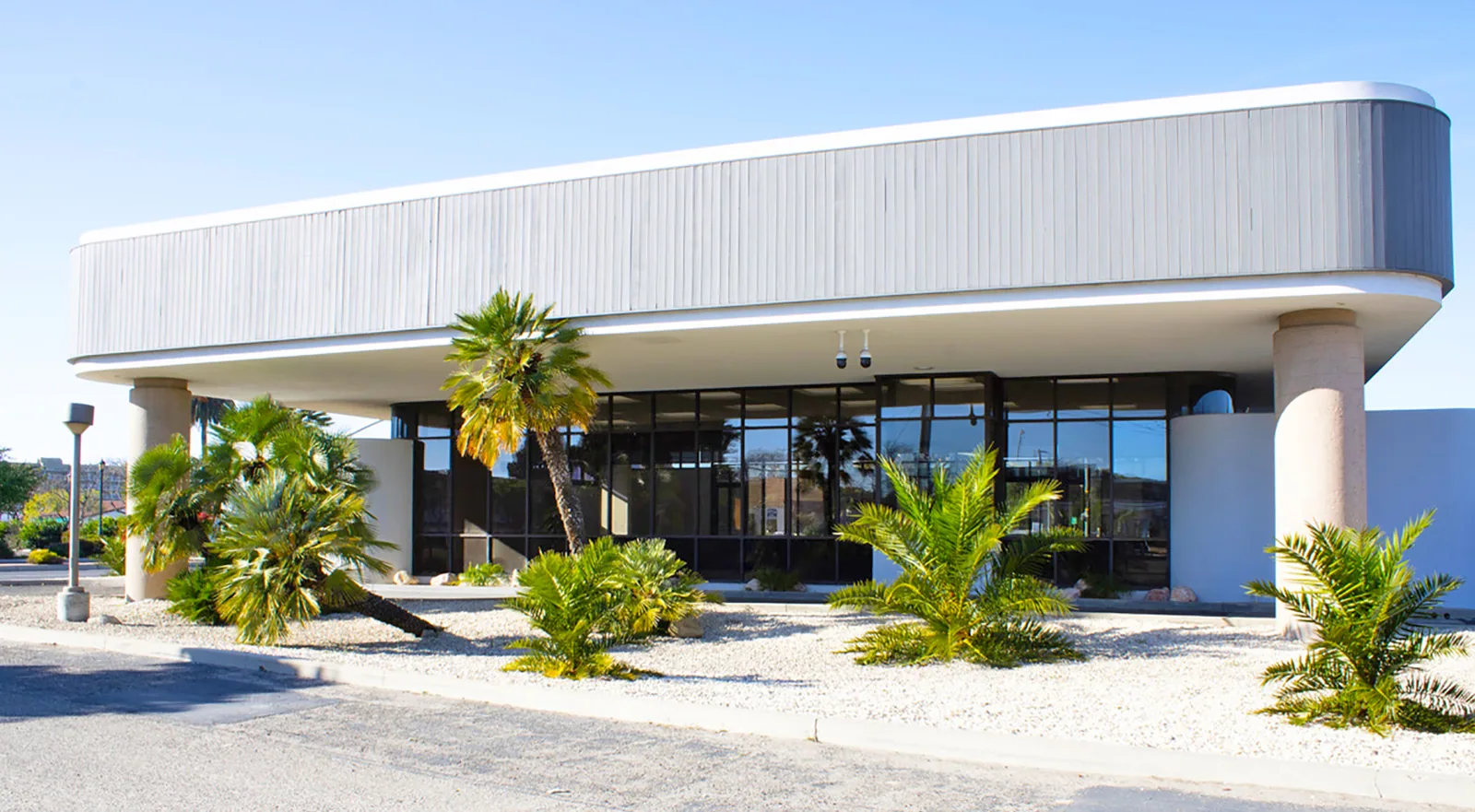
A due-diligence file can list roof age and recent invoices without showing where the next repair begins. For a Murrieta acquisition or annual review, we inspect the installed assembly and connect visible conditions to a roof map. Murrieta has existing business-park space, while the city’s Madison Corridor planning area concerns future employment development. The distinction matters: an investor needs a condition record for the property under review, not assumptions borrowed from a nearby project. We document seams, drainage, flashings, equipment curbs, insulation concerns, and prior repairs. A roof survey for due diligence can give the asset team a clear starting point.
Acquisition Review: Separate Observations from Allowances
A roof assessment should distinguish what was visible from what requires testing. We record open laps, loose edge metal, failed sealant, punctures, ponding, interior staining, and signs of movement. Where insulation condition is uncertain, the report identifies targeted openings or moisture checks instead of assigning a broad replacement allowance without support. The investor can then separate immediate water control, likely repairs, and longer-term capital work. If a lease or lender requires a response, we state which condition is documented and which conclusion still depends on access or testing.
Murrieta’s 2025 economic update gives dated industrial, business-park, and office vacancy indicators. Those figures describe a market snapshot, not the occupancy or rent status of a specific asset. The roof file should instead tie each recommendation to an actual section and the operating space below it. For a property with medical tenants, a healthcare roof review may need to address sensitive interior areas and controlled service access. The building’s actual use sets that coordination; a planning proposal does not establish tenancy.
Condition Record: Map Exposure and Water Movement
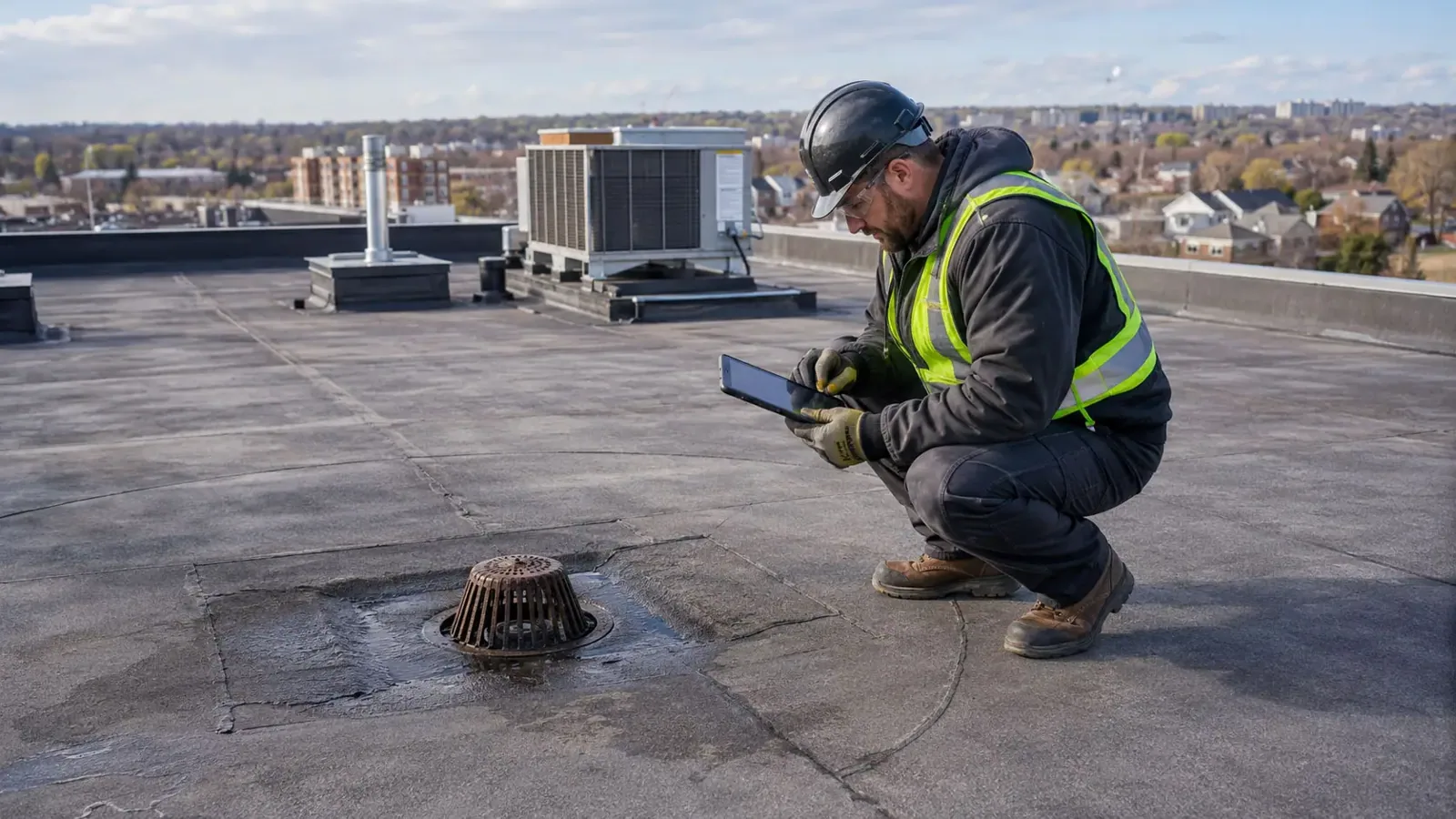
We trace a reported leak against drains, slope changes, penetrations, walls, and earlier patches. A ceiling mark can sit away from the entry point, so the record shows both the interior report and the roof detail inspected above it. Photographs include orientation and a roof-section reference. If a soft area or wet insulation is suspected, we identify how it would be confirmed and what repair decision follows. That gives an investor a way to compare the inspection with service records without treating a visual note as proof of concealed damage.
Access and material handling still need a site-specific plan. We check surface movement, seam condition, flashing adhesion, and support details on site. A targeted moisture survey can help locate areas for confirmation before an allowance is set. If a proposed capital scope requires a permit, the 2025 California Building Codes apply to permit submittals filed on or after January 1, 2026. We can identify the assembly and work scope the owner will need to carry into that review.
For assets across the region, Temecula has a distinct commercial setting, including an Old Town district about a mile from end to end. Keep each property record tied to its own building and place; neighboring city context does not establish a Murrieta roof assembly.
Asset Register: Compare Roofs on the Same Basis
A portfolio register can carry the same fields across properties: assembly, section, approximate work boundary, drainage, penetrations, access, documented repairs, and open questions. We use the record to identify where two buildings share a maintenance need and where their systems differ. A TPO field with a curb detail is not evaluated the same way as metal panels with moving seams. The register also notes how a finding affects the space below, so an asset manager can rank work by water entry and operational impact rather than by a vague label such as fair or poor.
The Jefferson and Madison planning area is described as a 220-acre employment geography, with future business-park and innovation designations. It does not show completed buildings or roof types. Existing Murrieta business-park space is a separate fact. We can use both pieces of context without blending planned land with present portfolio inventory. A roof asset record should make that difference easy for an ownership team to see.
Scope Comparison: Test Repair, Recover, and Replacement
Repair is appropriate when the defect and surrounding assembly can be addressed within a defined boundary. Recover can be considered when existing layers are stable, sufficiently dry, and compatible with new work. Replacement may be the better path when attachment, moisture, deck condition, or repeated failures make retention unsuitable. We write down which condition supports the recommendation. The proposal identifies tear-off, insulation, cover board, edge metal, drains, penetrations, protection, and concealed-condition handling, so a buyer can compare options using the same assumptions.
Murrieta’s direct links to Interstate 15 and Interstate 215 frame access to business districts, but travel connections do not set a project schedule. Roof access, tenant hours, lift placement, procurement, and dry-in sequence do. If a property operates through the work, an occupied-building phase plan can show which area is active and what protection remains at close of shift. The investor can review both the roof scope and its effect on operations.
For warehouse assets, compare logistics roof planning with an office or medical use before assigning an interruption allowance. The system may be similar; loading routes, temperature-sensitive rooms, security, and service timing may not be.
Closeout: Keep Evidence with the Property
After work, we retain photographs, repair locations, product details, approvals, and any remaining observation with the asset record. If concealed damage changed the scope, the closeout identifies the approved change and the area completed. That lets the next owner or manager compare the repaired boundary with later inspections. A service record also supports reserve planning, but it does not promise that another section will remain trouble-free. Follow-up work is based on the roof condition observed at that later visit.
Investors can request an inspection when a transaction opens, a roof reserve needs support, or repeated service calls are difficult to reconcile. We map the assembly, explain where further testing would change the decision, and prepare an option set with clear limits. The next action may be a defined repair or a larger capital scope. A replacement review can be compared with a documented recover assessment, each using the same roof sections and access assumptions.
Commercial Roofing Questions
Can a roof inspection support an acquisition decision?
Yes, if the report separates visible conditions, tested areas, and items that still need access. We map the assembly, defects, drainage, flashings, and repair boundaries. The buyer can then assign an allowance to a finding instead of relying on a roof-age statement alone.
How do you compare assets with different roof systems?
We keep the same record fields while evaluating each assembly on its own terms. Membrane seams, metal fasteners, drains, edges, and substrate concerns are documented separately. Portfolio summaries can compare urgency and scope without implying that different roofs have the same remaining condition.
What changes a recover recommendation?
Moisture, weak attachment, unstable layers, limited drain height, and failing perimeter details can rule out a recover. We identify the test or exposure that would resolve an uncertain condition and explain how that result changes the scope. The comparison should include removal and substrate assumptions as well as new materials.
Should a property manager or investor receive the report?
Both can use it, but they may need different views. We can keep a building-level record for the manager and a summary of repair priorities and capital options for ownership. The underlying photographs and boundaries remain available so a summary does not lose the evidence.
How should planned development near Murrieta affect an asset review?
A planned employment area does not establish a completed project or the roof condition of an existing asset. We keep planning context separate from inspection findings. The investment decision follows the property’s actual assembly, use, access, and documented water path.
Related Roofing Work
Commercial Roof Due Diligence Surveys in Murrieta, CA
See how this work fits the roof, the building and the schedule.
Learn More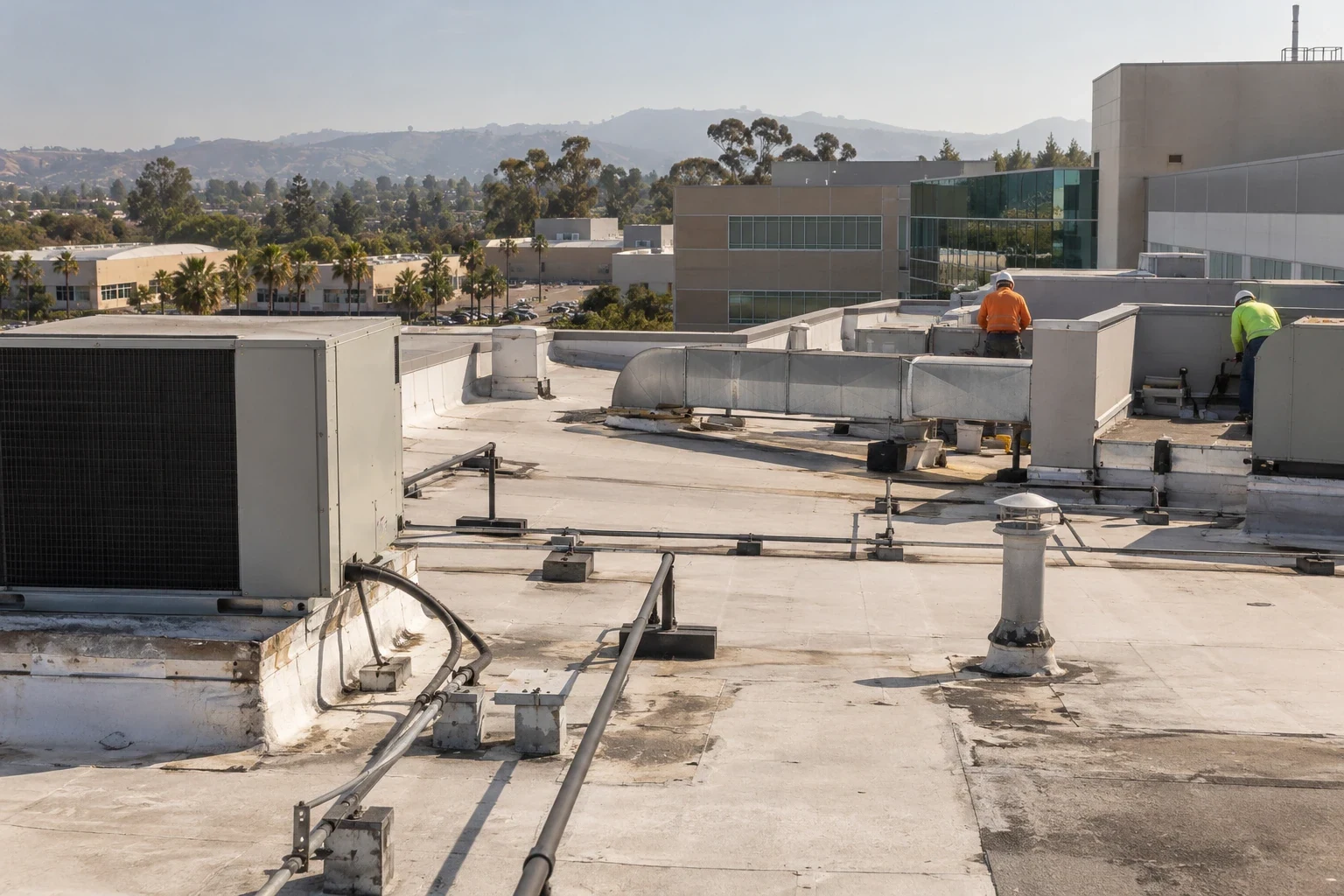
Healthcare System Roofing in Murrieta, CA
Related scope, access notes and questions to ask before work starts.
Learn More
Infrared Roof Moisture Survey in Murrieta, CA
Read the full description and the questions owners ask about it.
Learn More
Commercial Roofing in Temecula, CA
See how this work fits the roof, the building and the schedule.
Learn More
Commercial Roof Asset Management in Murrieta, CA
Related scope, access notes and questions to ask before work starts.
Learn More
Occupied-Building Commercial Reroofing in Murrieta, CA
Read the full description and the questions owners ask about it.
Learn MorePut the Roof Condition on Record
Arrange a Murrieta assessment to document the assembly, confirm the repair boundary, and compare the next capital options.