
Commercial Roof Leak Repair in Murrieta, CA
Trace commercial roof leaks in Murrieta from interior symptoms to seams, curbs and drains, then document temporary protection and permanent repairs.
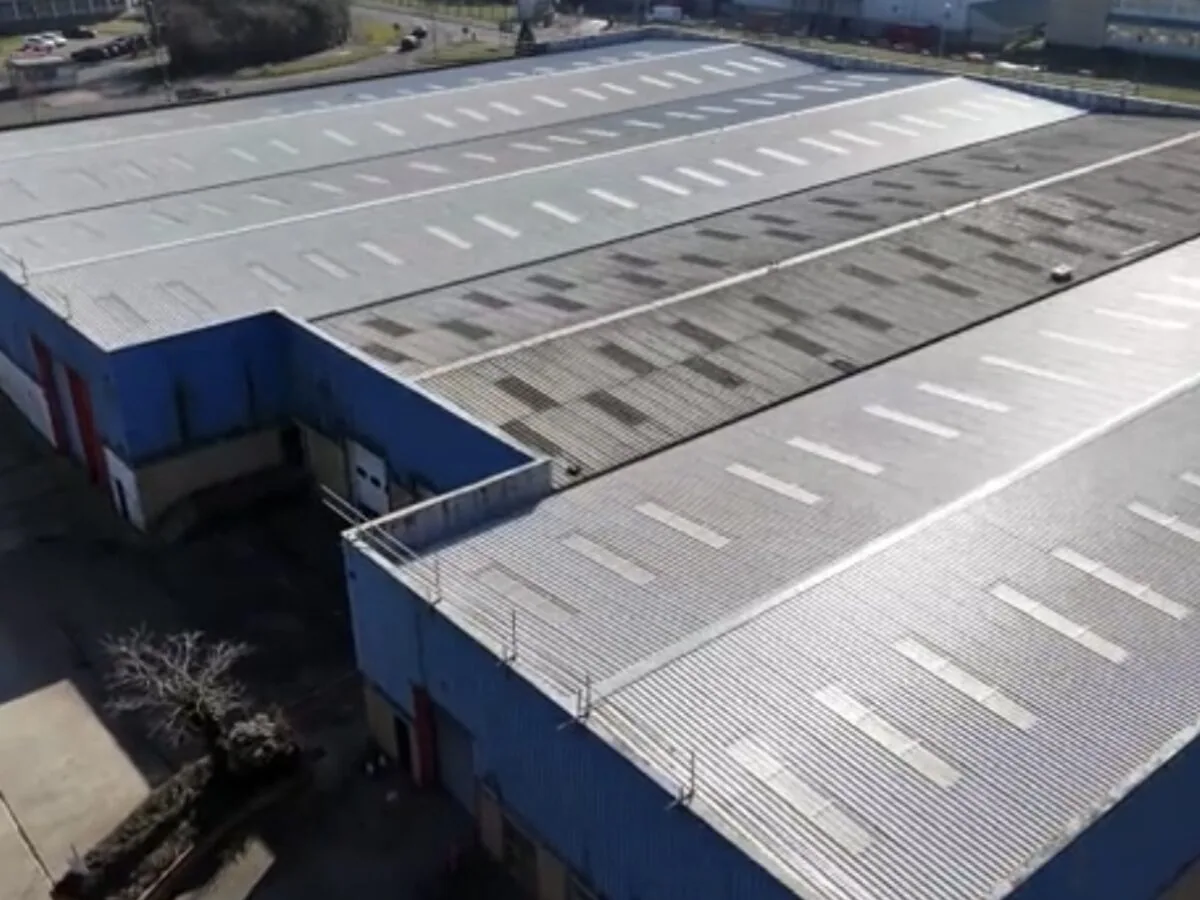
A wet tile, stained ceiling or drip beside a light fixture tells you where water became visible, not where it crossed the roof. We start with the interior symptom, then compare it with roof seams, wall transitions, penetrations, equipment curbs and drainage above. A reliable leak repair connects those observations before anyone seals a surface. In Murrieta, CA, the planning baseline records 15.0 inches of annual precipitation, with a scenario range reaching 21.4 inches by 2099. The assessment notes that changing rainfall can increase flood events as well as drought periods. That context makes drainage worth checking, but the leak diagnosis still follows the actual roof path. We inspect the actual roof, record the likely entry path and separate temporary water control from permanent repair. For water entering during a storm or after hours, emergency roof response can limit immediate exposure. A planned inspection helps establish the lasting fix and any wider condition that needs attention.
Interior Clues: Keep the Water Path in View
Before going onto the roof, we note when the leak appears, whether it follows rain or equipment use, and which interior spaces are affected. The roof walk then checks the area above and uphill from the stain. Water may move beneath a membrane, follow a deck flute or pass along a pipe before it reaches the ceiling. We look for open seams, loose flashing, punctures, failed sealant, clogged drains and marks left by earlier repairs. Rooftop units can introduce condensate or plumbing conditions that resemble a roof leak, so the inspection distinguishes those possibilities rather than assuming every drip begins at the membrane. If the route remains unclear, a test cut or infrared moisture survey can help define where further opening is useful. The work record should show the suspected source, what was ruled out and which detail will be repaired. That gives the facility contact a reason for the selected repair instead of a patch placed only above the visible stain.
Temporary Control: Limit Exposure Without Hiding the Cause
When water is active, the first task may be to protect equipment, stock or finished space below. We can place temporary protection where it can be secured safely and route water away from sensitive areas. Inside, containers or a controlled drain path can reduce spread while the roof access is arranged. Temporary measures are labeled as temporary in the work record, with a follow-up scope for the permanent correction. A tarp or sealant dab is not a durable repair when a seam is open, a curb flashing has separated or the membrane is loose around a penetration. We check how the temporary measure affects drainage and access before leaving it in place. The building contact should know which section remains vulnerable and when the permanent repair is scheduled. If water enters through a failed lap, the next step may be a compatible welded repair for a thermoplastic system; a puncture in another material may need a different patch detail. TPO seams and other assemblies are repaired with materials and methods suited to the roof that is present.
Permanent Repair: Correct the Detail That Failed
At the suspected entry point, we check whether the surrounding roof is dry, firmly attached and suitable for a lasting repair. A patch needs clean, sound material beyond the defect and a finished edge that resists water and movement. Flashing at a wall or curb requires attention to both the membrane and the vertical transition. A drain issue may call for clearing debris, correcting a damaged flange or addressing low slope rather than coating the nearby field. We describe the preparation, repair material and finished boundary before work starts. Wildomar has commercial and light-industrial uses near Clinton Keith Road, with retail and offices clustered around I-15. Those settings give local context, but the leak diagnosis still belongs to the actual roof. Lake Elsinore spans both sides of I-15 and SR-74 and has 16 geographically defined districts in its adopted plan. The roof details differ by property, so the repair remains evidence-led rather than based on citywide assumptions.
Building Coordination: Protect Work Below and Above
We confirm who can open the building, identify rooms or equipment that need protection and agree on a work window. If the repair is near an intake, kitchen exhaust or sensitive process area, the facility contact may need to coordinate equipment operation during preparation and installation. Interior access is useful when we need to match a roof location to a stain or confirm that water has stopped. We keep the work boundary small where the condition allows, but avoid shrinking the repair so far that it terminates on weak or wet material. The owner should know if the roof needs a return visit after drying or after another rain. For buildings that cannot pause normal activity, an occupied-building coordination plan can help set access and protection steps. A drain and scupper check can also address a related water path during the same visit.
Closeout Notes: Know What Was Fixed
At completion, the work record should identify the roof section, suspected leak source, repair method and any condition that remains outside scope. Before-and-after photos make that detail easier to find at the next inspection. If the crew found multiple possible entry points, they should be listed separately so a later stain does not get assigned to the wrong repair. The manager should also know whether temporary protection was removed and whether an observation visit is recommended. A repair can stop a known leak without resolving broader aging or drainage concerns. We identify those concerns plainly so the owner can decide whether to schedule maintenance, investigate moisture or plan larger work. A photo condition report keeps repair history with the property. When recurring water affects several sections, compare the localized work with a planned roof repair scope that addresses the surrounding details. The goal is a traceable correction and a useful next step, not a promise that unrelated roof conditions cannot leak later.
Commercial Roofing Questions
Why is water appearing in a different room from the roof leak?
Water can move laterally along the deck, insulation or framing before it reaches an interior opening. We compare the stain with roof features above and nearby, then follow likely paths across seams, walls and penetrations. If the route is not clear, additional testing can narrow the area before a permanent patch is chosen.
Should we seal the first open seam we see?
Not until its relationship to the interior symptom is checked. A visible opening may be unrelated, while water can enter at a curb or wall transition farther uphill. We inspect the surrounding section and identify the likely path. If water is active, temporary protection can come first, followed by a permanent repair tied to the findings.
What do you do when a leak starts after business hours?
Call for emergency response and share the affected room, roof access details and any sensitive equipment below. We work to limit interior exposure and make the roof safe to access, then document temporary measures and the permanent repair needed. Some failures require a return visit after conditions allow a durable installation.
Can a repair be confirmed before the next rain?
We inspect the completed detail and record the materials and boundary, but some water paths cannot be fully tested by applying water indiscriminately. The return plan may include checking the repaired area after weather or monitoring the interior space. If the symptom continues, report where and when it reappears so we can compare it with the original route.
When does a leak point to a larger roof problem?
Repeated leaks across separate areas, widespread wet insulation or multiple failed transitions may indicate a broader condition. We document what is isolated and what extends beyond the repair. That helps the owner decide whether to continue targeted work, investigate more of the assembly or compare recover and replacement options.
Related Roofing Work
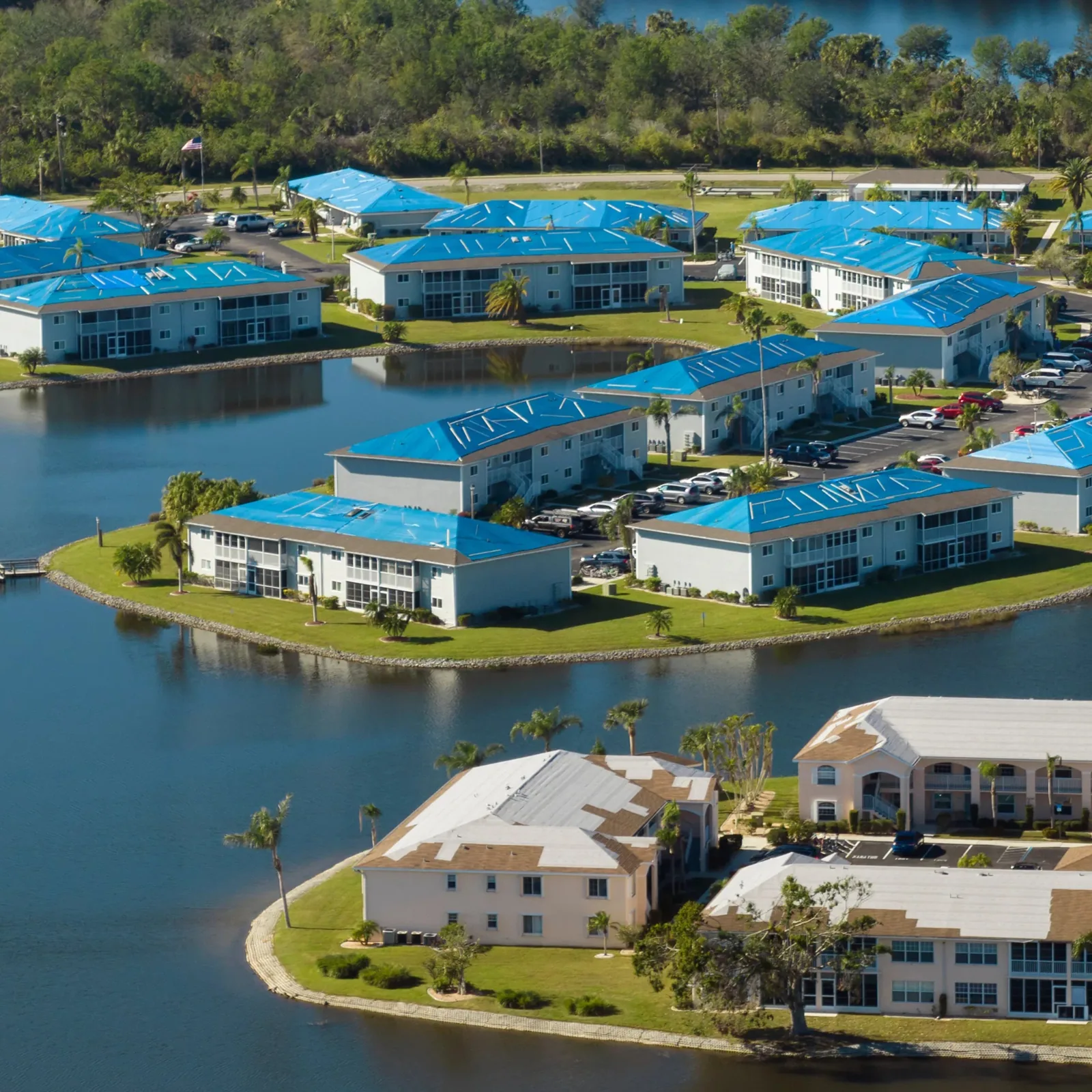
Emergency Commercial Roof Repair in Murrieta, CA
See how this work fits the roof, the building and the schedule.
Learn More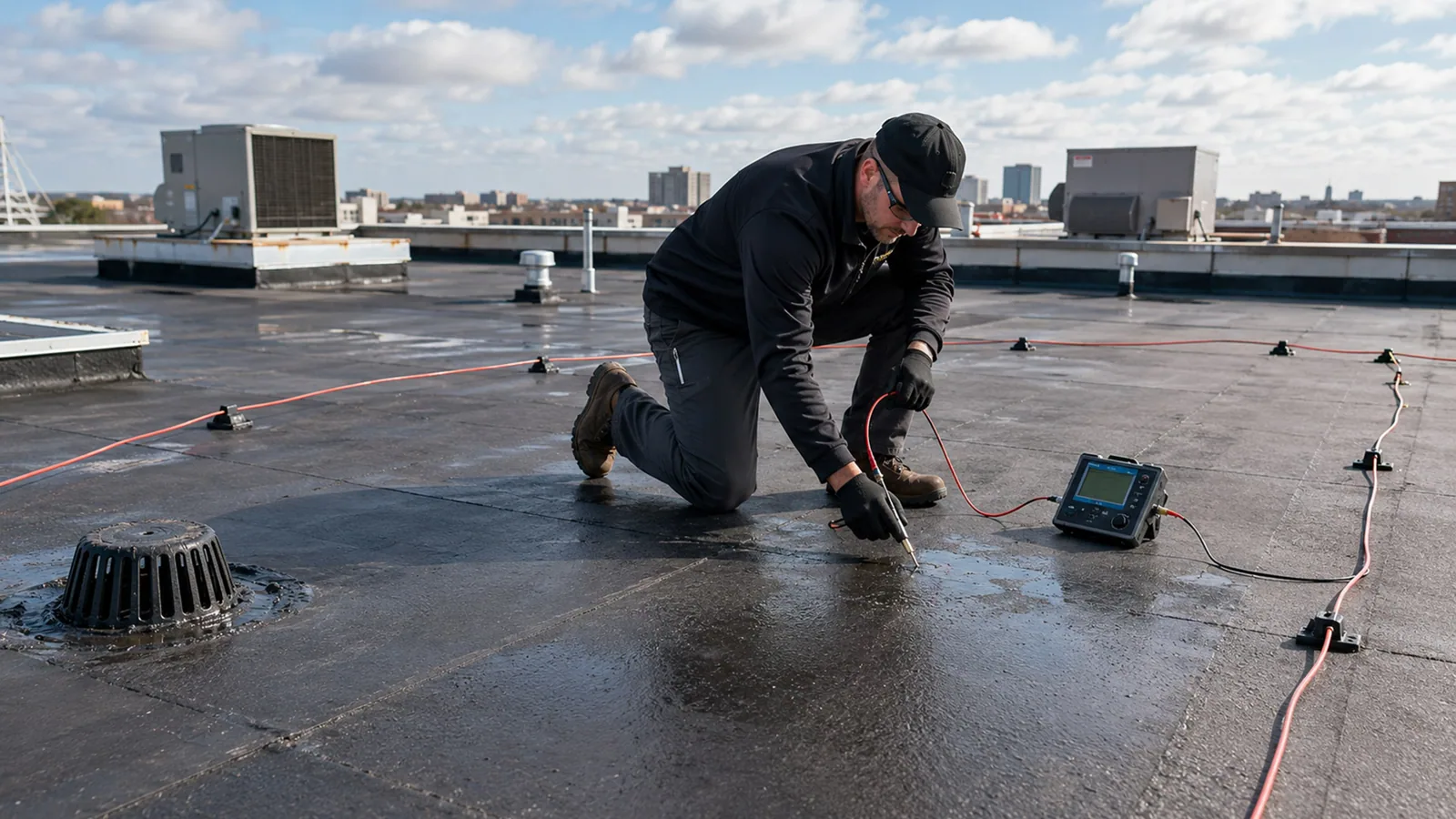
Commercial Roof Inspection in Murrieta, CA
Related scope, access notes and questions to ask before work starts.
Learn More
Infrared Roof Moisture Survey in Murrieta, CA
Read the full description and the questions owners ask about it.
Learn More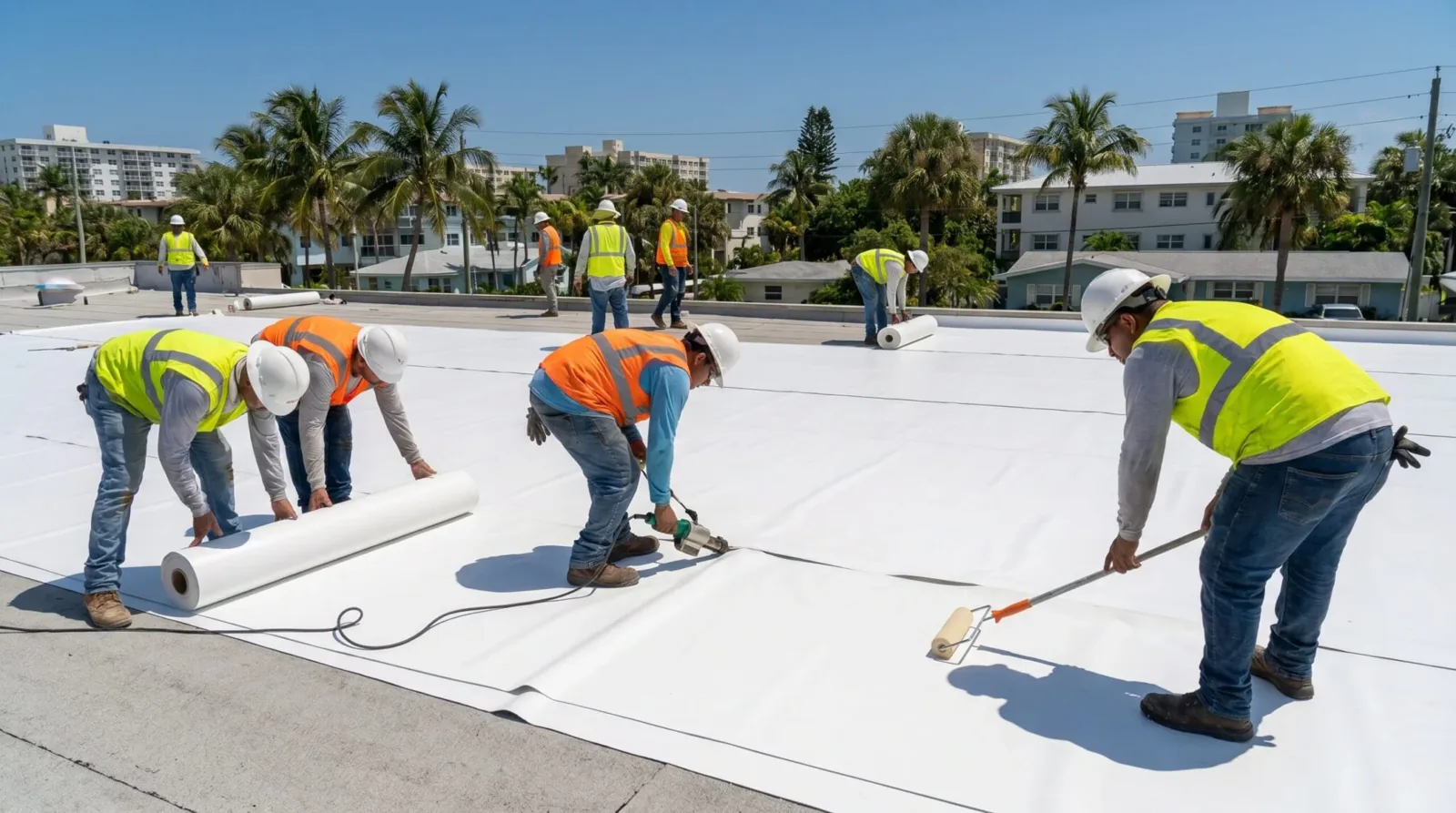
Commercial TPO Roofing in Murrieta, CA
See how this work fits the roof, the building and the schedule.
Learn More
Occupied-Building Commercial Reroofing in Murrieta, CA
Related scope, access notes and questions to ask before work starts.
Learn More
Commercial Roof Drains and Scuppers in Murrieta, CA
Read the full description and the questions owners ask about it.
Learn MoreTrace the Leak to Its Roof Detail
Arrange commercial roof leak repair in Murrieta. We will document the suspected water path, protect affected space and define the permanent correction.