
Manufacturing Facility Roofing in Murrieta, CA
Keep Murrieta manufacturing roof repairs tied to production needs, roof sections, equipment access, drainage, and a documented dry-in boundary.
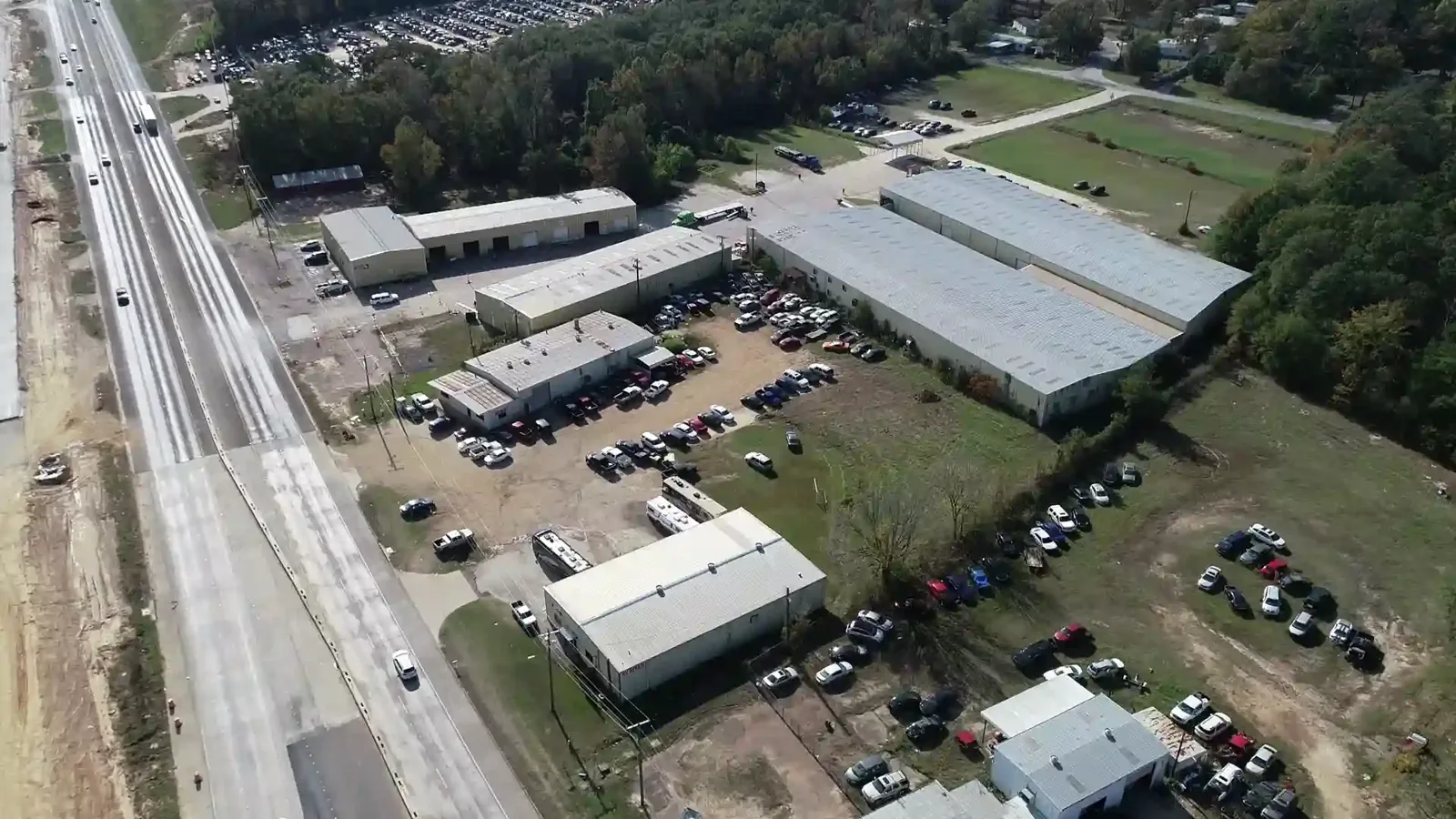
A roof leak above a production bay can put controls, stored material, or a scheduled line change at risk. In Murrieta, manufacturing is among the city’s economic-development priorities, and existing business-park space gives the industry a local foothold. We do not assume a plant’s assembly from its use or address. We identify the roof system, mark water paths, and ask which operations sit below the work area. The inspection then separates an active repair from a broader condition that may need testing. A roof inspection can provide the map facilities staff needs before approving a work window.
Roof Assembly: Identify the Material Before Pricing
Manufacturing buildings may have a membrane field, metal panels, older built-up layers, rooftop units, exhaust, skylights, or additions that meet at different heights. We record what is installed instead of assuming one system covers the entire footprint. The inspection follows seams, fasteners, edges, penetrations, drains, and transitions where movement or repeated repairs may show. A TPO assembly and a metal retrofit call for different preparation and repair details. The proposal names the system and the materials included at each boundary.
Murrieta's business parks already hold a commercial footprint exceeding 2M sq ft; each roof still needs its own field measurement. A building’s use and the size of a business district cannot answer what layers are above a production floor. We check attachment, substrate, insulation, and how equipment curbs connect to the field. If a roof has been repaired in stages, the condition map keeps those patches visible rather than treating the surface as uniform. That is the basis for comparing a local repair with recover or replacement.
Production Map: Tie Findings to the Line Below
Facilities staff can identify where a drip, condensation concern, or shutdown window overlaps with a process line. We label the roof section above that area and record the likely water path, nearby service routes, and equipment that cannot be exposed to debris. If a curb or exhaust unit may be involved, the roofing scope notes the transition while the mechanical contractor confirms any equipment work. A logistics roof plan has different loading priorities, but both records need a boundary that operations can recognize.
The city’s 2025 program names manufacturing, medical services, scientific research, and commercial-property management among its business-retention priorities. That describes policy focus, not a list of tenants or completed industrial buildings. Temecula separately identifies medical-device manufacturing and injection molding as part of its advanced manufacturing focus. For a company with facilities in both places, the same reporting fields can travel between sites while local access, roof details, and approved work hours remain distinct. A Temecula property review should not import a Murrieta roof assumption.
Water Path: Protect Controls, Stock, and Workcells
We compare the interior report with drains, wall transitions, seams, curbs, and earlier repairs above the affected area. Water can travel along a deck before reaching a control cabinet or stock aisle, so the ceiling mark does not set the repair boundary. If insulation may be wet, we identify the test or opening that will settle the question and state what changes if moisture is confirmed. A photo condition report can show the inspected detail and the remaining uncertainty in one record.
Surface punctures near maintenance paths need a compatible patch and sound substrate; seam separation requires attention to the membrane and its weld or adhesive detail. On metal, a loose fastener or failed washer may be distinct from panel corrosion or a moving lap. We note whether the issue recurs at several points or stays within one section. That keeps a service call from turning into an unsupported conclusion about the whole facility.
Work Window: Keep the Daily Boundary Dry
Before mobilization, we map forklift routes, receiving doors, roof hatch access, lifts, and any manufacturing step that cannot pause. The sequence limits how much roof is open and identifies how it will be dried in before the crew leaves. If production runs overnight or a delivery shift uses the same yard, the property contact can set a work window with those constraints. The plan identifies who clears the area below and who confirms that the temporary boundary is secure at day’s end.
Murrieta’s access to Interstate 15 and Interstate 215 frames regional business districts, but a plant schedule is set at the property. We coordinate the roof crew with mechanical service, exhaust shutdowns, deliveries, and safety reviews that affect the work area. An occupied-building phase plan can split a replacement into defined sections when the assembly and owner’s priorities support that sequence. If the roof cannot be left partly open, the scope says how weather interruptions are handled.
Scope Review: Compare the Work That Changes the Roof
A patch can be appropriate when the defect is localized and the surrounding system remains serviceable. A recover needs dry, stable layers, compatible materials, and enough height for drains, curbs, and edges. Replacement may be more suitable if attachment, moisture, deck condition, or repeated failures change the risk. We list removal, insulation, cover board, flashing, drains, equipment transitions, protection, and concealed-condition rules in the proposal. Each option should use the same roof sections so operations and ownership can compare the disruption as well as the assembly.
Keep the final roof map, material details, photos, approvals, repairs, and open observations with the plant record. The next inspection can return to a seam or curb without asking production staff to reconstruct a past leak from memory. Arrange a review when water appears near equipment, repeated patches are difficult to reconcile, or a capital scope must fit a shutdown calendar. We identify the condition, the dry-in boundary, and the decision the owner needs to make next.
When an investment group uses a separate firm for building operations, the roof file has to work for both teams. A property manager coordinating multiple buildings can route the production contact's access rules while ownership reviews the larger repair choice. We keep the inspection notes usable by both, with the same map and boundary rather than a second summary that drops the technical finding.
Commercial Roofing Questions
Can roof work be scheduled around a production shift?
Often it can be staged, but access, equipment, and the roof section determine the workable sequence. We map receiving and forklift routes, confirm any service shutdown, and set the area that can be opened and dried in during the approved window. Restrictions belong in the plan before work starts.
How do you scope a leak above a production line?
We note the affected bay and equipment below, then inspect drains, seams, curbs, and transitions above. The report states what was confirmed and whether insulation testing or an opening is needed. A repair boundary follows the evidence rather than only the visible drip location.
Does a manufacturing building always have a metal roof?
No. We identify the assembly at the property, including membrane, metal, built-up layers, and later additions when present. Material selection, attachment, and repair methods follow that inspection; the business use does not establish what is installed overhead.
When might a recover be rejected?
Wet insulation, weak attachment, incompatible layers, inadequate drain height, or repeated failures can make a recover unsuitable. We identify any test that would resolve an uncertain condition and explain how the result changes the recommendation. The proposal should show removal and substrate assumptions for comparison.
What should production staff receive after the repair?
They need the completed work area, photos, material information, access restrictions that remain, and any open observation. We provide a roof map tied to the affected bay or equipment zone so a later maintenance call can return to the same detail.
Related Roofing Work
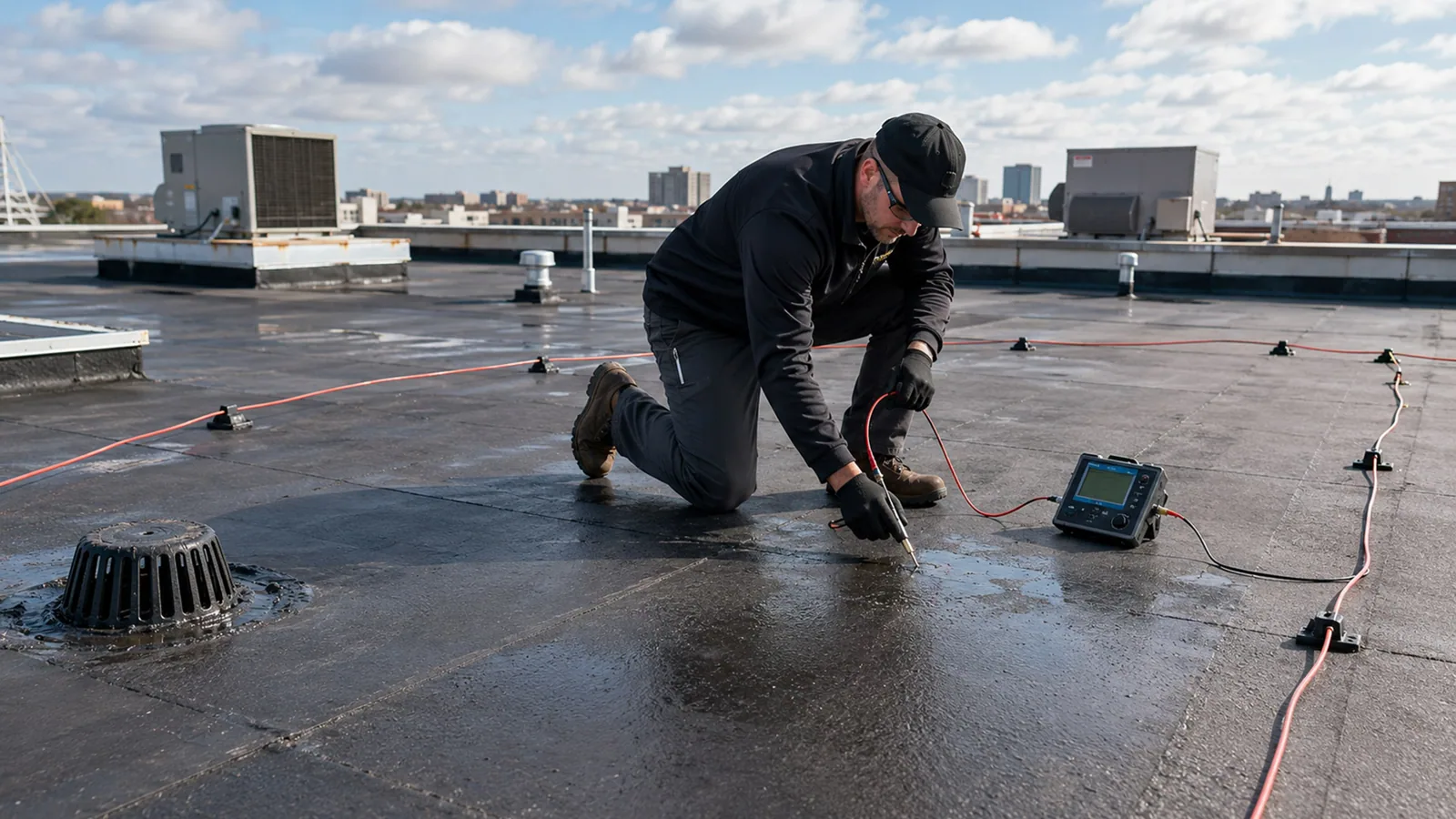
Commercial Roof Inspection in Murrieta, CA
See how this work fits the roof, the building and the schedule.
Learn More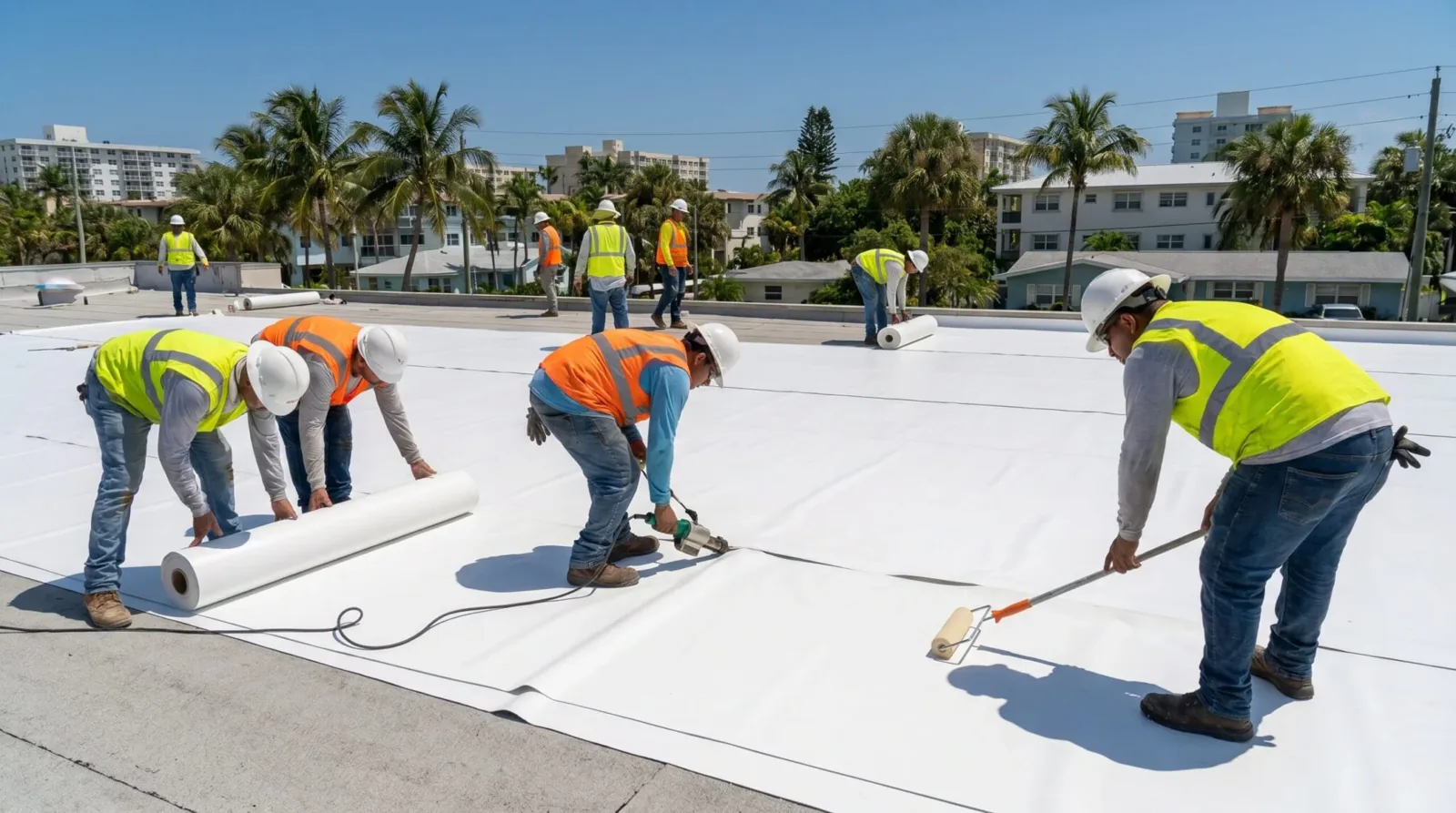
Commercial TPO Roofing in Murrieta, CA
Related scope, access notes and questions to ask before work starts.
Learn More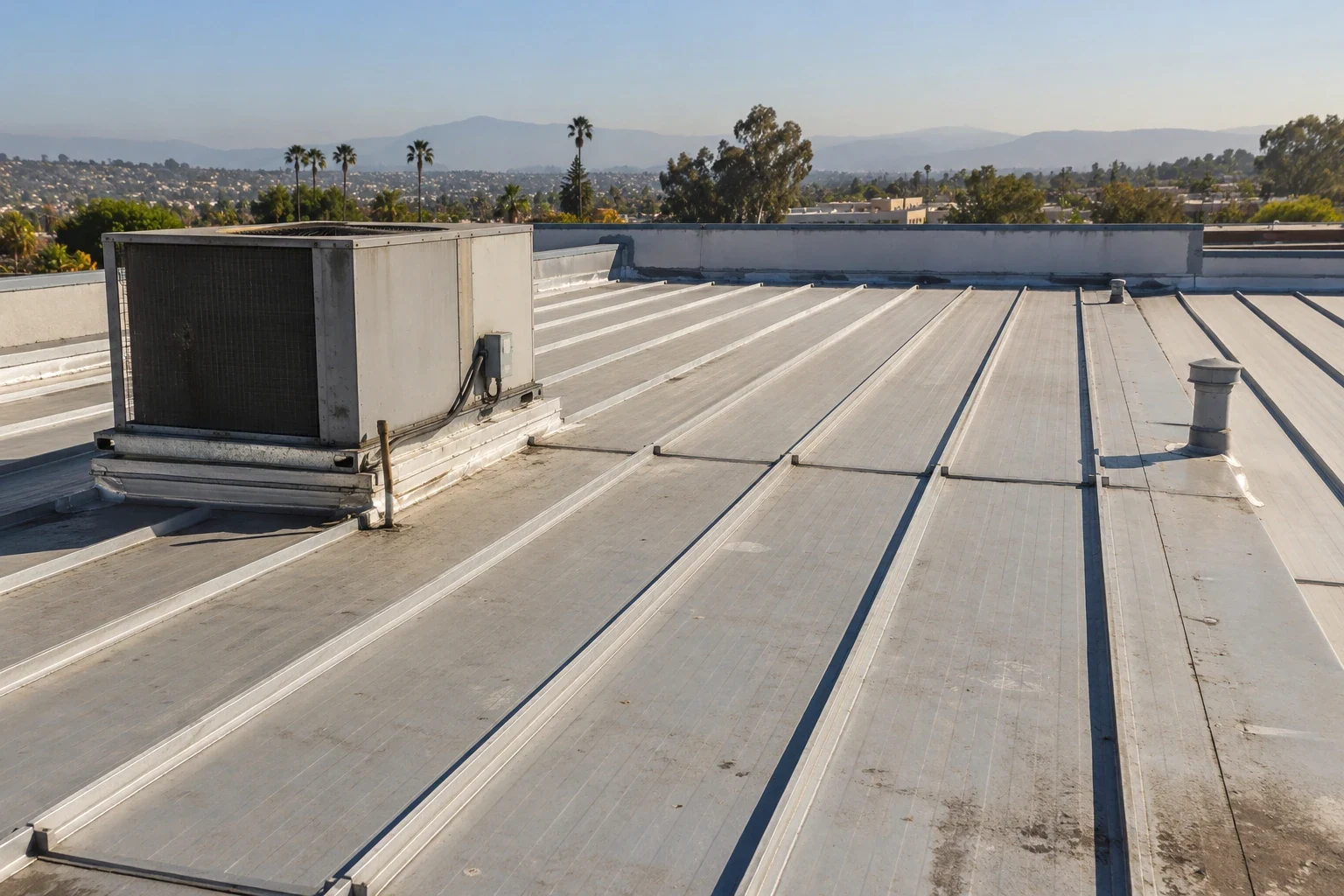
Commercial Metal Roof Retrofit in Murrieta, CA
Read the full description and the questions owners ask about it.
Learn More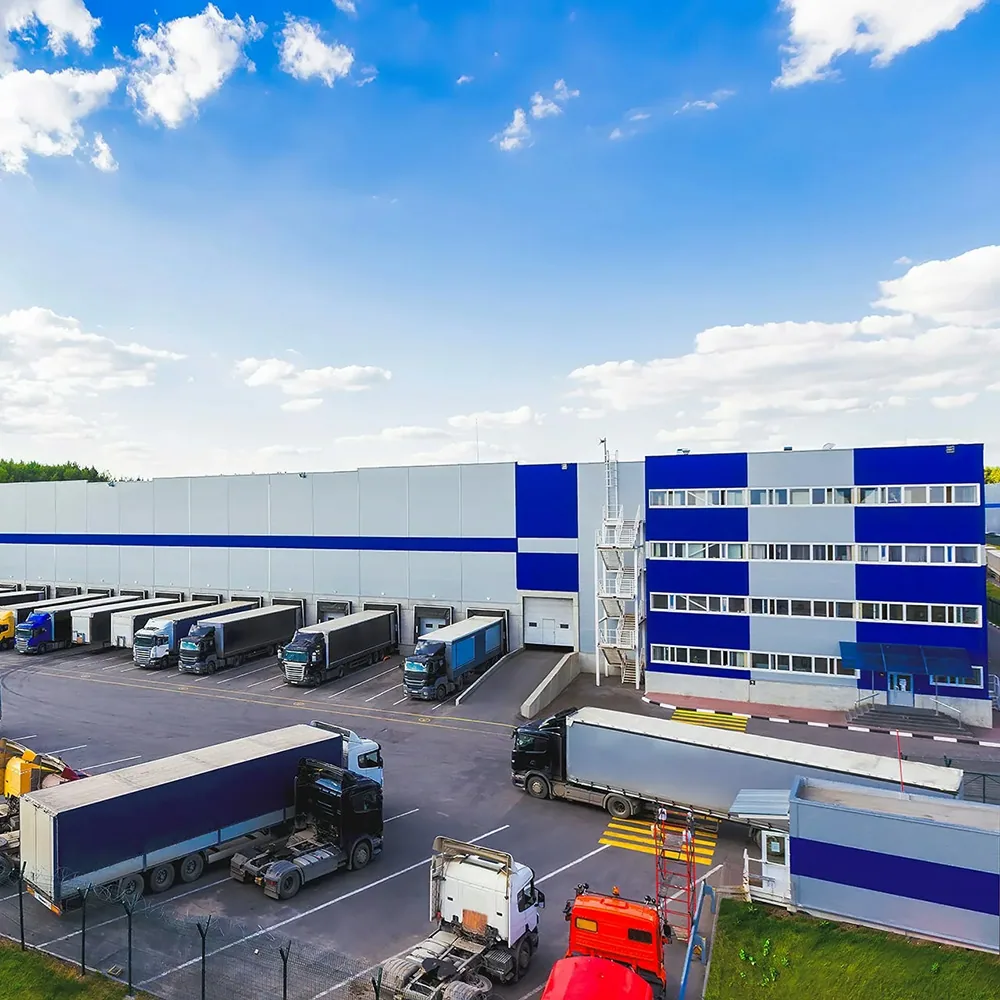
Logistics and 3PL Facility Roofing in Murrieta, CA
See how this work fits the roof, the building and the schedule.
Learn More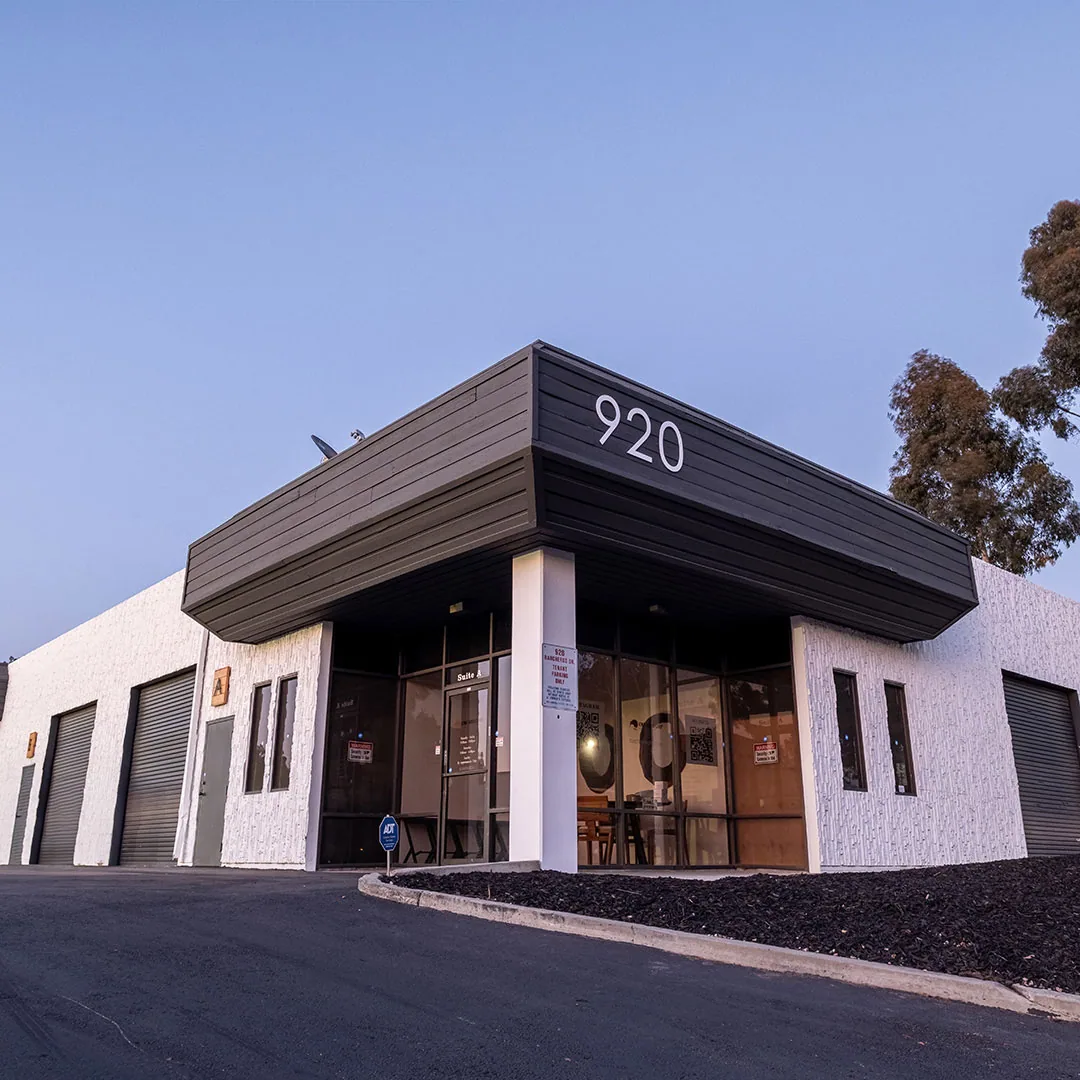
Commercial Roofing for Property Managers in Murrieta, CA
Related scope, access notes and questions to ask before work starts.
Learn More
Commercial Roofing in Temecula, CA
Read the full description and the questions owners ask about it.
Learn MorePlan Roofing Around Production
Arrange an inspection to identify the assembly, map the water path, and set a dry-in plan for your facility.