
Commercial Roof Maintenance in Murrieta, CA
Keep commercial roof details in working order in Murrieta with scheduled checks, documented repairs and attention to drainage, seams and equipment curbs.
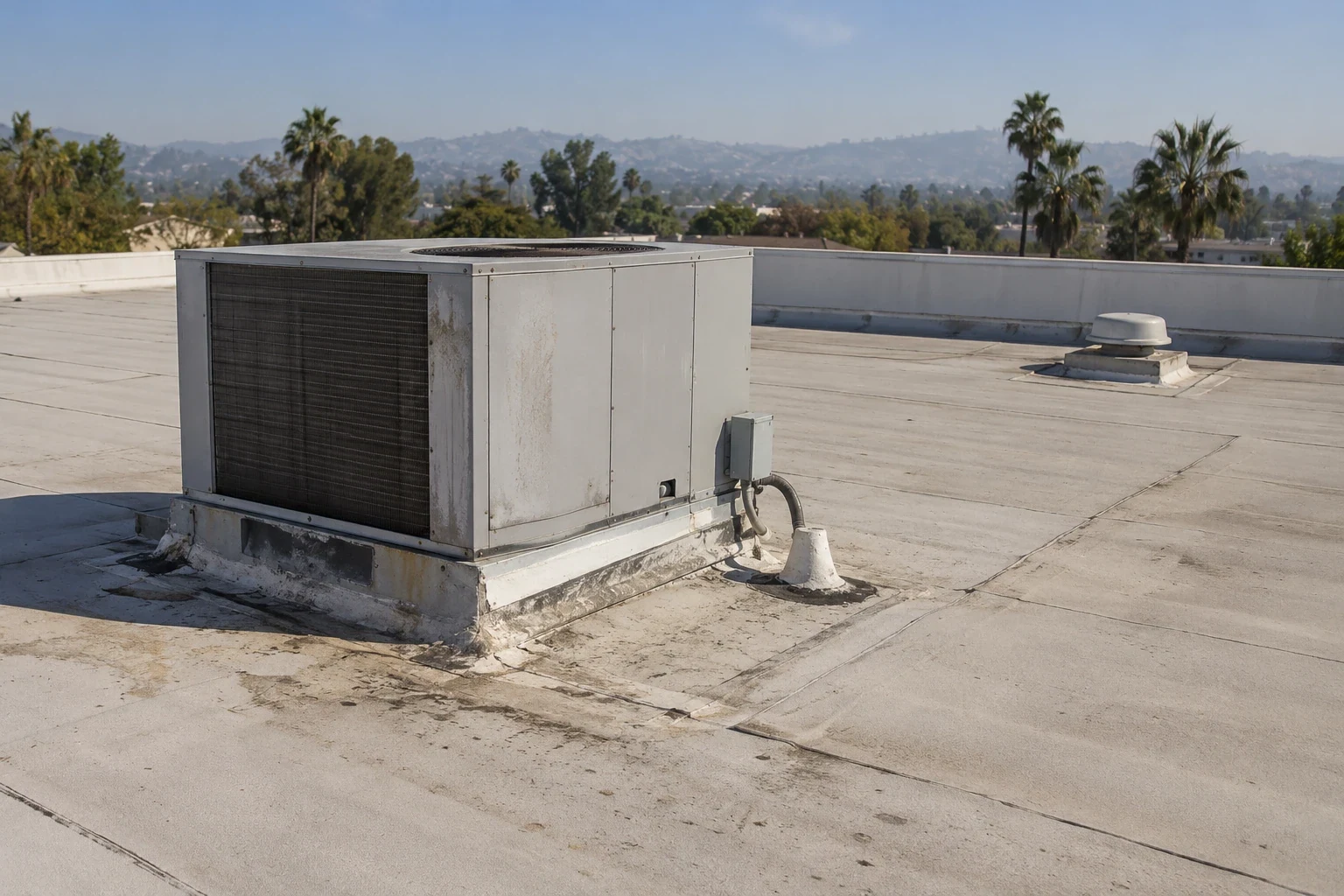
A drain that is partly blocked today can turn a small maintenance visit into a leak response after the next hard rain. A preventive program gives the building contact a regular look at seams, flashings, drains, edges and equipment penetrations before those details become urgent. In Murrieta, CA, the climate assessment records an annual precipitation baseline of 15.0 inches and a future scenario range through 2099. Those dated planning figures are not a forecast for a particular season, but they make drainage a sensible part of roof upkeep alongside heat-related wear. We document what needs repair, what can be monitored and where a closer inspection is justified. A maintenance visit does not replace a condition inspection when the roof has recurring leaks or suspected hidden moisture. It gives owners a steady record of roof details between larger decisions.
Visit Scope: Check the Parts That Control Water
We clear accessible drains and scuppers, check that overflow paths remain open and look for debris or loose material that can redirect water. Seams, flashing, penetrations and perimeter metal are reviewed for movement, open edges, failed sealant and earlier patches that may need attention. Rooftop equipment supports and service routes can create additional wear, so we record conditions around them without assuming the equipment caused a leak. The work list should distinguish maintenance tasks from repair work that needs a proposal or additional approval. A blocked drain can be cleared during the visit; a damaged flange, wet insulation or separated curb flashing may need a defined repair scope. When the roof is safe to access, we photograph conditions before and after the maintenance work. A drainage review can go deeper on low points, while an edge and gutter repair addresses perimeter details that need more than cleaning.
Membrane Care: Keep Small Defects From Spreading
Maintenance methods depend on the installed roof. A thermoplastic membrane may need a closer look at heat-welded seams and flashing transitions. EPDM details require compatible materials and clean surfaces; metal roofs need attention to fasteners, panel joints and movement. We identify the system when visible or documented and avoid applying generic sealant across materials that need different preparation. Small punctures, open laps and loose flashing can be recorded for repair before water reaches insulation or deck. If the surface has multiple coatings or prior repairs, the visit should note what can be seen and whether a more detailed inspection is needed. Murrieta’s heat model uses a threshold of 105.1 degrees for an extreme-heat day from April through October, which is useful context for repeated material exposure, not proof that a particular seam failed because of heat. Temecula’s advanced-manufacturing focus includes medical-device work and injection molding, a reminder that industrial operating schedules can affect roof access. System-specific TPO seam care and metal-panel maintenance should follow the assembly found onsite.
Condition Log: Give Each Finding a Next Step
A useful maintenance log says where the condition is, what changed and who should act next. We record roof area, nearby equipment or drains, photographs and whether a repair is complete, pending approval or simply being monitored. If the same seam or curb appears in successive reports, that history can show whether the issue is stable or expanding. We also note access limits and any section that could not be inspected. The manager can use the record to coordinate tenants, mechanical vendors and future roof visits. In Menifee, nonresidential uses cluster along Ethanac, Newport, McCall and Scott Roads, so the local property mix varies by corridor. Each roof still needs a site-specific log rather than a schedule that treats every building alike. A photo condition report can support a repair decision, and a capital planning review can sort repairs from longer-term replacement needs.
Schedule: Work Around the Building's Routine
Maintenance visits need a clear access contact, a safe route to the roof and a plan for equipment that may need to be serviced while the crew is there. If the building has restricted zones or active production, we coordinate the visit so roof access does not interfere with normal work. A visit after recent rain may reveal drainage issues, while dry conditions can make seam cleaning and detail review easier. We identify the conditions at the time of inspection rather than treating one visit as a permanent certification of roof condition. The schedule can be annual, seasonal or tied to the building’s leak history and the roof-system requirements. If a repair is found, we report whether it can be completed during maintenance or needs a separate estimate. For an occupied property, access and phasing coordination helps the contact set expectations around staff, tenants and rooftop service providers. Owners can keep the next visit on the calendar before routine tasks slip into emergency work.
Program Review: Connect Maintenance to Capital Work
Maintenance is not a promise that the roof will never leak. It is a way to find visible conditions earlier, complete appropriate small work and keep a record of unresolved items. The building owner should know which tasks are included in each visit, what repairs require separate approval and how photographs will be organized. If deterioration is widespread, repeated service visits may cost more in disruption than a broader scope review. We compare maintenance findings with prior reports and explain when repair, coating, recover or replacement should be considered. A coating evaluation is appropriate only if the roof remains a suitable substrate; recurring moisture may call for test cuts or replacement planning instead. A maintenance schedule is most useful when a responsible contact receives the same clear summary after each visit and can decide what to approve next. The record then helps the next technician understand the roof's history rather than repeat the same inspection from the beginning.
Commercial Roofing Questions
What should a routine maintenance visit cover?
We check accessible drains, scuppers, seams, flashings, roof edges, penetrations and equipment areas, then record findings by location. Cleaning and minor upkeep are separated from repairs that need additional scope or approval. The visit should also identify areas that were inaccessible and any condition that deserves a closer inspection.
How often should our building be on the schedule?
The interval depends on roof condition, drainage, access, equipment activity and prior leak history. A roof with recurring debris or active repairs may need more frequent attention than a stable assembly. We recommend a schedule after reviewing the property and can adjust it when reports show a new pattern or repair need.
Does maintenance include every small repair?
The program should define what work is included and what requires separate authorization. Clearing an accessible drain may fit a routine visit; replacing damaged flashing, opening wet insulation or correcting a failed deck detail may need a priced scope. We identify the boundary in the work record before performing additional work.
Can we use maintenance records for a replacement decision?
Yes. Reports show recurring issues, repair locations and conditions that have changed over time. They do not replace a replacement inspection, but they help focus it. We compare the log with current roof observations and explain whether maintenance remains reasonable or the assembly needs broader evaluation.
What if a visit finds a leak or wet insulation?
We identify the roof section and the evidence, then explain the next useful step. A leak may need immediate temporary protection and a permanent repair; suspected moisture may need thermal review or test cuts. The owner receives a separate scope when the condition goes beyond routine upkeep.
Related Roofing Work
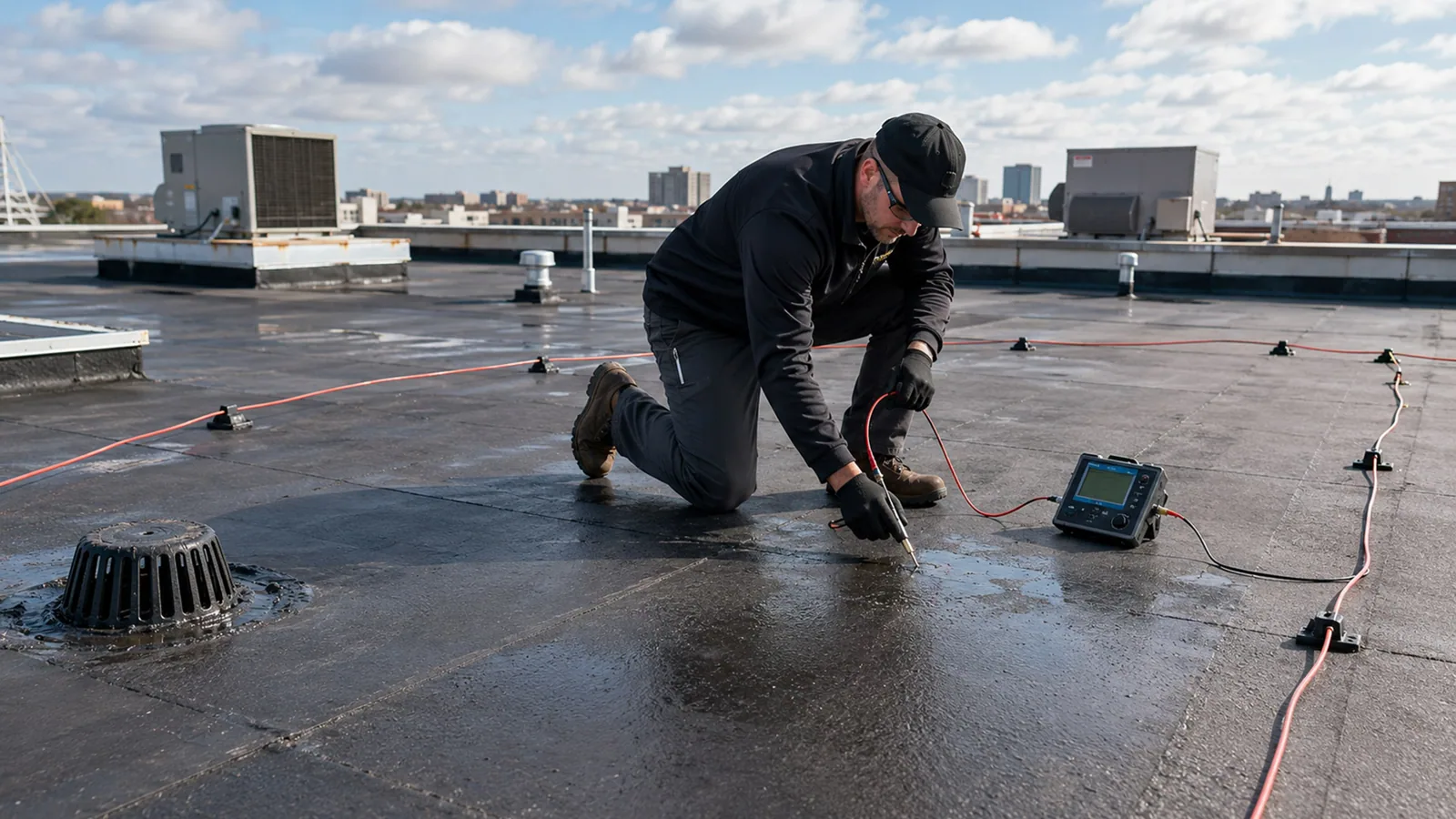
Commercial Roof Inspection in Murrieta, CA
See how this work fits the roof, the building and the schedule.
Learn More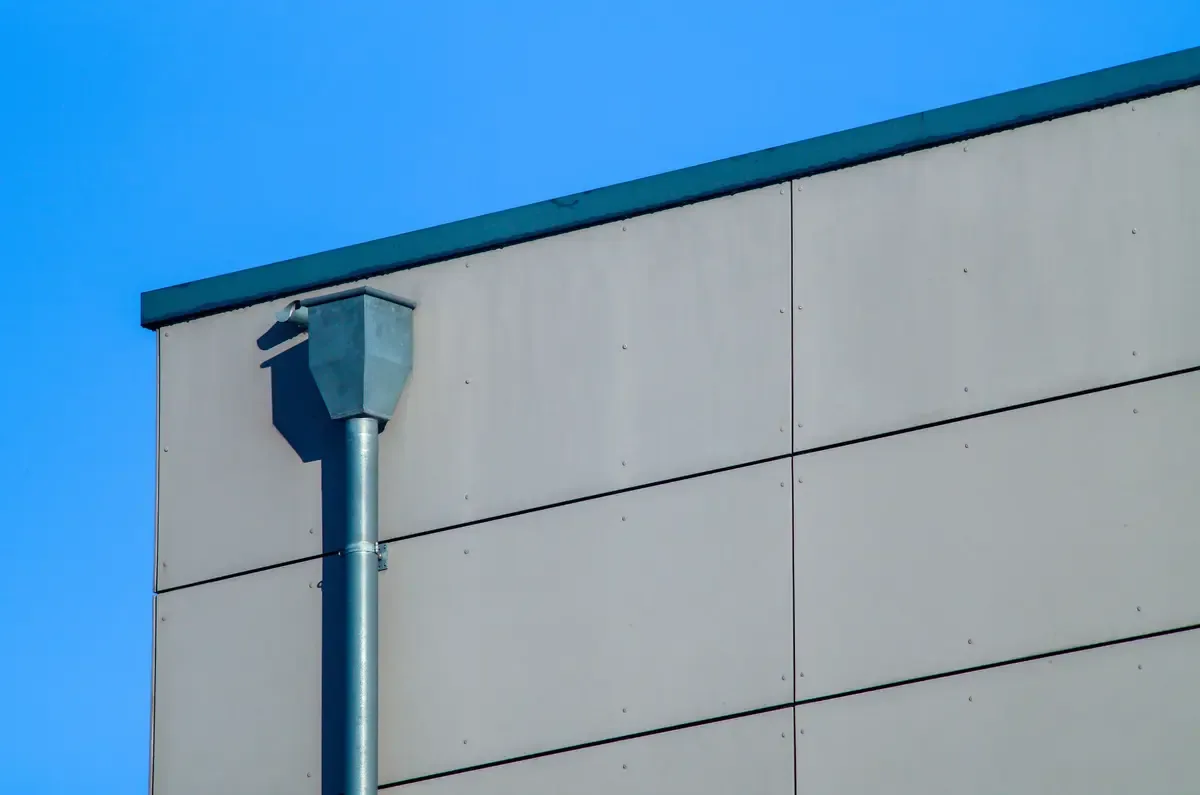
Commercial Roof Drains and Scuppers in Murrieta, CA
Related scope, access notes and questions to ask before work starts.
Learn More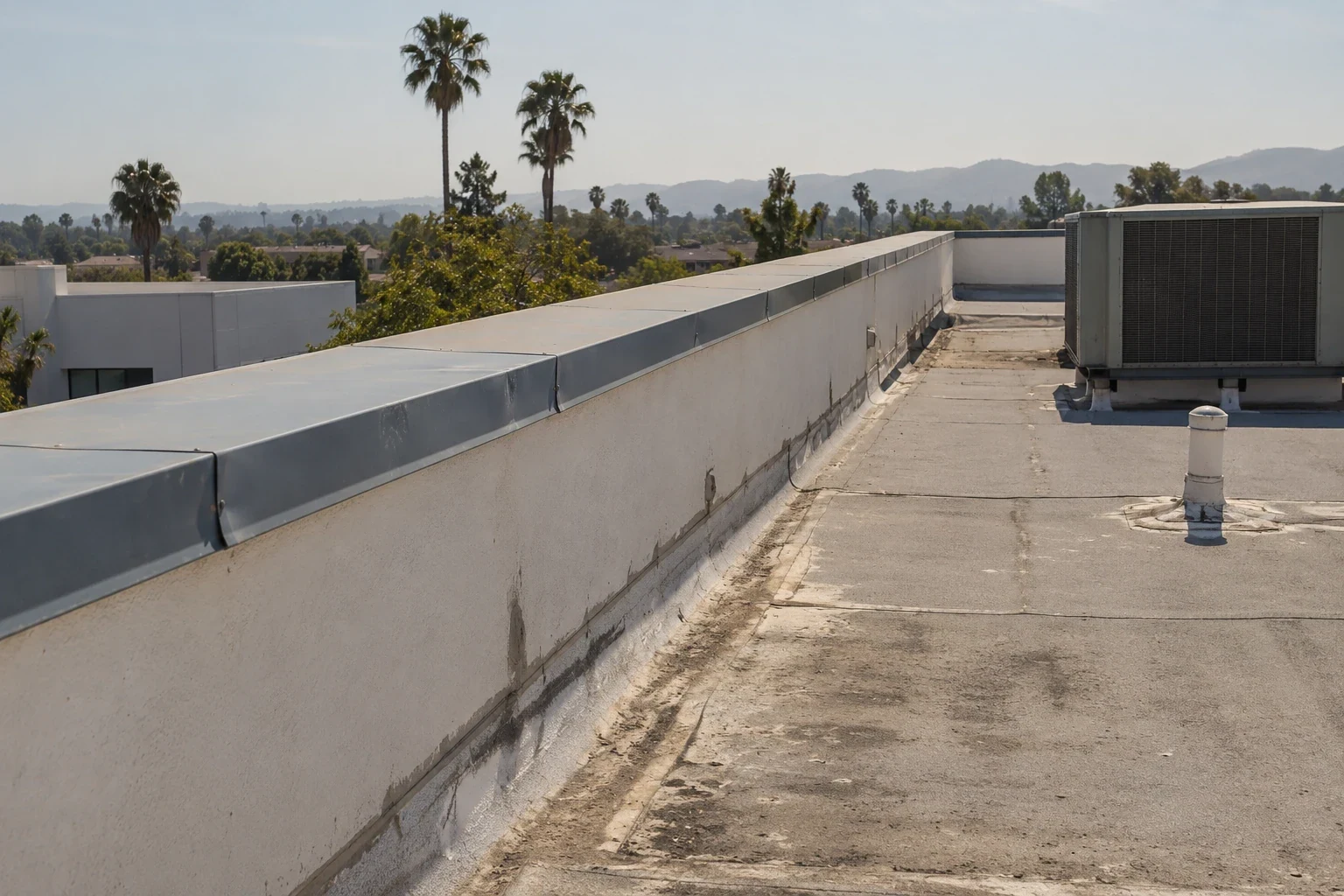
Commercial Roof Edge Metal, Coping and Gutters in Murrieta, CA
Read the full description and the questions owners ask about it.
Learn More
Commercial Roofing in Temecula, CA
See how this work fits the roof, the building and the schedule.
Learn More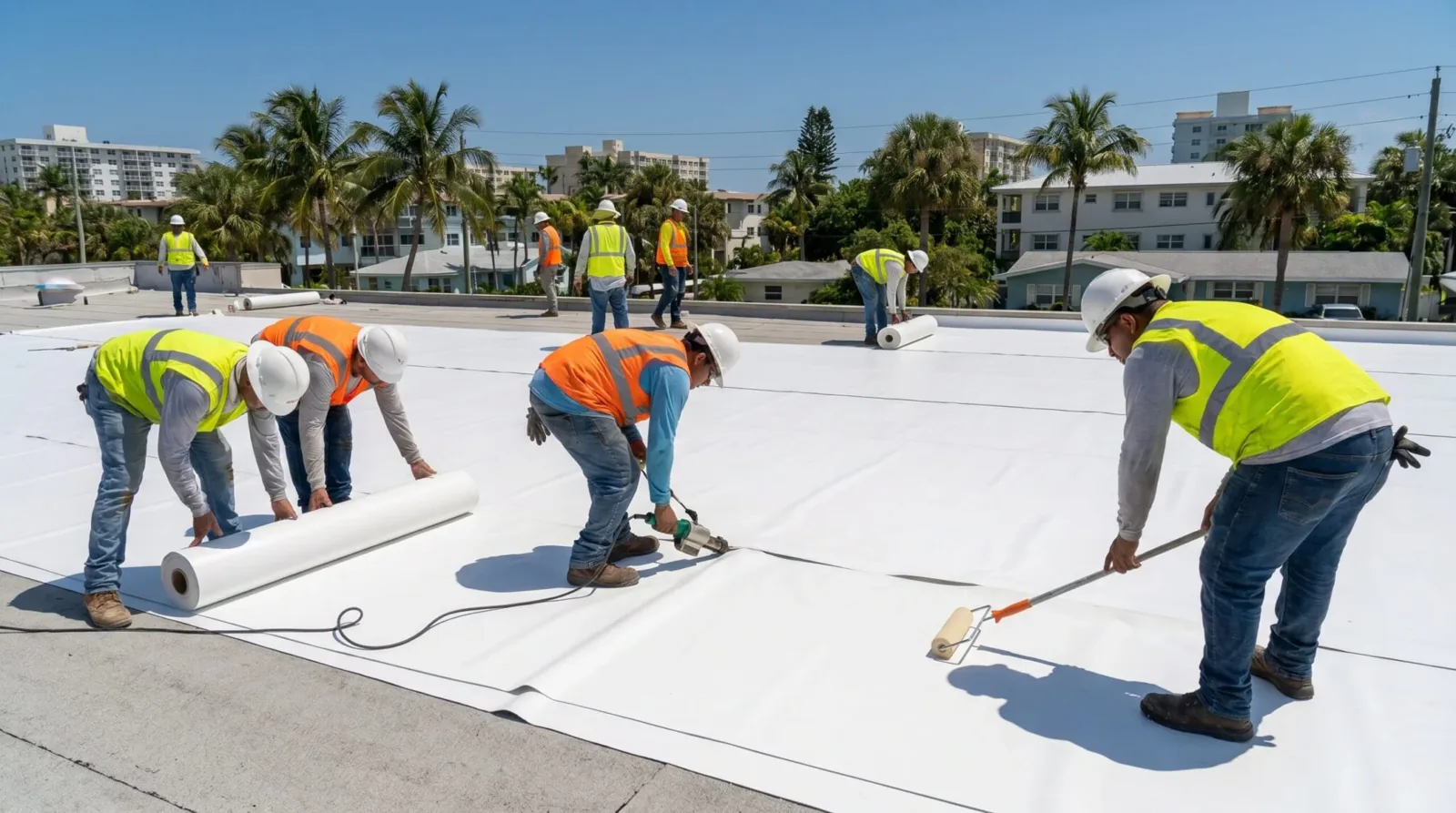
Commercial TPO Roofing in Murrieta, CA
Related scope, access notes and questions to ask before work starts.
Learn More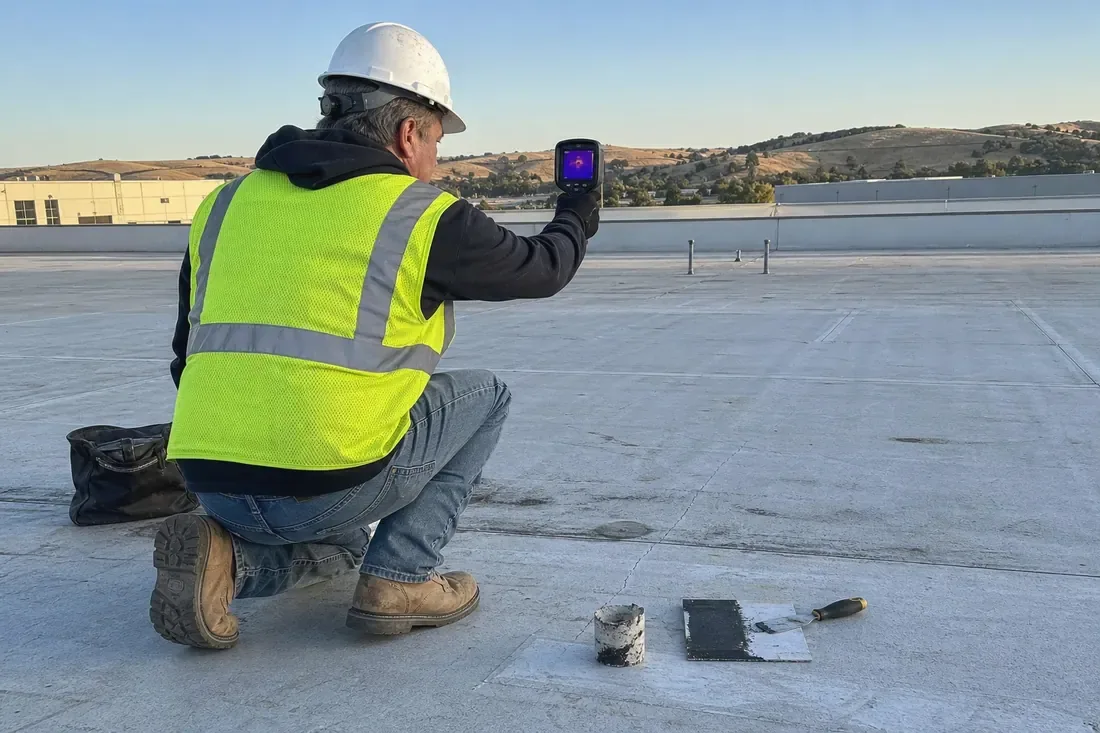
Commercial Roof Condition Reports in Murrieta, CA
Read the full description and the questions owners ask about it.
Learn MoreSet a Commercial Roof Maintenance Schedule
Arrange a Murrieta roof visit to check drainage and details, document repairs and build a record for the next property decision.