
Commercial Cool Roof Installation in Murrieta, CA
Evaluate reflective commercial roofing in Murrieta with a review of roof condition, insulation, drainage, material choice and occupied-building timing.
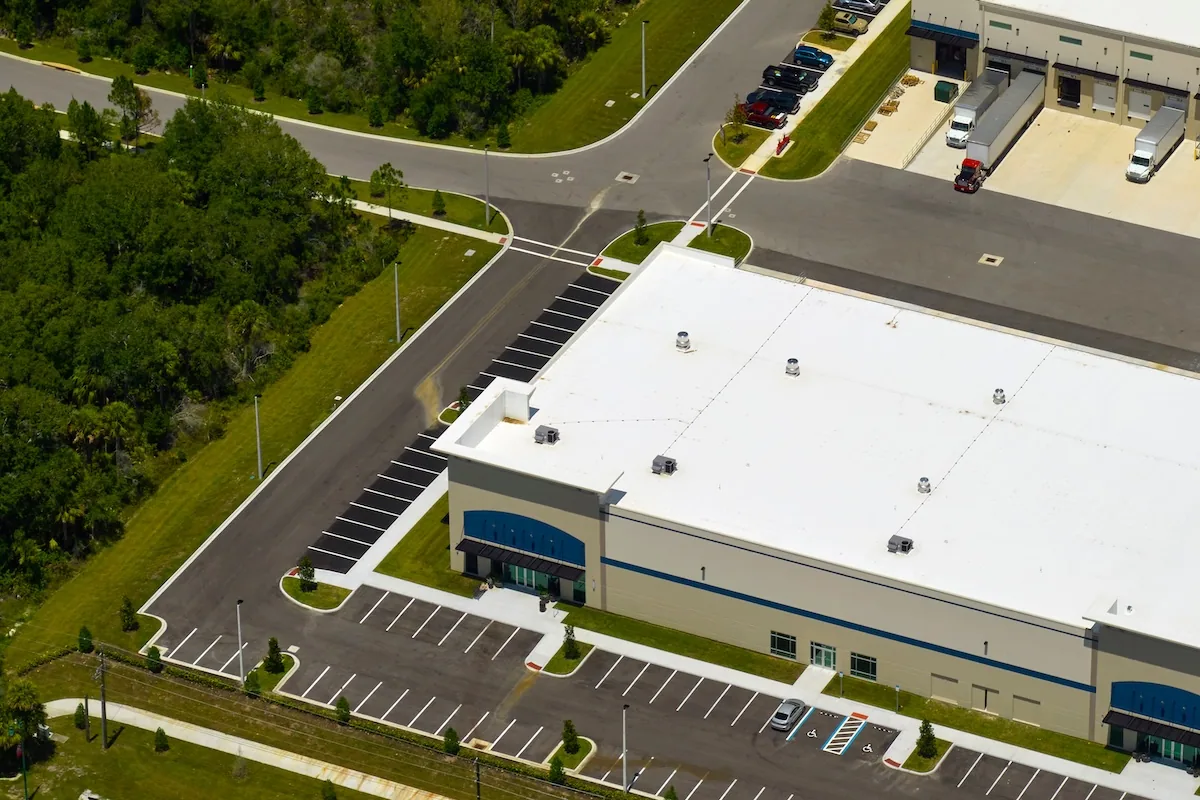
A hot roof surface can add heat to the building, but a reflective finish is only one part of the assembly. Murrieta scenarios project annual average maximum temperatures 5.1 to 10.4 degrees higher by 2099 than the 1950 to 2005 reference period, depending on emissions. Those are long-range planning projections, not a forecast for an individual roof. They make it reasonable to review surface reflectance, insulation, ventilation where applicable and occupied-space needs together. We inspect the current assembly, drainage and edge details before recommending a reflective membrane or coating. The starting point is a roof condition review, not a color choice.
Existing Roof: Check What a New Surface Would Cover
Before discussing reflectance, we look for wet insulation, open seams, loose attachment, ponding and repairs that may not accept another layer. A reflective membrane placed over a compromised assembly does not correct those conditions. We also note roof traffic, rooftop units, skylights and service paths that can affect material choice or surface wear. Test cuts or moisture mapping can help establish whether the insulation is dry enough to retain. If the existing roof is sound, the owner may compare a new reflective system with restoration. If water or attachment problems extend across the roof, replacement may be more appropriate. The property inspection establishes what the building needs. We compare its existing insulation, surface wear and drainage before recommending a material change. A moisture survey can add information where surface evidence is incomplete.
Reflective System: Match Material to the Assembly
Reflective options include light-colored membranes and compatible coating systems, each with its own preparation and detail requirements. We identify the current roof and compare seam, flashing, attachment and maintenance needs before selecting an assembly. A single-ply membrane may use heat-welded seams or adhered details; a coating must bond to a suitable substrate and requires careful preparation. Reflectance can decline as dirt accumulates, so the service plan matters after installation. We do not promise a specific energy reduction from color alone. Building use, insulation, air leakage, equipment loads and operating hours all affect interior conditions. Owners can review TPO membranes, PVC roof systems and silicone coating assemblies as different system choices. The recommendation follows the roof’s condition and the project requirements, with product data reviewed for the selected assembly. A property team can also compare the surface choice with the building’s current cooling schedule, interior temperature complaints and rooftop-unit condition. Before specifying a coating, we remove loose residue, confirm that the surface is dry, and review whether primers or reinforcement are required at seams and transitions. A small adhesion test can resolve uncertainty on an older substrate. The scope records those preparation steps so a future maintenance visit can distinguish normal dirt from coating wear or a bond concern. Those operating records help determine whether the roof is one part of a broader heat-control project. We document roof findings separately so an energy review can distinguish surface work from equipment or controls work.
Occupied Space: Connect Roof Work to Interior Loads
A reflective roof does not replace interior heat-load planning. We ask how the building is used, which areas run equipment after hours and whether rooftop units can be accessed during installation. Manufacturing, medical and research operations can have process loads that a roof surface cannot address by itself. For a facility team, it is useful to coordinate roof work with HVAC maintenance and operating schedules, then compare indoor conditions with the building’s own operating records. We check unit curbs and duct penetrations while planning the new surface, and we keep service paths open where practical. A curb and support inspection can identify details that should be repaired before the reflective layer is installed.
Drainage and Insulation: Preserve the Water Path
Adding a membrane or coating changes the roof surface but should not block drains, scuppers or overflow routes. We verify elevations at drains and edges, then review whether tapered insulation would help move water or whether a local low area needs another correction. Insulation thickness and cover board affect curb height, door thresholds and parapet transitions. A reflective roof also needs a secure perimeter and flashed penetrations, so the scope should include metal, drains and rooftop equipment interfaces. Perris includes the 4th Street (SR-74) corridor in its Downtown Plan as an area for commercial frontage, including retail and office uses. Those planning designations do not identify a particular roof assembly, so the proposal still needs measured elevations, suitable edge details and a repair schedule tied to the property. For a specific building, our inspection maps the assembly before setting the correction. Compare insulation and cover-board options with drainage corrections when the roof has ponding or uneven slope.
Installation Window: Plan Preparation, Dry-In and Follow-Up
Reflective systems need appropriate surface preparation and installation conditions. We schedule cleaning, repairs, priming where required and membrane or coating work in a sequence that keeps the roof protected overnight. Heat, wind, dust and dew can affect application limits, so we check actual conditions and manufacturer requirements rather than use a long-term climate projection as a workday forecast. Access routes, material staging and tenant activity belong in the plan as well. Temecula’s Old Town is described by the City as a district about a mile from north to south, with a compact commercial setting that can make staging and pedestrian access relevant to a project. Murrieta’s business parks have different access patterns; the building’s actual circulation governs the work sequence. A phased installation plan can protect active operations. At closeout, we record the installation date, material type and sections completed, then note any maintenance item that needs another visit. That baseline helps the facility team compare later wear with the installed condition and schedule the next inspection around normal operations. A maintenance schedule can track surface cleanliness, seams, coating condition and drainage.
Commercial Roofing Questions
Will a reflective roof lower our utility bills?
A reflective surface can reduce solar heat absorbed by the roof, but the building’s total energy use also depends on insulation, air leakage, equipment and operating schedule. We can describe the roof system and its product data; we do not estimate savings from color alone. An owner can compare measured building performance after installation with the prior operating baseline.
Can a reflective coating go over our current roof?
The substrate must be dry, secure and compatible with the coating. We inspect for moisture, loose membrane, failed seams and previous coatings, then use a test area if adhesion needs confirmation. If the assembly is compromised, repair or replacement may be a better starting point than applying another surface layer.
Does a cool roof need a different maintenance plan?
The inspection should include surface cleanliness, seams, flashings, drains and any coating wear. Dirt can change the appearance of a reflective surface, while ponding or roof traffic can damage details. We set the follow-up interval from the roof condition and the building’s maintenance needs, then record findings by roof section.
Can we install a reflective roof without disrupting the building?
The work can be phased around active areas when safe access and dry-in conditions allow. We identify material routes, rooftop equipment schedules, entrances and interior spaces that need notice. The size of each work section affects duration, so the sequence should be set before crews begin cleaning or removing material.
What should we compare before choosing a reflective system?
Review the existing assembly, moisture, insulation, drainage, attachment, penetrations and maintenance needs alongside the material data. A membrane and a coating have different preparation and repair methods. We document those tradeoffs so the selection follows the roof and project requirements rather than a finish color alone.
Related Roofing Work
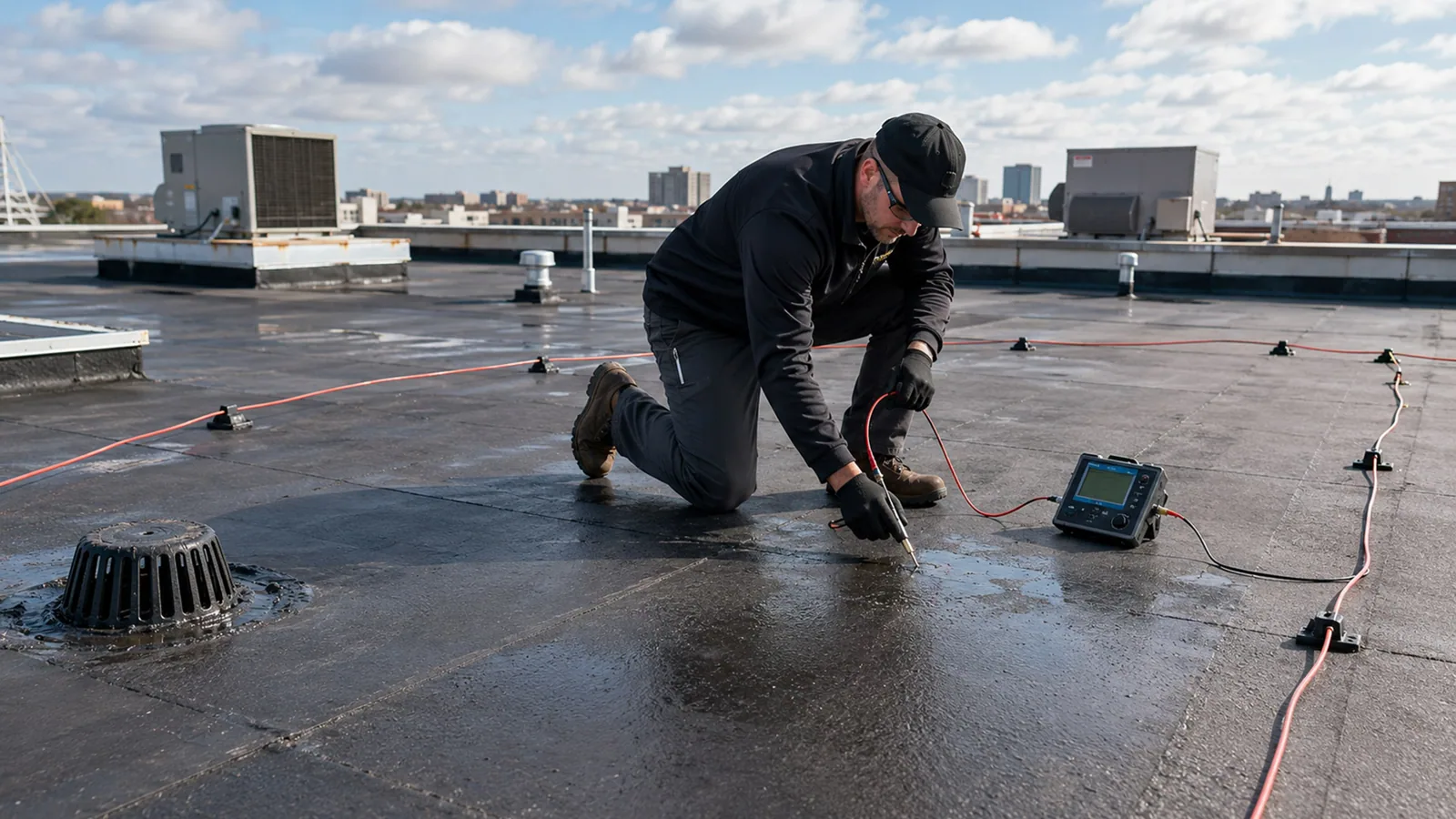
Commercial Roof Inspection in Murrieta, CA
See how this work fits the roof, the building and the schedule.
Learn More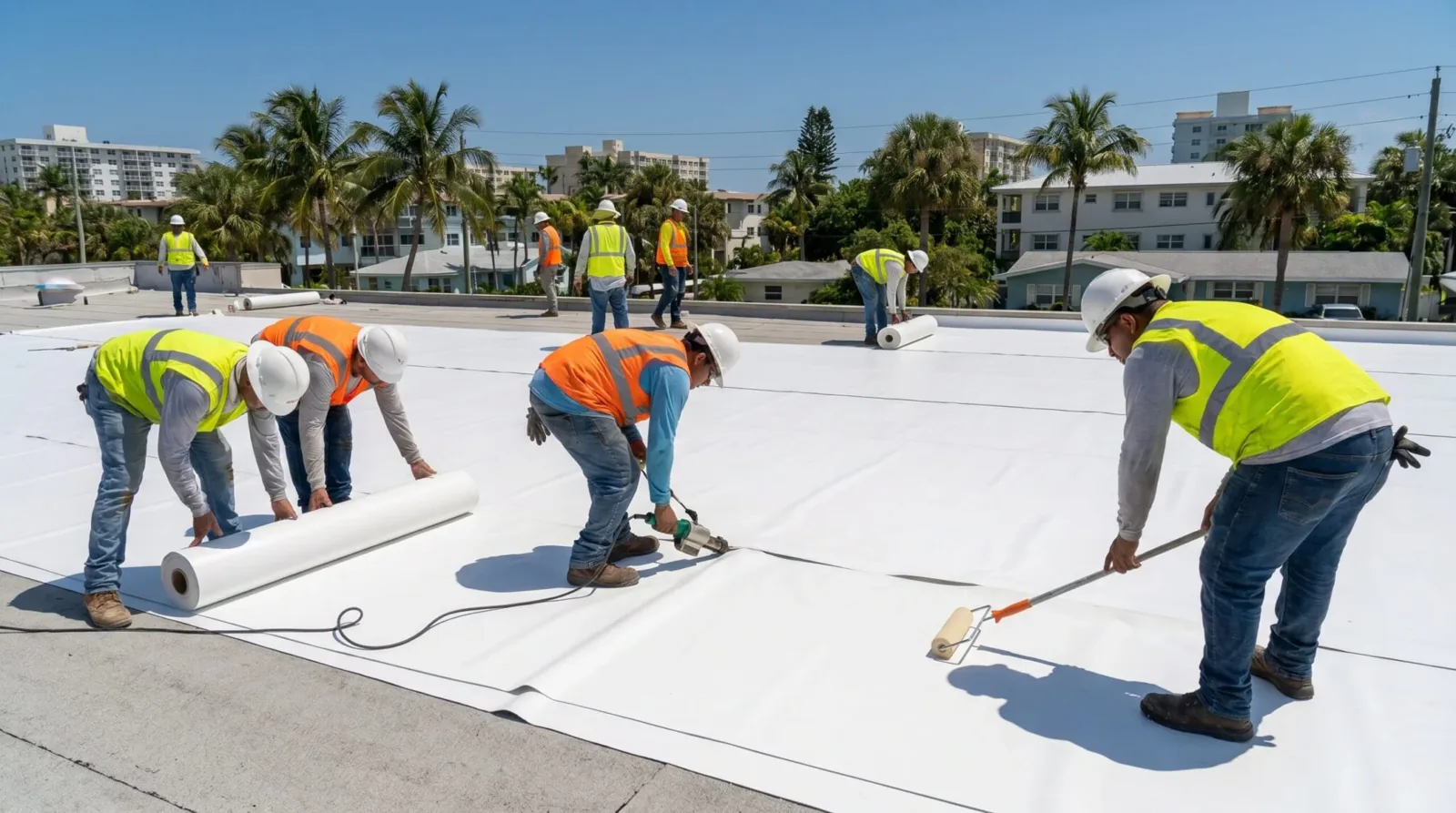
Commercial TPO Roofing in Murrieta, CA
Related scope, access notes and questions to ask before work starts.
Learn More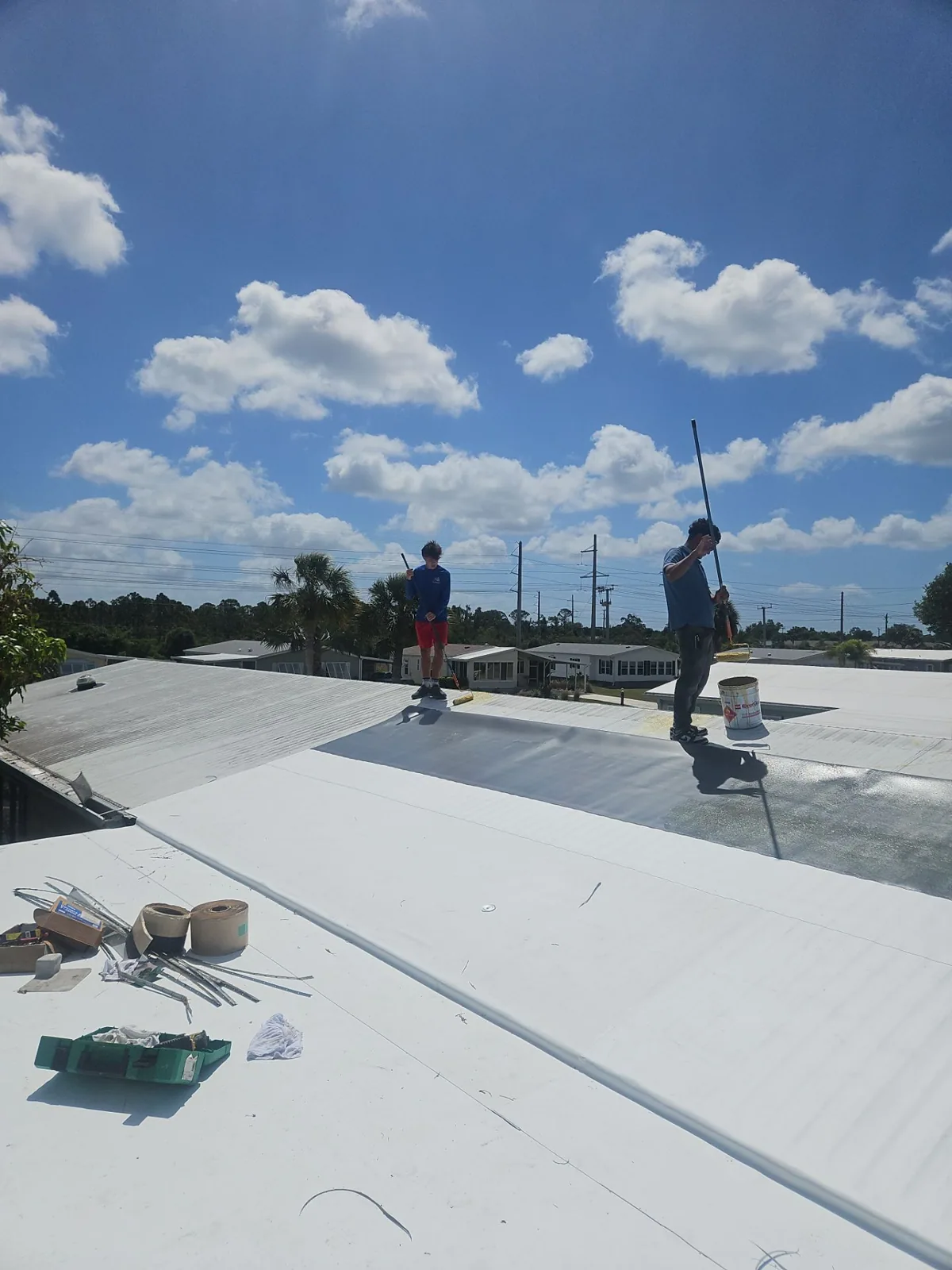
Commercial Silicone Roof Coatings in Murrieta, CA
Read the full description and the questions owners ask about it.
Learn More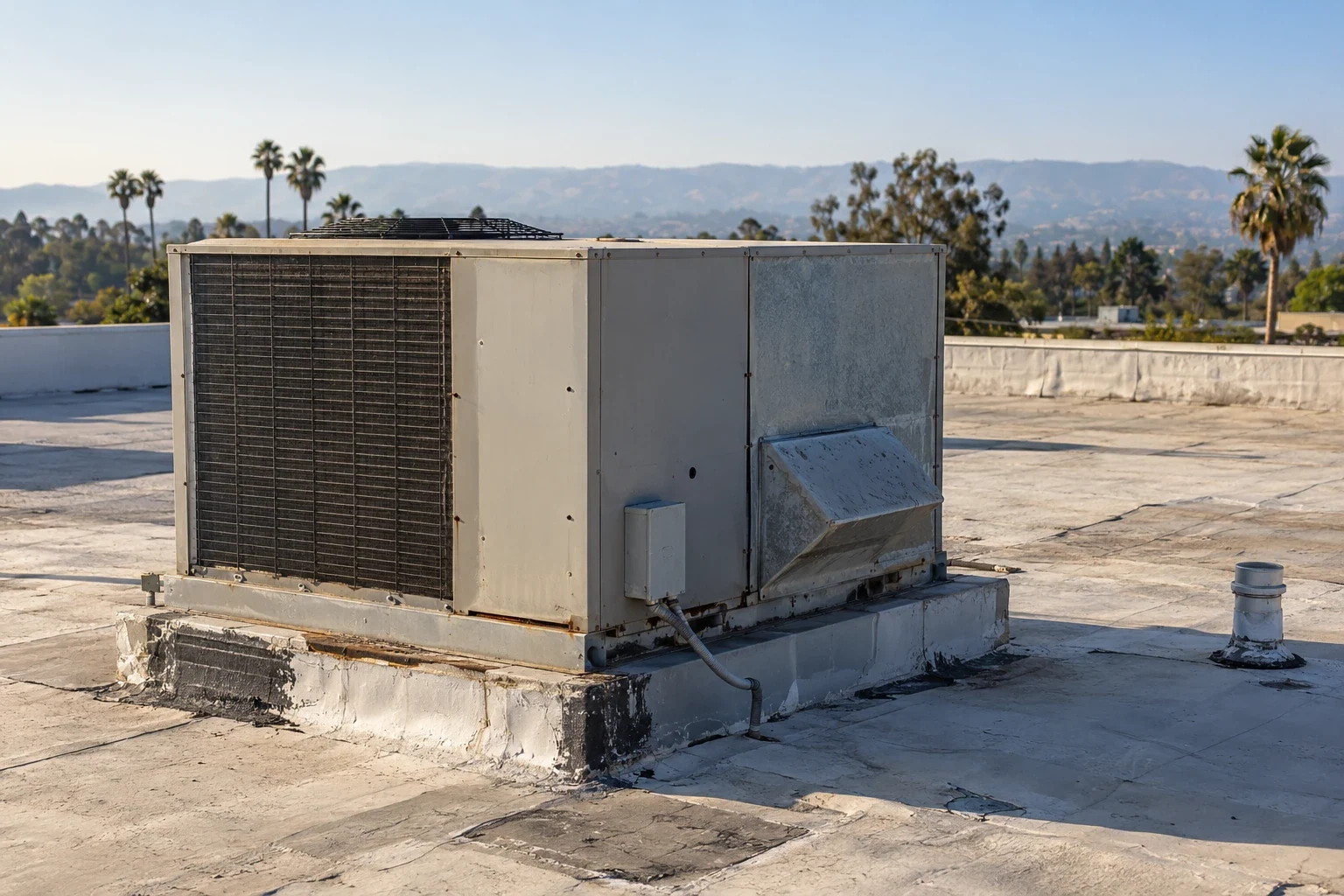
Rooftop Equipment Curbs and Supports in Murrieta, CA
See how this work fits the roof, the building and the schedule.
Learn More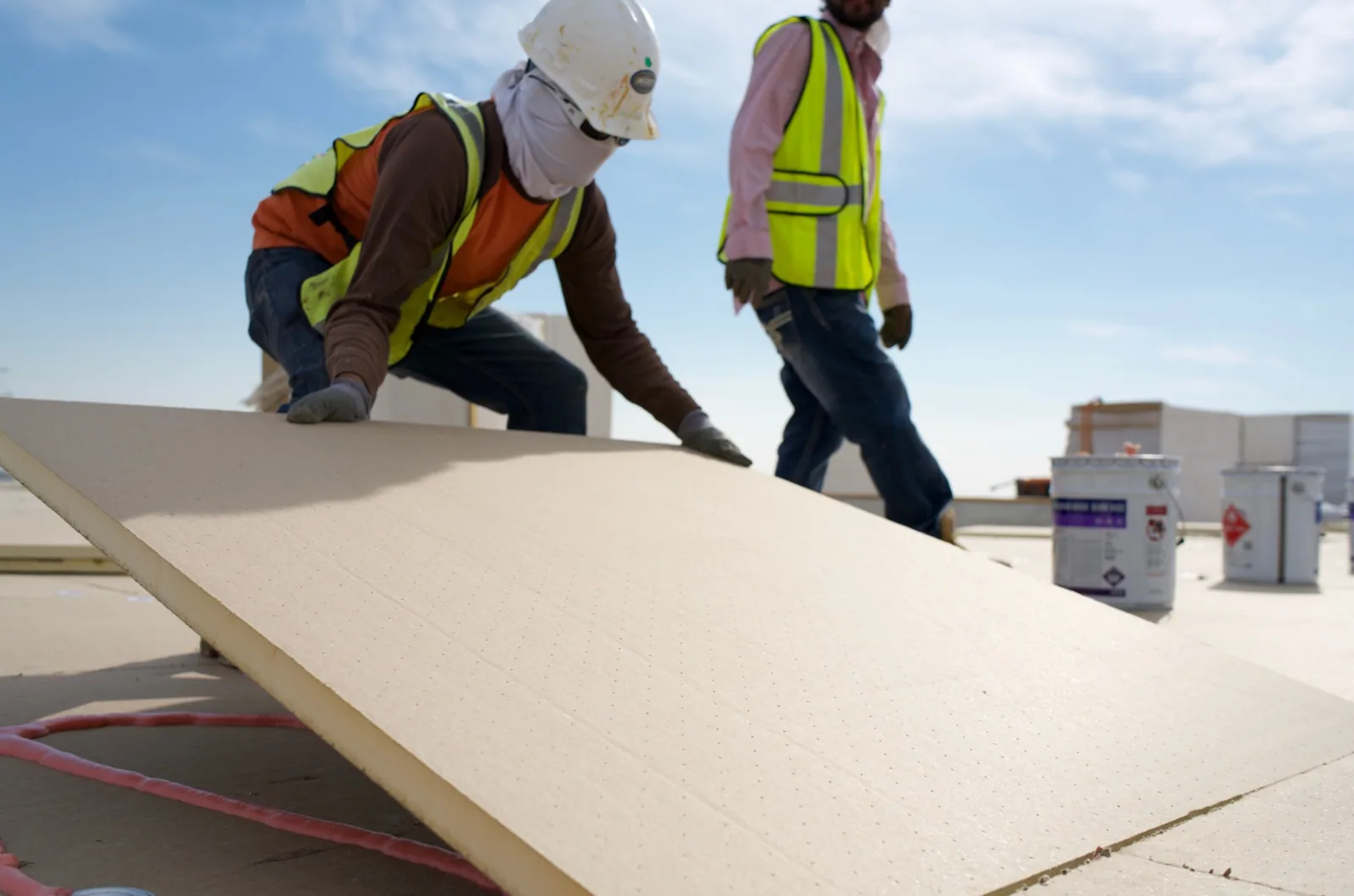
Commercial Roof Insulation and Cover Board in Murrieta, CA
Related scope, access notes and questions to ask before work starts.
Learn More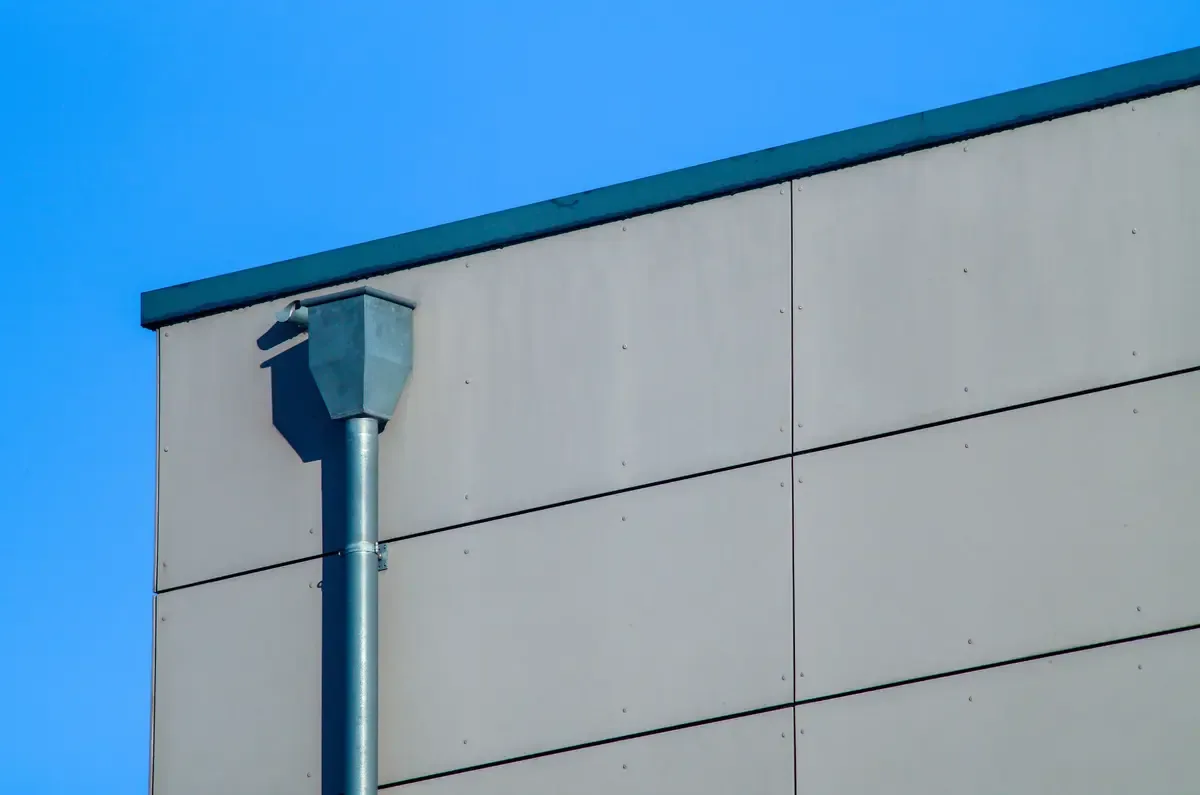
Commercial Roof Drains and Scuppers in Murrieta, CA
Read the full description and the questions owners ask about it.
Learn MoreEvaluate a Reflective Commercial Roof
Arrange a Murrieta roof inspection to review the assembly, drainage and work sequence before choosing a reflective membrane or coating.