
Commercial Roofing in Redlands, CA
Plan Redlands roof repair around its own seams, drainage, access, and work limits. Compare a documented repair, restoration, or replacement scope.

A Redlands roof decision starts at the building, not in a city profile. We identify the roof zones, trace a reported leak against the nearest seam or flashing, and record which surfaces were reached. Redlands was founded in 1881 and incorporated in 1888; its early citrus economy, especially Washington navel oranges, remains part of the local story. That history describes the city. It does not tell us whether a particular commercial roof is built-up, single-ply, metal, or coated.
The city's historic-resource materials describe eight historic or scenic districts and hundreds of designated properties, including civic, commercial, and residential architecture. For a roof project, that is a reminder to confirm the property and approval path carefully, not to assume a building is listed or subject to a particular review. We verify the actual address, owner requirements, roof assembly, and prior work before outlining a scope. A Yucaipa roof review or Highland assessment has a separate building record.
Inspection path: follow the symptom across the roof
A ceiling stain gives a useful starting point, but not necessarily the point of entry. On the roof, we compare the reported area with membrane laps, edge metal, parapet transitions, skylights, equipment curbs, and drain bowls. We note whether water marks continue below a seam or turn toward a penetration. If the path is uncertain, the report identifies the next test or access step instead of extending the repair boundary by guesswork.
A commercial roof inspection should leave an owner with a roof-zone map and a short list of observed conditions. The walk also checks overflow routes, low areas, debris, and prior patches near the symptom. We separate maintenance findings from failed material, then state what remains concealed. That record lets a facilities team compare a follow-up visit to the same detail, rather than rely on a vague note that the roof still leaks.
Property context: verify the building before choosing the work path
Redlands highlights the Redlands Bowl, Lincoln Memorial Shrine, orange groves, historic architecture, a downtown market, and a farmers' market among its local attractions. Those are civic places and activities, not a map of commercial roof systems. If an owner's property sits in or near a district that calls for a particular review, the owner or design professional should confirm that requirement for the exact parcel. A roofing walk records the physical condition; it does not replace a planning or preservation determination.
On the roof, useful evidence includes photographs with direction and zone labels, seam condition, attachment observations, flashing at walls, and the state of drains. A photo condition report keeps those observations tied to an approval decision. If access is restricted or historic materials affect the project, we list the open question and identify who needs to resolve it before work begins. That protects both the repair boundary and the owner's schedule.
Drainage check: separate standing water from the entry point
Water at a low point may reflect debris, a blocked drain, a deflected deck, or a membrane detail that has opened. Each condition calls for a different response. We inspect the drain bowl, strainer, nearby seams, overflow path, and the roof area feeding that location. The note should distinguish water observed during the visit from evidence of a recurring condition. A drain and scupper review can define whether maintenance, repair, or more investigation belongs in the work order.
Redlands' historic commercial architecture makes it especially important to verify the actual building rather than infer its construction from the city context. Even within one block, roof age, additions, penetrations, and drainage layouts can differ. We record transitions where old and newer sections meet, then mark the areas that need another look. A drain cleaning is not a substitute for repairing a failed seam, and a patch is not a substitute for correcting a persistent drainage obstruction.
Repair or replacement: define the evidence that changes the choice
A localized repair can make sense when the opening is confirmed and the surrounding membrane, insulation, and attachment remain serviceable. Repeated patches, wet insulation across several zones, unstable perimeter details, or widespread seam separation can move the discussion toward restoration or replacement. We identify what is visible, what needs a test cut, and what quantity remains an allowance. The owner can compare immediate water control with longer-term work using the same roof map.
A coating review begins with substrate condition, compatibility, preparation, and detail repairs. Restoration work only belongs in the options when those checks support it. If the roof cannot be restored reliably, a replacement scope should explain removal or recovery assumptions, edge and curb treatment, drainage, and tie-ins. We document the decision points so the owner can approve a defined scope instead of an open-ended promise.
Work window: protect access, dry-in, and daily operations
Before mobilization, the scope should state where a lift or material staging can be placed, which hatch or ladder provides access, and how the crew will keep the work area separated from occupants. Redlands properties may have active civic, retail, office, or residential uses, but no citywide assumption can substitute for the actual owner's operating plan. We confirm delivery timing, interior protection needs, and the person authorized to approve a change if concealed conditions appear.
For a phased job, a occupied-building plan should name each roof section, the daily dry-in edge, and the next day's tie-in. That sequence helps the property team coordinate interior access without promising that every roof zone can be opened at once. We retain daily photographs, weather notes, and approved changes with the same zone labels used in the inspection. The closeout then gives the next visit a clear starting point.
Closeout record: make the next roof walk more specific
After repair, the file should show what was opened, what material was installed, where the boundary ends, and which nearby conditions remain for monitoring. We keep dated photographs with the roof-zone map and separate approved additions from the original scope. If opening the assembly reveals moisture or a damaged deck, the closeout records the repair performed and any concealed area left unverified. This matters when a later ceiling report appears in a different room.
For a Redlands property, local history and civic context can orient the address, while the roof record establishes the repair decision. Share prior work orders, reported leak locations, access limits, and any owner review requirements when arranging an inspection. A maintenance plan can schedule repeat checks around identified details; it should not blur maintenance with corrective construction. The result is a practical next step tied to this roof, this approval path, and this property team's operating window.
Commercial Roofing Questions
What should a Redlands commercial roof inspection document?
It should map roof zones, photograph the reported area, identify visible seams and flashing, check drainage nearby, and state what could not be confirmed without added access or testing.
Do Redlands historic districts determine a roof's construction?
No. District descriptions provide city context. The property record and field inspection establish the actual roof assembly, while the owner confirms any parcel-specific review requirements.
When is a roof coating a reasonable option?
A coating is considered only after checking substrate soundness, moisture, compatibility, preparation needs, and edge details. If those conditions do not support restoration, we compare other scopes.
How should drainage concerns be handled?
The inspection separates debris or maintenance needs from a failed membrane detail or a broader drainage issue. The report identifies the affected zone and the next check.
What information helps plan occupied roof work?
Provide the access window, roof plans, occupied areas, delivery limits, and the person who can approve a field change. The work plan can then define dry-in and daily boundaries.
Related Roofing Work
Commercial Roofing in Yucaipa, CA
See how this work fits the roof, the building and the schedule.
Learn More
Commercial Roofing in Highland, CA
Related scope, access notes and questions to ask before work starts.
Learn More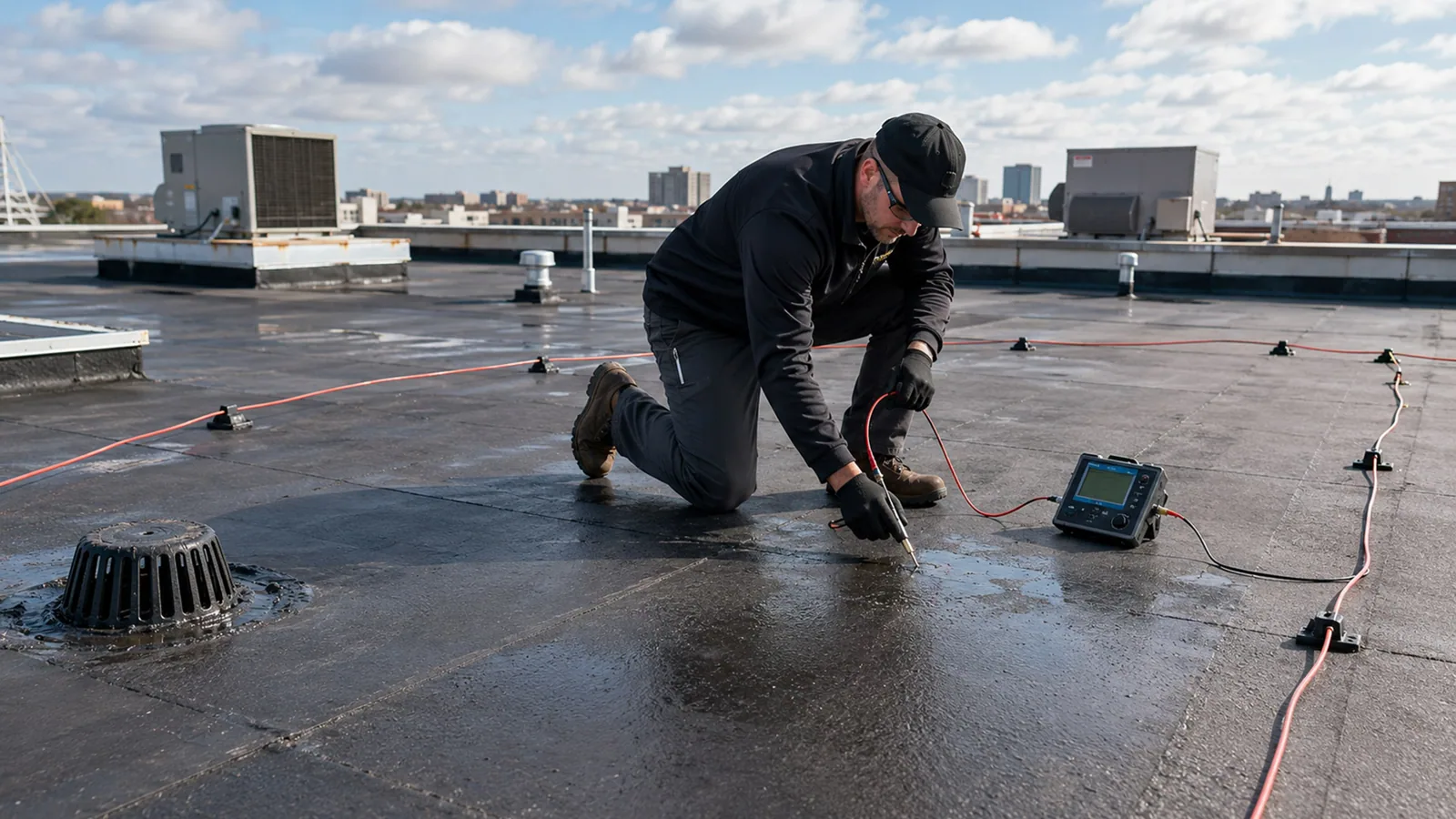
Commercial Roof Inspection in Murrieta, CA
Read the full description and the questions owners ask about it.
Learn More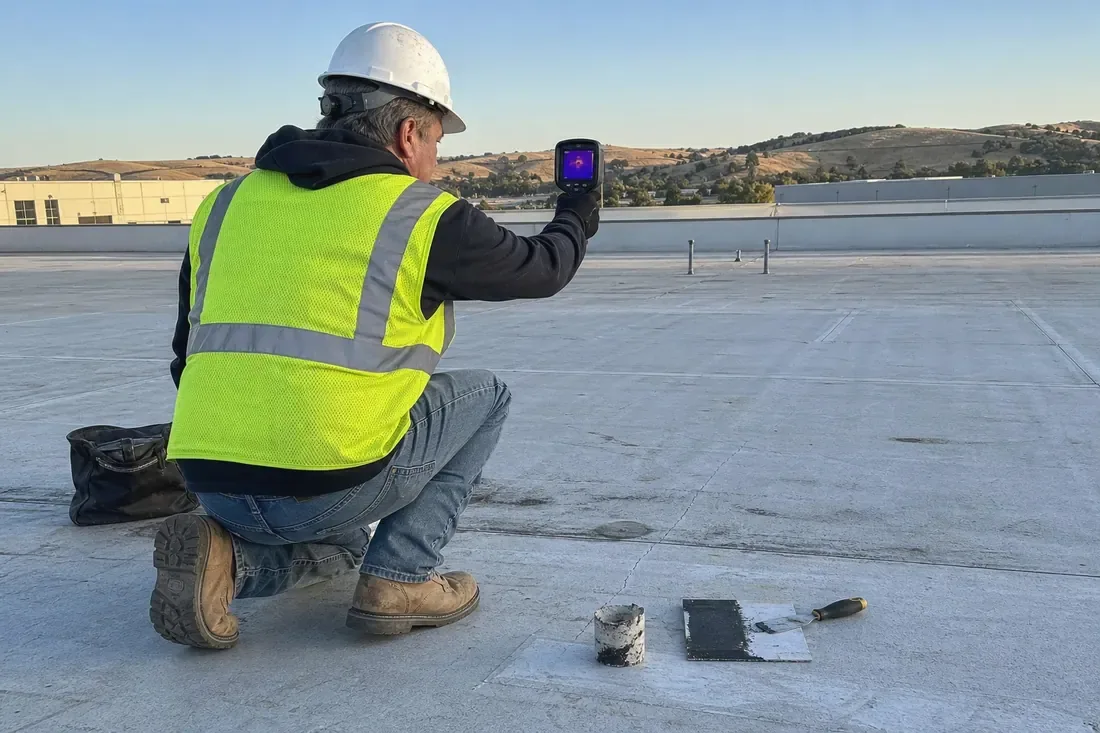
Commercial Roof Condition Reports in Murrieta, CA
See how this work fits the roof, the building and the schedule.
Learn More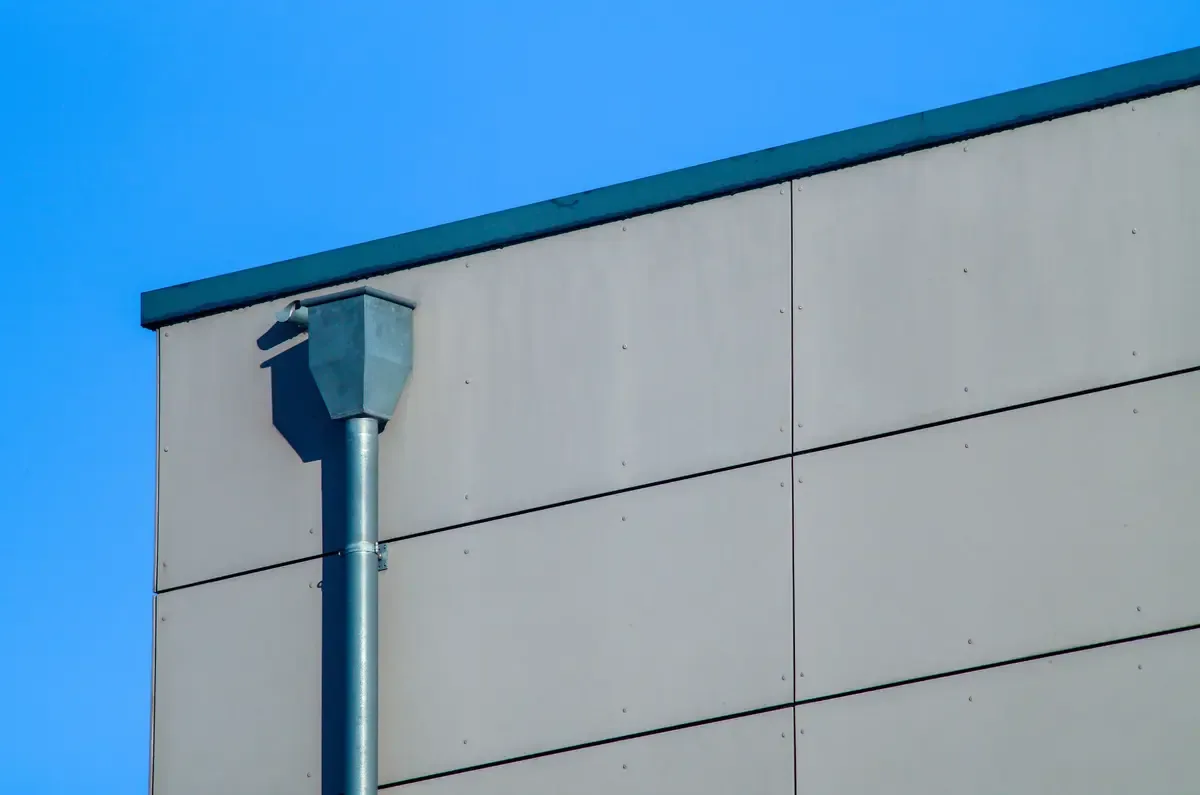
Commercial Roof Drains and Scuppers in Murrieta, CA
Related scope, access notes and questions to ask before work starts.
Learn More
Commercial Roof Coating Restoration in Murrieta, CA
Read the full description and the questions owners ask about it.
Learn MoreReview a commercial roof in Redlands
Share the building address, reported condition, roof history, and access window. We can document visible conditions, mark the repair boundary, and outline the next decision for review.