Commercial Roofing in Yucaipa, CA
Review commercial roof repair and drainage in Yucaipa. Map seams, access, and work limits before choosing a repair, coating, or replacement scope.
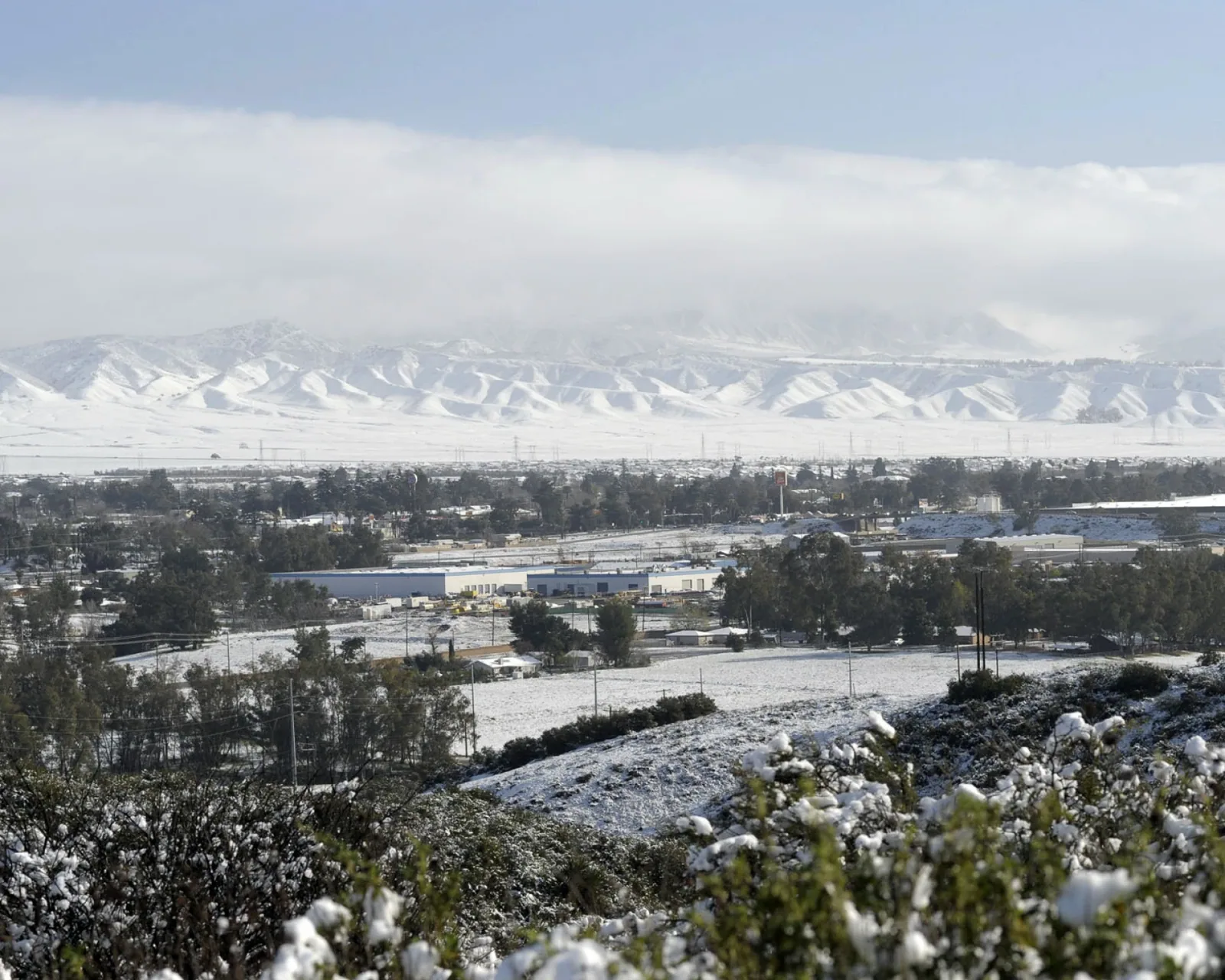
A commercial roof in Yucaipa needs a scope tied to its own surface, drains, roof edges, and access route. We start with the reported leak or maintenance concern, walk the reachable sections, and mark what can be confirmed before setting a repair boundary. Yucaipa's earlier agricultural and citrus-growing character gave way to residential development. That history gives the city a distinct land-use story, but it does not establish what a particular commercial building contains. The roof plan comes from the building, not from its past use.
Yucaipa keeps a rural-living designation across 37 percent of its acreage, with open-space areas that include Wildwood Canyon and Crafton Hills. Those places help describe the city's broader setting; they are not service targets or evidence of a roof assembly. For a commercial property, we confirm roof plans, access rights, equipment locations, and repair records with the owner. A nearby Redlands roof assessment or Highland service visit has its own address and condition map. Each building gets a separate record before options are compared.
Roof walk: trace the water before setting a repair limit
A stain indoors, a damp insulation report, or water at a wall gives the inspection a starting point. We compare that location with membrane seams, penetrations, curbs, parapets, drains, and any earlier patches. Water can travel under a roof surface before it reaches a ceiling, so the visible symptom does not set the extent of work by itself. We photograph what is open to view, note the suspected path, and identify whether a test opening or additional access would change the recommendation.
A commercial roof inspection should identify the roof zone, observed detail, and next decision in plain terms. We check the drain bowl or scupper, overflow route, low areas, and transitions nearby, then separate routine debris removal from membrane or flashing damage. If several areas show similar symptoms, the owner can compare a condition map before approving a larger repair. The written finding should say what is known and what remains concealed, so a later visit can compare the same location rather than restart from a general leak description.
Heat planning: set the work sequence from roof conditions
Roof work should follow the conditions observed at the building and the requirements of the selected system. Before setting a sequence, we note the surface condition, attachment, seam layout, penetrations, and the parts that can be reached safely. The owner and project team can then set a work window around actual site access, material handling, and daily dry-in needs. That field review keeps the recommendation tied to the roof in front of us instead of relying on a general climate assumption.
On the roof, the practical checks are attachment, seam condition, flashing movement, coating adhesion, and how exposed equipment curbs meet the membrane. A hot surface can affect material handling and work timing, but a climate projection does not determine whether a repair or replacement is needed. We record the roof's actual condition and the section that can be opened safely. If the owner is considering TPO roofing, the review includes insulation, perimeter details, drains, and tie-ins rather than treating the membrane sheet as the full assembly.
Property record: separate city geography from roof evidence
Yucaipa Regional Park and the rural-living designation are part of the city’s broader setting. Those facts help an owner place a property within Yucaipa's broader geography, but they do not identify commercial parcels, tenants, or roof types. We verify the property address and access with the owner, then note which sections were reached and which were not. That distinction matters when a building has locked roof hatches, active equipment, or areas that need a separate safety arrangement.
For a roof near a changing use or property boundary, the file should retain the same address, roof-zone labels, photographs, and repair history across visits. We do not infer the building's use from proximity to Wildwood Canyon, Crafton Hills, or a park. The property team can provide drawings and prior work records; the walk confirms whether those documents match visible seams, edges, drains, and equipment supports. A photo condition report keeps the evidence beside the decision, while a Menifee roof review remains a separate location assessment.
Repair choice: compare what the roof can still support
A local patch may fit when the entry point is clear and the surrounding membrane, insulation, and attachment remain serviceable. Repeated openings, widespread moisture, unstable edges, or deterioration across several zones may call for a larger scope after the condition is confirmed. We show the repair boundary, the areas left for monitoring, and any test that would change the quantity.
A drain and scupper review can clarify whether water is leaving the roof as intended. If a coating is being considered, restoration work requires a compatible, sound substrate and clear preparation limits. A phased work plan can define access and daily dry-in when occupants or operations remain active. For replacement, we state the removal or recovery assumptions, edge and curb details, and owner approvals before ordering material.
Access plan: account for the property, not a citywide assumption
A commercial roof has its own access limits: map the route below the work zone, protect occupied paths, and record which sections have been returned to service. At the actual building, we confirm where a lift can sit, whether delivery paths stay clear, who controls the roof hatch, and which indoor spaces need protection while work is underway.
The sequence should name the roof section, the crew's access point, the daily dry-in edge, and the person who can approve a change if hidden conditions appear. A replacement scope should distinguish known work from allowances for deck or insulation discoveries. We can also keep maintenance tasks separate from construction, so a drain cleaning does not stand in for repair of a failed seam. The Wildomar service area has its own field conditions; the same inspection discipline applies without carrying one city's facts into the next scope.
Closeout record: leave the next inspection a useful starting point
We record approved changes separately from original assumptions, then note whether the next action is monitoring, testing, or a broader capital review. This makes it easier for a facilities contact to connect a later interior report with the specific roof area and work performed.
For a Yucaipa property, the municipal and land-use facts help orient the location, while field observations define the roof decision. We identify what can be handled during a routine visit and what needs a contractor's repair scope. If the same owner also operates in Redlands or Highland, each roof keeps its own baseline and approval record. Share the roof history, reported location, and access window to arrange a commercial inspection and compare a clear repair option with any longer-term work.
Commercial Roofing Questions
What should the first Yucaipa roof walk establish?
We map the reported condition against seams, flashing, drains, and prior repairs, then mark which roof sections were accessible. The result is a repair boundary or a clear list of items needing further confirmation.
Do Yucaipa's park and rural-area facts describe nearby commercial buildings?
No. They describe city geography and land-use context. The property's owner records and the roof inspection establish its actual use, assembly, and condition.
Are Murrieta's heat projections a forecast for Yucaipa?
No. The City assessment describes Murrieta planning scenarios. We check Yucaipa roof surfaces and current conditions before setting project timing or making a system recommendation.
When can a coating be considered instead of replacement?
The existing roof needs a sound, compatible substrate, confirmed moisture condition, and details that can be prepared and repaired. We document those checks before outlining a restoration scope.
What should the owner keep after a repair?
Retain the roof-zone map, dated photographs, repair limits, material details, approved changes, and any unresolved follow-up. Those records make the next inspection more specific.
Related Roofing Work

Commercial Roofing in Redlands, CA
See how this work fits the roof, the building and the schedule.
Learn More
Commercial Roofing in Highland, CA
Related scope, access notes and questions to ask before work starts.
Learn More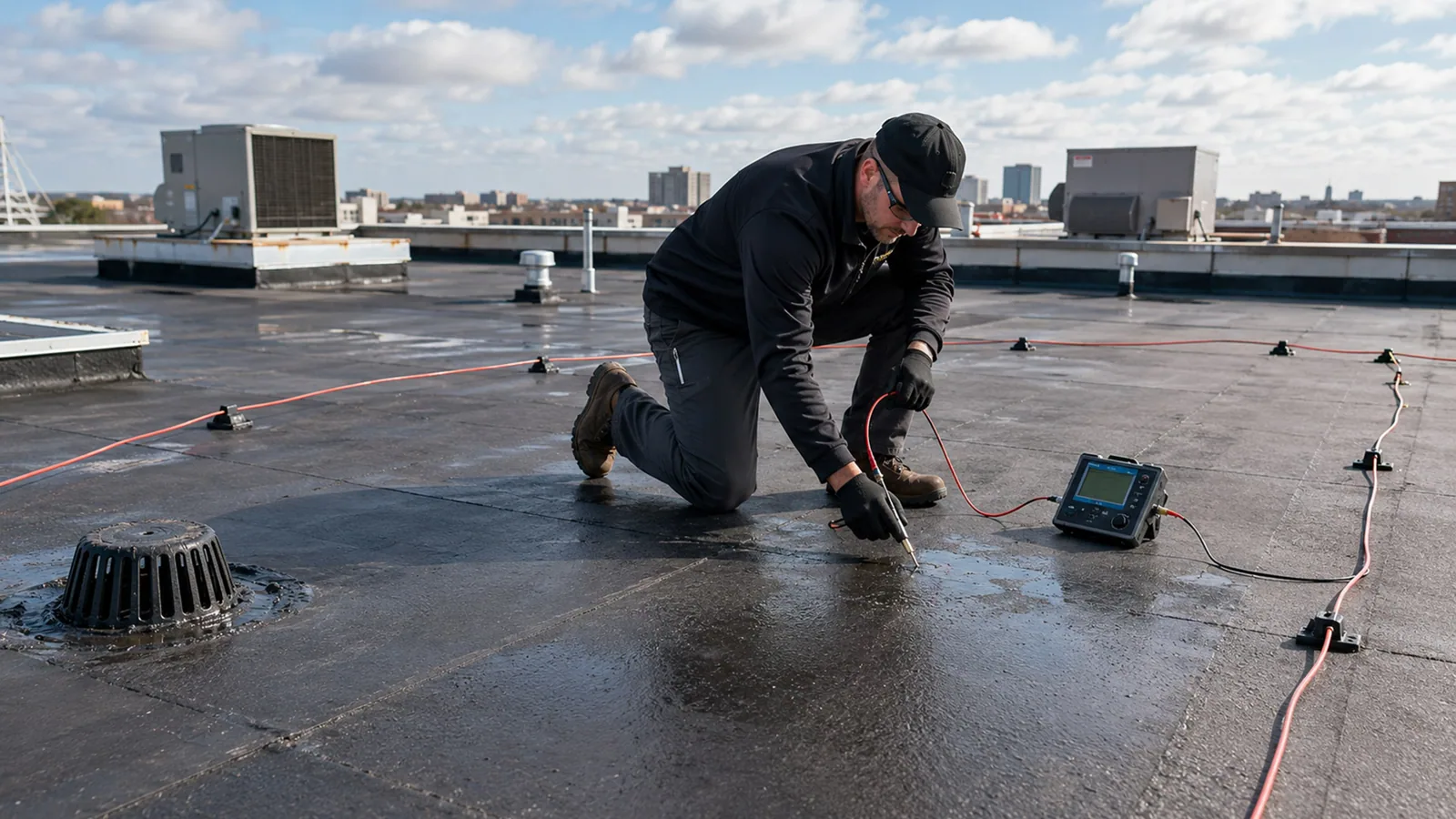
Commercial Roof Inspection in Murrieta, CA
Read the full description and the questions owners ask about it.
Learn More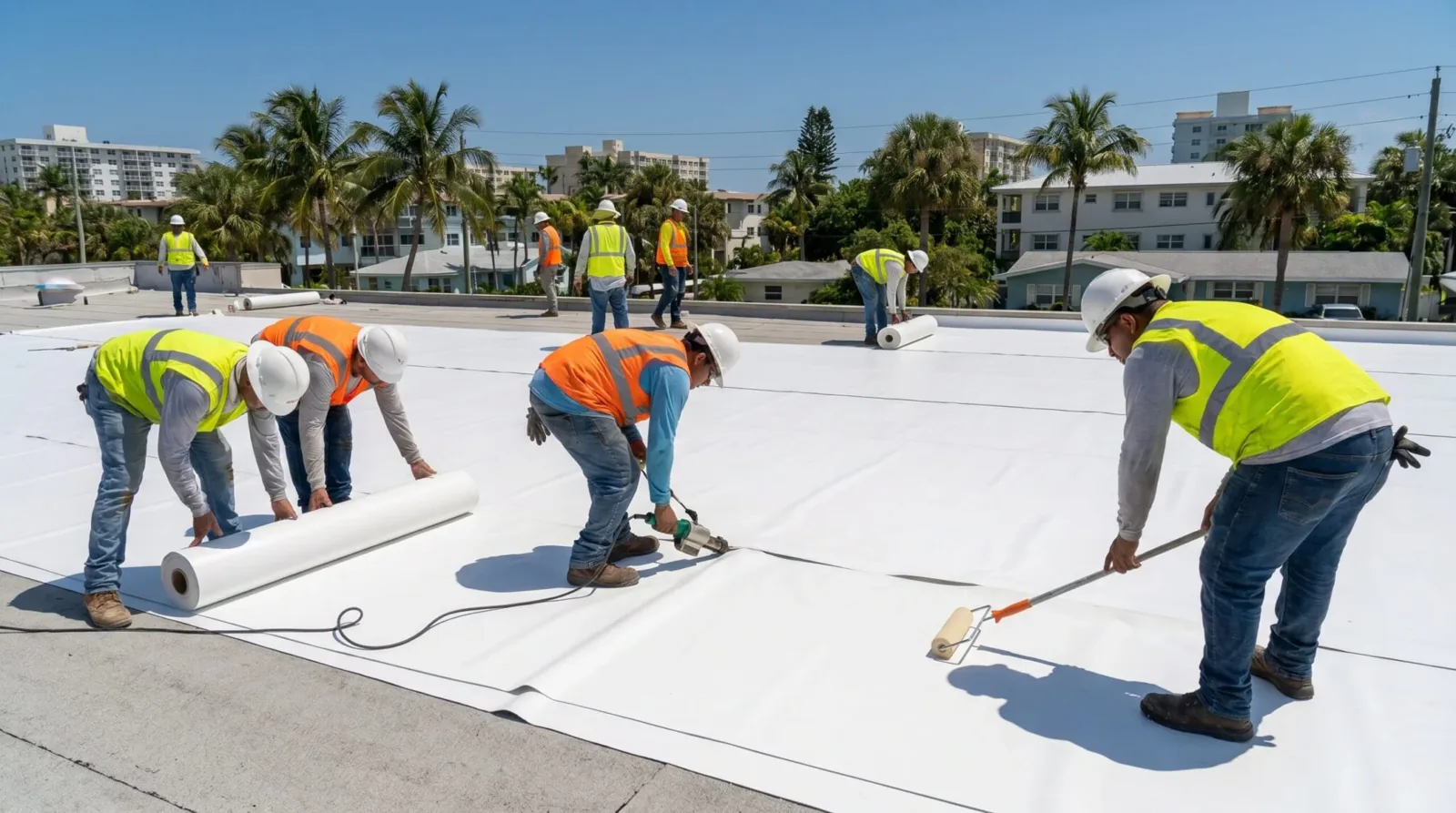
Commercial TPO Roofing in Murrieta, CA
See how this work fits the roof, the building and the schedule.
Learn More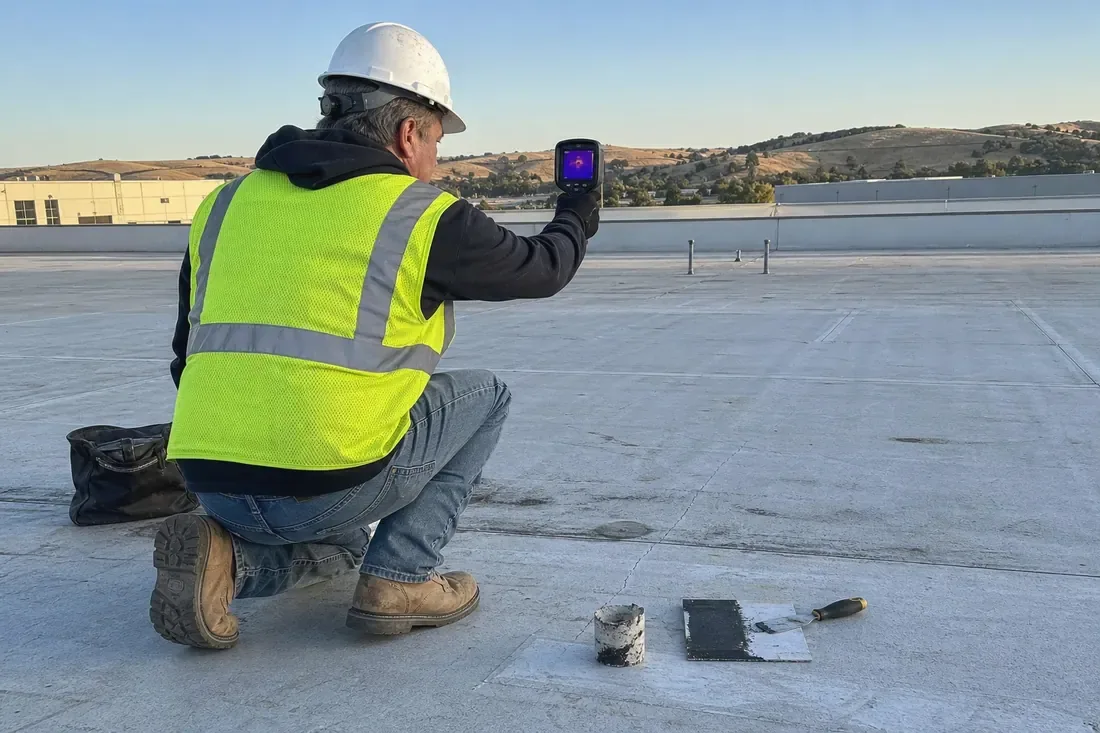
Commercial Roof Condition Reports in Murrieta, CA
Related scope, access notes and questions to ask before work starts.
Learn More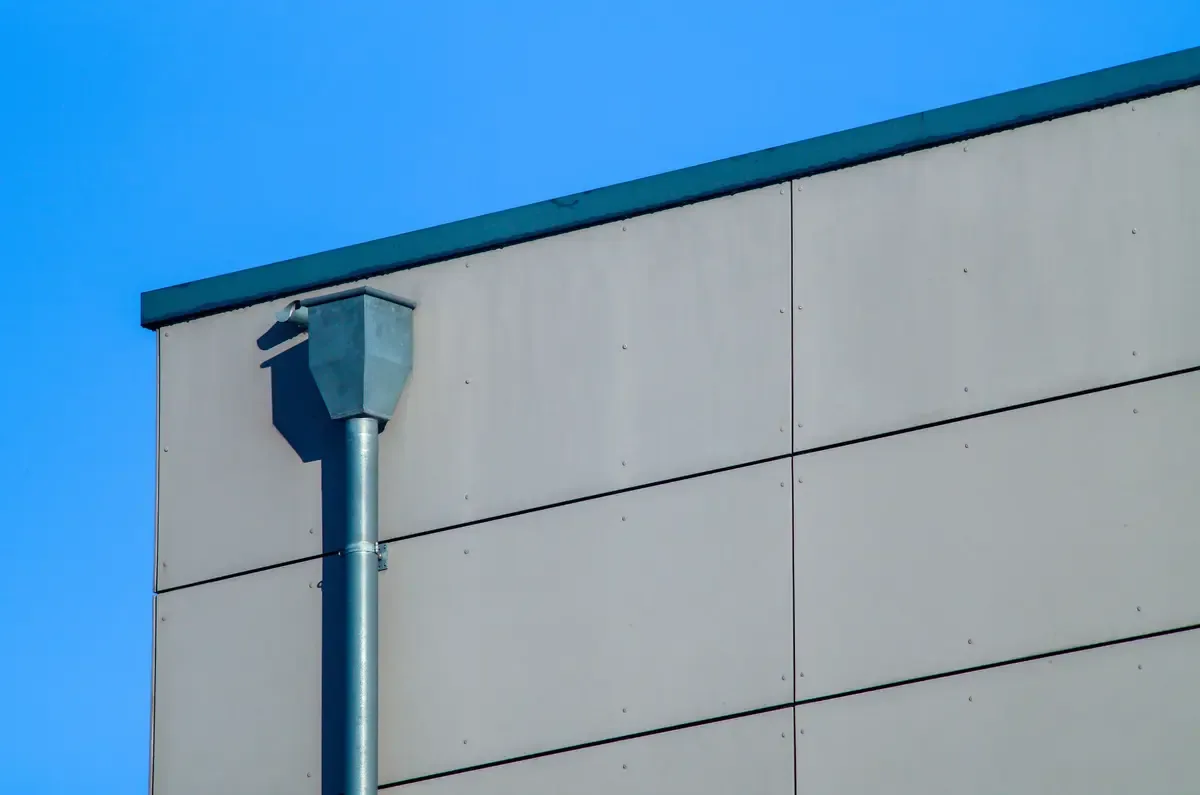
Commercial Roof Drains and Scuppers in Murrieta, CA
Read the full description and the questions owners ask about it.
Learn MoreSet a clear commercial roof inspection in Yucaipa
Share the property address, roof history, reported condition, and available access window. We will document the observed roof zones and return a repair boundary and practical next steps for review.