
Commercial Roofing in Jurupa Valley, CA
Set a Jurupa Valley roof scope from the actual building, not a citywide assumption. Map seams, access, drainage, and the repair boundary first.
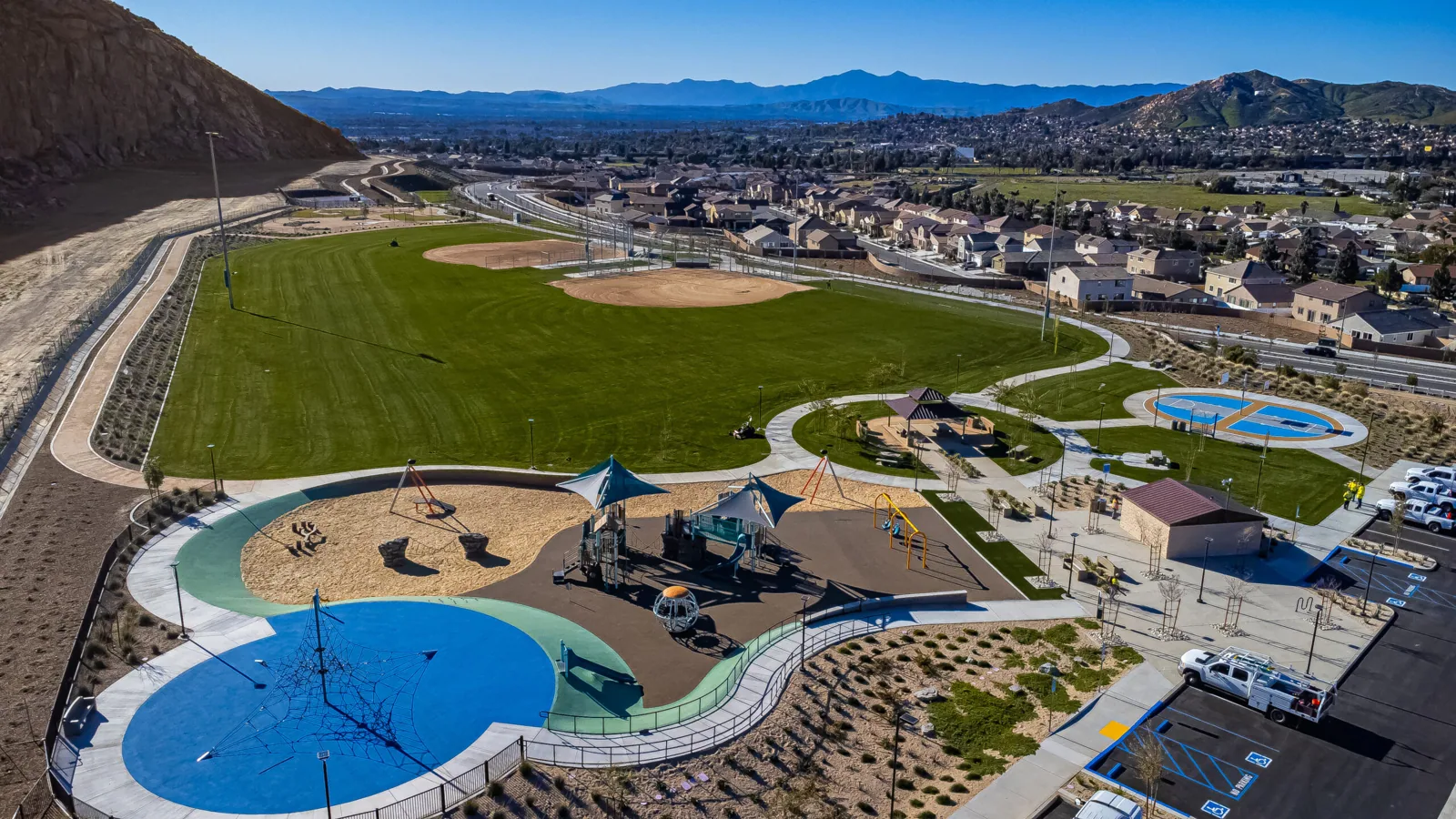
Jurupa Valley is a city made up of distinct communities, so a commercial roof plan needs the property's actual address and roof map. The city incorporated in 2011 and covers about 44 square miles, including communities such as Mira Loma, Glen Avon, Pedley, Rubidoux, and Jurupa Hills. That size and variety make broad assumptions especially weak. We begin with the building's reported condition, walk the accessible surface, and record the zones that need confirmation.
The city prioritizes a semi-rural equestrian character and describes multipurpose trails as a connected network for residents, visitors, and links to neighboring communities. The Santa Ana River also crosses the southern part of Jurupa Valley, with more than 12 miles of riverfront described in city planning materials. These are geographic context, not roof inventories. A Redlands inspection and a Yucaipa repair review each require their own roof notes and owner approvals.
First walk: pin down the report before tracing the roof
Start with the room, stain, equipment line, or roof section named in the work request. We compare that report with visible seams, wall transitions, penetrations, curbs, and drainage points. A leak can travel under a membrane before it appears inside, so a ceiling mark does not establish the opening or repair limit. The inspection records the likely route and what additional access or testing would make the finding firmer.
A commercial roof inspection should leave a zone map that a facilities contact can use later. We photograph details with labels, check drain bowls and overflow paths, and note previous patches around the reported location. If roof sections have different systems or elevations, we keep them separate in the record. A clear map prevents a repair crew from carrying one observation across an entire property without confirmation.
Property context: keep a multi-community city in view
Mira Loma, Glen Avon, Pedley, Rubidoux, and Jurupa Hills are among the communities within Jurupa Valley. That list helps orient an owner or manager reviewing a portfolio, but it does not tell us the building's use, age, roof construction, or access route. We confirm the specific parcel and responsible contact, then compare drawings and repair history against what is visible on the roof. Where records do not match field conditions, the difference belongs in the report.
The connected trails described by the city are a planning feature, not permission to stage materials or cross property boundaries. For a roofing project, access is approved with the owner and building manager. A condition report can keep photographs, roof-zone labels, and recommended actions together, while the Colton property review remains a separate record for another address. Portfolio familiarity never substitutes for a site-specific inspection.
Drainage and river setting: inspect the roof itself
The Santa Ana River's route through the southern part of the city is a local geographic fact. It does not establish moisture exposure or damage at an individual building. For that, we inspect the assembly and the actual details: membrane laps, penetrations, parapet corners, scuppers, drains, and the low points that feed them. We note ponding observed during the visit separately from staining, saturated insulation, or a documented drainage obstruction.
A drain and scupper check should say whether the problem is debris, a blocked outlet, a failed flashing, or a condition needing further investigation. If water enters near a wall or curb, the scope follows that detail rather than treating every nearby seam as defective. The owner gets a repair boundary, photographs, and a list of concealed items that still need proof. That distinction is useful when another community or building is managed under the same portfolio. A measured drain location, nearby seam, and roof elevation give the next person a concrete route to recheck after rain or maintenance.
Scope choice: compare the confirmed area with the whole assembly
A targeted repair fits when the entry point is confirmed and surrounding materials remain stable. Several failed details, repeated patches, wet insulation across separate roof zones, or compromised edges can make a broader scope worth evaluating. We identify whether a test cut is needed, which quantities are known, and which remain an allowance. This gives the owner a way to compare immediate water control with restoration or replacement without treating age alone as a diagnosis.
Before considering a coating restoration, we review substrate condition, moisture, adhesion, compatibility, and preparation limits. A replacement plan should spell out removal or recovery assumptions, perimeter details, insulation, drains, and tie-ins. The proposal should distinguish observed facts from contingencies. If the scope changes after a test opening, dated photos and written approval keep that change traceable to the affected zone.
Access and phasing: coordinate around the actual operation
Jurupa Valley's trails connect communities and adjacent areas, but a roof crew's movement is controlled by the property, not that public network. We agree on the service gate, roof hatch or extension ladder, material drop location, receiving hours, and indoor areas that need protection. If the building remains occupied, the plan identifies each day's work area and the edge that will be dried in before the crew leaves. A named owner contact can approve field changes before they become extra work.
An occupied-building sequence can set those boundaries without promising that all areas can stay fully operational at once. For a facility with multiple roof levels, each phase should state its tie-in, temporary protection, and next inspection point. We document daily conditions and approved deviations using the same zone labels established during the first walk. That gives the manager a consistent record even when different contacts handle different buildings.
Roof record: leave the next visit a useful trail
Closeout should capture the repaired detail, material, photographs, boundary, and any nearby condition left for monitoring. We add the date and roof-zone label, then separate approved changes from the original scope. If hidden wet material or deck damage changed the work, the record explains what was found and what remains concealed. A future leak report can then be checked against the actual repair rather than matched to a general note about the building.
For a Jurupa Valley property, city geography or community names orient the location; the roof record guides the next decision. The owner can provide plans, access rules, prior work orders, and the area reported by occupants. A maintenance visit can revisit flagged drains or seams, while corrective work remains a separate authorization. The result is a clear sequence: confirm the symptom, inspect the detail, define the repair, protect the operation, and retain the evidence.
Commercial Roofing Questions
Why does a Jurupa Valley roof inspection need an exact address?
Jurupa Valley spans several distinct communities across a broad area. The address, roof plan, and access contact identify the actual property and prevent observations from one building being applied to another.
Does the Santa Ana River establish a roof moisture problem?
No. It is geographic context. Moisture or drainage concerns must be confirmed at the building through roof details, interior reports, and any needed testing.
What should the inspection map include?
Use roof-zone labels, photographs, the reported symptom, nearby seams and penetrations, drainage points, and any section that could not be reached or confirmed during the visit.
When should a repair expand into a larger scope?
A broader option is evaluated when failures repeat across zones, moisture is confirmed beyond one detail, or edges and attachments are no longer stable. The report explains what evidence changes the choice.
How can a multi-property owner keep records consistent?
Keep a separate address, zone map, dated photos, repair boundary, approvals, and follow-up note for each roof. A shared format helps without merging different building conditions.
Related Roofing Work

Commercial Roofing in Redlands, CA
See how this work fits the roof, the building and the schedule.
Learn More
Commercial Roofing in Yucaipa, CA
Related scope, access notes and questions to ask before work starts.
Learn More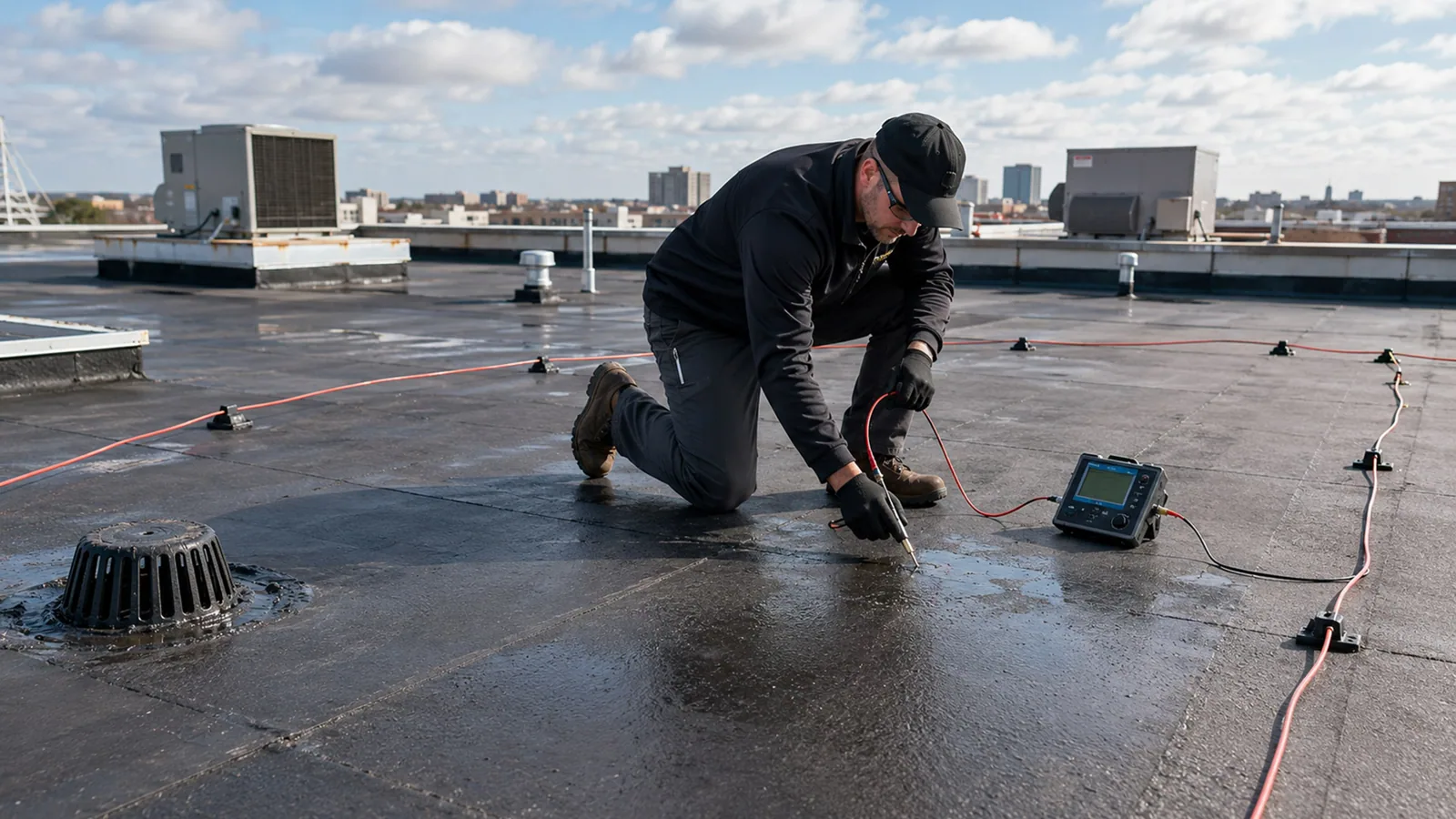
Commercial Roof Inspection in Murrieta, CA
Read the full description and the questions owners ask about it.
Learn More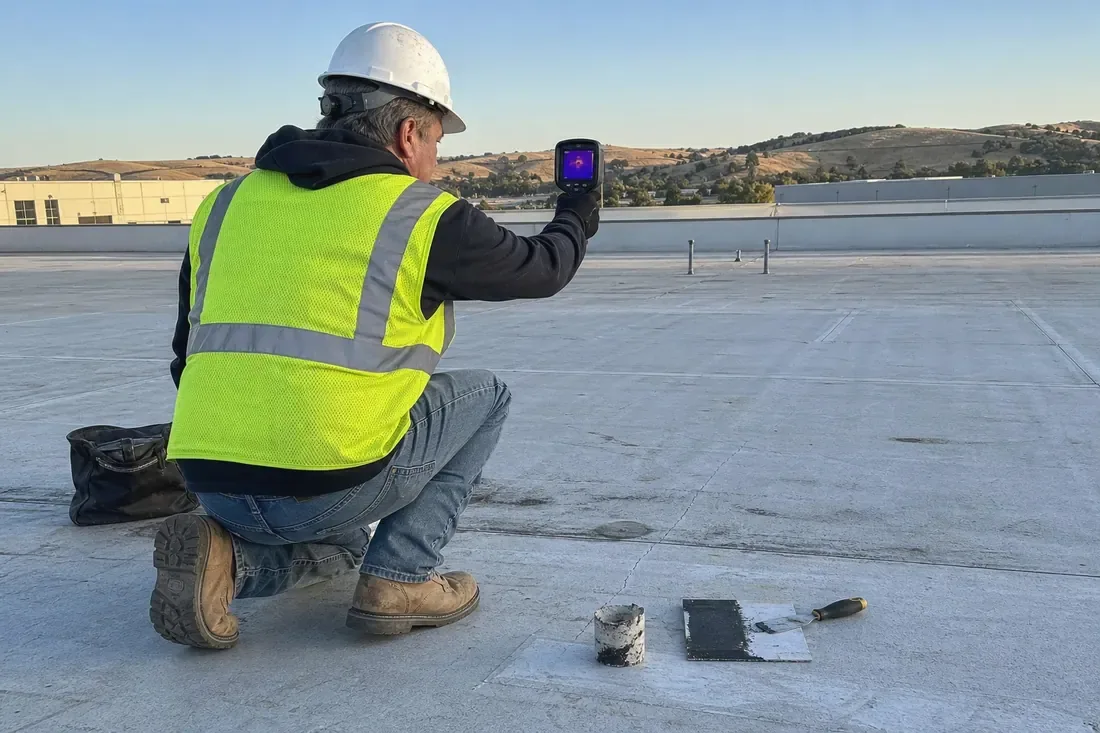
Commercial Roof Condition Reports in Murrieta, CA
See how this work fits the roof, the building and the schedule.
Learn More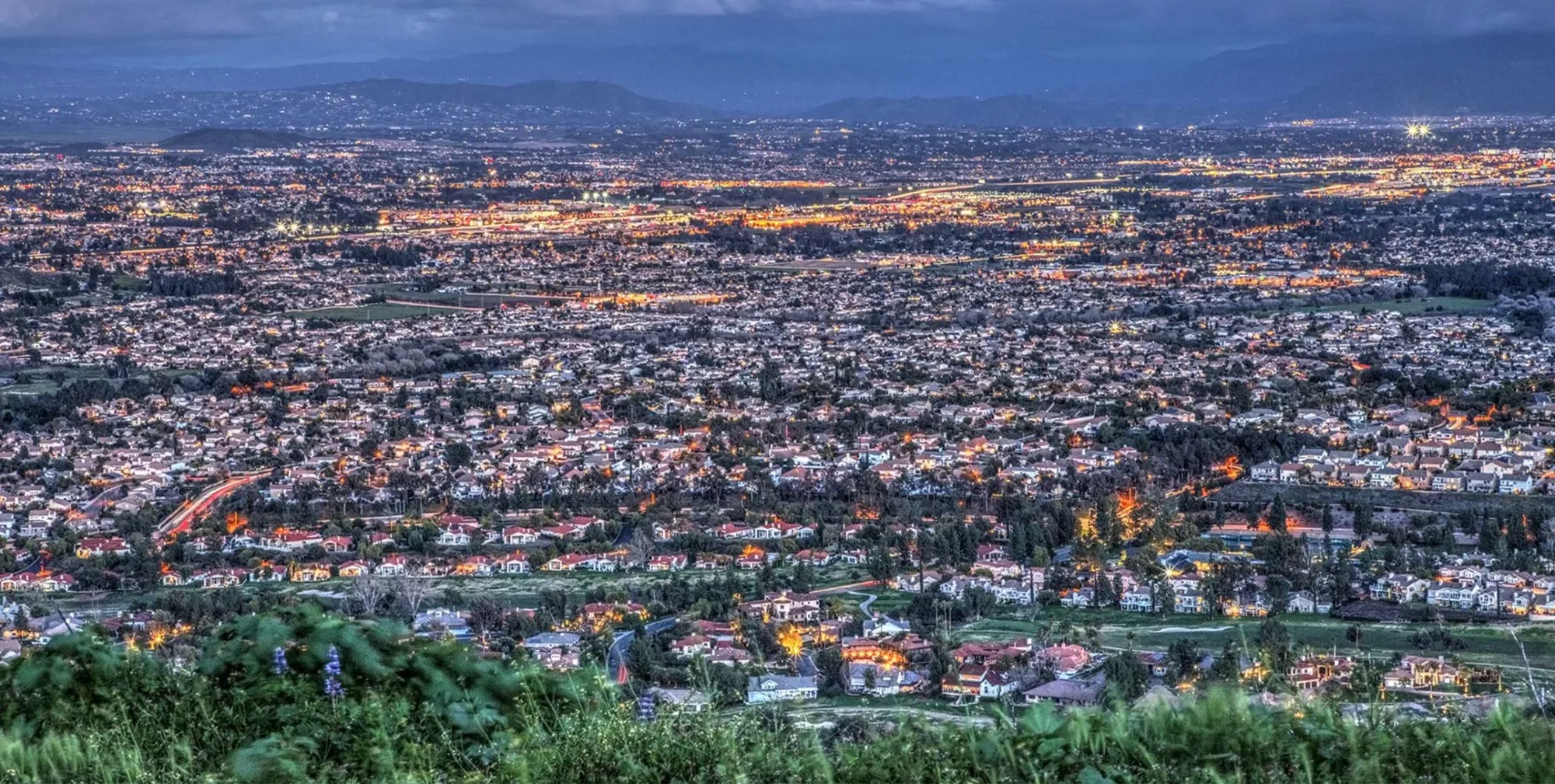
Commercial Roofing in Colton, CA
Related scope, access notes and questions to ask before work starts.
Learn More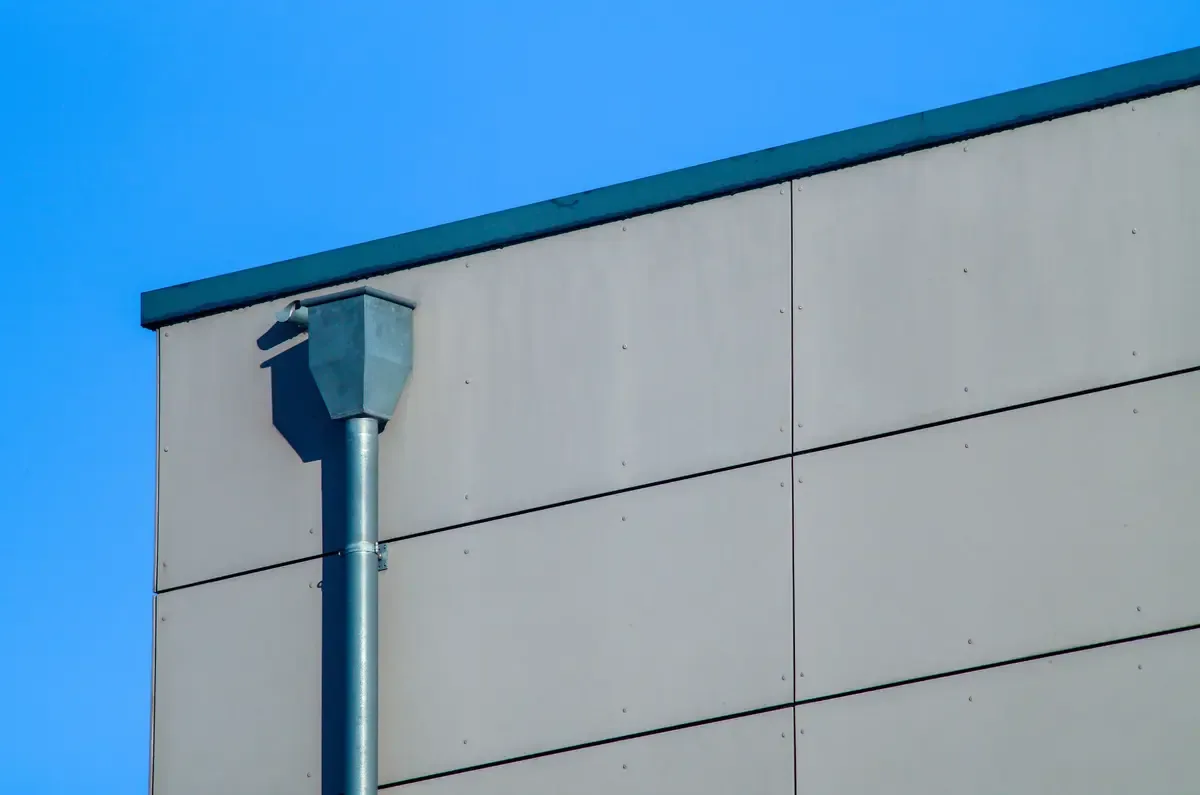
Commercial Roof Drains and Scuppers in Murrieta, CA
Read the full description and the questions owners ask about it.
Learn MoreSet a roof inspection for a Jurupa Valley property
Send the address, roof history, reported leak area, and access constraints. The inspection can identify visible conditions, separate confirmed work from open questions, and outline practical next steps.