
Commercial Roofing in Colton, CA
Document Colton roof conditions by zone, detail, and access path. Compare a defined repair with drainage, restoration, and replacement options.

Colton grew around regional connections: the Southern Pacific Railway reached the area in 1875, and citrus, rail operations, and later transportation-based industry shaped the city's development. That history explains a crossroads, not the construction of any particular roof. A commercial inspection begins with the property address, roof plan, reported leak, and the route approved for access. We mark what is visible before deciding whether a patch, test opening, or broader review is warranted.
Interstates 10 and 215 pass through Colton, where freeway access supports transportation-based industries. That context can orient a property team reviewing a local asset, but it does not establish truck access, staging rights, or the building's use. We verify those conditions with the owner. A Jurupa Valley inspection or an Eastvale roof review carries its own parcel details and work plan.
Property access: verify the real route to the roof
Rail and highway history can help describe Colton, yet an active roof project depends on the property's current access rules. We confirm the entrance, loading area, lift placement, roof hatch, and the person authorized to coordinate deliveries. A route that works for normal building operations may not work for a crane, material pallet, or debris container. The scope should name the approved staging area instead of assuming a public road or neighboring lot can be used.
On the surface, we identify the reported zone and check the nearest membrane seam, parapet, edge, curb, and drain. A commercial roof inspection records each observation separately from the suspected cause. If access is limited by active operations, the report states which roof areas were not reached. This keeps an incomplete walk from being mistaken for a full assessment and gives the owner a specific next access request.
Work sequencing: make loading and dry-in part of the scope
Interstates 10 and 215 are part of Colton's regional setting. They do not establish a material delivery window or safe staging point at an individual building. The property team should confirm gate hours, vehicle limits, loading rules, and any separation needed between construction traffic and daily operations. We build the sequence around those approved conditions and identify the roof section that can be opened and dried in before the crew leaves.
For a larger roof, each phase should show the tie-in, temporary protection, and point where the next work area begins. The plan can distinguish a repair crew's short visit from a replacement phase that needs material, removal, and interior protection. A phased occupied-building plan should identify who can approve a field change if concealed conditions appear. We keep delivery assumptions and roof work assumptions visible as separate items.
Local history: use the museum fact as context, not roof evidence
The 1891 Carnegie Library now houses the Colton Area Museum, preserving local history in a surviving civic building. That civic fact offers a concrete reference point for the city's past, but it says nothing about another building's assembly, age, or condition. The owner provides the roof plans and prior work orders; the field walk checks whether seams, flashing, drainage, and equipment supports match those records. If they do not, the report notes the discrepancy before a scope is priced.
We photograph details with location and direction labels, then link each image to a roof-zone map. A condition report helps a manager compare observations across maintenance visits without treating them as a citywide pattern. It should separate what was directly seen from what needs testing. That distinction is useful when the building has additions, different elevations, or repairs performed by multiple contractors over time.
Water management: find the path and the failed detail
Water at a low point may come from debris, a restricted drain, deflection, a failed seam, or a detail that lets water under the membrane. We inspect the drain bowl, strainer, overflow route, nearby patches, and the roof area that feeds the outlet. The note records whether ponding was observed during the visit and whether moisture evidence extends beyond the surface. Those are separate findings and should not be collapsed into a single diagnosis.
A drain and scupper review can identify whether maintenance or corrective repair is the right next step. Where a wall, curb, or edge is involved, the scope follows that transition and records the material condition on both sides. We mark any test opening that would change quantities, then keep concealed conditions as a stated allowance until confirmed. The owner can approve a bounded repair with a clear monitoring note.
Repair options: compare condition, not only the first leak
A targeted repair fits when the entry point is clear and nearby membrane, insulation, attachment, and flashing remain sound. Repeated patches, wet material across multiple zones, loose perimeter details, or broad seam failure can justify comparing restoration and replacement. We document which condition changes the decision, whether a test cut is needed, and what remains unknown. The owner can then compare water control now with longer-term work using the same evidence.
A coating restoration requires a compatible, stable substrate and preparation limits that can be met. If those checks fail, a replacement scope should state removal or recovery assumptions, insulation, drains, edges, and equipment curbs. For a smaller defect, the repair plan should name the exact boundary and nearby areas left for follow-up. No option should be priced as if an uninspected zone were confirmed.
Closeout: preserve the condition for the next decision
After work, the property file should include the roof-zone map, dated photographs, the repaired detail, materials used, and the limit of the completed scope. We record approved additions separately from the original work and identify any unresolved condition for follow-up. If a test opening found wet insulation or deck damage, the record says what was replaced and what remains concealed. That gives the next inspection a reliable place to begin.
For a Colton property, the city's crossroads history and current transportation routes are context; the owner-approved access plan and roof observations guide construction. Share prior reports, the location of interior symptoms, and any delivery restrictions when arranging a walk. A maintenance visit can revisit flagged details, while corrective repairs remain their own authorization. The closeout should make the next choice easier to explain, schedule, and verify. For portfolios, use the same naming convention for roof zones at each address, but retain separate photographs, work limits, and approvals. Consistent records make comparison faster without implying that two roofs share a condition. A manager can then prioritize the next inspection based on documented exposure and repair history rather than a generalized age estimate.
Commercial Roofing Questions
Do Colton's highways determine where roof materials can be staged?
No. They describe regional geography. The owner or property manager must confirm the actual entrance, loading area, vehicle limits, lift placement, and delivery window for the building.
What should a Colton roof inspection map first?
Start with the reported room or roof zone, then map nearby seams, drains, flashing, curbs, and patches. Note any area that could not be reached or confirmed.
When is replacement preferable to a local repair?
The comparison changes when repeated failures, broad moisture, unstable edges, or multiple zones show deterioration. The report states which findings support a larger scope and what remains unknown.
How are concealed roof conditions handled?
The scope identifies a test opening or allowance when hidden insulation or deck conditions could affect quantities. Work beyond the confirmed boundary is documented for owner approval.
What belongs in the roof closeout file?
Keep dated photos, zone labels, the repaired detail, material information, approved changes, and any follow-up item together so a later inspection can compare the same location.
Related Roofing Work
Commercial Roofing in Jurupa Valley, CA
See how this work fits the roof, the building and the schedule.
Learn More
Commercial Roofing in Eastvale, CA
Related scope, access notes and questions to ask before work starts.
Learn More
Commercial Roof Inspection in Murrieta, CA
Read the full description and the questions owners ask about it.
Learn More
Occupied-Building Commercial Reroofing in Murrieta, CA
See how this work fits the roof, the building and the schedule.
Learn More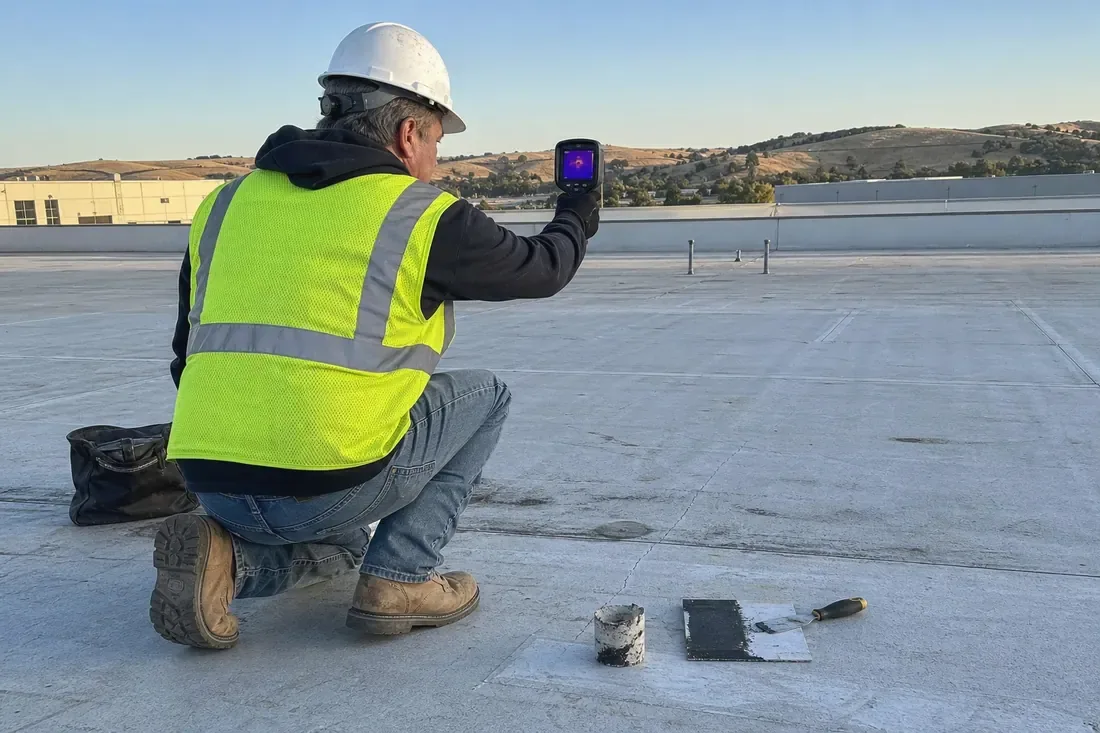
Commercial Roof Condition Reports in Murrieta, CA
Related scope, access notes and questions to ask before work starts.
Learn More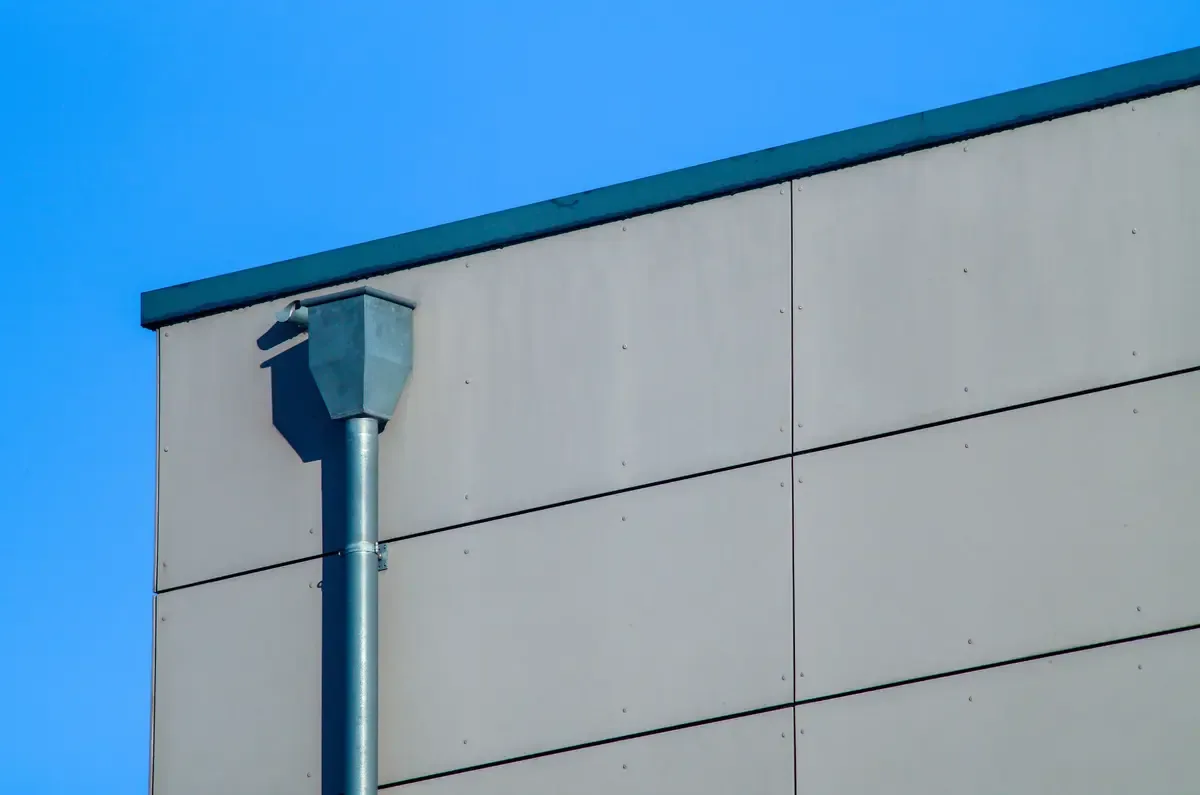
Commercial Roof Drains and Scuppers in Murrieta, CA
Read the full description and the questions owners ask about it.
Learn MoreArrange a commercial roof review in Colton
Provide the property address, roof history, reported condition, and access window. We can map visible findings, state the repair limit, and identify the next decision for the owner.