
Retail and Restaurant Chain Roofing in Murrieta, CA
Coordinate roof inspections and repairs across retail and restaurant locations with store-level findings, practical work windows, and clear closeout records.
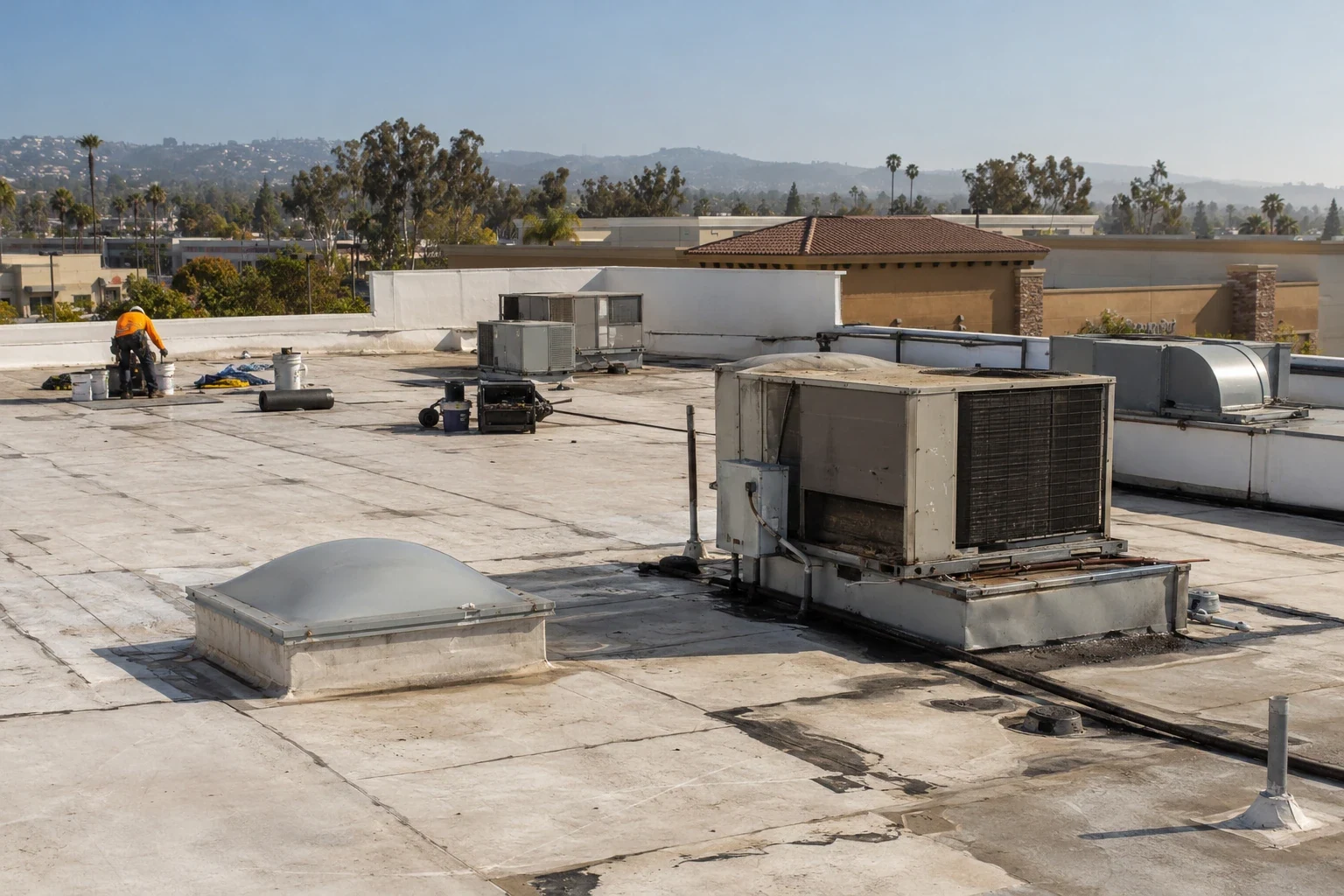
A leak over a dining area, sales floor, stockroom, or point-of-sale cabinet can affect a different part of the operation, even when the roofs belong to one brand. The useful starting point is the individual location: where water appeared, what is above it, and which hours or access limits matter. We inspect the actual roof section and describe what the findings support. For a chain with several properties around Murrieta, a commercial roof inspection can produce records the facilities team can compare without assuming that each site shares one assembly or repair history.
Location File: Keep Each Store Distinct
Give each property its own location identifier, store contact, reported leak, roof access notes, and assembly information if known. A restaurant may have kitchen exhaust and scheduled deliveries; a retail site may rely on a receiving bay, customer entrance, and stockroom. Those uses affect the route below the work and the people who need notice. We record the building and roof section rather than attach a finding to a brand name alone.
A shared portfolio format can track drain condition, seams, penetrations, roof edge, past repairs, photographs, and open questions. It should not convert a record from one location into evidence about another. Temecula's Old Town district spans about a mile north to south. A chain's store count and roof inventory still depend on its actual properties and lease responsibilities. A restaurant roof review can address a kitchen's operating details, while a retail location needs its own roof and access record. Teams managing many leased spaces may also use multi-building property coordination to keep responsibilities clear.
Leak Review: Separate Roof Entry from Interior Impact
We document the room, reported time, visible stain or drip, and anything that must be moved or protected. On the roof, we trace the area around drains, seams, penetrations, curbs, wall transitions, and equipment supports. Water can travel along a deck or insulation, so the ceiling location alone does not establish the opening above it. The inspection records what was visible and whether moisture testing or another access step would change the repair recommendation.
Restaurant roofs can have exhaust curbs and service access that require coordination with kitchen equipment vendors. A curb may be sound while the flashing around it needs review, or the reported leak may follow another path. Retail roofs also have drains, rooftop units, signs, and edge conditions worth identifying separately. For a suspected drain issue, a ponding-water assessment records the observed area, outlet path, and overflow details. Murrieta has access to Interstate 15 and Interstate 215, yet each store's delivery schedule and roof-access rules still need confirmation with its local manager.
Repair Boundary: Name the Work at This Address
The scope should identify the location, roof section, preparation, compatible repair material, tie-ins, and the limit of the work. If wet insulation or deck damage is concealed, state what would prompt a larger opening and who approves it. Temporary water control should be labeled separately from the permanent repair. This gives a facilities reviewer and store contact a common description without suggesting that the same repair belongs at every branch.
If several stores need attention, a program can group visits by geography or urgency while preserving a separate scope for each property. A pilot repair at one restaurant does not validate a detail at a retail location with a different assembly. The estimate should list assumptions about roof access, equipment shutdown, deliveries, customer routing, and daily dry-in. A preventive roof maintenance visit can document recurring conditions before they become active water reports. When site teams coordinate outside trades, roofing coordination for general contractors can clarify handoffs around rooftop equipment and penetrations.
Trading Hours: Plan Around Staff and Deliveries
Before scheduling, ask who controls keys, roof access, loading, kitchen operation, alarm systems, and notice to staff or customers. Those details shape where materials can sit and whether a lift can reach the work without interrupting deliveries. If a dining room or aisle remains open, agree on a protected path below the roof work. We document the active zone and daily dry-in so the store manager knows what changes at shift end.
There is no universal quiet period for a chain. One location may have morning receiving; another may stay busy later or share its service lane. The property contact sets approved hours, and the roofing scope should reflect those limits. For a roof replacement, a phased occupied-building reroof can identify the section opened each day and the protection required before customers or staff return below it. A schedule should also state what happens if wind, heat, or a late equipment handoff changes the work sequence.
Portfolio Review: Compare Findings, Not Assumptions
Repair, recover, or replacement should be compared for the same roof section and known condition. We note visible assembly layers, seam and flashing condition, drainage, attachment questions, edge details, and unresolved moisture concerns. A new layer may be a poor fit if moisture remains below or flashing height is constrained. Full removal can mean more closure planning and protection for inventory, equipment, staff, or customers. The record should show those impacts alongside the work boundary.
A chain can sort locations by active leak, repeat repair, drainage concern, or capital review. That does not make a location score a substitute for inspection. Menifee has several roads with nonresidential activity; each retail location still needs its own address, roof plan, and condition review. A roof capital planning review can group documented needs by timing and consequence while keeping the supporting photographs and scope attached to each location.
Closeout: Give the Next Manager a Useful Record
After work, keep the address or internal location code, repair boundary, materials, before-and-after photographs, approvals, and remaining observations together. Mark the drain, curb, seam, or edge addressed. Separate a temporary patch from permanent work and note when another inspection is warranted. If a leak returns, the facilities team can compare the new report with the earlier scope instead of relying on a brief invoice line.
That file also helps when an operator changes or a location becomes part of a broader facilities review. A district-level summary may show patterns, but the property record holds the evidence. The next action could be a targeted inspection, a defined repair, or a capital comparison. We identify the finding and leave lease, franchise, and purchasing decisions to the owner or operator.
Commercial Roofing Questions
Can the same roof repair detail be used at every store?
Not without checking each assembly and condition. Membrane, insulation, deck, drainage, equipment, and earlier repairs can differ by location. We document the affected roof section and describe a compatible repair for that property rather than copy a scope across a brand.
How should a chain prepare for a roof inspection?
Share the location contact, roof access rules, active leak reports, recent work, delivery hours, and any area below the roof that needs protection. For restaurants, note equipment access and kitchen schedules. That context lets the inspection plan answer the right operational questions.
What if the ceiling stain is far from the roof opening?
Water can move through an assembly before it appears inside. We document the reported room and inspect the roof path around nearby seams, curbs, drains, penetrations, and transitions. If the entry point remains uncertain, the record identifies the testing or access needed.
Can work be scheduled outside customer hours?
The operator and property contact set permitted hours and access. We can plan around those limits when the roof assembly, weather, noise, and crew sequence allow it. The scope should state staging, daily dry-in, and what access remains open.
What should be included in a multi-location roof report?
Use a consistent summary with one record per address: assembly, findings, photographs, repair history, drainage observations, open questions, and recommended next decision. Group work for scheduling if useful, but keep the evidence and approval path attached to each location.
Related Roofing Work
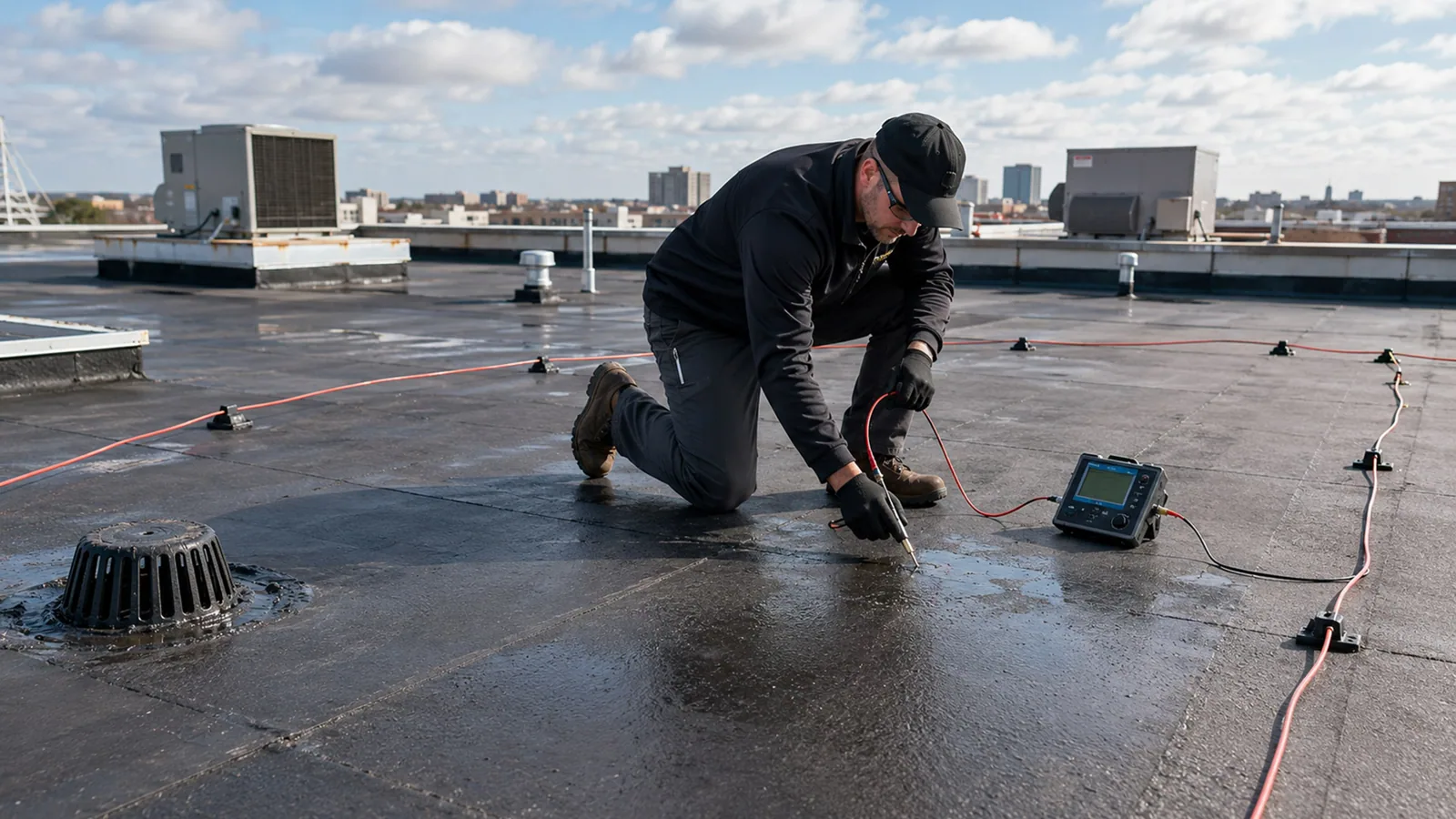
Commercial Roof Inspection in Murrieta, CA
See how this work fits the roof, the building and the schedule.
Learn More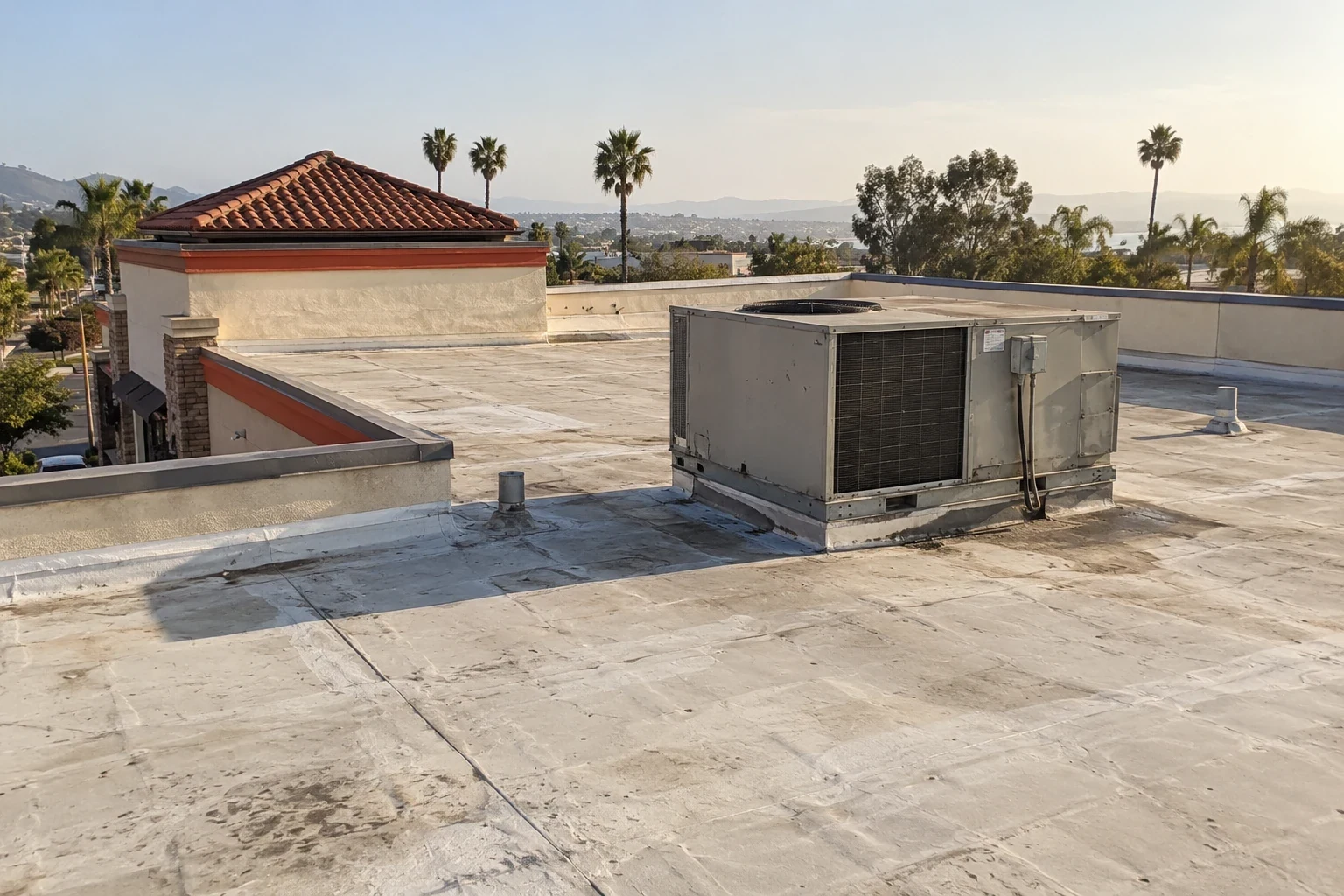
Restaurant Roofing in Murrieta, CA
Related scope, access notes and questions to ask before work starts.
Learn More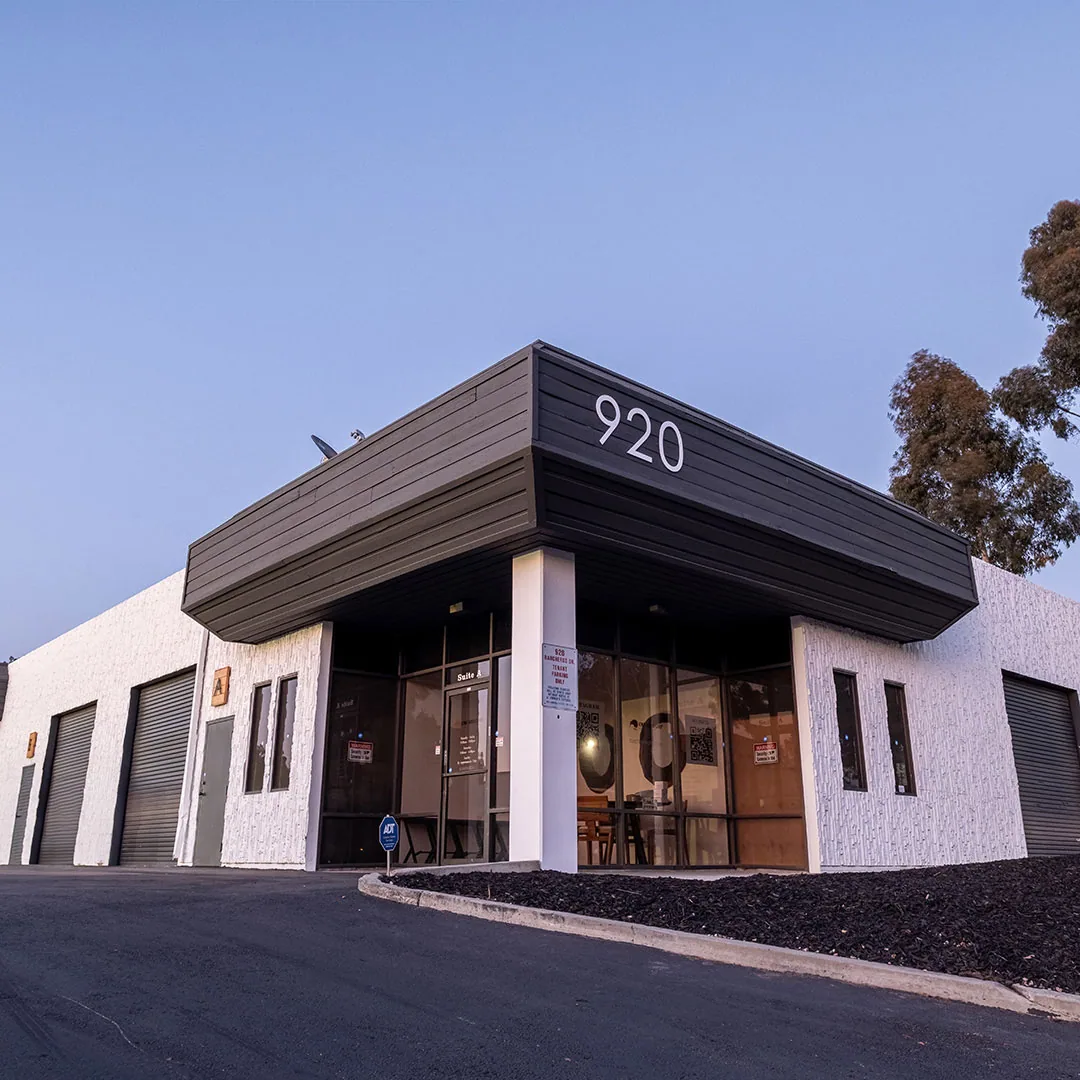
Commercial Roofing for Property Managers in Murrieta, CA
Read the full description and the questions owners ask about it.
Learn More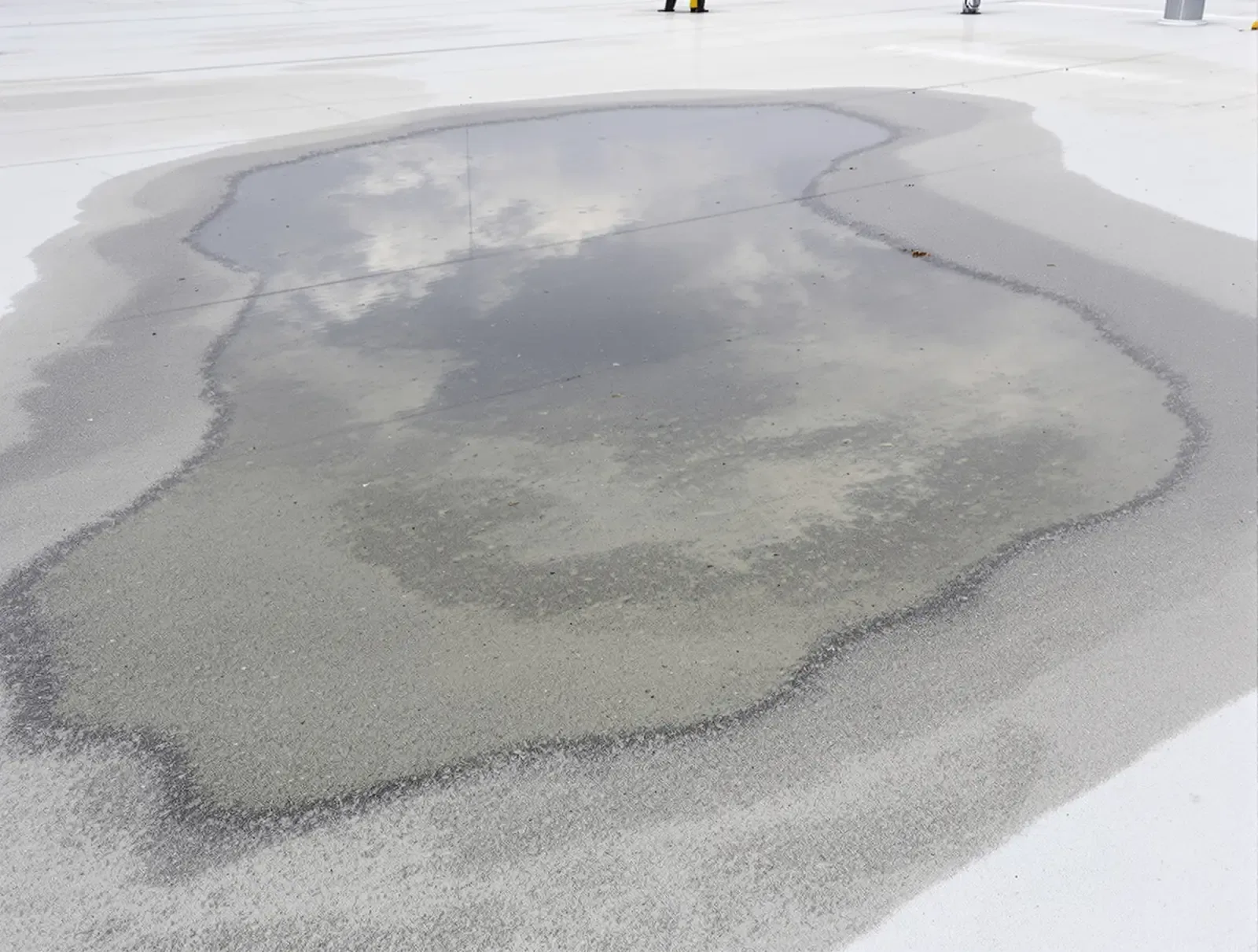
Commercial Ponding Water Roof Repair in Murrieta, CA
See how this work fits the roof, the building and the schedule.
Learn More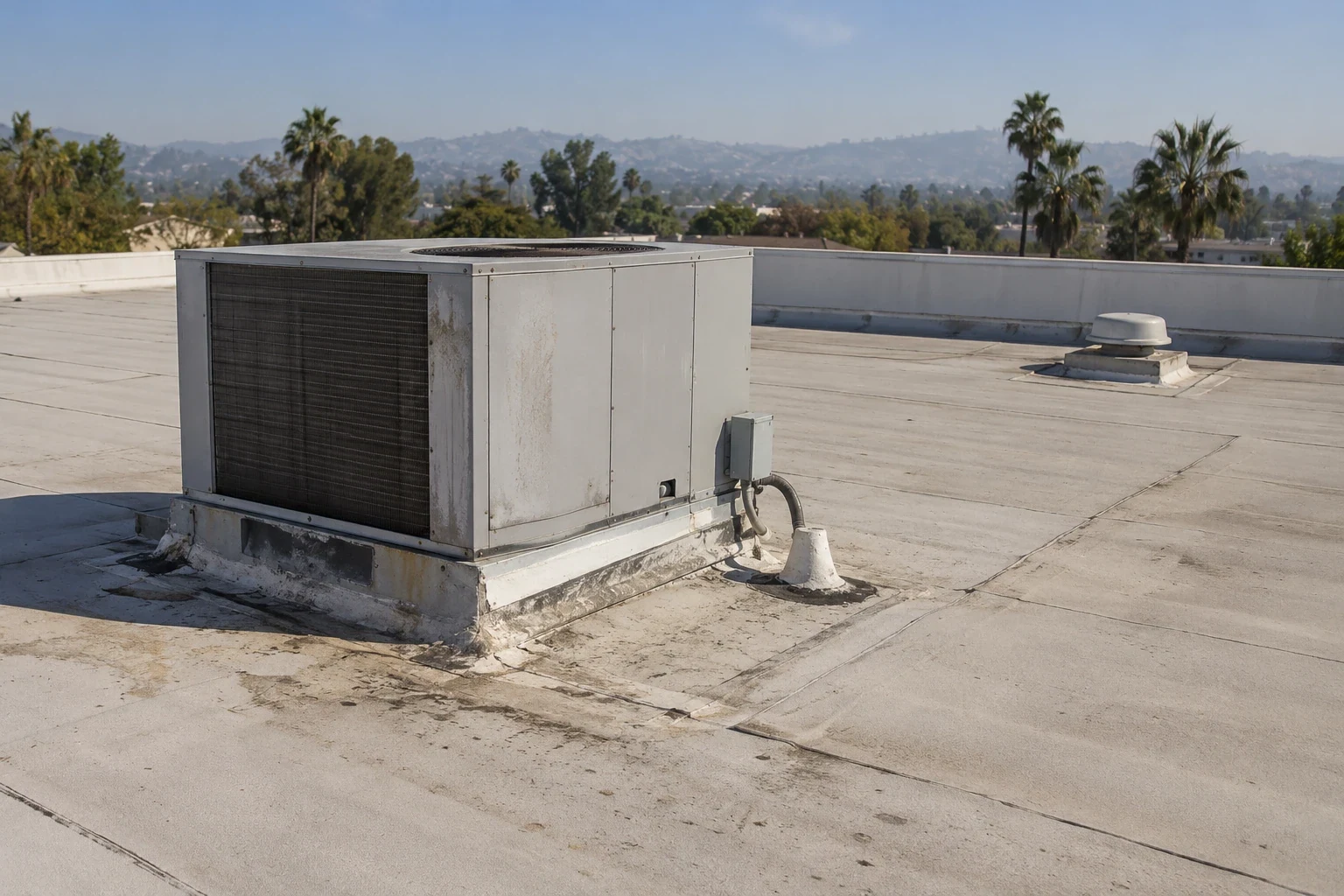
Commercial Roof Maintenance in Murrieta, CA
Related scope, access notes and questions to ask before work starts.
Learn More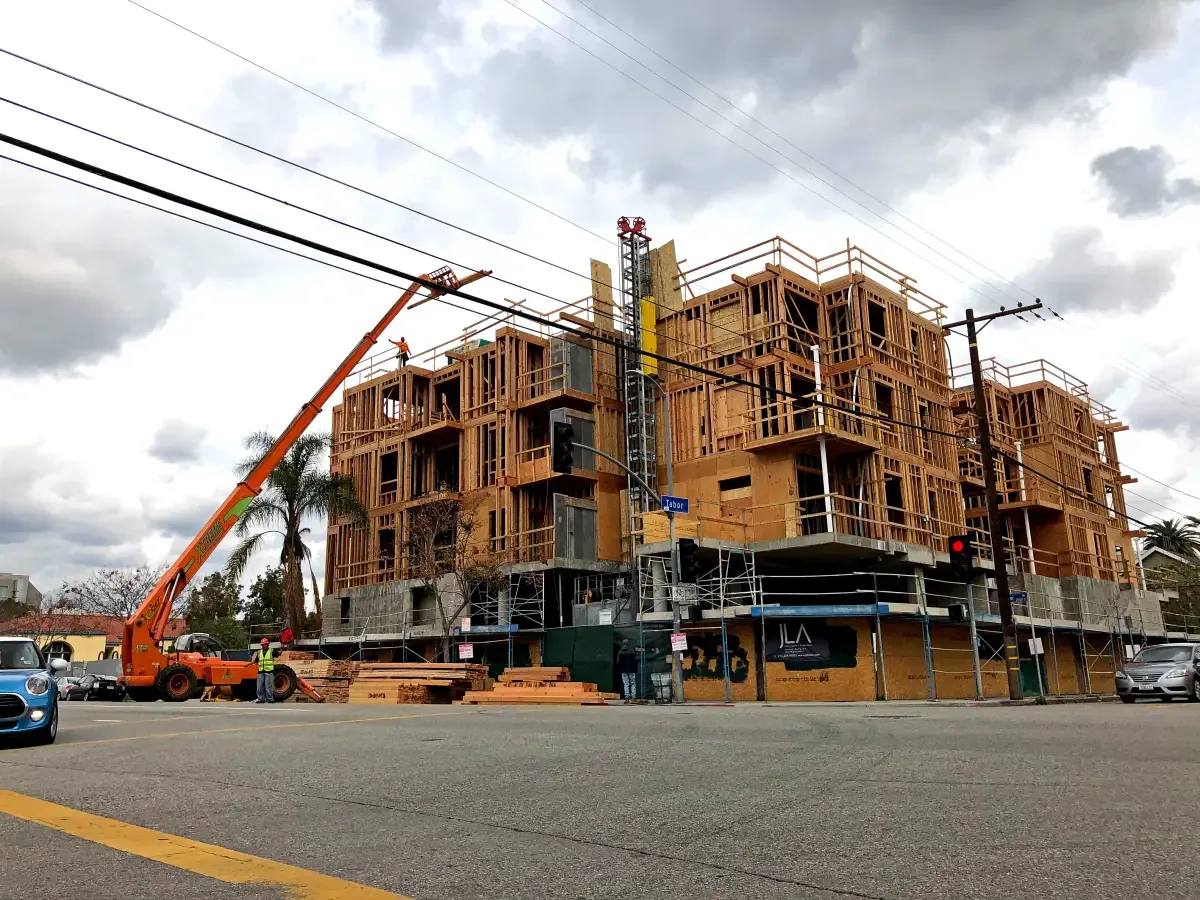
Commercial Roofing for General Contractors in Murrieta, CA
Read the full description and the questions owners ask about it.
Learn MoreCoordinate a Store-Level Roof Review
Arrange an inspection to document the affected section, work around operating hours, and give facilities a clear next step for the location.