Restaurant Roofing in Murrieta, CA
Plan restaurant roof repair or replacement in Murrieta, CA, with attention to kitchen exhaust, dining areas, deliveries and weather protection.
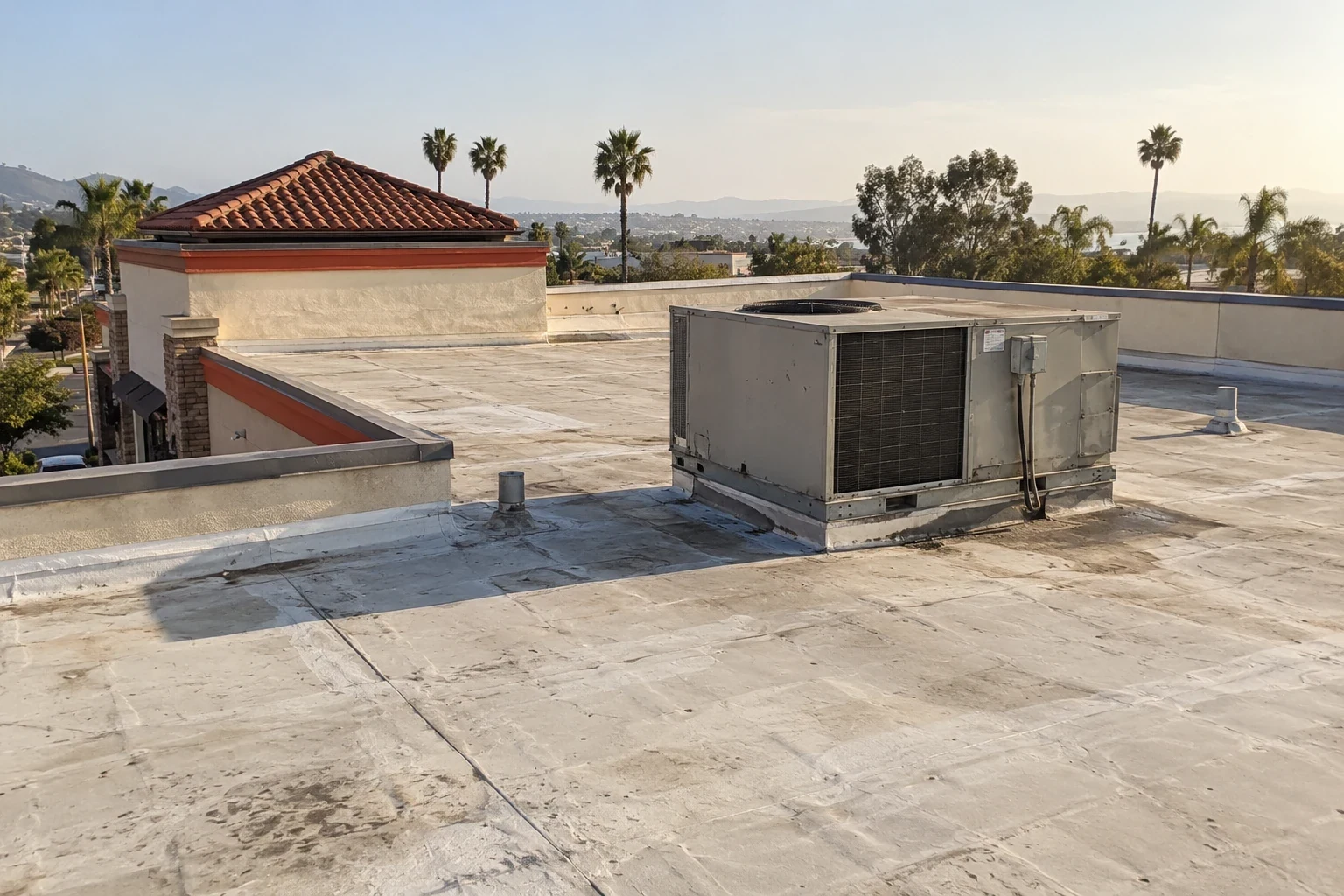
A kitchen exhaust fan can leave a roof detail exposed to grease, heat and repeated service visits. Restaurant roofing in Murrieta begins with the equipment, roof surface and dining or kitchen areas below it, then sets a repair plan around service hours. We inspect seams, curbs, drains and flashing before choosing patch, coating or replacement. Perris’s 4th Street Corridor is planned for retail, office and commercial uses, and Temecula’s Old Town extends about a mile north to south. These neighboring districts have different access patterns; the restaurant’s own equipment, roof, and service hours set the work plan. The building inspection supplies that evidence. A roof inspection maps the details before a scope is priced.
Kitchen Equipment: Inspect Each Penetration
Exhaust hoods, ductwork, makeup-air units, plumbing vents and refrigeration lines can all cross the roof. We inspect each curb and flashing base for loose corners, open sealant, grease residue and movement caused by equipment service. A leak above a kitchen may travel before appearing at a ceiling or wall. We compare the interior issue with the roof slope and note where a test opening is needed. If a technician needs access during roofing, the route and appointment should be part of the work plan. Our curb and equipment review checks the base and membrane together.
Kitchen exhaust can affect nearby surfaces, so the repair material and preparation need to match what reaches the roof. We identify the existing assembly, test coating adhesion if restoration is being considered, and remove failed material where the substrate requires it. A new coat cannot correct wet insulation or an unstable curb. We also note grease or service traffic that could affect future inspections. If the equipment needs cleaning, the restaurant and roofing teams should coordinate timing so the roof remains protected after the repair is complete.
Dining Hours: Protect Entrances and Deliveries
Restaurants rely on predictable meal periods, receiving schedules and safe paths for employees and guests. Roof work may affect a rear service door, loading area or parking spaces used for a lift. We ask when deliveries arrive, which entrance must remain open and whether noise or odor restrictions apply. The daily plan identifies materials staging, interior protection, temporary dry-in and the area that can be closed. An occupied-building sequence can phase work so the crew finishes one roof section before moving to another.
Perris planning materials describe retail, office and commercial uses for the 4th Street corridor. That planned frontage does not identify a restaurant or its service schedule. The property contact sets the work window and confirms whether deliveries can be rerouted. We confirm if deliveries can be rerouted, how the kitchen exhaust will be protected, and whether a temporary cover can be installed without interfering with food-service equipment or ventilation.
Surface and Drainage: Match the Repair to the Roof
We identify whether the roof is membrane, metal, built-up or a previously coated assembly before specifying material. A seam opening, puncture, corroded panel and deteriorated coating require different preparation. Drainage can be complicated by grease residue, leaves or modifications near an exhaust curb. We trace the water path, check overflow details and note ponding that remains after ordinary drainage time. For a restaurant with a connected retail wing, shopping center roof planning addresses shared areas; grocery roof work considers refrigeration equipment and receiving access.
If the repair boundary is local, we remove incompatible patches and rework the failed detail. If repeated leaks or wet insulation point to a broader issue, the report should explain why a coating or recover will not solve it. A recover raises the finished roof at curbs and drains, and a coating needs a sound, dry surface. The proposal identifies what is retained, what is removed and how hidden conditions are approved. A drain and scupper review can address an outlet that no longer clears the roof plane.
Heat and Moisture: Use the Local Record Precisely
The City’s climate assessment compares a 15-inch annual precipitation average for 1950 to 2005 with modeled annual outcomes that reach 21.4 inches by 2099 in some scenarios. It also describes possible flood and drought effects. Those projections do not predict water at a restaurant. We inspect slopes, low spots, drains and kitchen-equipment flashing. When water appears inside, the record connects it with the tested roof location and states whether insulation or deck needs further review.
Heat exposure can change how sealants, coatings and flashing age, while exhaust and service traffic may add localized wear. We look at the roof’s own materials and maintenance history rather than assume all restaurants share the same condition. If a repair requires adhesive, coating or hot work, the sequence must fit the product limits and the restaurant’s hours. The owner should know where odor or noise may be noticed and which parts of the dining or kitchen area need protection. A coating restoration check can determine whether the existing surface supports a restoration scope.
Proposal: Coordinate Roofing and Food Service
A restaurant roof proposal should identify the active exhaust units, service routes, dining areas below, delivery windows and the sequence for daily closure. It should separate temporary weather protection from permanent repair and list how a concealed deck or insulation condition is approved. Cost depends on removal, surface preparation, flashing count, drain work, equipment access and any additional phases needed to avoid meal periods. If a mechanical contractor must move or clean equipment, the scope should identify who returns to close and inspect the roof detail.
Keep a roof map, photographs, material data, approvals and repair locations with the restaurant’s building file. A later inspection can check the same curb corners, drains and exhaust routes. Murrieta’s planned business corridor, Perris’s retail frontage and Temecula’s Old Town district describe regional context, but they do not identify the conditions at one restaurant. Arrange an inspection to review that building, or discuss service coordination near Temecula when multiple properties share a schedule.
Commercial Roofing Questions
Can a restaurant stay open while roof repairs are underway?
The answer depends on the roof area, staging and whether noise, odor or equipment access affects service. We coordinate meal periods, deliveries and entrance routes with management, then define the section that can be opened and dried in. Any temporary restriction should be shared before work reaches that area.
How should kitchen exhaust be handled during reroofing?
We inspect the curb, duct flashing, fasteners and nearby surface before work. The restaurant should coordinate cleaning or mechanical service so the roof is not disturbed after its new detail is closed. If equipment must move, the responsible trade and roofer need to agree on who restores the weatherproof transition.
Can grease or exhaust damage a roof membrane?
The roof surface should be checked for residue, softening, failed coating or a change in adhesion near the exhaust discharge. The material and exposure determine the repair. We clean and test the surface as appropriate, then specify a compatible system instead of covering an unknown condition.
What makes a coating suitable for a restaurant roof?
The existing roof must have sound attachment, acceptable moisture and a surface that can be prepared and coated. Drains and exhaust curbs still need complete flashing. We test and document those conditions, then compare restoration with replacement if damage extends below the surface.
What should be included in a restaurant roof closeout?
Keep the roof plan, equipment curb details, photographs, materials, repair boundaries and any remaining observations. The record can help schedule future exhaust cleaning or unit service without damaging the membrane. It also shows what was completed and which conditions still need a separate decision.
Related Roofing Work
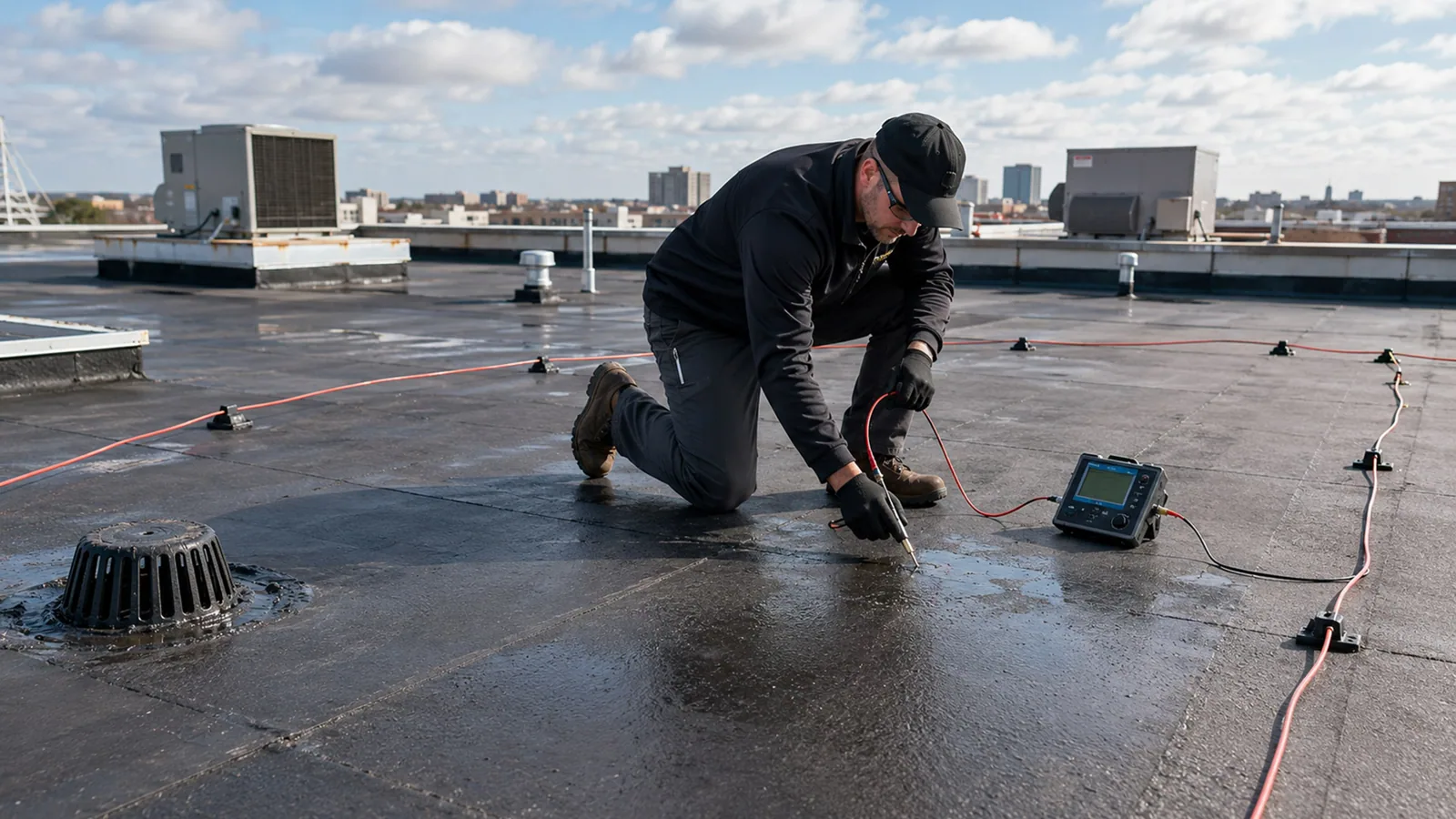
Commercial Roof Inspection in Murrieta, CA
See how this work fits the roof, the building and the schedule.
Learn More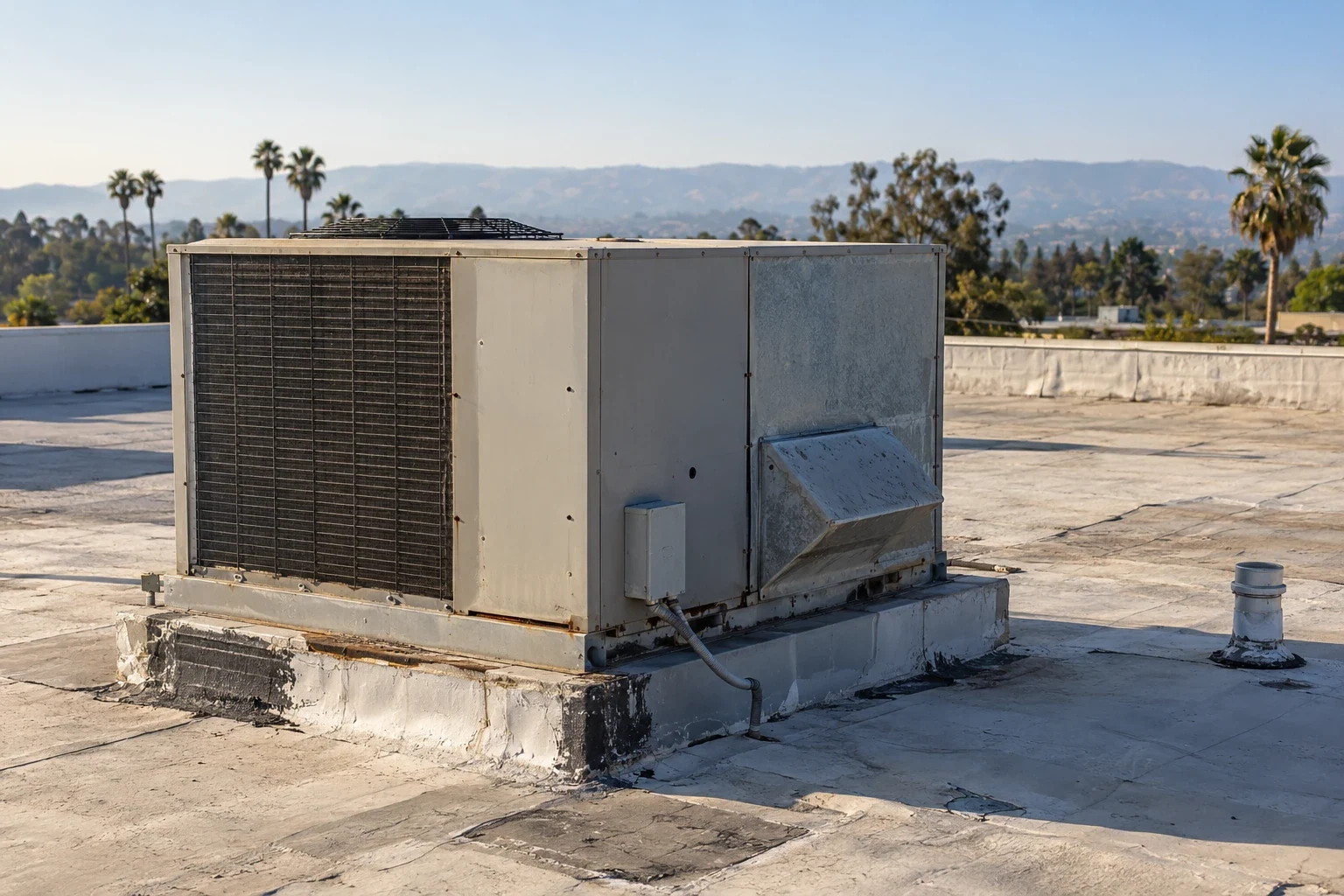
Rooftop Equipment Curbs and Supports in Murrieta, CA
Related scope, access notes and questions to ask before work starts.
Learn More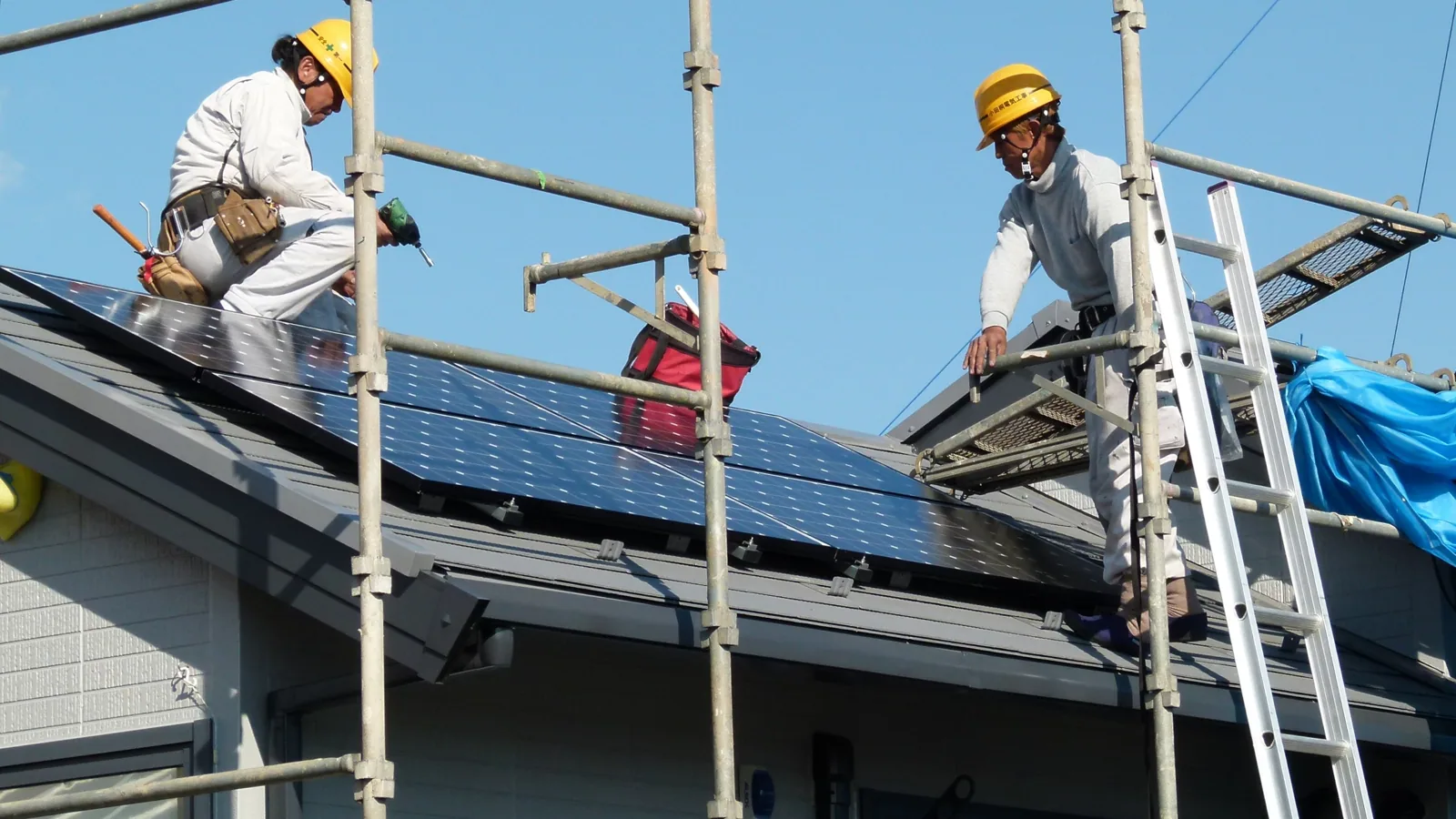
Occupied-Building Commercial Reroofing in Murrieta, CA
Read the full description and the questions owners ask about it.
Learn More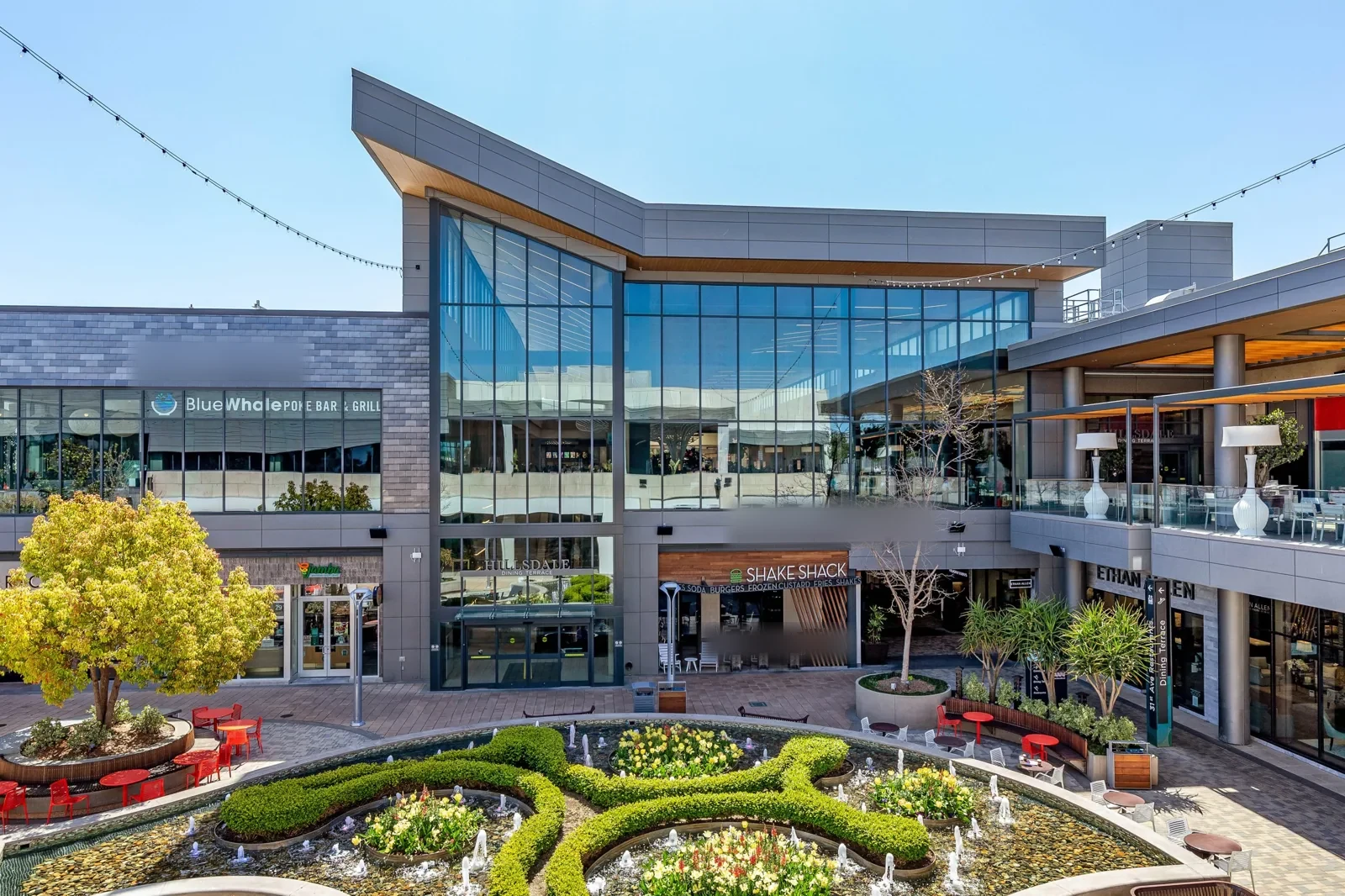
Shopping Center Roofing in Murrieta, CA
See how this work fits the roof, the building and the schedule.
Learn More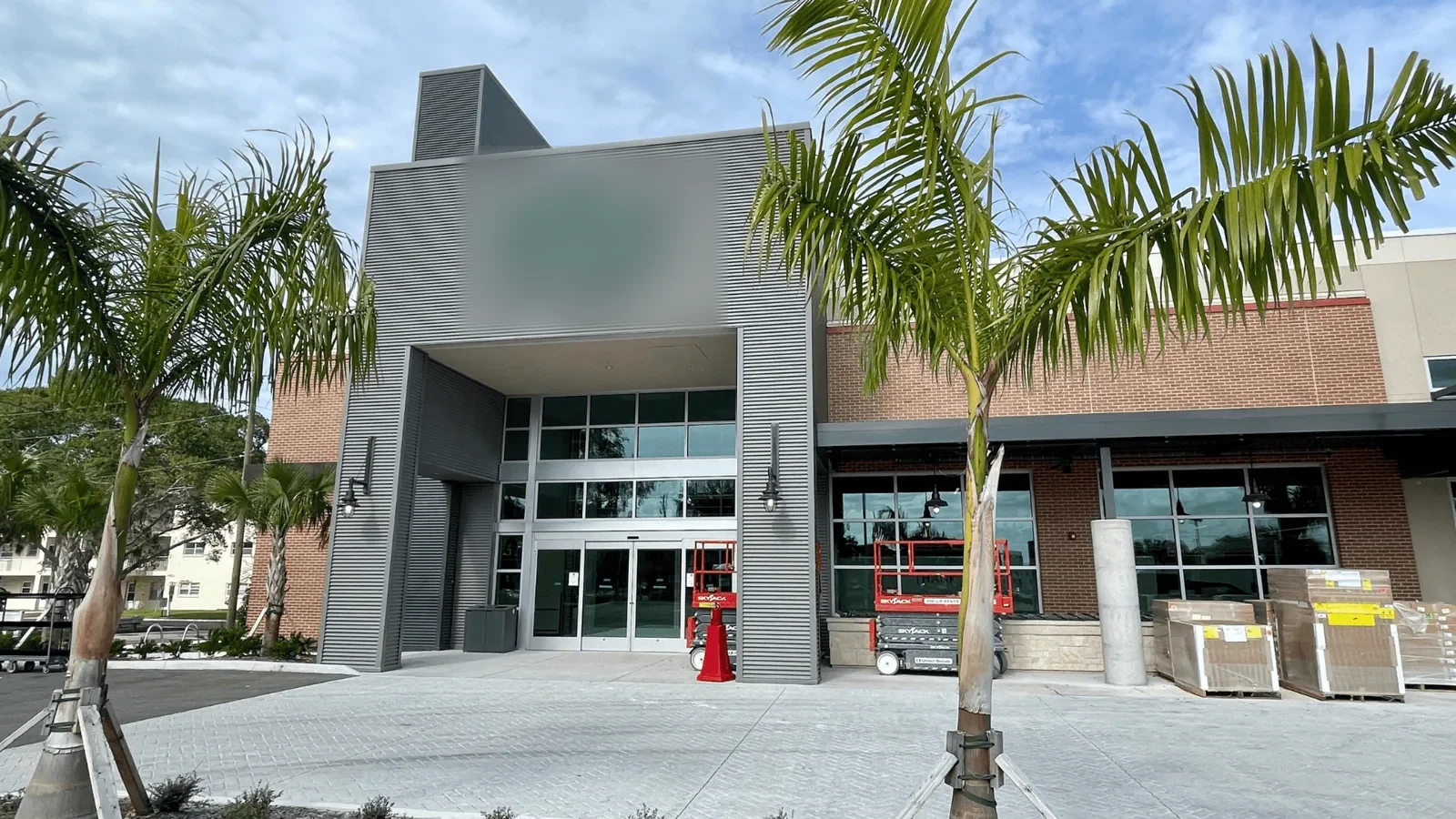
Grocery Store Roofing in Murrieta, CA
Related scope, access notes and questions to ask before work starts.
Learn More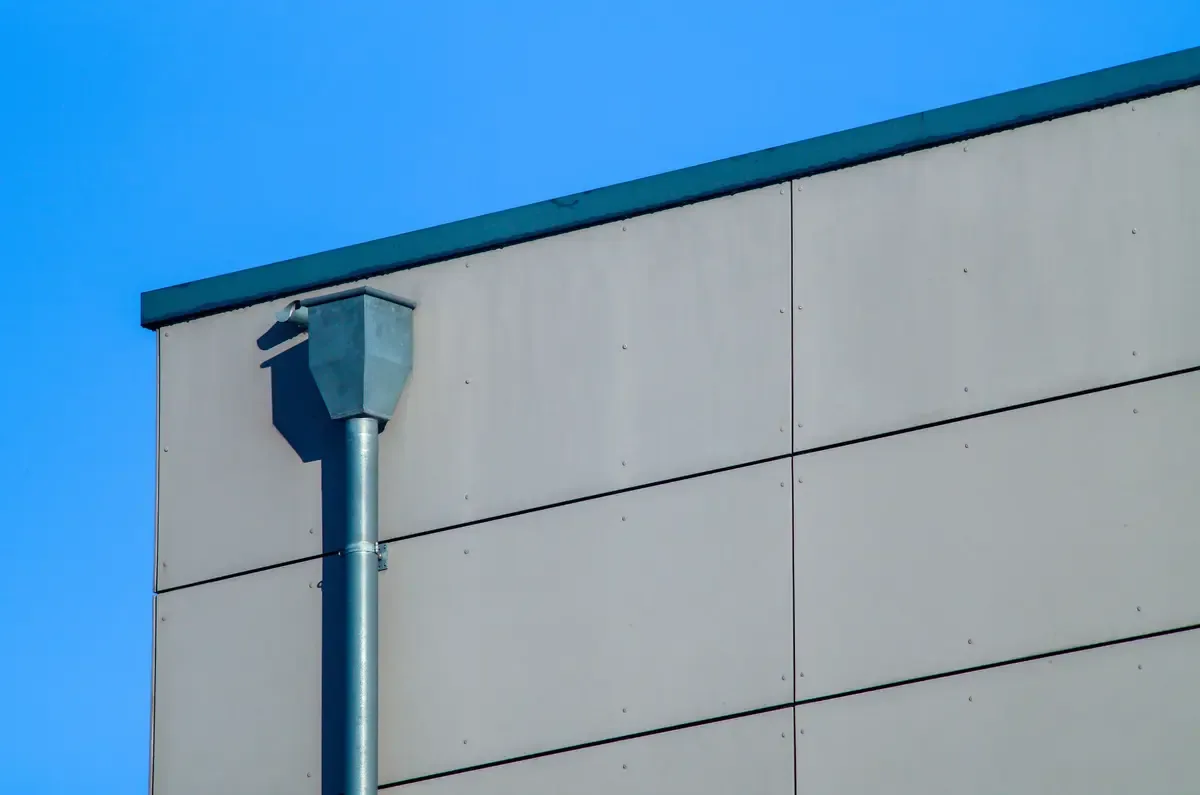
Commercial Roof Drains and Scuppers in Murrieta, CA
Read the full description and the questions owners ask about it.
Learn MoreReview Restaurant Roof Conditions
Arrange a Murrieta inspection to check exhaust curbs, drainage and work timing before a roof repair affects service.