
Solar-Ready Commercial Roofing in Murrieta, CA
Prepare a Murrieta commercial roof for solar with a condition review, attachment coordination, flashing details and a plan for future maintenance.
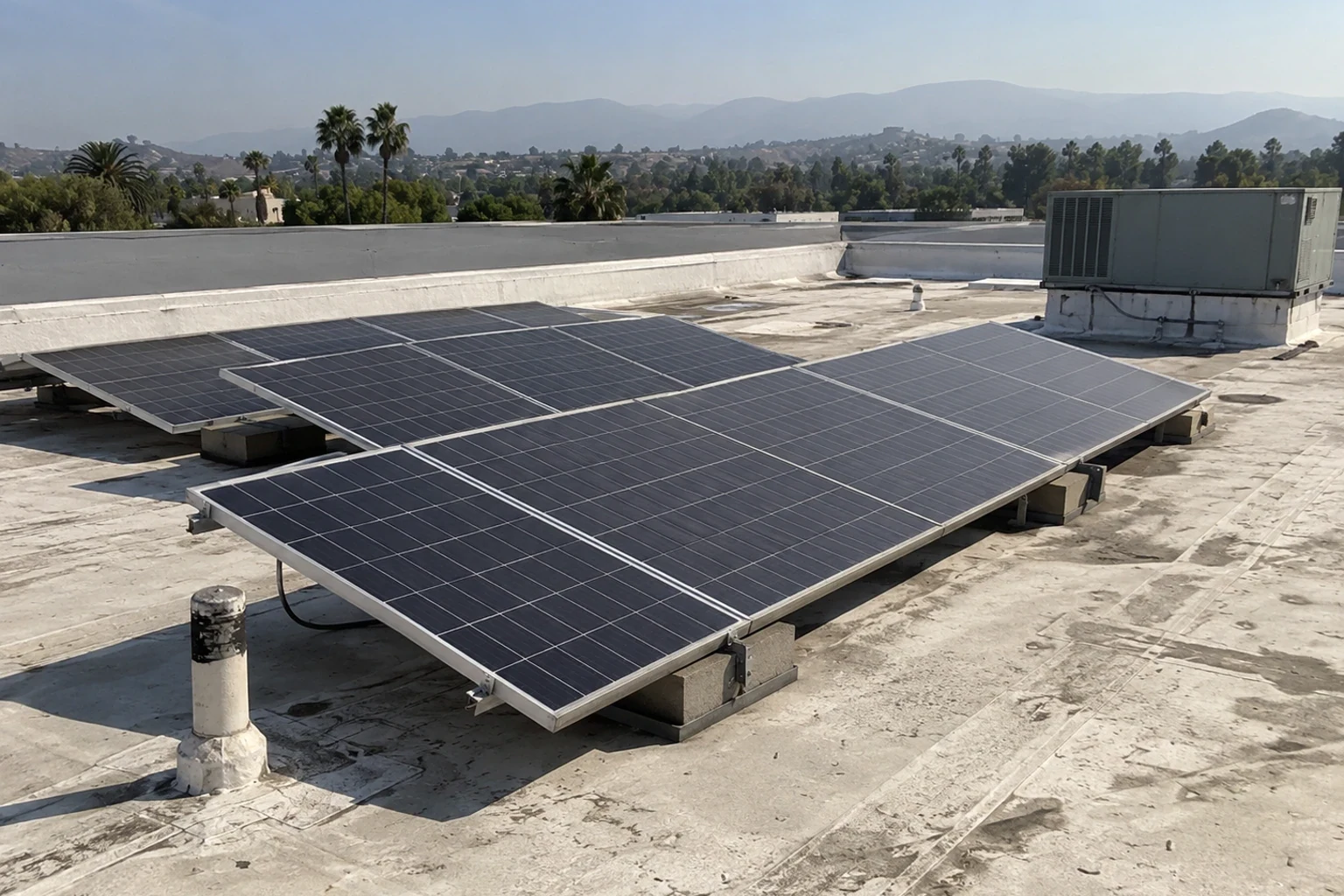
Solar planning changes the roof decision because future attachments, service paths and equipment loads need a stable surface. Murrieta’s Economic Development Strategic Plan identifies commercial-property management and manufacturing as business-retention or expansion priorities. For a property team considering solar, that local focus makes it useful to settle roof work and array responsibility before operations rely on the finished installation. We inspect the existing assembly and document its condition before a solar layout is finalized. The roof work may include repairs, replacement, new flashing or a record of attachment zones for the design team. We coordinate with the responsible solar and structural professionals on penetrations and loads, while the roofing scope addresses the membrane, insulation, edges and drainage. A roof condition review establishes what the current assembly can support before any array is installed.
Roof Baseline: Know What Is Under the Array
Solar equipment can make future access to seams, drains and penetrations more difficult, so the roof baseline matters. We inspect membrane attachment, wet insulation, prior repairs, curb conditions and the perimeter. If the roof has areas that need replacement, those repairs should be considered before panels limit access. Moisture surveys or test cuts can clarify uncertain conditions. The report maps the inspected areas, notes what could not be reached and identifies details that need repair before solar work proceeds. The roof record should also identify drainage and membrane transitions that a future array could make harder to reach. We mark the inspected sections and any limits on access before the array designer sets attachment points. The owner can use the baseline to compare replacement with repair and to keep array placement away from roof areas that need future service.
Array Coordination: Keep Roofing and Solar Scopes Aligned
Before installation, the property team should settle who locates attachment points, who seals penetrations and who documents each interface. The roofing scope can identify the membrane system, detail the approved flashing method and show where the roof is ready for work. The solar designer or engineer determines the array layout and structural requirements. We coordinate roof access and sequencing with that team so a rail or conduit does not cover a drain, expansion joint or service route. We agree on the party locating attachment points, the trade sealing each penetration and the record that will be left at closeout. For an occupied property, the work calendar should account for electrical shutdowns and roofing dry-in, with a clear handoff between the two trades. A phased roof work plan can keep both trades out of the same incomplete section.
Attachment Zones: Protect Seams, Edges and Drainage
Array supports can be mechanically attached, adhered or ballasted depending on the design and roof conditions. Each option has a different load path and roof interaction. We review the roof material, attachment detail and flashing interface with the project team rather than assume one method fits every assembly. Penetrations need a compatible flashing detail that remains accessible for inspection. Ballast or supports should not block drain bowls, overflow scuppers or the path to a roof hatch. Equipment and conduit should leave space for membrane repair and future maintenance. Where a new roof is planned, the assembly can be selected with the expected solar layout in view. Equipment curbs and supports need the same attention to load, movement and membrane tie-in; drainage routes must remain open after the array is complete. We record the final interface locations for the owner.
Timing: Coordinate Roof Work Before Solar Mobilization
If the existing membrane is near a planned replacement or has widespread moisture, completing roof work before array placement can reduce later disruption. A suitable roof may need only localized repair and documented attachment zones. We compare options from the inspection findings, including the cost drivers of access, removal, deck repair, flashing, system compatibility and coordination with the solar schedule. We do not treat panel installation as evidence that the roof is ready. The owner should decide how much future maintenance access is needed and whether the layout allows a technician to reach seams and drains. Perris’s Downtown plan describes a commercial frontage along the 4th Street Corridor. That planned land use does not indicate any roof configuration, but it underscores why the project team should use site drawings and inspection results to place the array. The roof walk and project drawings set the work boundary. We can also note roof penetrations and repair areas that should remain reachable after panel placement, then give the owner a marked copy for its facilities record. That early coordination is useful even when the array schedule changes. A photo condition report can preserve the pre-installation state, while capital planning can compare roof timing with the proposed array schedule.
Service Record: Keep Roof Access After Installation
After solar work, the owner should retain the roof plan, attachment and penetration locations, flashing details and responsibility for future inspections. The record can show which roof sections remain accessible and where panels or conduit change the water path. If a leak appears later, those details help separate a roof-system failure from an attachment or electrical-interface issue. A maintenance program can inspect seams, drains, perimeter metal and accessible penetrations on a schedule matched to the building. Temecula requires a Development Plan for new commercial, industrial, office and tract-residential construction. That municipal review fact can matter when solar work is part of a larger development schedule; the roof assembly still needs its own inspection. For every property, we base the inspection record on the installed assembly and actual service routes. That record gives the next roofing or solar team a clear starting point without treating the array as a substitute for roof maintenance.
Commercial Roofing Questions
Should we replace the roof before installing solar panels?
The roof condition and the array schedule decide whether replacement should happen first. We check moisture, attachment, seams, flashing and access, then document repairable areas and components nearing replacement. If broad roof work is needed, completing it before panels can preserve access and avoid moving equipment later. The solar team can coordinate its layout around the roofing scope.
Who is responsible for flashing solar penetrations?
The project should name the trade responsible for each roof interface and the method used to close it. We coordinate compatible flashing with the solar installer and the design team, then record attachment and conduit locations. Clear responsibility helps prevent an unfinished transition from being treated as another trade’s item after mobilization.
Can the array cover roof drains or seams?
The layout should preserve drainage and access to details that need inspection. We review drain bowls, scuppers, expansion joints, roof hatches and service paths with the design team before installation. If the proposed layout blocks those areas, the roof plan should be adjusted before supports and conduit are fixed in place.
What roof information should the solar designer receive?
Share the roof plan, identified system, repair history, condition findings, drainage points and known limits on access. We can document test areas and penetration details where relevant. The designer or engineer uses that information with structural and electrical requirements to develop the array, while the roofing scope defines how the roof interfaces are protected.
How should we maintain the roof after the array is installed?
Keep the roof plan and interface details with the building record, then inspect accessible seams, drains, edge metal and flashings. Note any area hidden by equipment and how a future repair can reach it. Maintenance should follow the roof system and site conditions, with solar access coordinated before a roofing visit.
Related Roofing Work
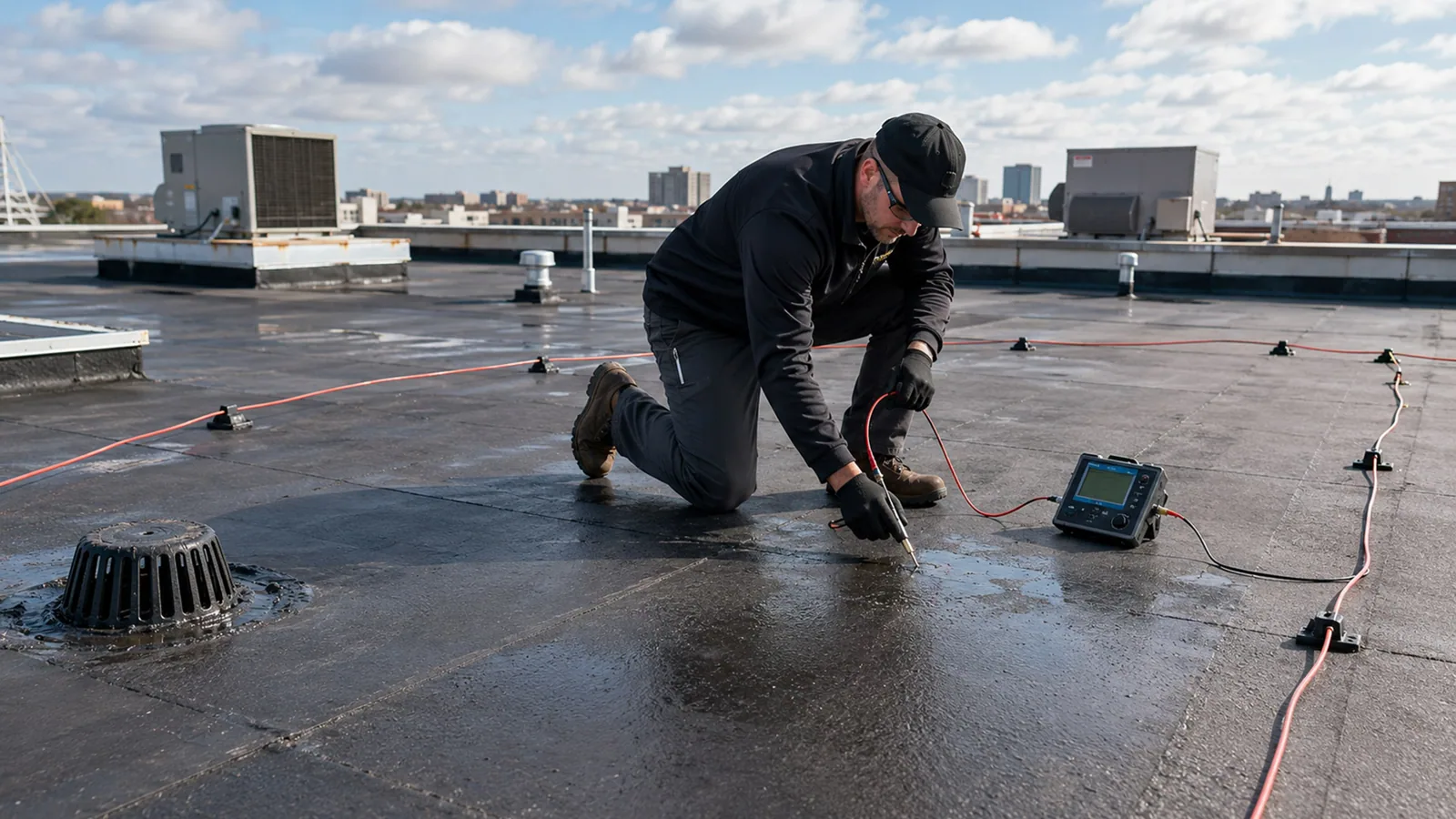
Commercial Roof Inspection in Murrieta, CA
See how this work fits the roof, the building and the schedule.
Learn More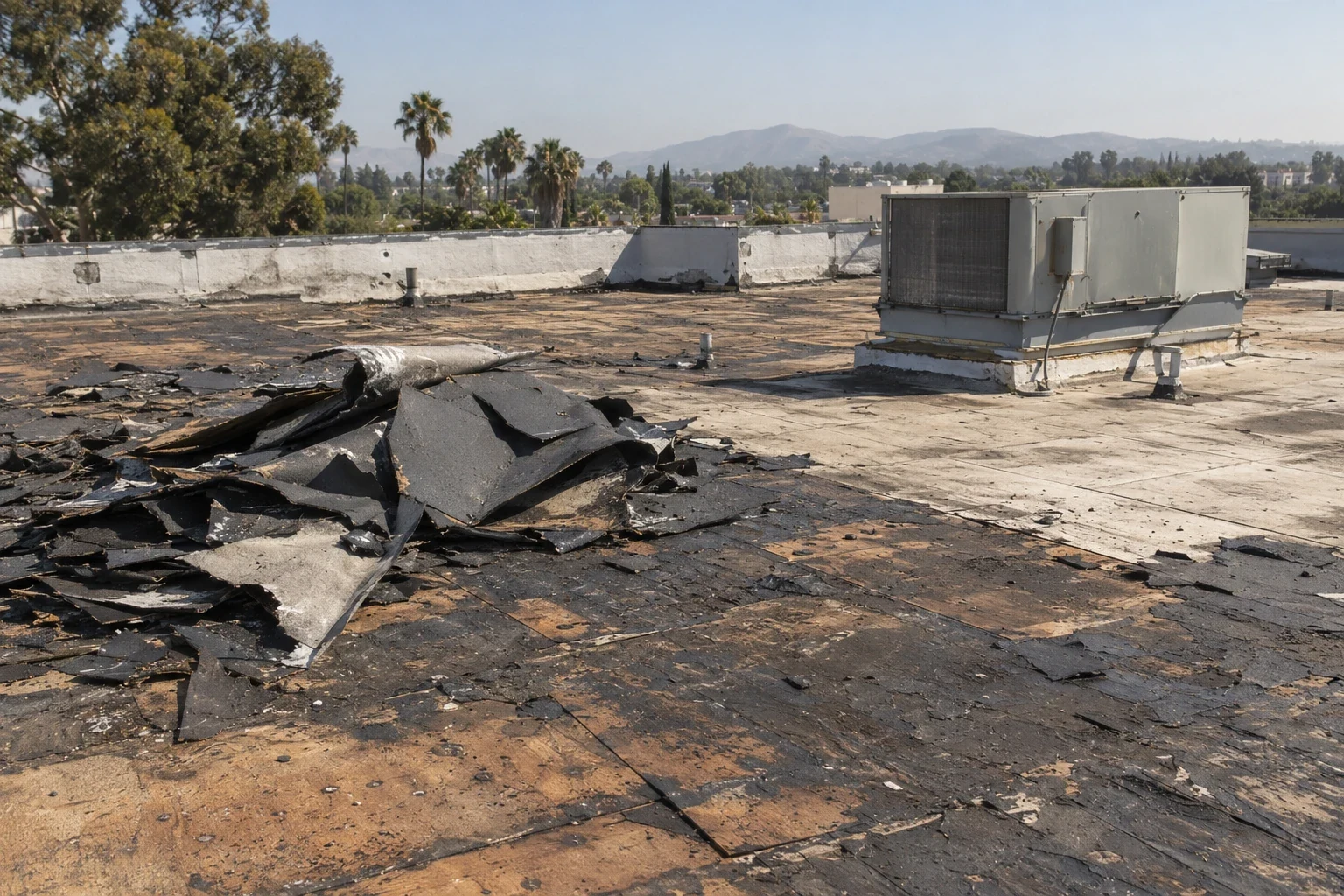
Commercial Roof Replacement in Murrieta, CA
Related scope, access notes and questions to ask before work starts.
Learn More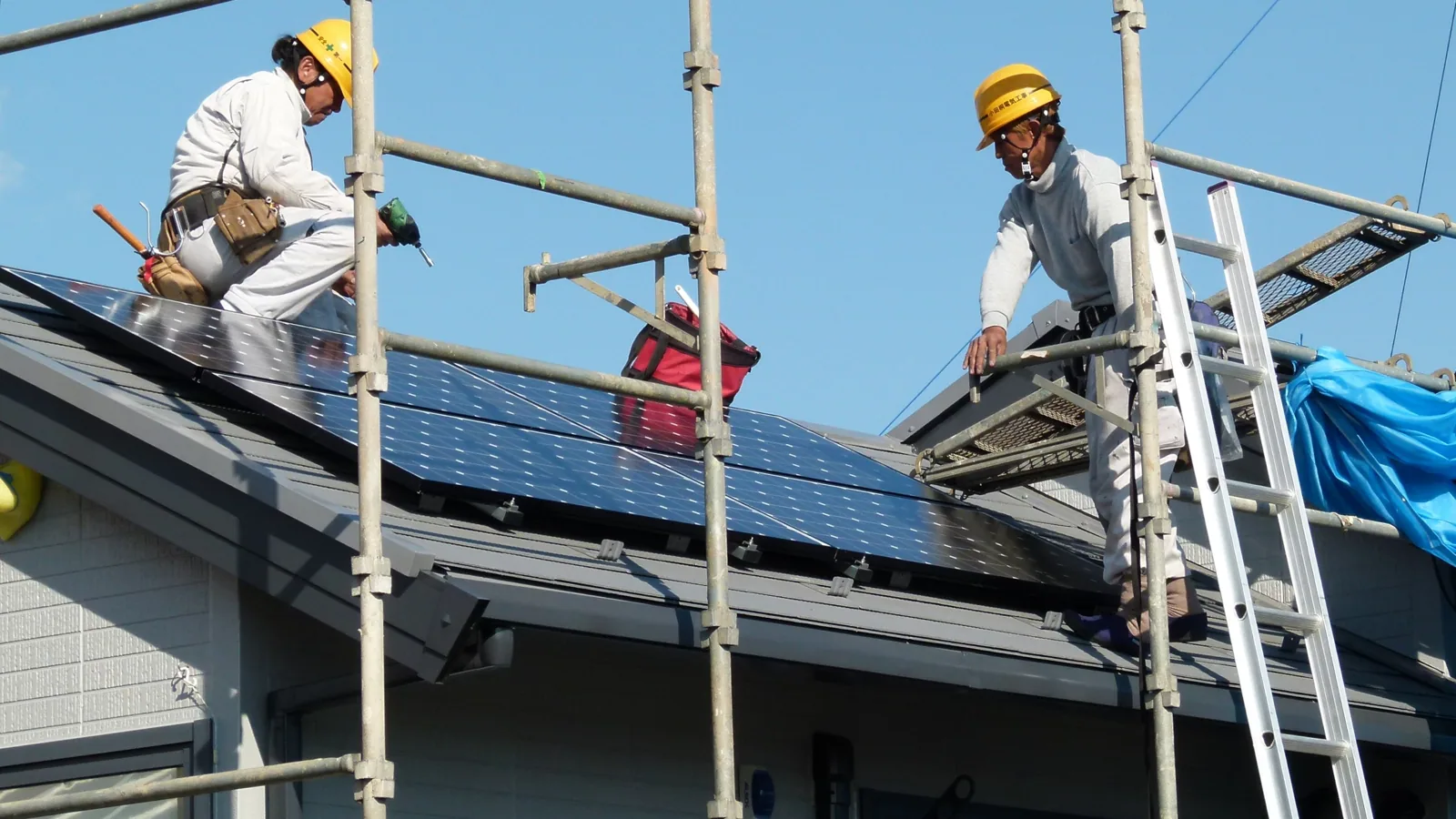
Occupied-Building Commercial Reroofing in Murrieta, CA
Read the full description and the questions owners ask about it.
Learn More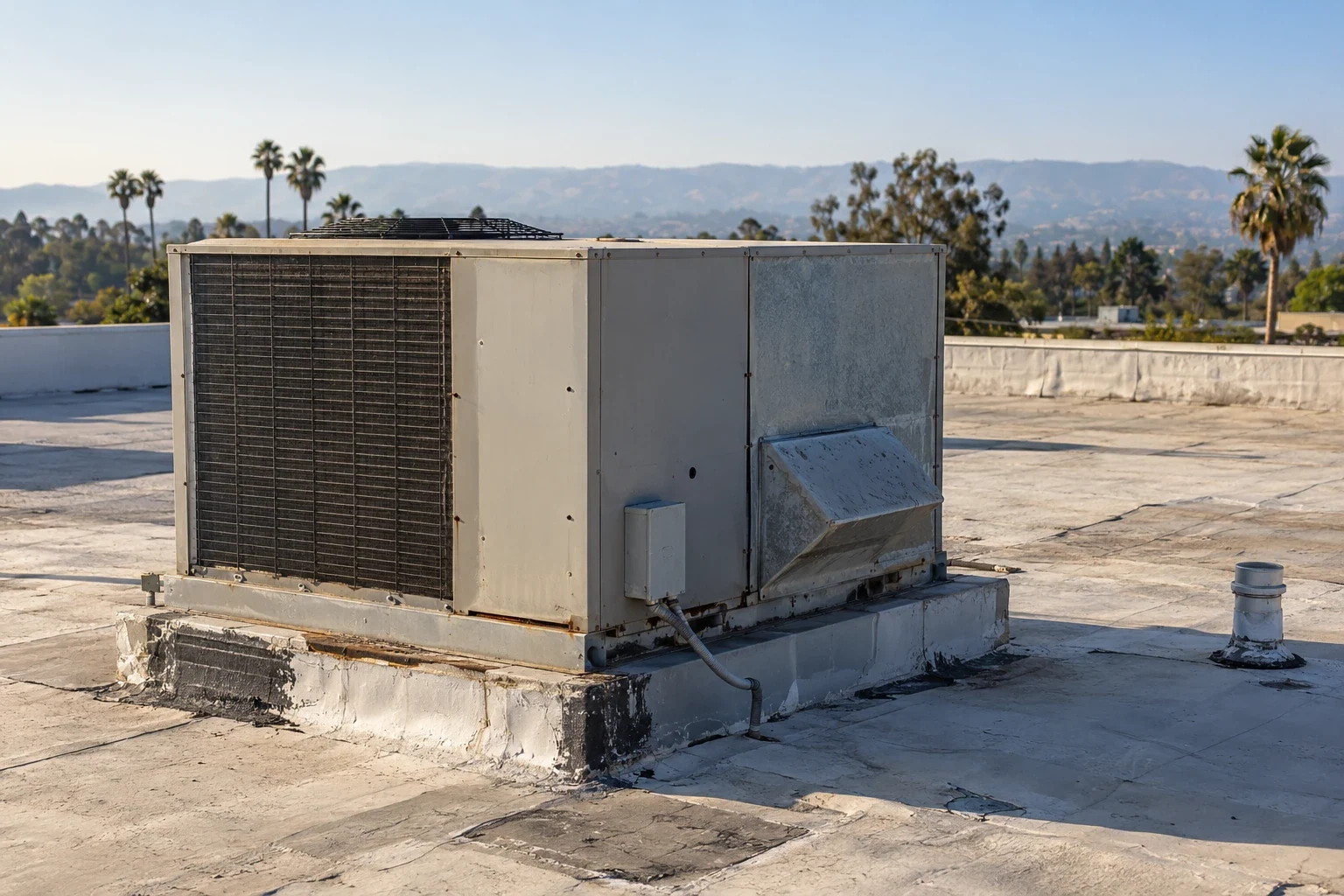
Rooftop Equipment Curbs and Supports in Murrieta, CA
See how this work fits the roof, the building and the schedule.
Learn More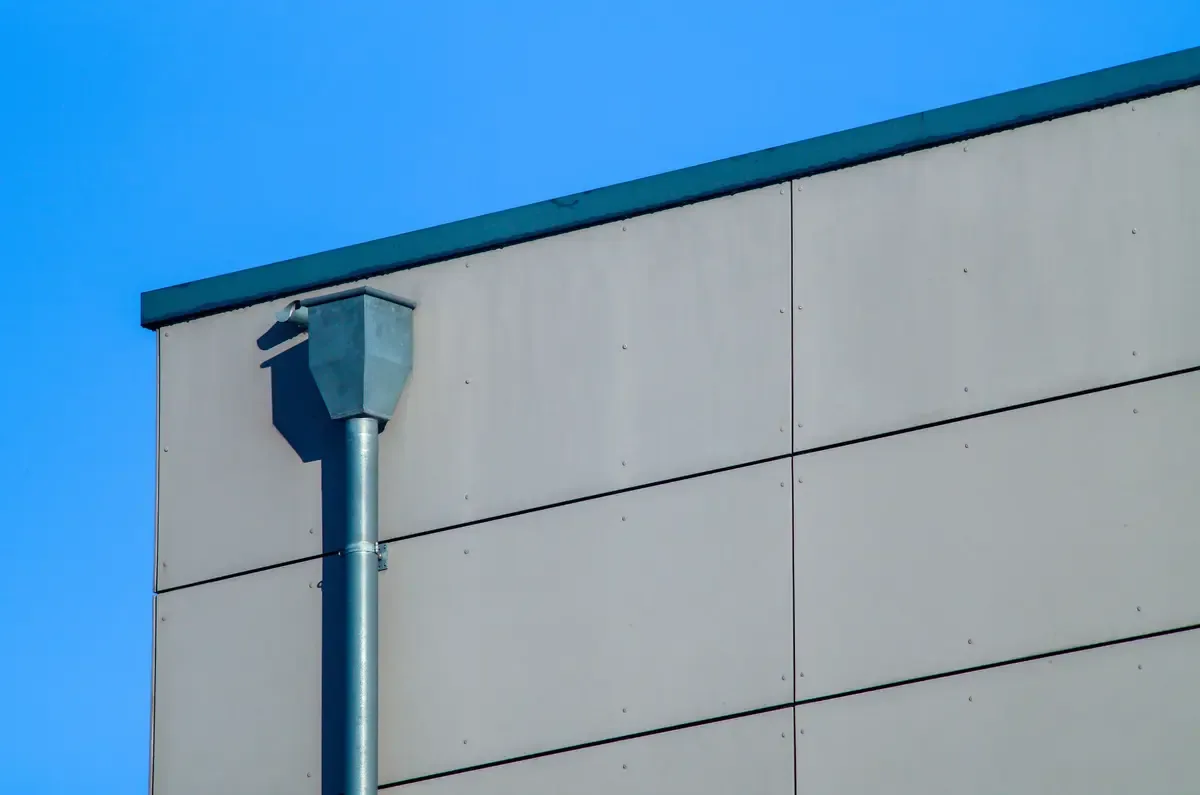
Commercial Roof Drains and Scuppers in Murrieta, CA
Related scope, access notes and questions to ask before work starts.
Learn More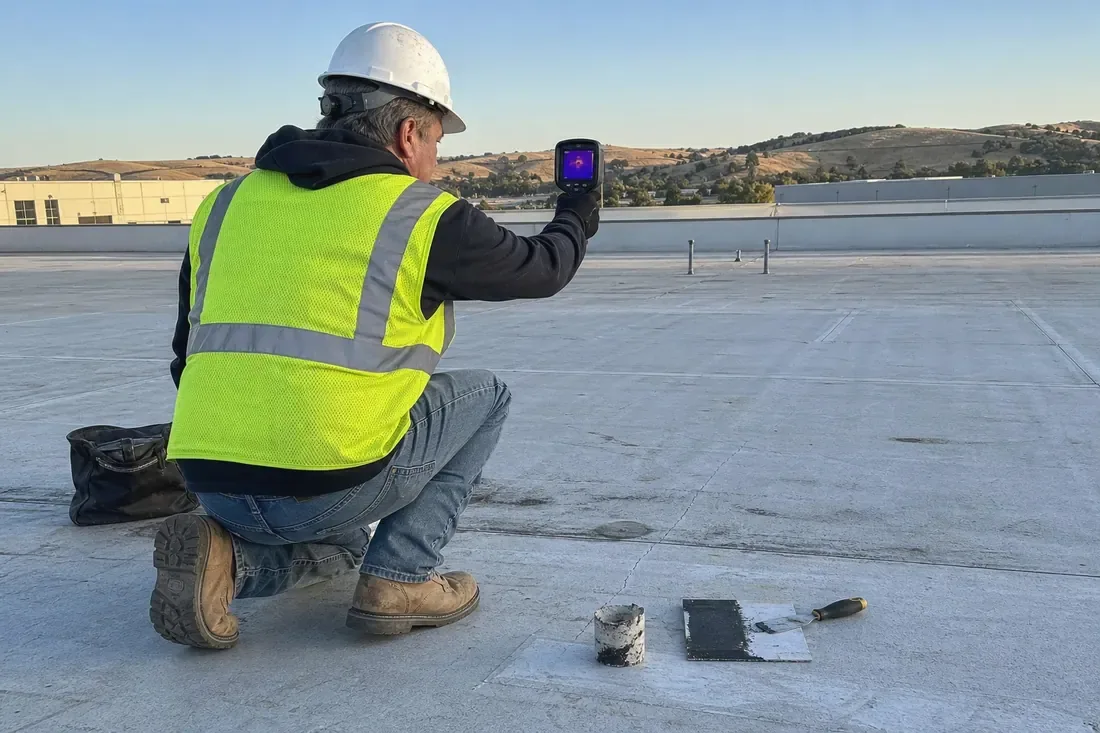
Commercial Roof Condition Reports in Murrieta, CA
Read the full description and the questions owners ask about it.
Learn MorePrepare a Commercial Roof for Solar
Arrange a Murrieta roof inspection to document the current assembly, identify repair needs and coordinate roof details before solar installation.