
Commercial Roofing in Calimesa, CA
Inspect Calimesa roofs for drain, seam, and flashing problems. Compare repair, coating, and replacement after recording the assembly and site access.
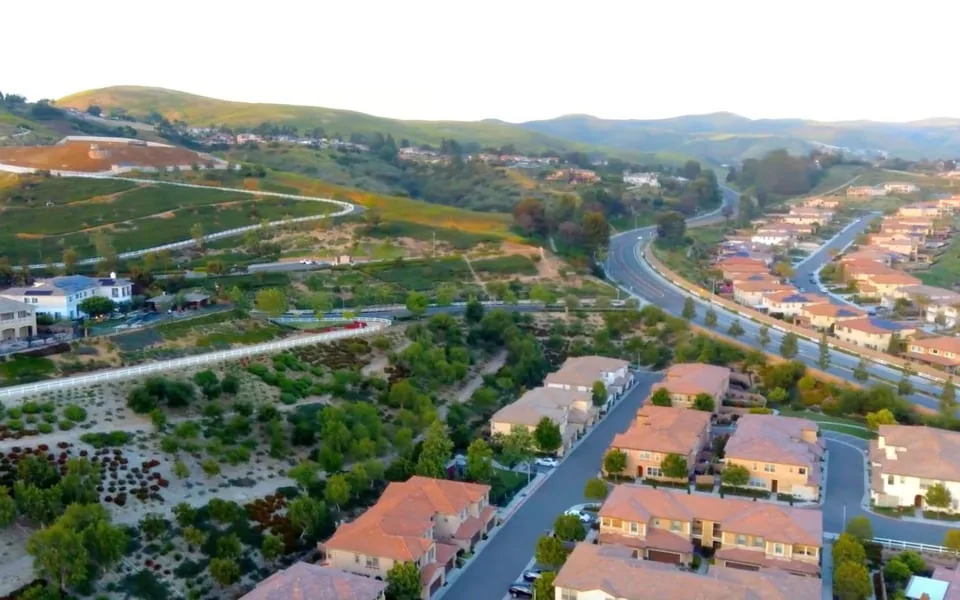
A low-slope roof in Calimesa still has to move water across a level-looking surface, through drains, and away from walls and equipment. We start with that path, then check seams, penetrations, edge metal, and prior repairs. Calimesa occupies the South Bench of the Yucaipa Valley, where washes separate its mesa-like terrain from other benches. That geography is not a roof diagnosis, but it is a reminder to distinguish site drainage from what happens on the roof itself.
The city also sits along Interstate 10 between the San Gorgonio Pass and Yucaipa Valley. For an owner coordinating property work, the route and staging plan should come from the actual site, not a broad map description. We record roof access, delivery approach, and the area that can be protected before material is opened. If a facilities team also manages a Corona property, the separate city plan and roof condition belong in separate records.
First pass: trace the roof plane to an outlet
Water at an interior ceiling is a starting point, not the whole repair boundary. We compare the reported location with field seams, curb corners, skylights, wall transitions, drains, and overflow paths. At each point, we note whether the membrane is split, pulled, blistered, or covered by an earlier patch. The roof walk also checks whether water is collecting because a drain is blocked, the surface has settled, or a detail is opening. A commercial roof inspection gives the owner a photo record of those distinctions.
Calimesa’s South Bench setting and the washes described in its historical account refer to landforms, not the slope or runoff design of any individual building. We do not infer a roof’s drainage from the valley’s terrain. We measure the roof plane, check the outlet and strainer, follow the overflow path, and note low areas after debris is cleared. If the water path remains uncertain, moisture scanning or a test opening may change the scope. The report says what was observed and what test would settle the open question.
Surface condition: choose a repair that can tie in
A patch needs sound material around its perimeter. We remove loose or contaminated material as specified for the system, prepare the surface, and carry the repair onto a stable area. If an older coating or patch is present, adhesion and compatibility become part of the inspection. We identify whether a localized correction can isolate one opening or whether nearby seams and flashing details show a larger pattern. A roof coating restoration is considered only after the substrate and surface preparation support it.
Interstate 10 links the Los Angeles Basin with the Coachella Valley and inland desert through the Calimesa area. The route is a geographic and transportation fact, not proof of any commercial building’s exposure, roof design, or delivery schedule. For a job near an active entrance or loading point, we confirm the actual access route and keep the daily work zone clear in the plan. A drain and scupper review can clarify whether the issue sits at the outlet, overflow, or roof plane before repair material is selected.
Scope comparison: patch, restore, or remove
A repair may fit when the defect is defined and the surrounding membrane accepts a reliable tie-in. Restoration can be considered when the roof surface and existing details can be prepared without covering unresolved moisture. Replacement deserves a closer comparison when wet insulation spans several zones, attachment is failing, or repeated corrections leave an uncertain repair edge. We list those findings in the proposal and show which option depends on further testing. A defined commercial repair should not silently become a full-surface treatment.
A recover adds another layer, so the owner needs answers about moisture, attachment, deck capacity, existing layer count, drain height, edge clearances, and the load path. If those checks support it, the scope should state the new assembly and every tie-in. If not, removal and replacement may be easier to detail and maintain. A recover comparison should explain preparation, drainage changes, and concealed-condition allowances in plain terms. We separate measured quantities from contingencies so the budget decision follows a real boundary.
Site logistics: protect the route and the dry-in
Calimesa’s position between the San Gorgonio Pass and Yucaipa Valley gives a regional description, not a route to an individual roof. The property contact confirms which gate, lot, or service path may be used. We note the lift location, material staging, tenant entrances, equipment clearances, and any time when deliveries must continue. The roof plan also identifies how much area can be open during a shift and where the crew closes the surface before leaving. An occupied-building sequence ties that work boundary to the activity below.
Cost and duration follow the layers to remove, wet insulation, deck condition, edge metal, equipment handling, and the size of each dry-in section. Wind or heat limits depend on the day and the product instructions, not the city’s landform. We build the schedule around current conditions and confirmed access, then document a pause point if concealed damage appears. A Banning roof assessment has a separate site route and work window; a shared owner can compare the two only after each building has its own inspection record.
Record closeout: leave a usable map behind
Closeout should identify each roof zone, the repair location, materials installed, dated photographs, approved changes, and any item left for another visit. We keep the drain, curb, seam, and edge labels consistent between the inspection and proposal so the next person can find the same detail. If water testing or a test cut remains open, that status belongs beside the affected zone rather than in a general note.
Calimesa’s municipal park list includes Mountainview, Summerwind, and Creekside parks; those names do not identify a commercial roof or building stock. The South Bench and I-10 frame Calimesa’s location, but roof decisions follow the measured plane, outlet, and confirmed site access. Put the owner’s repair choice beside dated photos and a clear list of tests so the next reviewer can see which finding drove the scope.
A photo condition report can preserve the baseline, while a Corona roof review should remain a separate city record. That distinction matters when a portfolio team compares scopes or prepares a capital request: each roof gets its own map, access assumptions, and open tests.
Commercial Roofing Questions
What should be checked if water remains after a drain is clear?
We clear or account for debris, follow the roof plane, inspect the bowl and overflow, and note whether water remains after the outlet is open. If slope or deck movement may be involved, the report identifies the measurement or test needed before the drainage scope is set.
Does Calimesa’s mesa setting determine the roof design?
No. The City’s landform description is regional context. We inspect the building’s actual slope, drain placement, overflow route, edge condition, and surface history before deciding whether water is trapped by a detail or a broader roof-plane issue.
When does a coating make sense on an older roof?
The substrate must be dry enough, stable, and compatible with the selected system. We check adhesion, seams, flashing, prior repairs, and drainage first. If moisture or failed details remain, preparation and repair need to be defined before coating is priced.
What changes the cost of a recover in Calimesa?
Layer count, wet insulation, deck capacity, drain height, perimeter clearance, and equipment curbs affect the scope. We verify those conditions and list allowances for concealed work so the owner can compare a recover with removal and replacement on known assumptions.
Which access details should the property manager confirm?
Confirm roof entry, staging, lift placement, delivery routes, tenant paths, and the area that must remain open. We use that information to divide the roof into daily work zones and define how each zone returns to a dry-in condition.
Related Roofing Work
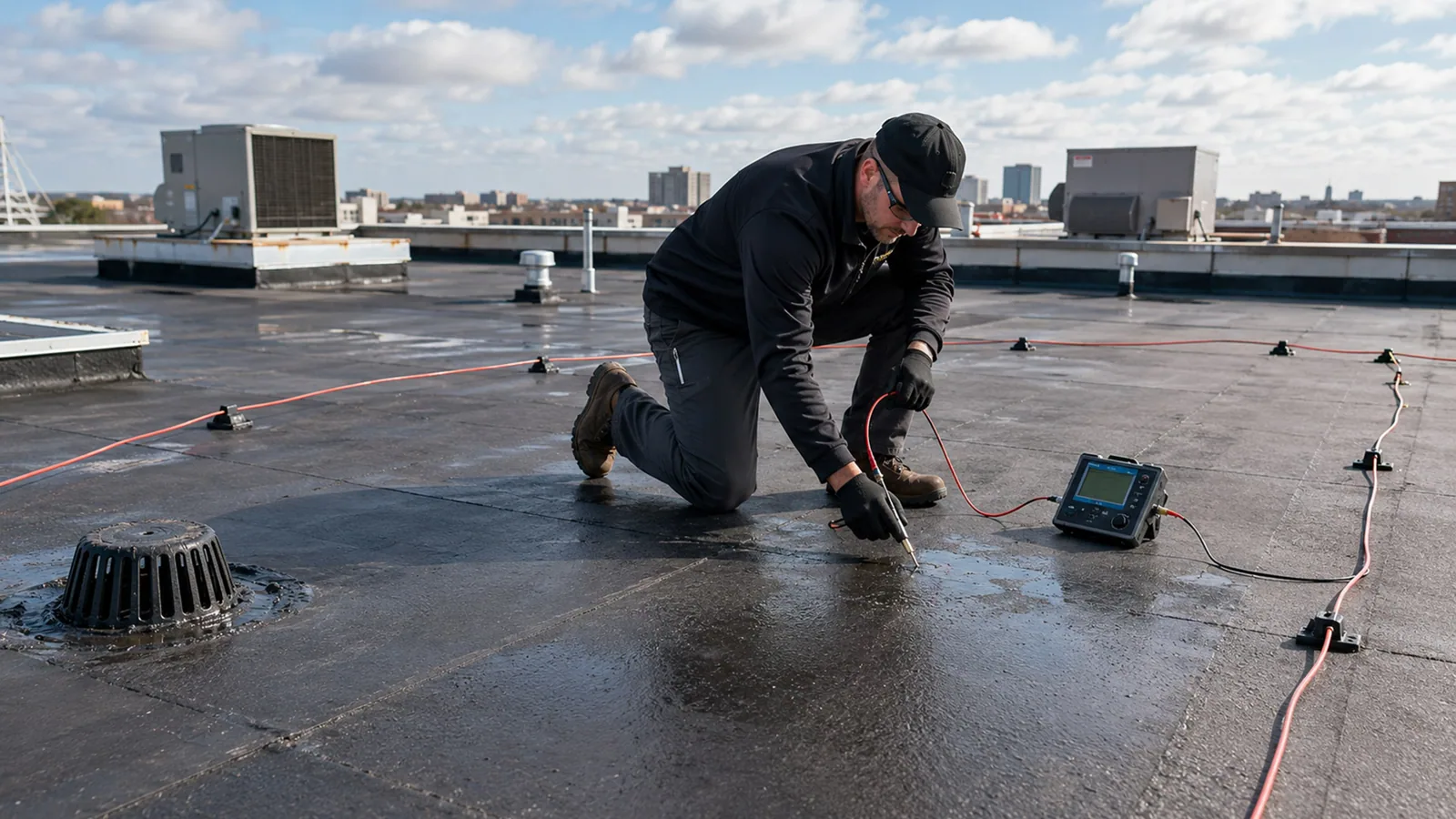
Commercial Roof Inspection in Murrieta, CA
See how this work fits the roof, the building and the schedule.
Learn More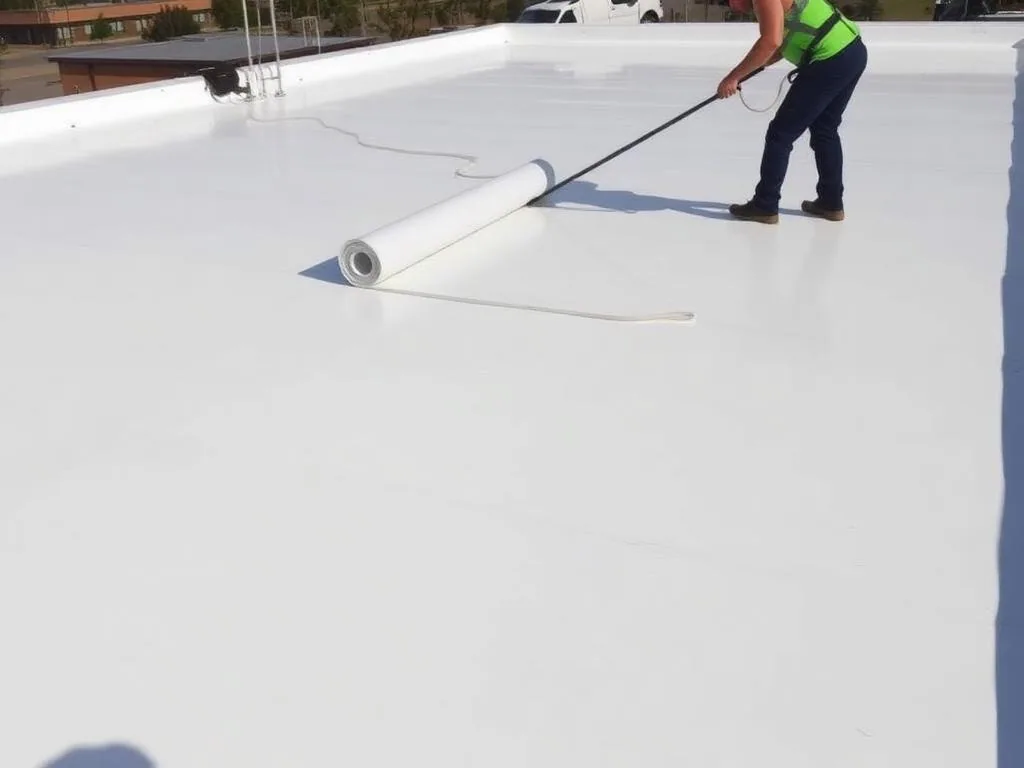
Commercial Roof Coating Restoration in Murrieta, CA
Related scope, access notes and questions to ask before work starts.
Learn More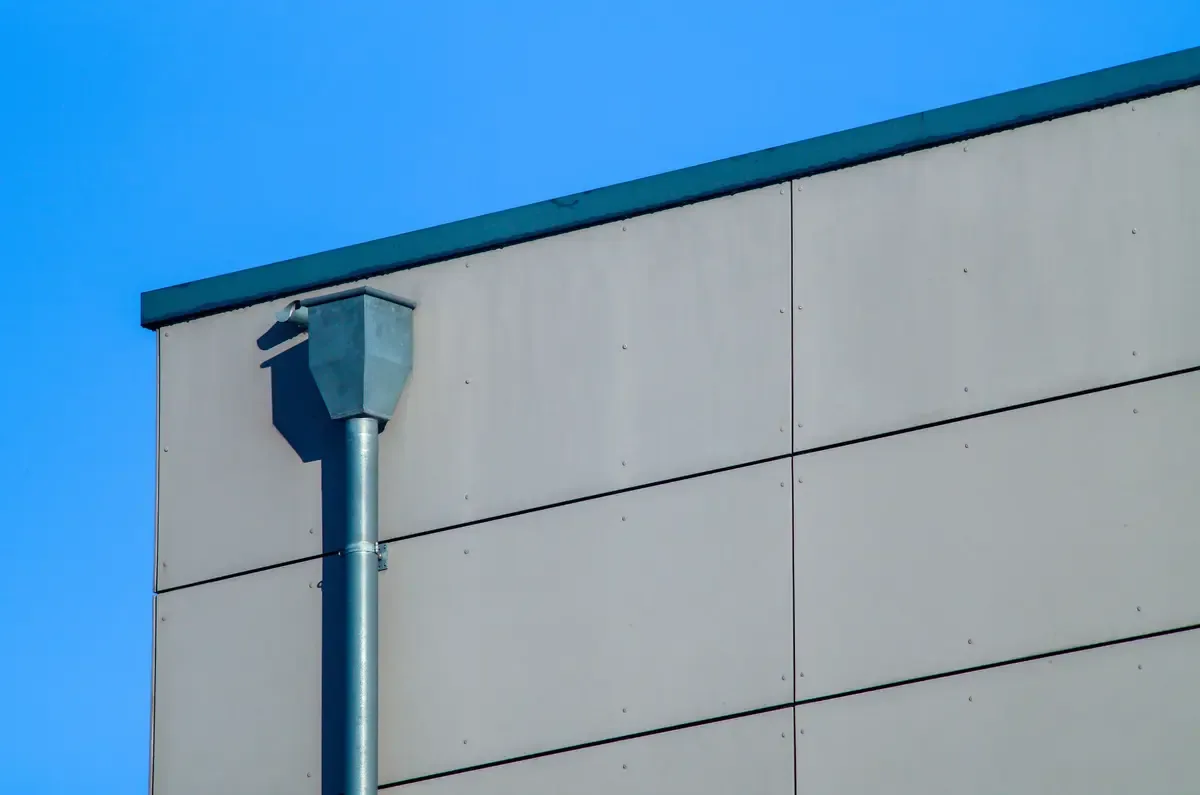
Commercial Roof Drains and Scuppers in Murrieta, CA
Read the full description and the questions owners ask about it.
Learn More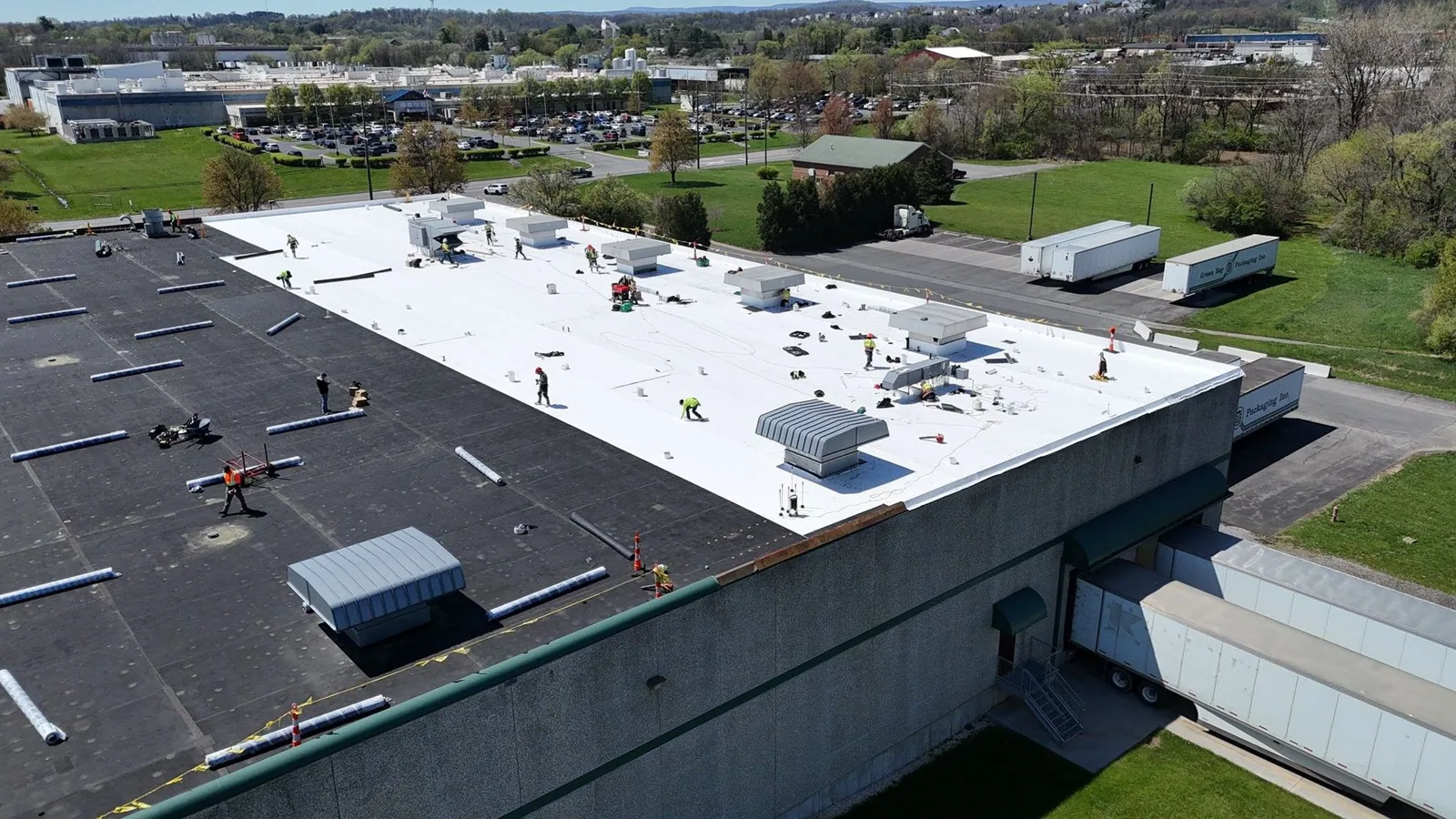
Commercial Roof Repair in Murrieta, CA
See how this work fits the roof, the building and the schedule.
Learn More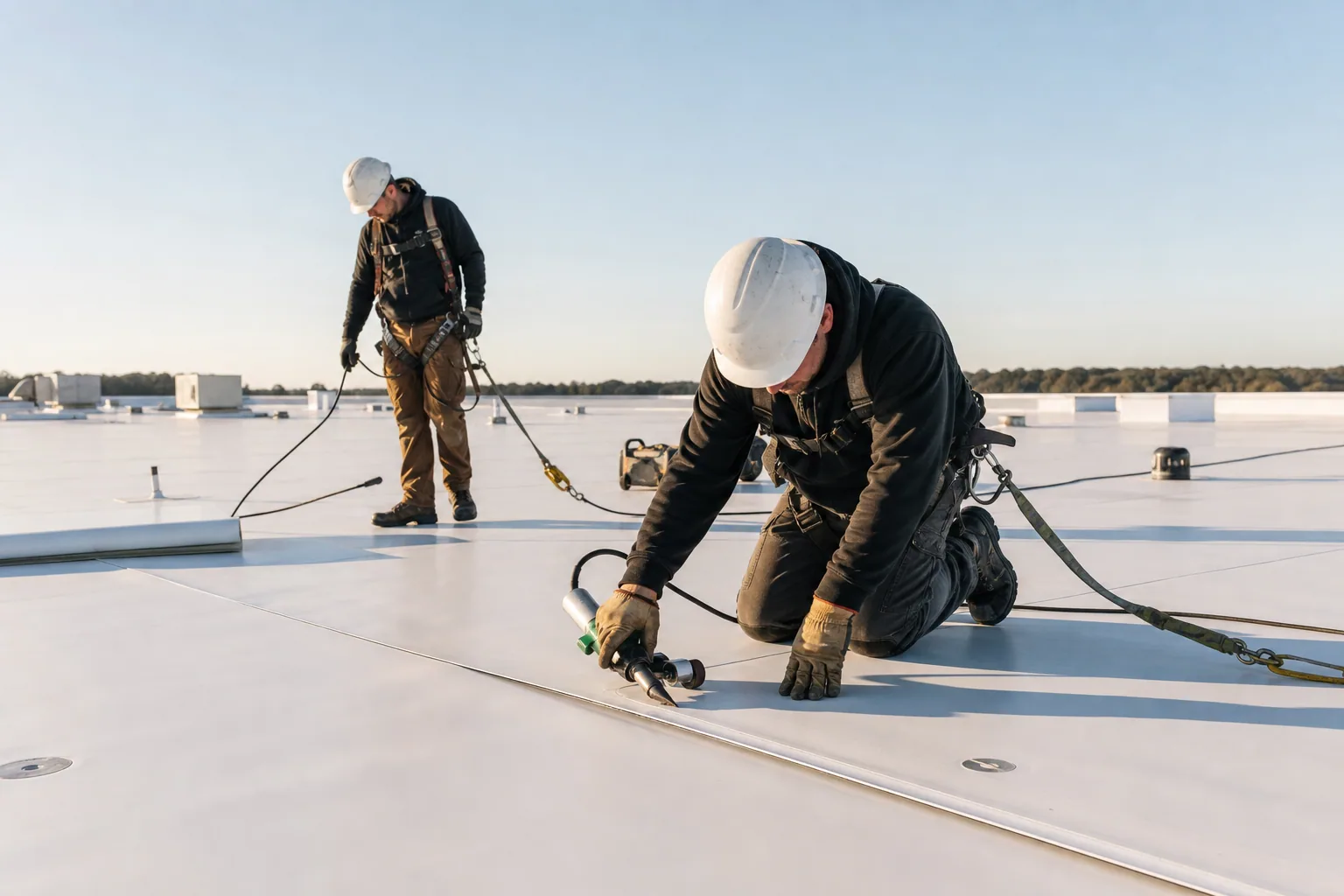
Commercial Roof Recover in Murrieta, CA
Related scope, access notes and questions to ask before work starts.
Learn More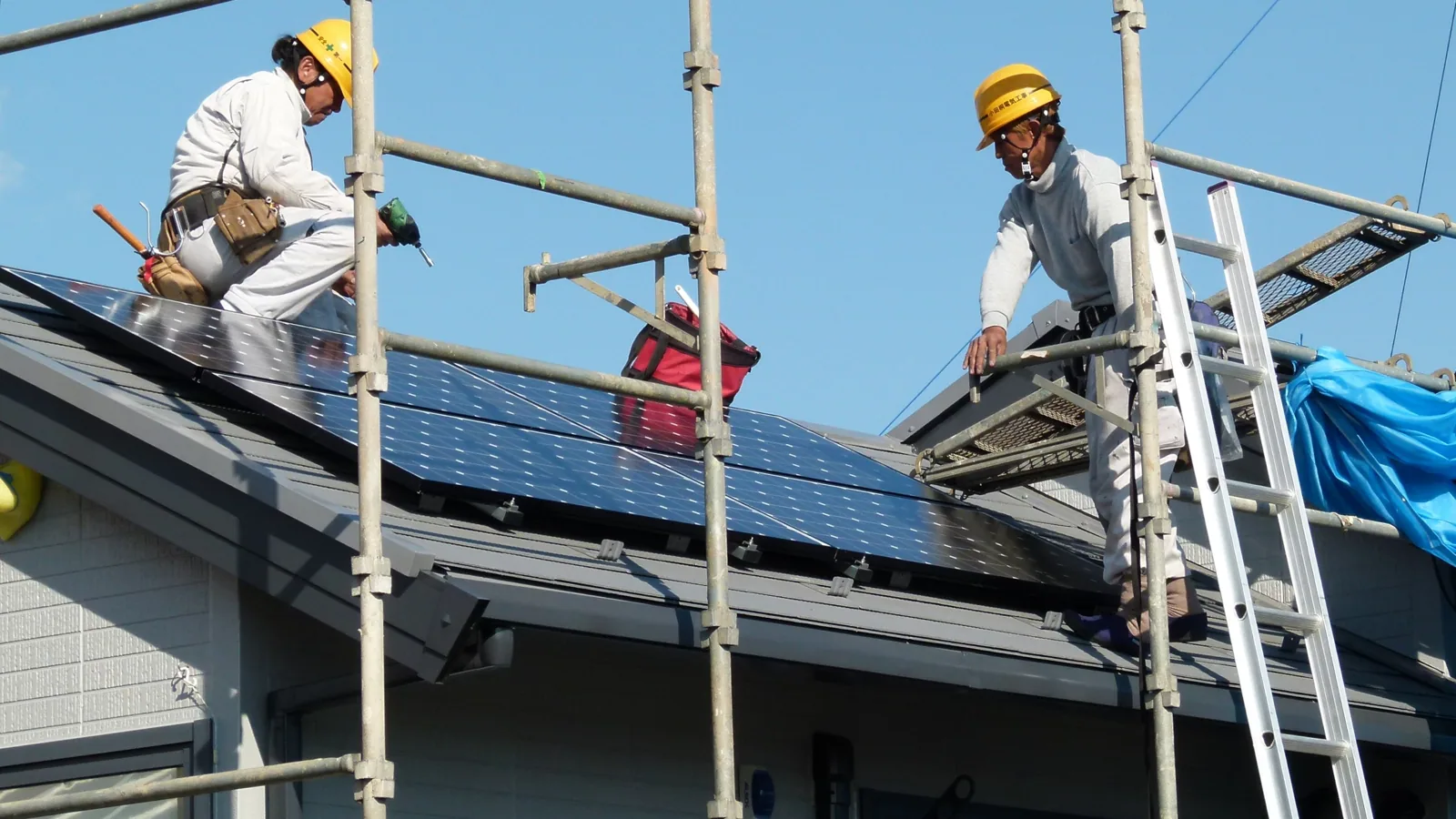
Occupied-Building Commercial Reroofing in Murrieta, CA
Read the full description and the questions owners ask about it.
Learn MoreArrange a commercial roof inspection in Calimesa
Tell us where water appears, what roof work has been done, and which site entrance is available. We will inspect the drainage path and distinguish a field repair from conditions that need more testing.