
Commercial Roofing in Banning, CA
Inspect Banning commercial roofs for seam, drainage, and flashing failures. Compare repairs or replacement with access, equipment, and dry-in details recorded.
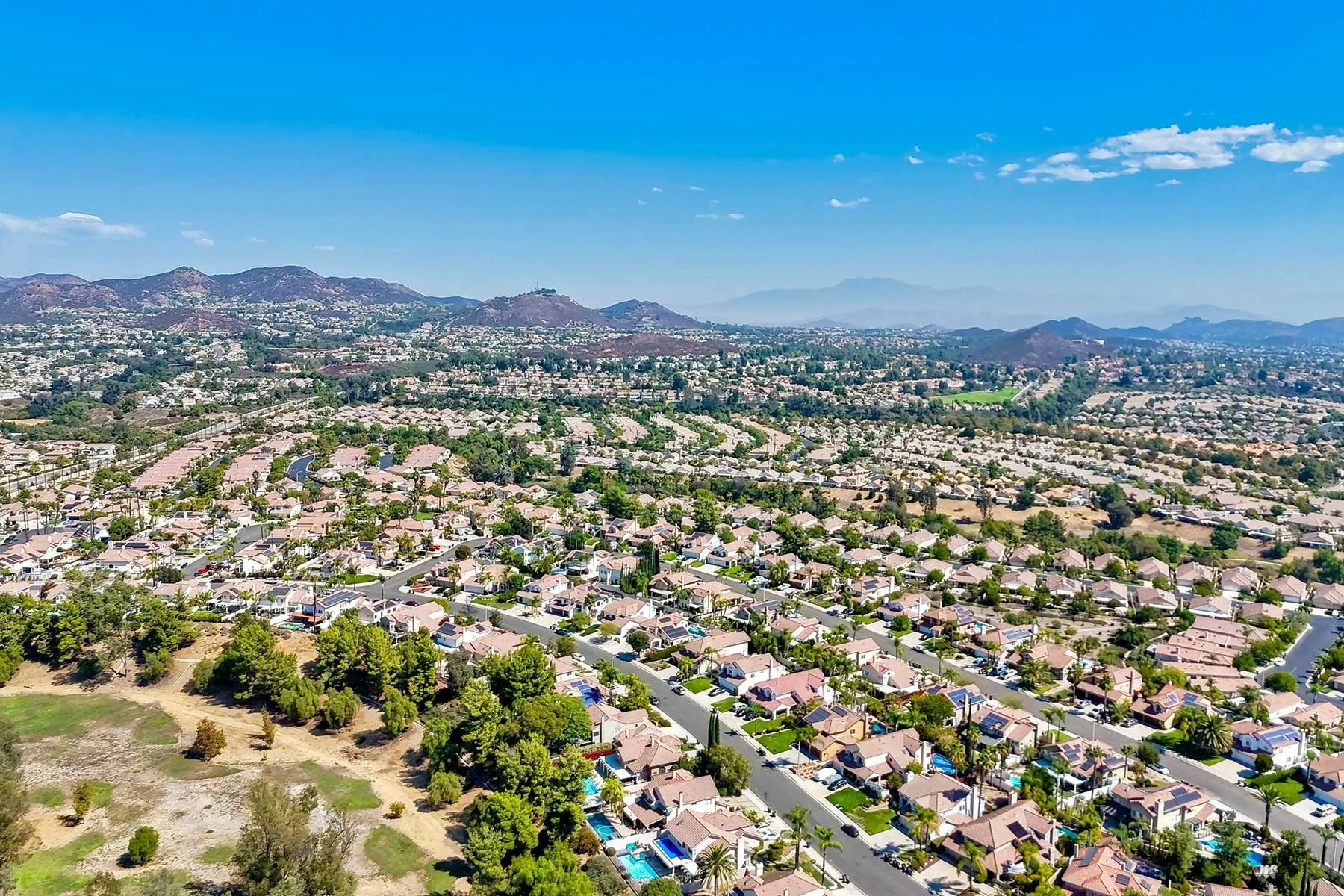
On a Banning building, a roof repair starts with the detail that can fail, not the nearest place name on a map. We check seams, edge metal, curbs, penetrations, drains, and earlier patches, then trace the reported water path to a repairable boundary. Banning sits in the San Gorgonio Pass between Mount San Gorgonio and Mount San Jacinto. That setting identifies the municipality; it does not establish the wind load, roof assembly, or drainage at a specific property.
Banning’s local history records Gilman Ranch adobe as a stage stop on the Colorado Stage & Express route, with rail service replacing the stagecoach route in 1876. Access to a current roof still has to be confirmed at the building: entry, staging, equipment routes, and hours come from the property contact. If one owner also oversees Murrieta’s Jefferson-Madison Corridor, each roof should keep a separate access plan, condition map, and list of unresolved tests.
Mountain setting: separate regional context from roof facts
Mount San Gorgonio and Mount San Jacinto frame the pass around Banning. The geography may orient a facilities team, but a roof scope should not infer exposure or wind damage from the city’s location alone. We look for loose perimeter metal, lifted membrane edges, open laps, displaced coping, and failed sealant at the actual building. We photograph each condition and note whether nearby material can accept a tie-in. A commercial roof inspection turns those observations into a map and a repair decision.
Before ordering material, the owner confirms the gate, lift placement, loading area, and any route used by tenants or other trades. We mark which roof sections can be reached and how daily weather protection will be restored. That information influences schedule and staging, while the roof inspection sets the technical scope.
Electrical coordination: protect the roof around equipment
Banning operates a publicly owned electric utility. That municipal fact does not identify the service arrangement at an individual property, so a roof plan for future solar or new rooftop equipment starts with the owner’s electrical drawings and utility coordination. We inspect existing penetrations, curbs, support bases, conduit paths, and flashing. Any new support must be tied into the roof assembly without leaving an open path for water. The curb and support scope should identify who provides each detail and how it is closed.
A membrane system needs compatible details at every change in plane and every opening. We compare the existing field material, seam construction, attachment, insulation, and edge conditions before specifying a repair. If the roof is a rubber membrane assembly, repair materials and preparation must match that system. A different surface may call for a different method. We document any area needing a test cut before setting the final boundary.
Work sequence: plan staging before removal
Before the roof opens, the site contact confirms safe access, delivery timing, staging, lift setup, and any area that must remain clear. We divide the roof into daily zones and set the dry-in point for each one. On an occupied building, the plan includes tenant entries, loading, rooftop equipment, and the person who can approve a field change. An occupied-building reroof plan keeps work limits visible and makes it clear when a crew stops to review concealed conditions.
Cost and duration follow removal depth, wet insulation, deck repairs, perimeter metal, flashing transitions, equipment handling, and how much roof can be worked safely at once. We separate observed quantities from allowances for concealed material. A replacement scope should describe demolition, new insulation, attachment, edge details, and closeout rather than burying the sequence inside a single total.
Water route: locate the opening and its neighbor details
Water may travel beneath a membrane or follow a deck before appearing in a room. We compare the interior report with roof seams, wall transitions, penetrations, drains, scuppers, skylights, and prior patches. At each suspect detail, the report records what is visible and what remains unknown. If insulation may be wet, moisture testing or a test opening can determine whether the repair is local or extends into another roof zone. A moisture survey can help define where further verification is warranted.
Drainage is checked from high point to outlet. We clear a safe inspection path, examine the bowl and strainer, and follow any overflow route. A blocked drain, a low roof plane, and a loose flashing detail call for different corrections. A drainage inspection should explain the observed condition, not simply label a roof as ponding. That lets the owner choose whether the next step is a cleanout, a detail repair, or further testing.
Scope choice: keep the repair edge defensible
A localized repair can work when the opening is found and the surrounding membrane remains sound. The proposal should name preparation, compatible material, tie-in limits, and any nearby detail excluded from the repair. If similar failures appear at several seams or curbs, repeated small patches may not give the owner a durable boundary. A commercial roof repair should distinguish a confirmed defect from suspected moisture and identify what would change the recommendation.
A recover adds a layer, so we check layer count, attachment, moisture, deck capacity, drain height, flashing, and edge clearance. Replacement may compare better when insulation is broadly wet or the assembly cannot accept added height. We show the findings that support each option and the cost drivers tied to removal, equipment, edge metal, and phasing. A recover review should include the new drain and edge conditions, not only the field membrane. The owner can then compare work with a defined scope and a clear list of assumptions.
Closeout: retain the roof record with the property
At handoff, keep dated photos, a roof-zone map, product and repair information, approved changes, and any open item for testing or later maintenance. Use the same zone labels on the inspection, proposal, and closeout so the next facilities contact can locate the seam or drain under discussion. A photo condition report preserves the before-and-after evidence and records what was not part of the completed work.
Murrieta’s Jefferson-Madison Corridor is a separate planned business area, not a substitute for Banning site notes. A Calimesa roof review and a Corona roof inspection should stay in separate municipal records. Share the use below, the roof history, the reported leak area, and the next available access window to arrange an inspection. We will document the boundary and the decision it supports.
Commercial Roofing Questions
Does Banning’s pass location prove a roof has wind damage?
No. The City’s setting between Mount San Gorgonio and Mount San Jacinto is geographic context. We inspect the actual perimeter, laps, coping, and penetrations, then document what is loose, torn, or open before assigning a repair scope.
How should a roof project account for new rooftop equipment?
Start with current electrical drawings, the roof assembly, and the proposed support and conduit locations. We detail each curb or penetration with compatible flashing and record which trade owns the equipment connection and roof closure.
What does a useful repair boundary include?
It identifies the defect, preparation area, compatible material, tie-in edge, and any nearby condition left for testing. If moisture may extend past that line, we call out the test area before the owner approves a larger repair.
When is a recover worth comparing with replacement?
The existing layers must be dry enough, attached, and supported by the deck; drains and edge details also need room for another layer. We record those checks and compare removal, deck work, insulation, and phasing before recommending either scope.
What belongs in the roof closeout for a multi-city owner?
Keep site-specific photos, zone names, product details, approved changes, and open items with that building’s record. A Banning roof file should not inherit Murrieta assumptions or another property’s access and assembly history.
Related Roofing Work
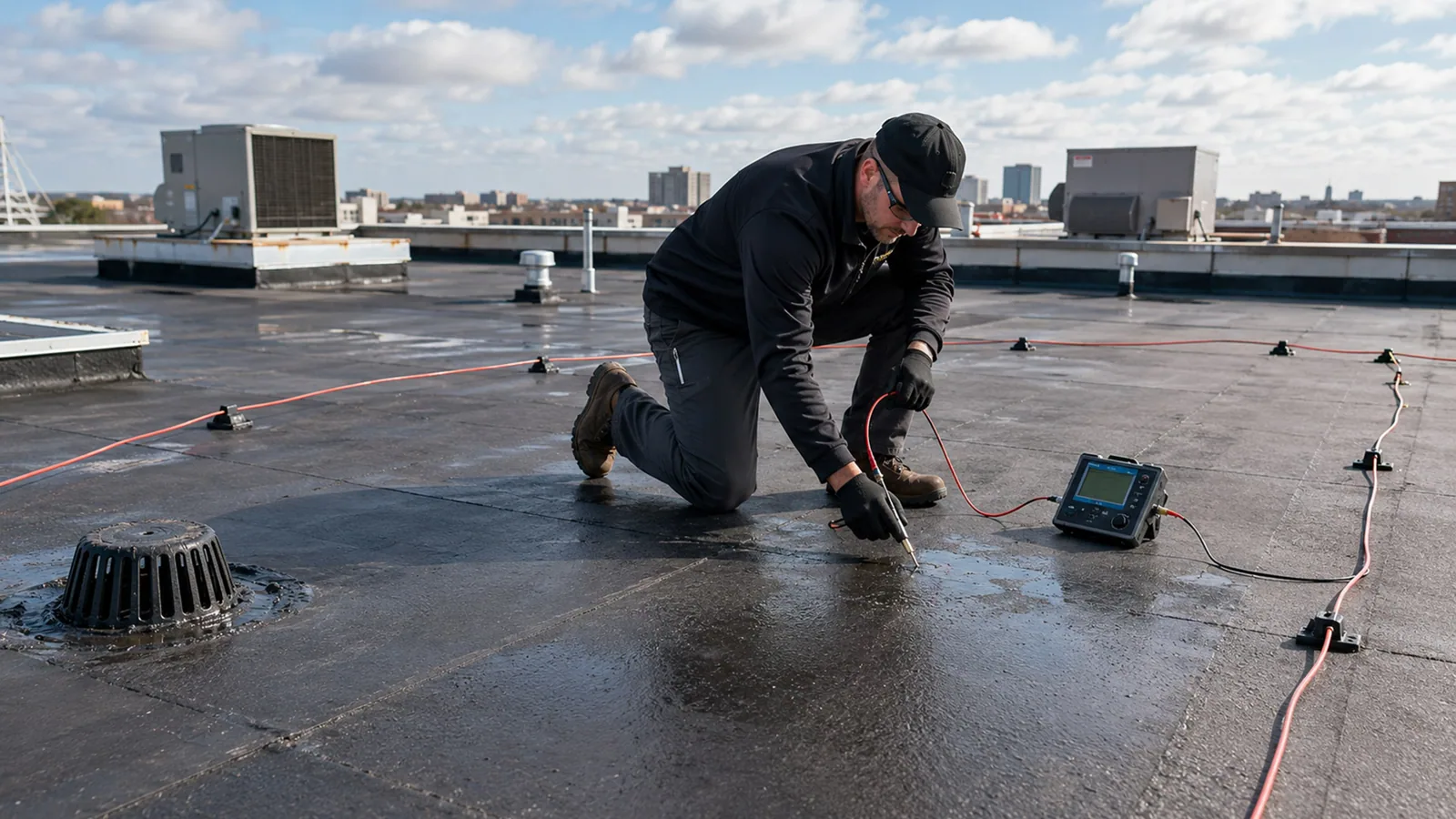
Commercial Roof Inspection in Murrieta, CA
See how this work fits the roof, the building and the schedule.
Learn More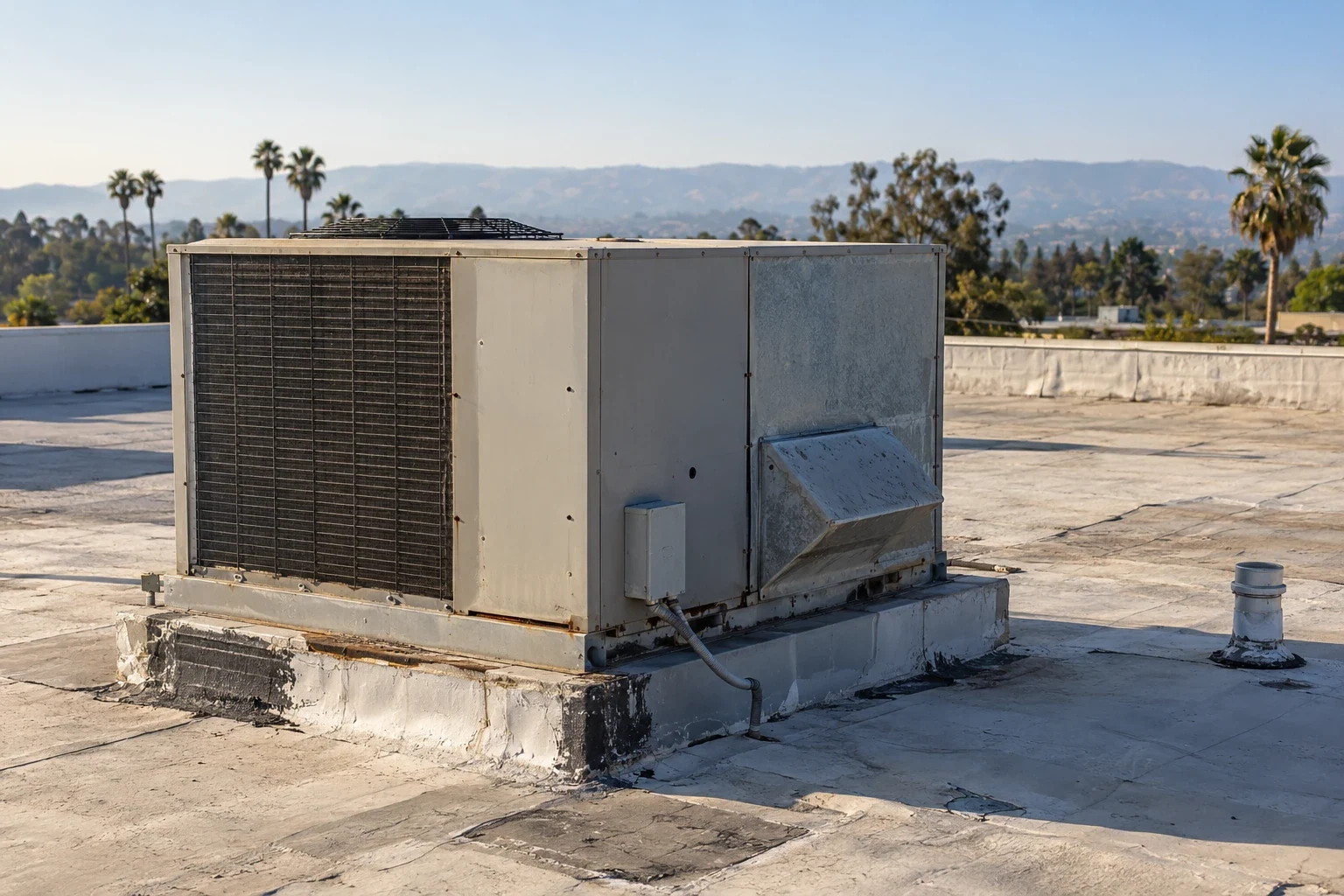
Rooftop Equipment Curbs and Supports in Murrieta, CA
Related scope, access notes and questions to ask before work starts.
Learn More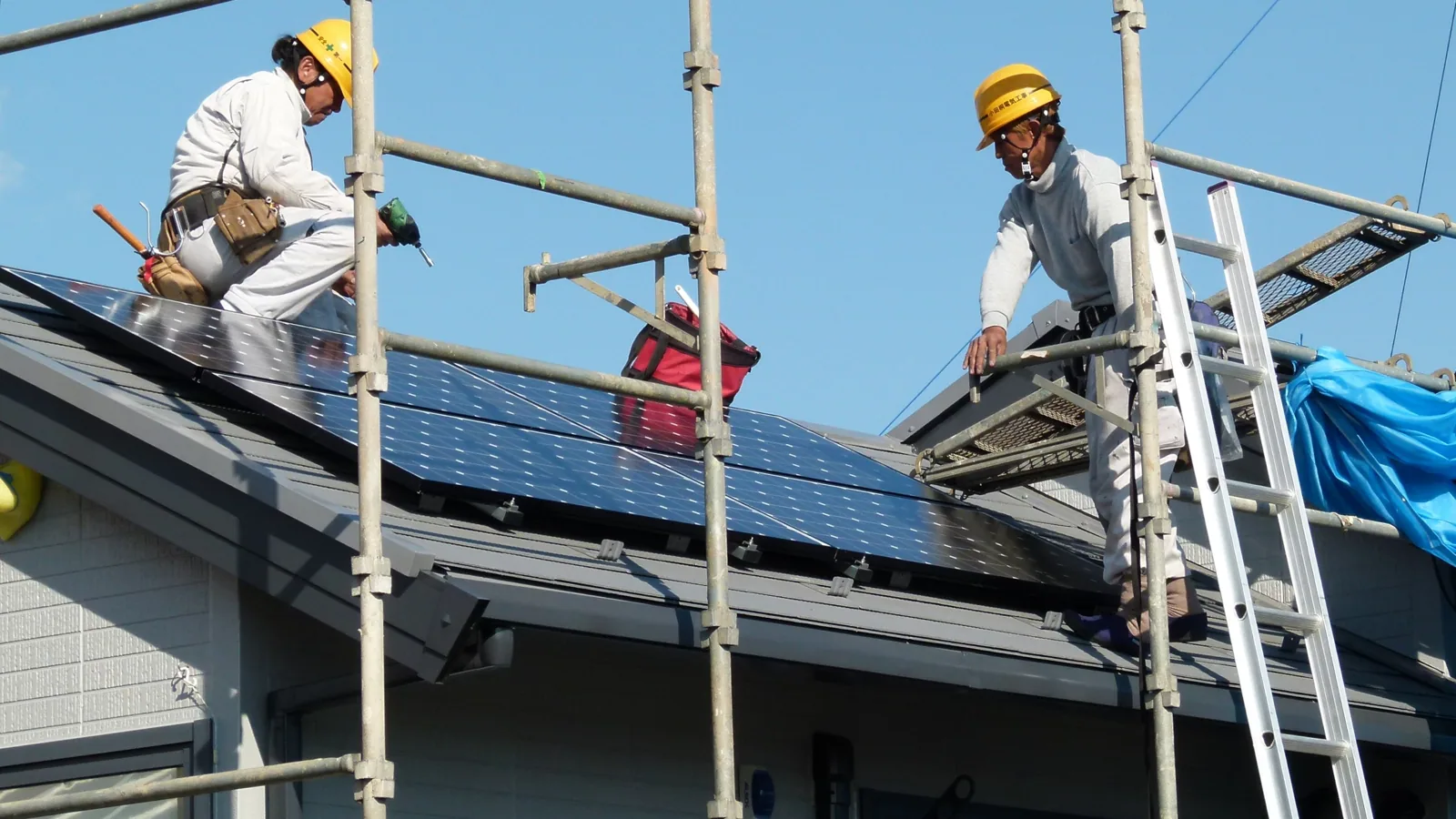
Occupied-Building Commercial Reroofing in Murrieta, CA
Read the full description and the questions owners ask about it.
Learn More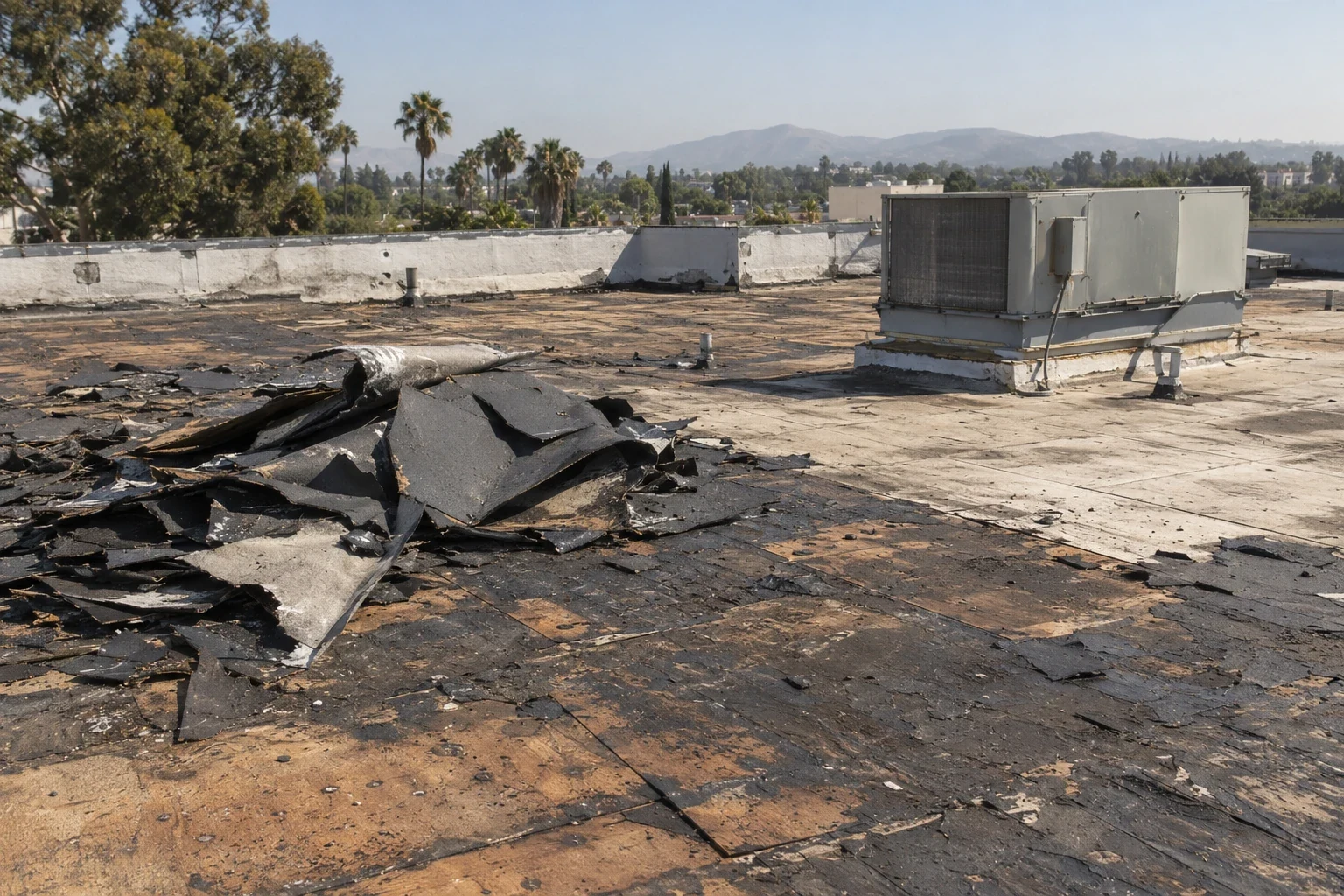
Commercial Roof Replacement in Murrieta, CA
See how this work fits the roof, the building and the schedule.
Learn More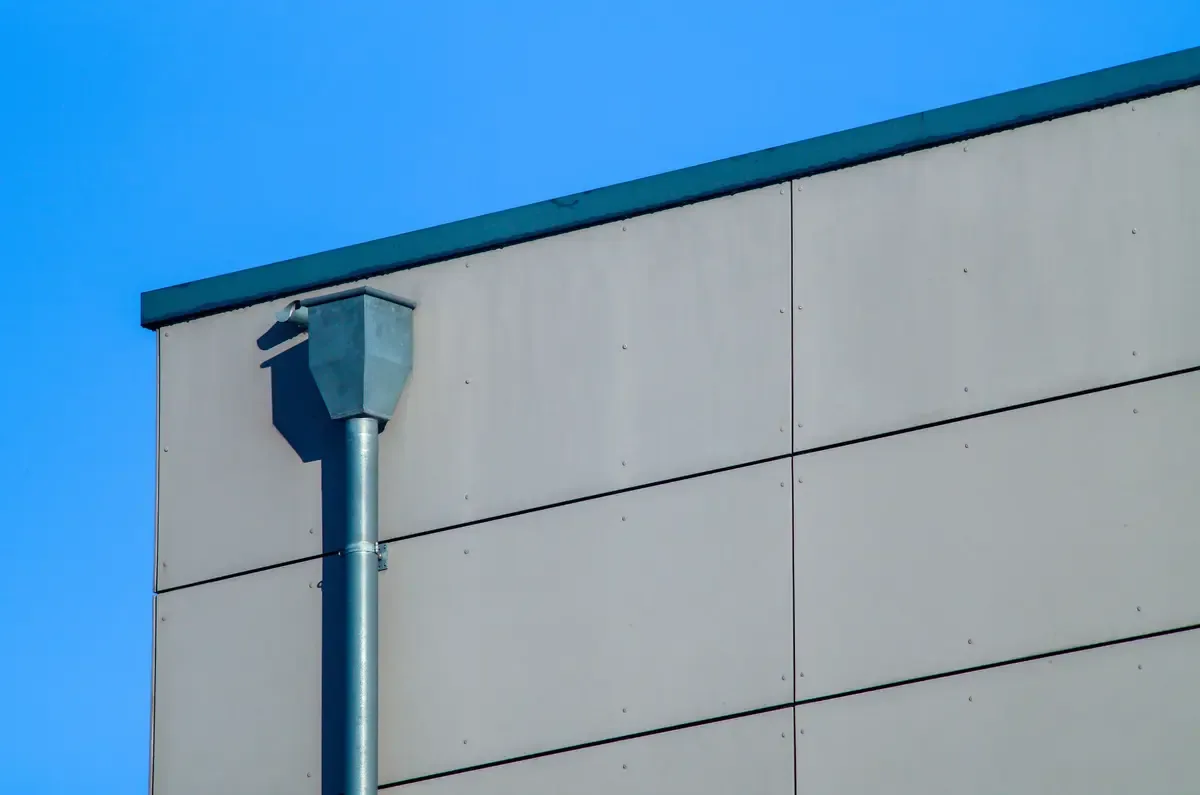
Commercial Roof Drains and Scuppers in Murrieta, CA
Related scope, access notes and questions to ask before work starts.
Learn More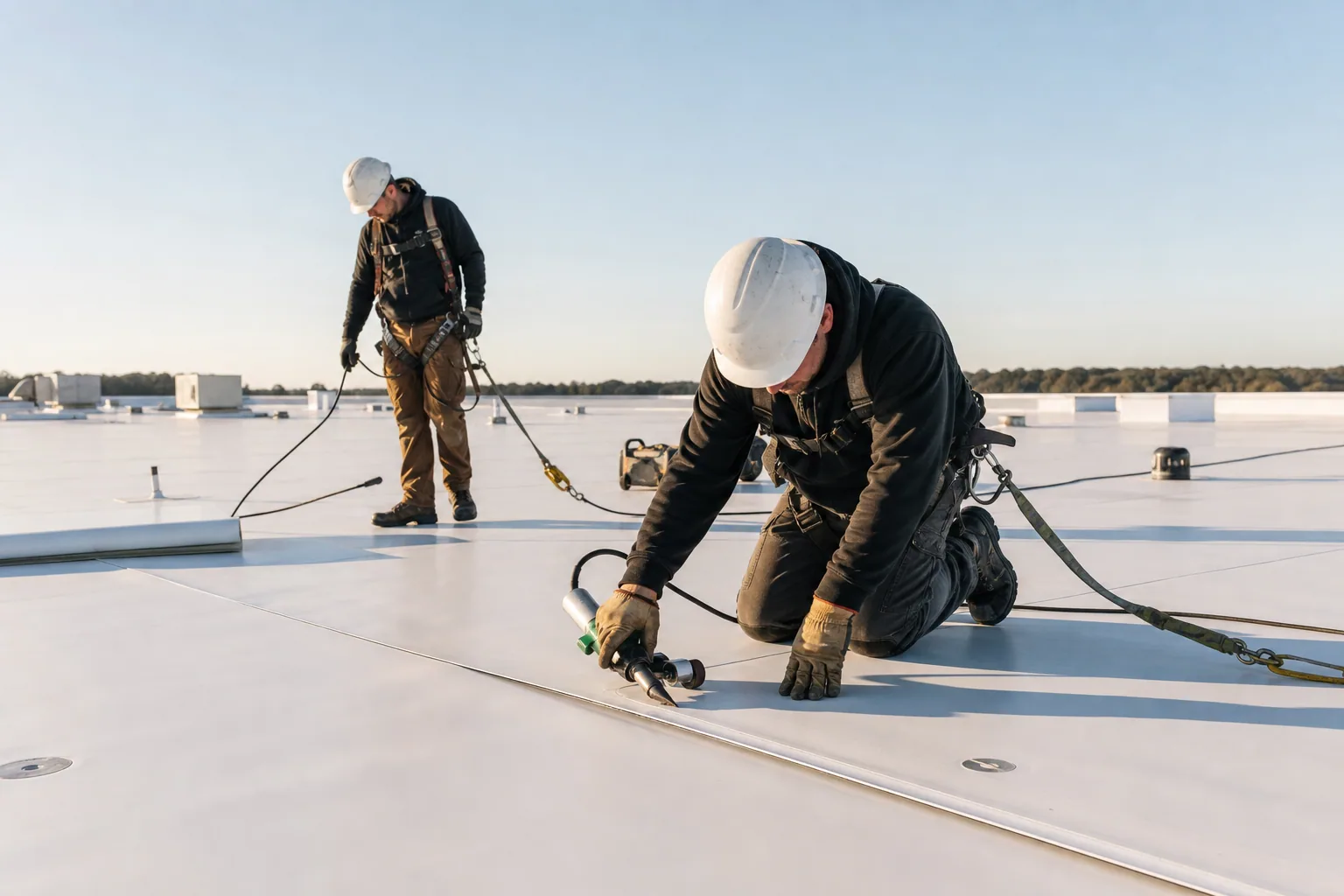
Commercial Roof Recover in Murrieta, CA
Read the full description and the questions owners ask about it.
Learn MoreArrange a commercial roof inspection in Banning
Share the building use, roof history, current concern, and safe access window. We will map visible conditions, define a repair boundary, and return a documented scope for review.