
Grocery Store Roofing in Murrieta, CA
Plan grocery store roofing in Murrieta, CA, with attention to refrigeration equipment, receiving, customer access, drainage and daily roof closure.
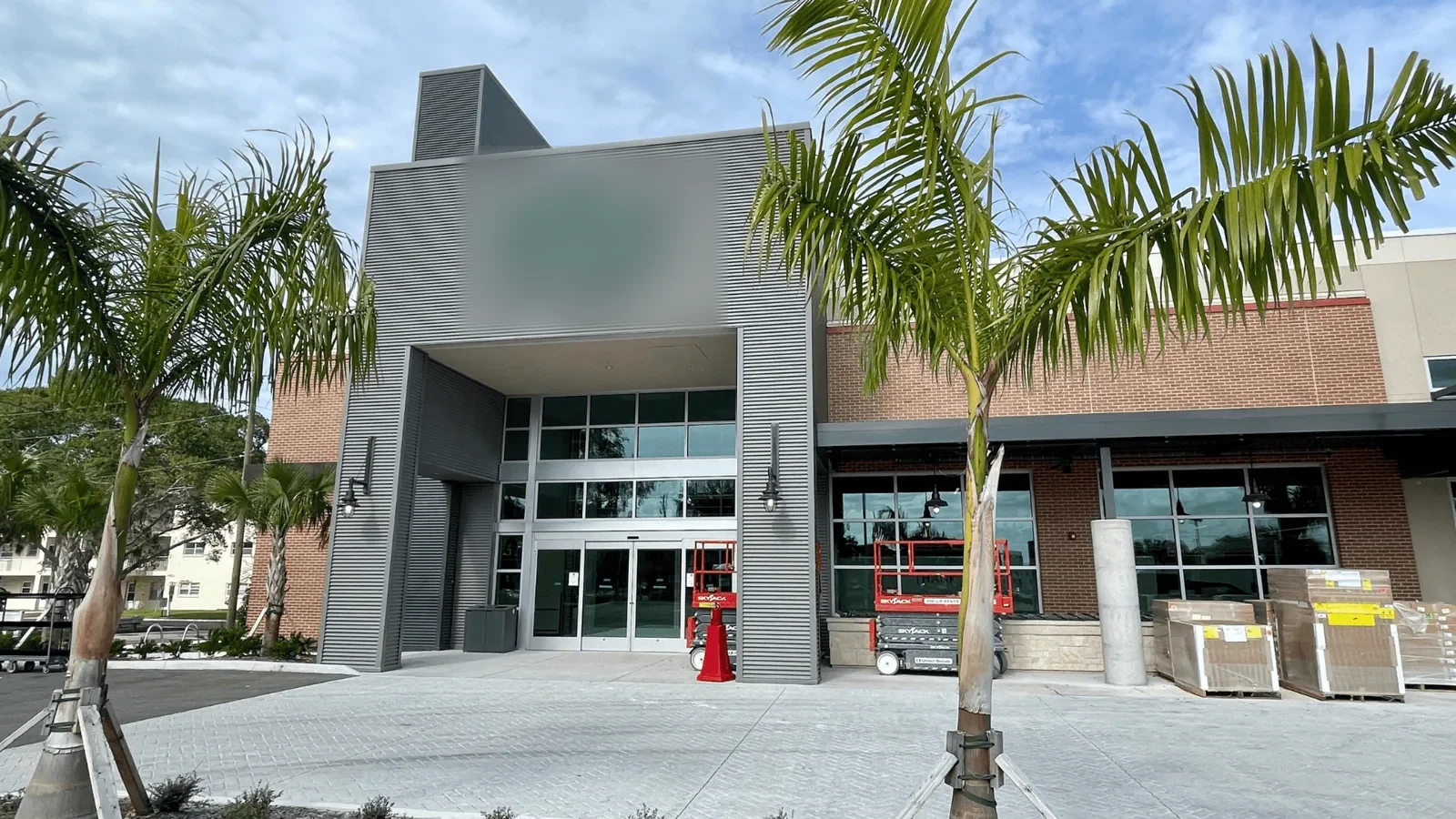
Refrigeration equipment can keep running while a roof detail needs attention, so a grocery reroof needs a clear handoff between trades. Grocery store roofing in Murrieta begins with the membrane or metal already installed, the equipment above it and the rooms below it. We trace leaks, check drains and curbs, and identify what must remain protected before setting a work sequence. Murrieta’s economic-development materials identify medical services and manufacturing among local priorities, while nearby Temecula calls out advanced manufacturing and medical devices. Those are regional planning facts, not a statement about grocery inventory. We use the building itself to set the scope. A roof inspection can show whether repair or replacement is supported by the condition.
Cold Cases: Check the Roof Around Refrigeration
Refrigeration lines, condensers, exhausts and electrical connections may cross the roof through curbs, supports or penetrations. We check each flashing base for movement, open corners and past repairs, and preserve service access for the refrigeration technician. If a leak appears over a cooler or prep room, we compare the interior mark with seams, drains and nearby penetrations. Condensation and a roof leak can leave similar symptoms, so the inspection should identify what was confirmed and what needs another trade to review. A curb and support inspection can tie the roof repair to the actual equipment detail.
Store operations may require refrigeration to stay active during roofing. We identify what can be isolated, which technician owns the equipment, and whether roof access is needed during the work window. A temporary cover must be installed without blocking a service route or creating a new low point. If insulation is wet, the scope should explain whether it will be opened and replaced. We mark each affected area so the store manager can connect the work to the cooler, sales floor or receiving space below.
Receiving and Sales: Keep Routes in the Plan
Deliveries, customer entrances, cart storage and waste pickup compete for the same yard and parking areas that may be needed for a lift or tear-off bin. We ask when trucks arrive, where products are received and which entrances cannot be blocked. If a roof section sits above the receiving area, the sequence should protect the opening below and keep material handling separate from the crew route. A phased occupied-store reroof plan can reduce how much roof is active at once, while the daily closure confirms the store is protected overnight.
Murrieta’s Madison corridor procurement describes Business Park and Innovation zoning as planned land use, not a grocery inventory. Temecula lists advanced manufacturing, including medical-device production and injection molding, among its business-attraction interests. Perris planning materials describe the Downtown Promenade as a planned mix of retail, restaurant, service, entertainment and residential uses. These regional facts do not identify a store or its roof. The individual property’s operating calendar and access policy control the project. We confirm those details with the manager before setting delivery and staging assumptions.
Roof Layers: Protect the Drainage and Insulation
A grocery roof may have multiple layers, past patches, rooftop equipment and separate drainage sections. We identify the existing system and check seams, attachment, insulation and perimeter details. If water has reached insulation, a surface coating will not correct the trapped moisture. A recover fits only when the existing layers remain suitable and added height works at drains and curbs. We document each test opening and the condition it confirms. Compare shopping-center roof work for a broader tenant mix and restaurant roof details where exhaust and kitchen operations influence access.
The replacement scope should state how roof openings are protected, how coolers or condensers remain serviceable, and what happens if a test reveals concealed damage. We include insulation and cover-board assumptions, flashing at equipment, drain work, edge metal and daily tie-ins. Those details affect timing and cost, as do tear-off, disposal, lift access and the number of work phases. If a refrigeration contractor needs to enter the roof zone, the plan should show who coordinates the appointment and how the roofer verifies the flashing after service is complete.
Water Path: Check Outlets and Overflow
Murrieta’s climate assessment records a historical annual precipitation average and a range of future scenario results. It links changing precipitation patterns with potential flood events and drought. Those planning figures do not predict a leak at a specific store. We inspect the actual roof pitch, drain bowls, strainers, scuppers and overflow paths, then note ponding or water that reaches a wall transition. A drain and scupper review can address the outlet connection if it is blocked, loose or poorly flashed. If the roof slopes away from the drain, we identify whether insulation design or another correction is needed.
Equipment service, sign work and delivery traffic can disturb a roof surface after installation. We note the paths technicians use and any protective walk pads that need repair. Around a grocery building, a small opening above refrigerated goods can create a fast operational issue, so temporary protection may come first. We document that action separately from permanent correction. Closeout photographs then show which areas were sealed, replaced or left for future work, helping the store team plan the next roof visit.
Work Sequence: Coordinate Store and Trade Teams
A grocery proposal should identify the roof sections, equipment to remain active, service windows, delivery route, staging area and the rooms below the work. It should explain the removal assumptions, insulation replacement, flashing, drain details, daily dry-in and approval for concealed damage. If the work needs refrigeration shutdown or temporary disconnection, the responsible trade and store manager should agree on those steps before roofing begins. We separate weather protection from permanent repair so the owner knows what has been completed and what still requires a decision.
After closeout, retain the roof map, photographs, material information, equipment curb details and approved changes. A later inspection can compare the same routes and drains. In nearby Temecula, the City’s development review applies to commercial construction, while Murrieta’s corridor plan describes future business uses. Those facts do not tell us a grocery roof’s condition. Request an inspection to review the actual assembly and set a sequence that fits the store’s operating hours.
Commercial Roofing Questions
Can refrigeration keep running during a grocery reroof?
The equipment plan depends on the unit layout and the work section. We coordinate access with the store and refrigeration contractor, identify any required shutdown, and keep temporary protection clear of service routes. The roofer should not disconnect or move equipment without the responsible trade’s approval.
How do you investigate a leak over a cooler?
We compare the interior condition with roof seams, drains, curbs and piping penetrations above it. Water may travel, and condensation can also affect a cold room. The inspection documents tested areas and any operating detail that needs refrigeration review before the permanent repair scope is set.
What roof details matter around grocery equipment?
Curbs, pipe supports, exhaust penetrations and service paths all need compatible flashing and clear access. We inspect the base and membrane together, then record whether a technician can reach the unit after the work. If equipment moves, roofing and refrigeration scopes should identify who restores and checks the finished transition.
Is a coating suitable for a grocery roof?
A coating may be considered only after adhesion, moisture, seam condition and drainage are checked. It does not replace wet insulation or repair a failed curb by itself. We state the surface preparation and repairs included, and compare restoration with recover or replacement when the assembly warrants it.
What should a grocery manager prepare before roof work?
Share delivery hours, customer access needs, equipment service windows, restricted areas and the contact who can approve an added repair. The crew can then set a delivery and staging plan that avoids a receiving rush. The proposal should list daily closure steps and temporary protection for the store areas below.
Related Roofing Work
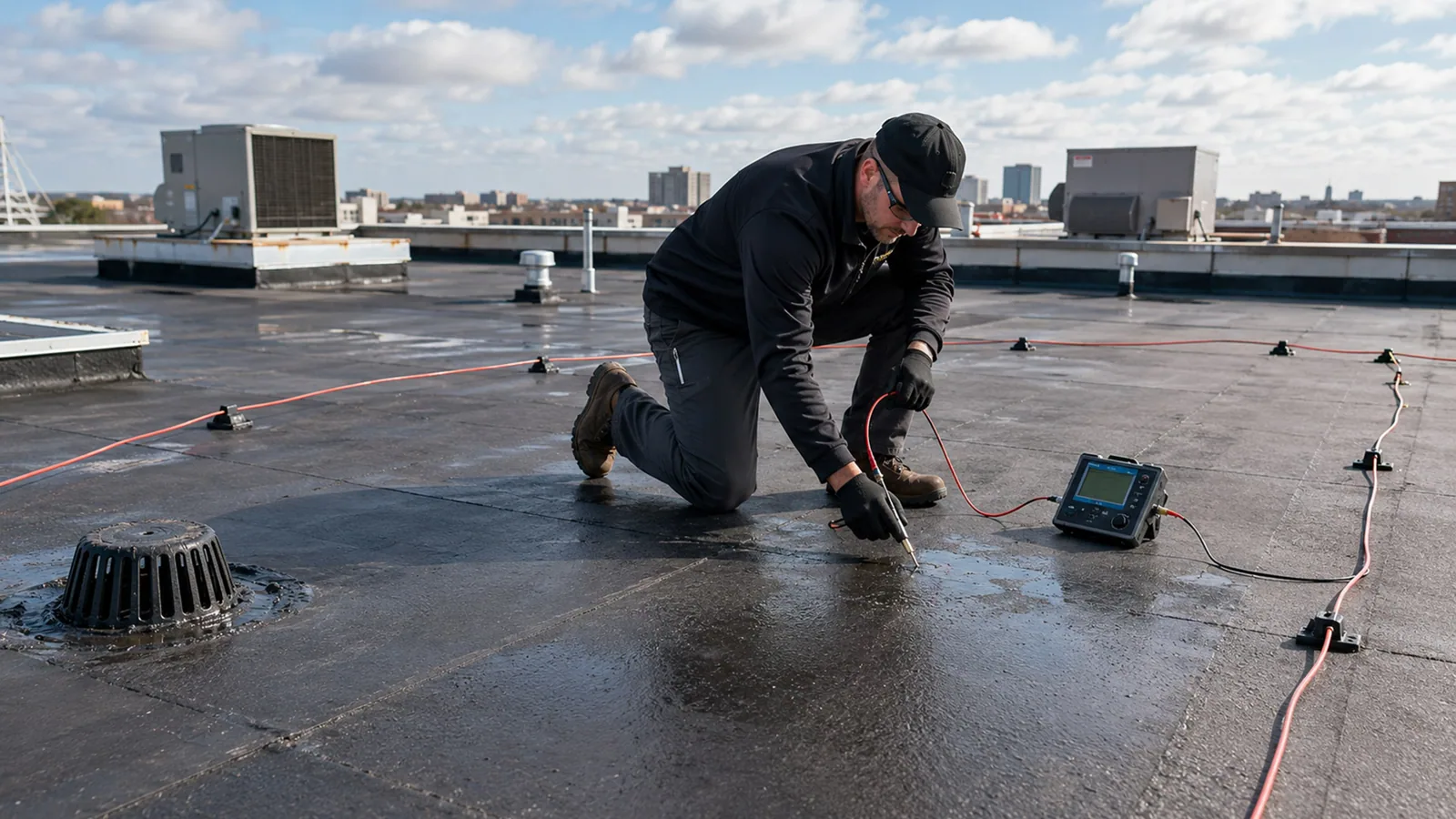
Commercial Roof Inspection in Murrieta, CA
See how this work fits the roof, the building and the schedule.
Learn More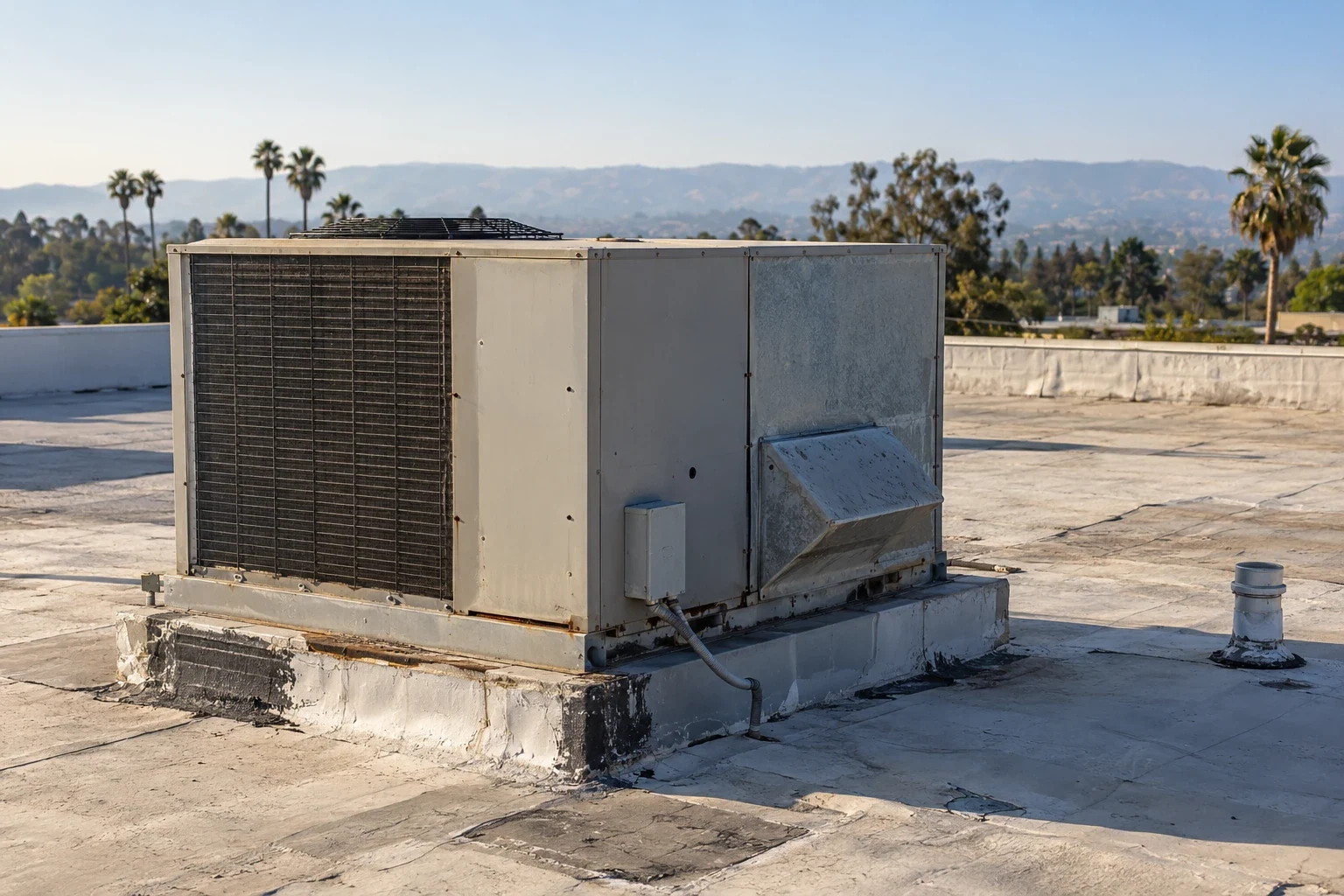
Rooftop Equipment Curbs and Supports in Murrieta, CA
Related scope, access notes and questions to ask before work starts.
Learn More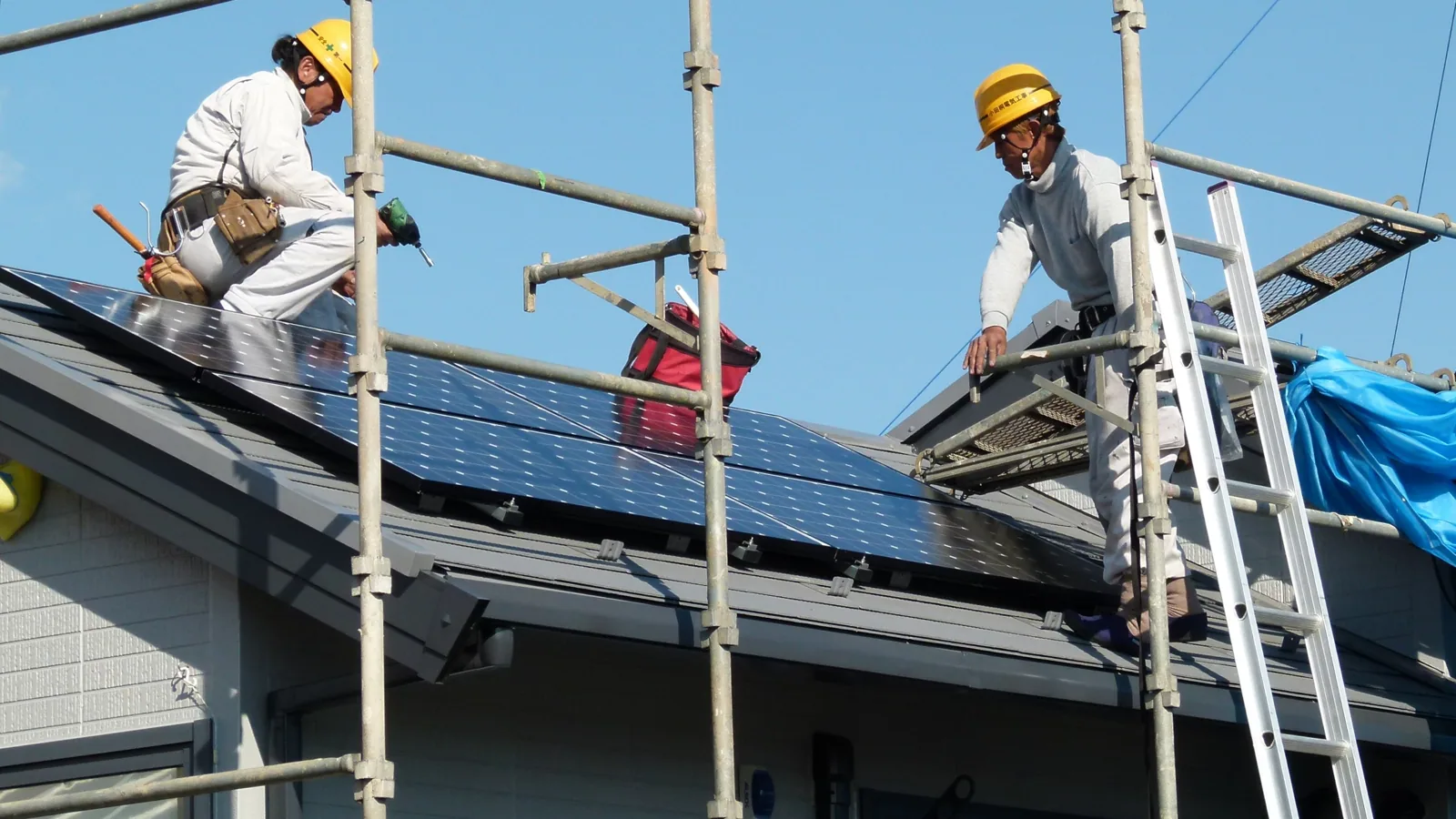
Occupied-Building Commercial Reroofing in Murrieta, CA
Read the full description and the questions owners ask about it.
Learn More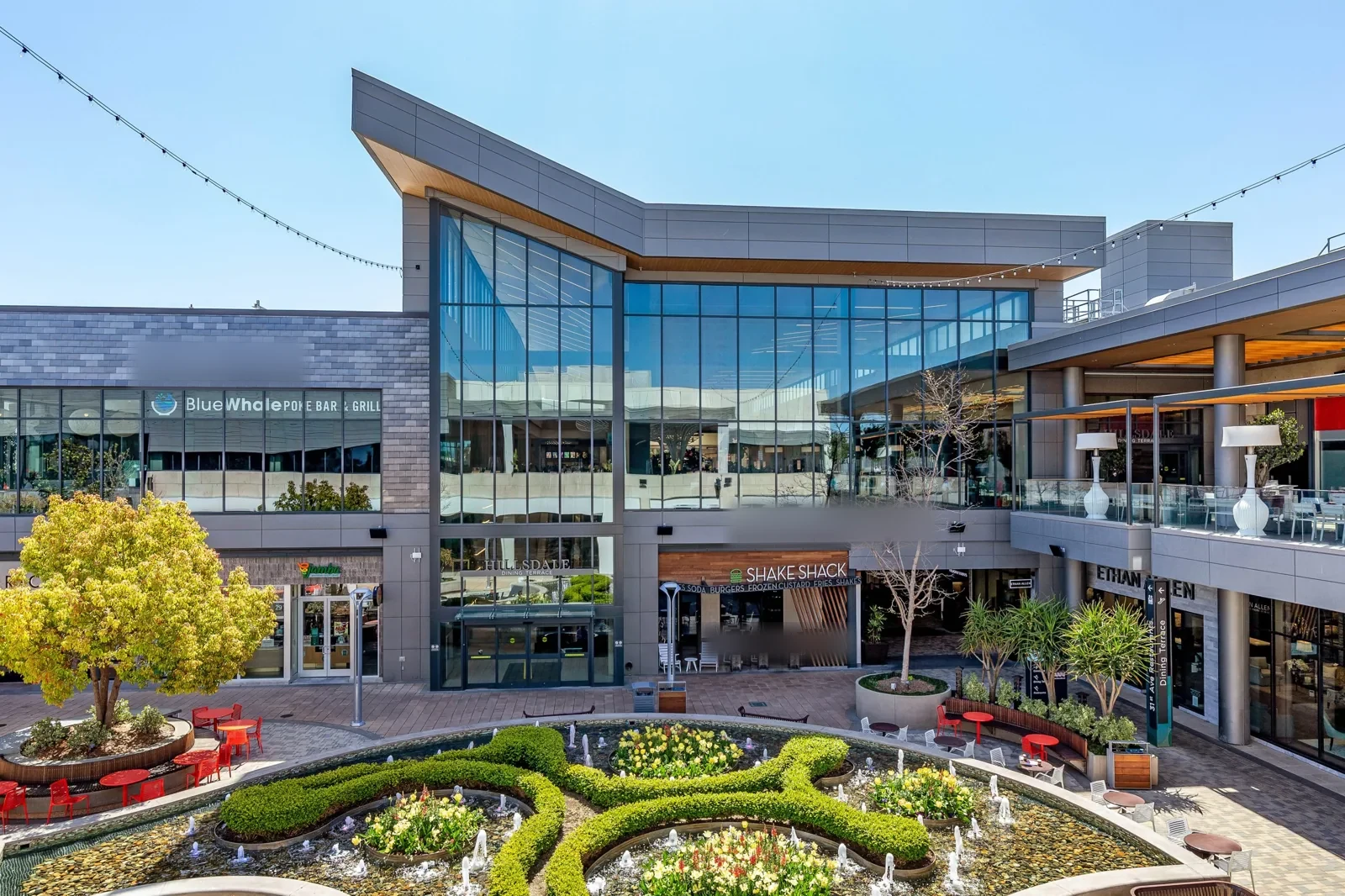
Shopping Center Roofing in Murrieta, CA
See how this work fits the roof, the building and the schedule.
Learn More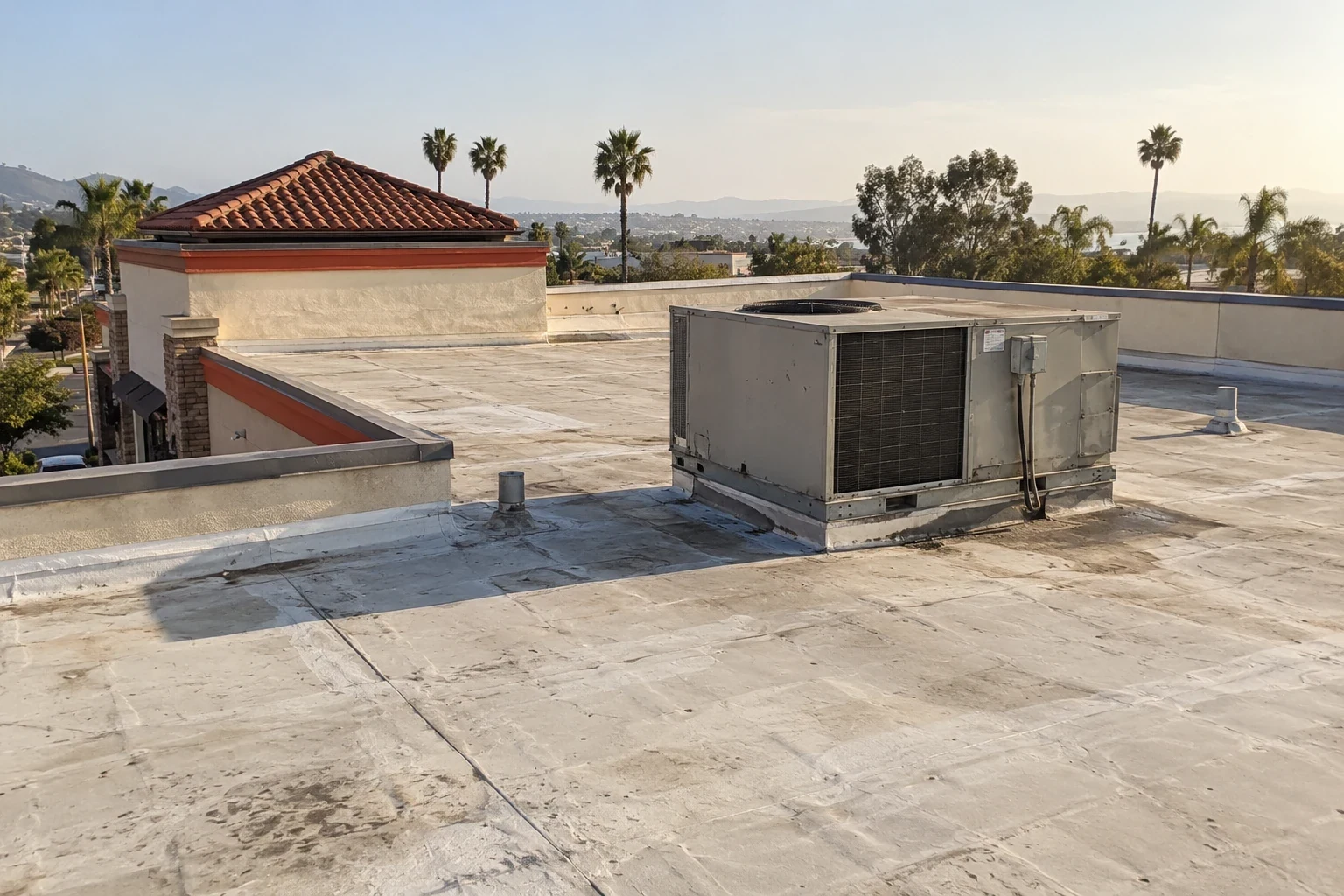
Restaurant Roofing in Murrieta, CA
Related scope, access notes and questions to ask before work starts.
Learn More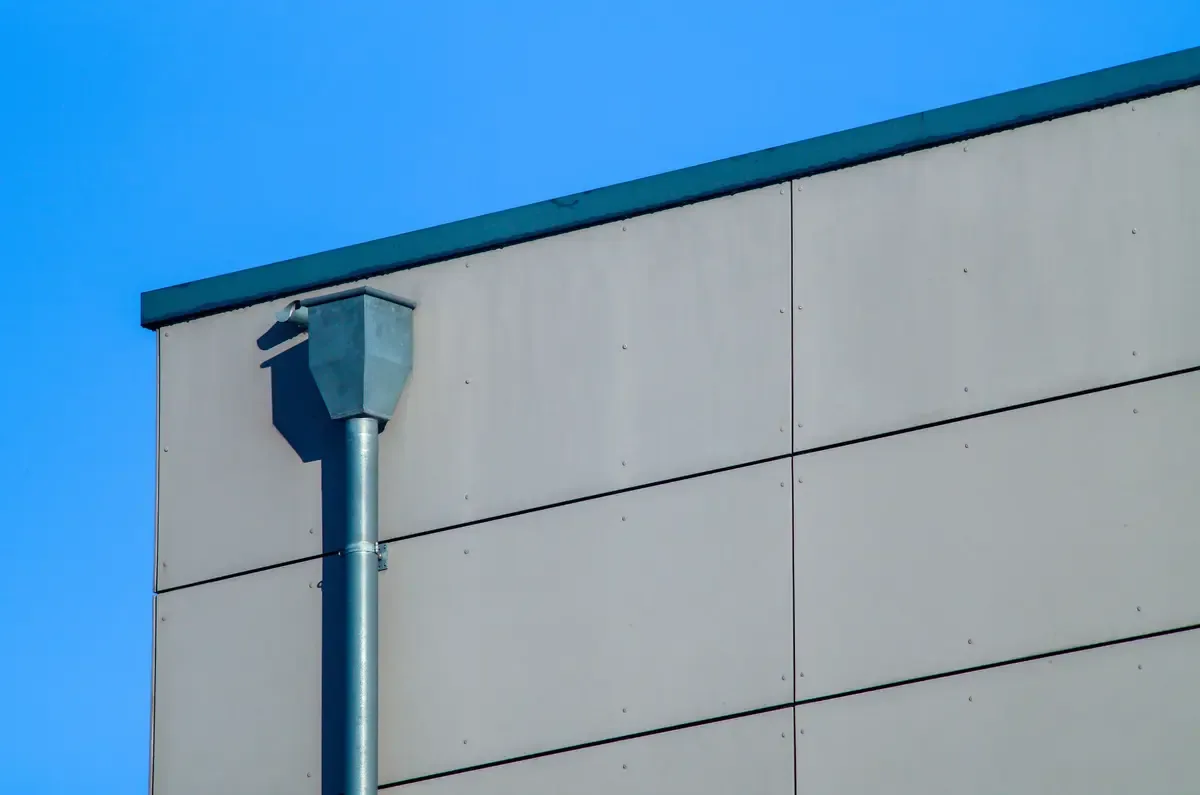
Commercial Roof Drains and Scuppers in Murrieta, CA
Read the full description and the questions owners ask about it.
Learn MoreReview a Grocery Store Roof
Arrange an inspection to map refrigeration penetrations, drainage and access before choosing a grocery roof repair or replacement.