Commercial Wind Damage Roof Repair in Murrieta, CA
Commercial wind damage roof repair in Murrieta starts with a mapped inspection of edges, seams, flashing and interior effects, then a scoped repair plan.
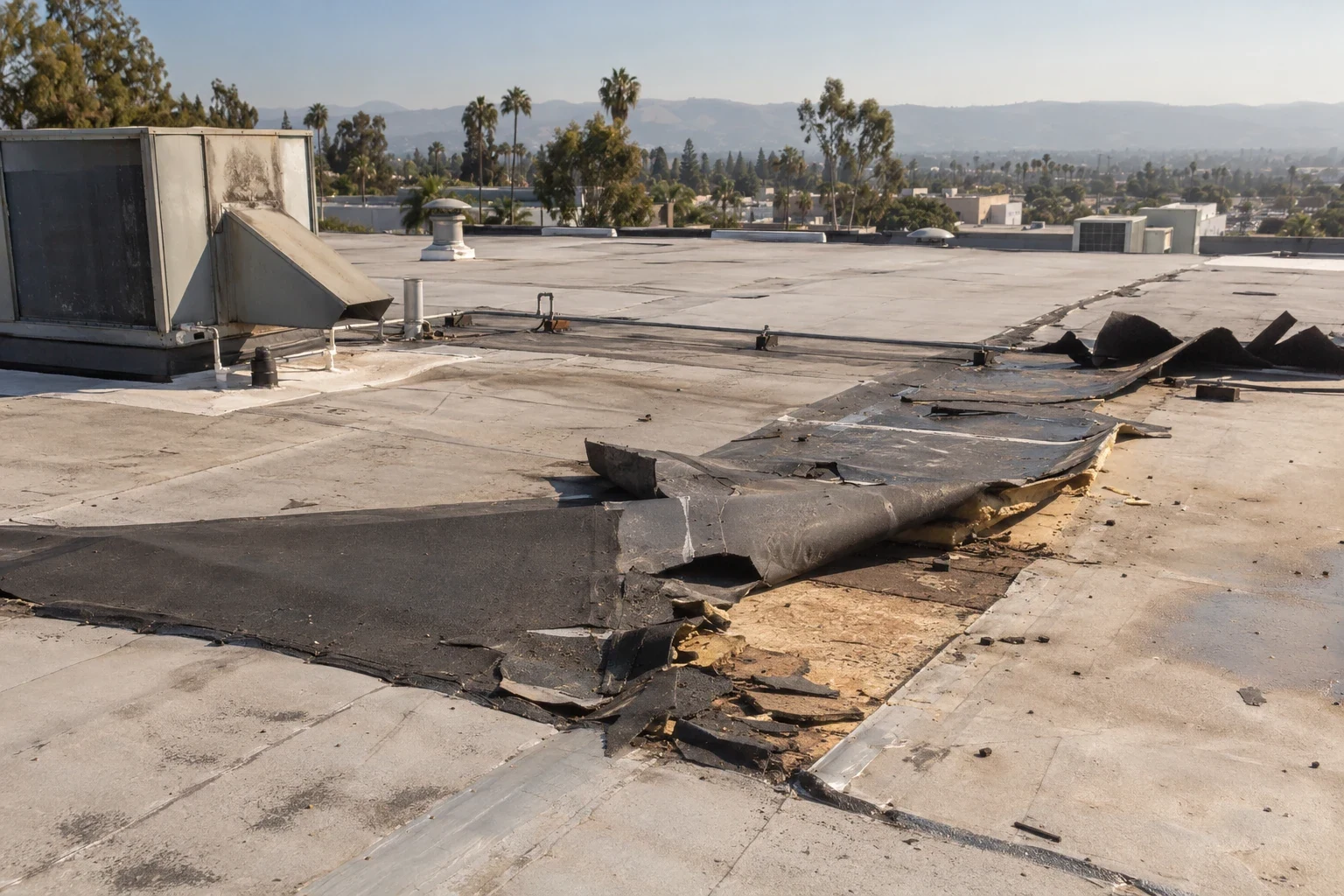
A warehouse door can keep cycling while a loosened edge metal section works above it. After a wind event, the first useful question is where the roof assembly opened, not how large a patch might look from the parking lot. We inspect perimeter metal, membrane seams, corners, curbs and rooftop equipment, then compare those findings with interior staining or displaced ceiling tiles. For a Murrieta commercial property, roof access and delivery movement can matter on an occupied building. The roof condition sets the scope. Our storm damage repair begins with a marked condition record and a repair boundary the owner can review. We note which doors, loading lanes and interior work zones need protection while the roof is open. That coordination gives the facilities contact a clear sequence: isolate the water path, protect the space, then close the assembly with compatible materials and a recorded finish.
Edge and Corner: Trace the Opening
Wind-related damage may appear as lifted edge metal, a separated flashing termination, a displaced coping joint or a seam that has begun to peel. We check the roof perimeter and corner zones, where changes in pressure can stress attachments, but we do not assume every loose piece came from one event. Age, prior repairs, substrate condition and attachment pattern all affect what the inspection finds. Photos identify each condition and its location. A marked roof plan helps the property manager connect a ceiling leak to the likely water path without treating the stain as proof of the entry point. We compare affected and undisturbed areas, test whether the membrane is still bonded, and note any exposed insulation or deck. When water is active, our emergency response can focus first on dry-in and interior protection, followed by a permanent repair scope once the surface is safe to assess.
Seams and Penetrations: Separate Wind from Wear
A split at a seam can look dramatic yet remain local, while a quiet separation under a curb can admit water into a larger roof section. We inspect welds or adhesive laps, pipe boots, equipment supports, skylight transitions and previous patches. On a TPO or PVC assembly, probe testing can reveal an unbonded edge; an EPDM or modified-bitumen detail calls for a different repair method and compatible materials. We record the existing system before selecting a patch. A commercial roof inspection can include close photographs and a written findings list. If moisture is suspected below the membrane, an infrared moisture survey may help identify areas for confirmation, but the repair boundary still depends on field verification and, where appropriate, test cuts.
Occupied Building: Plan Access and Dry-In
Murrieta connects to both Interstate 15 and Interstate 215, and commercial work near those corridors often has to coexist with deliveries, tenant schedules and rooftop service calls. We agree on a roof-access route, staging location, lift timing and a safe work window before opening the assembly. If rain is approaching or interior operations cannot pause, the sequence may start with temporary dry-in, followed by a permanent repair after the area can be prepared correctly. The Keller Road and I-215 interchange is proposed to improve access for current and planned medical and research operations; the proposal does not confirm that planned facilities are complete. The practical roofing decision remains specific to the property: protect occupied space, keep traffic moving, and avoid leaving a repair edge exposed at the end of a shift.
Patch or Broader Repair: Match Scope to Evidence
A localized patch is appropriate when the surrounding membrane remains sound, the substrate is dry enough for the selected material, and the detail can be reattached without bridging a moving joint. Broader removal may be needed where insulation is wet, fasteners have backed out, several laps have separated, or repeated patches have lost a dependable bond. We mark each condition separately so a repair price does not quietly absorb unrelated roof work. The written scope identifies preparation, compatible materials, tie-ins and the edge of the repair. A commercial repair can address the immediate opening, while a maintenance visit can track nearby seams and drains after the repair. If water is standing after a leak event, the ponding-water condition should be mapped separately; where a metal curb or wall transition has pulled apart, we also inspect the flashing failure instead of enlarging a membrane patch to cover it. The comparison is useful when a property has several roof sections with different ages or assemblies.
Records: Preserve the Repair Boundary
Keep the inspection photos, roof sketch, weather date supplied by the owner, temporary protection notes and completed-work record together. That file helps the next facilities manager distinguish a repaired corner from a separate leak at a curb or drain. If an insurer requests documentation, we can provide condition photographs and a repair description without promising how a claim will be decided. Where another trade moved equipment or worked at the roof edge, record the area and timing so follow-up checks have a clear starting point. Owners considering a larger capital step can compare recurring edge failures against a roof condition report and a replacement assessment. The same record helps a regional manager compare buildings without treating each repair as an identical event. We can also coordinate commercial service calls for nearby Wildomar properties when the portfolio crosses city limits. The goal is a practical choice between stabilizing the affected detail and addressing a wider assembly that no longer supports reliable repairs.
Commercial Roofing Questions
What should a facility manager photograph after wind damage?
Start from the ground with the building face, then photograph the interior stain, any displaced ceiling material and the roof area only if access is safe. Do not step onto a wet or damaged roof. We use those images as context, then inspect the edge, seams, curbs and nearby drains in person. A clear time and location record helps us separate the observed condition from later discoveries.
Can a lifted edge be fastened back in place?
The attachment underneath decides the repair. We check the metal, cleat, fasteners, substrate and adjacent membrane before re-securing anything. If the edge is bent or the membrane termination has pulled away, a surface fastener alone may leave a path for water. The repair should restore the assembly’s connection and finish with a documented boundary.
How do you find the roof opening that caused a ceiling leak?
We trace the water path from the interior report toward roof details that can admit water, including laps, curbs, penetrations and perimeter transitions. The stain can sit downslope from the opening. Photos, moisture indicators and selective test cuts help narrow the affected area, while the existing assembly determines which repair materials can bond.
What if tenants cannot stop operating during the work?
We plan the access route, staging and work window with the facility contact, then sequence protection before permanent repair. A temporary dry-in may protect occupied space while a repair area is prepared. For Murrieta properties near the Jefferson and Madison corridors, delivery movement can influence where equipment is staged, but the roof findings still determine the repair itself.
When does wind damage point to replacement instead of repair?
Repeated failures across multiple sections, wet insulation over a broad area, widespread attachment loss or brittle membrane can change the decision. We map those conditions and separate immediate stabilization from the larger capital scope. A sound section beside a damaged corner does not need to be included automatically; the report should show why each area belongs in the recommendation.
Related Roofing Work
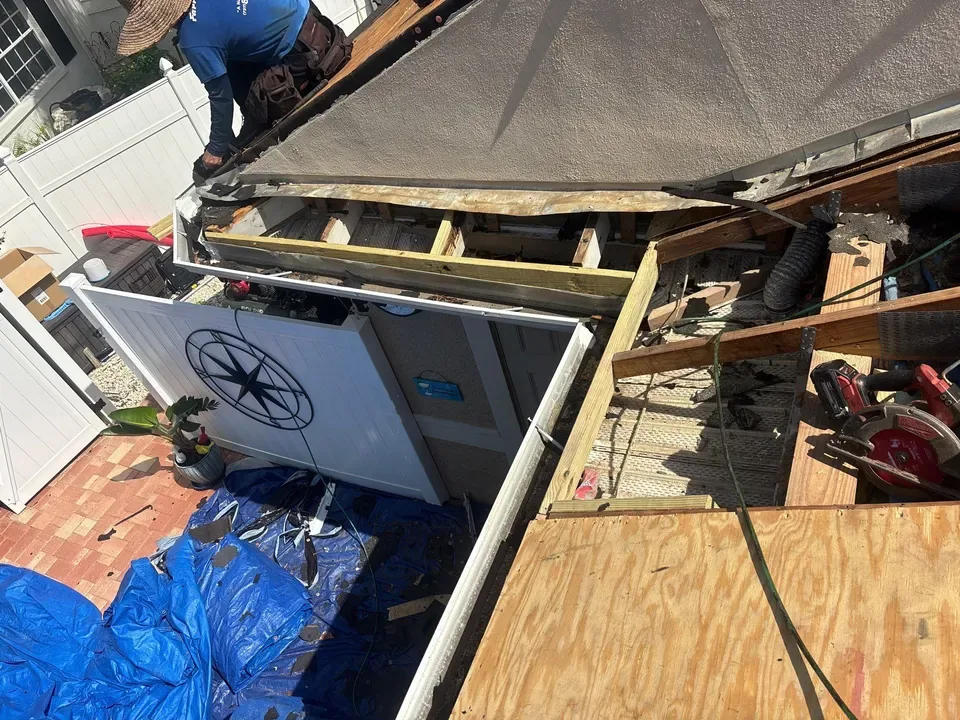
Storm Damage Roof Repair in Murrieta, CA
See how this work fits the roof, the building and the schedule.
Learn More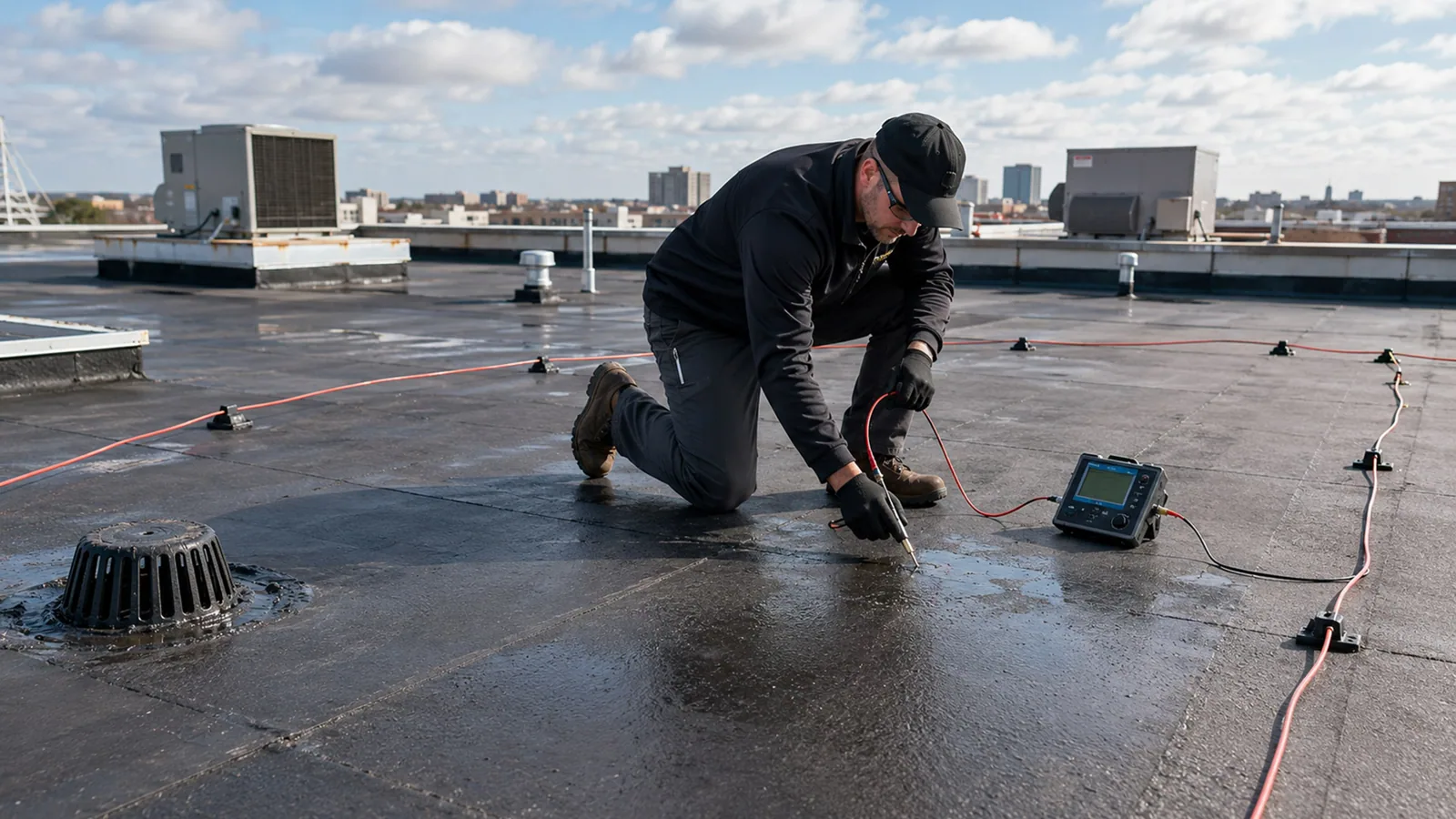
Commercial Roof Inspection in Murrieta, CA
Related scope, access notes and questions to ask before work starts.
Learn More
Infrared Roof Moisture Survey in Murrieta, CA
Read the full description and the questions owners ask about it.
Learn More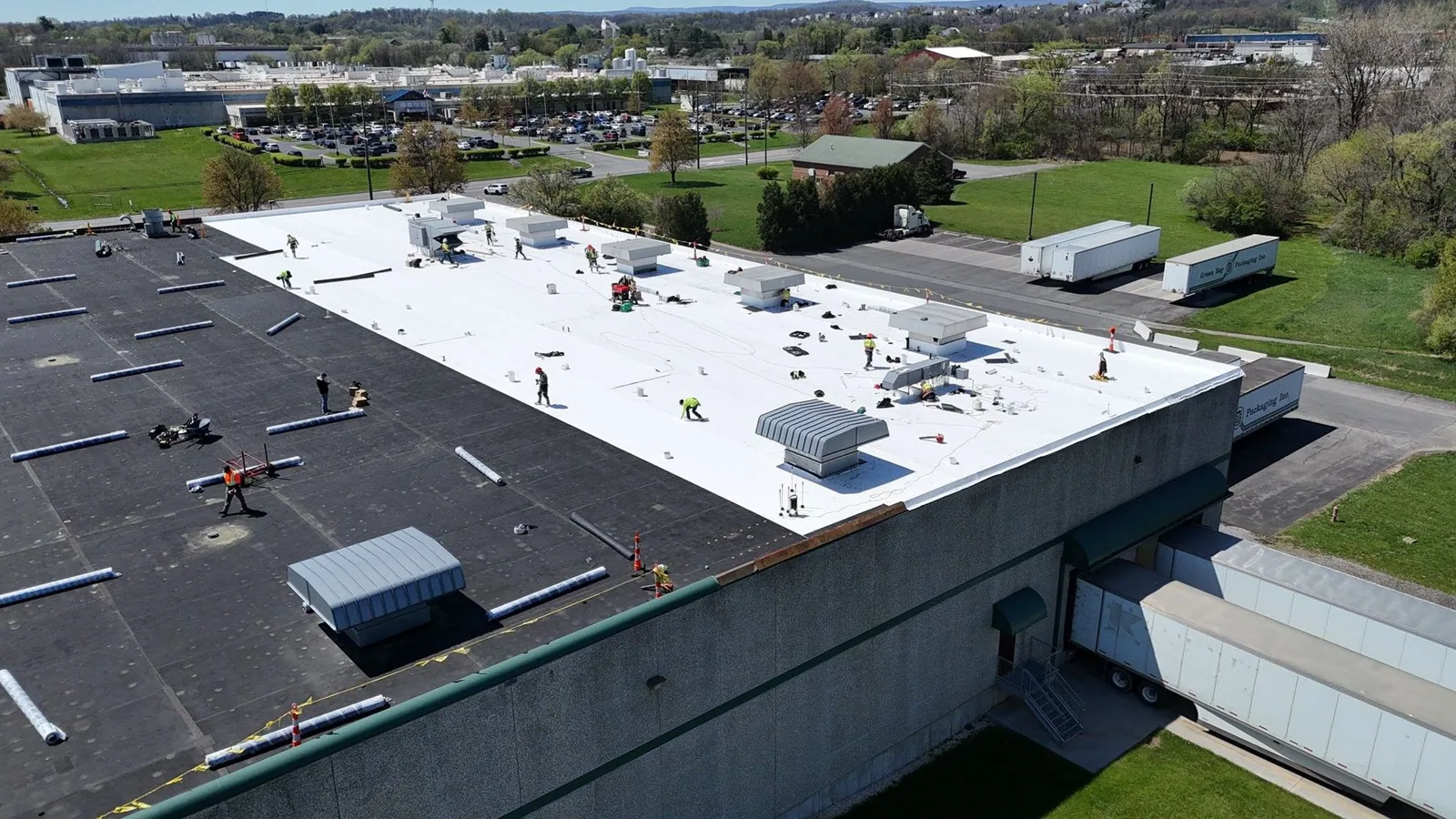
Commercial Roof Repair in Murrieta, CA
See how this work fits the roof, the building and the schedule.
Learn More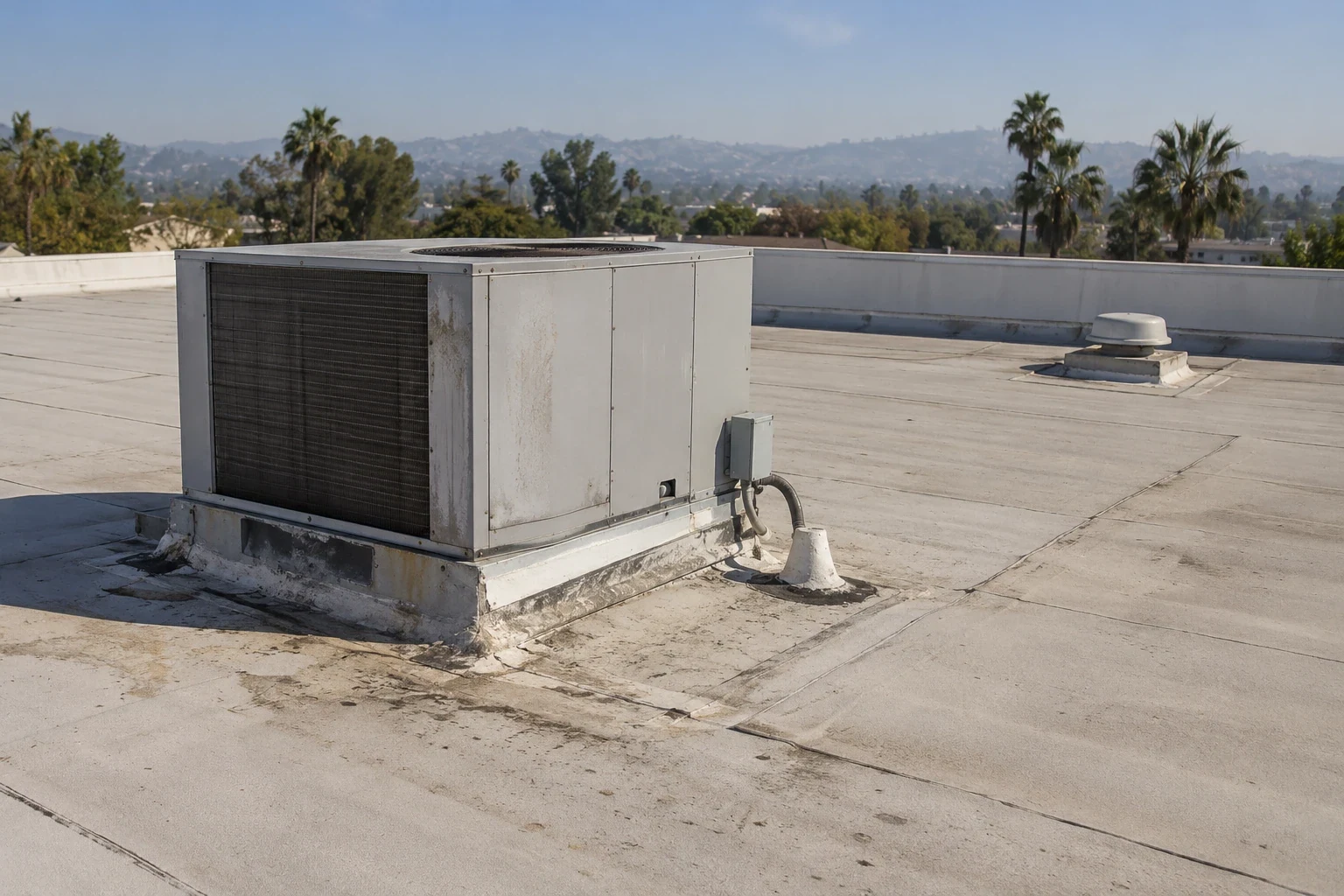
Commercial Roof Maintenance in Murrieta, CA
Related scope, access notes and questions to ask before work starts.
Learn More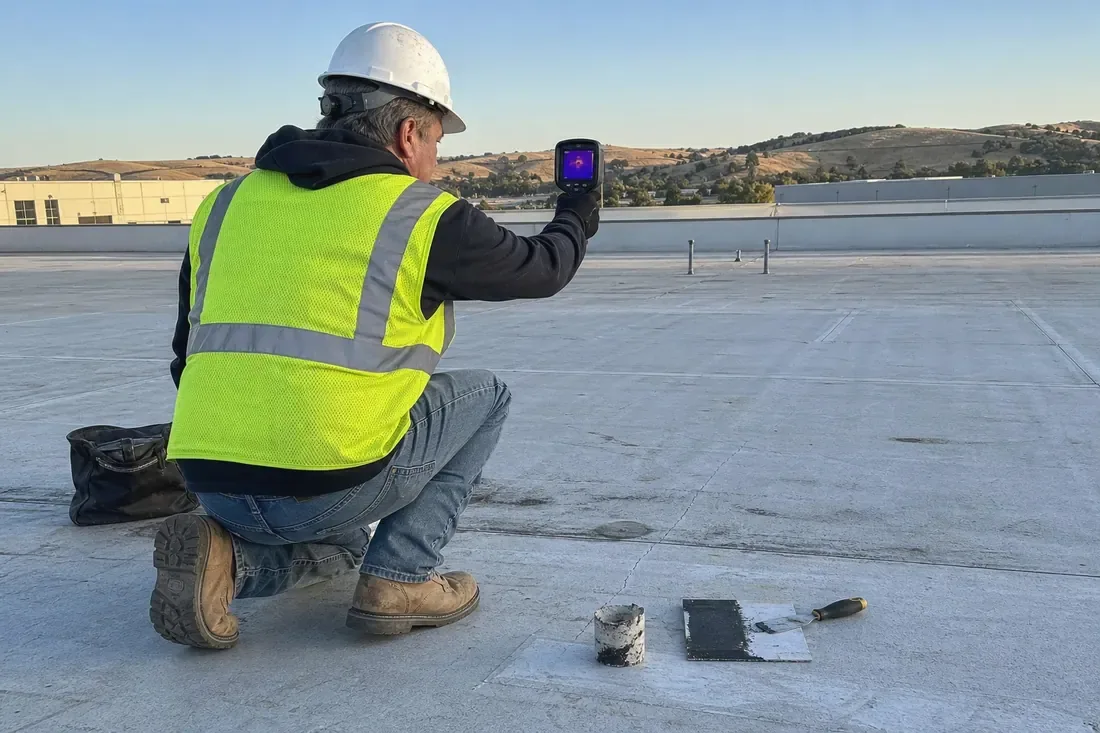
Commercial Roof Condition Reports in Murrieta, CA
Read the full description and the questions owners ask about it.
Learn MorePut the wind damage on a roof plan
Arrange an inspection for active water entry or visible edge movement. We will mark the affected details, identify a safe dry-in step and leave you with a repair boundary that facilities and ownership can review.