
Storm Damage Roof Repair in Murrieta, CA
Document storm-related roof damage in Murrieta with photos, leak tracing and a repair scope that separates urgent protection from permanent work.
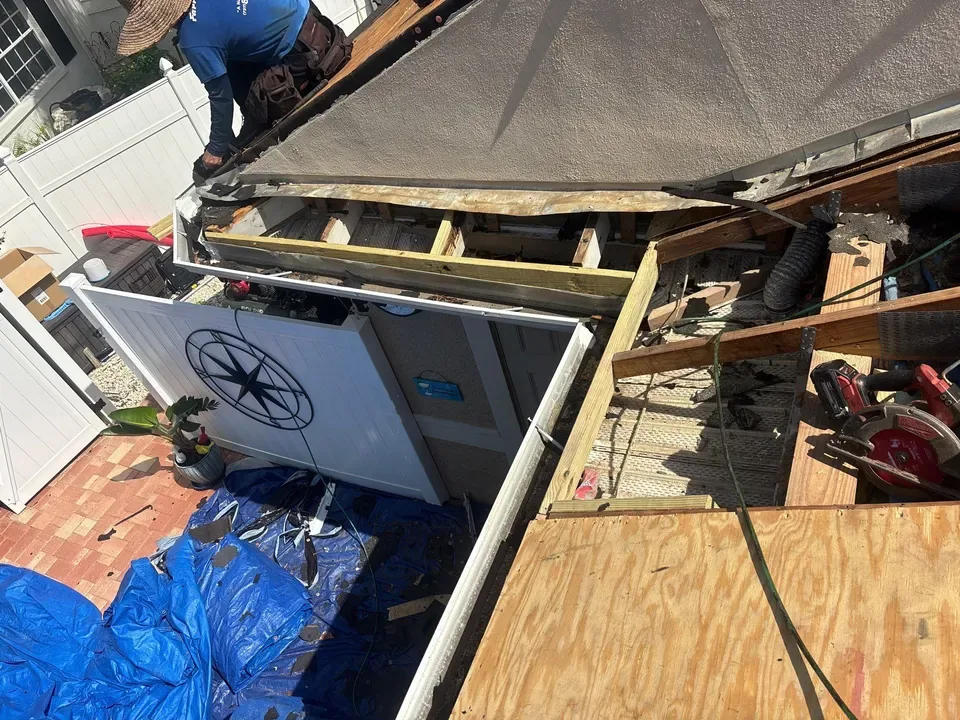
A storm call often starts with water inside, but the repair begins by tracing what changed above it. Murrieta averaged 15 inches of annual precipitation from 1950 to 2005; later scenarios range from 15 to 21.4 inches by 2099. Those dated planning values do not describe a specific storm. They do make drainage, seams and penetrations useful places to inspect after wind-driven rain. We document the affected roof section, protect an active opening when needed, and separate temporary dry-in from the permanent repair. For a building near an operating district such as Temecula’s commercial areas, the work plan also needs to protect access while locating the actual entry path. A commercial leak investigation can distinguish the roof failure from the interior stain it produced.
First Pass: Record the Roof Before Moving Materials
We photograph displaced edge metal, lifted flashing, punctures, separated seams, clogged drains and debris that could have caused an impact. The inspection records the roof system, weather exposure, interior symptoms and any earlier repairs visible in the same area. A stain below a roof penetration may travel along insulation or deck before appearing indoors, so the nearest roof detail is not automatically the source. We follow water paths and inspect adjoining transitions. If wind has moved a panel or loosened a membrane edge, the repair needs to restore attachment and close the opening, not simply cover the mark. A hands-on inspection adds a roof-wide view when the first leak report does not explain other wet areas. The written findings give an owner a usable record for repair approval and later comparison.
Stabilize and Repair: Separate the Two Work Stages
Temporary protection limits further entry while the permanent scope is defined. That can mean a compatible tarp or temporary seal at a localized opening, with the location recorded so it is not mistaken for a completed repair. Permanent work may involve replacing membrane, reworking a seam, rebuilding flashing, resetting edge metal or clearing and testing a drain. We match materials to the installed assembly and avoid layering an incompatible patch over a moving joint. If multiple areas show wet insulation or attachment loss, the owner may need a broader assessment before isolated repairs are priced. The wind-damage conditions and flashing failures should be documented separately when both are present, because each has a different repair boundary and follow-up check.
Occupied Operations: Protect the Interior Work Below
Water control matters most where the building cannot pause. We coordinate access to the roof hatch, loading areas, sensitive rooms and rooftop equipment before moving materials. The affected section can be isolated and protected while tenants or staff continue using other areas, provided safe access and dry-in conditions allow it. Murrieta’s economic-development plan identifies medical services and scientific research among local strengths, where equipment access and interior control can affect repair sequencing. The fact describes citywide sectors, not a particular building. In the same way, the City’s description of the Jefferson-Madison planning area establishes planned business-park and innovation land use, not a count of completed facilities. We use actual roof access, operating hours and the location of interior exposure to set the work sequence. A phased work plan can help when repair activity needs to stay clear of active operations.
Weather Window: Keep the Roof Protected Between Visits
Drying time, surface temperature, forecast rain, material availability and safe roof access all affect when permanent repairs can proceed. Murrieta’s business-park inventory supports varied operations, so a repair date needs to account for roof access as well as the weather window. We check the forecast, actual surface condition and product limits before application. If an unexpected shower interrupts the work, the crew can secure the opening and return when the assembly is ready for a lasting repair. Where a repair needs a dry substrate or a coating, a shorter return visit may be safer than closing wet material into the assembly. At Old Town in Temecula, the district runs roughly one mile between its northern and southern ends. That fact does not set a roof schedule, but active business access still belongs in the repair plan. The owner can help by identifying delivery periods, service calls and interior spaces that need protection. We can then place the temporary dry-in and permanent repair steps around those constraints, while preserving a clear record of the area addressed. We identify the next weather-sensitive step and maintain temporary protection until it is complete.
Repair Record: Give the Next Reviewer Clear Evidence
A useful closeout shows where water entered, what was removed, how the new material ties into the existing roof and whether the surrounding area needs monitoring. Photos should include a close view of the repaired detail and a wider view that locates it within the roof section. If the initial visit included temporary protection, the record should say when that material was removed or replaced. This matters when an insurance review, property transfer or budget discussion happens later. We can provide a photo condition report with the repair boundary and unresolved items. If the event exposed a larger assembly issue, a recover evaluation or replacement comparison may be appropriate after moisture and attachment are checked. The decision should follow the roof evidence, not the size of the first interior stain. Perris’s Downtown Plan gives the 4th Street Corridor a commercial-frontage role with retail, office and mixed-use opportunities. In such an operating area, a repair record that names the roof section and access effects can help the property team coordinate follow-up without confusing a planned land use with a completed project.
Commercial Roofing Questions
What should we document after water appears inside?
Note when the leak started, which rooms or equipment are affected, and whether water changes during rain or after it stops. We compare that account with the roof’s seams, penetrations, edges and drains, then photograph the suspected path and the interior impact. The repair record should distinguish confirmed damage from areas that still need monitoring.
Can a temporary dry-in be the final repair?
A temporary cover buys time and limits exposure, but its material and attachment are selected for short-term protection. We mark where it is installed and return to verify the substrate before completing the permanent detail. If the assembly is wet or the weather prevents a durable repair, the owner needs a clear next step and a protected roof between visits.
How do you decide whether damage is storm-related?
We record visible changes and compare them with the reported event timing, roof condition and prior repair history. A fresh puncture, displaced edge or opened seam can support a repair scope, while older deterioration may need a separate line item. The written findings should describe what is observable without assigning cause to a condition the roof cannot establish.
What if the leak is far from the visible roof damage?
Water can travel along a deck, insulation joint or framing before it reaches the ceiling, so the interior location is one clue rather than a map. We inspect the connected water path and adjacent penetrations, then mark the roof area we opened or repaired. If evidence remains mixed, a follow-up inspection can narrow the boundary before broader removal.
How do repairs affect business access?
We identify the roof entry route, staging position and any affected loading or service path before mobilization. A local repair may require a short isolated work zone; a larger section can need separate dry-in stages. The plan states which areas are affected and what access the building team needs to preserve during the repair.
Related Roofing Work
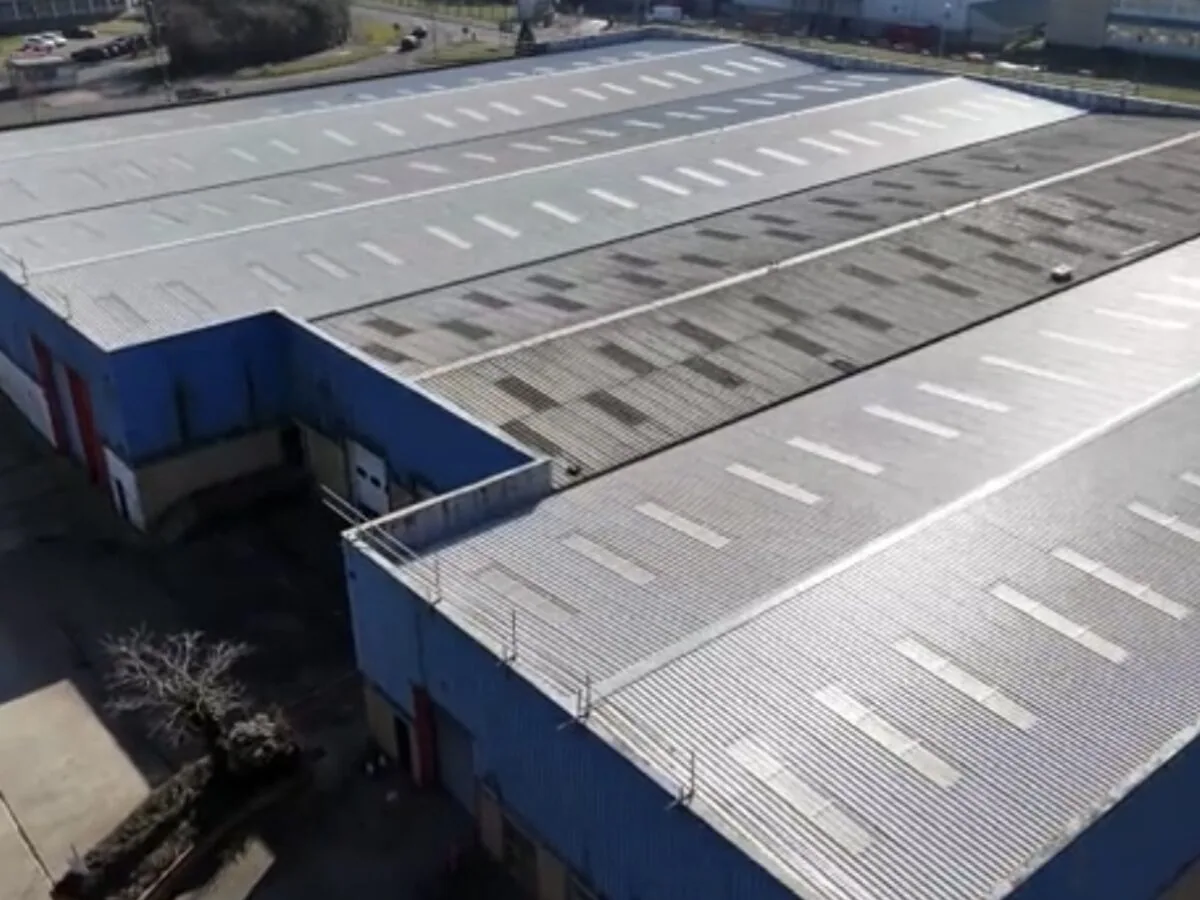
Commercial Roof Leak Repair in Murrieta, CA
See how this work fits the roof, the building and the schedule.
Learn More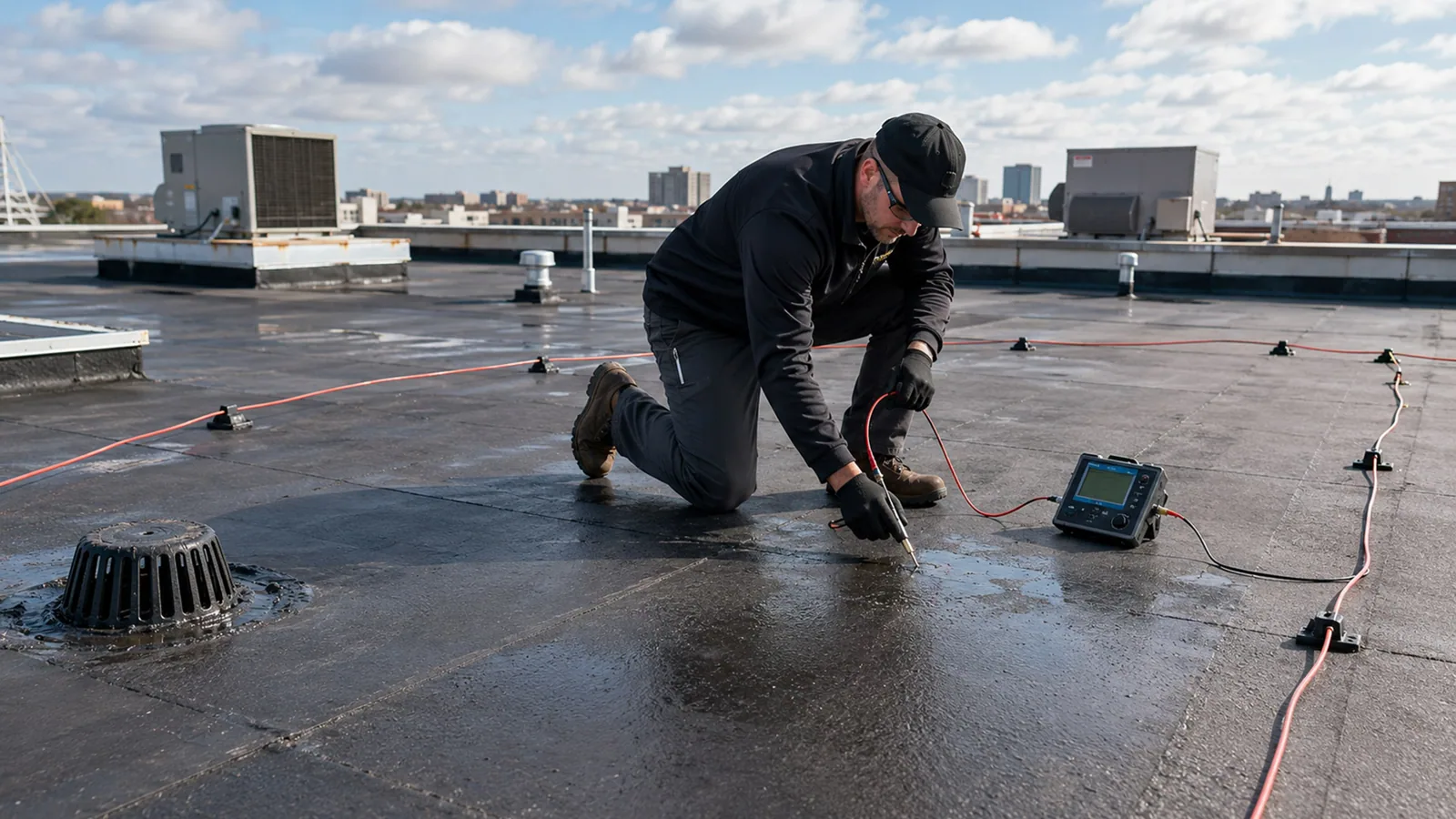
Commercial Roof Inspection in Murrieta, CA
Related scope, access notes and questions to ask before work starts.
Learn More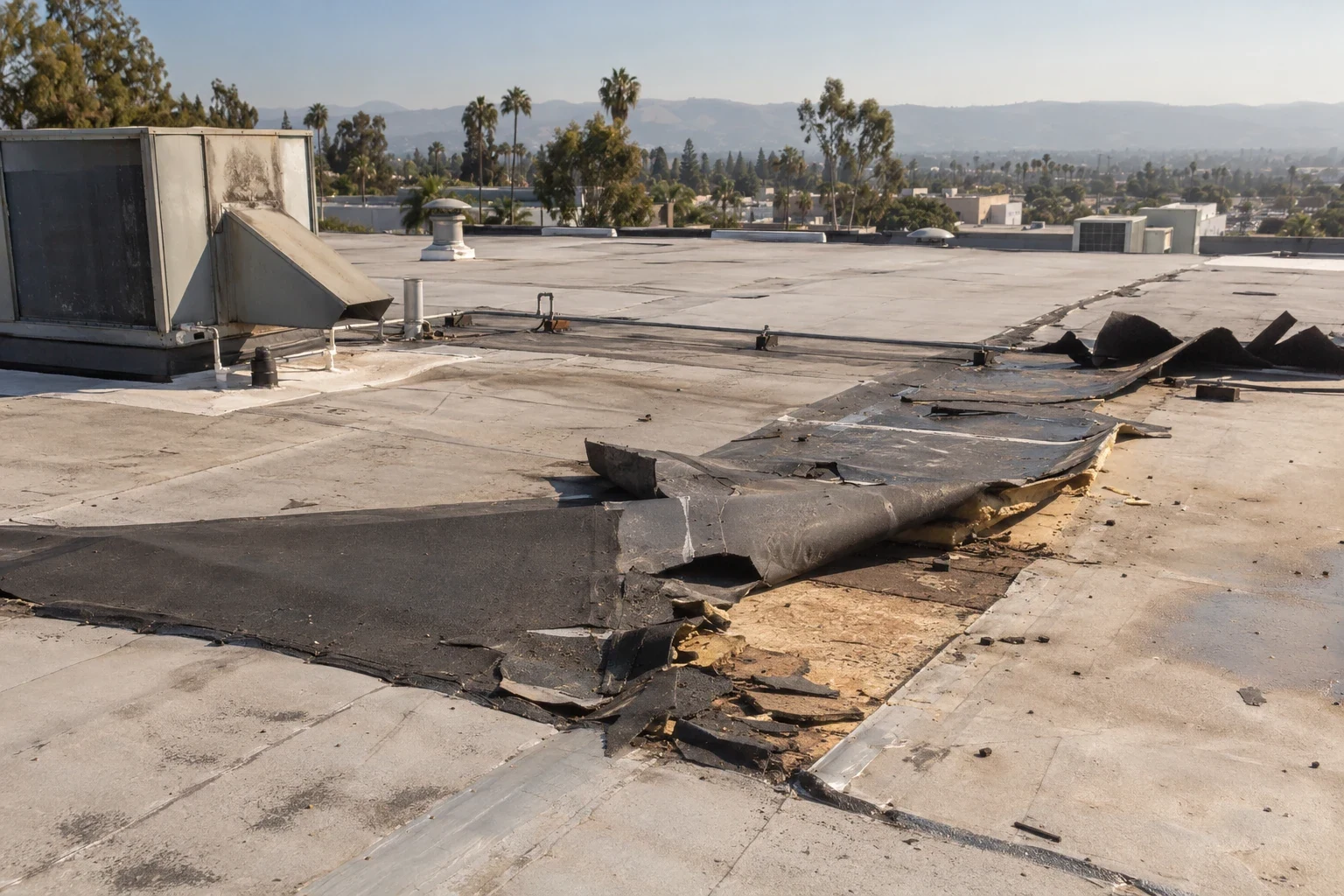
Commercial Wind Damage Roof Repair in Murrieta, CA
Read the full description and the questions owners ask about it.
Learn More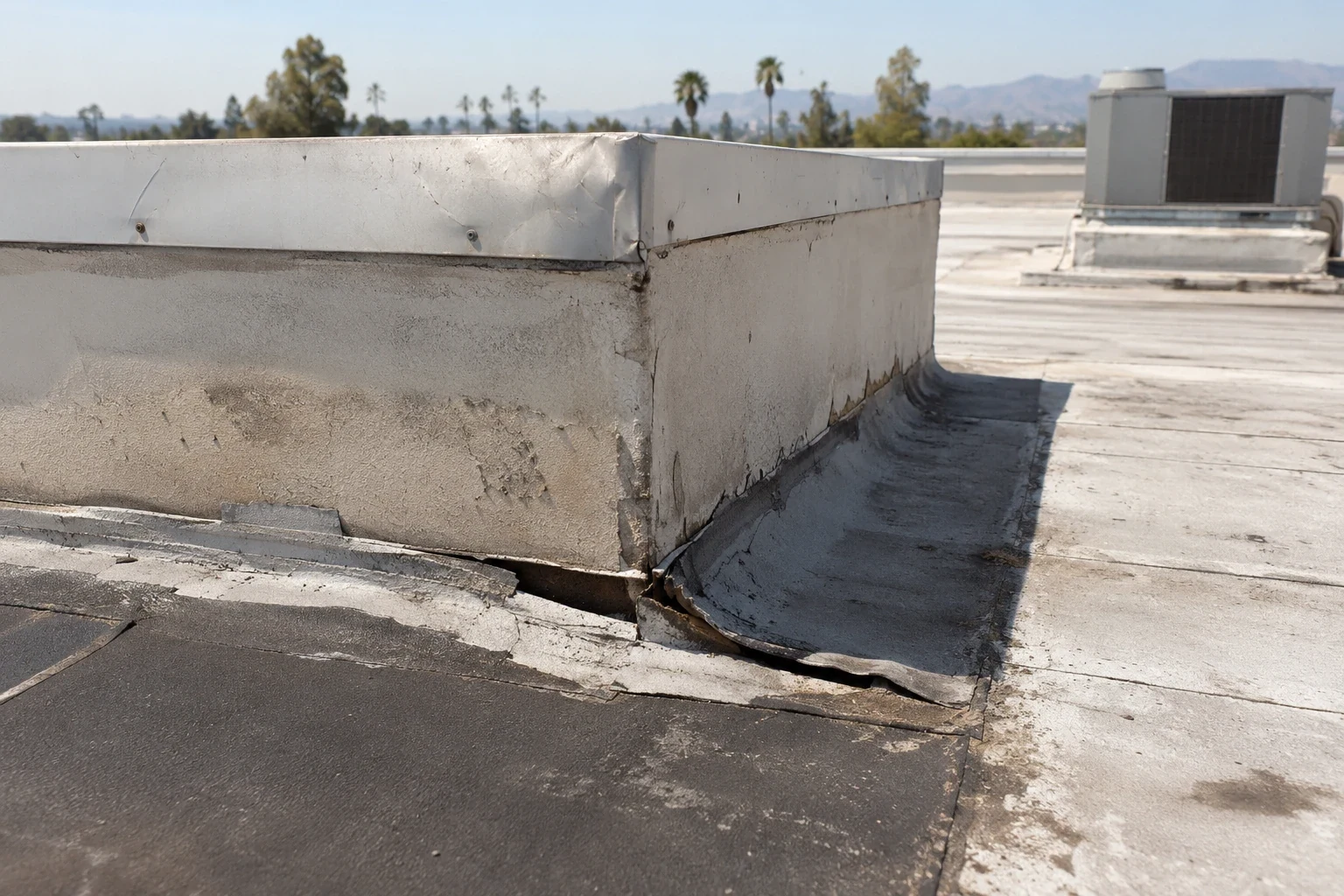
Commercial Flashing Failure Repair in Murrieta, CA
See how this work fits the roof, the building and the schedule.
Learn More
Occupied-Building Commercial Reroofing in Murrieta, CA
Related scope, access notes and questions to ask before work starts.
Learn More
Commercial Roofing in Temecula, CA
Read the full description and the questions owners ask about it.
Learn MoreDocument and Repair Storm Damage
Arrange an inspection in Murrieta to trace the entry path, protect an active opening and define a permanent repair scope.