
Commercial Roofing in Palm Springs, CA
Plan commercial roof repairs and replacement in Palm Springs around drainage, tenant access, and the assembly. Get a clear scope for your building.
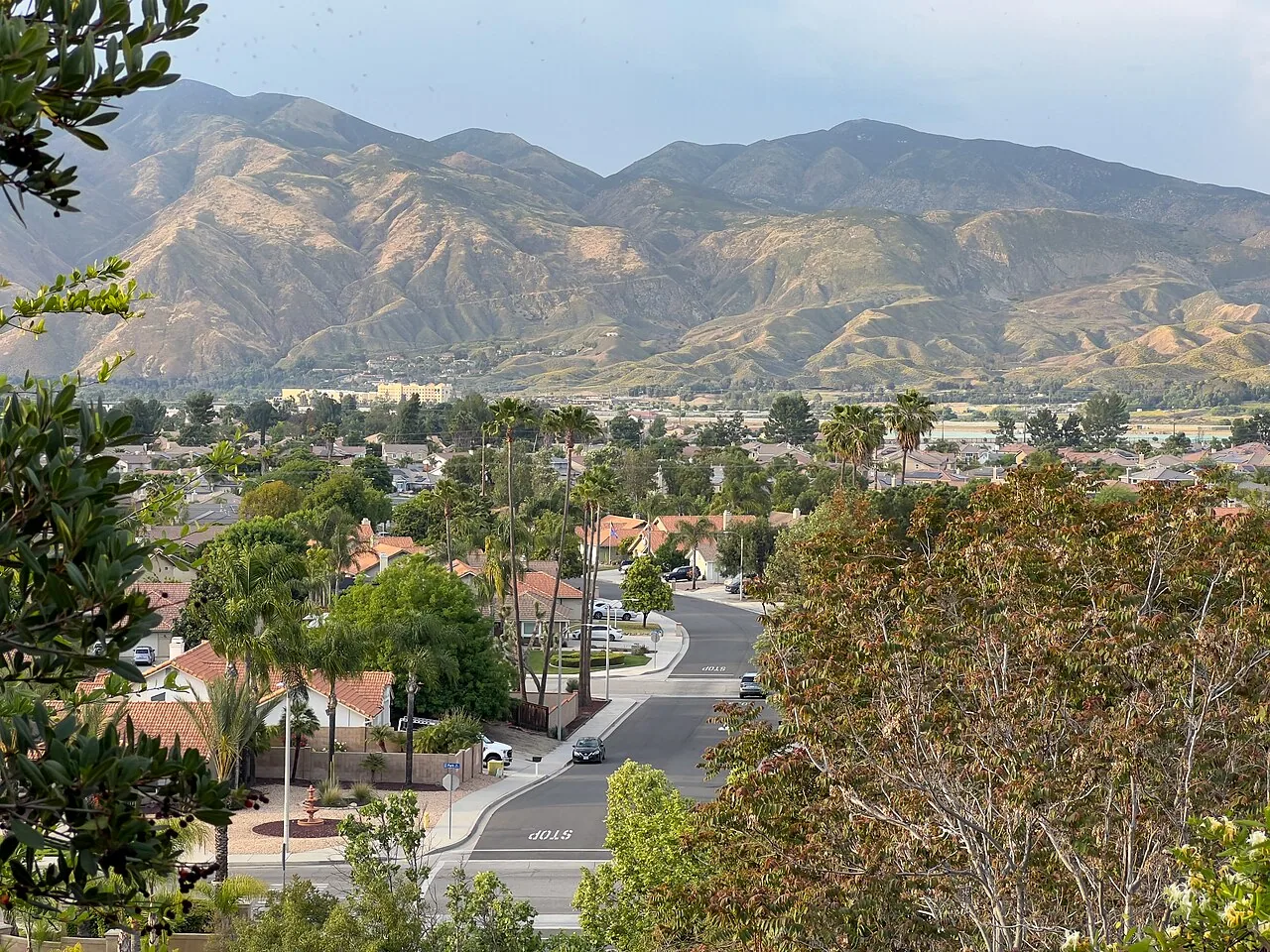
A commercial roof near Palm Canyon Drive or Tahquitz Canyon Drive needs an inspection by roof zone, not only by street frontage. Palm Springs' General Plan assigns tourist-resort commercial uses primarily to those two corridors, but that land-use direction does not tell us what membrane, deck, or rooftop equipment a particular property has. We inspect seams, drains, parapets, curbs, and past repairs, then map the section where water or movement is showing. The owner gets a practical choice: repair a defined detail, test a concealed layer, or compare a broader renewal.
Palm Springs includes business-center, freeway-commercial, energy, warehouse, and distribution uses near I-10, subject to design standards. A scope for a property in that corridor may need a different access sequence than a resort-facing building, but we confirm the actual operation and roof assembly before pricing. A Cathedral City roof assessment or Rancho Mirage inspection receives its own map, contacts, and work boundaries. We do not transfer one site's assumptions to another.
Palm Canyon and Tahquitz: separate use from roof condition
A plan that identifies resort-commercial use gives context for coordination; it does not verify a hotel's or restaurant's roof. We ask for the current use, operating hours, available roof drawings, and any repair record, then walk the actual surface. At a property where guests or staff remain inside, the access plan should identify a quiet route, lift position, material staging, and who accepts temporary protection before a section is opened. Those details belong in the estimate so the work can be reviewed with the building schedule.
Palm Canyon Drive and Tahquitz Canyon Drive are the named resort corridors in the General Plan. If a property team is comparing them with the I-10 employment uses, we keep those planning contexts distinct and base every proposal on field conditions. The inspection notes where the membrane ends at a parapet, which curb flashing has separated, and whether a drain clears the low area. A commercial roof inspection should leave the owner with photographs tied to roof zones and a specific next decision, not a citywide assumption.
First walk: follow water to the detail that failed
A stain indoors gives us a starting location, not a repair limit. We compare it with the roof plan, then check seams, wall transitions, penetrations, equipment curbs, and the path to a drain or scupper. Water can travel through insulation or along the deck before it appears in a room, so the field record separates visible defects from conditions that need testing. If a moisture survey or test opening could change the scope, we identify that decision before a broad repair is priced.
At an outlet, we inspect the bowl, overflow, flashing, nearby low points, and membrane tie-in. A blocked strainer is not the same scope as a loose clamping edge or wet insulation extending past the drain. We mark the water path and show which condition the roofer will correct. A drain and scupper correction can be itemized separately from membrane work, allowing the owner to approve a defined repair before considering a larger section.
Operating hours: set a roof section the crew can close
Repair timing depends on how much roof can be opened and dried in before the shift ends. We divide the work into sections, locate material staging, and confirm whether deliveries or guest access must remain available. If a curb replacement involves a mechanical contractor, both trades should agree on the opening, curb height, flashing responsibility, and temporary seal before the membrane is cut. A TPO scope or another single-ply assembly still depends on the substrate and tie-in, not just the product name.
Weather and surface conditions can shorten the application window for coatings, adhesives, and membrane work. We follow the selected system's published installation limits and record substrate conditions before starting. Palm Springs' FY2024-25 economic-development work supports established tourism, arts, and hospitality sectors while exploring technology, sustainability, creative industries, wellness, and climate innovation. Those broad priorities do not describe any single property's hours or roof, so the building contact identifies occupied areas and access limits. The roofer then sets a daily opening and protection plan that the crew can close before the shift ends.
I-10 corridor: evaluate the full assembly
The General Plan's I-10 land-use framework includes business-center, freeway-commercial, energy, warehouse, and distribution uses subject to design standards. Those permitted or planned categories are not proof that a particular parcel is built or occupied. The estimate separates measured quantities from concealed work and states what a test opening would settle.
A recover adds another membrane over the existing build-up. Before recommending it, we check whether the roof can carry another layer and whether the new tie-in can maintain clearances at drains, parapets, and equipment. Replacement may be more appropriate when defects cross several zones or wet insulation extends beyond a practical patch. A modified-bitumen assembly review considers seams, flashing, plies, and transitions as a complete system. We show the finding that supports each option rather than turning a zoning category into a roofing claim.
Estimate review: connect each allowance to a test
An owner should be able to match a proposal line to a roof zone, observed condition, and repair detail. If a concealed layer could alter price, we name the opening or field test that will confirm it and identify who approves the change. A roof capital review can compare the immediate repair with later renewal while keeping the current work boundary visible.
For a coating, we confirm the existing surface is stable and compatible before pricing preparation, reinforcement, and flashing restoration. Coating does not correct an unresolved drain path or hide wet material. For replacement, the estimate identifies which details are included and where another trade must restore a penetration. A photo condition report preserves the marked locations and open questions for the owner's approval. We keep the proposal tied to observations instead of broad language about the property or its corridor.
Turnover: preserve what changed on the roof
At turnover, we walk the repaired area with the property contact, point to the restored laps, curbs, and outlets, and note any condition deferred for another trade or test. The drawing shows the work limit, while dated field photographs capture the tie-in before it disappears from view.
A portfolio review between Palm Springs and the nearby Rancho Mirage service area should compare building-level findings, not assume a shared roof type. The General Plan's Palm Canyon and Tahquitz Canyon corridors, and its I-10 employment framework, help orient the conversation; the inspected assembly sets the repair. Send the roof history, leak location, and available access hours to arrange a walk. We will map the affected section and identify the next useful test or repair.
Commercial Roofing Questions
Do Palm Canyon Drive or Tahquitz Canyon Drive plans identify a roof system?
No. Resort-commercial uses line those corridors. We check the actual membrane, deck, drainage, and equipment details before selecting a roofing scope.
Can work continue while a hotel or restaurant remains open?
It can when access, staging, noise limits, and the daily dry-in boundary are agreed with the property contact. We divide the roof into sections and record the handoff before removal begins.
What does the I-10 commercial framework mean for a roof proposal?
It gives planning context for uses named in the General Plan, subject to design standards. It does not establish the existing building or assembly, so the field inspection controls quantities.
When should an owner compare recover with replacement?
We first verify moisture, attachment, deck condition, layer count, drain depth, and perimeter clearance. The proposal connects another layer or tear-off to those findings and identifies what still needs testing.
Which conditions can change the timing or cost?
Removal depth, wet insulation, deck repairs, equipment work, and the size of each dry-in section all affect the estimate. We show the measured scope and the test that could change it.
Related Roofing Work
Commercial Roofing in Cathedral City, CA
See how this work fits the roof, the building and the schedule.
Learn More
Commercial Roofing in Rancho Mirage, CA
Related scope, access notes and questions to ask before work starts.
Learn More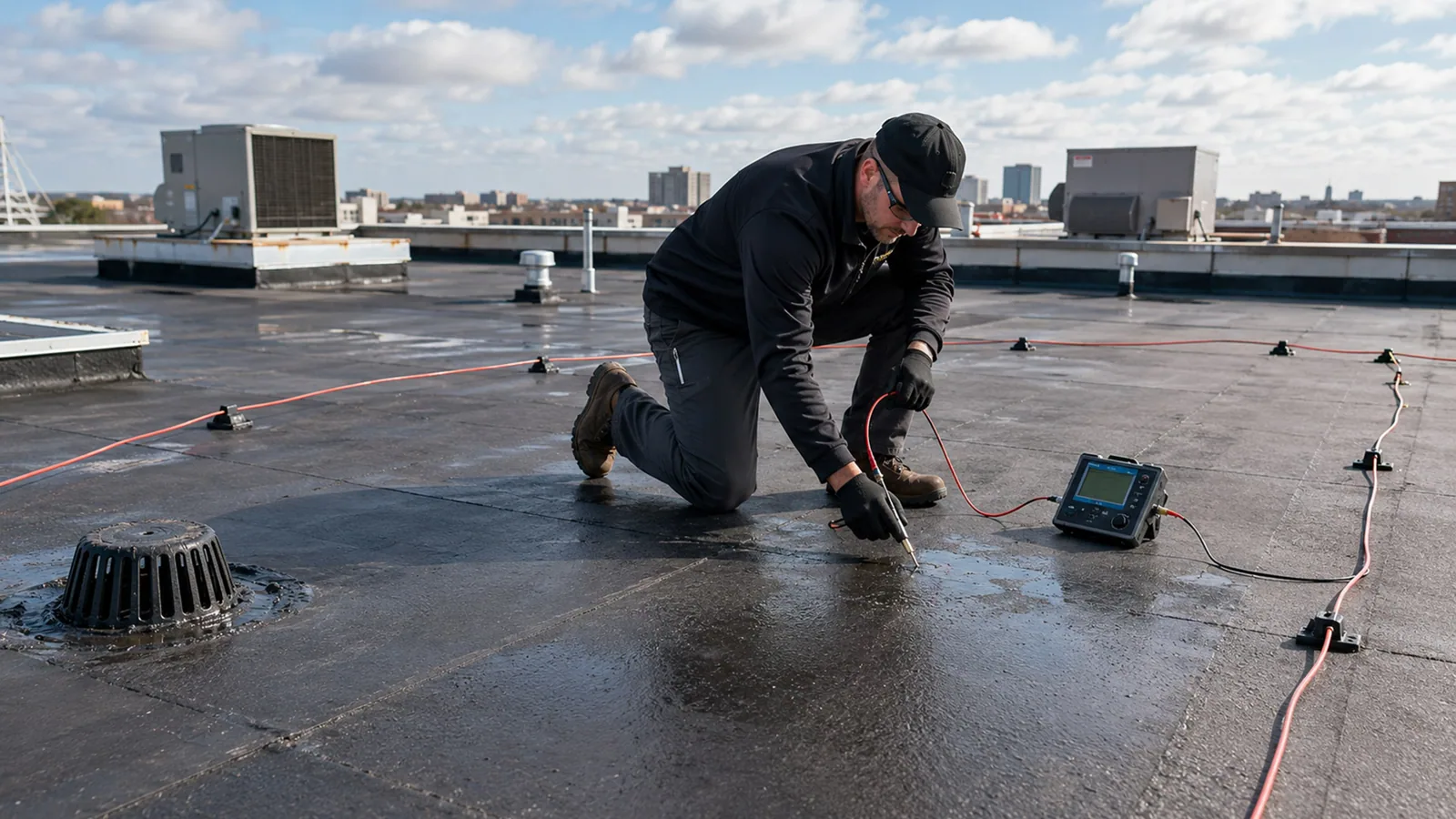
Commercial Roof Inspection in Murrieta, CA
Read the full description and the questions owners ask about it.
Learn More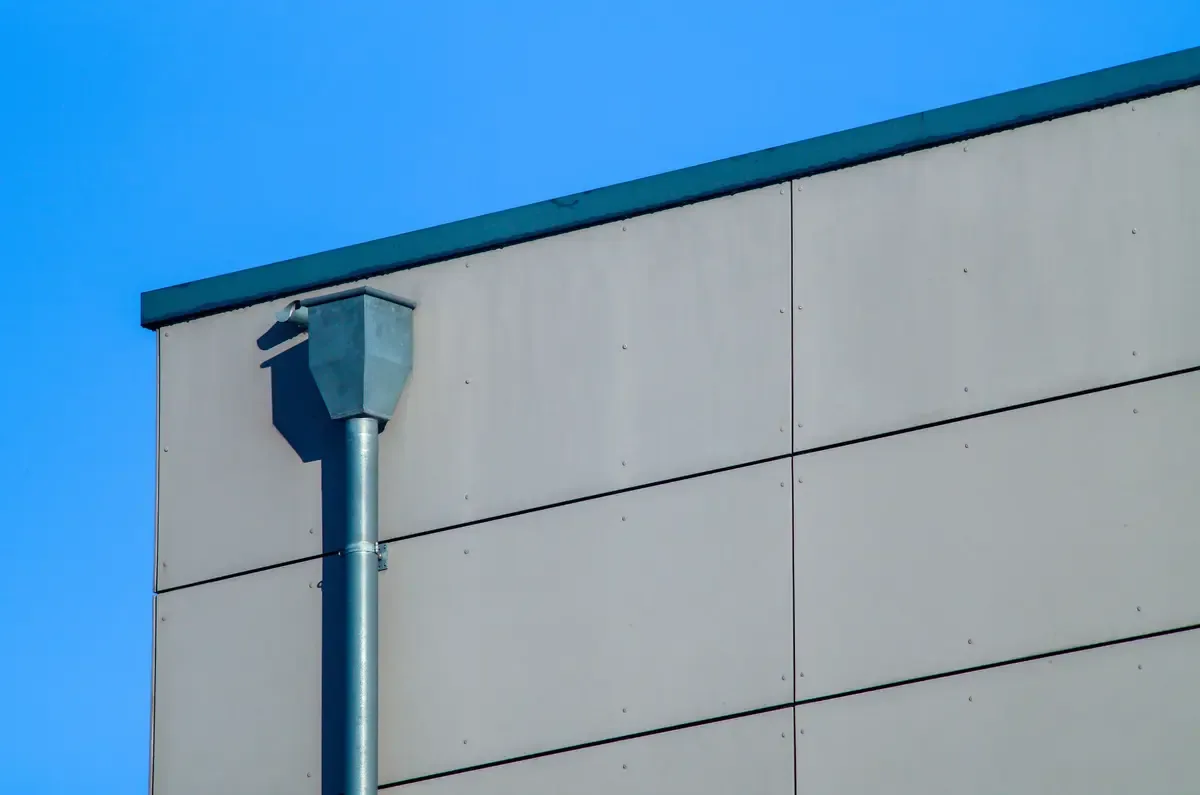
Commercial Roof Drains and Scuppers in Murrieta, CA
See how this work fits the roof, the building and the schedule.
Learn More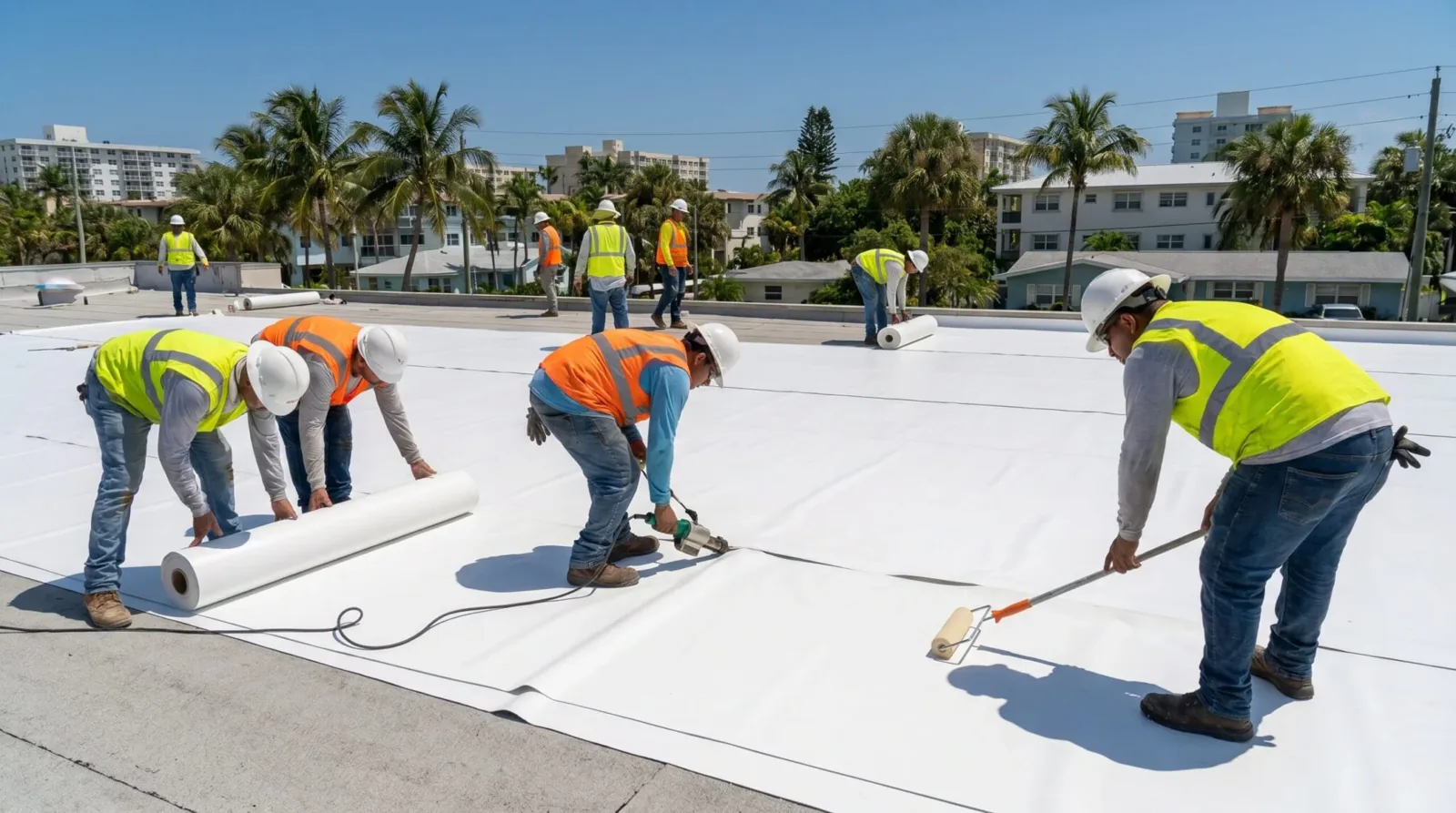
Commercial TPO Roofing in Murrieta, CA
Related scope, access notes and questions to ask before work starts.
Learn More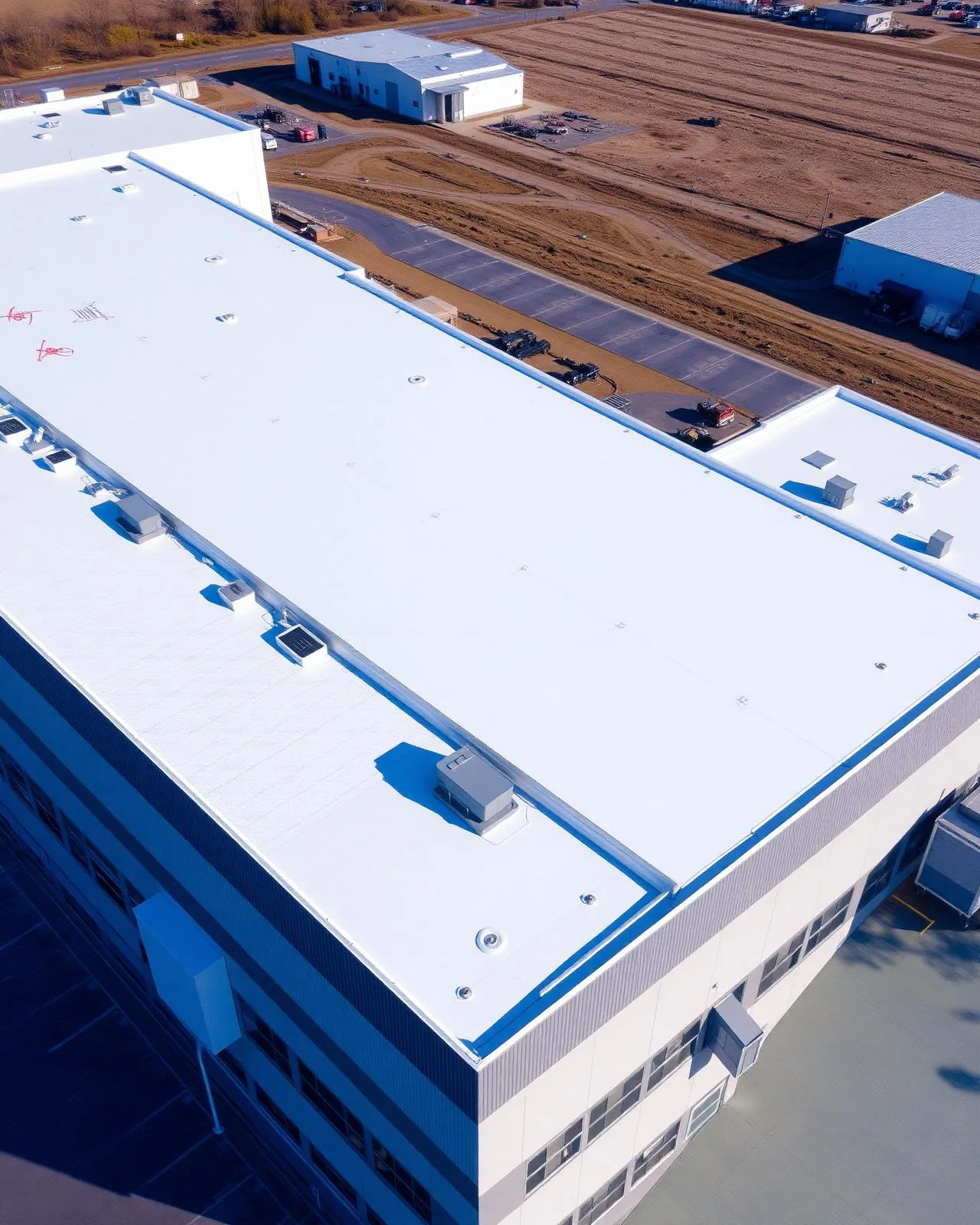
Commercial Modified Bitumen Roofing in Murrieta, CA
Read the full description and the questions owners ask about it.
Learn MoreArrange a Palm Springs roof inspection
Send the roof plan, repair history, and hours available for access. We will trace the reported condition, mark a repair boundary, and identify any opening needed before final pricing.