
Commercial Roofing in Hemet, CA
Review commercial roof drainage, flashing, and repair options in Hemet. Coordinate work windows with tenant access and keep a useful condition record.
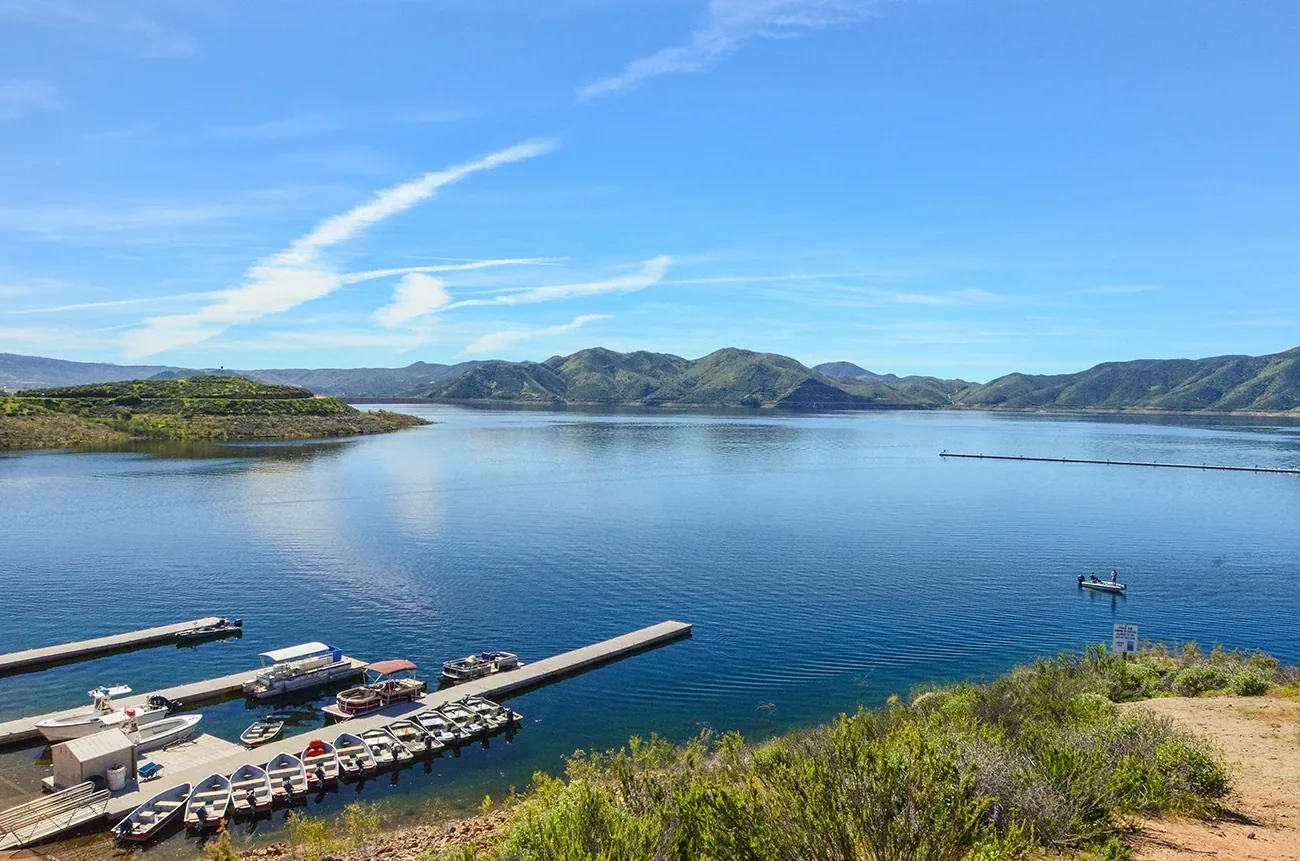
Hemet’s commercial corridors appear in the City’s façade-improvement program; roof work still starts at each building’s drains, seams, and curb details. We inspect the surface, trace reported water, and mark the repair boundary before a proposal compares patching, restoration, or replacement. A façade grant does not identify a roof assembly, so the owner’s plans and field conditions guide our scope. The first walk also confirms roof access, interior protection, and the person who can approve a change during work.
The City’s Hemet RISES strategy supports business retention, expansion, and strategic investment. That municipal focus makes clear project records useful when a property team is planning improvements, but it does not determine the condition of any individual roof. We document what is visible, which areas need testing, and what work can proceed without opening more of the assembly. Murrieta’s climate assessment, for example, uses a historical baseline and a future extreme-heat range for Murrieta; that planning context belongs to that city. A Hemet roof gets its own inspection.
City framework: align the roof scope with the property plan
Hemet’s General Plan 2030 covers land use, circulation, community services and infrastructure, and public safety. Those elements establish a citywide planning framework, not the specific layout or roof of a commercial property. We ask for current site plans, roof drawings, and prior repair records, then check whether visible conditions match those documents. If a planned interior or exterior improvement changes rooftop equipment or access, the roofing scope should identify the handoff before another trade opens the surface.
Downtown Hemet is a designated district for the City’s Kitchen Grant, which supports restaurant creation or expansion there. A restaurant operator may have exhaust curbs, grease-sensitive equipment, and a busy service schedule, but those conditions need confirmation at the building. We map penetrations, drains, and access routes rather than assume a typical roof. A separate San Jacinto roof inspection and a Perris property survey each need their own contact, condition map, and work assumptions.
First walk: separate the symptom from the roof defect
A ceiling mark, wet insulation report, or recurring drip gives us a starting point, not the repair boundary. We compare its location with roof seams, walls, curbs, skylights, drains, and earlier patches. Water can move through the assembly before it appears indoors. The written inspection records the observed detail, the likely path, and any test opening or moisture survey that would clarify a hidden layer. A hands-on roof inspection connects those observations to a repair option.
Drainage needs its own set of checks. We note whether each bowl or scupper is clear, whether overflow has a route, and whether water remains in a low area after the outlet is open. A blocked drain is maintenance; a separated flashing or poorly tied seam calls for a roof repair. Where a roof section changes elevation or meets a parapet, we inspect the transition on both sides. The map should show the water path and the detail that needs work so a later visit can compare the same location.
Commercial corridors: schedule work around real access
The City’s Commercial Façade Improvement Program targets major commercial corridors and provides façade grants plus limited design assistance. That program says nothing about roof work hours or the status of a specific application, so we confirm current access with the property manager. Before mobilization, we identify where materials can stage, which doors stay open, how tenants receive notice, and when the crew must leave the roof dry. A phased reroof plan puts those limits into the daily sequence.
Hemet RISES and the Downtown Hemet grant describe City economic-development priorities; they do not replace the owner’s project approvals. If a roof improvement is part of a larger capital plan, the estimate should separate known repairs from allowances for wet insulation, deck work, or equipment changes. We note which field discovery would change price or duration. For a regional portfolio, a roof capital review can sort urgent exposure from later projects while keeping each building’s budget and schedule distinct.
Heat planning: keep Murrieta projections in their proper place
The Murrieta plan uses 105.1°F during April through October as its extreme-heat measure. Its 1950 to 2005 record averaged five qualifying days a year, while modeled 2050 outcomes range from 26 to 36. Those figures are planning context from the neighboring city; the Hemet inspection records its own roof temperature and material condition. The assessment offers Murrieta planning context for exposed surfaces and work windows; a Hemet roof inspection records the actual membrane condition, seam movement, coating, and flashing.
Heat-related work decisions include surface preparation, adhesive or coating limits, crew access, and protection if a section remains open. We follow the selected system’s requirements and the conditions measured at the site rather than schedule by a city average. If the existing roof has a coating, we inspect adhesion, repairs, moisture, and drainage before recommending renewal. A coating restoration scope should state preparation and exclusions; it should not be used to cover unresolved moisture or unstable material.
Owner choice: define when repair gives way to reroofing
A localized repair can fit when the opening is clear and nearby material can accept a reliable tie-in. A recover adds a layer, so we review moisture, attachment, deck capacity, roof height, and drain details first. Replacement is a stronger comparison when failures repeat across several zones or concealed damage makes a patch boundary uncertain. We show what supports each option, what remains unverified, and how the work changes the building’s dry-in and access plan.
A TPO assembly is more than a membrane field. Its proposed insulation, attachment, edge metal, penetrations, and drains must fit the roof geometry and project documents. The owner can compare those details with the existing assembly and the maintenance history. We identify removal depth and any test cut needed before ordering material. Where the roof can stay in service during phases, the scope marks which area will be open and the point at which each shift restores weather protection.
Service record: leave the next visit a clear starting point
Closeout should include dated photographs, a roof-zone map, repaired details, product information, approved changes, and any item left for later testing. We name drains and curbs consistently so a maintenance contact can locate the same area after turnover. If another trade changes a penetration, that work should be captured with the new flashing and responsible contact. A photo condition report preserves the baseline without implying that every roof section was replaced.
A portfolio with Hemet and Murrieta properties should keep each roof record with its municipality. Murrieta’s City plan gives the Jefferson-Madison area a future business-park and innovation framework, while Hemet’s planning and grant programs address its own city priorities. We compare buildings through their field maps, known scopes, and open assumptions. Share the leak location or roof history and next access window to arrange an inspection.
Commercial Roofing Questions
What does the Hemet façade grant change about a roof scope?
Hemet's corridor program addresses façade work; roof scope still depends on the individual building's condition and applicable approvals. We inspect the roof and coordinate staging or access if exterior work overlaps.
How should a Downtown Hemet restaurant plan roof access?
Confirm kitchen hours, exhaust equipment, roof entry, and tenant notice. We map the curbs, drains, and dry-in limit before scheduling.
When is a roof recover a reasonable option?
A recover is considered after checking moisture, attachment, deck capacity, drainage, and roof height. If those conditions fail, compare replacement or a defined repair.
Do Murrieta heat projections describe Hemet roof conditions?
Murrieta’s climate plan sets that historical baseline and future range. A Hemet recommendation follows the inspected roof and current site conditions.
What belongs in a commercial roof closeout file?
Keep the zone map, dated photos, approved details, product information, repair locations, and any unresolved test or maintenance item. A consistent record helps the next walk compare the same roof sections.
Related Roofing Work
Commercial Roofing in San Jacinto, CA
See how this work fits the roof, the building and the schedule.
Learn More
Commercial Roofing in Perris, CA
Related scope, access notes and questions to ask before work starts.
Learn More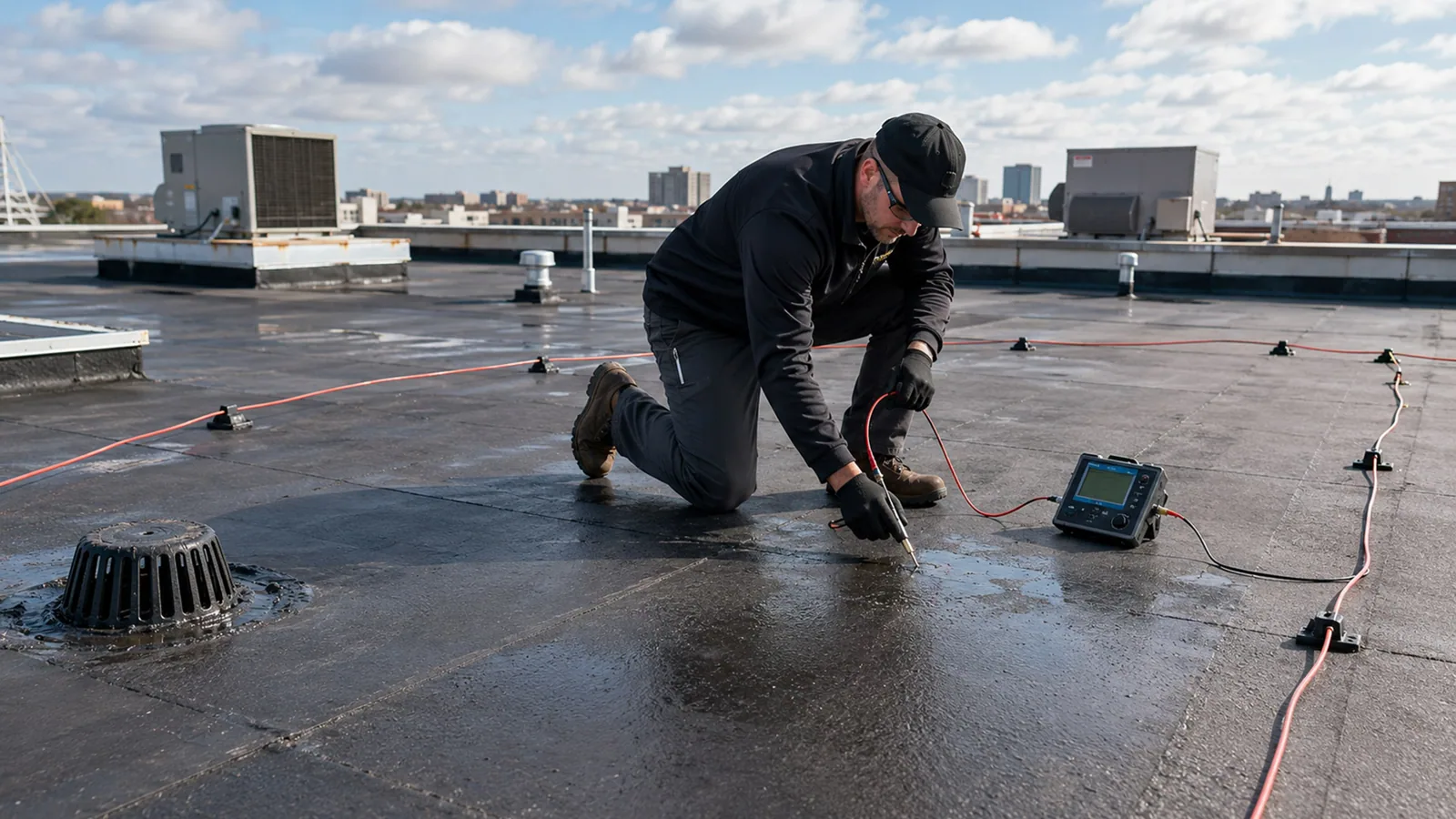
Commercial Roof Inspection in Murrieta, CA
Read the full description and the questions owners ask about it.
Learn More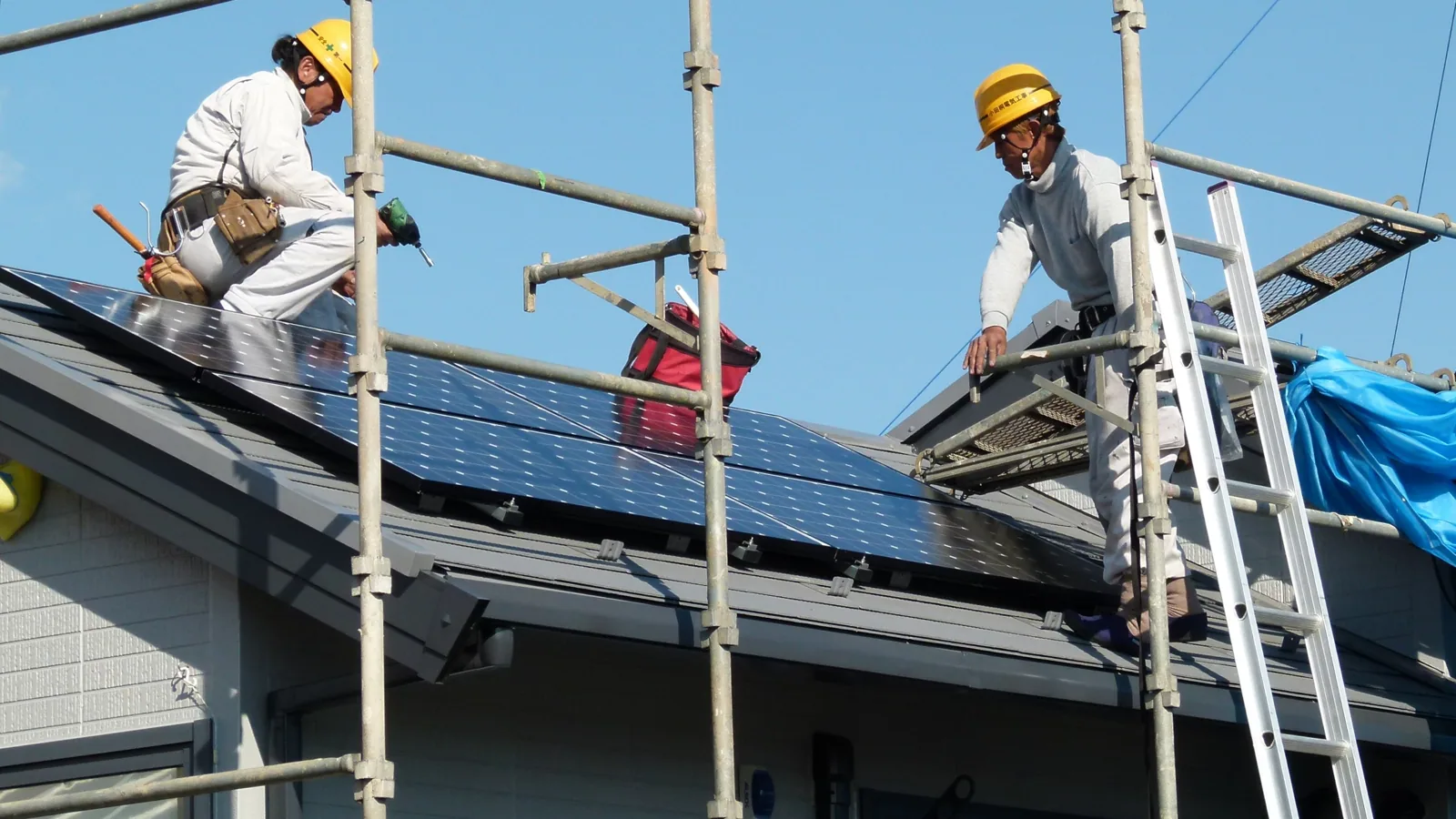
Occupied-Building Commercial Reroofing in Murrieta, CA
See how this work fits the roof, the building and the schedule.
Learn More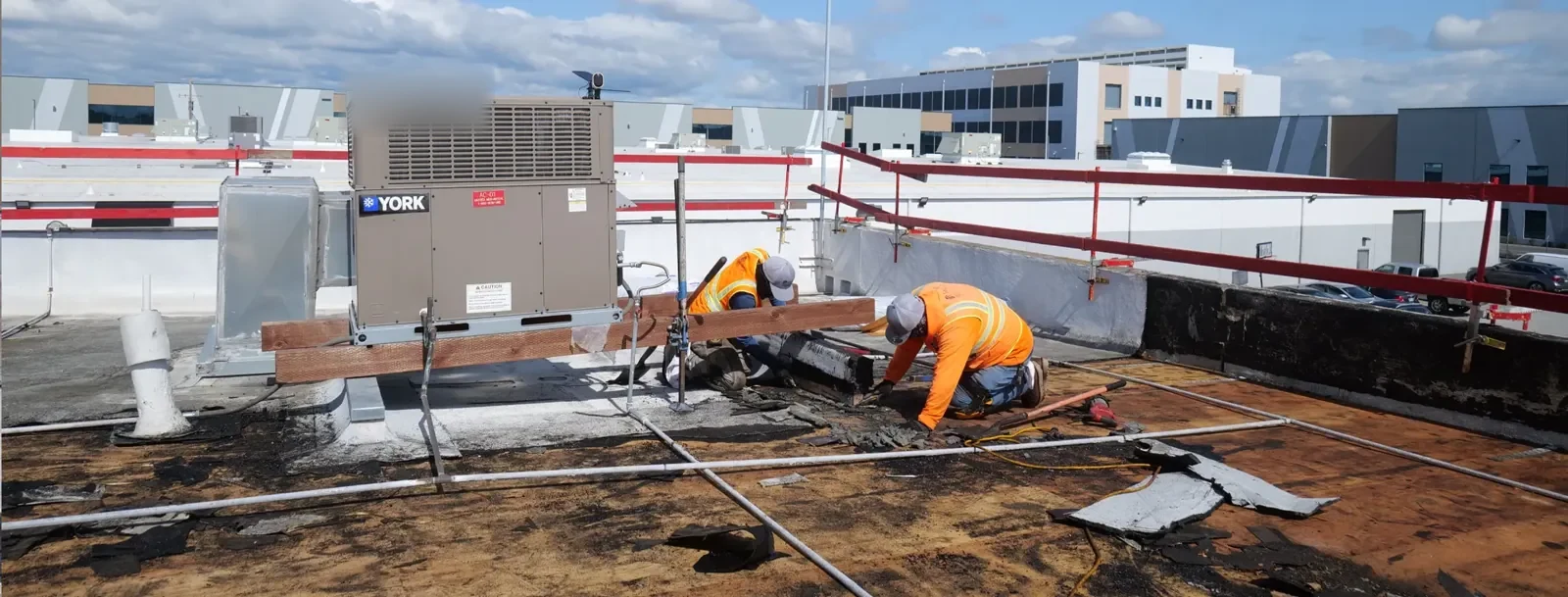
Commercial Roof Capital Planning in Murrieta, CA
Related scope, access notes and questions to ask before work starts.
Learn More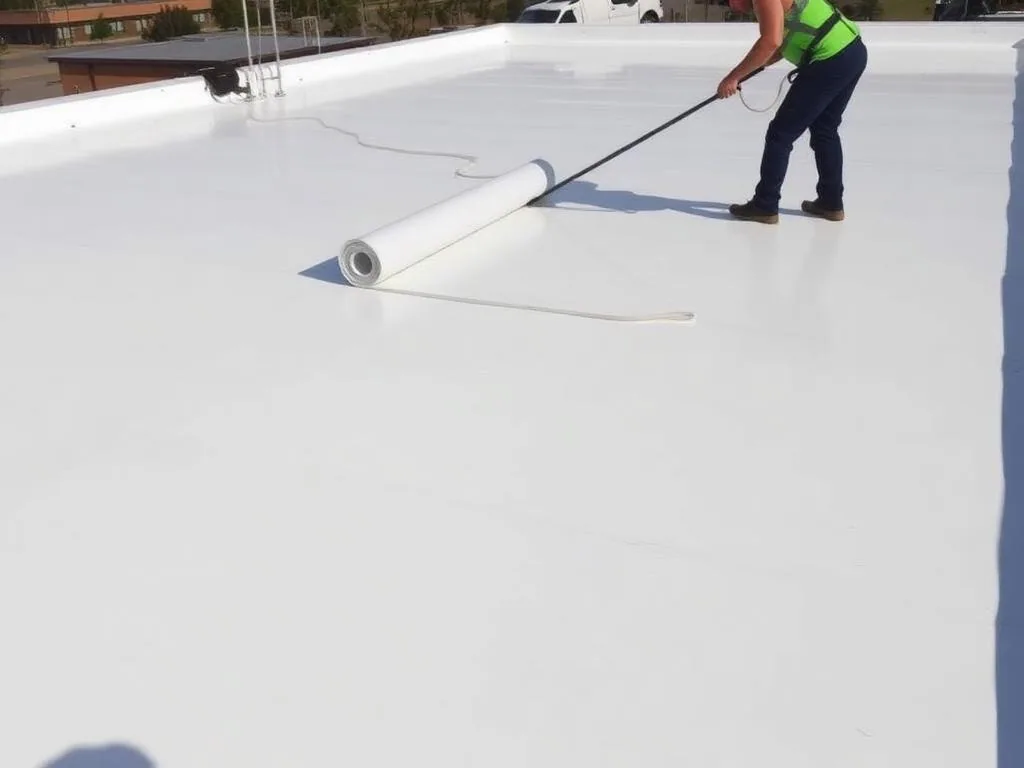
Commercial Roof Coating Restoration in Murrieta, CA
Read the full description and the questions owners ask about it.
Learn MoreArrange a commercial roof inspection in Hemet
Share the property use, roof history, current concern, and available access window. We will map the condition, identify the repair boundary, and provide a documented scope for your review.