
Commercial Roofing in Grand Terrace, CA
Inspect Grand Terrace commercial roofs for water paths, edge failures, and repair limits. Compare repairs or replacement after checking access and drainage.
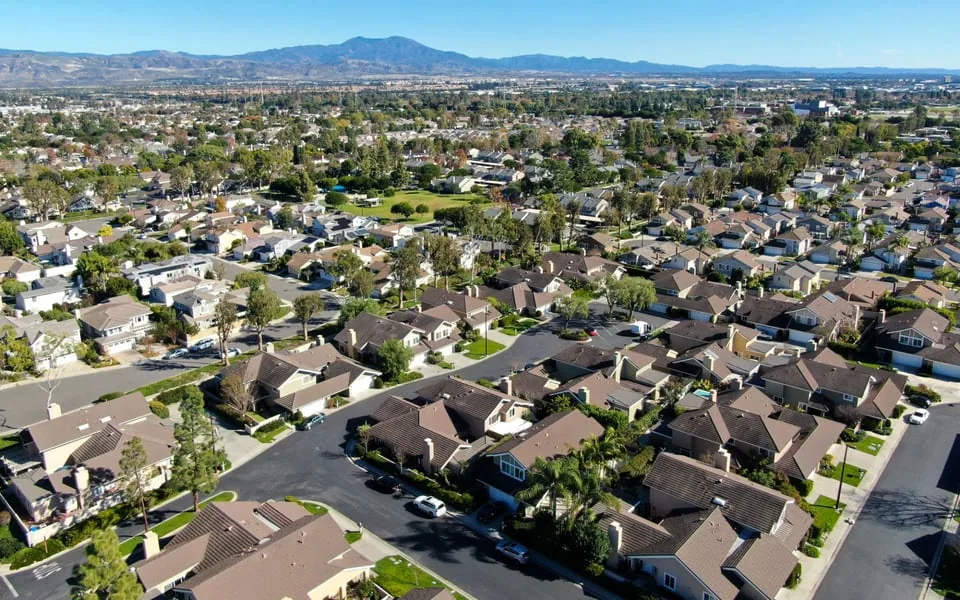
A loose edge detail on a Grand Terrace roof can let water reach the wall long before the interior shows a mark. We inspect the edge, seams, curbs, penetrations, drains, and prior patches, then record where the repair can tie into stable material. Interstate 215 is the regional connector for Grand Terrace, but the road does not show how a particular property is accessed, occupied, or roofed.
The 22.5-mile Gage Canal brought Santa Ana River water to the area and helped establish citrus agriculture; its route passes through Grand Terrace. The canal’s presence is regional context, not proof of drainage conditions on a roof. We inspect the property’s actual slope, drains, overflow, and discharge path. For owners managing a second roof in Norco, keep each city’s site route and condition map distinct rather than borrowing assumptions from one building.
Corridor setting: confirm the route at the property
Grand Terrace is a general-law city incorporated in 1978. Blue Mountain Trail is a 4.1-mile out-and-back route. These facts describe civic geography and recreation, not the property’s parking, loading, or roof-entry plan. We confirm which gate or service drive is usable, where a lift can stand, and which paths must remain clear before equipment or membrane reaches the roof.
On an active site, access affects the order of work. We divide the roof into zones and set a daily dry-in line so an exposed section closes before the crew leaves. The owner identifies tenant entries, deliveries, rooftop units, and the person who can approve a change if the deck is damaged. A phased reroof sequence ties those ground and roof constraints to an actual work window, instead of assuming the I-215 corridor provides direct access to a building.
Water route: locate the failed detail before pricing
A stain in an occupied space may sit below a different roof zone than the opening. We compare the report with field seams, wall transitions, curbs, skylights, drain bowls, and earlier patches. The inspection records what is split, lifted, wet, or uncertain and notes where moisture testing would change the boundary. A hands-on roof inspection gives the owner photographs and a map with each finding tied to a location.
The canal that passes through Grand Terrace is a land and water-history fact; it does not establish that a building has a water problem. Roof drainage needs a separate walk from the high point to each outlet. We inspect the bowl and strainer, check the overflow path, and note low areas that remain after debris is cleared. A blocked drain, a settled section, and loose flashing call for different work. A drain and scupper review can separate a maintenance task from a slope or detail repair.
Repair limit: choose work that follows the evidence
A patch belongs where the defect is found and the neighboring membrane is sound enough to accept a tie-in. We describe the preparation, repair material, edge treatment, and excluded area so the owner can see what the price covers. If similar openings appear across separate roof sections, several isolated patches may leave the larger condition unresolved. A commercial roof repair scope should identify both the confirmed failure and any adjacent area that needs a test.
Replacement and recover are different choices. A recover adds a layer, so we review existing layers, moisture, attachment, deck capacity, drain height, perimeter clearance, and equipment details before recommending it. If wet insulation is widespread or the deck cannot support another assembly, replacement may be the clearer path. A replacement estimate should state removal depth, new insulation, membrane attachment, edge metal, penetrations, and daily protection. We list allowances for concealed conditions separately from observed work.
Canal context: do not confuse site water with roof water
Grand Terrace’s Gage Canal history connects a 22.5-mile water route with citrus agriculture in the area. That history does not set the drainage design at a commercial property. On the roof, we check the drain spacing, slope, overflow, and wall flashing. At grade, the owner confirms whether downspouts or scuppers discharge to a safe location. The recover review must account for drain elevation and perimeter height if another layer is considered.
For a roof with many equipment curbs, each support and penetration gets its own flashing check. A membrane patch that stops at a curb corner will not correct a loose base or an open joint on the opposite side. We photograph each face and record the detail before ordering material. A penetration flashing repair should connect the curb or opening to the field membrane through a compatible assembly. If the roof is being considered for a silicone coating, we first check surface condition, adhesion, moisture, and detail compatibility.
Work plan: keep people, materials, and dry-in aligned
Before the first tear-off, the property contact confirms staging, roof entry, lift location, tenant paths, and any event or delivery window that affects access. We note what can be moved, what stays active, and where the crew pauses if a test opening finds wet insulation or damaged deck. Each day’s work area has a stated close point and temporary protection method. A roof capital plan can distinguish immediate repair from a larger project without losing the current access limits.
Schedule depends on assembly, removal depth, deck repairs, edge metal, equipment handling, material compatibility, and the amount of surface that can be open safely. Weather and application conditions are checked at the time of work. We do not infer roof exposure from the nearby canal or trail. If the property is part of an owner’s group that includes Riverside, each site still needs its own contact, route, and approved staging area. That detail prevents a regional route map from becoming a false promise about a single workday.
Closeout file: make the next inspection easier
Closeout should include dated images, a roof-zone map, installed materials, completed repair details, approved changes, and any area still requiring testing or maintenance.
Grand Terrace’s place between Riverside and San Bernardino along I-215 is useful regional context; it does not establish the roof’s assembly or work history. Murrieta’s Jefferson-Madison Corridor is a separate planned area, while Norco’s equestrian trail system has its own city context. For properties across those cities, keep maps, access notes, repair limits, and open questions with each building. A Calimesa roof review and a Norco roof review need their own records.
Commercial Roofing Questions
Does the Gage Canal determine roof drainage in Grand Terrace?
No. The canal is a historic water route, while the roof needs its own slope and outlet check. We inspect each drain, overflow path, low area, and wall detail, then document whether the condition is debris, geometry, or a failed membrane connection.
What does I-215 access tell us about a roof project?
The corridor locates Grand Terrace between Riverside and San Bernardino. The property contact still confirms the usable entrance, delivery route, staging area, lift location, and any access limits before work is scheduled.
When is a local patch enough?
A patch can fit when the opening is located, the material is compatible, and a stable tie-in surrounds the defect. We map nearby seams and flashings as well, so a recurring failure does not get priced as one isolated hole without evidence.
How do you decide whether to recover or replace?
We check moisture, attachment, deck capacity, layer count, drain height, edge clearance, and equipment details. The proposal states which findings support another layer and what removal or concealed-condition work could change the replacement comparison.
What should remain in the owner’s roof file?
Keep dated photographs, roof-zone labels, product data, repair details, approved field changes, and unresolved test areas. A later inspection can then compare the same drain, seam, curb, or edge rather than recreate the earlier scope.
Related Roofing Work
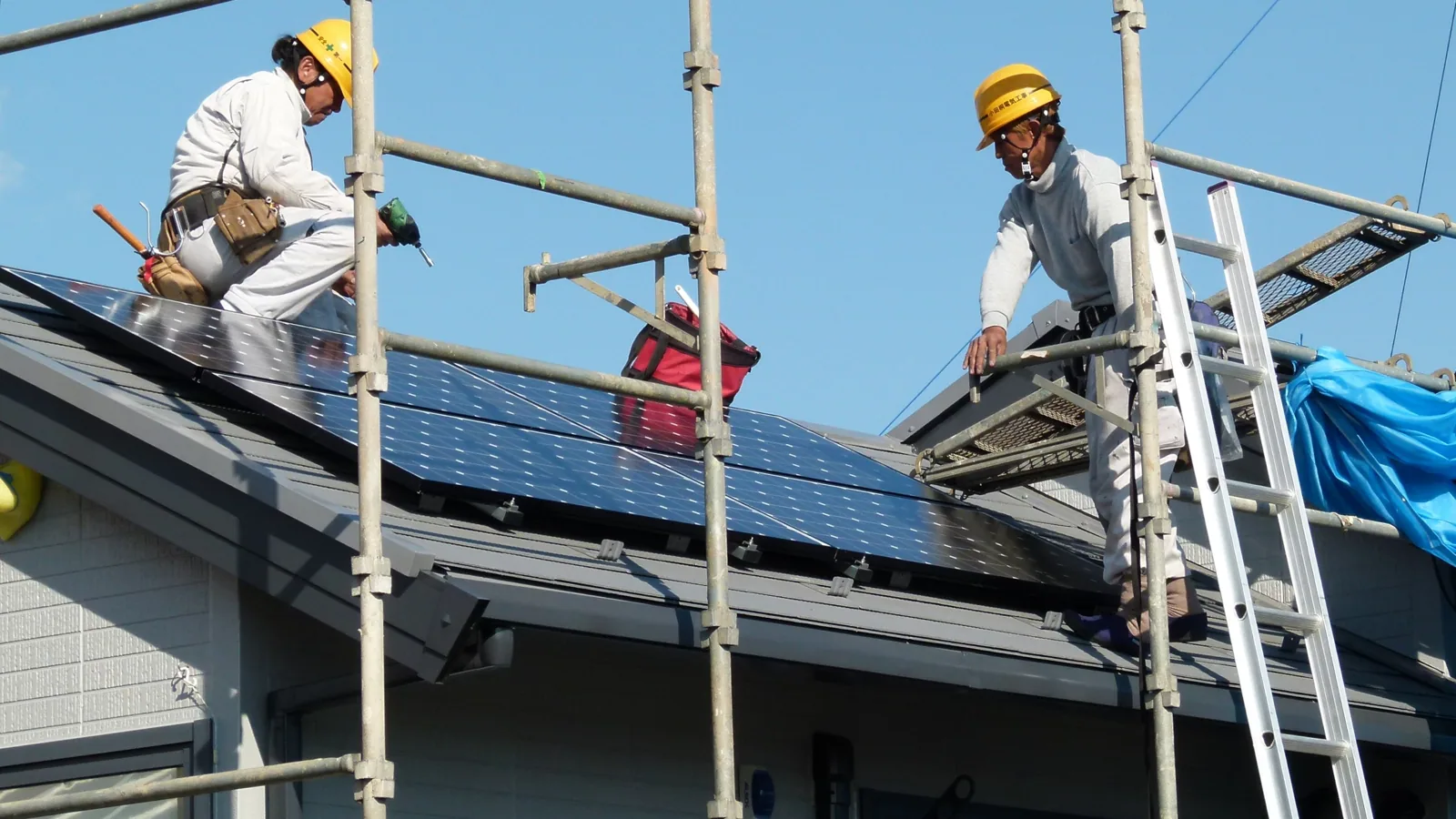
Occupied-Building Commercial Reroofing in Murrieta, CA
See how this work fits the roof, the building and the schedule.
Learn More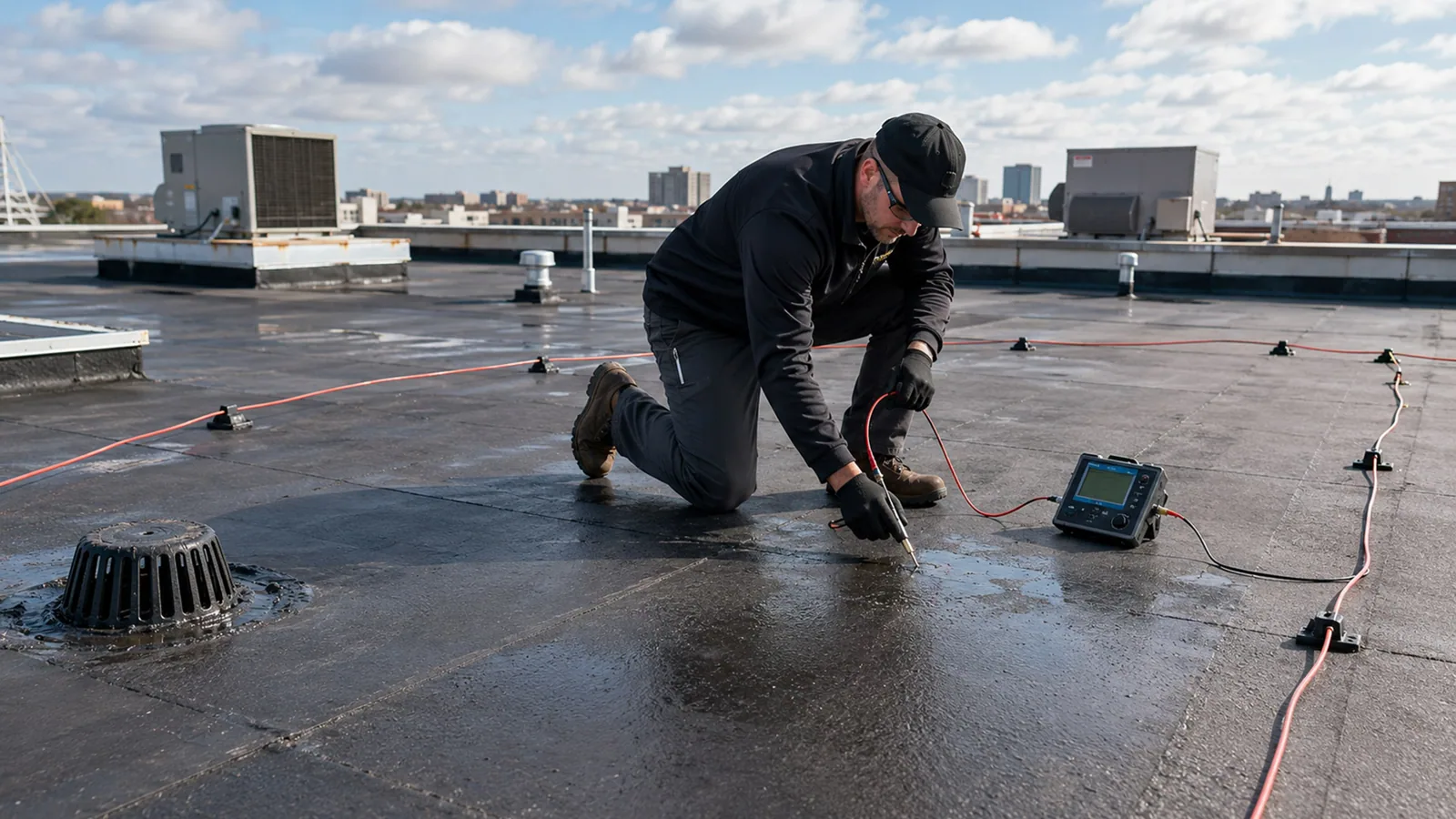
Commercial Roof Inspection in Murrieta, CA
Related scope, access notes and questions to ask before work starts.
Learn More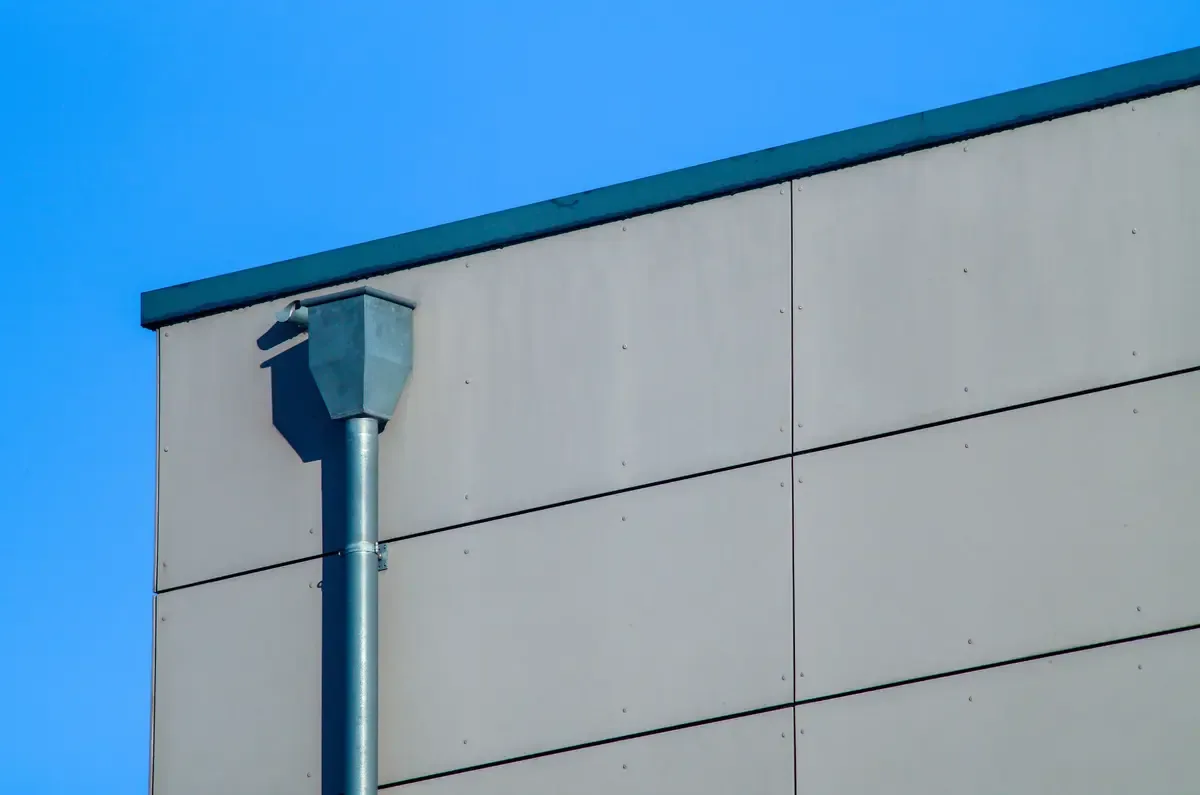
Commercial Roof Drains and Scuppers in Murrieta, CA
Read the full description and the questions owners ask about it.
Learn More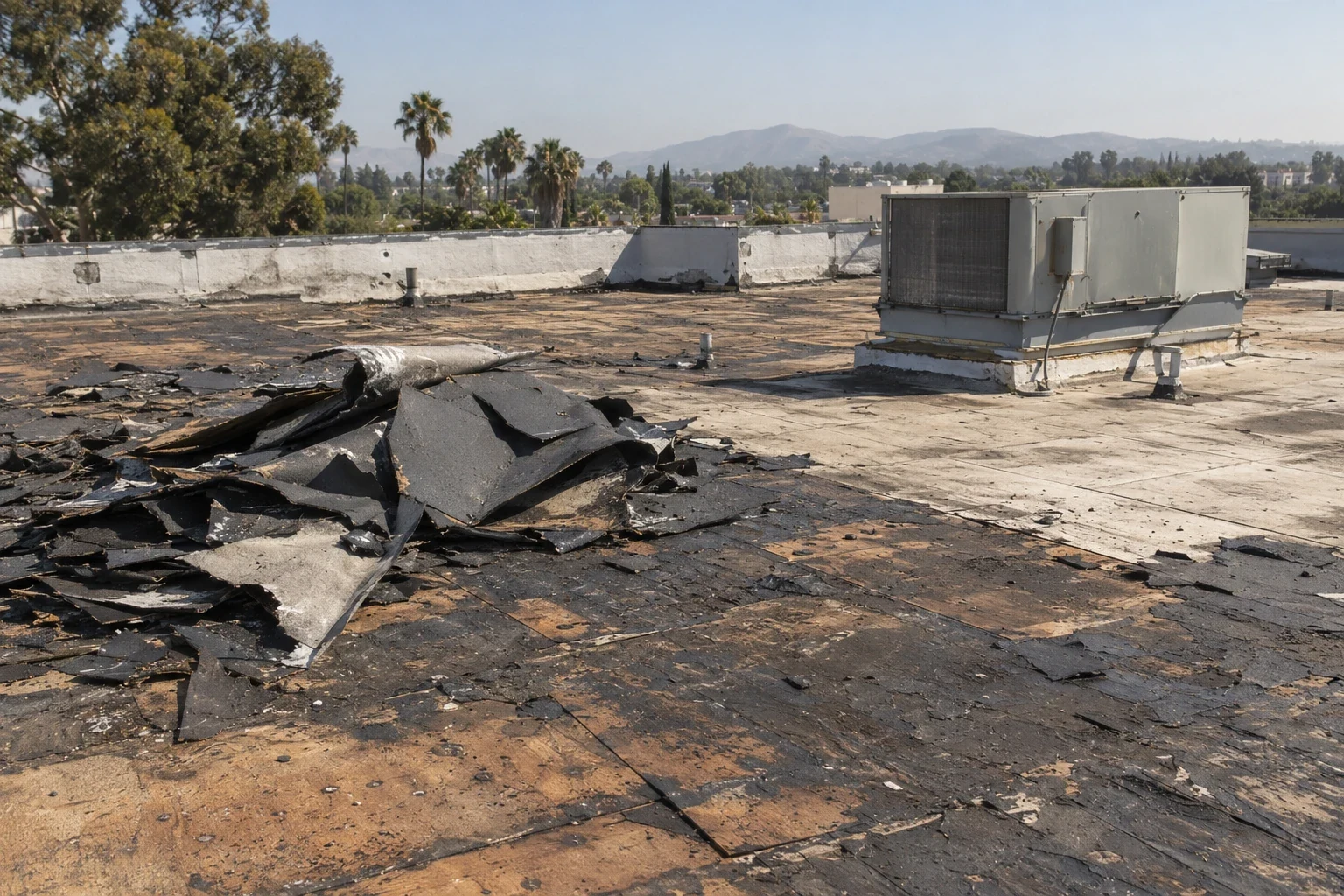
Commercial Roof Replacement in Murrieta, CA
See how this work fits the roof, the building and the schedule.
Learn More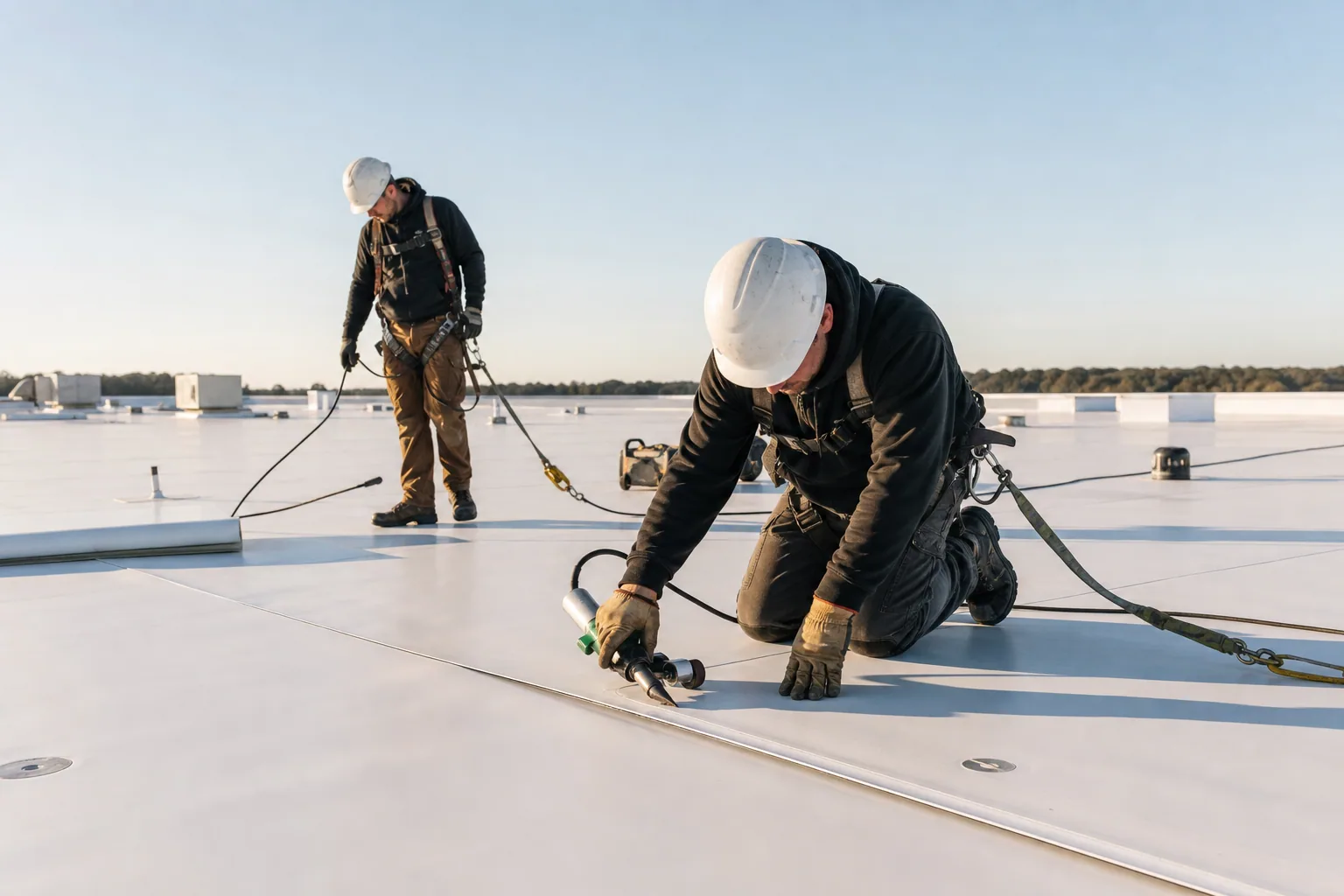
Commercial Roof Recover in Murrieta, CA
Related scope, access notes and questions to ask before work starts.
Learn More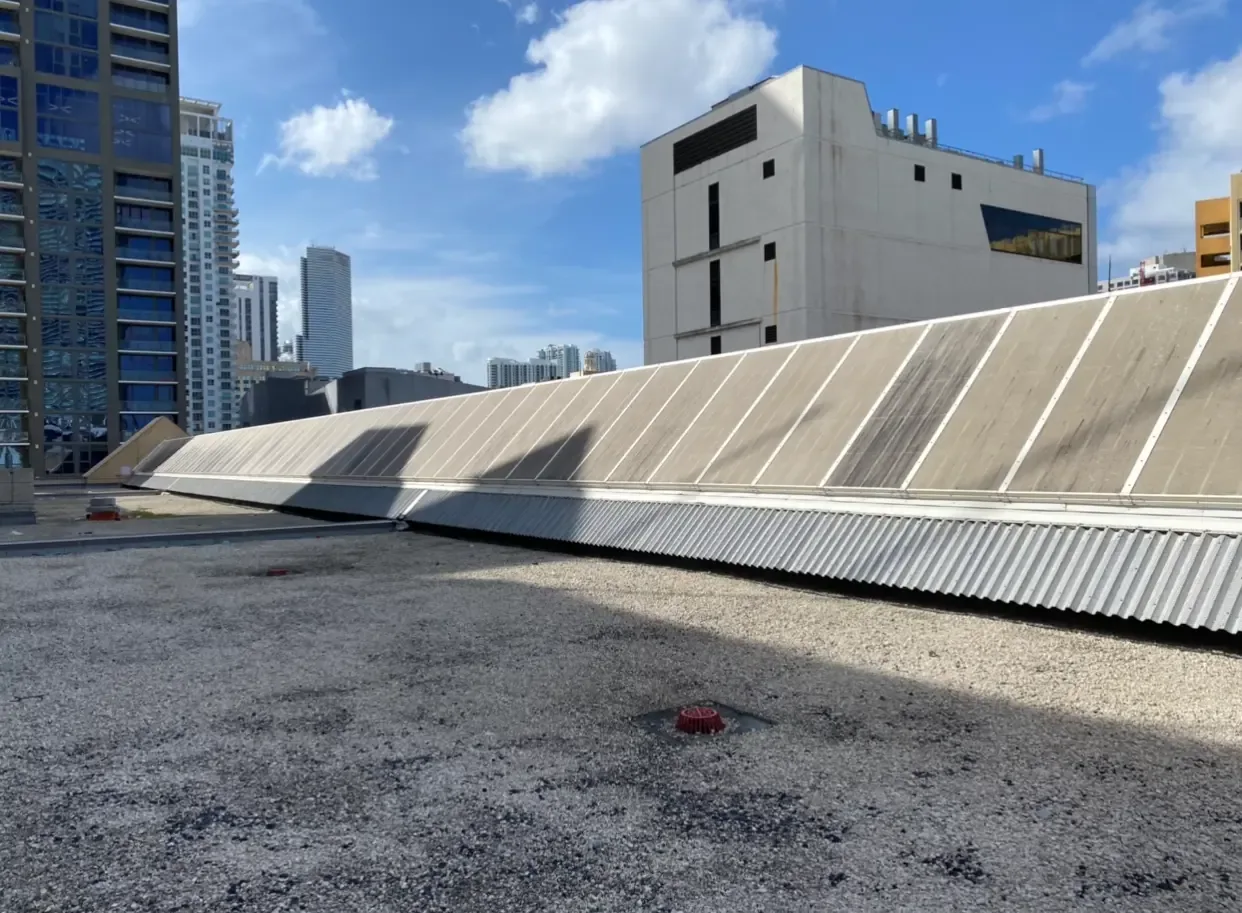
Commercial Skylight and Penetration Flashing in Murrieta, CA
Read the full description and the questions owners ask about it.
Learn MoreArrange a commercial roof inspection in Grand Terrace
Set a walk with the building contact, point out where water appears, and bring the latest roof record. We will map the failed detail and outline the repair boundary for review.