
Commercial Skylight and Penetration Flashing in Murrieta, CA
Trace leaks at commercial skylights and roof penetrations in Murrieta. We inspect curbs, flashing, fasteners and membrane transitions before repair.
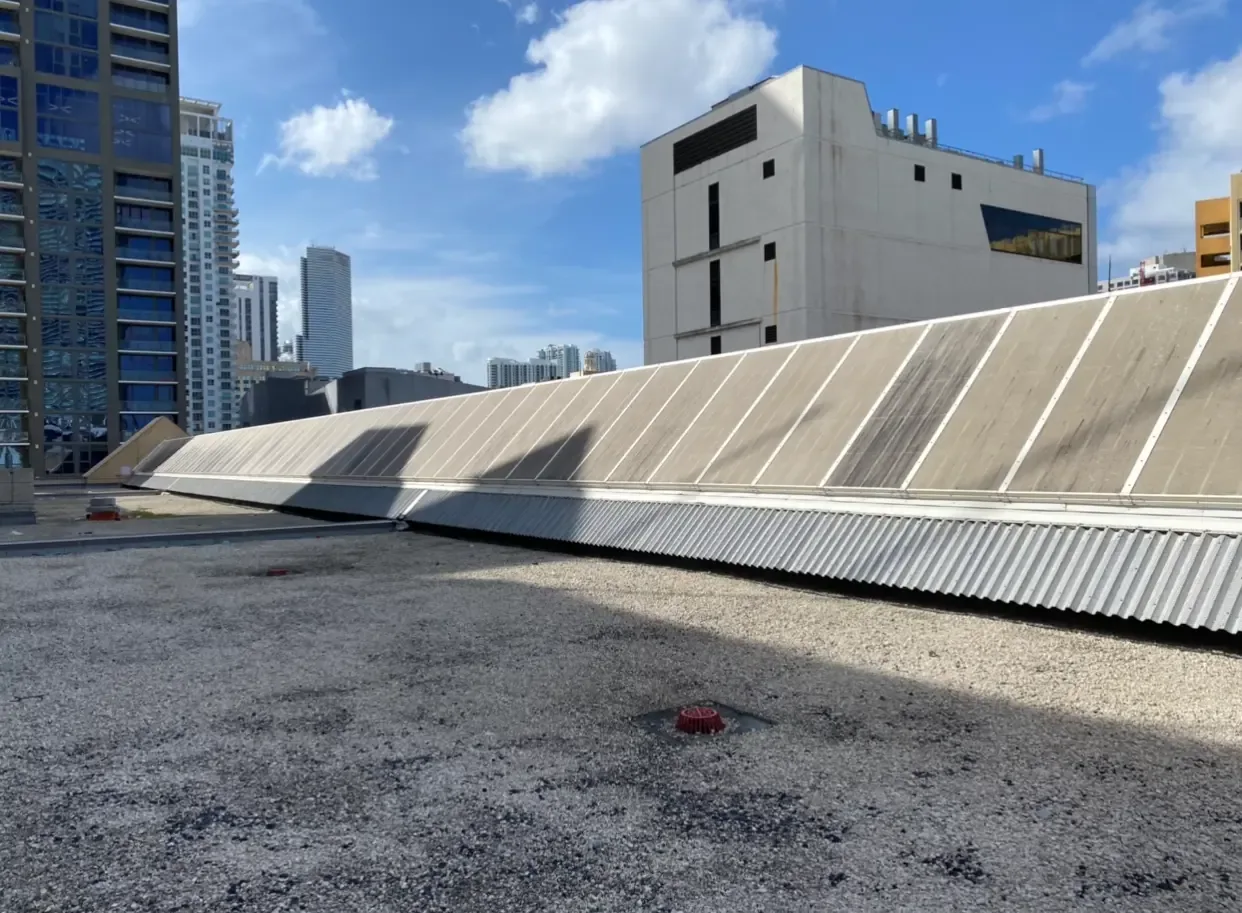
A leak beside a skylight can begin at the curb, a fastener, a cracked seal or a membrane transition several inches away. We inspect the whole opening and the roof section around it before choosing a repair. For Murrieta, late-century projections place average highs 5.1 to 10.4 degrees above the 1950 to 2005 baseline, depending on emissions. That long-range context does not tell an owner when to schedule a roof opening; current conditions and product limits still control the work window. That planning context makes material movement and repeated exposure worth considering, but the opening itself determines the scope. We check the skylight frame, curb, glazing, flashing and adjoining membrane, then note any water path toward the drain. A leak inspection can help locate entry when the interior stain does not line up with the roof opening.
Opening Review: Check the Curb Before Reaching for Sealant
We look at curb height and condition, corner seams, counterflashing, fasteners and the surface where the roof membrane turns up. A brittle bead of sealant may have split, but adding another layer over dirt or loose material often leaves the underlying transition unchanged. The frame can move independently of the curb, and a cracked glazing gasket can admit water even when the roof-side flashing is intact. We also check nearby pipes, conduit and mechanical supports because several openings may share a low area. Photos show the roof-side and interior conditions separately, then connect them in the report only where the evidence supports it. If the opening is secure but water appears nearby, we trace the seam, wall or drain path before assigning the leak to the skylight. A roof inspection records adjoining conditions that can change the repair boundary.
Flashing: Build a Durable Transition at Each Penetration
Different roof systems use different flashing methods. A membrane may turn up a curb and receive compatible sheet flashing; a metal roof may need formed closures and carefully detailed panel transitions. Pipe penetrations can require a boot or field-fabricated detail that fits the diameter and movement. We identify the roof material and prior repairs before selecting products. Corners and changes in plane deserve particular attention because small openings can carry water below the visible edge. The repair should tie into sound material, secure the flashing and leave the water path unobstructed. A skylight with damaged glazing or frame components may need work beyond roof flashing; the report should separate those conditions so the owner knows what falls within the roofing scope. For curb details, equipment-curb flashing can share the same need for a secure membrane transition, while TPO roof assemblies require system-compatible seam and flashing methods.
Daylight and Operations: Plan the Interior Protection
Skylights affect both the roof and the occupied space below. Before work, we identify desks, inventory, production areas or equipment that could be exposed if the opening is disturbed. A temporary cover may be needed while the curb is rebuilt, with a dry-in check before the crew leaves. We also plan around rooftop access for mechanical service and avoid leaving loose material near glazing. Murrieta’s economic-development plan recognizes medical services and scientific research as local strengths. Those sectors include operations where a work zone and interior protection may require careful coordination, although the citywide fact does not identify a particular facility. The Jefferson-Madison planning area is described by the City as business-park and innovation land use, not a completed inventory of buildings. We use the actual roof access and work area to set the sequence. Perris’s Downtown Plan describes a planned commercial frontage along the 4th Street Corridor. That planning designation does not describe any particular roof, but active street access can affect where materials are staged and which interior areas need notice before a skylight curb is opened. We confirm who controls roof access and where temporary protection can be placed. If the property remains occupied, a work-zone plan can identify which interior areas need notice and protection.
Repair or Replace: Decide What the Opening Needs
A localized flashing repair may be suitable when the curb and surrounding membrane remain sound. If the curb is deteriorated, the frame is damaged or repeated patches have left no stable surface, a larger rebuild may be more practical. Replacement also becomes part of the discussion when the roof system around the opening is failing or the skylight itself no longer suits the building. We document the condition, repair limits and any adjacent work that could be affected by removing the unit. The owner should know whether the price includes curb work, flashing, glazing coordination, temporary protection and interior cleanup. The scope can include a photo record that locates each opening and any item needing another trade. For several penetrations, scheduled maintenance can track sealant and flashing conditions before water reaches the ceiling.
Weather and Access: Protect the Opening Until It Is Closed
Work at a skylight should be sequenced so the roof is not left open when the crew leaves. We confirm the forecast, roof condition and material cure requirements, then set a dry-in point for each opening. Murrieta's extreme-heat planning threshold is 105.1 degrees from April through October; this is a projection, not a daily weather forecast. We still check actual surface and air conditions because some sealants and membranes have specific application limits. For adjacent business districts, access can also affect staging and interior protection. Temecula’s official business page describes Old Town as about a mile north to south, a distinct setting from Murrieta’s Jefferson-Madison area. That local context does not determine a project schedule, but it reinforces the need to map actual access and occupied hours before material is carried across the roof. A Temecula roof opening gets the same inspection-led sequence as any other location.
Commercial Roofing Questions
How can you tell whether a skylight or the roof flashing is leaking?
We inspect the glazing, frame, curb, flashing and adjoining membrane, then compare those findings with the interior water path. A failed gasket can admit water while the curb is sound, or a flashing gap can leak even when the glazing looks intact. We document which condition supports the repair and what remains uncertain.
Can a cracked sealant bead be repaired by adding more sealant?
Only if the joint and substrate are suitable for that method. We remove loose or failed material where needed, prepare the surface and rebuild the detail with compatible products. If the curb is moving or the flashing has separated, a surface bead may cover the symptom without restoring the connection.
Does every commercial roof skylight need replacement when it leaks?
No. A sound unit with an isolated flashing failure may need a localized repair. Cracked glazing, a deteriorated curb or recurring failures can support a rebuild or replacement comparison. We inspect the full opening and explain which components can remain before the owner chooses a scope.
How do you keep the building dry during skylight work?
We set a dry-in plan before opening a curb or removing flashing. The sequence includes temporary protection, interior exposure review and a check that the permanent tie-in is complete before the crew leaves. If the weather or material conditions change, we secure the opening and resume when a durable close is possible.
Should skylights be included in routine roof maintenance?
Yes, the inspection can record glazing, gaskets, curb condition, flashing and nearby drainage. A maintenance record helps distinguish ordinary aging from a new opening and shows whether a sealant repair is holding. We also look for debris or roof traffic that can damage the transition after service work.
Related Roofing Work
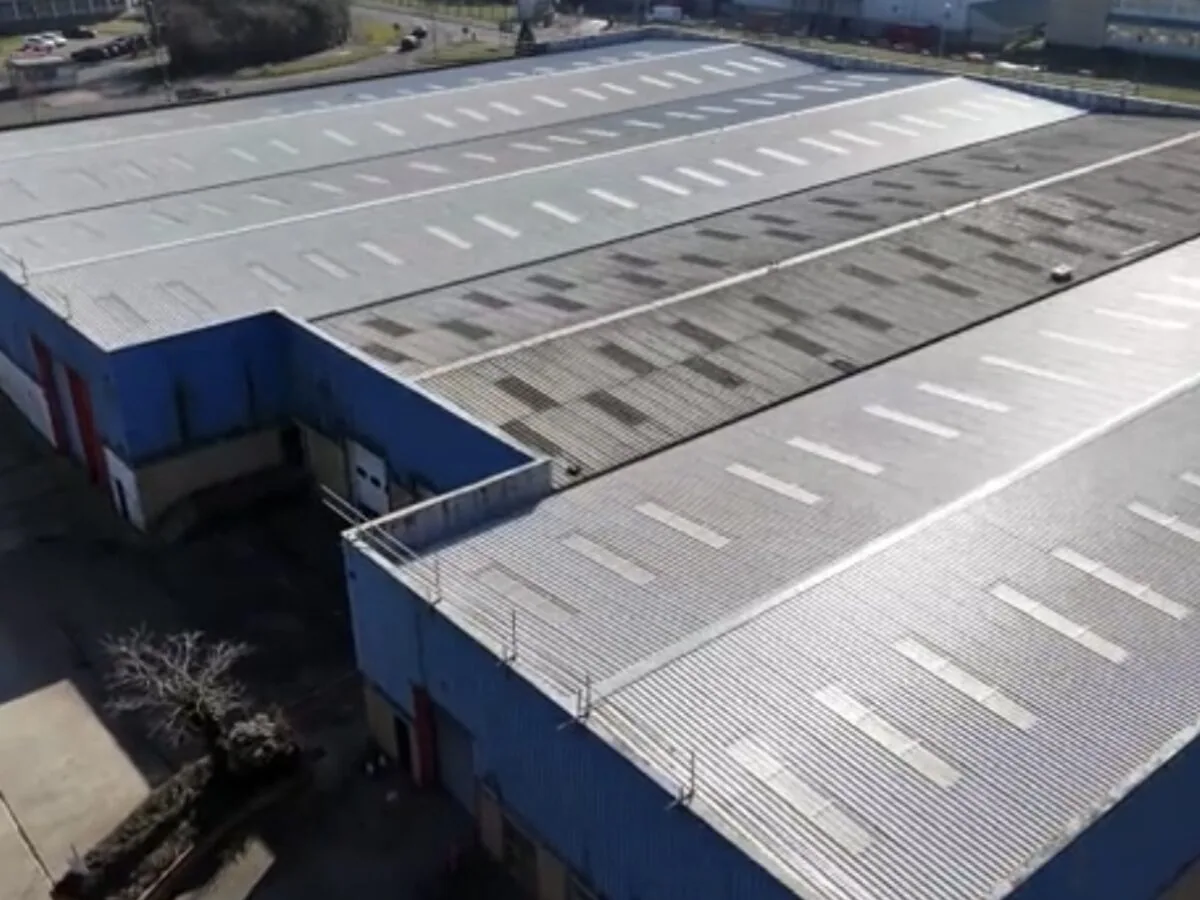
Commercial Roof Leak Repair in Murrieta, CA
See how this work fits the roof, the building and the schedule.
Learn More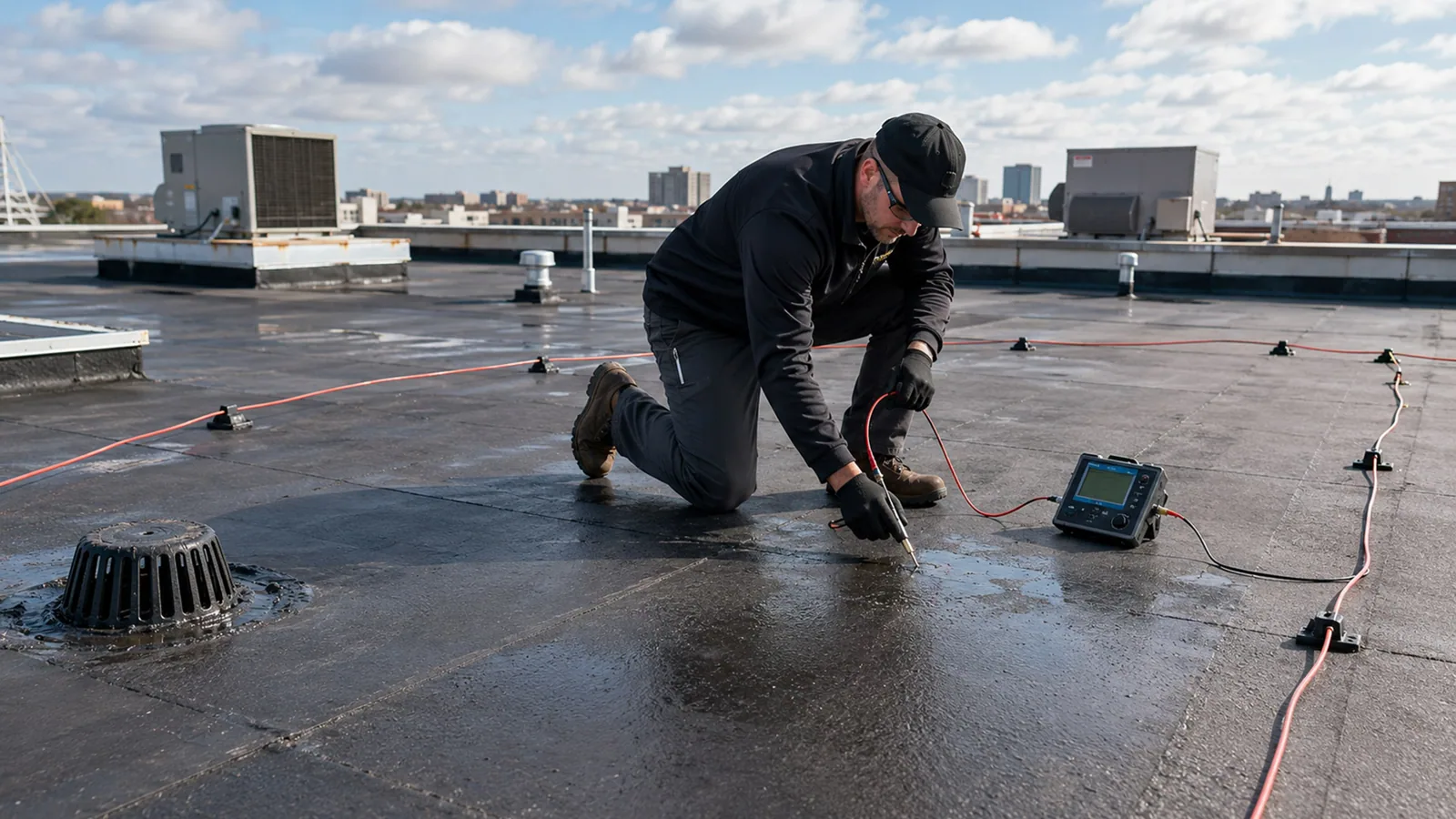
Commercial Roof Inspection in Murrieta, CA
Related scope, access notes and questions to ask before work starts.
Learn More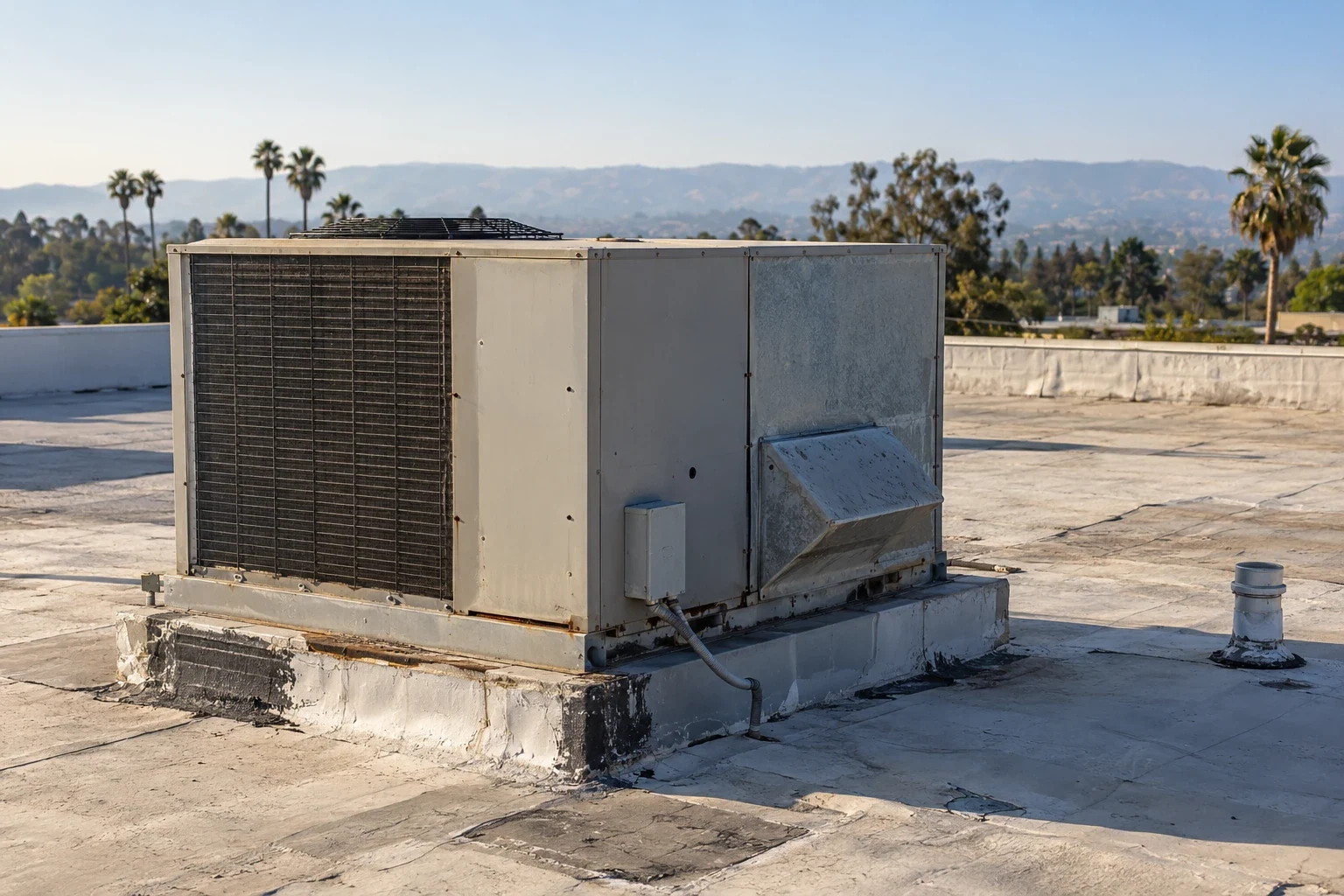
Rooftop Equipment Curbs and Supports in Murrieta, CA
Read the full description and the questions owners ask about it.
Learn More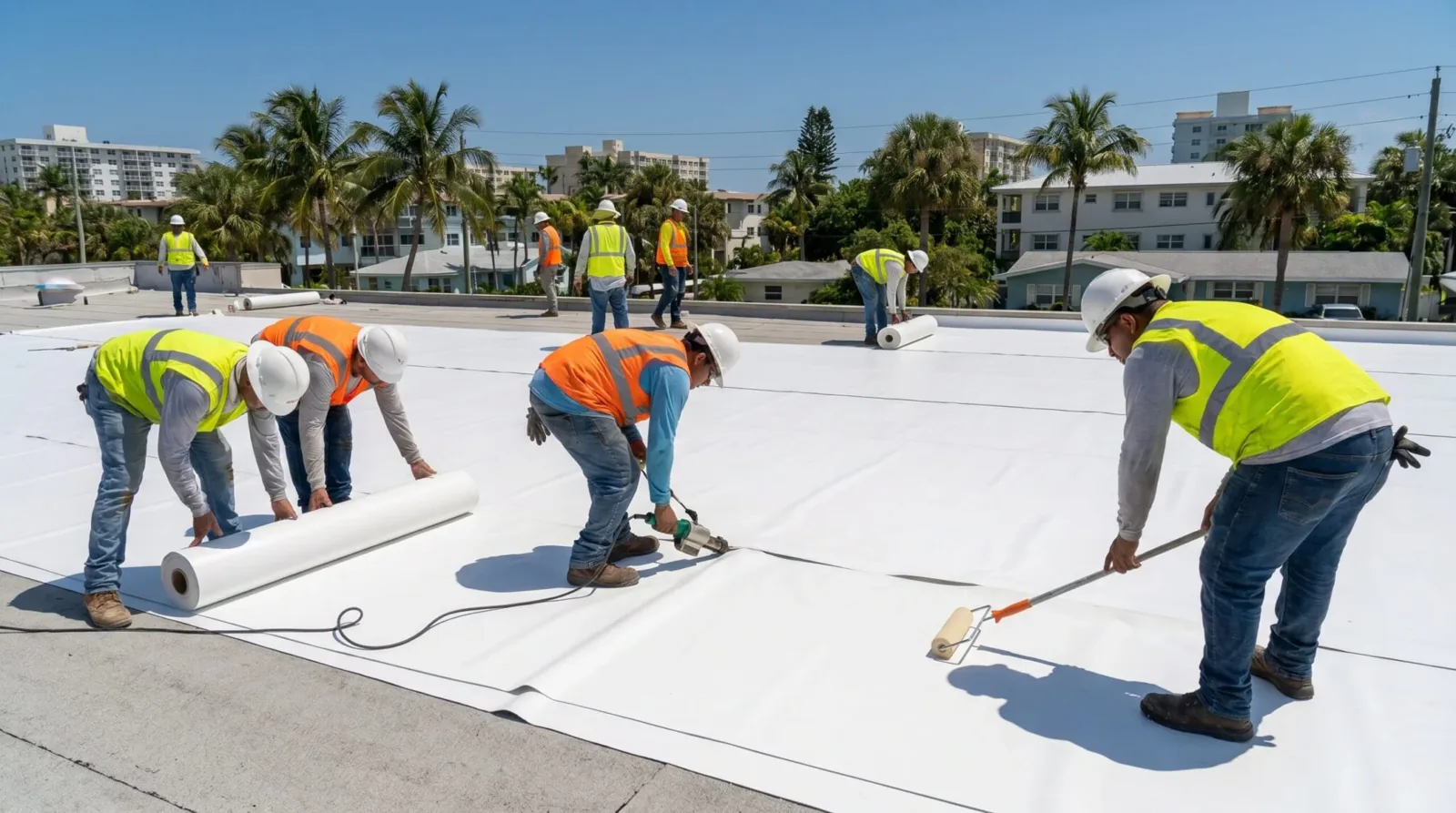
Commercial TPO Roofing in Murrieta, CA
See how this work fits the roof, the building and the schedule.
Learn More
Occupied-Building Commercial Reroofing in Murrieta, CA
Related scope, access notes and questions to ask before work starts.
Learn More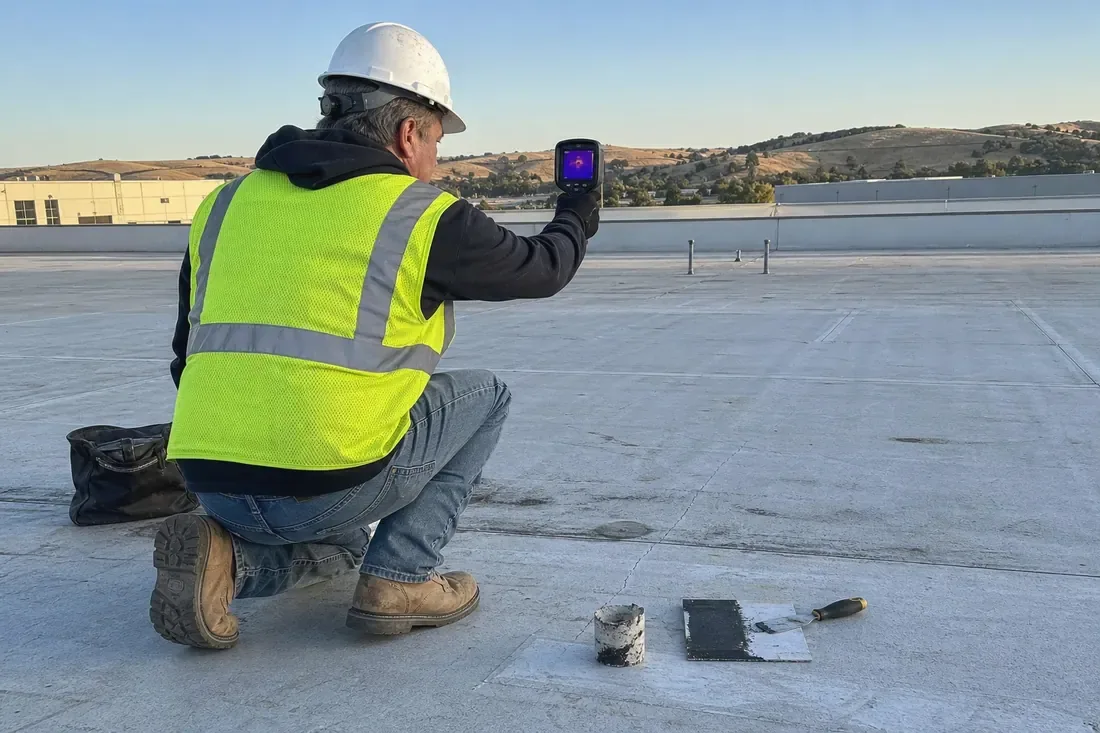
Commercial Roof Condition Reports in Murrieta, CA
Read the full description and the questions owners ask about it.
Learn MoreInspect a Leaking Skylight or Roof Opening
Arrange a Murrieta inspection to trace water at skylights and penetrations, document the flashing and define a durable repair scope.