
Medical Office Roofing in Murrieta, CA
Review medical office roof repairs and replacement in Murrieta, CA, with attention to patient access, rooftop equipment, drainage and work windows.
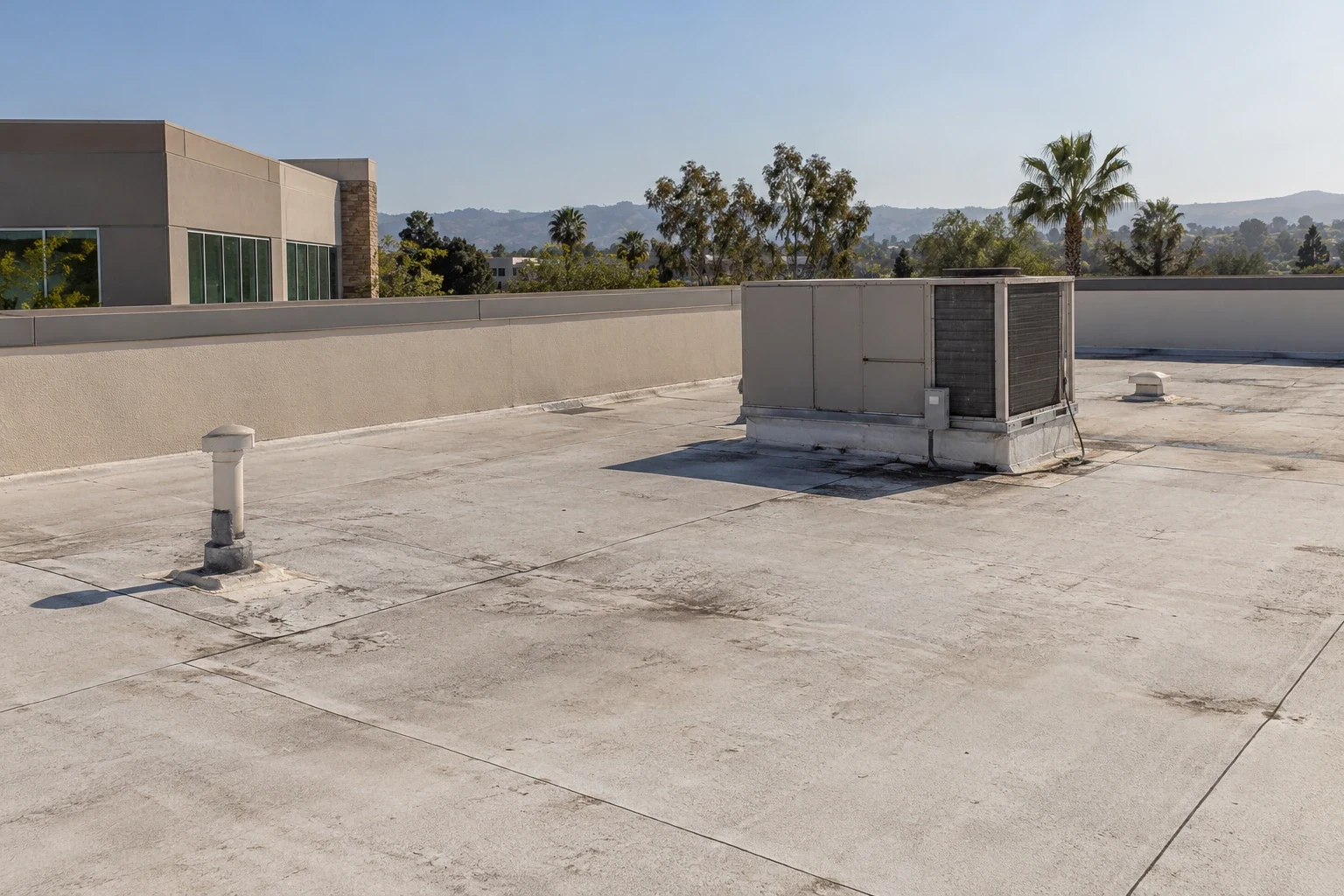
Patient appointments continue below a roof that may need a new curb flashing or a drain repair. Medical office roofing in Murrieta begins with the space in use, rooftop equipment and access limits, then turns to the condition of the membrane and deck. Medical services are part of Murrieta's economic base, with planned medical and technology development near Keller Road and I-215. Those plans do not establish that a proposed facility is complete or describe a specific roof. We inspect the property before setting a scope. A commercial roof inspection can document the repair boundary and the work window needed to protect occupied care areas.
Patient Areas: Trace Leaks Before They Spread
A ceiling mark in a treatment room, waiting area or records space can come from a roof detail above it, but water may travel along the deck first. We compare the interior finding with seams, parapets, roof drains, skylights and equipment curbs. The report identifies which locations were inspected and where the water path remains uncertain. If moisture may extend into insulation, a targeted opening can show whether the affected area stops locally. We discuss interior protection and access with the building contact before moving tools or materials through patient areas. A leak repair scope should address the entry detail and the space below.
Medical offices often need equipment service while roofing is underway. We note rooftop units, exhaust fans, plumbing vents and conduit, then keep service paths clear in the sequence. A flashing detail should remain weather-tight without blocking the mechanical technician’s access. If a curb or support is loose, we inspect the base and surrounding membrane rather than applying sealant to the exposed edge. The equipment curb review can identify whether the repair belongs to roofing, a mechanical trade or both. Any trade handoff should be clear before the area is opened.
Care Hours: Coordinate Access and Protection
Roof work over a clinic can affect patient entrances, staff parking, loading and rooms that need a quiet or controlled environment. We ask when lifts can arrive, which routes stay open, where temporary protection is needed and who receives notice before a section is opened. If a repair needs interior access, the facility contact can help plan it around appointments. A phased reroof can keep work within a defined area while other rooms remain in use, provided temporary dry-in and daily closeout are part of the plan. Our occupied-building sequence sets those boundaries with the building team.
Murrieta’s climate and economic planning records provide context for commercial property decisions but do not identify a particular medical office. The City’s Keller Road/I-215 project materials discuss planned hospital and medical development capacity. Temecula identifies medical-device manufacturing as part of its business-attraction focus. Those regional priorities do not establish a building inventory. We use them only as context and rely on the specific facility’s access rules, mechanical needs and visible roof condition to set the sequence. Before mobilization, the owner should confirm visitor routes, roof hatch access and any service period when equipment must remain available.
Membrane and Curbs: Keep Transitions Serviceable
We identify the installed roof system before choosing repair materials. A membrane seam, metal panel joint, coating and built-up surface each need compatible preparation. The inspection checks for loose flashing, punctures, open seams, ponding and wet insulation. At a curb, we look at the height, base attachment, corner details and clearance for future service. Adding insulation or a recover layer can alter the height at drains and parapets, so the proposal should show how those conditions will be finished. Compare office roof planning for broader tenant coordination and hospital roof work where service zones and approvals may differ.
When the roof can be repaired, we define the affected area and note nearby conditions that are not included. A recover evaluation can describe the layers that may remain, while drain and scupper service can address outlets that interrupt the water path.
Local Heat: Inspect Exposed Details
Murrieta’s climate assessment sets an extreme-heat threshold at 105.1 degrees for April through October. It reports a historical average of five such days per year from 1950 to 2005 and projects 26 to 36 annually by 2050 across scenarios. These citywide planning figures do not diagnose a clinic roof, but they make it sensible to inspect exposed seams, sealants and curb corners for movement or deterioration. We base the recommendation on the material and condition observed. The installation window also needs to fit the product instructions and the clinic’s hours, especially when adhesive, coating or temporary protection is part of the work.
Water must reach a functioning outlet, not collect around an air handler or penetrate a wall transition. We inspect drain bowls, strainers, scuppers and overflow paths, then record any low point that remains after ordinary drainage time. If water has traveled into the insulation, the surface repair should not hide that finding. Targeted testing and photographs help set the scope. The work record should also indicate any equipment route that remains restricted until the repair cures.
Records: Support Care and Maintenance
A medical office proposal should explain which rooms or entrances need notice, where materials are staged, how a roof area is closed each day and who can approve a concealed repair. It should identify the roof system, test locations, insulation or deck work, flashing, drains and remaining conditions. Timing depends on weather, access, material lead time, equipment coordination and the clinic’s operating calendar. We mark assumptions that could change the sequence, rather than promising a date before the facility releases the work area.
After closeout, keep the roof map, photographs, product information, approvals and repaired locations with the property record. That lets a later inspection compare the same curbs and drains and helps staff plan mechanical service. Murrieta’s planned medical corridor and Temecula’s manufacturing focus describe local economic programs, not evidence that we have worked at a particular facility. We scope the building in front of us. Request an inspection to document patient-area protection, roof transitions and the next repair decision.
Commercial Roofing Questions
Can a clinic stay open during roof repairs?
The sequence may be phased so work stays above a defined area, but the facility’s patient routes, noise restrictions and equipment needs set the limits. We agree on access, temporary protection and daily notice with the building contact. If interior access is required, it should be scheduled around appointments and treatment activity.
What should a medical office leak inspection include?
We compare the interior location with roof seams, curbs, drains, parapets and prior repairs. The report identifies visible conditions, test openings and any uncertainty that affects the scope. It should also record which occupied areas need protection while repair work proceeds.
How do rooftop units affect a clinic reroof?
Units and their service routes shape where the crew can stage and how flashing is completed. We inspect each curb and support, coordinate any access window with the mechanical team, and keep the water path clear. If equipment must move, that responsibility needs to be resolved before the membrane is opened.
Is a recover appropriate for an office with ongoing patient visits?
A recover can reduce removal, but it only fits when the existing assembly is dry, stable and compatible. It also raises the roof at drains and curbs. We compare those conditions with a tear-off and show the work boundary and temporary protection so reduced demolition is not treated as the only decision factor.
What should the owner keep after roofing work?
Retain the roof map, photographs, material details, approved changes and notes on areas not included. The next inspection can use that record to compare drains, seams and equipment bases. A clear maintenance file also helps coordinate roof access with mechanical service and future tenant planning.
Related Roofing Work
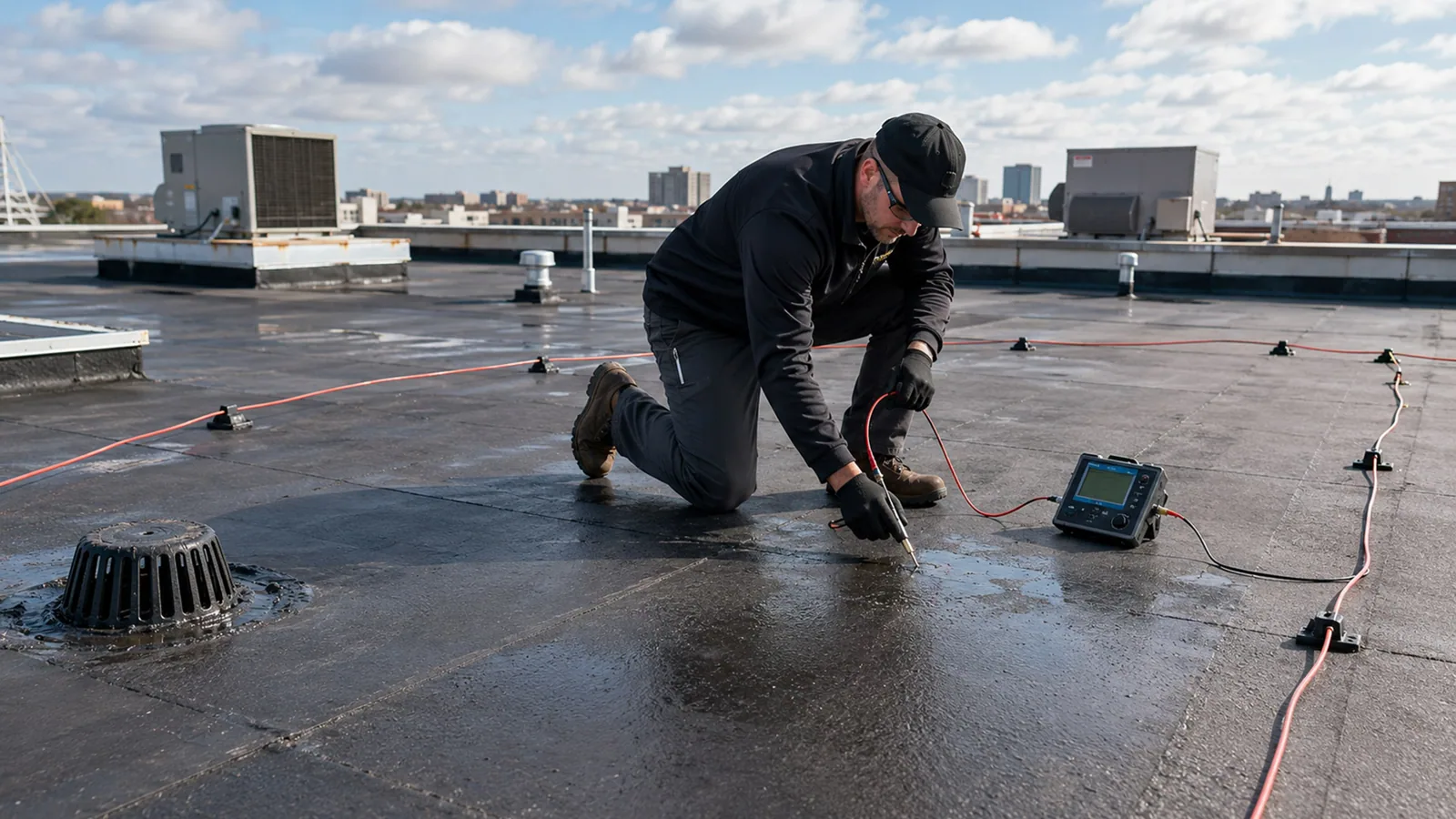
Commercial Roof Inspection in Murrieta, CA
See how this work fits the roof, the building and the schedule.
Learn More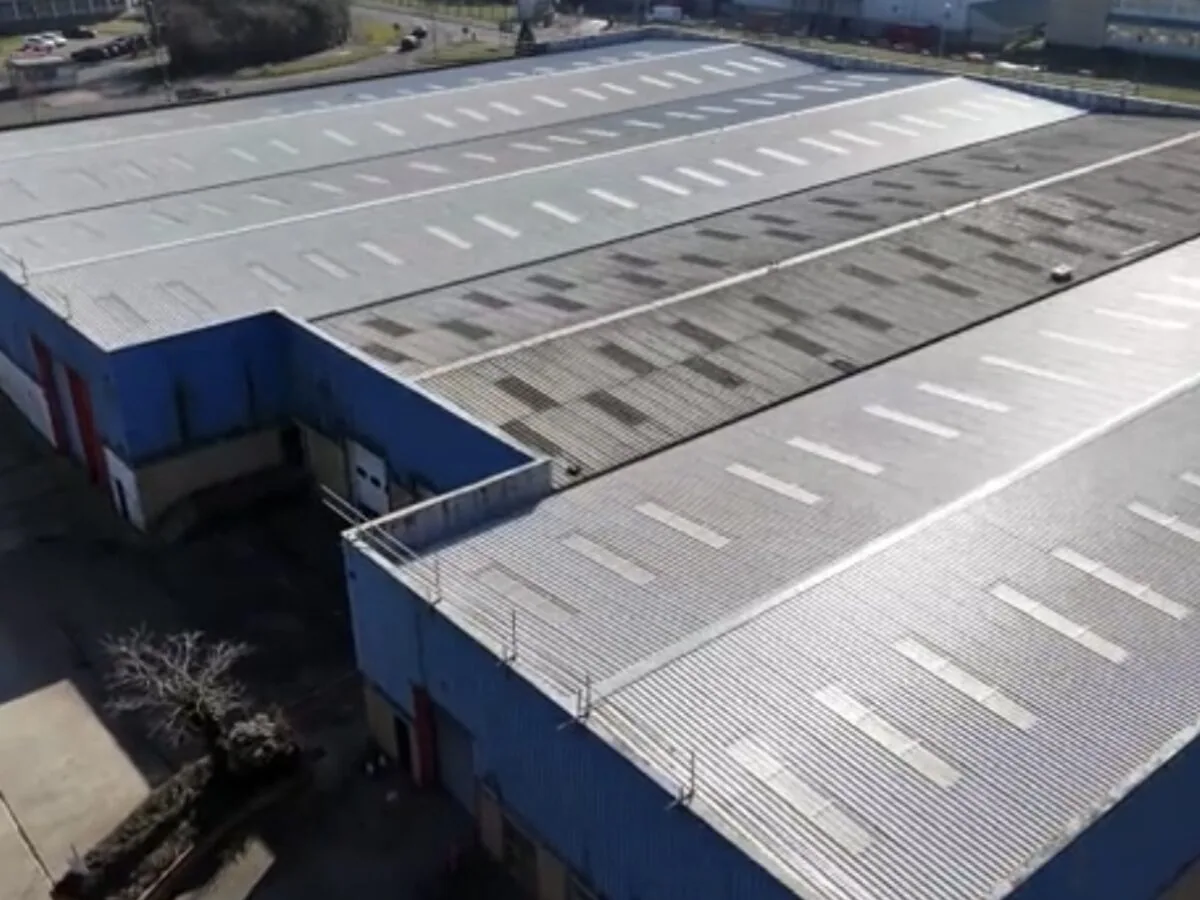
Commercial Roof Leak Repair in Murrieta, CA
Related scope, access notes and questions to ask before work starts.
Learn More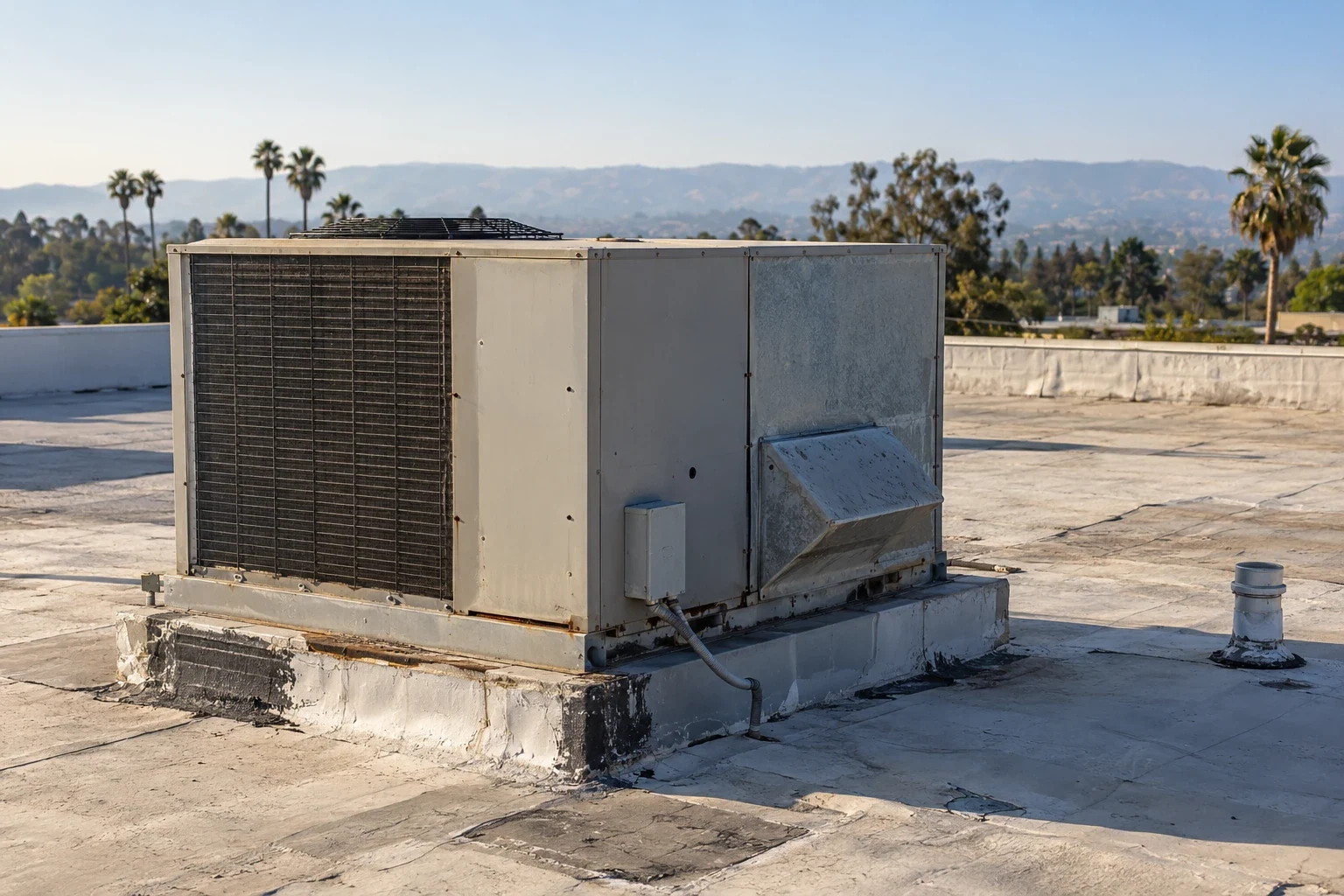
Rooftop Equipment Curbs and Supports in Murrieta, CA
Read the full description and the questions owners ask about it.
Learn More
Occupied-Building Commercial Reroofing in Murrieta, CA
See how this work fits the roof, the building and the schedule.
Learn More
Commercial Roofing in Temecula, CA
Related scope, access notes and questions to ask before work starts.
Learn More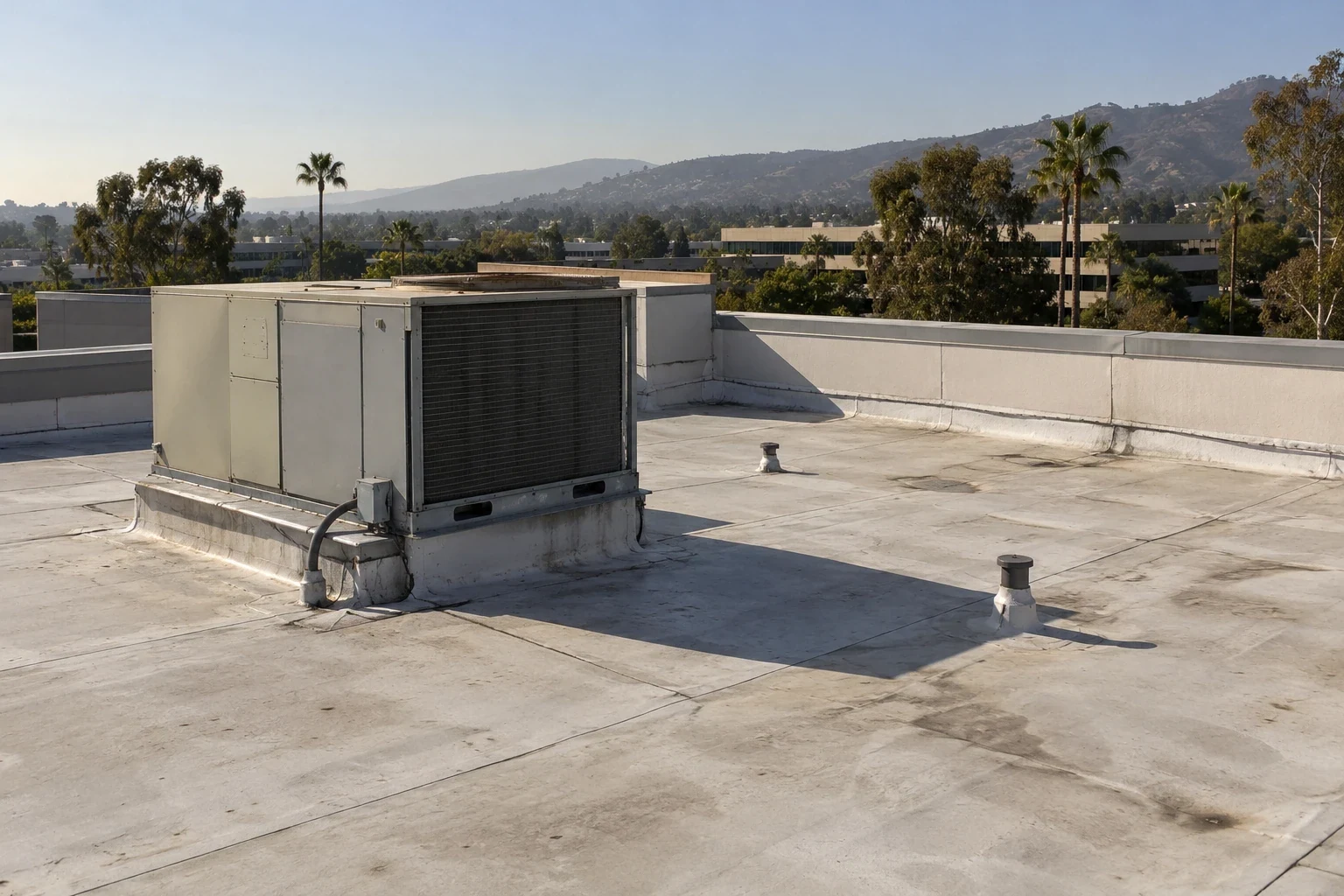
Office Building Roofing in Murrieta, CA
Read the full description and the questions owners ask about it.
Learn MoreReview a Medical Office Roof
Arrange a Murrieta inspection to document leak paths, equipment transitions and patient-area protection before selecting a repair scope.