Government Building Roofing in Murrieta, CA
Plan municipal roof repair in Murrieta, CA, with public access, work approvals, drainage, records and careful phasing considered before mobilization.
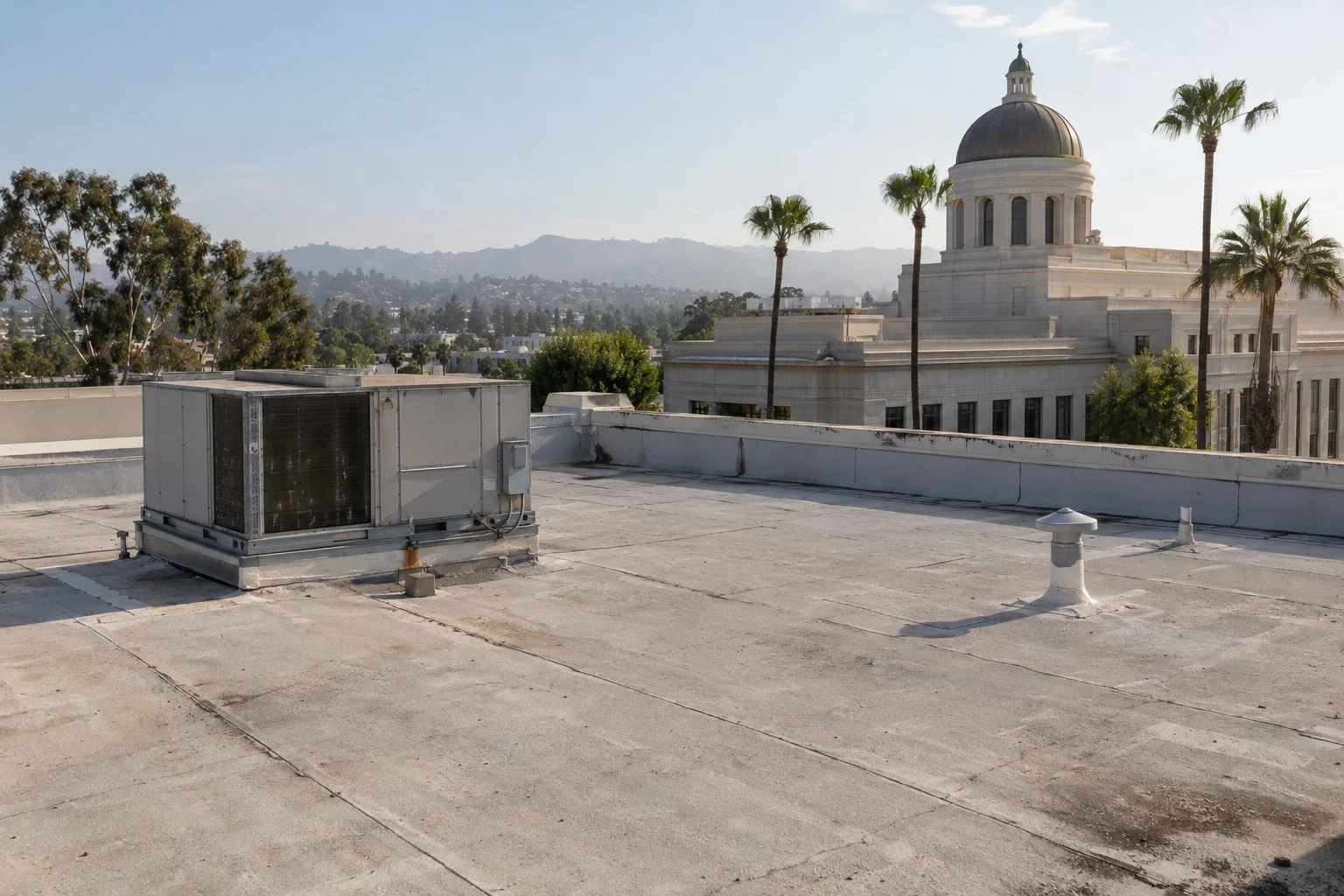
A public counter can stay open while a roof needs repair in another part of the building. Government building roofing in Murrieta begins with the occupied area below, the assembly above and the access rules that apply to the property. We inspect the roof, identify leaks and drainage concerns, and map the affected section before setting a scope. For a public property, the owner confirms the permit route and internal authorizations for the proposed scope. A commercial roof inspection records current conditions before the owner sets the next step. In Temecula, Old Town extends about one mile from north to south. Murrieta’s future Madison employment area meets Interstate 215 on its eastern side.
Public Access: Keep Service Areas Open
Roof work can affect a public entrance, service counter, meeting room, records area or staff workspace even when the active crew remains outside. We identify what sits under each roof section and note where access may need protection or notice. If a leak appears near an occupied area, we compare it with seams, curbs, drains, walls and prior repairs above. The report separates confirmed conditions from areas that need testing. A roof leak investigation can trace the water path and establish a repair boundary that matches the building.
Some facilities keep public services running through regular hours, hearings, scheduled appointments or emergency functions. The property contact can identify any room that cannot close and any route that must stay clear. We use that information to plan staging, lift placement, delivery timing and daily dry-in. A phased occupied-building plan can limit work to one defined area while staff continue service elsewhere. The scope should still say where noise, debris or temporary access changes are expected.
Facilities staff can use a roof map to connect observations with public rooms and staff areas. A school roof repair plan also accounts for occupied rooms, while each property sets its own service routes.
Roof Map: Record the Assembly and Drainage
Government properties may have additions built at different times, and the roof can change material or elevation from one wing to another. We identify the installed membrane, built-up surface or metal system before proposing work. At each transition, we inspect flashing, fasteners, seams, parapets and equipment curbs. The drain map shows bowl locations, scuppers, overflow routes and areas where water remains after ordinary drainage time. A drain and scupper review can address an outlet connection or flashing detail.
Repair, coating, recover and replacement should be compared against the actual assembly. A coating needs a compatible surface and preparation; it cannot correct trapped moisture or an unstable deck. A recover needs secure layers and workable height at curbs, drains and edges. For replacement, the proposal lists tear-off, insulation, cover board, attachment, flashing and temporary tie-ins. A preventive roof maintenance program can track the drains and details that remain serviceable after the immediate work.
Permit Context: State the Scope Clearly
Ordinance 625-25 also incorporates the 2025 California Energy Code into the City’s standards. This ordinance identifies an adopted code edition; it does not answer which requirements apply to a particular public building. We describe the roof work, materials and affected details, while the public owner confirms the permitting steps for the project.
Public projects may also have internal approval, procurement, notice or records requirements. Those steps affect when a roofing scope can be authorized, when a work area can close and how changes are documented. We identify the person who can approve concealed deck or insulation repairs and set out what information is needed before the crew proceeds.
For a building with several roof sections, the record should state which areas are included and which remain outside the contract. The result gives facilities and procurement staff a shared description of what is being authorized.
Schedule: Coordinate Staff, Trades and Deliveries
Roof access can overlap with maintenance vendors, public deliveries, staff parking and pedestrian routes. If a mechanical unit must remain in use, the sequence should preserve its access and show who checks the flashing after service. A curb and equipment review can record the roof interface before the work area is closed.
Murrieta’s 2025 economic update reports industrial vacancy at 3 percent when the figures were published. Temecula’s official business information gives Old Town an approximate one-mile span from north to south. These municipal references describe a dated market snapshot and a local review process, not the schedule at a public building. Department hours, the public calendar and an approved access route determine the work window. The Temecula service area has separate local context for projects outside Murrieta.
When work must happen in stages, each section should have a start boundary, daily closure point and route for staff or visitors. If weather delays a phase, the crew should know which roof areas need a temporary dry-in and how the public entrance remains protected. A multi-building public roof program can coordinate shared records, while each property still needs its own inspection and access map.
Owner Review: Compare Options and Close Out
A useful proposal names the sections, work hours, staging area, public routes, interior protection and approval process. It separates temporary leak control from permanent work and identifies assumptions about deck repairs, insulation, flashing and disposal. Cost depends on the assembly, tear-off, equipment access, roof geometry and project phases. Comparing options on the same assumptions helps the owner see whether targeted repair, recover or replacement fits the findings.
Closeout should include photographs, product details, repaired locations, approvals and remaining observations. The roof map lets staff return to the same drain or seam without relying on a general description. If a later inspection finds a new issue, the record can distinguish it from work already completed. Keep public access notes with the roof plan so future maintenance can coordinate around the same entry points.
For an office component, a commercial office roof scope also accounts for staff areas and access. The building use may differ, but the assembly, drainage and repair evidence still determine the technical recommendation. Request an inspection to identify the condition, set a scope and plan a work window that fits public service.
Commercial Roofing Questions
Can a government office stay open during roof repairs?
We can consider phased work when the layout and roof assembly permit a secure boundary. The plan needs to identify which entrances, counters or rooms remain accessible, plus staging and notice points. If a service cannot be interrupted, management should identify that constraint before dates are fixed.
How should a public owner compare roofing proposals?
Compare the same roof sections, removal assumptions, insulation and deck scope, flashing, drain details, access, daily dry-in and change approval process. We map observed findings so a proposal can distinguish confirmed repairs from allowances for concealed conditions. That makes the alternatives easier to review.
What documentation comes with a roof inspection?
The record should identify the assembly, roof sections, observed conditions, photographs, tested locations and recommended next steps. We separate current defects from items that need more testing. The owner can retain the map with facilities and procurement records for future review.
Does the 2025 code adoption apply to every roof repair?
The public owner should confirm the required review for the building and scope before authorizing work. We describe the assembly, affected areas and proposed materials so that review can be completed against a clear roof scope.
How do you handle an unexpected deck problem?
We document the opened condition with location and photographs, keep the area protected, and identify the approval needed before expanding the base work. The record should state which material is damaged and what replacement is proposed. That gives the owner a clear decision before the scope changes.
Related Roofing Work
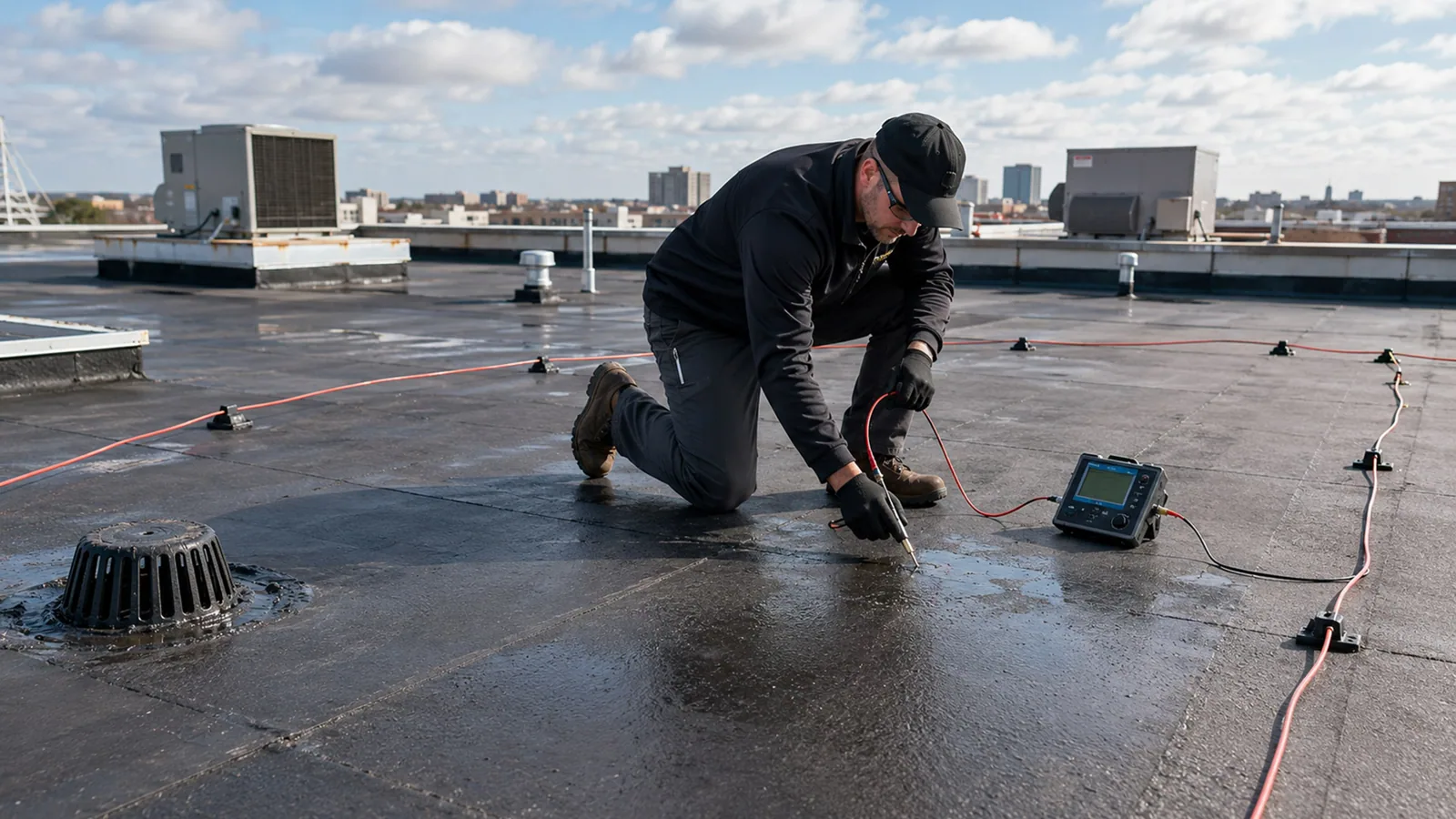
Commercial Roof Inspection in Murrieta, CA
See how this work fits the roof, the building and the schedule.
Learn More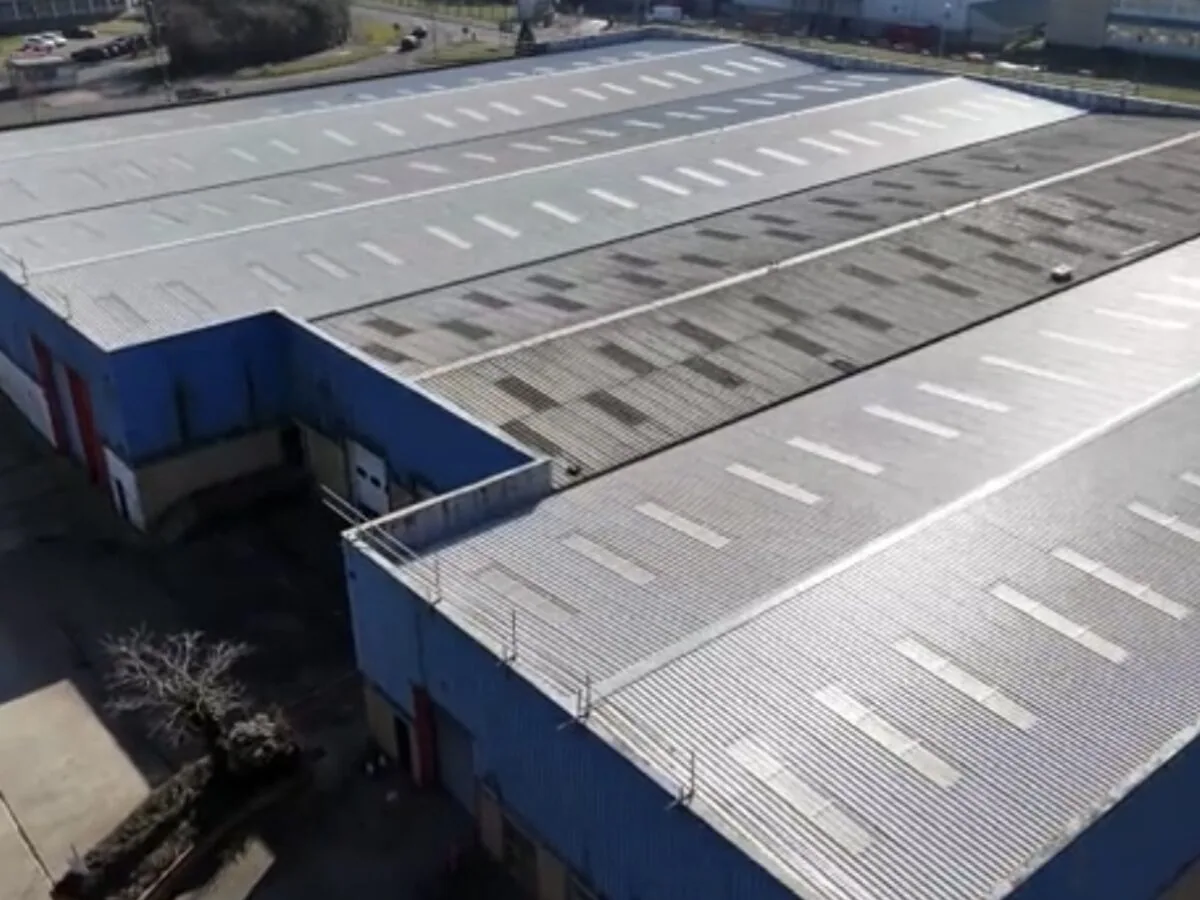
Commercial Roof Leak Repair in Murrieta, CA
Related scope, access notes and questions to ask before work starts.
Learn More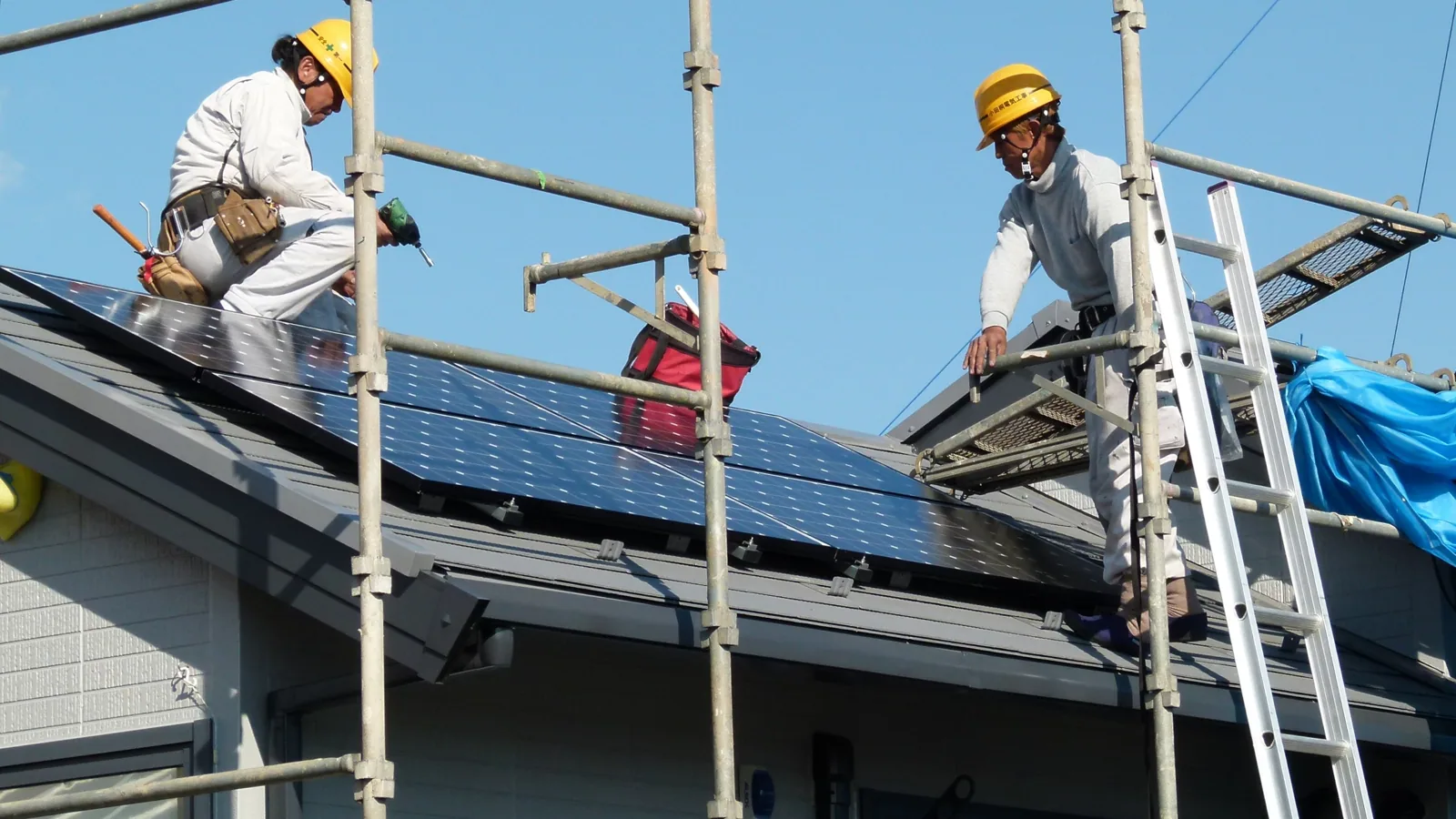
Occupied-Building Commercial Reroofing in Murrieta, CA
Read the full description and the questions owners ask about it.
Learn More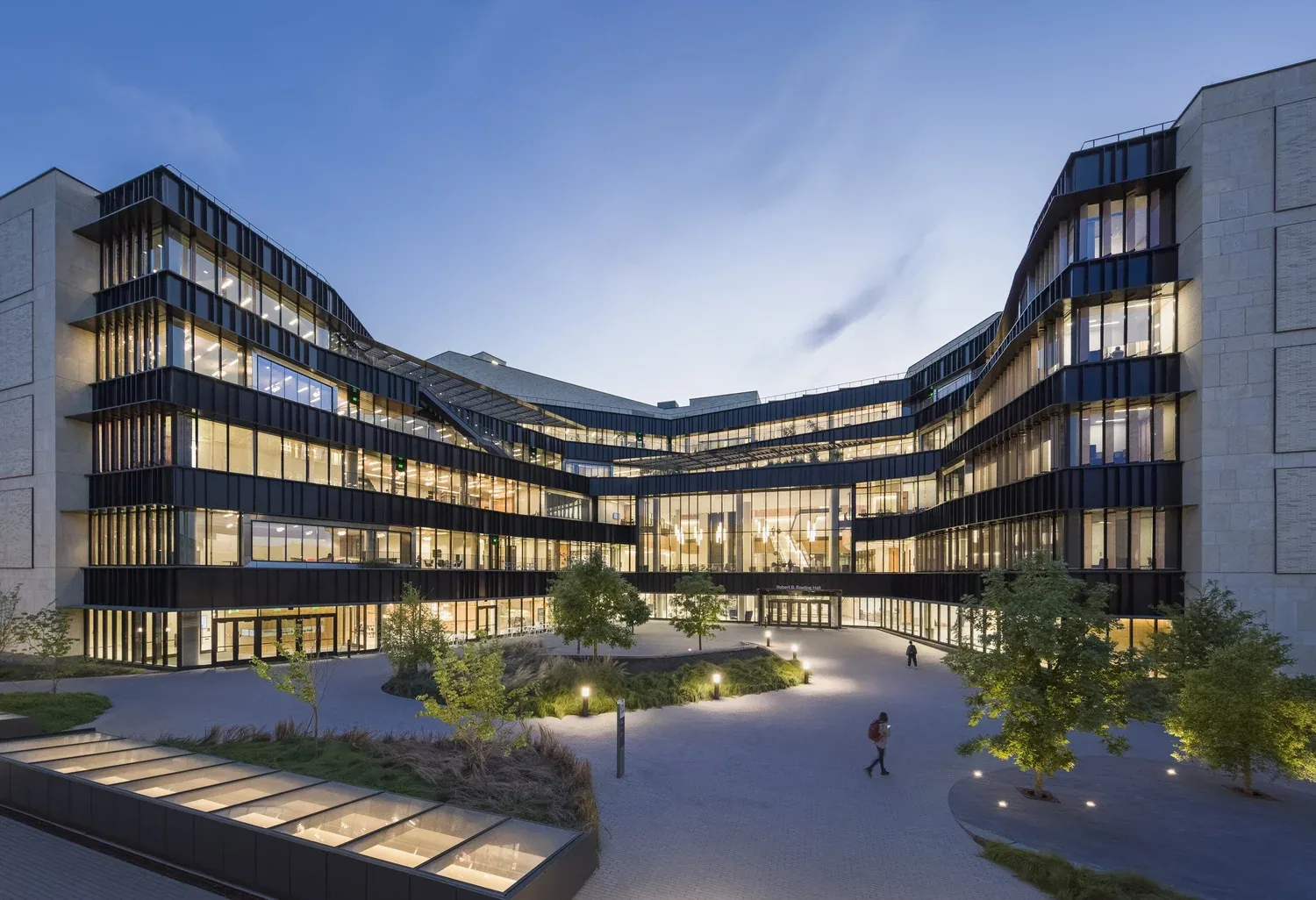
School Roofing in Murrieta, CA
See how this work fits the roof, the building and the schedule.
Learn More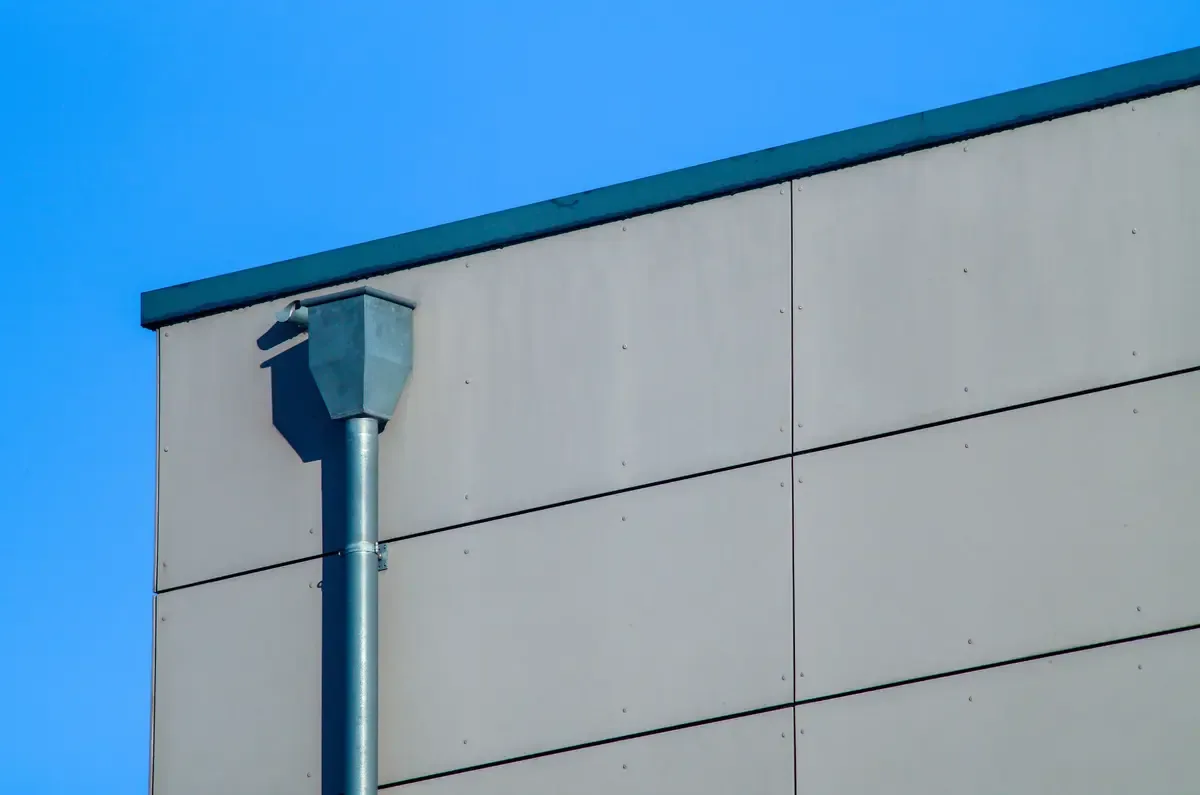
Commercial Roof Drains and Scuppers in Murrieta, CA
Related scope, access notes and questions to ask before work starts.
Learn More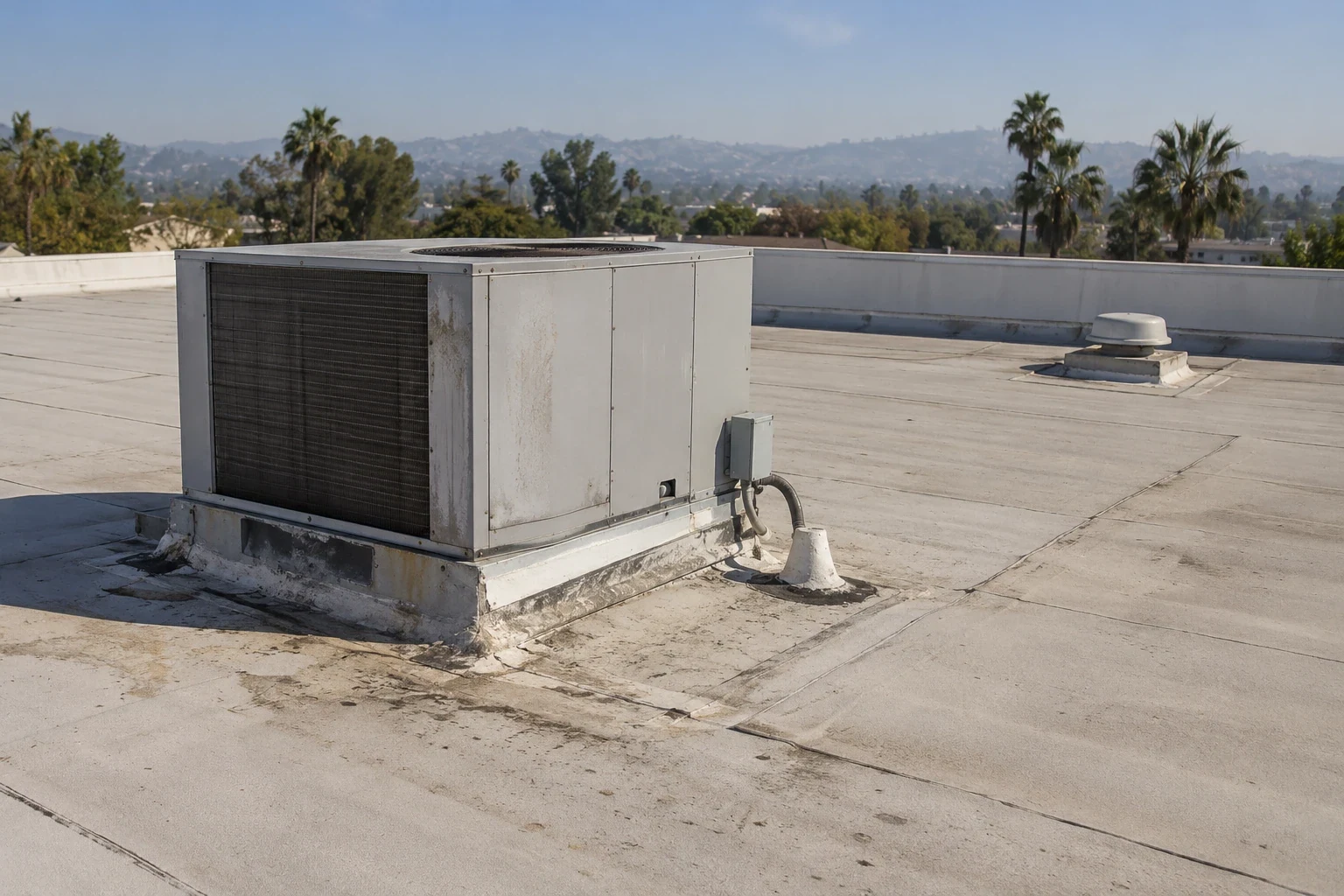
Commercial Roof Maintenance in Murrieta, CA
Read the full description and the questions owners ask about it.
Learn MorePlan a Government Roof Inspection
Arrange a Murrieta inspection to document roof conditions, public access and the work boundary before authorizing repairs.