
Commercial Roof Asset Management in Murrieta, CA
Track roof conditions, repairs, and replacement timing across Murrieta properties. Build a usable record for maintenance and capital decisions.
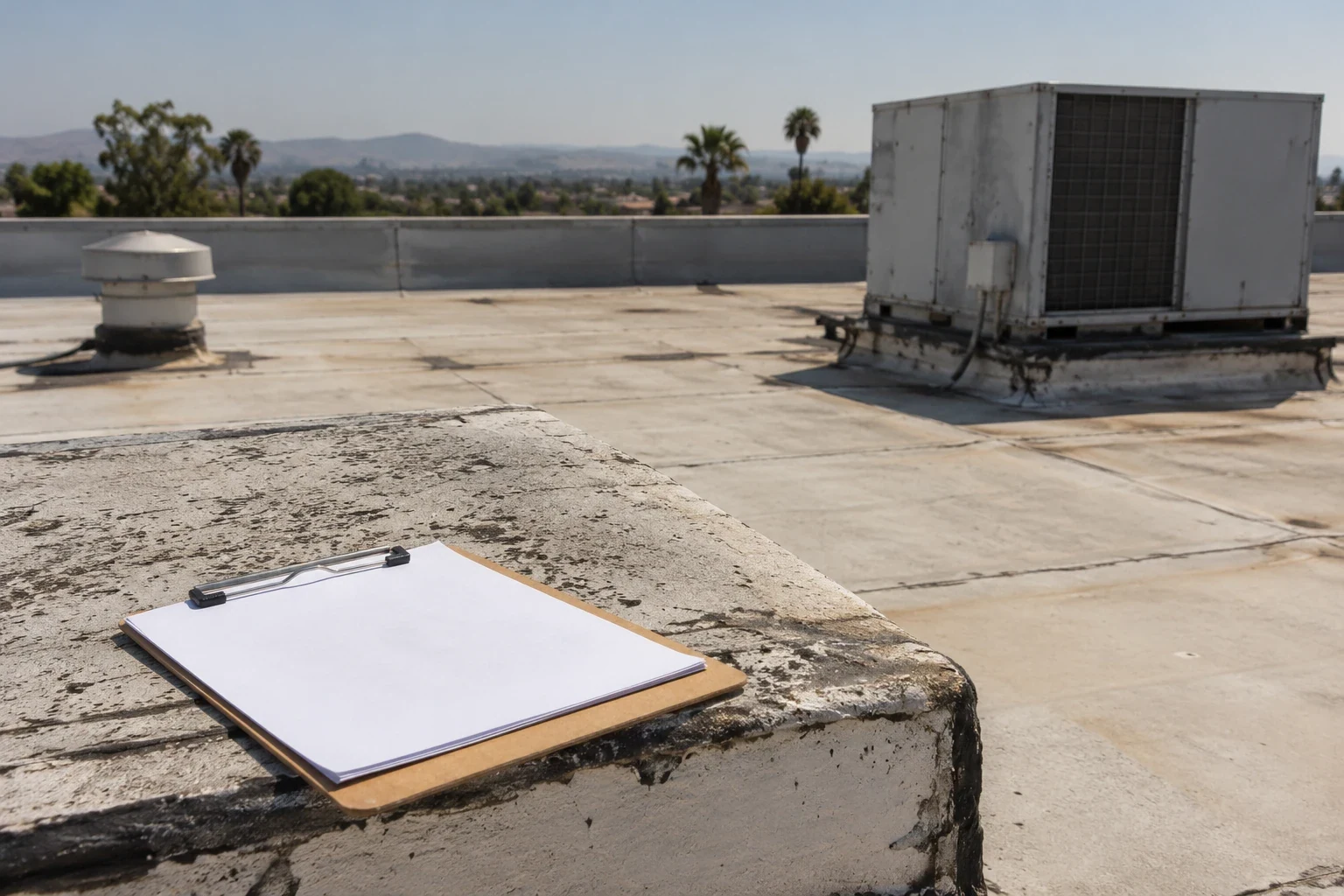
A property manager juggling several roof files needs one view of what is sound, what is leaking, and what needs a scheduled decision. The city's existing business parks total over 2M sq ft of commercial space. That figure counts building space, not roofing surface, and it does not identify the assembly at any individual property. We build an asset record from the actual sections, edges, drains, curbs, and repair history at each property, then tie each observation to a next step. That keeps the portfolio useful without treating every roof as the same age or system. Murrieta has direct access to Interstate 15 and Interstate 215, so a portfolio record can keep properties on either corridor distinct by roof section and repair history. For owners comparing a repair with capital work, a photo-backed condition report gives the record a clear starting point.
Owner decision: One Record Per Roof Section
We begin by separating each roof into sections that can be found again: a membrane field, a metal slope, a lower roof, or an addition with its own drains and transitions. The record notes the observed surface, seams, flashing, penetrations, drainage, and visible wear without guessing at concealed conditions. A repair belongs to the section and location where it was made, not to a vague property-wide note. If a leak returns, the service record helps us compare the new path with the earlier repair boundary and decide whether water is entering at the same detail.
Murrieta's business-park space spans properties with different operating needs. The Madison Corridor Specific Plan defines an area of about 220 acres between Jefferson Avenue, Newton Azrak Street, Interstate 215, and Elm Street, with Business Park and Innovation zoning. That land-use framework does not prove that planned construction is complete; a record for an existing property still describes only the roof inspected. Owners comparing neighboring portfolios can use the same method for properties in the Jefferson and Madison corridor, while keeping each repair history separate. We document the roofs actually inspected. A manager can then sort work by observed condition, occupancy, access, and consequence, rather than by a district label or assumption about the building.
Inspection finding: Findings That Can Be Rechecked
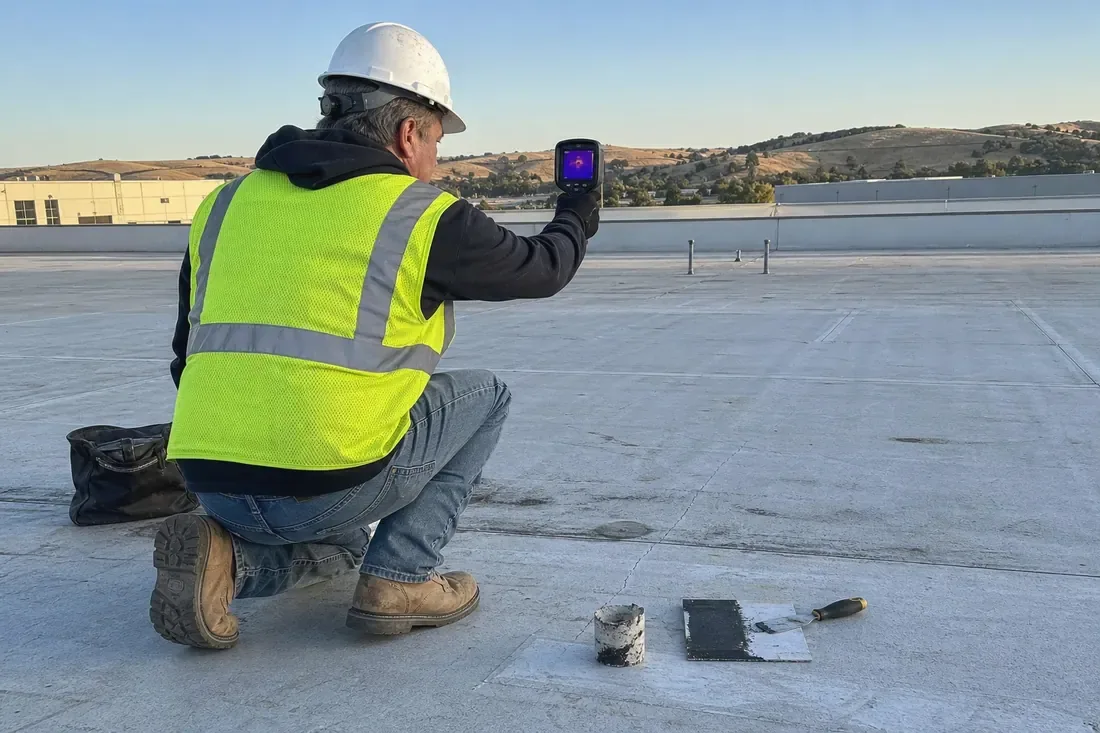
Useful tracking depends on repeatable observations. We identify the roof section, the detail examined, the condition seen, and the photo that supports it. A seam opening, a split at a curb, a blocked drain path, and ponding after drainage has had time to work are different findings. Each gets its own location and repair recommendation. If the roof is wet or unsafe to cross, the report records the access limit and what remains unverified. Owners can compare the next visit without mistaking a photograph for proof of conditions that were hidden underneath.
For a complex leak, we connect the asset record to moisture survey findings and any confirmation cuts or interior observations actually completed. Infrared patterns can guide where to inspect; they do not identify every wet layer or establish the roof's full remaining life by themselves. The record distinguishes surface observations from test results and notes what still needs access. That distinction lets a later estimator scope work from recorded observations rather than a shorthand label such as “bad roof.”
Owner decision: A Portfolio View Without False Precision
A useful portfolio view groups work by decision, not by a made-up condition score. Active water entry, an open flashing detail, repeated seam repairs, and coating wear may call for different timing. We flag urgent water control separately from planned repair, investigation, and replacement evaluation. When several properties need work, the manager can compare the actual scope, access constraints, and occupied-space impact for each one. The record supports that comparison; it does not promise that a budget line will hold without updated inspection.
In the Jefferson and Madison corridor, roughly 220 acres and about ten million square feet are designated for future business-park and innovation use. Planned land capacity is not a count of completed buildings, so an asset enters the record only after we inspect its roof. When a property sits beyond the core, the same building-first review can be applied to commercial properties in Temecula without assuming its roof matches a Murrieta asset. We add a property only after its location, roof sections, system observations, and work history can be documented.
Owner decision: Keep the Record Usable During Work
Roof work often crosses the schedules of tenants, maintenance staff, and other trades. The record notes the access route used, rooftop equipment that needs protection, work windows agreed for that visit, and any section left untouched. Before a repair starts, we confirm which roof area is included, how temporary dry-in will be handled if weather interrupts the work, and what observations belong in closeout. A dated record of completed repairs and photographs gives the next inspector a better reference than a calendar reminder alone.
On a hot workday, a safe access window or material-handling step can differ from a cooler visit. We note the time, roof section, and any manufacturer temperature limits relevant to the work. That keeps a later reviewer from assuming a patch was completed under the same conditions as another section. If the work involves a repair before the next portfolio cycle, the repair scope and follow-up record should identify the section addressed. For a longer-range view, capital planning for the roof should separate today's repair from later replacement questions, with each decision linked to its inspection record.
Repair option: A Repair Boundary That Stays Clear
Asset tracking becomes unreliable when a repair is described only as “completed.” We record the repair boundary, the material and detail addressed, and the condition that prompted the work. If a seam was patched, the note should say which seam and whether adjacent flashing or drainage was inspected. If a roof coating was restored, the record should identify the prepared section and the limits of that scope.
When recurring repairs begin to touch multiple sections, we compare the cost drivers and disruption of another localized scope with a broader project. planned maintenance visits can keep drains, edge metal, and accessible details on a schedule, while replacement planning can account for assembly condition and tenant coordination. The right path depends on what inspection shows, not on the age of an isolated patch or an unsupported service-life estimate.
Commercial Roofing Questions
What belongs in a commercial roof asset record?
Record the property, roof section, observed system, condition, photo, inspection date, repair boundary, and next action. We also note access limits and conditions that could not be checked so a later review does not treat an unknown as a finding.
Can a portfolio record predict the year a roof must be replaced?
A record can help set a review window, but it cannot establish a replacement date without current inspection. We compare observed wear, repair history, drainage, and the consequences of continued operation, then update the recommendation when conditions change.
How do you handle buildings added after the first review?
We add each property after inspecting its own sections and details. Murrieta planning for Jefferson and Madison includes future business-park capacity, but planned land is not a completed roof inventory; the asset list stays tied to buildings actually reviewed.
Will a photo prove what is under the roof membrane?
A surface photo shows the visible condition at that location. Concealed layers need appropriate testing or opening, and the record states what was and was not verified. That keeps a later scope grounded in the inspection findings.
What should happen when a leak appears between scheduled visits?
Contact us to report the affected space and any active water entry. We can review the repair history, arrange roof access, and identify a safe temporary measure before deciding whether the issue is localized or tied to a larger section.
Related Roofing Work
Commercial Roof Condition Reports in Murrieta, CA
See how this work fits the roof, the building and the schedule.
Learn More
Infrared Roof Moisture Survey in Murrieta, CA
Related scope, access notes and questions to ask before work starts.
Learn More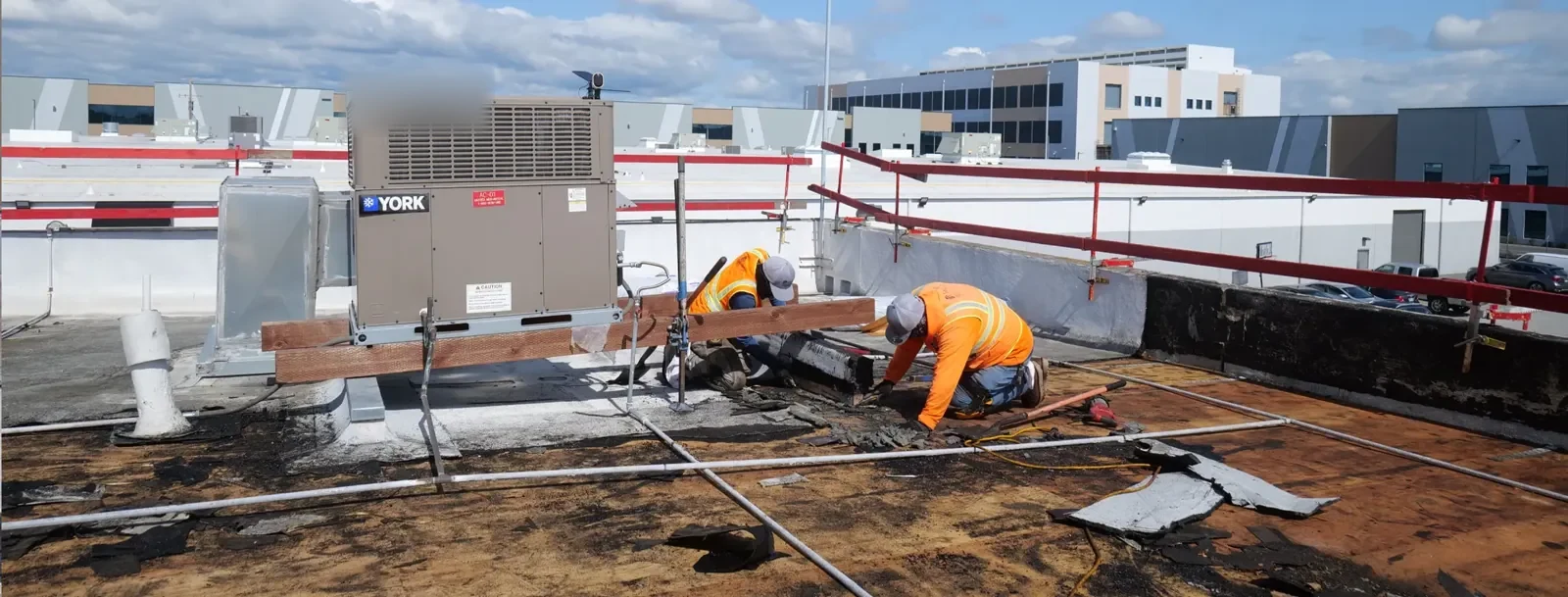
Commercial Roof Capital Planning in Murrieta, CA
Read the full description and the questions owners ask about it.
Learn More
Commercial Roof Maintenance in Murrieta, CA
See how this work fits the roof, the building and the schedule.
Learn More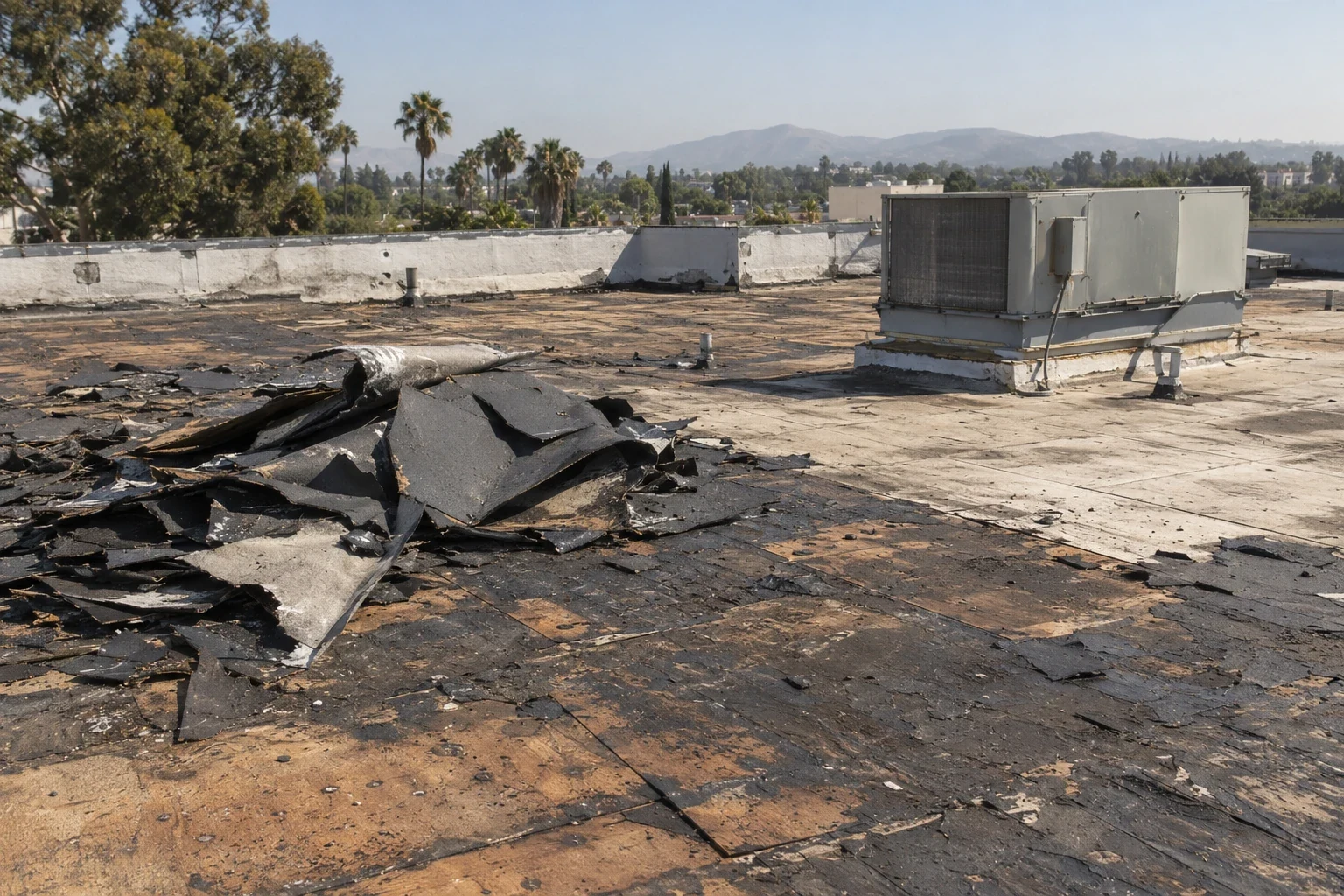
Commercial Roof Replacement in Murrieta, CA
Related scope, access notes and questions to ask before work starts.
Learn More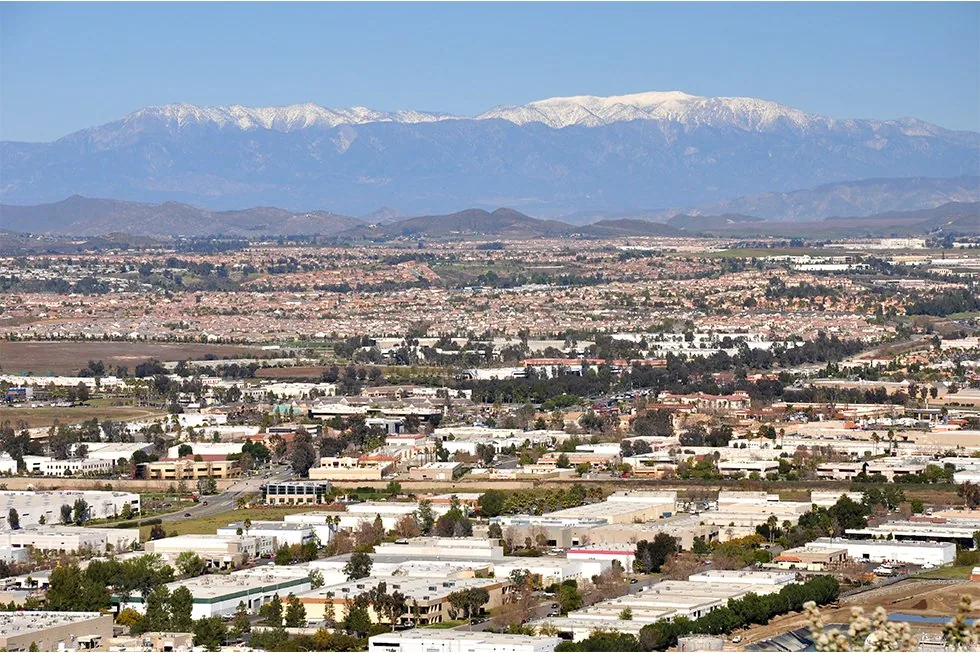
Commercial Roofing in Jefferson-Madison Corridor, Murrieta, CA
Read the full description and the questions owners ask about it.
Learn MorePut the Roof Record to Work
Arrange a roof review to identify the sections, current findings, and next decisions for your Murrieta properties.