
Public Agency Roofing in Murrieta, CA
Document public-building roof conditions, define repair boundaries, coordinate occupied facilities, and keep scope records ready for agency review.
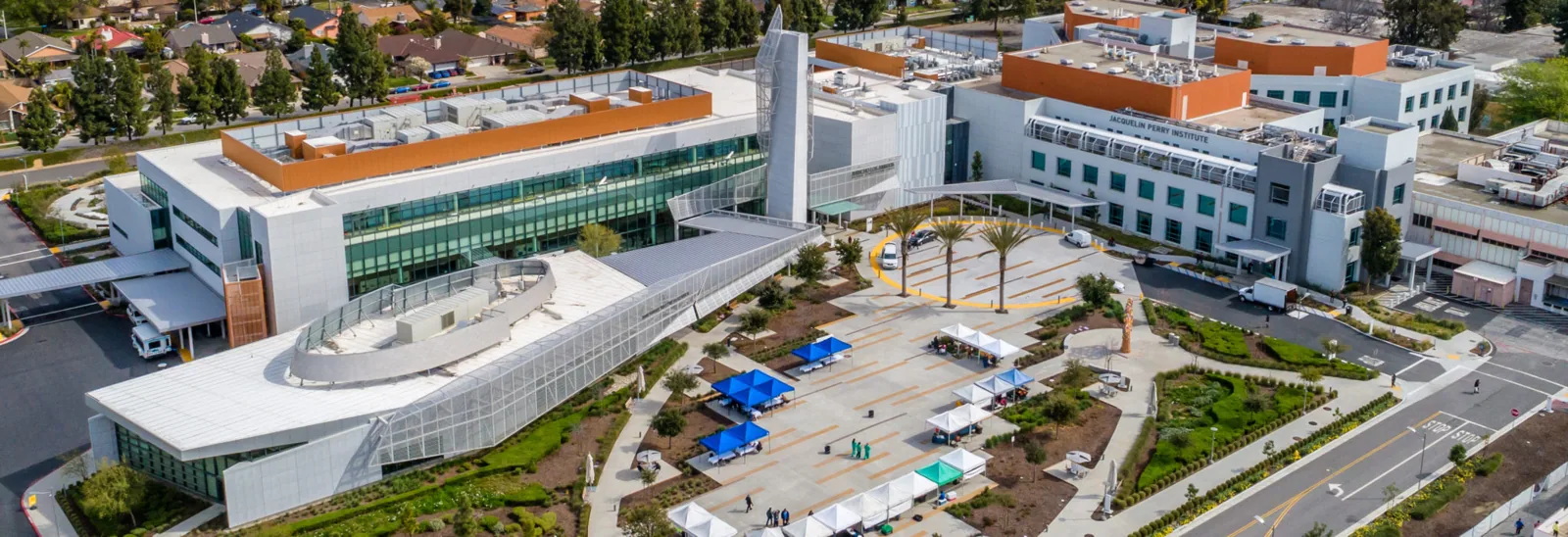
A roof leak in a public building can reach a records room, service counter, meeting space, or work area before anyone can schedule permanent repairs. The first useful step is a clear record: where water appeared, which roof section sits above it, what access is available, and what the inspection can confirm. We keep temporary protection separate from a permanent repair recommendation. For a Murrieta facility, a commercial roof inspection can give agency staff photos and a defined scope to review without treating one observation as a conclusion about an entire portfolio.
Facility Register: Identify the Roof and the Use Below
Begin with an asset identifier, address in the agency's own record, facility contact, reported condition, and roof-access point. Note whether the area below is open to the public, used by staff, or contains equipment or records that need protection. A service counter, operations room, storage area, and vehicle bay each bring different access and scheduling questions. We record the observed roof section rather than use a campus or department name as a substitute for location.
Consistency helps when an agency compares several properties. Each inspection can use the same fields for assembly, drains, edges, penetrations, past work, photographs, and open questions while keeping each building's observations separate. Murrieta's municipal materials include economic-development and corridor planning; they do not identify government roof inventory or its condition. A government-building roof review should start with the actual facility record. For agencies that manage many properties, a multi-building property record can offer a useful comparison format without implying the assets are identical.
Condition File: Explain What the Visit Found
When staff report a ceiling stain, we log the room, the date and conditions reported, the affected contents, and any temporary measure already in place. On the roof, we inspect seams, penetrations, curbs, wall transitions, drain bowls, and overflow paths near the reported area. Water may move along a deck or insulation before appearing indoors, so the nearest detail is not automatically the source. We note what was visible and where access or testing remains necessary.
The finding should separate evidence from interpretation. A photograph can show an open seam or debris at an inlet; it cannot by itself establish the extent of concealed moisture. If that answer could change repair versus replacement, identify the area and method needed to resolve it. Murrieta's climate assessment defines an extreme-heat day using a threshold of 105.1 degrees Fahrenheit and reports historical and projected counts. That planning context is not a workday forecast, so the actual weather and roof condition still govern preparation. A roof condition report can keep the observation, limits, and next action together.
Scope Review: Set the Boundary Before Work
A bid or work order is easier to compare when it names the roof section, preparation, compatible materials, tie-ins, drainage details, daily dry-in line, and exclusions. The scope should say whether the work is a temporary water-control measure or a permanent repair. If concealed insulation or deck damage might expand the opening, spell out the review and approval step before that condition appears. These details give agency staff a defined question to route through their own purchasing and facilities process.
For public work, our description should remain within the observed condition and proposed roofing task. We do not assume an agency's solicitation terms, funding source, or award path. For applications filed on or after January 1, 2026, Murrieta's building staff refer applicants to California's 2025 code edition; agency staff should confirm the requirements for their scope with the reviewing authority. If a scope involves a general contractor or mechanical trade, the roofing coordination notes for general contractors can help define handoffs. Keep approvals, clarifications, and change records with the work file.
Public Access: Coordinate a Work Window
Before mobilization, the facility contact can identify visitor hours, staff entrances, restricted rooms, deliveries, lift locations, and the path below the work. Those limits shape staging and how much roof can open in one shift. If the building must remain accessible, the sequence should say how people move around the active area and where signs or temporary barriers will sit. The agency approves public notices and access changes; we describe the roofing activities and daily protection needed for that plan.
Travel between Murrieta, Temecula, or Menifee does not set a facility's work window. Confirm each property's check-in, keys, roof access, utility contacts, and closure rules. When another trade must disconnect or reset equipment, identify the handoff before work reaches the curb or support. A phased occupied-building reroof can define active zones and end-of-day protection. If an active leak needs attention before the scheduled project, a targeted emergency response should document its limits and the permanent follow-up separately.
Project File: Compare Options on the Same Evidence
Repair, recover, and replacement should refer to the same roof section and known conditions. We identify visible assembly layers, seam and flashing condition, drain performance, attachment questions, edge details, and any testing still needed. A recover may not suit a section with trapped moisture or details that cannot be raised cleanly. Replacement may call for broader protection and a different access plan. The agency can compare options when boundaries, assumptions, exclusions, and disruption are stated in comparable terms.
Murrieta's Madison Corridor procurement materials describe an approximately 220-acre planning area between Jefferson Avenue, Newton Azrak Street, Interstate 215, and Elm Street. This is a land-use planning fact, not a statement about completed public buildings or roofing contracts. A decision for an existing property belongs to its facilities record and agency process. A roof capital planning review can group documented needs by timing while leaving budget authority and project approval with the agency.
Closeout: Preserve the Condition History
Closeout should identify the completed repair, roof location, materials, before-and-after photographs, approved changes, and remaining observations. Mark the drain, curb, seam, or edge addressed so staff can return to it. Keep a temporary measure, a permanent correction, and a future recommendation in separate notes. If water returns, the next inspection can compare the new path with the earlier scope rather than start from a vague invoice entry.
It also helps agency staff decide whether to monitor, request another inspection, or assemble a broader project scope. For work around Temecula, the same closeout format can preserve consistency while each property's roof facts remain its own. We state which decision the evidence supports and leave procurement, funding, and approval steps to the public agency.
Commercial Roofing Questions
What information helps scope a public-building roof repair?
Provide the facility identifier, reported leak location, contact, roof access rules, and any recent repair record. We inspect the area above the report and describe the observed condition, work boundary, materials, and open questions. Agency staff then route that scope through their applicable review process.
Can an inspection confirm concealed moisture?
A visual inspection may identify signs that warrant testing, but a surface observation alone does not establish concealed insulation condition. We describe the area, method, and decision affected by the result so the agency can decide whether that additional work is appropriate.
Does a city permit page determine every agency roofing requirement?
No. Murrieta's published code-adoption information is a city reference for new submittals from its stated date. The responsible authority and project team should confirm requirements for the specific facility, scope, and jurisdiction before work proceeds.
How do you limit disruption in a building open to the public?
The facility contact identifies access hours, public routes, restricted rooms, deliveries, and notice procedures. We use those limits to plan staging and roof sections, then record the daily dry-in and any temporary route changes. The agency approves building access and public communication.
What belongs in roof-work closeout records?
Keep the roof location, completed boundary, materials, photographs, approvals, changes, and open observations together. Separate temporary water control from the permanent repair and note when another inspection is warranted. That gives the next facilities review a traceable starting point.
Related Roofing Work
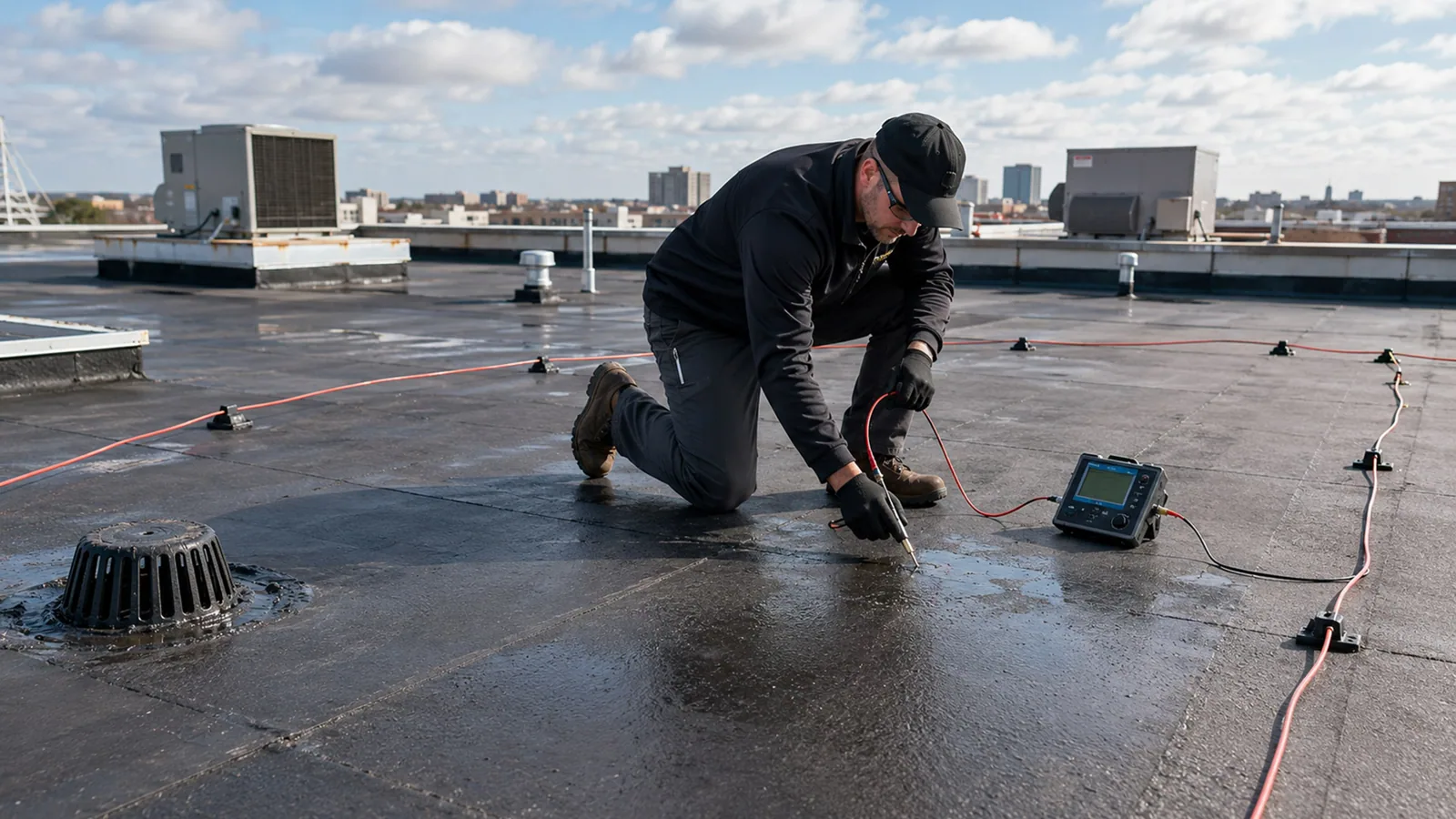
Commercial Roof Inspection in Murrieta, CA
See how this work fits the roof, the building and the schedule.
Learn More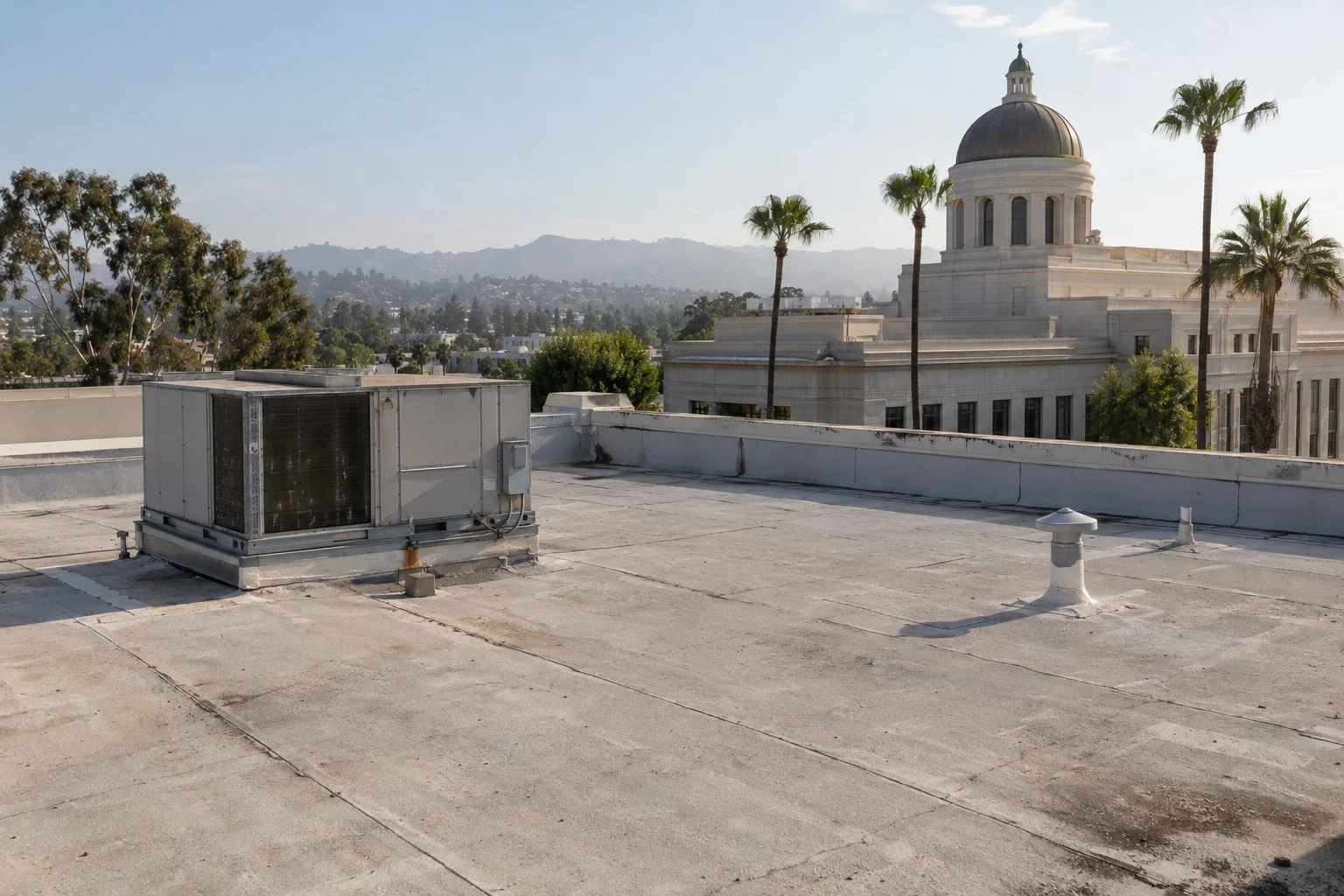
Government Building Roofing in Murrieta, CA
Related scope, access notes and questions to ask before work starts.
Learn More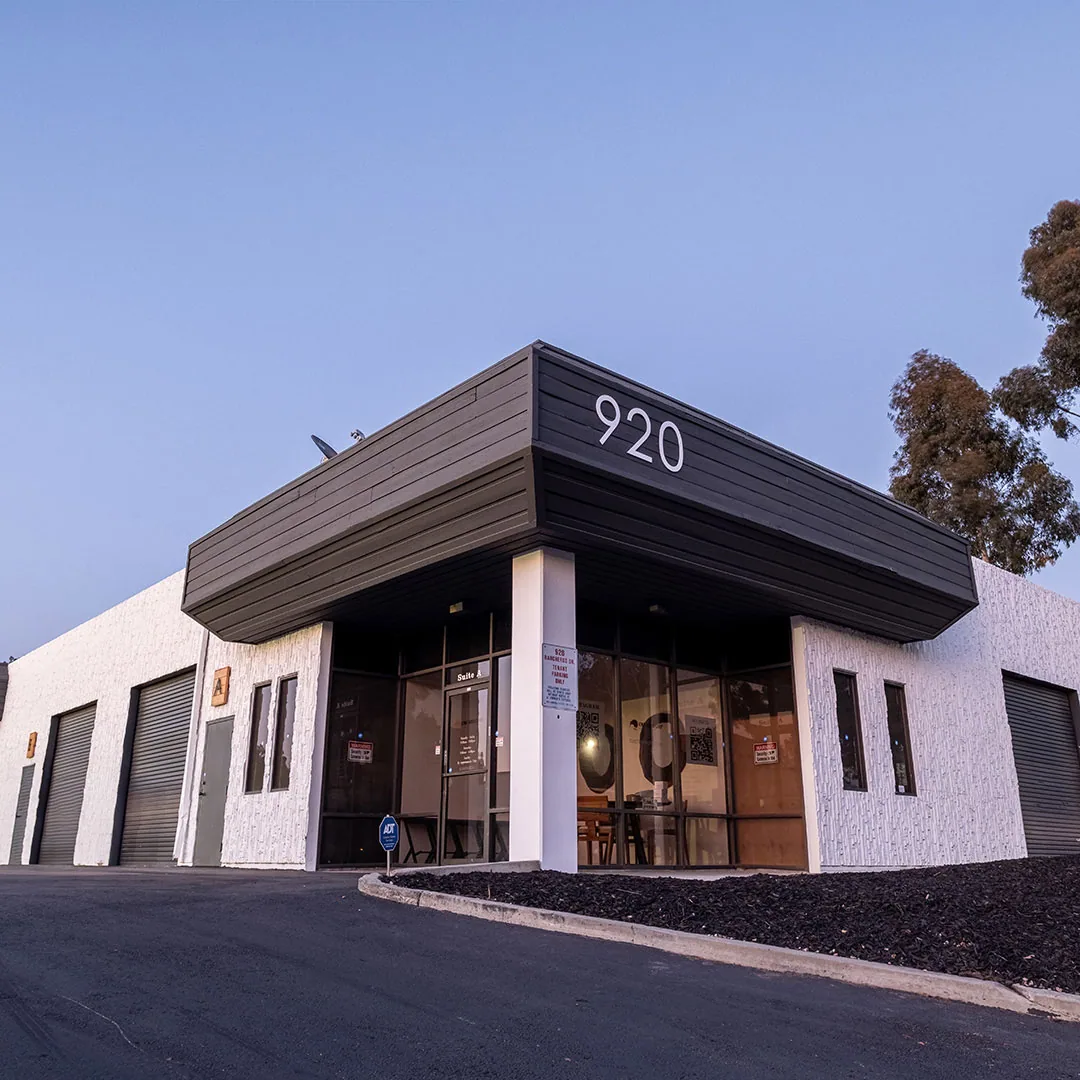
Commercial Roofing for Property Managers in Murrieta, CA
Read the full description and the questions owners ask about it.
Learn More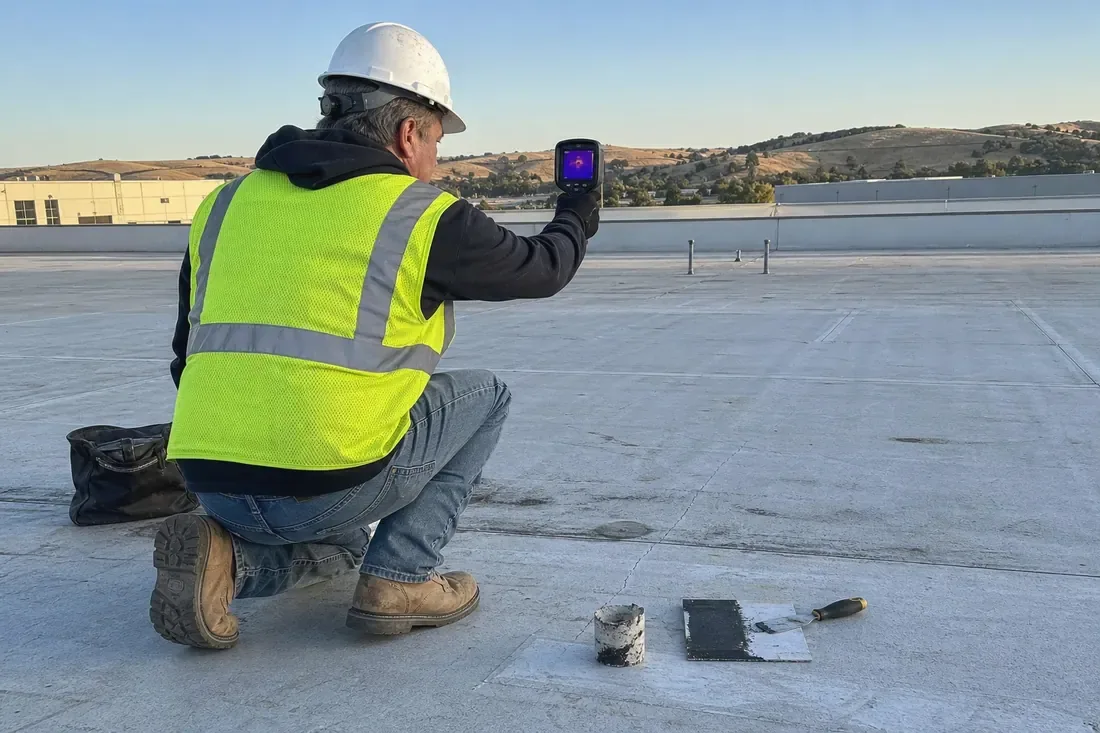
Commercial Roof Condition Reports in Murrieta, CA
See how this work fits the roof, the building and the schedule.
Learn More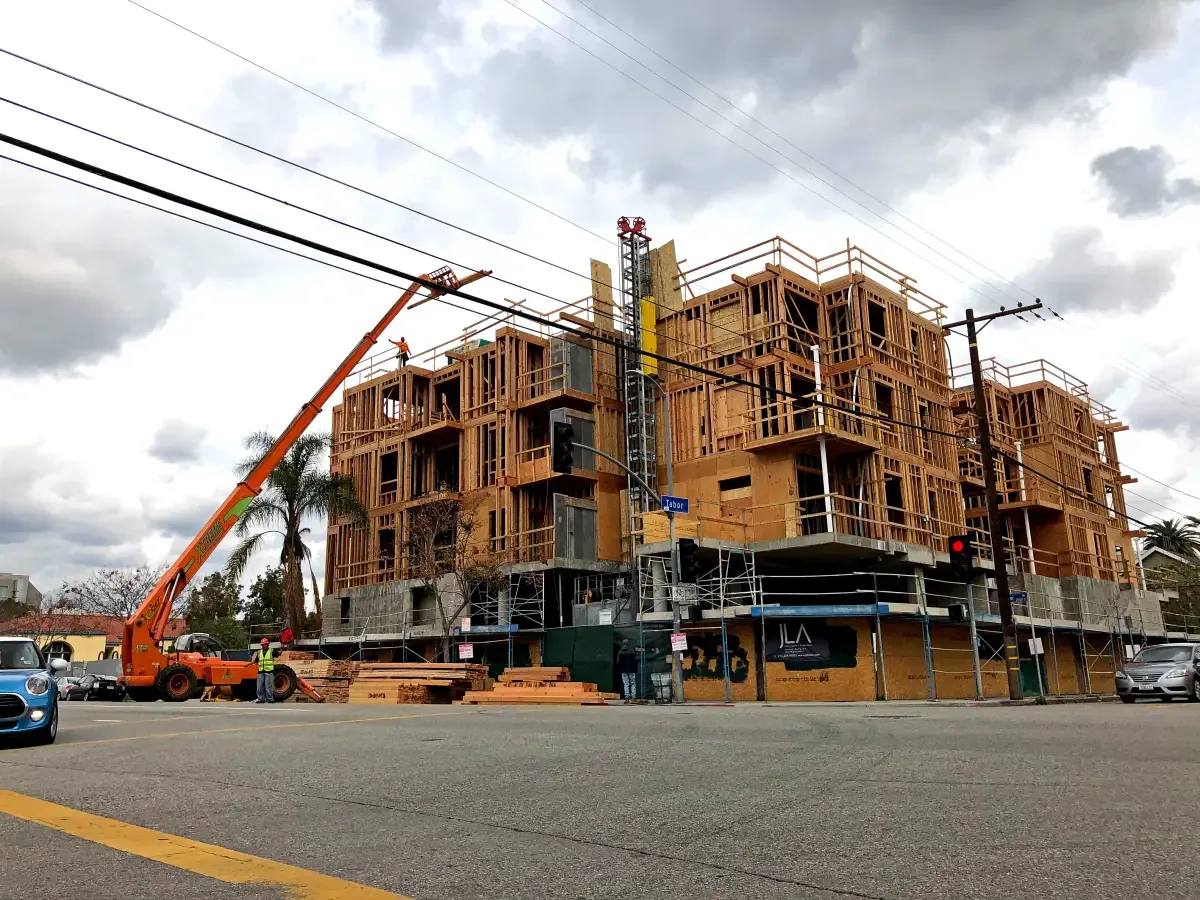
Commercial Roofing for General Contractors in Murrieta, CA
Related scope, access notes and questions to ask before work starts.
Learn More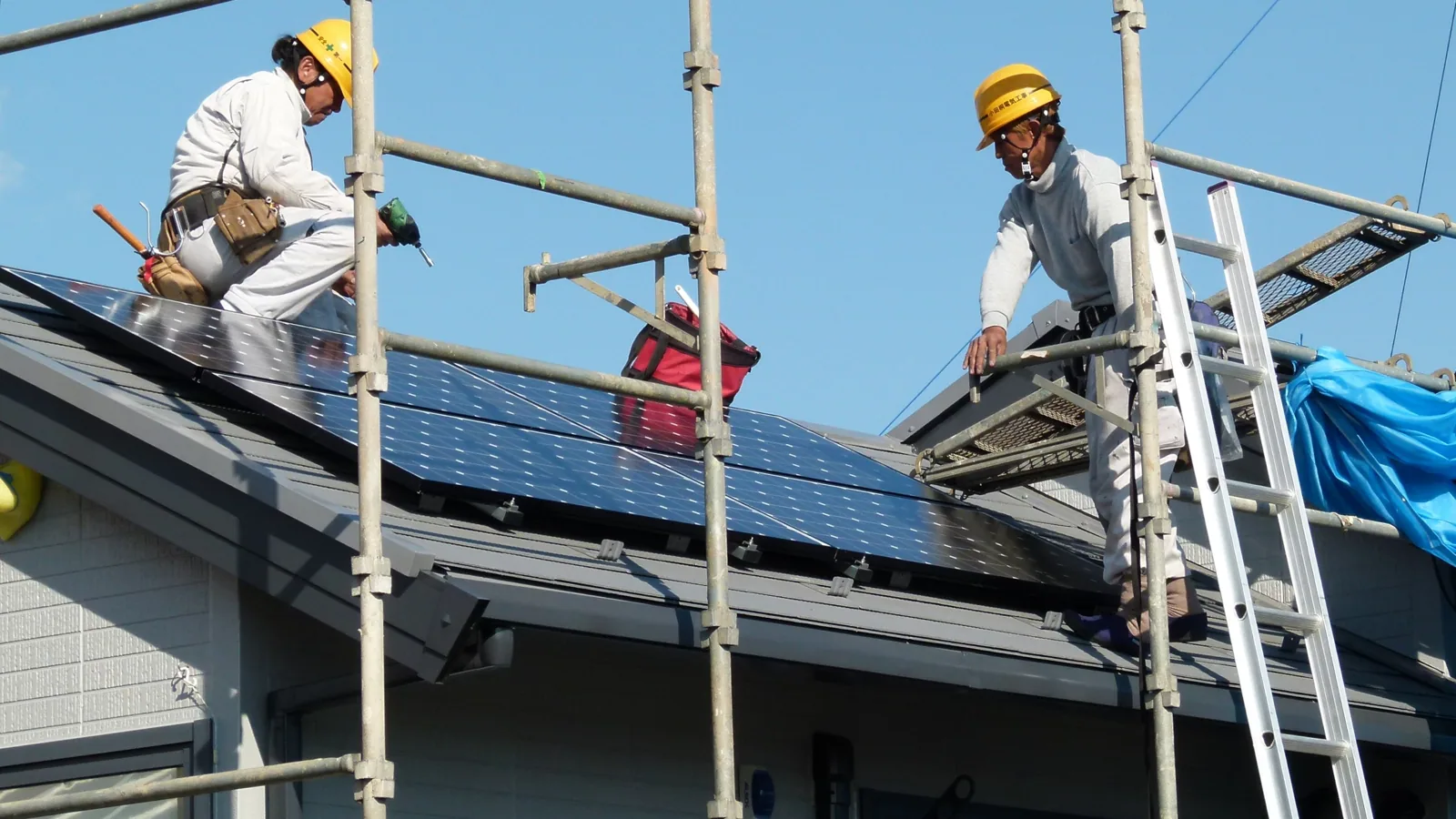
Occupied-Building Commercial Reroofing in Murrieta, CA
Read the full description and the questions owners ask about it.
Learn MorePrepare a Reviewable Public-Facility Scope
Arrange an inspection to document the roof condition, define the work boundary, and identify the decision agency staff need to review.